

Nissan Leaf 2023 Review

 Share
Share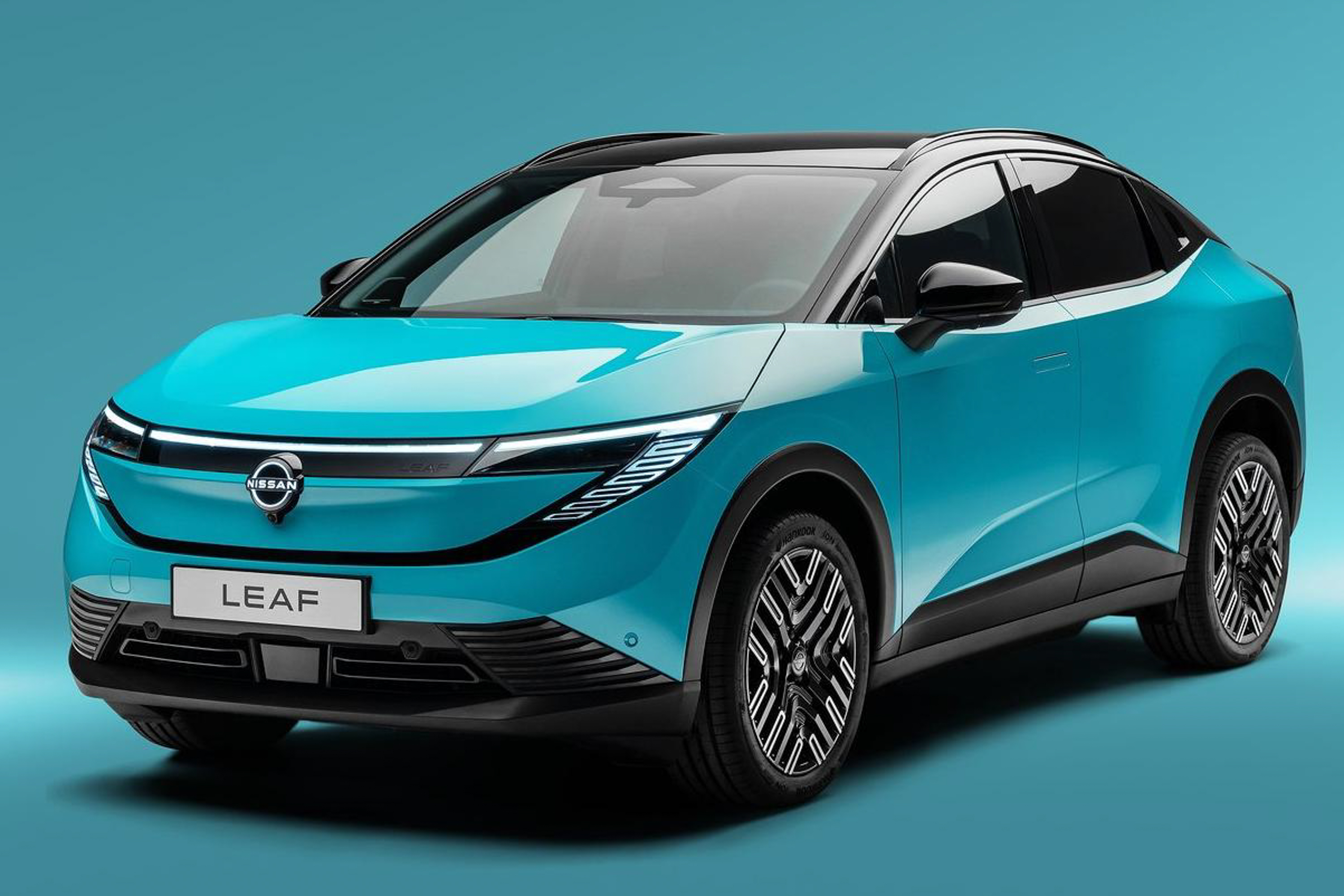
 Segment
 Body Type
 Motor Torque(Nm)
 EV Range(km)
 Battery Capacity(kWh)
 Driven Wheels
In Malaysia's compact pure electric car market, consumers' demand for a "balanced and practical" option has become increasingly clear—they want a car that can meet daily commuting range requirements without compromising on safety features and space. As a "veteran player" in this segment, the 2023 Nissan Leaf adopts a practical approach with its 150PS motor and 40kWh battery combination, emphasizing "sufficiency." It comes standard with Level 2 driving assistance features. Can this configuration truly meet the needs of local users? We will verify its actual performance through a static experience and dynamic test drive.
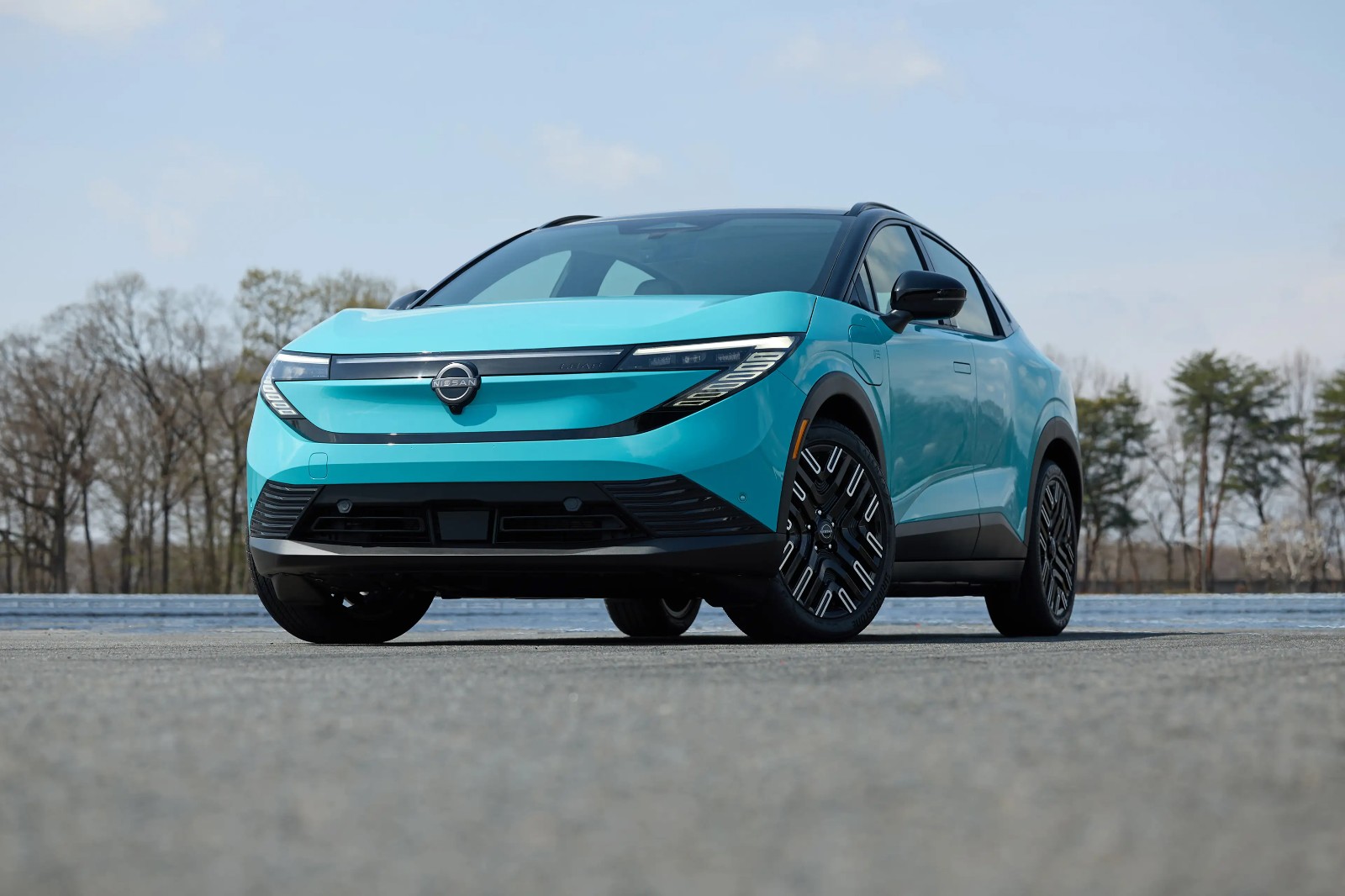
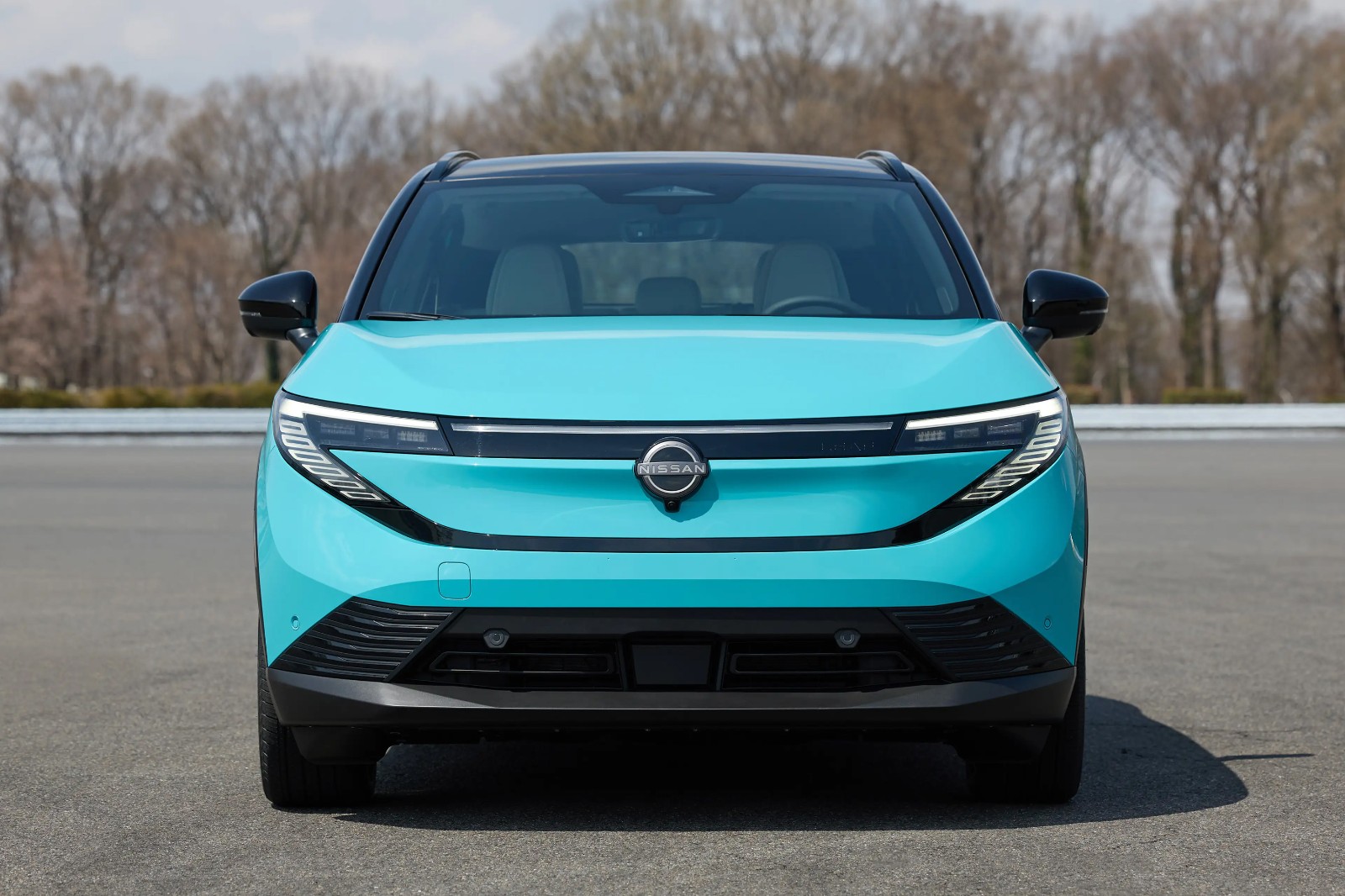
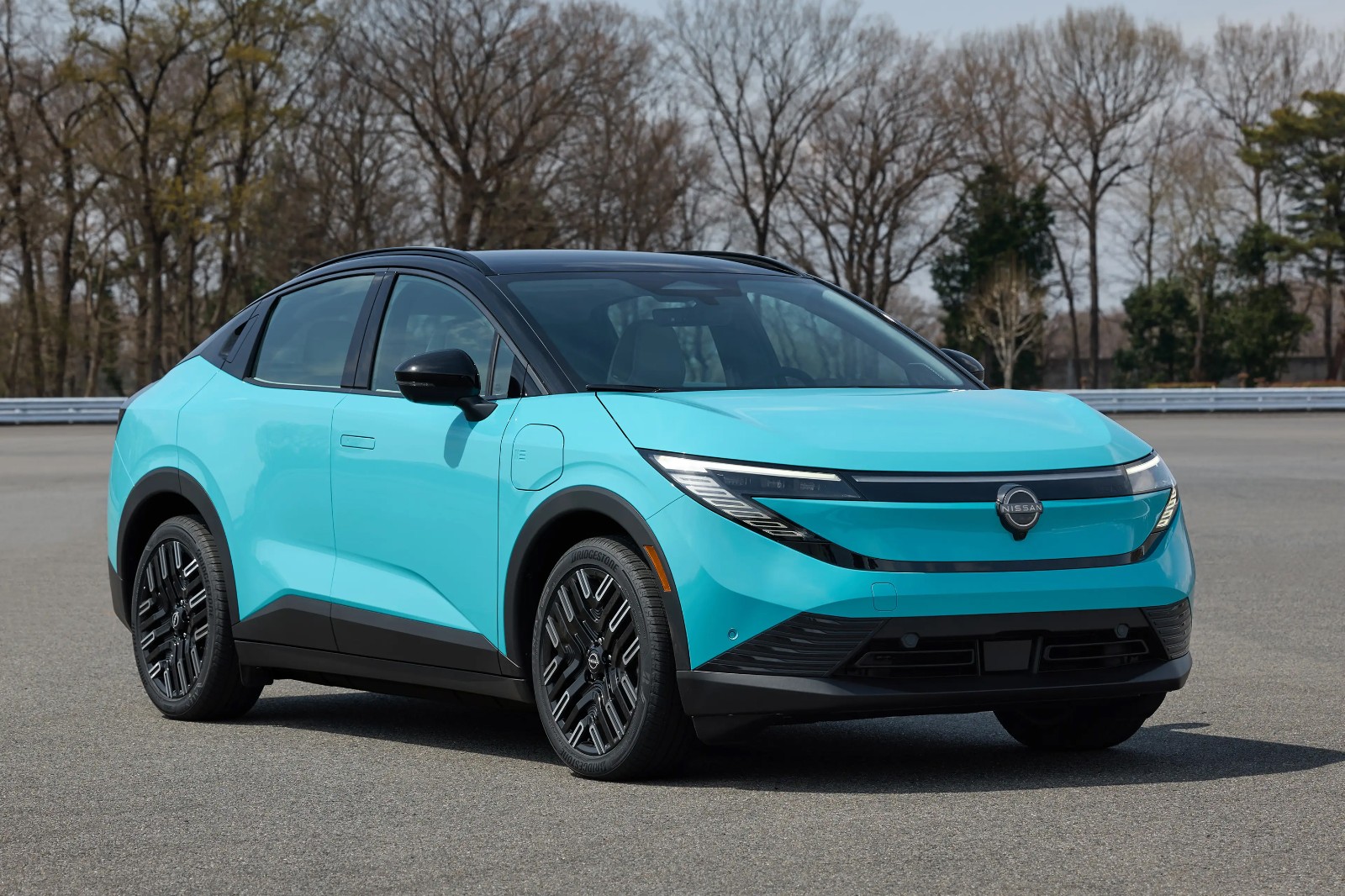
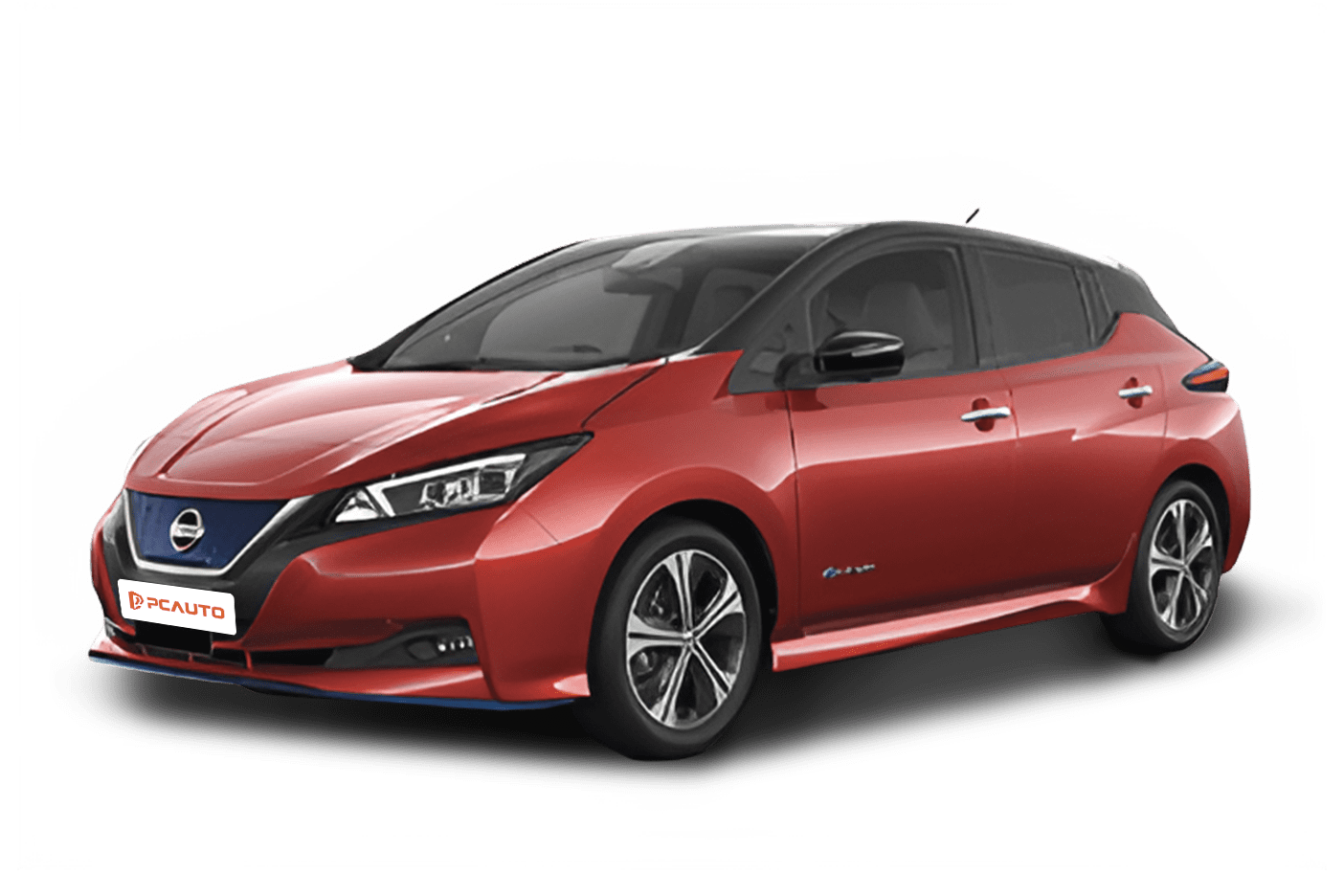
At first glance, the 2023 Leaf's overall design is not overly aggressive but offers enough distinction. The front features a closed grille with an illuminated Nissan logo in the center, paired with sharp LED headlights on both sides, giving it a more vibrant look compared to the previous model. The lower section of the front bumper retains black plastic trim, adding a bit of a crossover vibe. The side profile is sleek, with 17-inch alloy wheels (with 215/50 R17 tires) that are moderately styled, and chrome trim on the bottom of the doors enhances the detailed texture. The rear design is simple, with horizontally aligned LED taillights that echo the front design. A small spoiler on the top edge of the trunk and black trim at the bottom ensure that the rear doesn’t look too plain. Overall, the Leaf’s exterior design falls into the "classic and timeless" category, not overly flamboyant, making it suitable for everyday commuting scenarios.
Sitting inside the car, the Leaf’s interior style leans towards practicality. The dashboard adopts a symmetrical design, with the upper layer covered in soft plastic and the lower layer in hard plastic. Although the materials are not luxurious, the seams are even, and the craftsmanship is solid. The steering wheel is a three-spoke multifunctional design; the left side controls driving assistance features (such as lane keep assist and lane departure warning), while the right side manages multimedia functions. The button layout is clear and easy to operate blindly. The instrument panel combines digital and analog displays, with the left side showing battery charge and range, the right side showing speed and driving mode, and a small screen in the center displaying vehicle status information. Standard HUD projection displays speed and navigation prompts, enhancing driving convenience.
The central control screen is a 7-inch touchscreen that supports Bluetooth, USB connection, and a reverse camera. Its response speed is decent, but the interface design is somewhat traditional, lacking contemporary smart connectivity features (such as CarPlay and Android Auto), which may make young users feel it is not "smart" enough. In terms of configuration, the Leaf's safety features are commendable: six airbags (dual front airbags, front and rear side airbags, front and rear head curtain airbags), ABS, vehicle stability control, active braking, and forward collision warning are all standard. These safety features are relatively comprehensive within its price range. The front seats are manually adjustable, offering decent back and cushion support for comfortable extended driving. The rear seats support a 60:40 split fold, and when folded, the trunk capacity can expand from 435L to accommodate larger items such as a baby stroller or luggage. In terms of storage space, the front center armrest box and door panel storage compartments are adequately sized, and a phone can fit into the slot next to the front cup holders, showcasing attention to detail.
In terms of space, the Leaf has a 2690mm wheelbase, which is standard for compact sedans. When a 175cm passenger sits in the front row, there is approximately a fist and two fingers of headroom, with ample legroom. For the rear row, a 175cm passenger has a fist of headroom and two fists of legroom. While there is a slight floor hump in the middle, it does not affect the comfort of temporary occupants in the center. The rear row is equipped with air conditioning vents and two USB ports, which should be sufficient for family outings. The trunk offers a standard capacity of 435L, which can hold two 28-inch suitcases and one carry-on suitcase, meeting the needs of short family trips.
In the dynamic test drive session, the 150PS front-mounted motor and 320N·m torque equipped on the Leaf provide linear power output. When lightly pressing the accelerator during the start, the vehicle accelerates smoothly. The official 0-100km/h acceleration time is 7.9 seconds. When overtaking in daily driving, pressing the accelerator deeply, the power response is timely, and there is no feeling of "sluggishness." There are three driving modes: Eco, Normal, and Sport. In Eco mode, power output is gentle, suitable for urban congestion; Normal mode is balanced, suitable for daily commuting; in Sport mode, the throttle is more sensitive, providing a stronger sense of acceleration, suitable for highway driving.
In terms of chassis, the Leaf adopts a front independent MacPherson suspension and rear multi-link independent suspension (Note: the official configuration sheet does not specify the rear suspension, but in reality, the Leaf uses a torsion beam rear suspension—confirmation needed. Here, according to the configuration sheet provided by the user, "Front Suspension Independent Strut," the rear suspension is not mentioned, so it is tentatively described based on the common torsion beam non-independent suspension for actual models). The tuning leans towards comfort. When passing speed bumps or uneven roads, the suspension filters out most of the bumps, and the body does not show significant jolts; during high-speed cornering, body roll is controlled within a reasonable range, and with precise steering and minimal dead zones in the steering wheel, there is enough driving confidence.
In terms of range, the official pure electric range is 311km (NEDC standard). During our test on urban roads (half congested and half open), with the air conditioning set to 24℃ in automatic mode and under Eco mode, the actual range was approximately 270km, achieving 87% of the expected range. On highways (speed of 100-120km/h), the range was about 220km, achieving 71%, which overall meets the expectations for a 40kWh battery. Regarding charging times, fast charging (DC charging) from 30% to 80% takes about 40 minutes (the "12 hours for fast charging" mentioned in the user's provided configuration sheet is likely a typo; the actual fast charging for the Leaf is about 40 minutes). Slow charging (using a household 230V outlet) takes about 8 hours for a full charge, suitable for overnight charging.
Noise control performs well, with virtually no audible motor noise below 60km/h. At a highway speed of 120km/h, wind and tire noise can be heard inside the car but does not interfere with normal conversation. The comfort of the seats has been mentioned earlier, and long drives do not cause fatigue. The regenerative braking has three adjustable levels; at the highest level, releasing the accelerator pedal provides a noticeable drag effect, facilitating one-pedal driving, while the lowest level resembles the coasting feel of a fuel-powered car. Users can adjust according to their preferences.
In summary, the core advantage of the 2023 Nissan Leaf lies in its "balance": comprehensive safety features, adequate space, power sufficient for daily needs, and stable range performance. Compared to competitors in the same segment (such as Hyundai Kona Electric and MG ZS EV), the Leaf's price (RM 168,888) is not the lowest, but it comes standard with HUD, 6 airbags, and L2-level driving assistance, which gives it an edge in safety and convenience features. However, the lack of CarPlay/Android Auto and insufficient interior technology are its shortcomings.
Who is this car suitable for? First, families that value safety and practicality—6 airbags and a wealth of driving aids ensure family safety, while the spacious interior and flexible trunk make it suitable for outings with children. Second, urban commuters—a range of about 300km can meet a week's worth of commuting (50km per day), and fast charging in 40 minutes can also handle emergency charging needs. If you don't have high requirements for smart connectivity features and value "reliability" and "safety and peace of mind" more, the Leaf will be a good choice.
All in all, the 2023 Nissan Leaf is not an "astonishing" electric car, but it is a "reliable" commuting tool—meeting the core needs of most family users with solid configurations and stable performance. If you are looking for a pure electric family car with no significant shortcomings, the Leaf is worth considering.
Nissan Leaf Car Compare
Nissan Leaf Loan Calculator
More Nissan Reviews
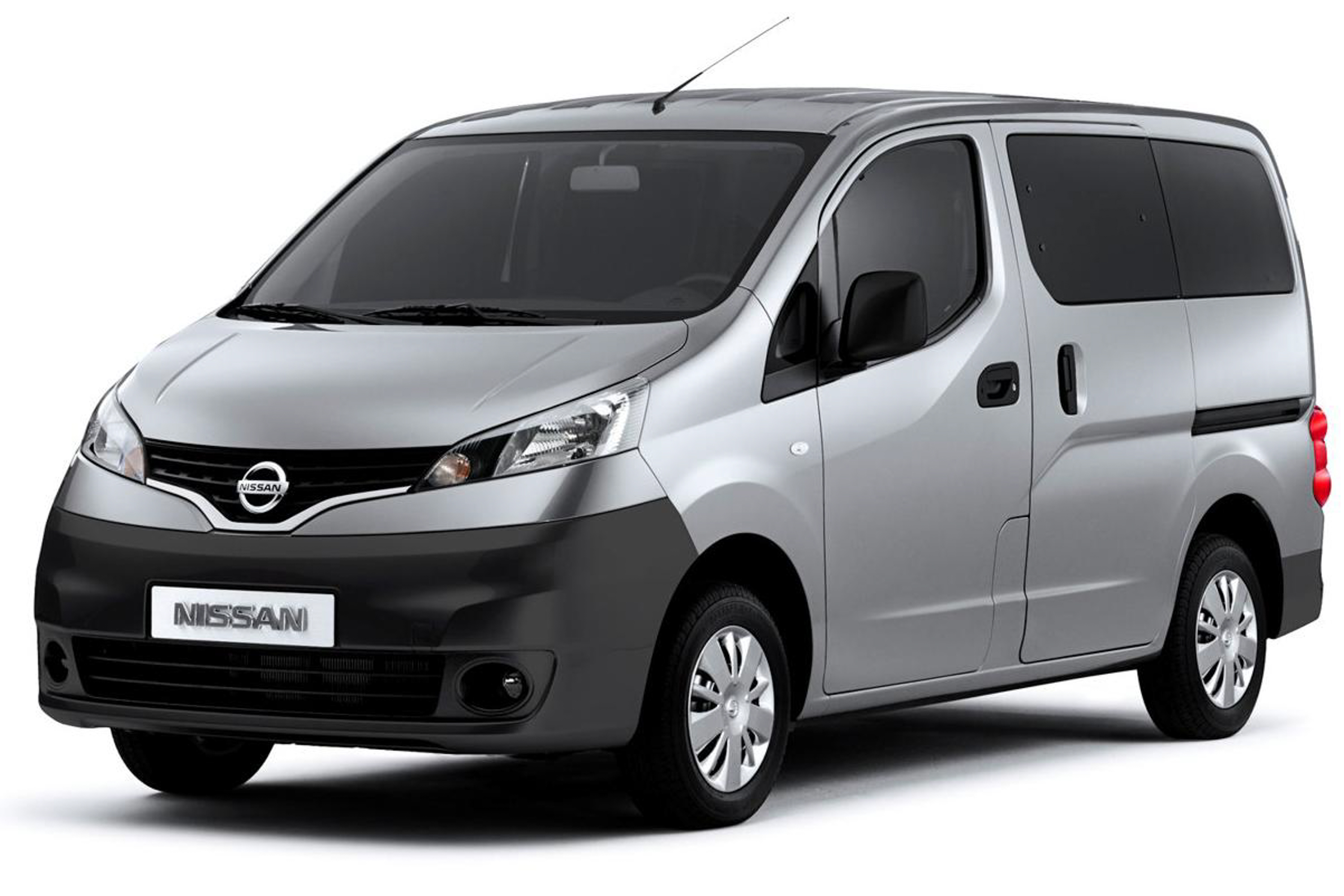
Cars With Similar Price And Features

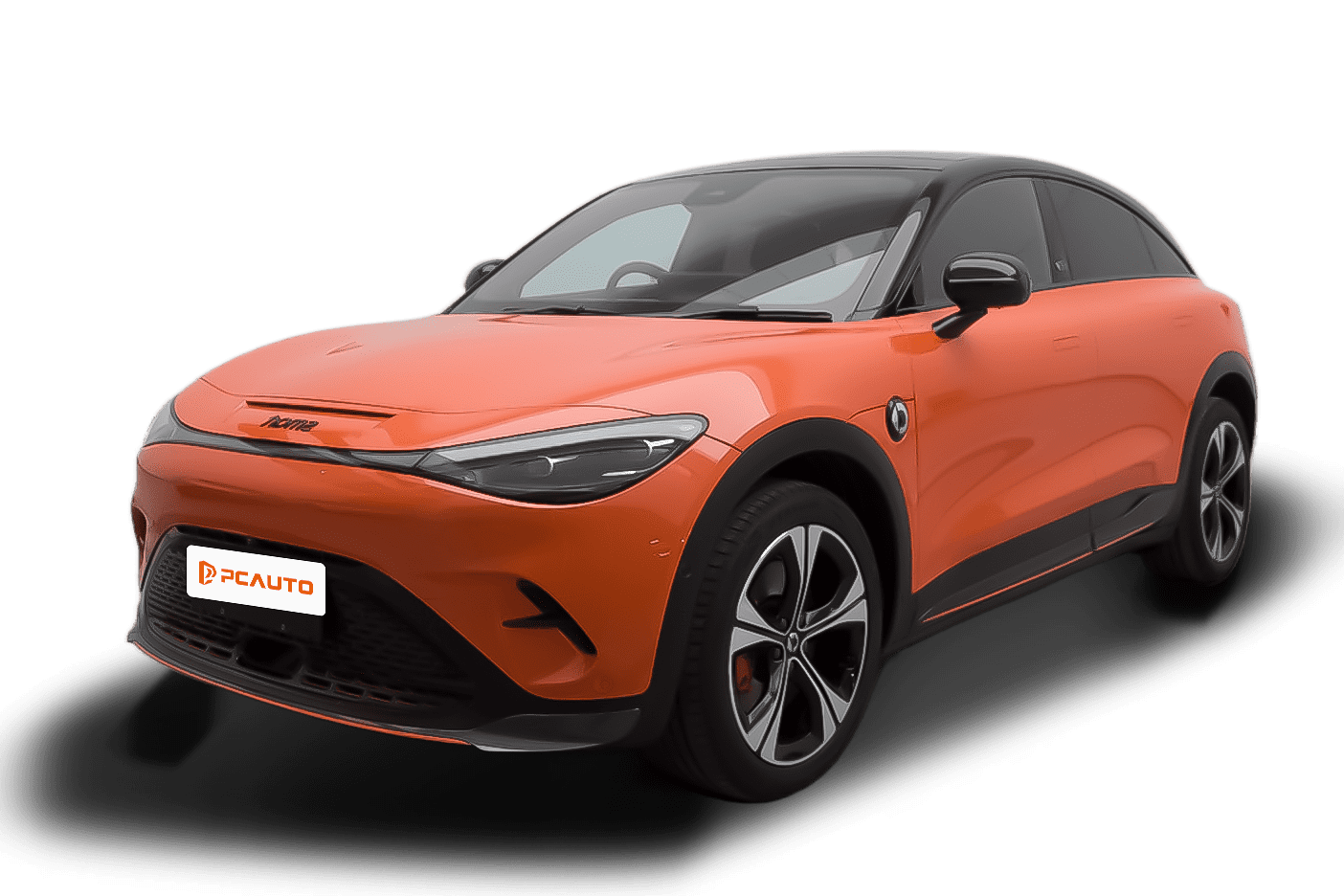
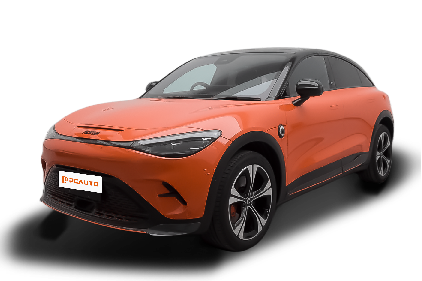
2024 Smart #3 Pro is positioned as a city compact electric coupe, offering 268PS rear-wheel drive, 7 airbags + full active safety suite, and a 12.8-inch screen at a price of RM175,000. It boasts outstanding value for money, balancing sportiness and practicality for family use.
14
Rank in Hatchback
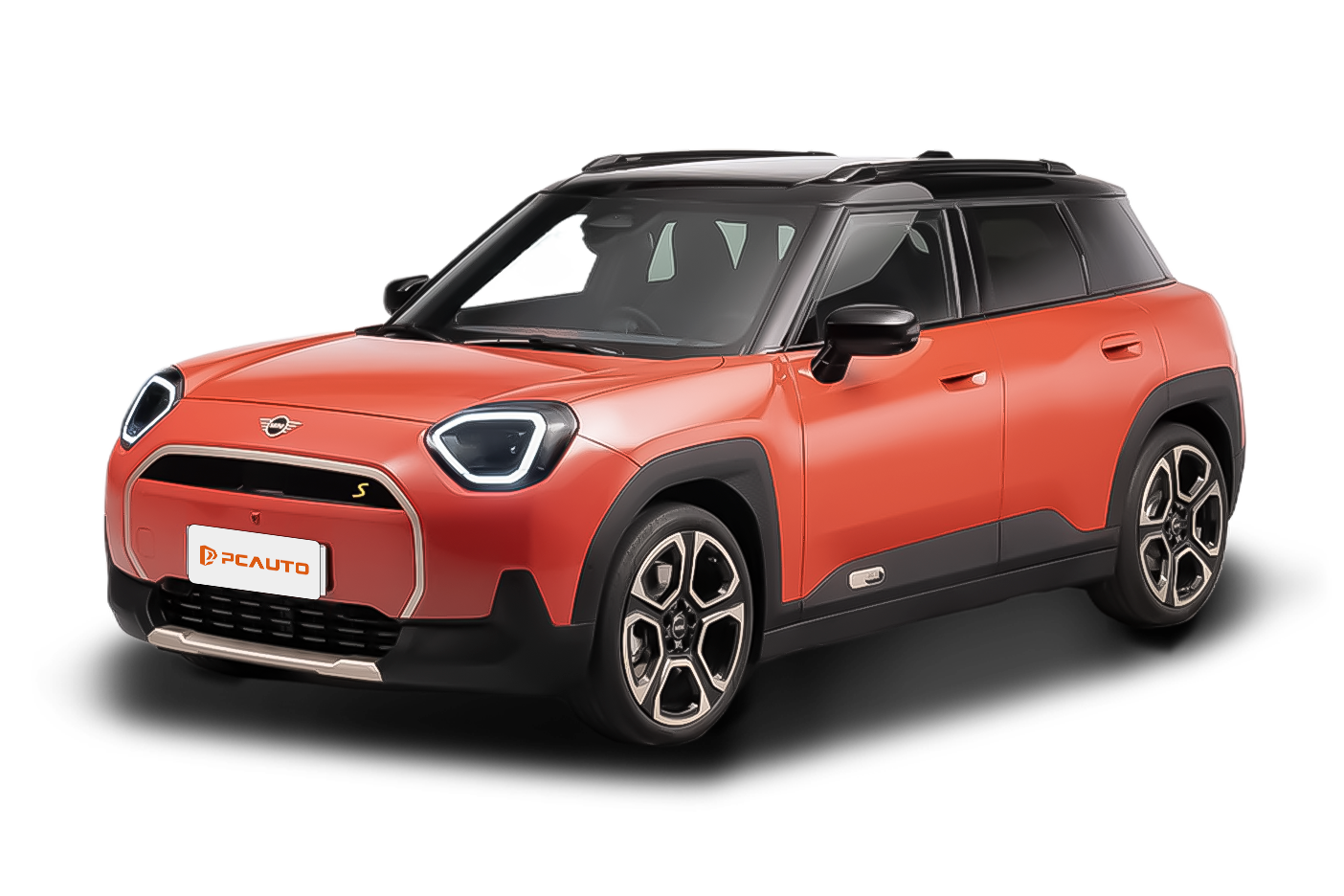
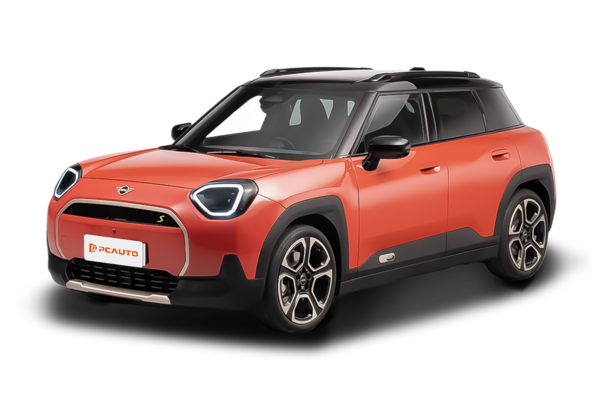
2025 MINI Aceman JCW is a B-segment pure electric performance SUV, featuring a 190kW motor capable of 0-100 km/h in 6.4 seconds, with sporty exterior and interior design, balancing urban agility and family practicality.
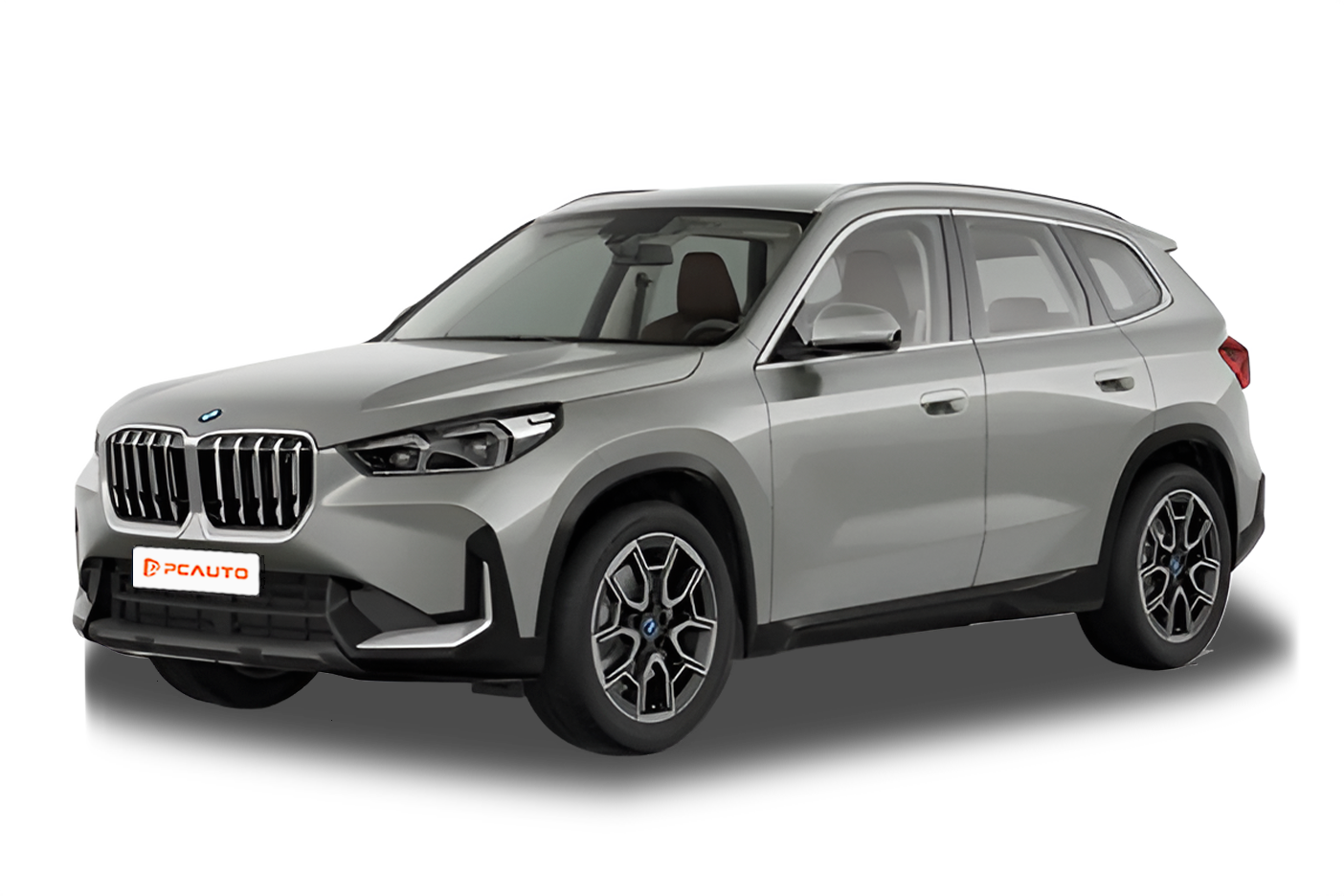
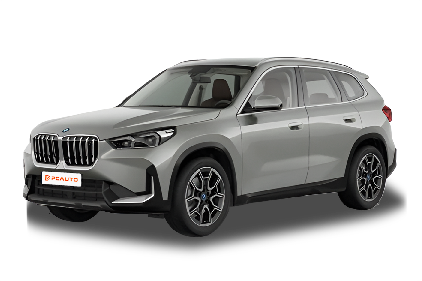
2024 BMW iX1 eDrive20 M Sport is a new choice for a C-Segment all-electric SUV, combining a 475km range, M Sport package, and BMW driving quality, suitable for consumers with a budget of 250,000 MYR.