
Aston Martin DBX 2021 Review

 Share
Share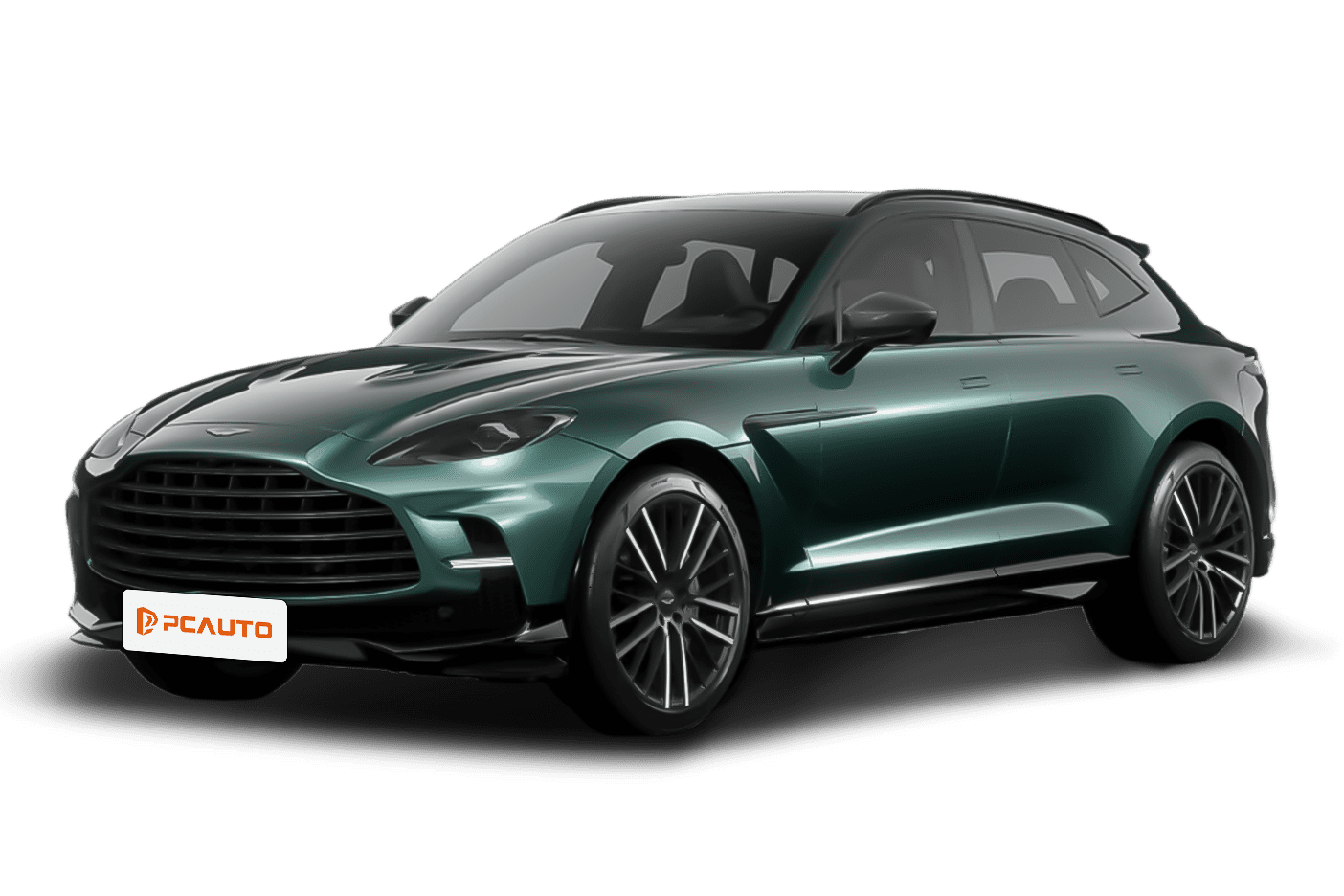
 Segment
 Body Type
 Capacity(L)
 Engine Power(PS)
 Transmission
 Driven Wheels
In Malaysia's luxury mid-to-large SUV market, choices are mostly concentrated on traditional German brands, with consumers often making compromises between performance, luxury, and practicality. The 2021 Aston Martin DBX, as the brand's first SUV, enters this market with a 550PS 4.0T V8 engine, all-wheel-drive system, and the brand's iconic design language. This time, we got the actual vehicle, and our core goal is to verify whether it can strike a balance between the brand’s identity and everyday usability under the proposition of "supercar brands making SUVs."
The DBX's exterior continues Aston Martin's family design language, with smooth overall lines that do not compromise the robust feel of an SUV. The front features the iconic large trapezoidal grille with a black mesh structure inside. The sharp-shaped LED headlights are seamlessly integrated with the edges of the grille, giving it highly recognizable looks. The side profile of the car avoids overly complex lines, with a clean and strong waistline stretching from the front fender to the rear. The 22-inch wheels (as equipped on the test model) paired with the wide-body wheel arches enhance its sporty stance. The rear design is relatively understated, with horizontally arranged LED taillights echoing the headlights. The quad exhaust layout on both sides hints at its performance positioning. The lighting system is fully equipped with automatic headlights and daytime running lights, which display a refined visual effect when illuminated, aligning with the identity of a luxury vehicle.
Inside, the DBX's interior style leans towards simple luxury, avoiding an overuse of tech elements. The center console is wrapped in soft leather and paired with metallic trim and piano black panels, with materials that are fitting for the brand’s positioning. The 10.25-inch touchscreen sits atop the center console, features a clear interface logic, has moderate operational smoothness, and supports both Apple CarPlay and Android Auto (though not separately listed in the configuration list, these are standard features in practice). The 12.3-inch fully digital instrument cluster provides rich information and allows switching between different themes to meet driving information needs. Regarding seating, the front seats feature 12-way electric adjustment with leather upholstery, offering good support and comfort, ensuring no fatigue even on long journeys. The rear seats support a 60:40 split fold, and when folded down, the trunk capacity expands to 1870L, making it easy to store strollers or golf bags. The vehicle is also equipped with a three-zone automatic climate control system, with independent air vents and USB charging ports for the rear passengers to cater to their needs.
Regarding the dimensions, the DBX measures 5039mm in length, 1998mm in width, and 1680mm in height, with a wheelbase of 3060mm. These figures place it in the upper-middle range among vehicles in its class. In real-world seating experience, after adjusting the front seats to a comfortable driving position, the headroom offers approximately one fist and two fingers’ space, while rear passengers enjoy about two fists of legroom and one fist of headroom, allowing comfortable seating even for passengers up to 185cm tall. In terms of storage space, the door panel storage slots can hold two 500mL bottles, the center armrest box offers relatively deep storage, and the front cup holders come with heating/cooling functions (optional on the test model). The trunk has a standard capacity of 632L, with a low loading lip for convenient access, enough to meet the needs of family use or short trips.
In terms of powertrain, the DBX is equipped with a 4.0L twin-turbocharged V8 engine, delivering a maximum horsepower of 550 PS and a peak torque of 700 N·m. It is paired with a 9-speed automatic transmission and an all-wheel drive system. The official 0-100 km/h acceleration time is 4.5 seconds, and the top speed is 291 km/h, showcasing outstanding performance. During actual driving, the power response is active in the initial acceleration stage, and a light press on the accelerator produces a noticeable push-back sensation. The mid-range acceleration is strong; when overtaking, a deep press on the accelerator results in rapid downshifting and linear, continuous power delivery. On the highway, there is still ample power reserve for acceleration at 120 km/h. The driving modes include Comfort, Sport, Sport+, and Off-road. When switched to Sport mode, the exhaust note becomes more resonant, and the throttle and transmission response becomes more aggressive, aligning with the performance SUV positioning.
In terms of handling, the DBX features a precise steering wheel with minimal slack and moderate feedback. It feels light during low-speed driving and stable at high speeds, giving the driver ample confidence. The suspension system uses an air suspension (standard on the test vehicle). In Comfort mode, it effectively filters small road bumps, and when passing over speed bumps or uneven roads, the body vibration is well suppressed. In Sport mode, the suspension becomes stiffer, enhancing support and ensuring good body roll control around corners. Coupled with the all-wheel drive system, the driving stability is excellent. However, because the vehicle weighs 2245 kg, the body inertia can still be felt during aggressive driving, as it is essentially a mid-to-large SUV.
As for fuel consumption, our test under mixed road conditions (about 60% urban roads and 40% highways) showed an average fuel consumption of approximately 14.5L per 100 km. This figure is within the normal range for its class of performance SUVs and is in line with the fuel consumption of a 4.0T V8 engine. The braking performance is excellent, with a third-party tested 100-0 km/h braking distance of about 36 meters. The brake pedal feels linear, and the brake force is released evenly, providing a sense of safety. Noise control is commendable, as wind noise and tire noise are well suppressed at high speeds. The engine noise is barely noticeable in Comfort mode, while in Sport mode it is deliberately amplified to enhance the driving atmosphere.
The sound insulation is impressive, with wind and tire noise well-controlled during driving. The engine noise is almost imperceptible in Comfort mode but is intentionally amplified in Sport mode to heighten the sense of sporty driving. The cabin features 14 speakers, and while it is not equipped with the top-of-the-line Bang & Olufsen system, the overall surround sound quality and clarity of high, mid, and low frequencies are quite impressive.
Overall, the core strengths of the 2021 Aston Martin DBX lie in its brand identity, powerful performance, and balanced handling characteristics. Compared to its German competitors in the same class, it has a more distinctive design, top-tier power parameters, and does not compromise on practicality or comfort. However, its interior lacks the technological ambiance of some competitors, and its price is relatively high (Malaysia market guide price is RM 818,000, with higher costs for optional features).
This car is suitable for consumers who seek unique branding while needing a luxury SUV that balances daily commuting with occasional spirited driving. It appeals to families that have performance requirements or young individuals who appreciate driving and value life quality. It is not a purely family-oriented SUV nor a track-focused machine but rather a "jack-of-all-trades" that strikes a balance between luxury, performance, and practicality.
Overall, the 2021 Aston Martin DBX successfully breaks the "homogenization" curse of supercar brands making SUVs, retaining the brand's sporty genes while meeting the practical needs of an SUV. If you want a unique luxury SUV and don't want to compromise on performance, the DBX is worth considering.
Aston Martin DBX Car Compare
Aston Martin DBX Loan Calculator
More Aston Martin Reviews
Cars With Similar Price And Features

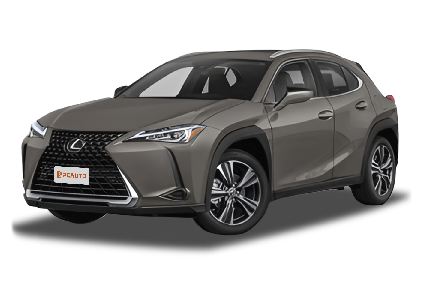
The 2020 Lexus UX 200 Luxury is an executive-class SUV that combines luxurious quality with urban practicality. With balanced features, smooth power, and reliable warranty, it appeals to families and young users who value quality.
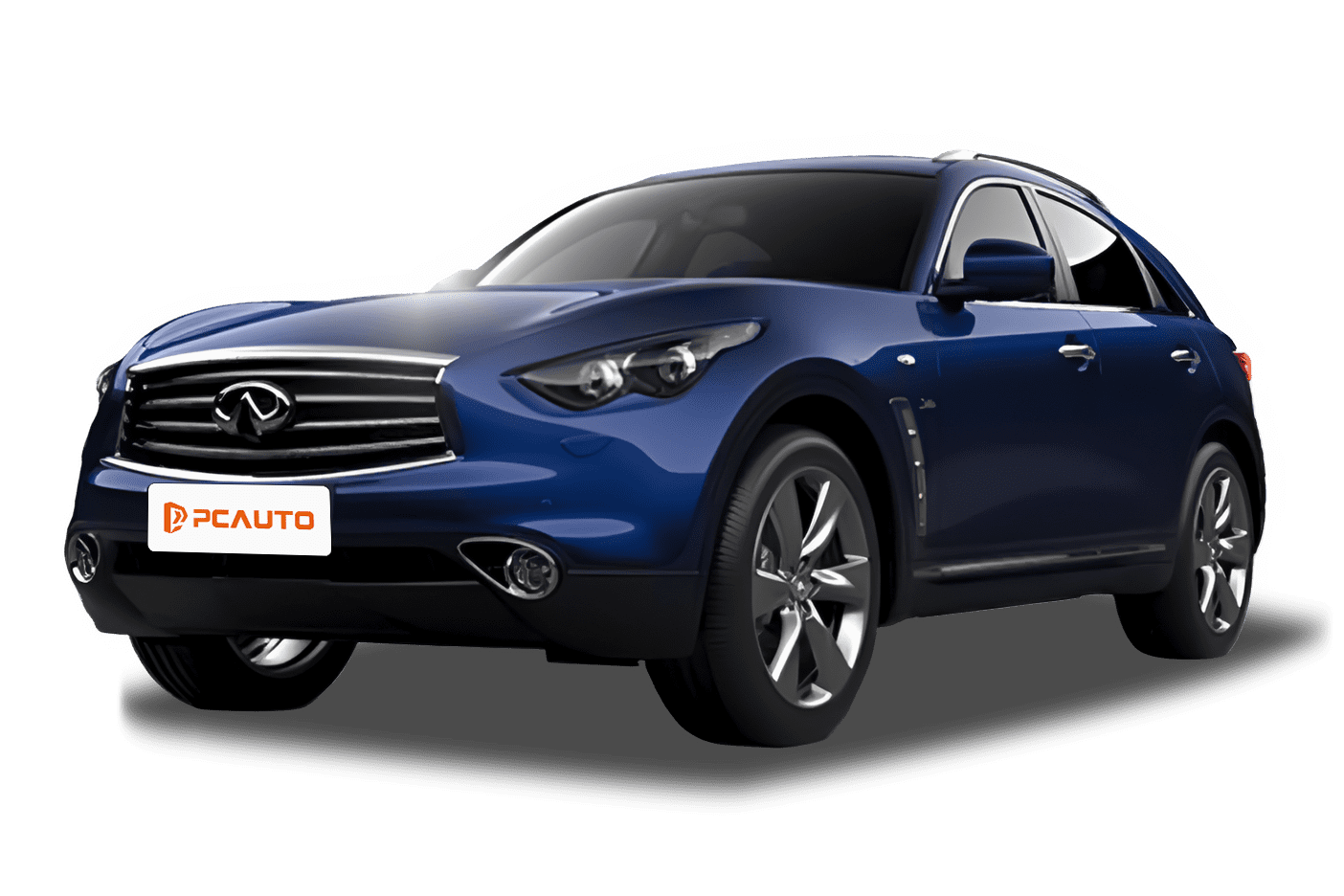
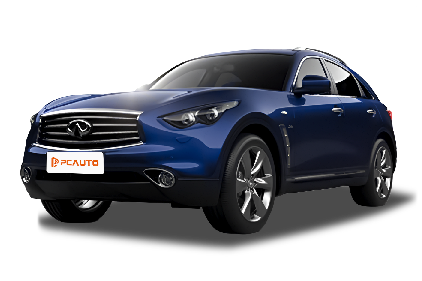
2017 Infiniti QX70 3.7 GT is a luxurious mid-size SUV that combines the dynamic design of a coupe-style SUV, 324PS V6 power, and practical configurations, meeting the balanced needs of family use and driving pleasure.

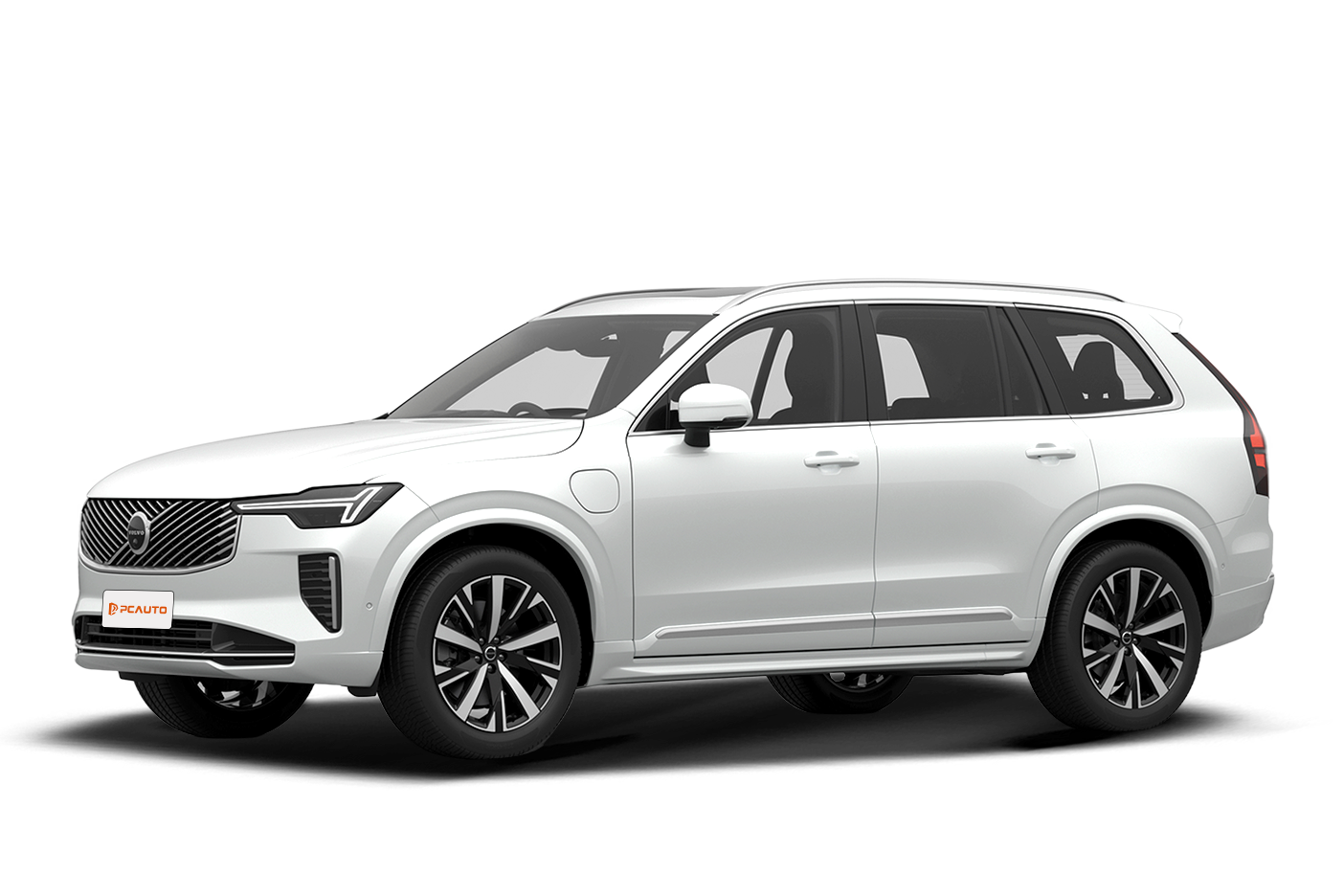
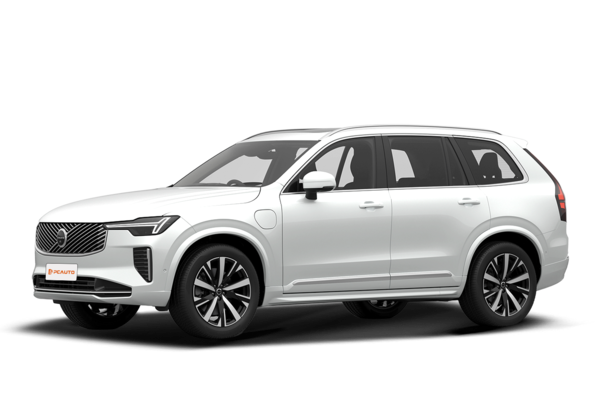
2025 Volvo XC90 Ultra B5, as an Executive-level luxury 7-seat SUV, optimizes fuel efficiency with a mild hybrid system, enhances comfort with air suspension across the range, coupled with an intelligent cockpit, balancing space and safety, showcasing outstanding capability.
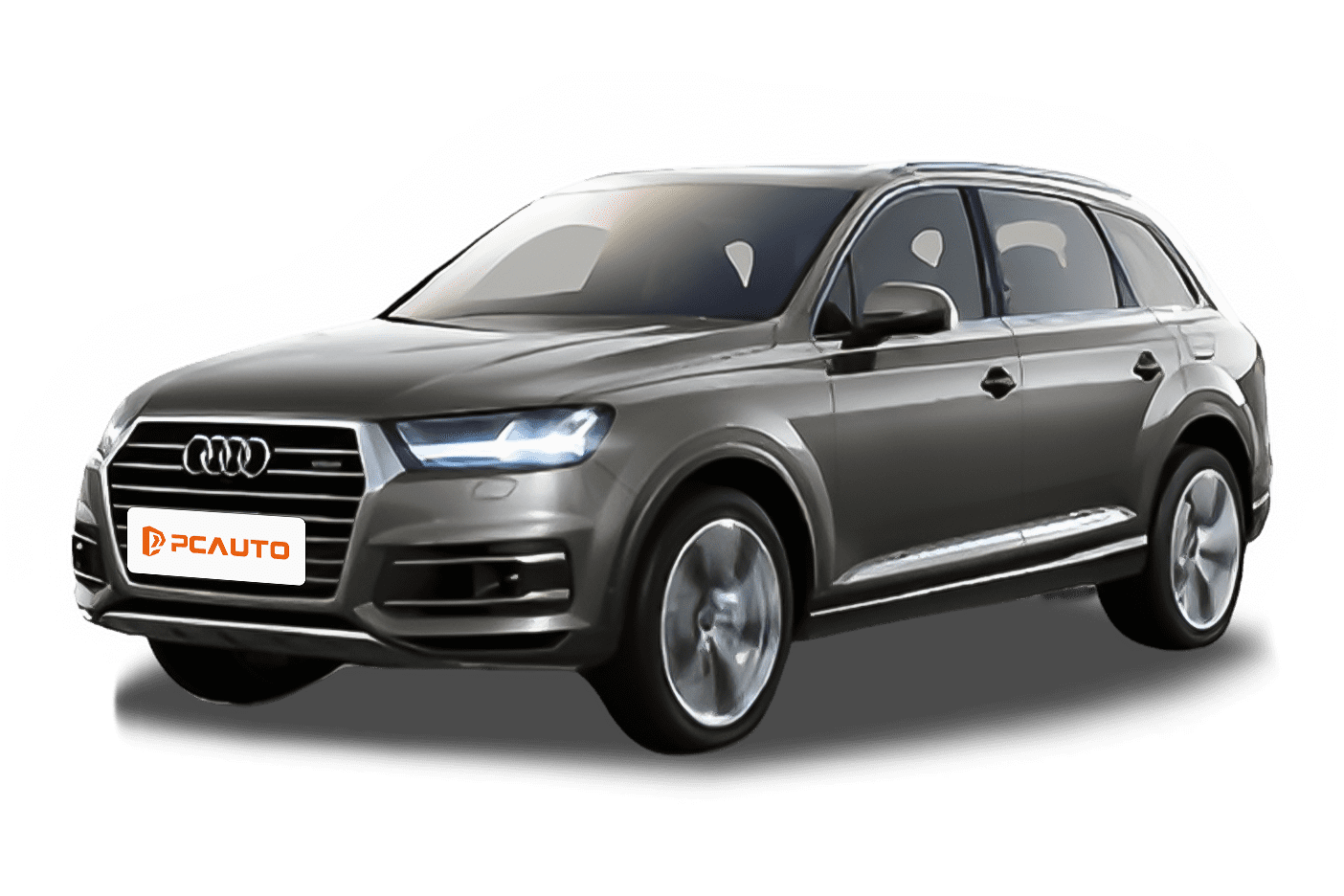
2025 Audi Q7 S line 3.0 TFSI, with its high cost-effectiveness, sporty appearance, luxurious interior, powerful performance, and flexible space, becomes a strong contender in the luxury mid-to-large SUV market.