

Audi Q5 2025 Review

 Share
Share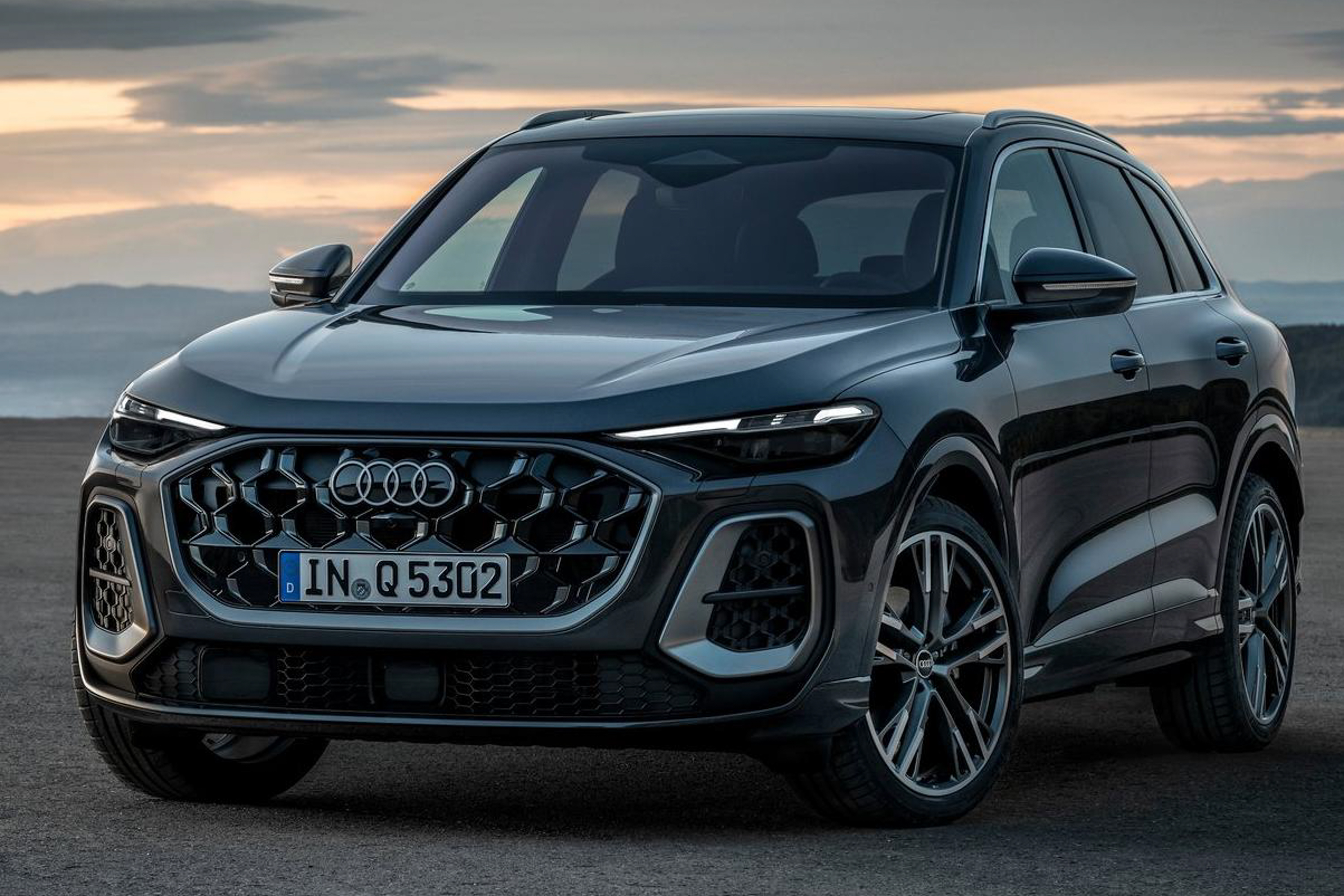
 Body Type
 Segment
 Capacity(L)
 Engine Power(PS)
 Engine Torque(Nm)
 Transmission
In the Southeast Asian SUV market, the luxury compact SUV segment has always been a battleground, as many family users want both the texture of a luxury brand and practicality for daily commuting and weekend trips. As a veteran in this segment, the 2025 Audi Q5 public focuses on upgrades in intelligent configurations and power tuning in this facelift. Many potential buyers are curious whether it can maintain its competitiveness. The test drive vehicle we obtained this time aims to see what actual improvements have been made in static experience and dynamic performance, and whether it is worth the wait for consumers.
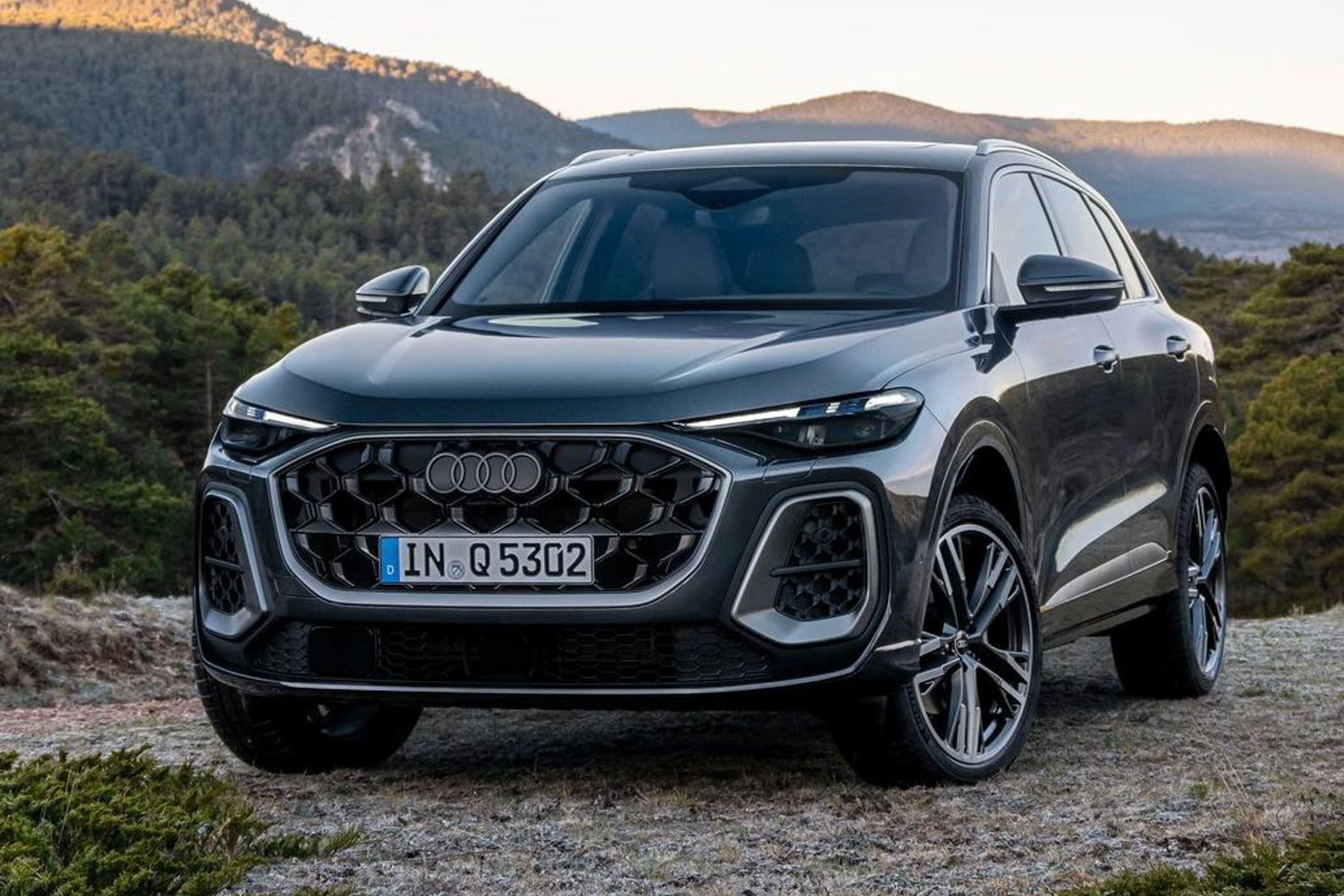
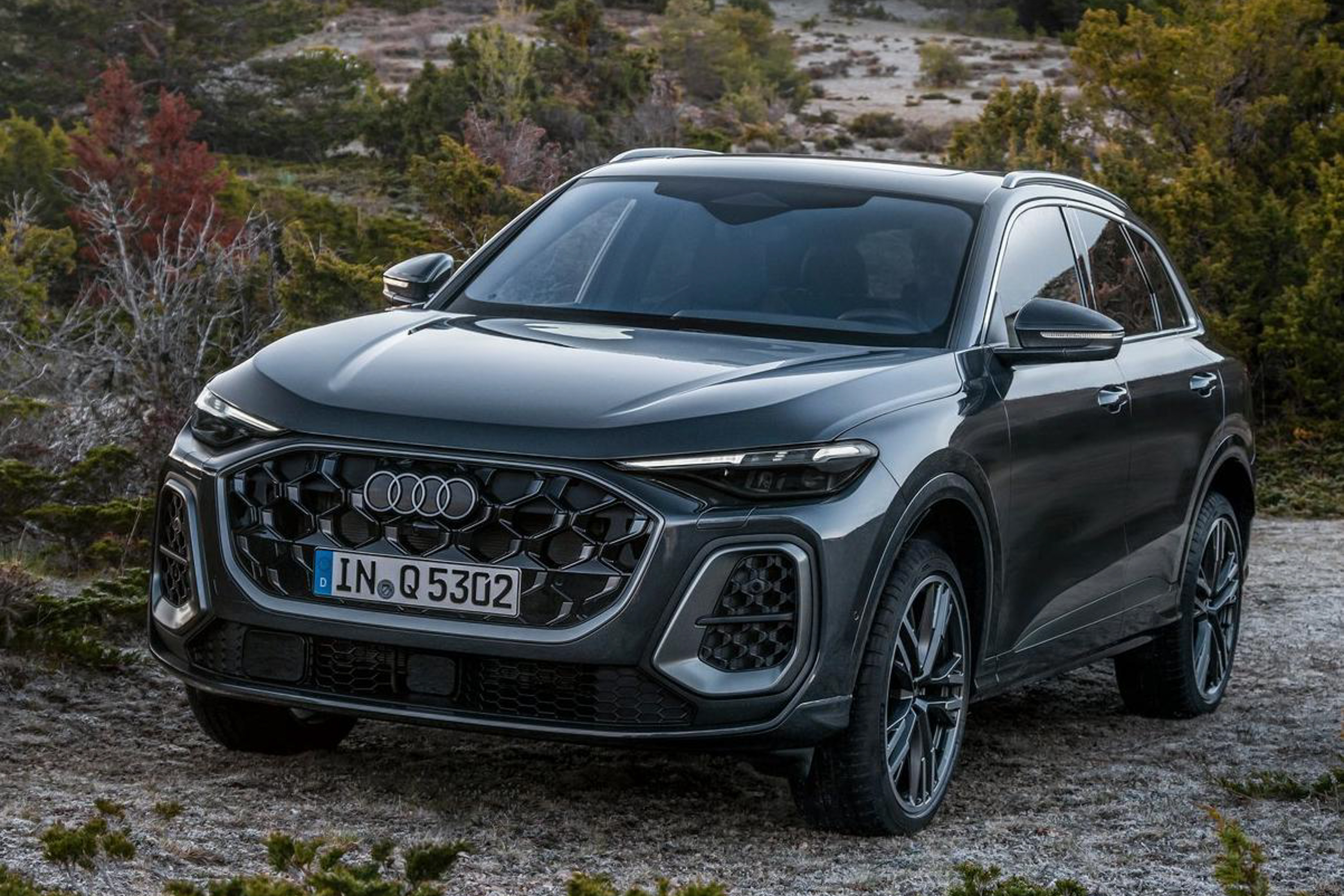
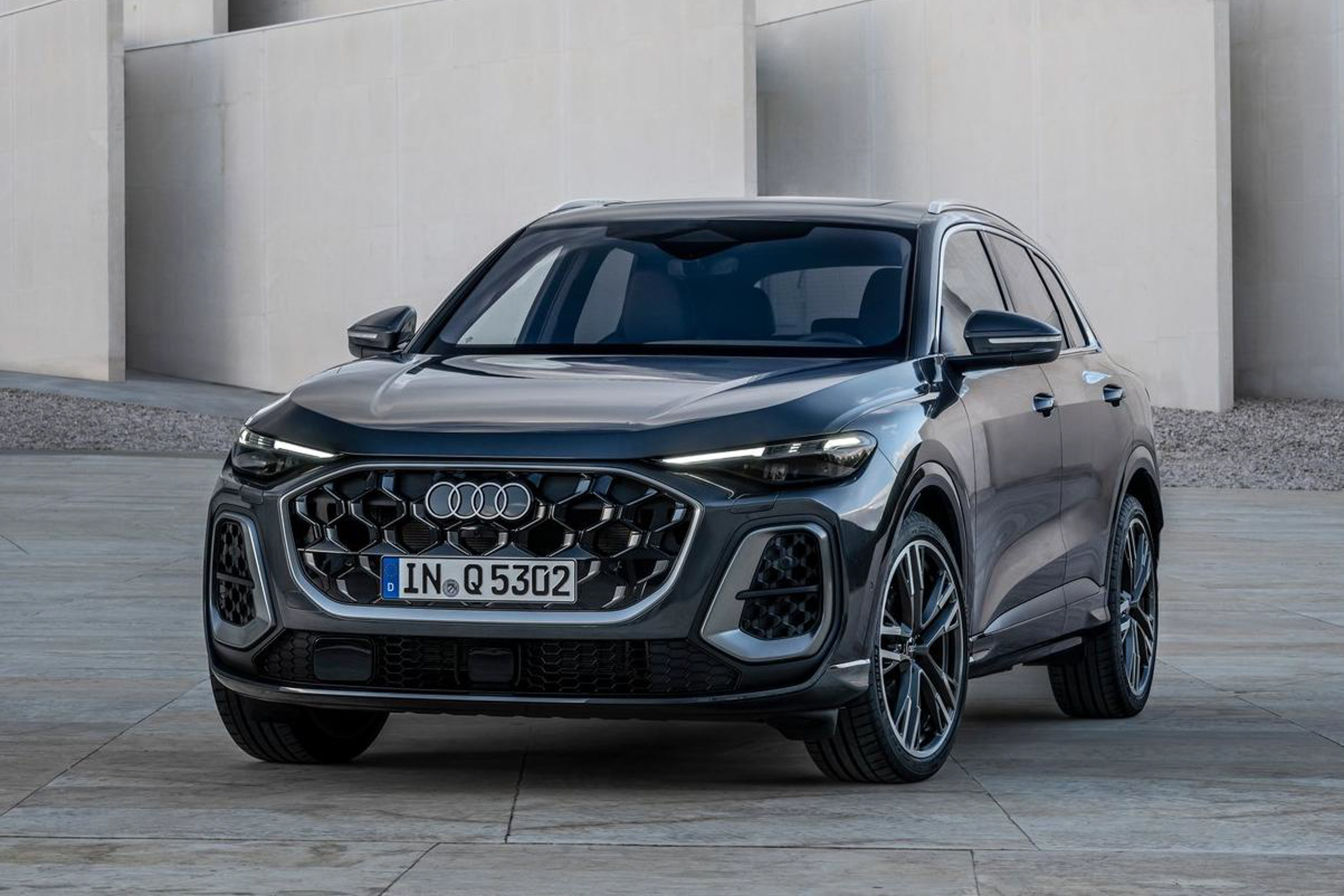
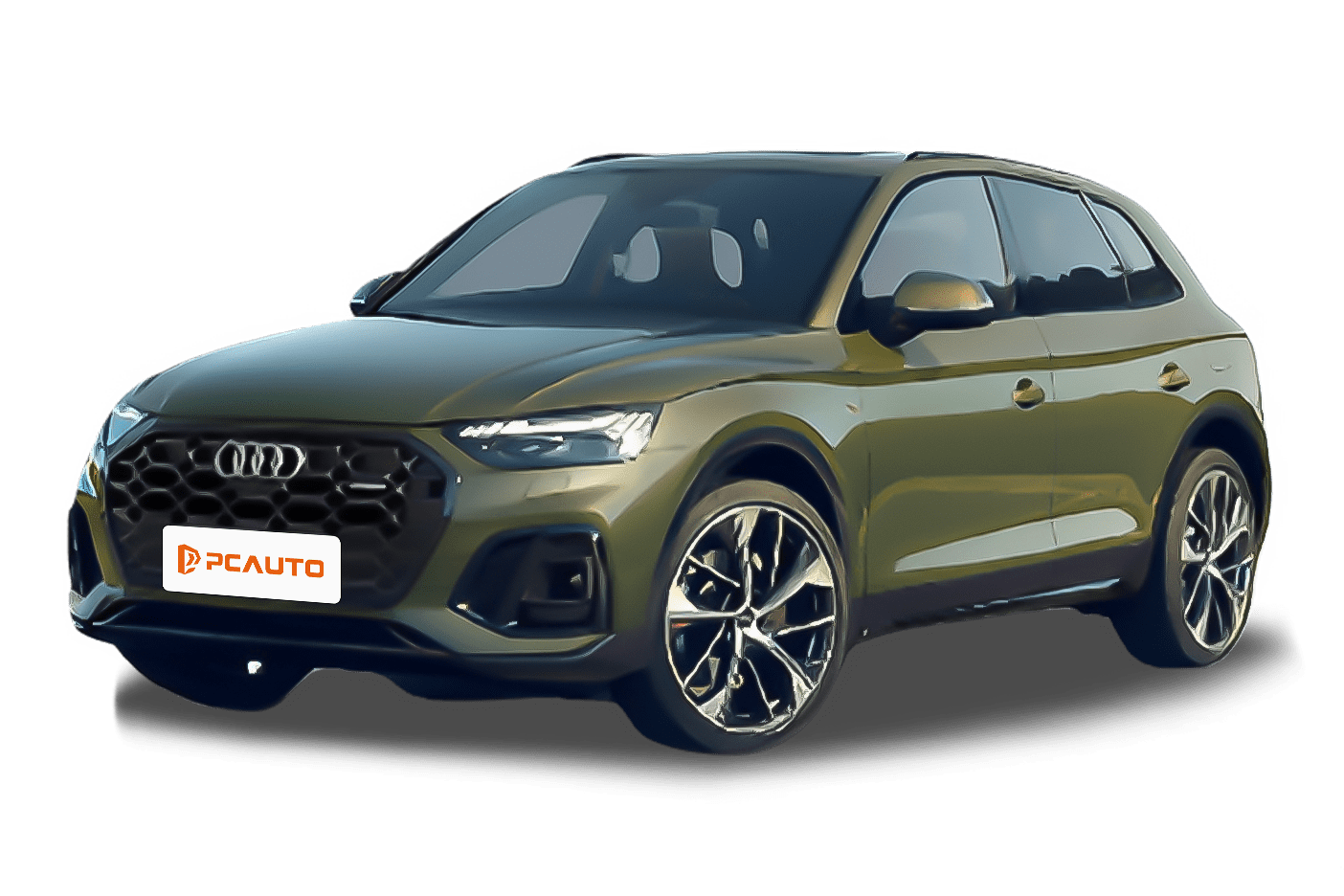
In terms of appearance, the new Q5 public continues Audi's family-style stable design but adds more refinement in details. The hexagonal grille on the front is slightly larger than the previous version and replaced with a smoked honeycomb-style trim. It is paired with redesigned LED daytime running lights—this time, the light strip extends from the edge of the grille into the headlights, creating high recognizability when lit. The lines on the side of the car remain smooth, with the waistline running from the front fender to the rear. The 19-inch multi-spoke wheels are standard, with 20 inches optional for the top trim, providing a fuller visual impression. The most noticeable changes at the rear are in the taillights, which now feature a through-type design and dynamic turn signals that create a flowing effect when activated. The chrome trim on the rear bumper has also been reshaped, making the overall look younger than the previous model.
Stepping inside, the sense of luxury in the interior remains strong. The center console combines soft-touch materials and aluminum trim panels for a refined feel. High-spec models also add wood grain decorations to enhance the sense of class. The central control screen has been upgraded from 10.1 inches in the previous model to 11.6 inches, eliminating physical buttons; all functions are now operated via touch, and the system runs smoothly. It supports wireless CarPlay and Android Auto, and functions such as navigation and music are very user-friendly. The instrument cluster is still a 12.3-inch virtual cockpit, providing rich display information and offering multiple modes like classic and sport. The seats are wrapped in genuine leather, with the front seats supporting electric adjustment and heating functions. They offer good lateral support and remain comfortable even during long drives.
As for the space performance, the body dimensions of the new Q5 public measure 4682mm×1893mm×1653mm, with a wheelbase of 2824mm, which is basically consistent with the previous model. The front row offers ample space; a 180cm tall passenger sitting inside still has a margin of one fist plus two fingers above the head. The rear seating space is also adequate, providing two fists of legroom and one fist of headroom for passengers of the same height. Although the middle floor in the rear has a hump, it does not affect short-term seating comfort. For storage space, the central armrest storage box in the front row is quite large, enough to hold two bottles of water and some small items, and the door panel storage compartments can accommodate large-size water bottles as well. The trunk provides a standard capacity of 550L, which can be expanded to 1550L by folding down the rear seats. It can easily hold large luggage or a baby stroller. The rear seats are also equipped with independent air conditioning vents and USB-C ports, taking care of the passengers' needs in the back.
In the power department, we test-drove the 2.0T turbocharged engine version, which has a maximum output of 180kW (245 horsepower) and a maximum torque of 370N·m, paired with a 7-speed dual-clutch transmission. During daily driving, the power delivery is very smooth, with a light start and no noticeable jerkiness at low speeds. Switching to sport mode makes the throttle response more sensitive, and pressing the accelerator deeply provides a clear sense of thrust, giving great confidence for overtaking. The transmission shifts gears quickly and responds aggressively, keeping up well with the driver’s intentions.
In terms of handling, the new Q5 public offers precise steering with minimal dead zone, and the steering wheel provides a well-balanced tactile feel that is not too heavy for female drivers. The suspension system adopts a front MacPherson and rear multi-link structure, tuned for comfort while retaining a certain level of support. When going over speed bumps, the suspension effectively filters out jolts, with no significant body bounce. During high-speed cornering, the lateral support is sufficient, and there is no obvious body lean. We also tested its four-wheel-drive system on muddy roads, where it quickly distributed power without wheel slippage, delivering good off-road capability. It handles typical unpaved roads with ease.
As for fuel consumption, we drove 100km each on city roads and highways. The fuel consumption was approximately 9.2L/100km in urban conditions and 7.5L/100km on highways. Overall, the performance is average, meeting the standards for this class. Noise control is well executed. At high speeds, wind and tire noise are not noticeable, and engine noise is only heard when the accelerator is pressed deeply, making everyday driving very quiet.
In summary, although the new Q5 public doesn’t introduce groundbreaking changes, the practical improvements in detail are noteworthy. Upgraded smart features make it more attuned to current usage needs, while the powertrain tuning is smoother compared to the older model. Compared to rivals like the BMW X3 and Mercedes-Benz GLC, its pricing may offer an advantage, and it comes equipped with richer features. This car is well-suited for families who focus on both luxury and practicality, meeting the needs of daily commuting and weekend trips. If you're looking for a well-balanced luxury compact SUV, the new Q5 public is worth considering.
Audi Q5 Car Compare
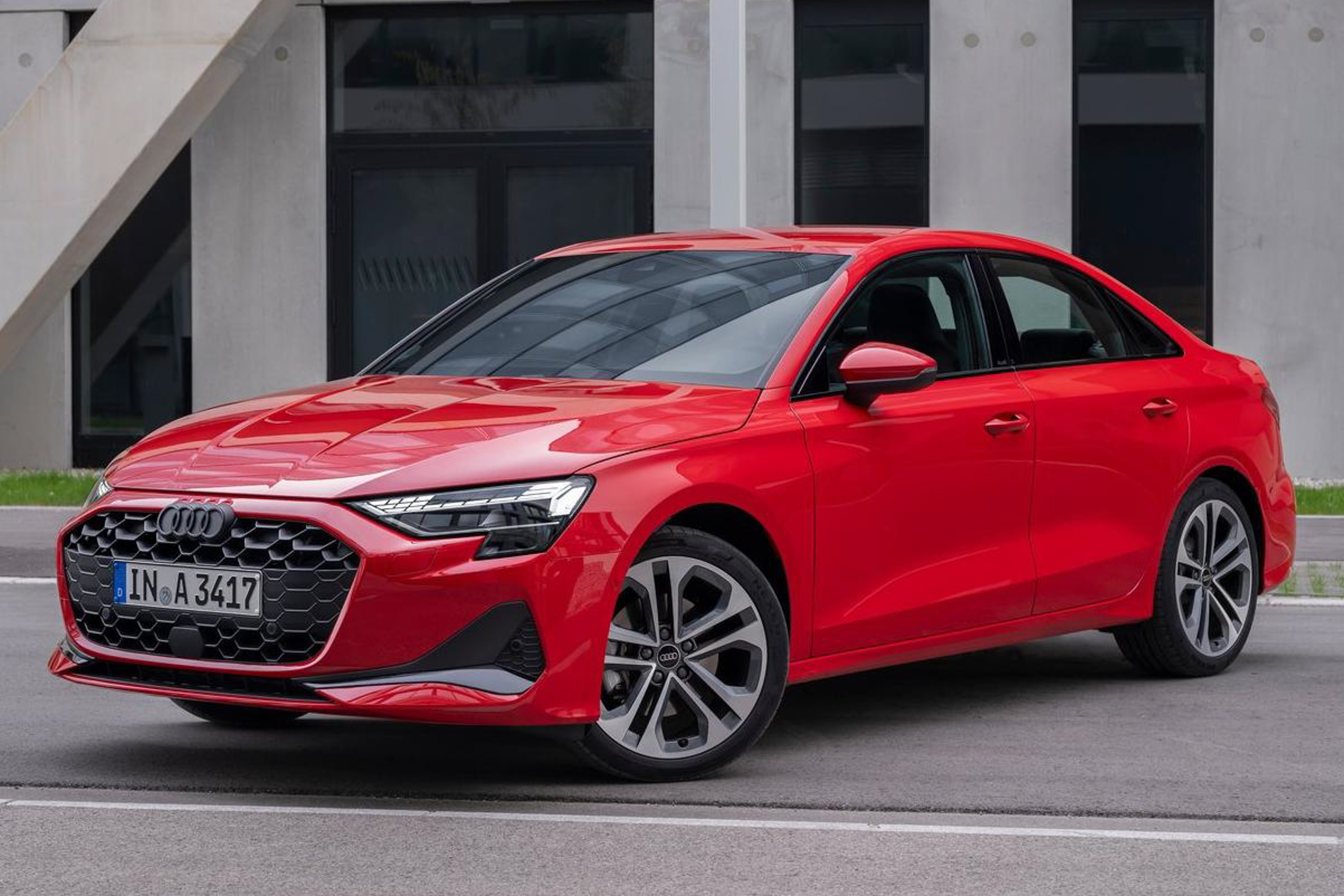
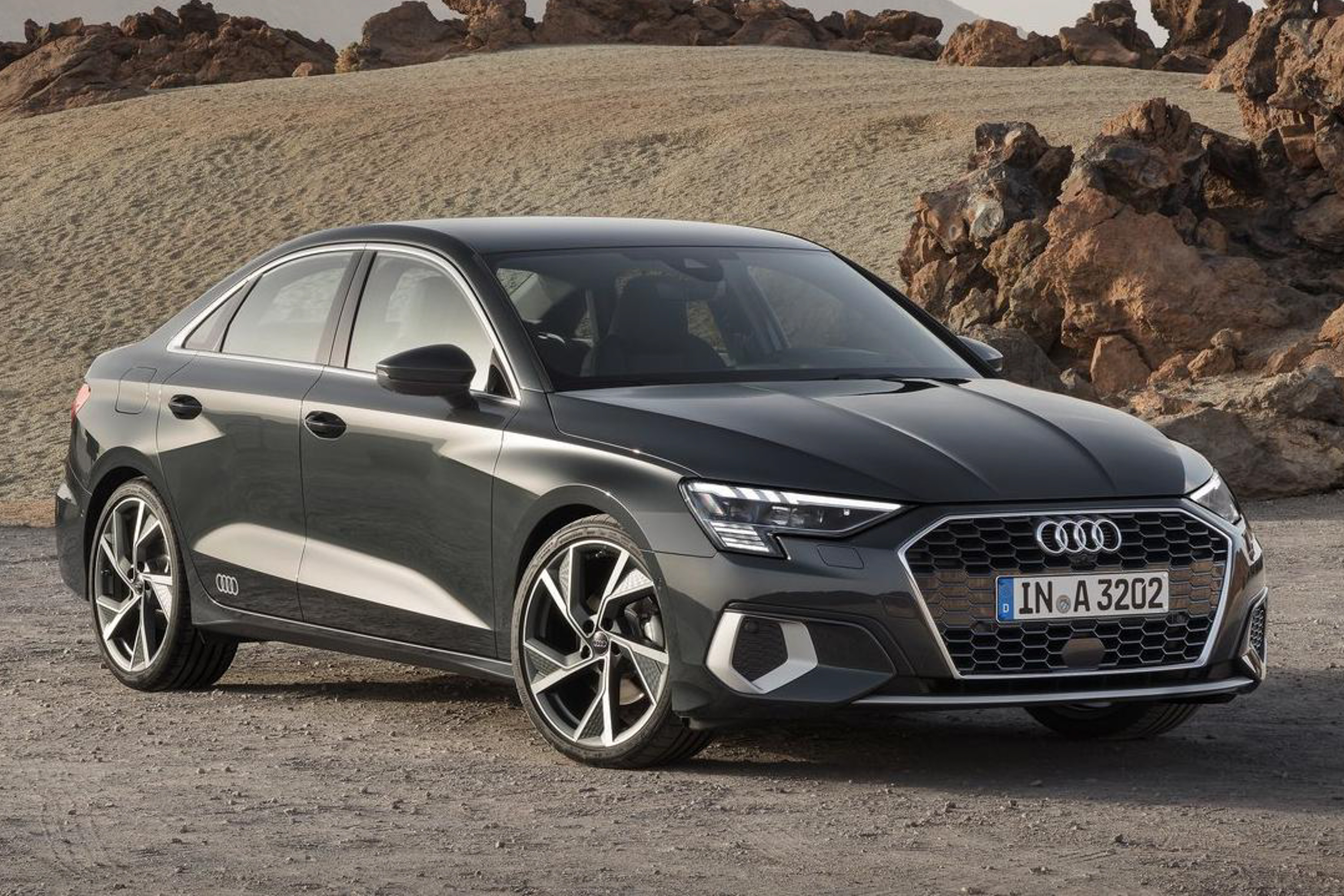
Cars With Similar Price And Features

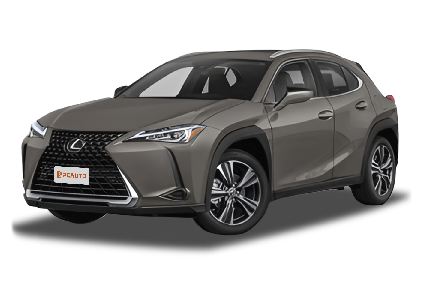
The 2020 Lexus UX 200 Luxury is an executive-class SUV that combines luxurious quality with urban practicality. With balanced features, smooth power, and reliable warranty, it appeals to families and young users who value quality.
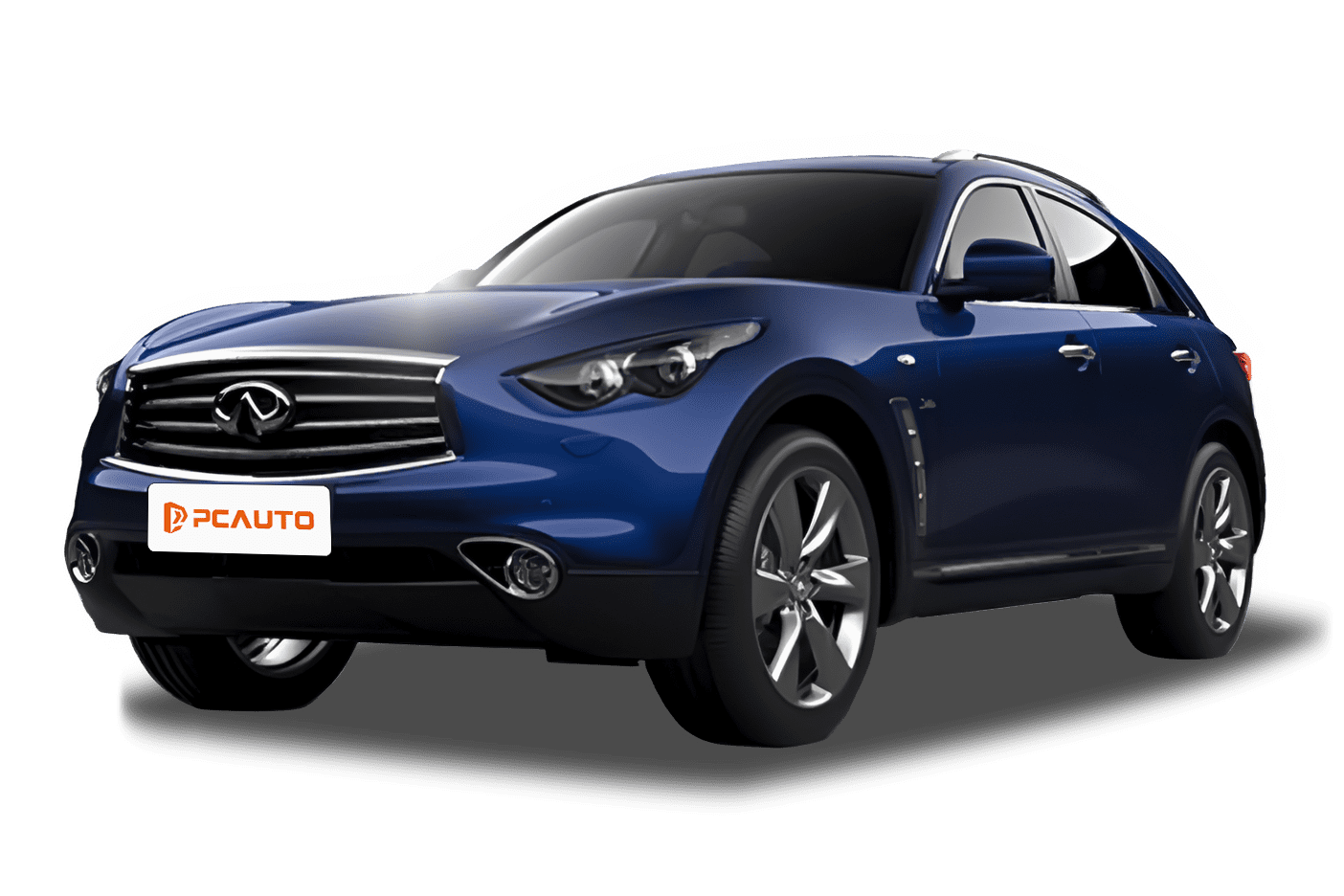
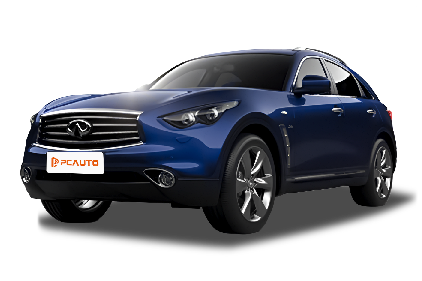
2017 Infiniti QX70 3.7 GT is a luxurious mid-size SUV that combines the dynamic design of a coupe-style SUV, 324PS V6 power, and practical configurations, meeting the balanced needs of family use and driving pleasure.

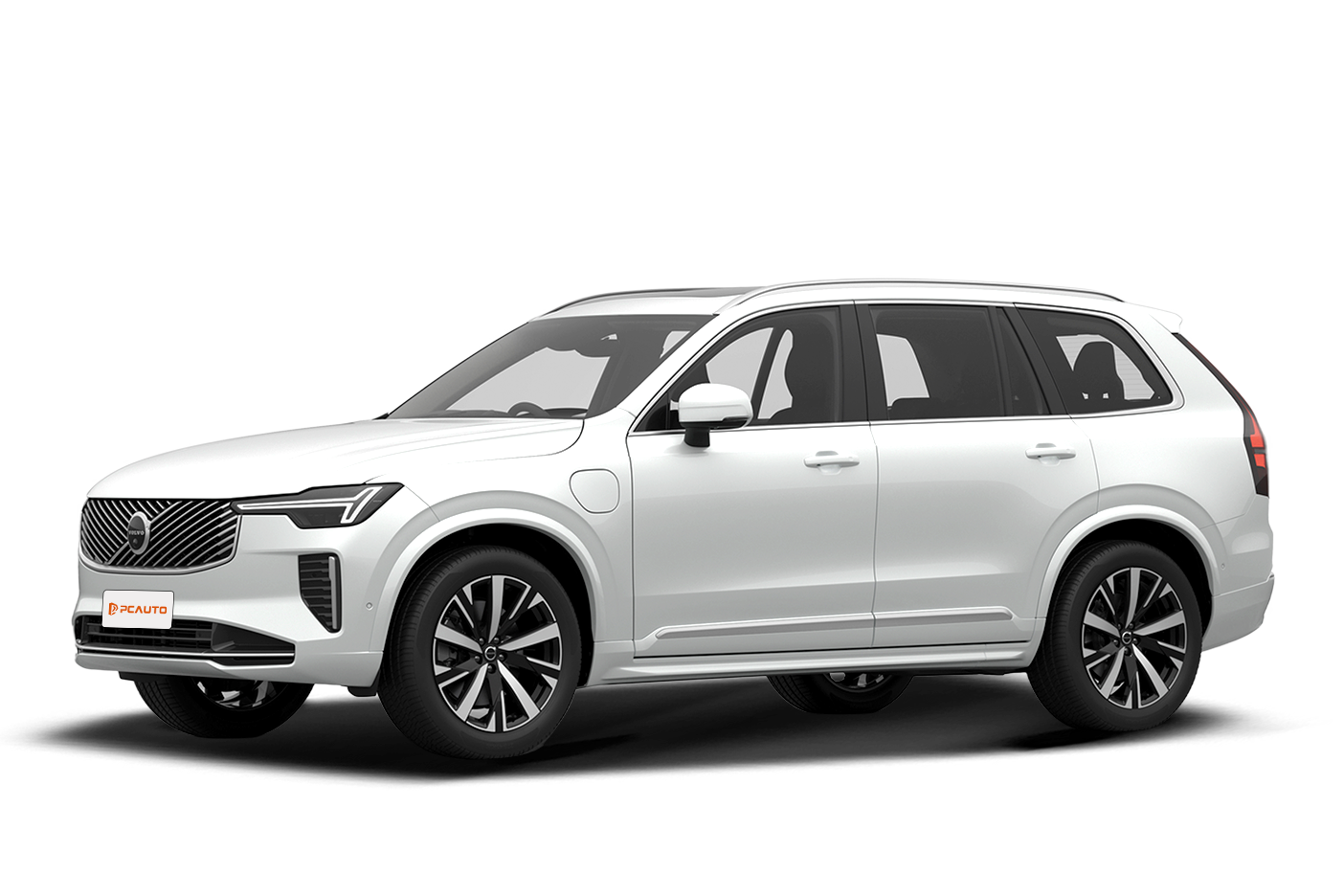
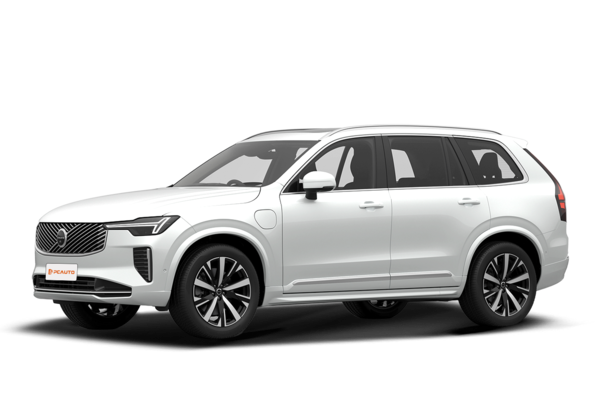
2025 Volvo XC90 Ultra B5, as an Executive-level luxury 7-seat SUV, optimizes fuel efficiency with a mild hybrid system, enhances comfort with air suspension across the range, coupled with an intelligent cockpit, balancing space and safety, showcasing outstanding capability.
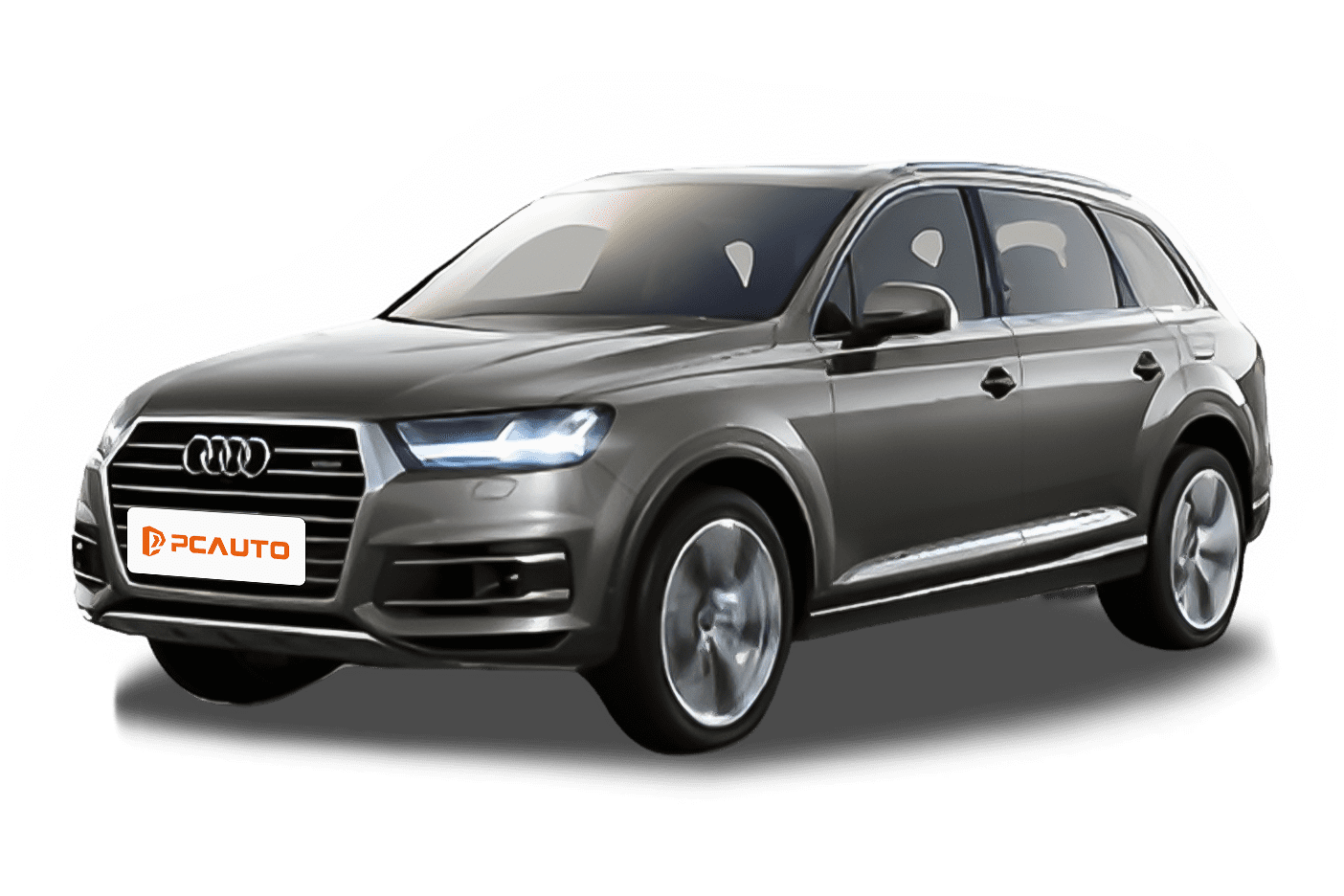
2025 Audi Q7 S line 3.0 TFSI, with its high cost-effectiveness, sporty appearance, luxurious interior, powerful performance, and flexible space, becomes a strong contender in the luxury mid-to-large SUV market.