

Audi Q5 Sportback 2022 Review

 Share
Share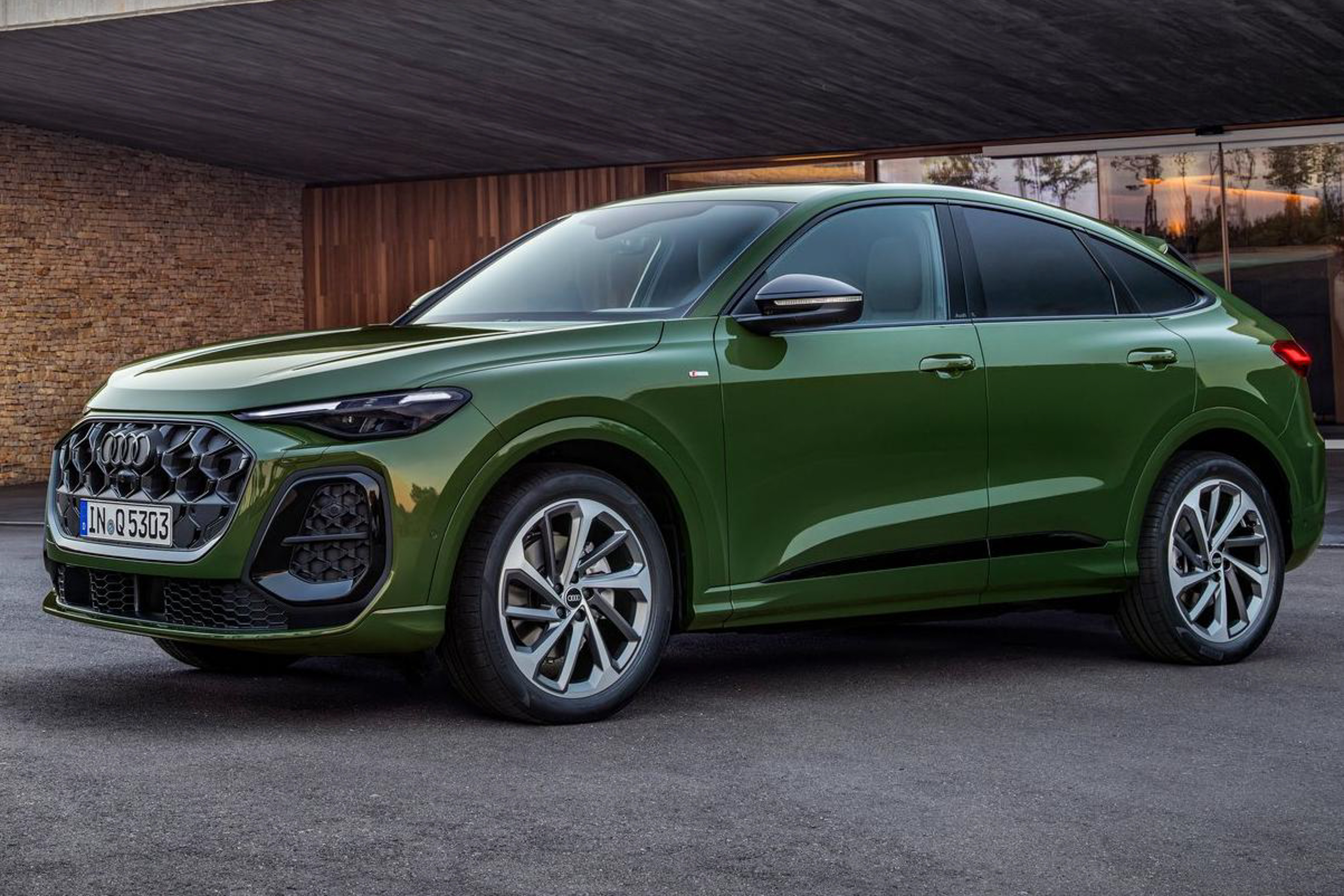
 Segment
 Body Type
 Capacity(L)
 Engine Power(PS)
 Transmission
 Driven Wheels
In recent years, the competition in Malaysia's executive-class SUV market has become increasingly fierce. Consumers are seeking both luxury and practicality in their vehicles. The Audi Q5 Sportback S line 2.0 TFSI quattro, as a crossover mid-size SUV in the Audi family, attempts to stand out in a market of homogeneous products with its combination of a coupe-like design and quattro all-wheel drive system. The core aim of this test drive is to verify whether this car can balance "sporty feel" with "executive-level comfort" while also assessing if its features justify the price tag of nearly 490,000 Malaysian Ringgit.
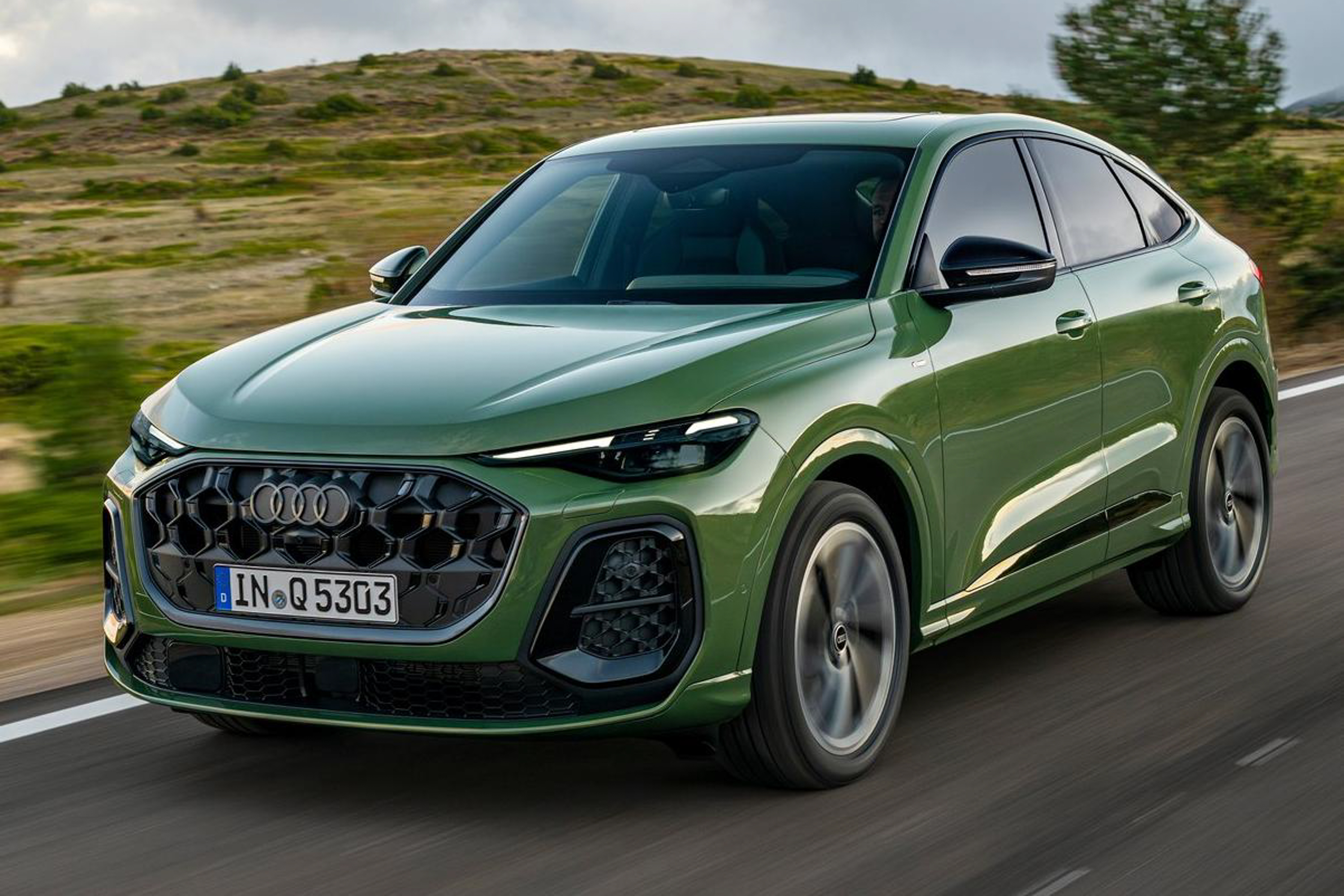
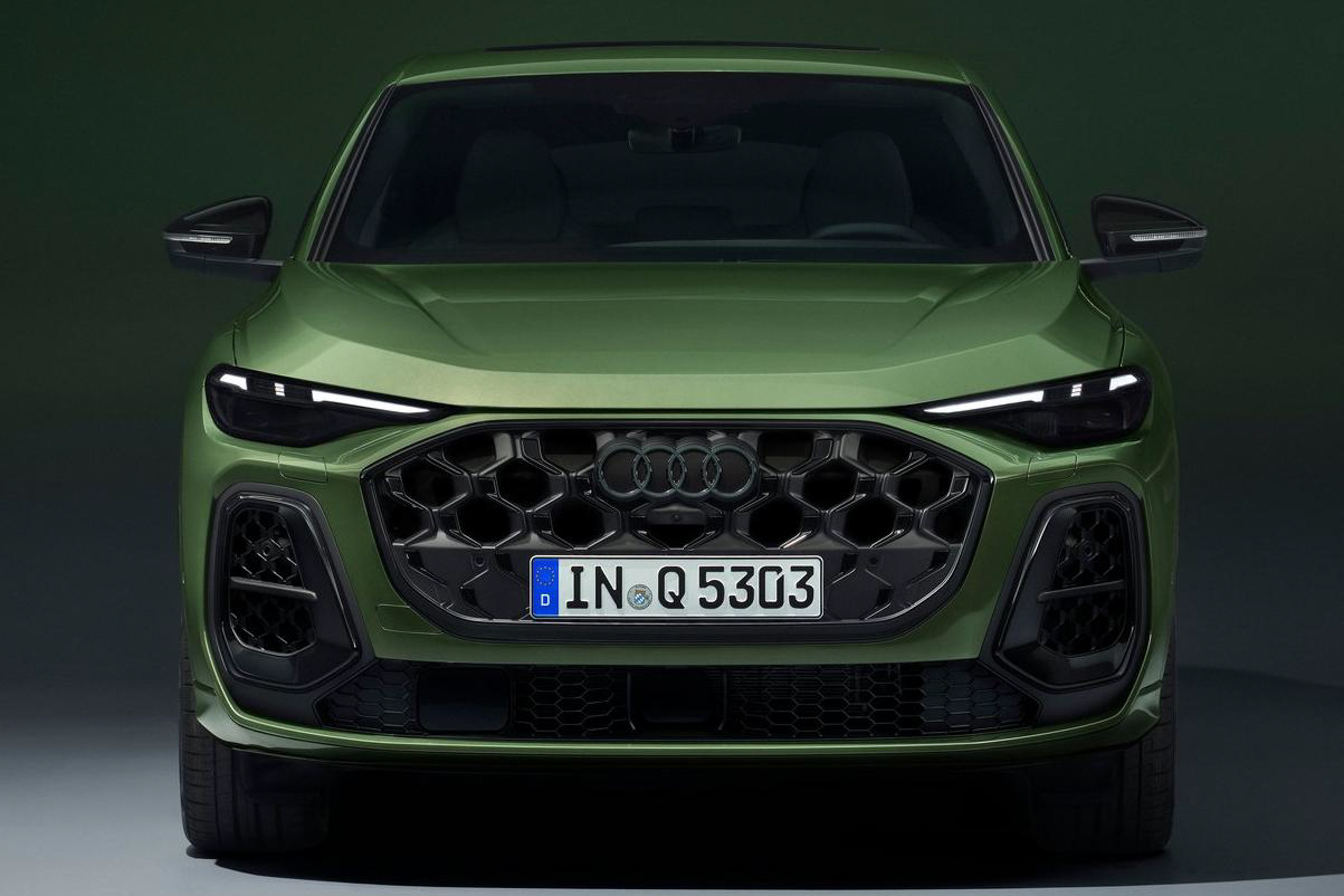
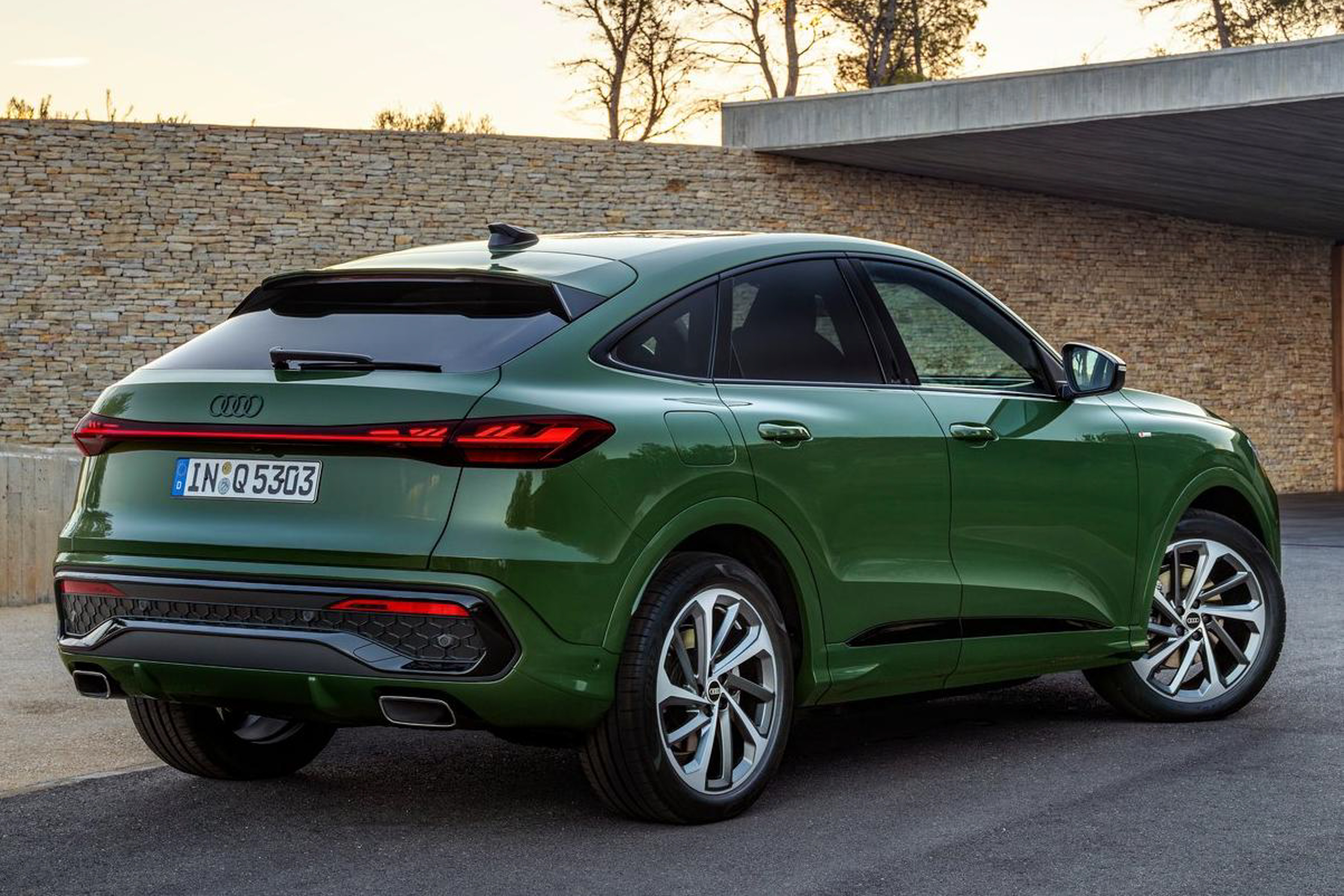
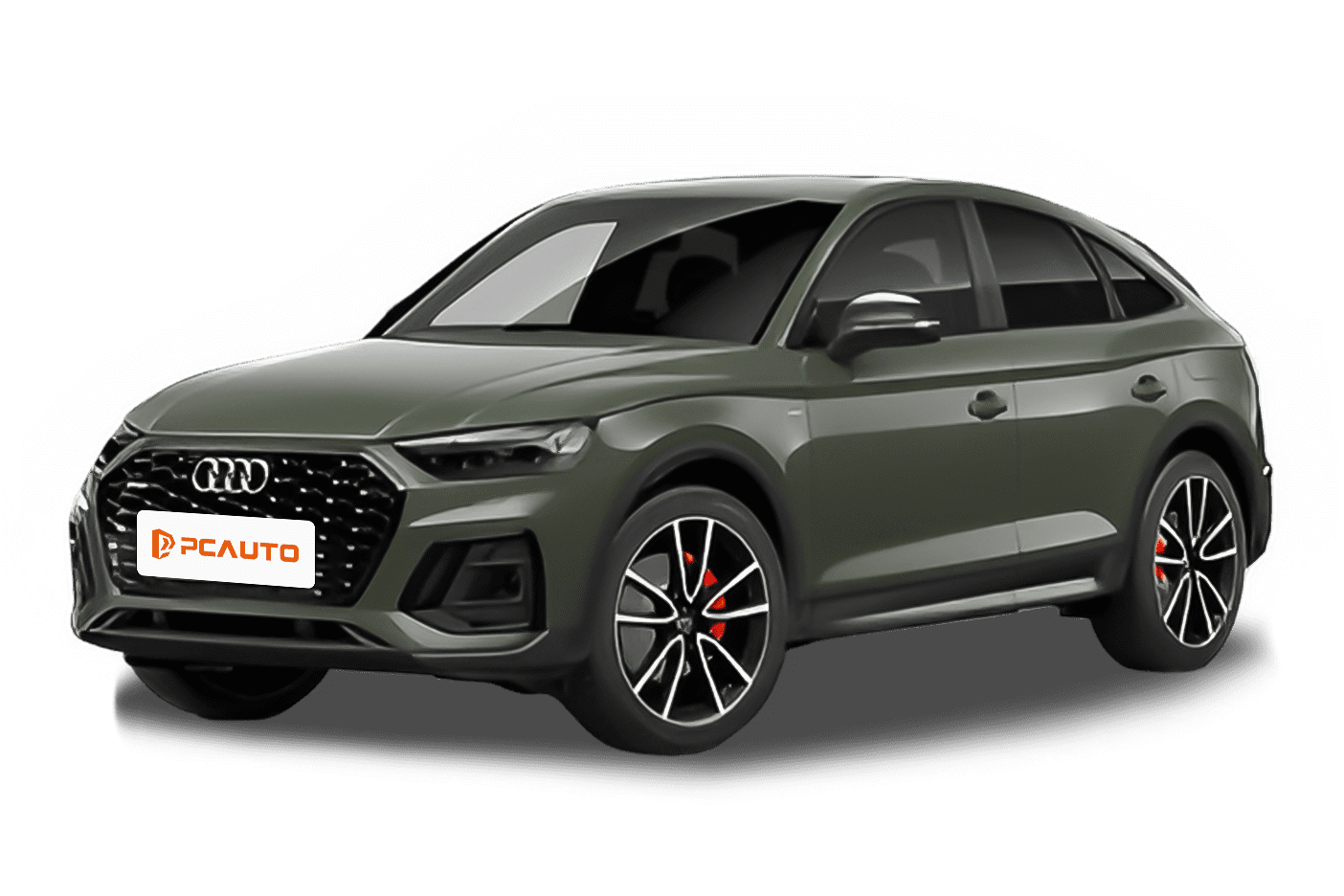
From an exterior perspective, the overall style of the Q5 Sportback is more aggressive than the traditional Q5. The front end adopts Audi's signature octagonal grille, paired with the S line package-specific honeycomb lower bumper, enhancing its visual impact. The headlight assembly uses full LED technology, and the "arrow-shaped" design of the daytime running lights is highly distinctive, with the automatic lighting feature responding quickly in tunnels or cloudy conditions. The side profile is its standout feature, with coupe-like lines starting from the B-pillar and extending to the rear, combined with the hidden D-pillar to create a sporty silhouette. The 20-inch multi-spoke alloy wheels paired with 255/45 R20 tires further reinforce its athletic character. At the rear, the LED taillights adopt a smoked finish and display dynamic running light effects when illuminated. The diffuser-style design of the rear bumper and dual exhaust outlets on both sides (decorative only) align with the sporty positioning of the S line trim.
Upon entering the vehicle, the interior retains Audi's iconic minimalist technological design. The dashboard adopts a layered style, with the upper section covered in soft-touch materials and accented with silver trim, delivering both a tactile and visual premium feel. The 10.1-inch touchscreen infotainment display is positioned atop the dashboard, featuring a clear and logical interface that supports gesture controls and CarPlay integration, providing a smooth operational experience. The instrument cluster is a 12.3-inch fully digital virtual cockpit that can switch between classic, sporty, and other display modes, projecting information such as navigation and fuel consumption directly into the driver's line of sight for added convenience. In terms of features, the front seats offer electric adjustment (including 4-way lumbar support) along with heating functions, while the driver's seat also includes a memory function to ensure long-term comfort. The rear seats support a 40:20:40 split fold and manual recline, the center armrest is equipped with cup holders, and there are USB ports below the rear air vents, catering to passenger needs in the rear. Storage space performance is standard, with a trunk volume of 510L in normal configuration, expandable to 1480L by folding down the rear seats, which can accommodate family travel storage needs.
In terms of power, this vehicle is equipped with a 2.0T turbocharged four-cylinder engine, delivering a maximum output of 249PS and a peak torque of 370N·m (data based on the common 2.0T high-power version, as the original parameters only mentioned horsepower). It is paired with a 7-speed dual-clutch transmission and a quattro all-wheel drive system. The official 0-100km/h acceleration is 6.1 seconds. During the actual test drive, the power response was brisk during takeoff, with minimal turbo lag. In sport mode, the transmission shift logic becomes more aggressive, dropping gears quickly upon hard acceleration, with a sustained push-back sensation up to around 6000rpm, offering confidence in overtaking maneuvers. During daily driving, the transmission tends to maintain higher gears to reduce fuel consumption, and the gear shifts are smooth with virtually no noticeable jolts.
The handling and chassis performance align with Audi's tuning style. The steering wheel is precise with minimal play, light at low speeds for easy parking, and becomes steady at high speeds, enhancing driving stability. The suspension system adopts a front MacPherson and rear multi-link structure, tuned for comfort, effectively filtering out most small road bumps. However, when passing speed bumps or significant potholes, slight vibrations can still be felt in the rear seats. The quattro all-wheel-drive system performs excellently in corners, distributing torque between the front and rear wheels in a timely manner to reduce understeer, keeping the vehicle stable in its posture. On wet roads during rainy weather, it delivers better grip compared to two-wheel-drive vehicles. In terms of fuel consumption, the official combined fuel consumption is 8L/100km. Under actual urban conditions (including congested segments), it is about 9.5L/100km, and on highways, it can drop to 7.2L/100km, demonstrating a performance that is fairly average.
Regarding driving comfort, the in-cabin noise control is well-executed. At speeds below 100km/h, tire and wind noise are not noticeable, and only the engine noise enters the cabin during rapid acceleration, but it is not intrusive. The seat cushions are soft yet supportive enough, and the rear legroom offers about two fist distances for passengers around 175cm tall. The headroom is slightly compromised by the coupe-style roofline but still maintains a one-fist distance, avoiding a sense of oppression. The automatic parking feature is practical and can detect both perpendicular and parallel parking spaces, with simple operation. The addition of automatic rain-sensing wipers and automatic headlights further enhances everyday driving convenience.
Overall, the core advantage of the 2022 Audi Q5 Sportback S line 2.0 TFSI quattro lies in its "balance of dynamics and comfort"—the sporty look brought by the coupe-style design, the handling stability of quattro all-wheel drive, and Audi's consistent luxury interiors and technological configurations. It not only caters to the personalized pursuits of young people but also meets the practical needs of family users. Compared with competitors in the same class (such as the BMW X4 and Mercedes-Benz GLC Coupe), it offers more comprehensive configurations (such as standard B&O sound system and fully digital instrument panel) at a relatively affordable price. However, its fuel efficiency is not outstanding, and the rear headroom is slightly compromised due to the coupe design, which is worth noting.
This car is more suitable for two types of people: first, young family users who pursue individuality and driving quality, needing the practicality of an SUV without sacrificing sportiness; second, business professionals who frequently travel between urban and suburban areas, where quattro all-wheel drive can handle complex road conditions, and the luxurious interior can meet business hosting needs. Overall, the Q5 Sportback S line is a crossover SUV with "no obvious shortcomings." It has found its place in the executive market with its unique design and balanced performance.
Audi Q5 Sportback Car Compare
Audi Q5 Sportback Loan Calculator
More Audi Reviews
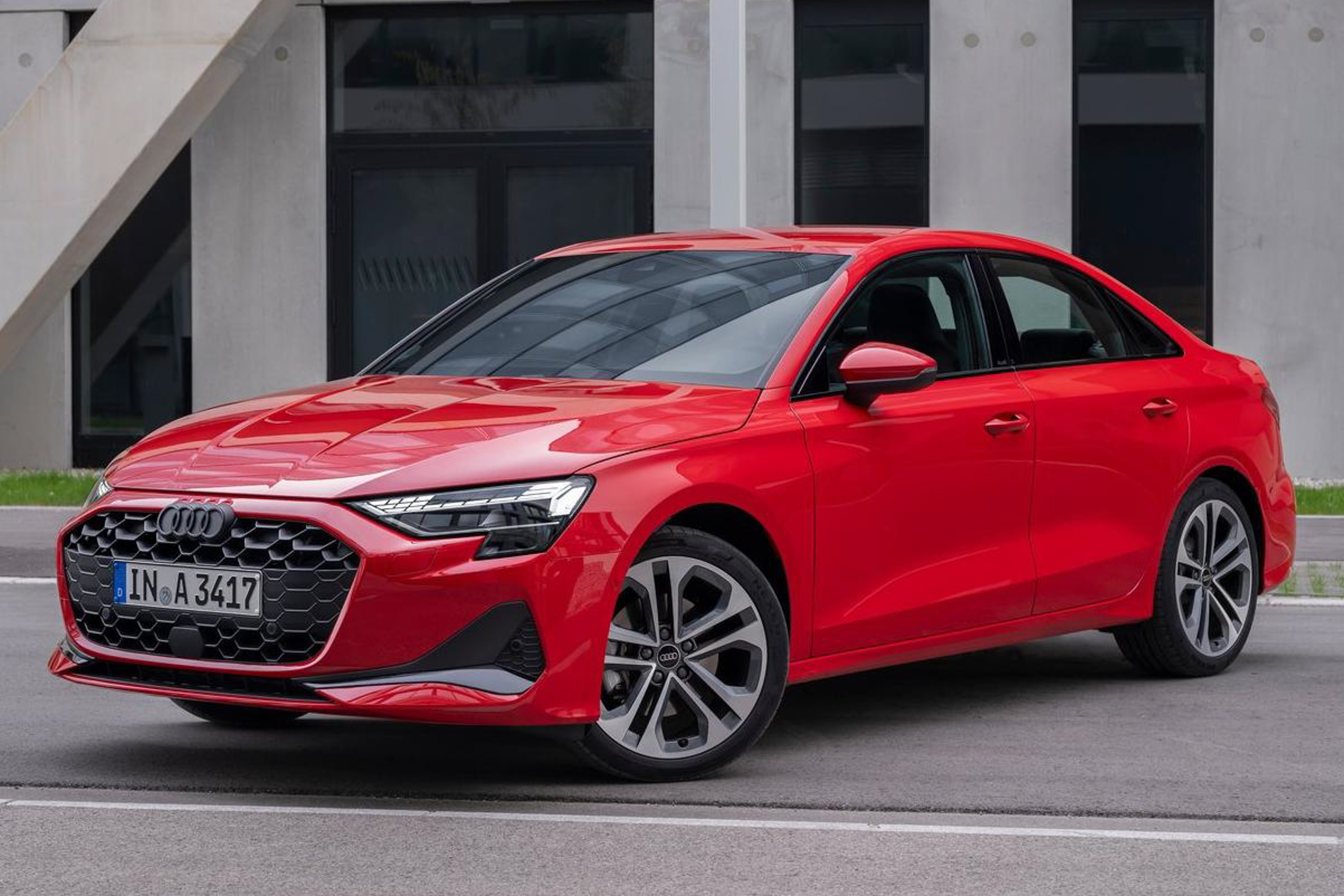
Cars With Similar Price And Features

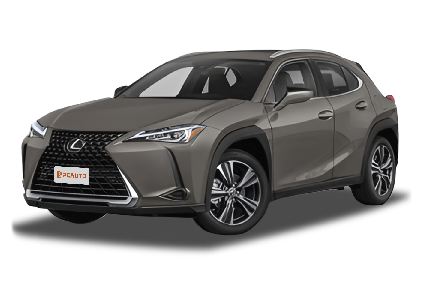
The 2020 Lexus UX 200 Luxury is an executive-class SUV that combines luxurious quality with urban practicality. With balanced features, smooth power, and reliable warranty, it appeals to families and young users who value quality.
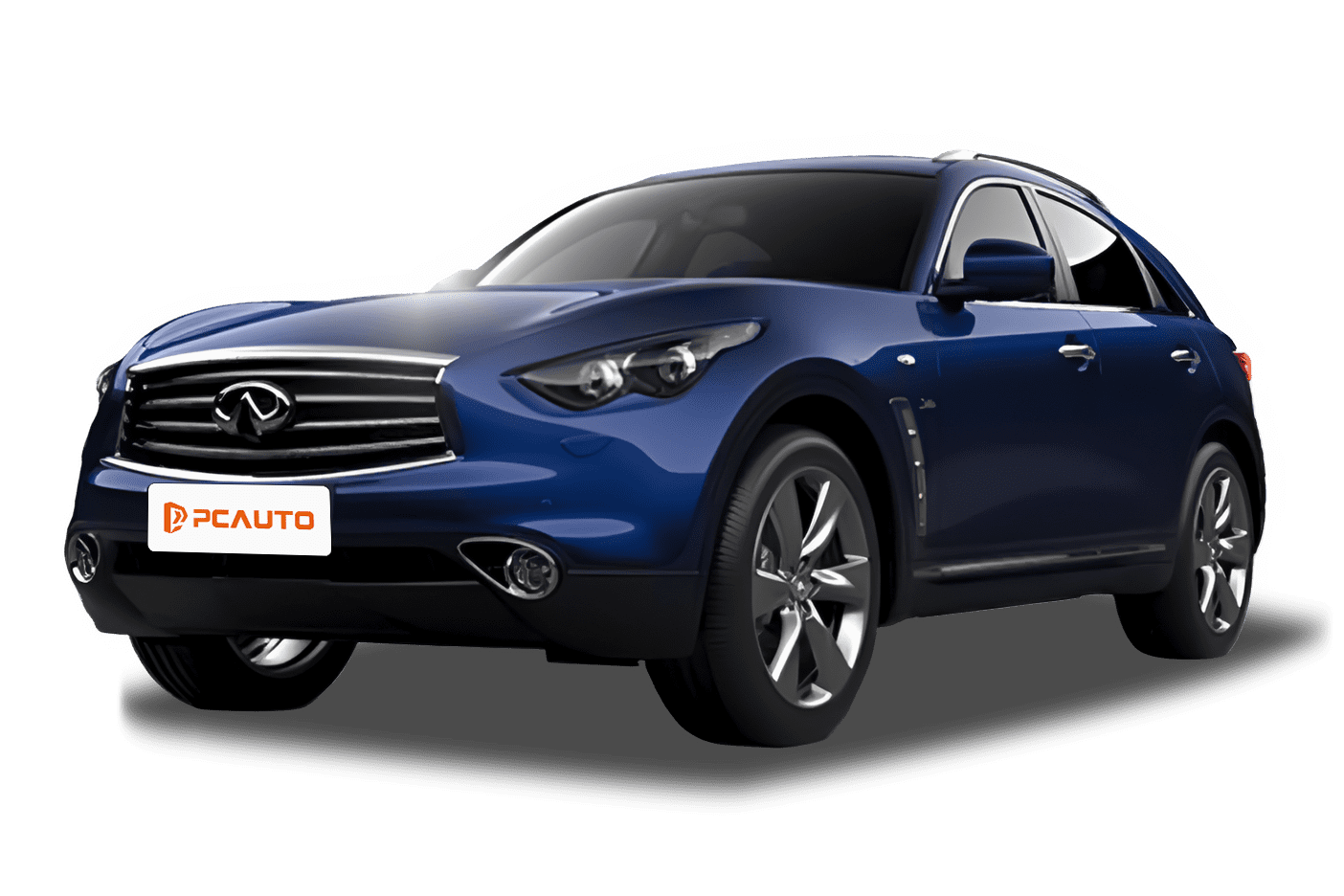
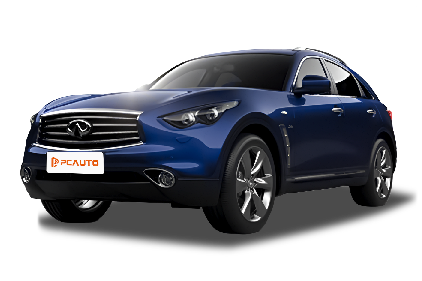
2017 Infiniti QX70 3.7 GT is a luxurious mid-size SUV that combines the dynamic design of a coupe-style SUV, 324PS V6 power, and practical configurations, meeting the balanced needs of family use and driving pleasure.

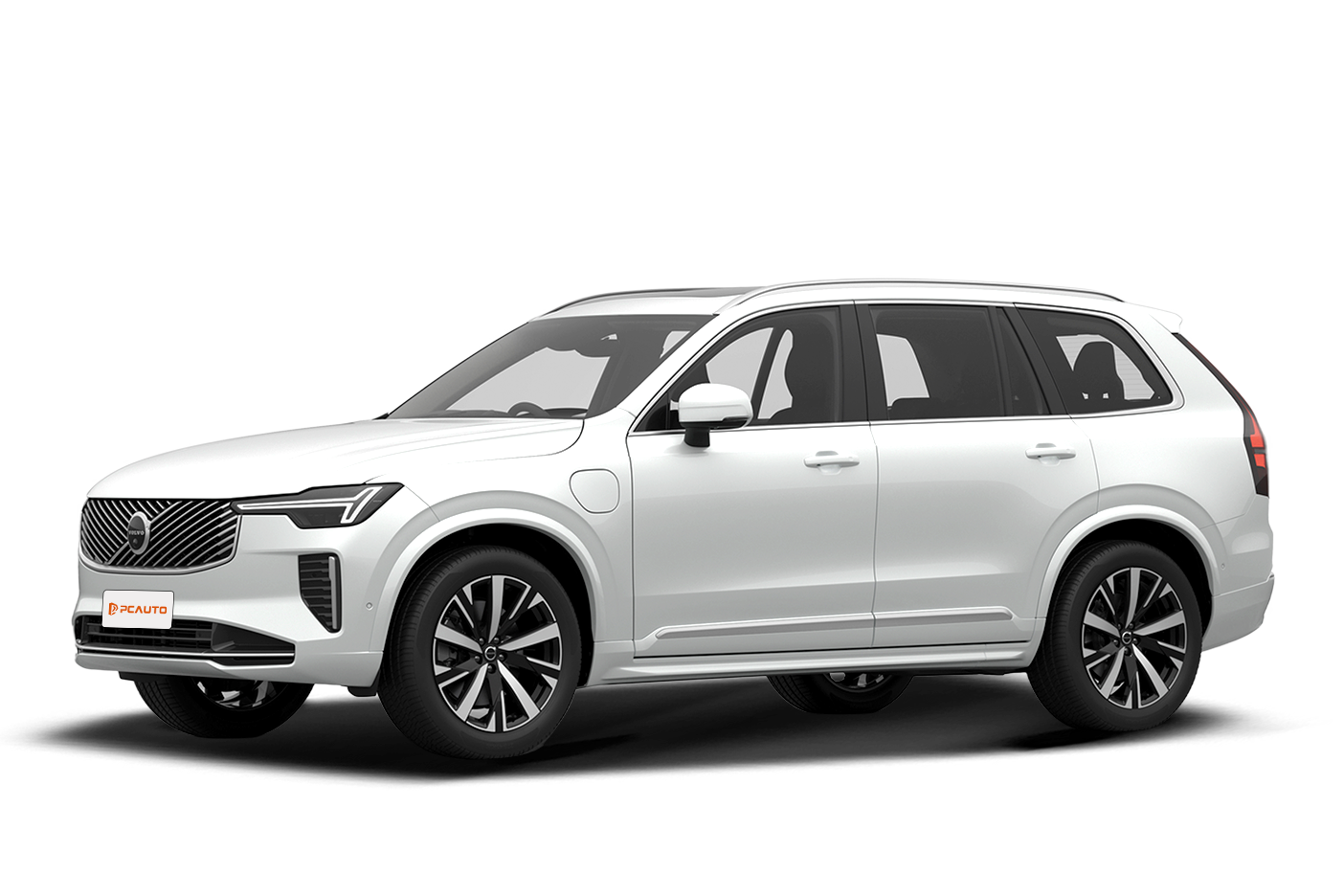
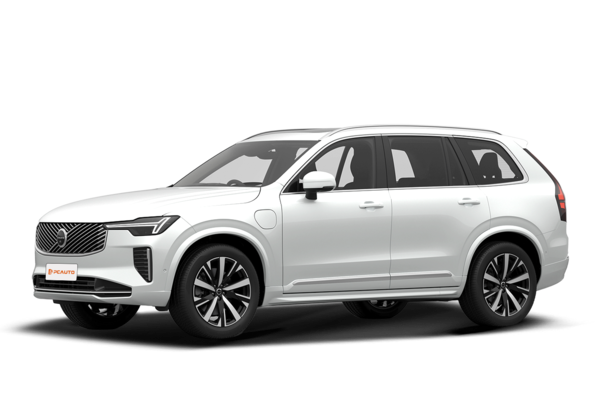
2025 Volvo XC90 Ultra B5, as an Executive-level luxury 7-seat SUV, optimizes fuel efficiency with a mild hybrid system, enhances comfort with air suspension across the range, coupled with an intelligent cockpit, balancing space and safety, showcasing outstanding capability.
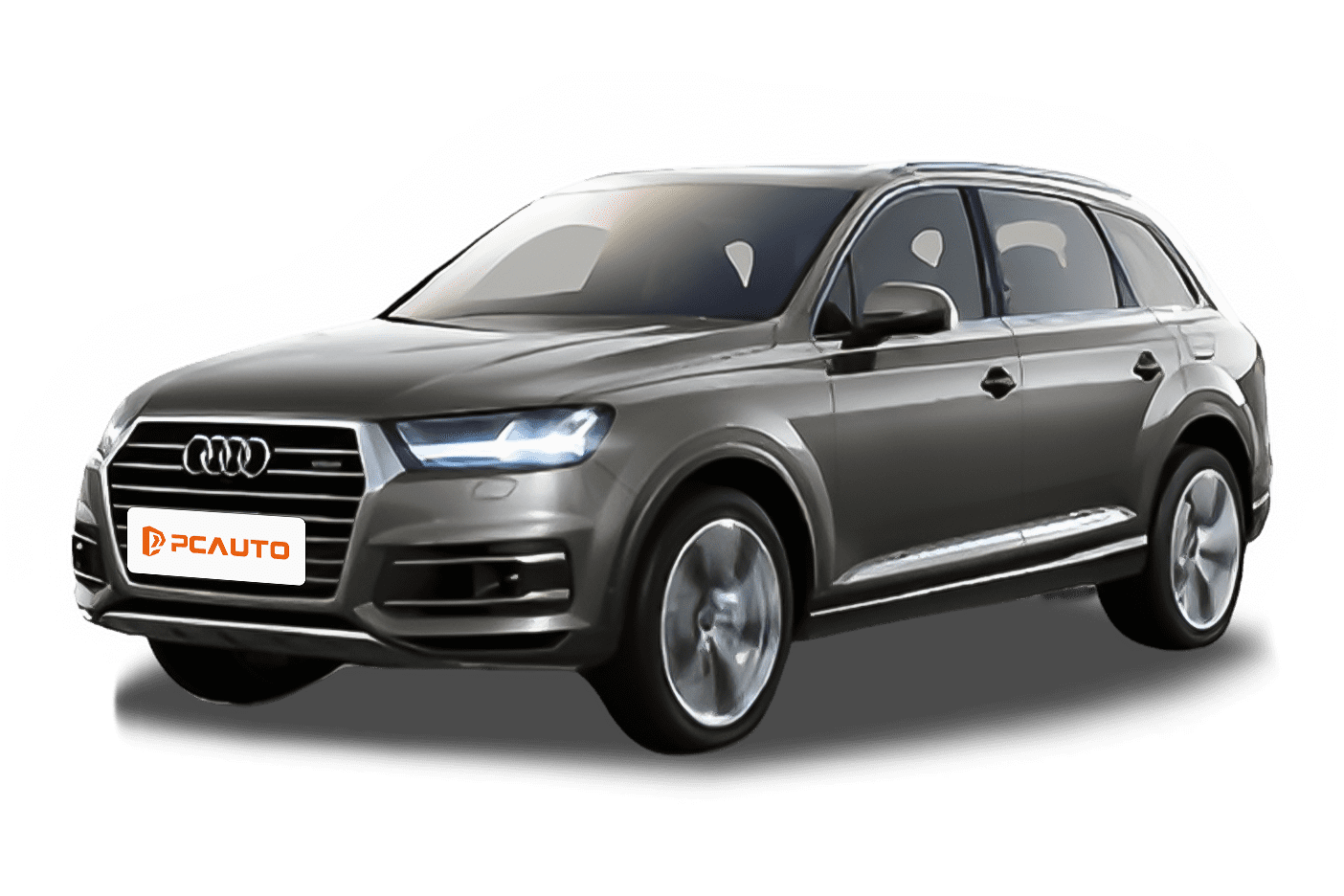
2025 Audi Q7 S line 3.0 TFSI, with its high cost-effectiveness, sporty appearance, luxurious interior, powerful performance, and flexible space, becomes a strong contender in the luxury mid-to-large SUV market.