

Bentley Mulsanne Review

 Share
Share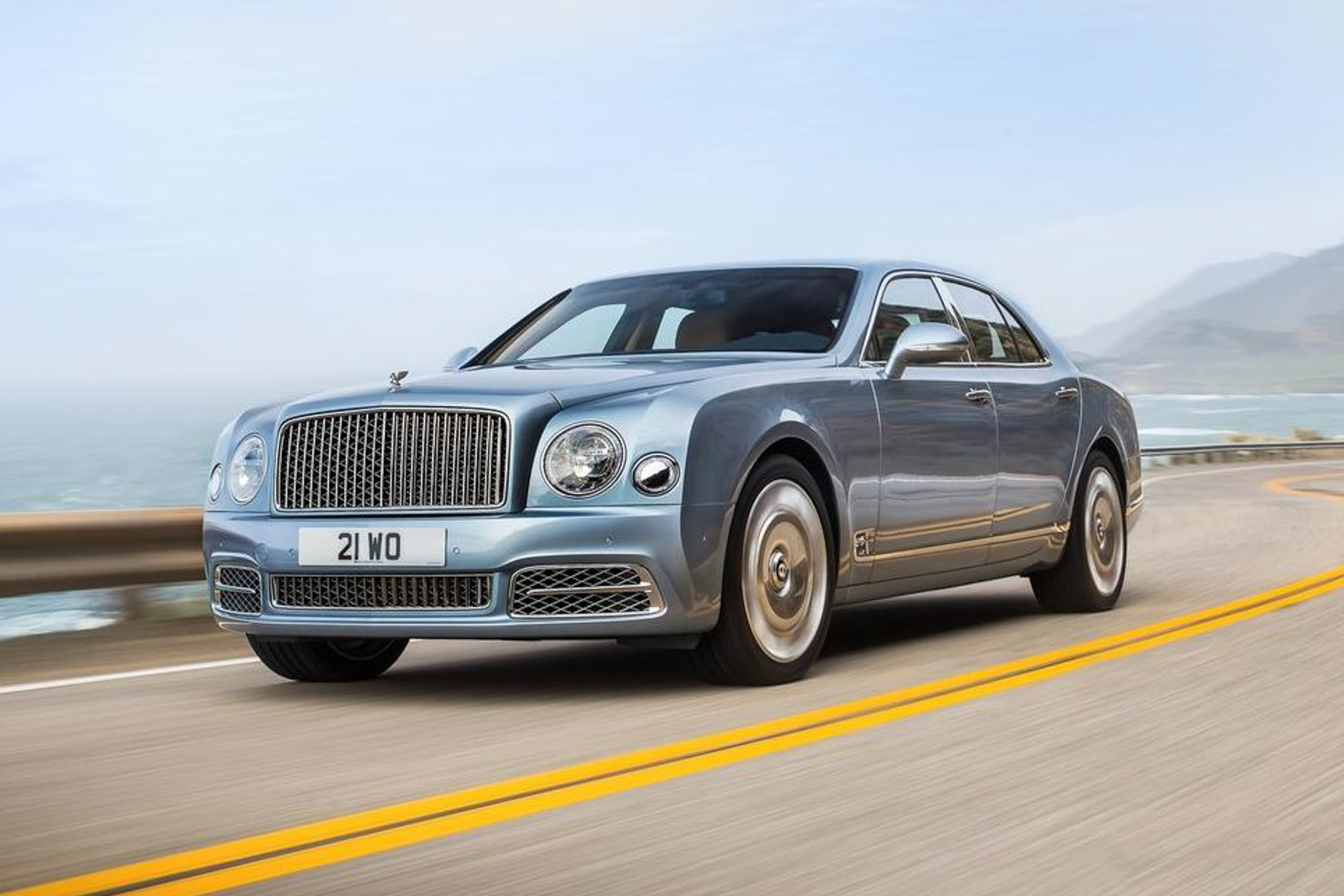
 Segment
 Body Type
 Capacity(L)
 Engine Power(PS)
 Transmission
 Engine Torque(Nm)
In the luxury car market, competition among large four-door sedans has always been about "attention to detail" — they need to be both prestigious and offer a balance of everyday comfort and performance. The 2018 Bentley Mulsanne Speed, as the performance flagship of its lineup, has a clear positioning: for buyers who refuse to compromise on power in the name of luxury. For this test drive, I primarily wanted to figure out two things: how is it better than the regular Mulsanne? And is it worth its price of nearly 1.34 million Malaysian Ringgit?
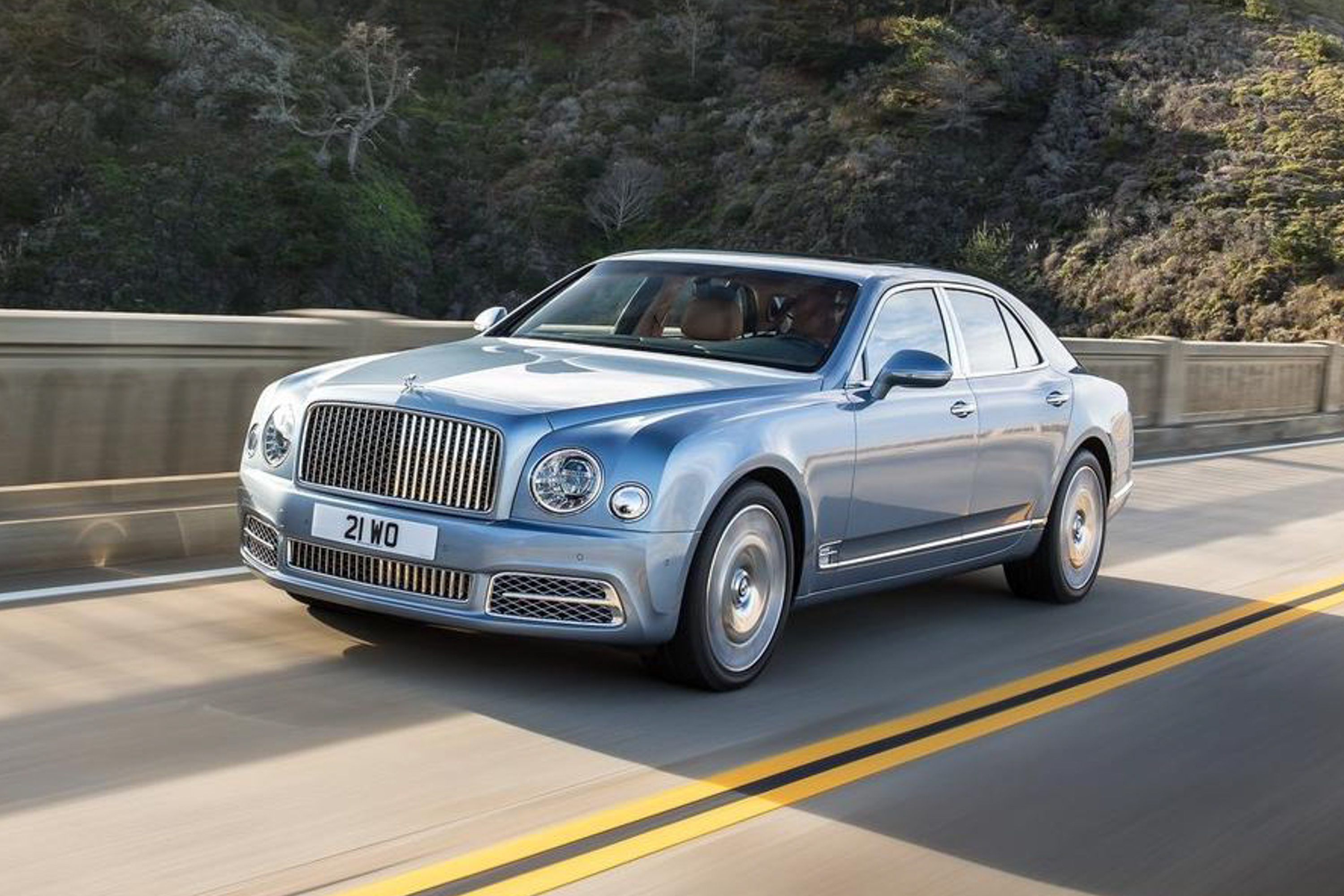
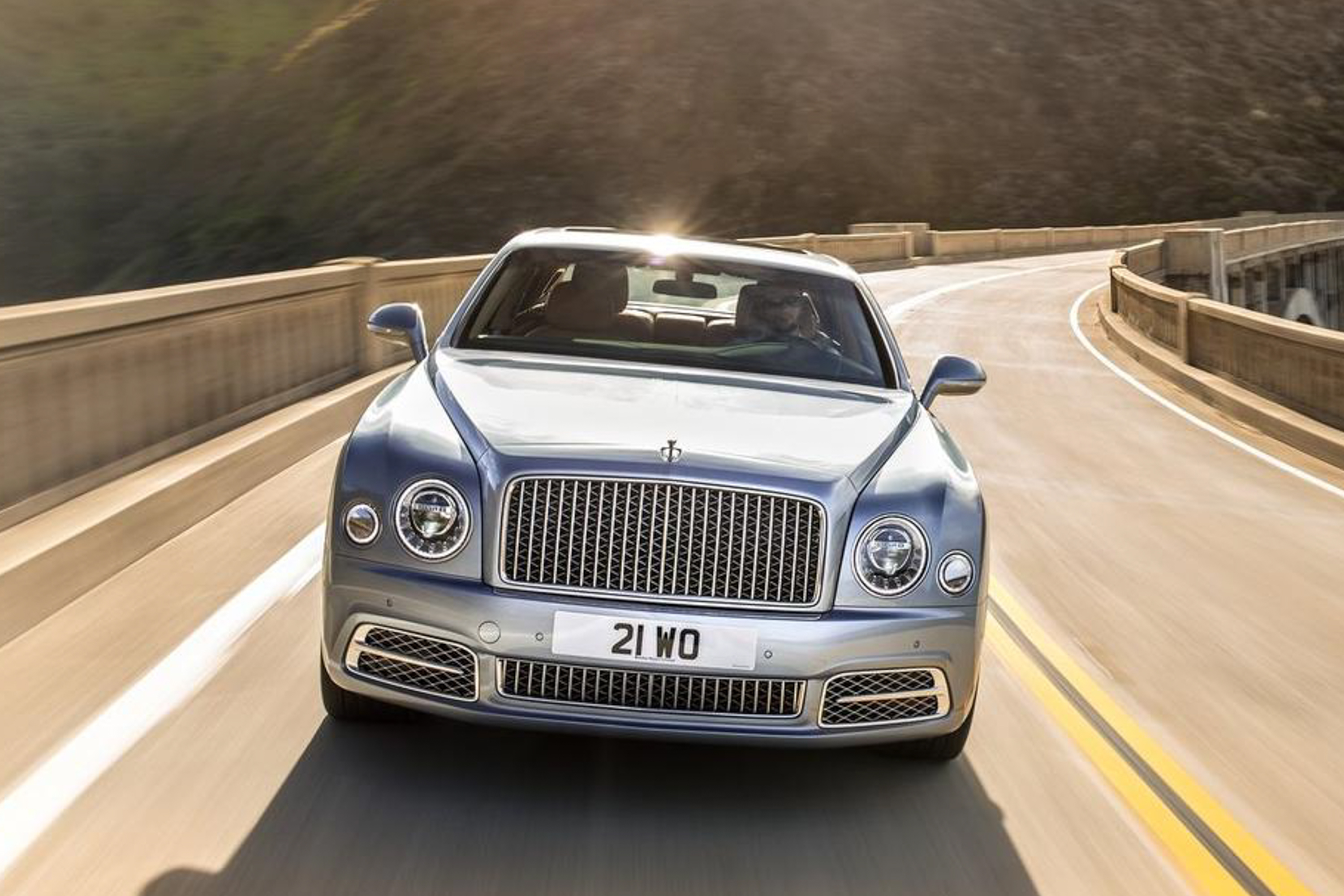
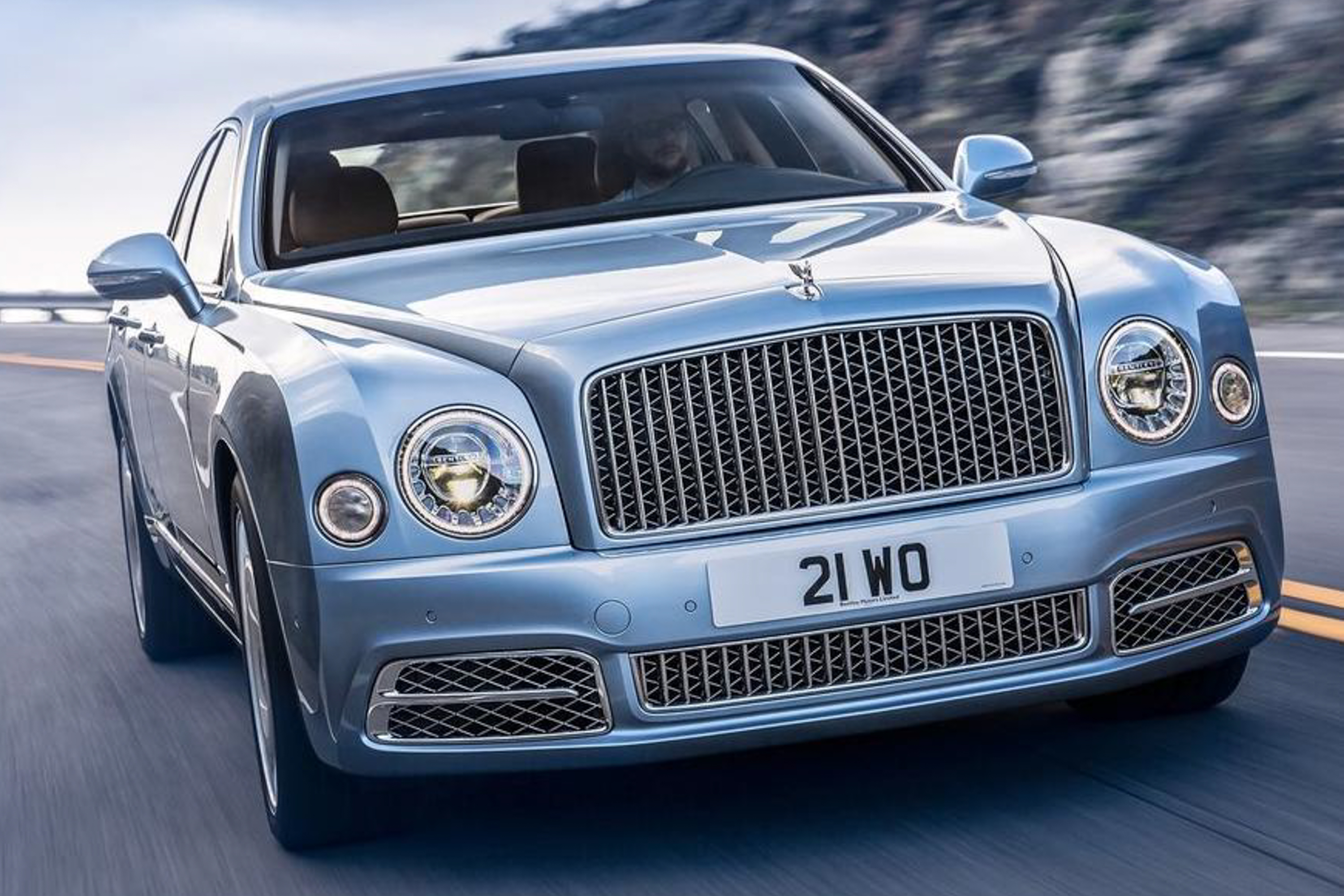
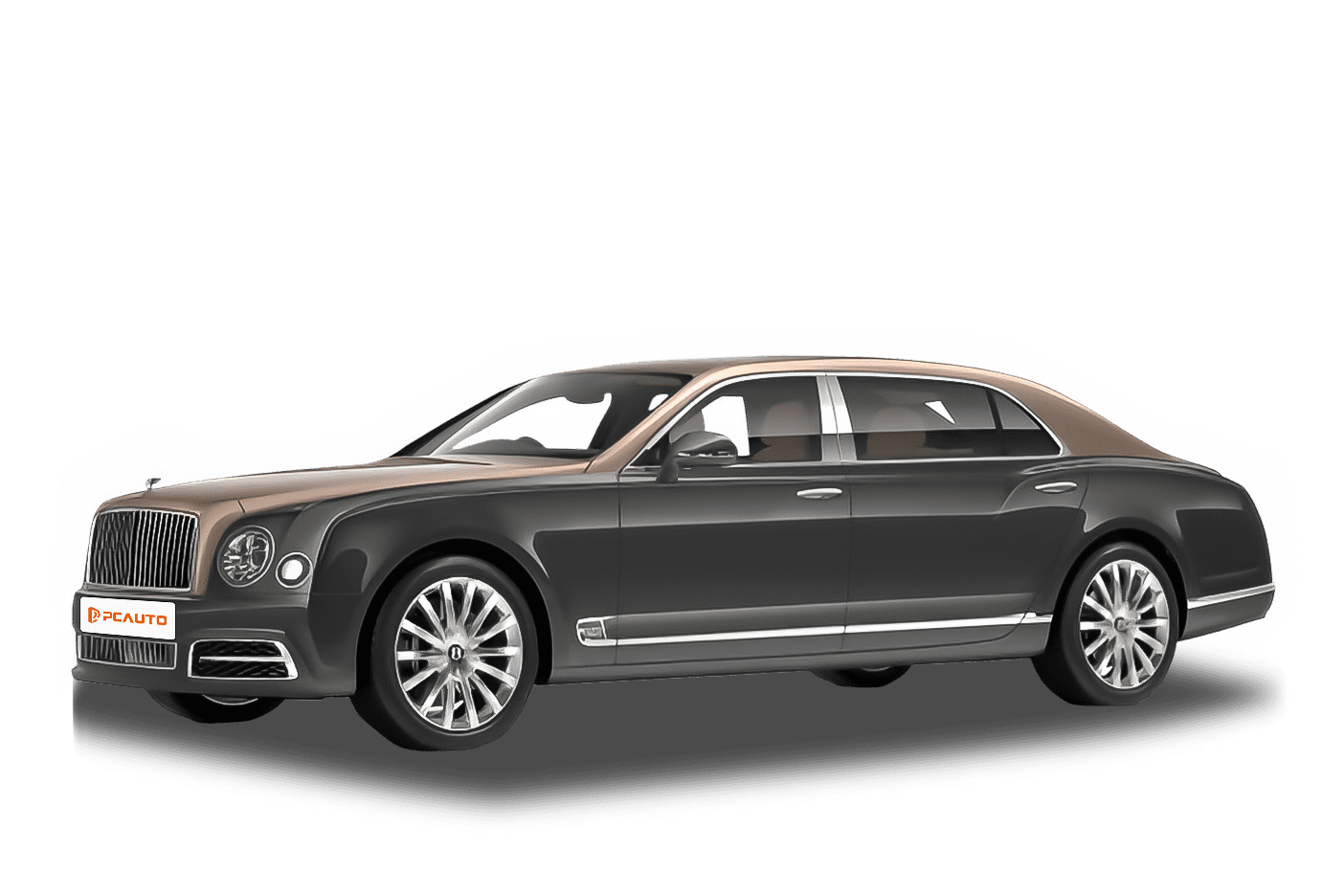
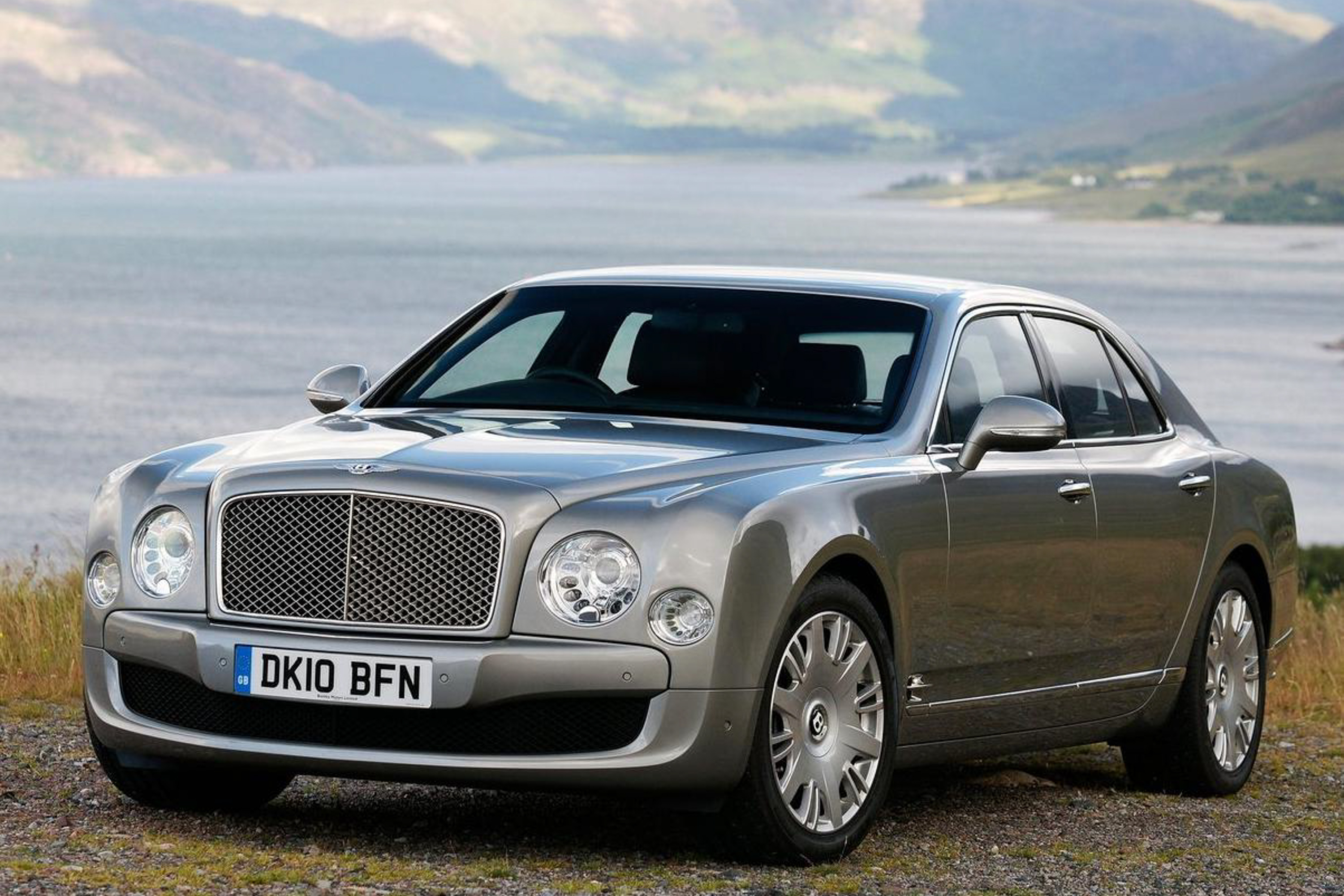
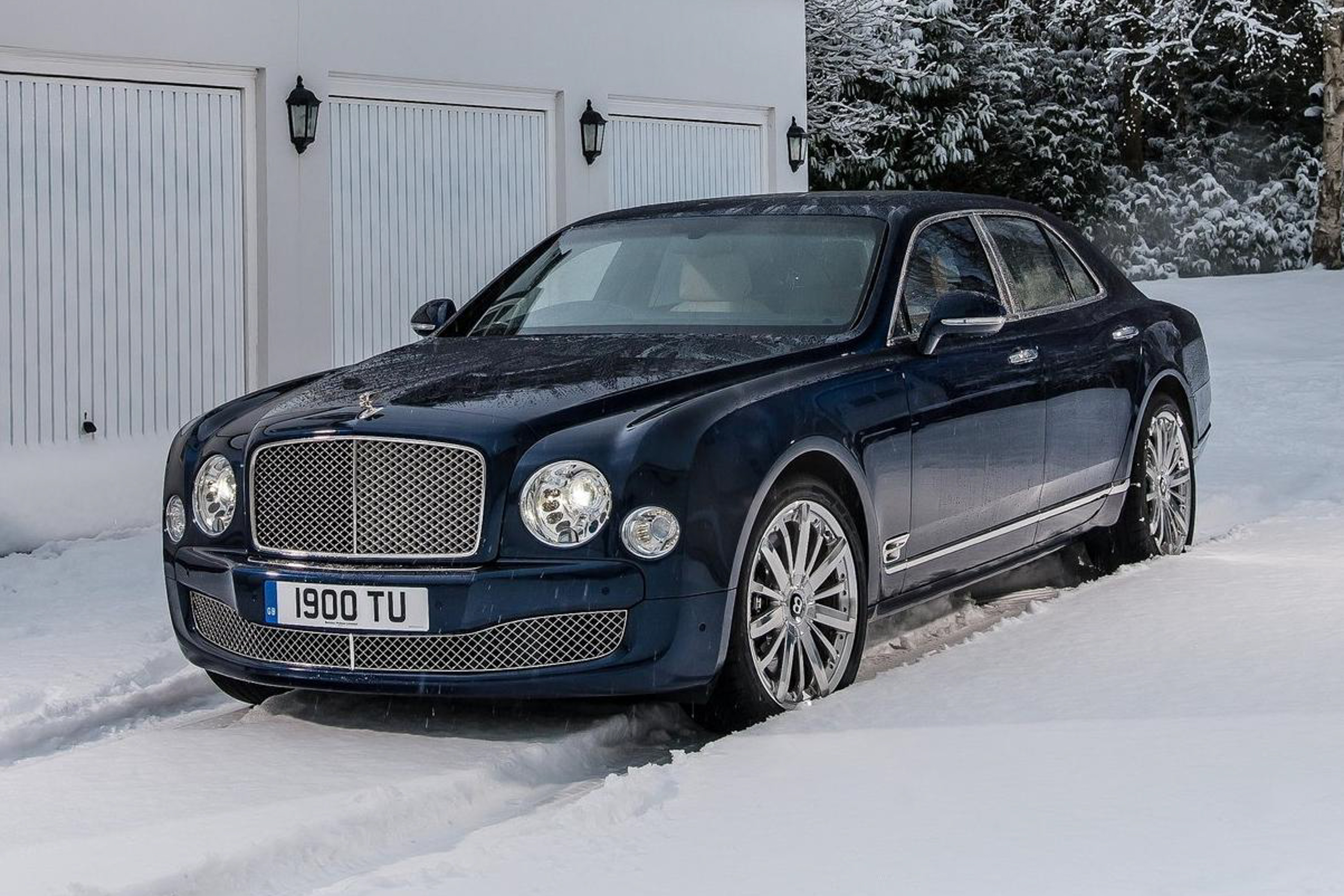
At first glance, you can immediately notice the differences between the Mulsanne Speed and the regular version. It still retains Bentley's classic boxy silhouette, but the details are sharper — the front grille features a black mesh design instead of the chrome vertical slats of the regular version, and the chrome trims around the headlights are darkened, giving the front a noticeably more aggressive look. The side profile maintains its elongated proportions, with a waistline stretching from the front fender to the rear, complemented by 21-inch polished alloy wheels (compared to 20-inch on the regular version), giving the side an even steadier appearance. The rear design updates focus on the taillights and exhaust tips: the internal structure of the taillights has been adjusted for a more refined look, and the dual twin round exhaust tips (compared to dual twin tips on the standard model) suggest a powerful performance. The overall design is not overly ostentatious, but every detail hints at its "Speed" identity, with a very high level of recognition.
Stepping inside, you are immediately enveloped in luxury. The dashboard maintains Bentley's iconic “winged” design, but the Speed version uses more carbon fiber trim instead of wood, creating a contrast with the classic style of the regular version. The steering wheel is a three-spoke design wrapped in leather, offering a delicate touch, with perforations at the 3 and 9 o'clock positions for a solid grip. The seats are upholstered in Nappa leather with diamond quilting, and the front seats offer 14-way power adjustments along with heating, ventilation, and massage functions. Once adjusted to the right sitting position, the seats provide excellent support and comfort. The central touchscreen measures 8 inches, with a simple interface that, while not particularly fast to respond, is fully functional, featuring navigation, Bluetooth, and CarPlay. Worth mentioning is that the Speed version comes standard with Bang & Olufsen audio system, which is an optional feature on the regular version — a nice touch.
In terms of space, the Mulsanne Speed shares the same 3266mm wheelbase as the regular version, offering ample rear passenger space. At 178cm tall, I found that I still had about two and a half fist-widths of legroom and more than a fist of headroom. The rear seats also come with heating, ventilation, and massage functions. The center armrest allows adjustments to air conditioning temperature, audio volume, and control of the rear sunshade. While the storage space isn't particularly impressive, it is sufficient: the front door bins can hold two bottles of water, the center armrest storage box has decent depth, and the trunk offers 506 liters of volume, enough for two 28-inch suitcases.
The main focus of this test drive is, of course, the performance. The Mulsanne Speed is equipped with a 6.8-liter twin-turbo V8 engine, delivering a maximum power of 537 PS, which is 24 PS more than the regular version's 513 PS. Moreover, the maximum torque reaches up to 1,100 N·m (compared to 1,020 N·m on the regular version) and is available from as low as 1,750 rpm. It is paired with an 8-speed automatic transmission. Upon starting off, even with a light press on the accelerator, the power is delivered very smoothly. Despite its hefty 2,685kg weight, the car shows no signs of sluggishness. Switching to Sport mode makes the throttle response noticeably sharper, with the transmission downshifting more aggressively. When pressing the accelerator deeply, the thrust persists even past 120 km/h. The official 0-100 km/h acceleration is 4.9 seconds, 0.2 seconds faster than the regular version. This performance is already quite impressive for a car weighing nearly 2.7 tons.
In terms of handling, the performance of the Mulsanne Speed exceeded my expectations. The steering wheel has a heavy feel, but it is precise with no play, and it remains very stable at high speeds. The suspension system has been adjusted for sportier tuning, making it a bit stiffer than the standard version, but its ability to absorb bumps is still excellent—when passing speed bumps, the suspension absorbs most of the vibrations, and the body doesn't exhibit unnecessary bouncing. While cornering, the body roll is well controlled, and the car is much more nimble than I had anticipated. In terms of braking, the brake pedal provides clear feedback, with linear braking force. The stopping distance from 100km/h is approximately 38 meters, which meets the standards of a luxury car.
Noise control is a strong suit of the Mulsanne Speed. When driving at high speeds of up to 120km/h, both wind and tire noise are minimal. Engine noise only becomes faintly noticeable when the accelerator is pressed hard, and it’s the low growl of a V8, which doesn’t feel intrusive. The massage function of the seats is very practical for long-distance driving, effectively relieving fatigue. Regarding fuel consumption, the official combined fuel consumption is 15.9L/100km. During the actual test drive, it was around 18-20L/100km in urban conditions, and 12-13L/100km on highways. For a car of this class, this is considered normal.
In summary, the core advantages of the 2018 Mulsanne Speed are clear: stronger power (537PS + 1100N·m) compared to the standard version, sportier tuning, and more standard features (such as B&O sound system, carbon fiber trim). Compared to the Rolls-Royce Ghost in the same class, the Mulsanne Speed offers more power, more agile handling, and is about 500,000 MYR cheaper, making it more cost-effective. Compared to its in-house rival, the Flying Spur Speed, the Mulsanne Speed has more space and a stronger sense of luxury, making it suitable for buyers who need a car for business receptions.
Who is this car suitable for? I think there are two types of people: one is business owners who need a car that can make a statement and occasionally be driven themselves, and the other is luxury car enthusiasts who have a demand for performance. It isn’t as "classical" as the standard version nor as "laid-back" as the Ghost; it strikes a great balance between luxury, comfort, and performance.
Finally, let me say this: The 2018 Bentley Mulsanne Speed is not a "perfect" car—its infotainment system isn’t particularly advanced, and its fuel consumption isn’t low. However, its strength lies in its "uniqueness": it not only meets all your expectations for a luxury car but also surprises you with its performance. If you are looking for a "well-rounded" luxury flagship, it is worth considering.
Bentley Mulsanne Car Compare
Bentley Mulsanne Loan Calculator
More Bentley Reviews
Cars With Similar Price And Features

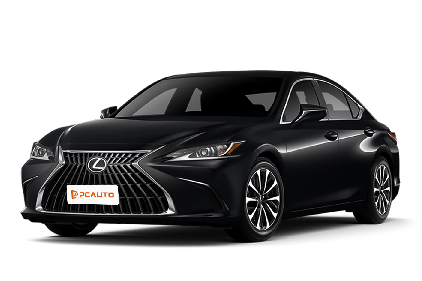
2024 Lexus ES as a practical choice in the luxury mid-size sedan market, with a balanced and comfortable driving experience, rich safety features, and a reliable brand reputation, precisely catering to the needs of family users and young elites.
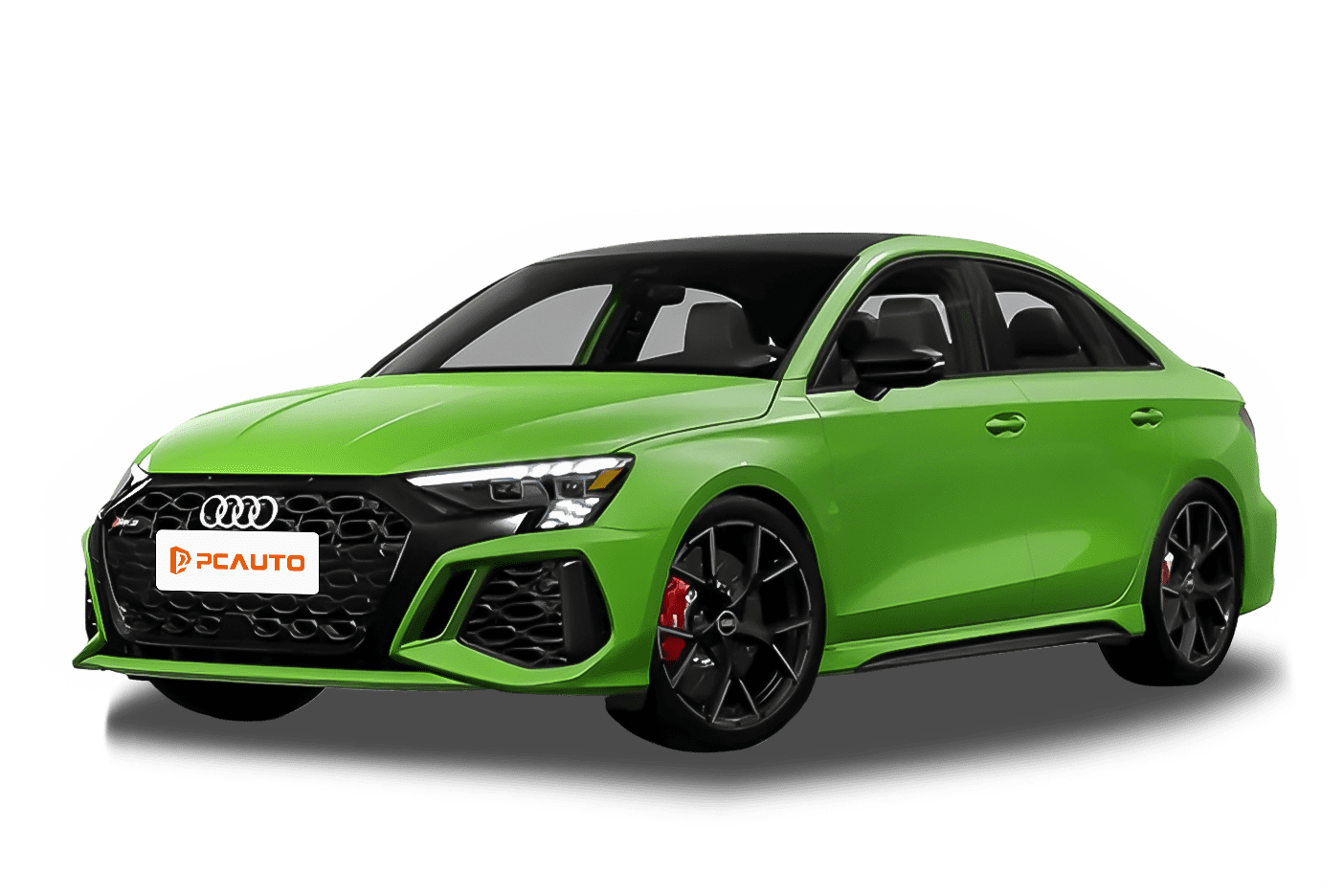
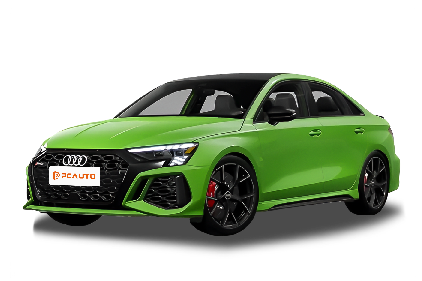
Audi RS3 Sportback is a luxurious and compact "pocket rocket" that balances 400PS five-cylinder performance, Quattro control, and practicality for family use, with a sporty design and a full sense of technology.

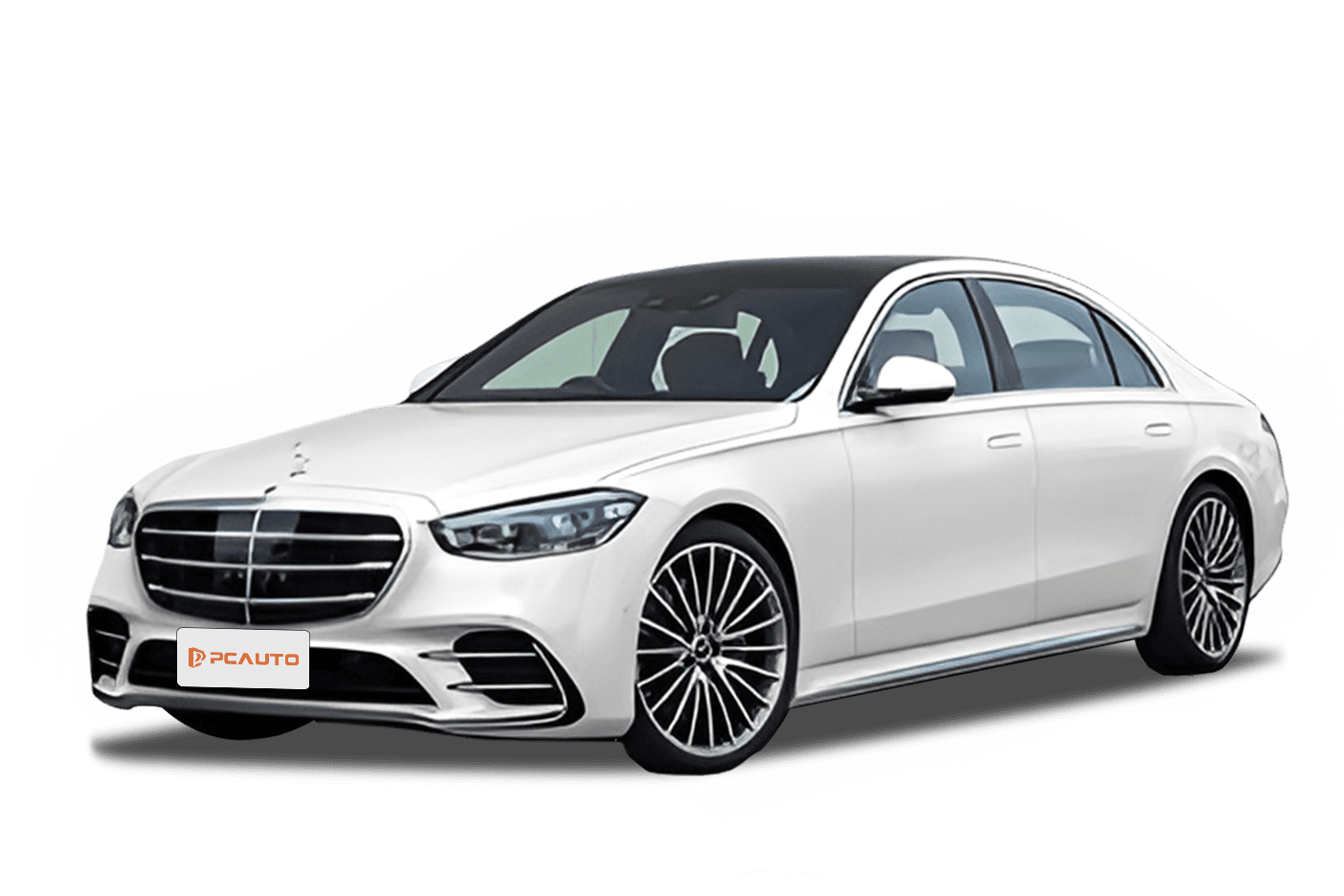
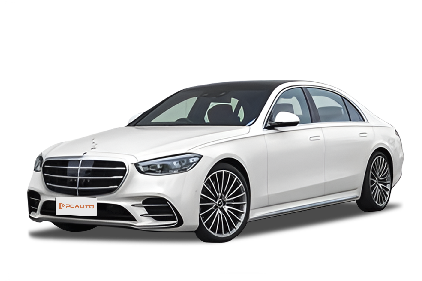
2022 Mercedes-Benz S-Class S 580 e, as the flagship plug-in hybrid model, offers a luxurious rear-seat experience with its extended wheelbase, a practical 100km pure electric range, and advanced intelligent features, balancing luxury and the practicality of new energy.

2019 Maserati Quattroporte GranSport is a luxury sedan that combines Italian sporty design with executive-level space. With a powerful 3.0T engine and precise handling, it balances the needs of passionate driving and business travel.