

BMW 1 Series 2025 Review

 Share
Share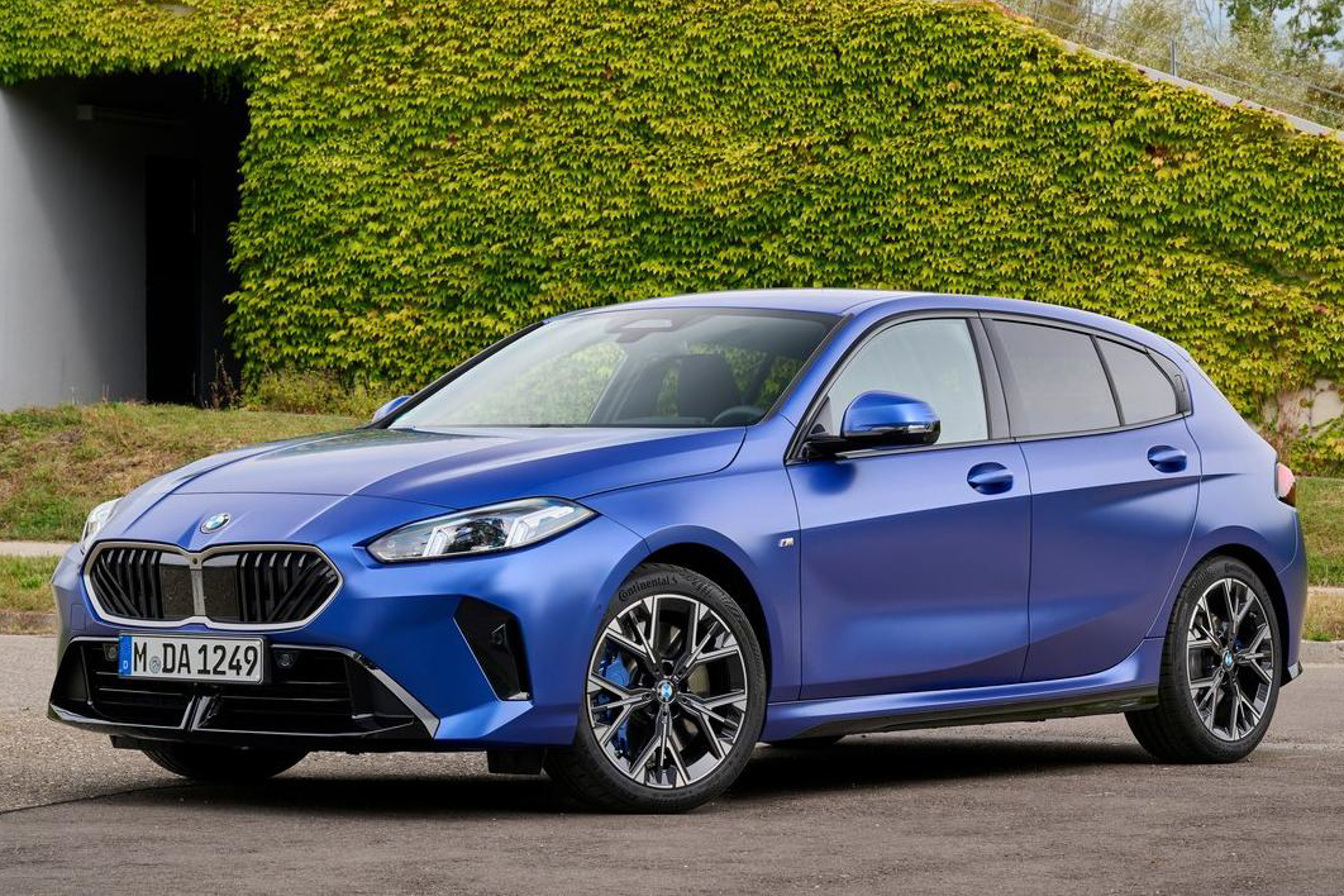
 Body Type
 Segment
 Capacity(L)
 Engine Power(PS)
 Engine Torque(Nm)
 Transmission
The competition in the Southeast Asian compact luxury hatchback market is getting fiercer. Both the Mercedes-Benz A-Class and the Audi A3 Sportback are constantly upgrading in terms of configuration and design. As a veteran in this segment, the 2025 BMW 1 Series public has focused on configuration optimization and power adjustments in this facelift, especially with numerous improvements for urban commuting scenarios. The main purpose of our test drive this time is to see whether it can truly balance a sense of luxury and practicality in daily use, and whether it has obvious advantages over other models in the same class.
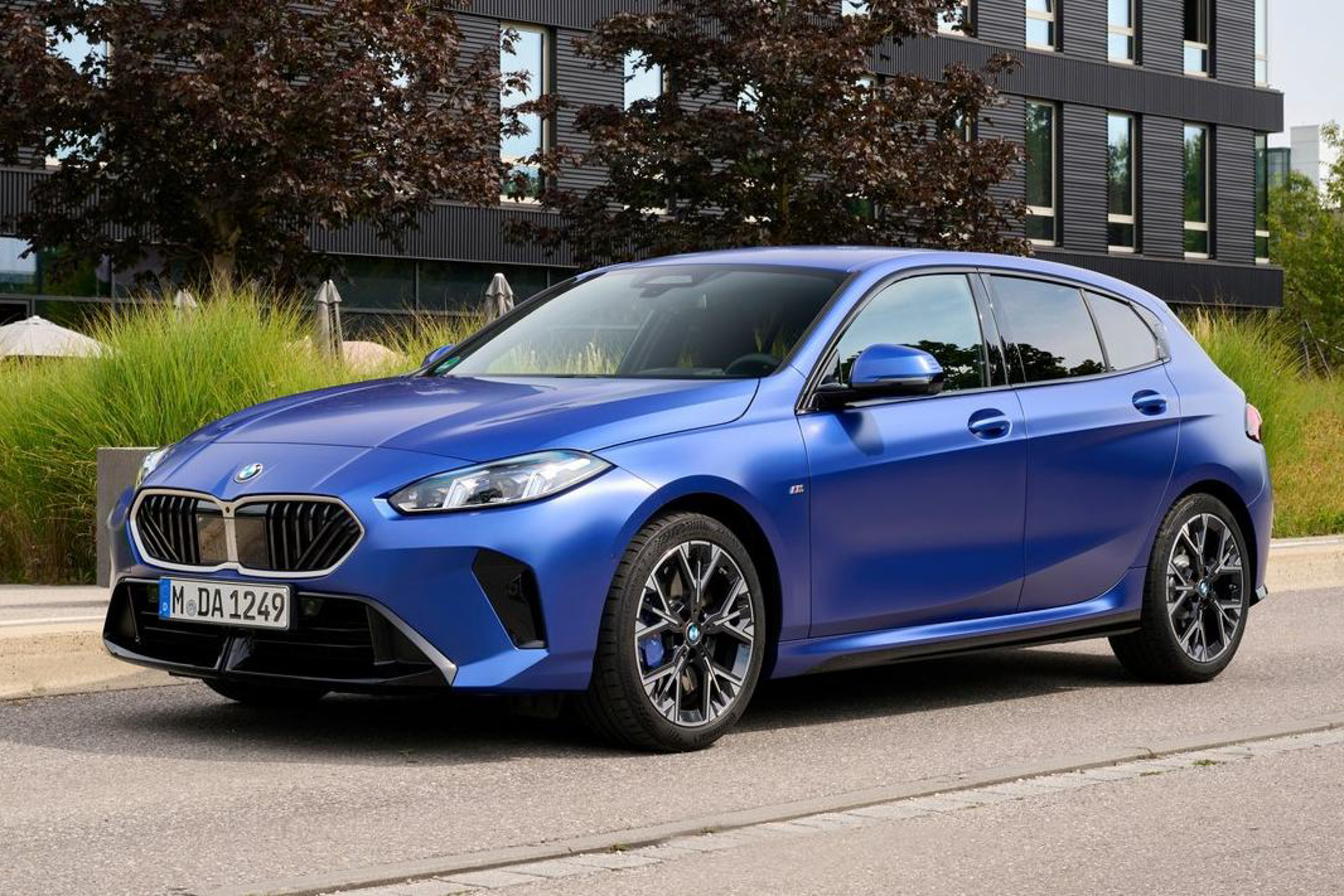
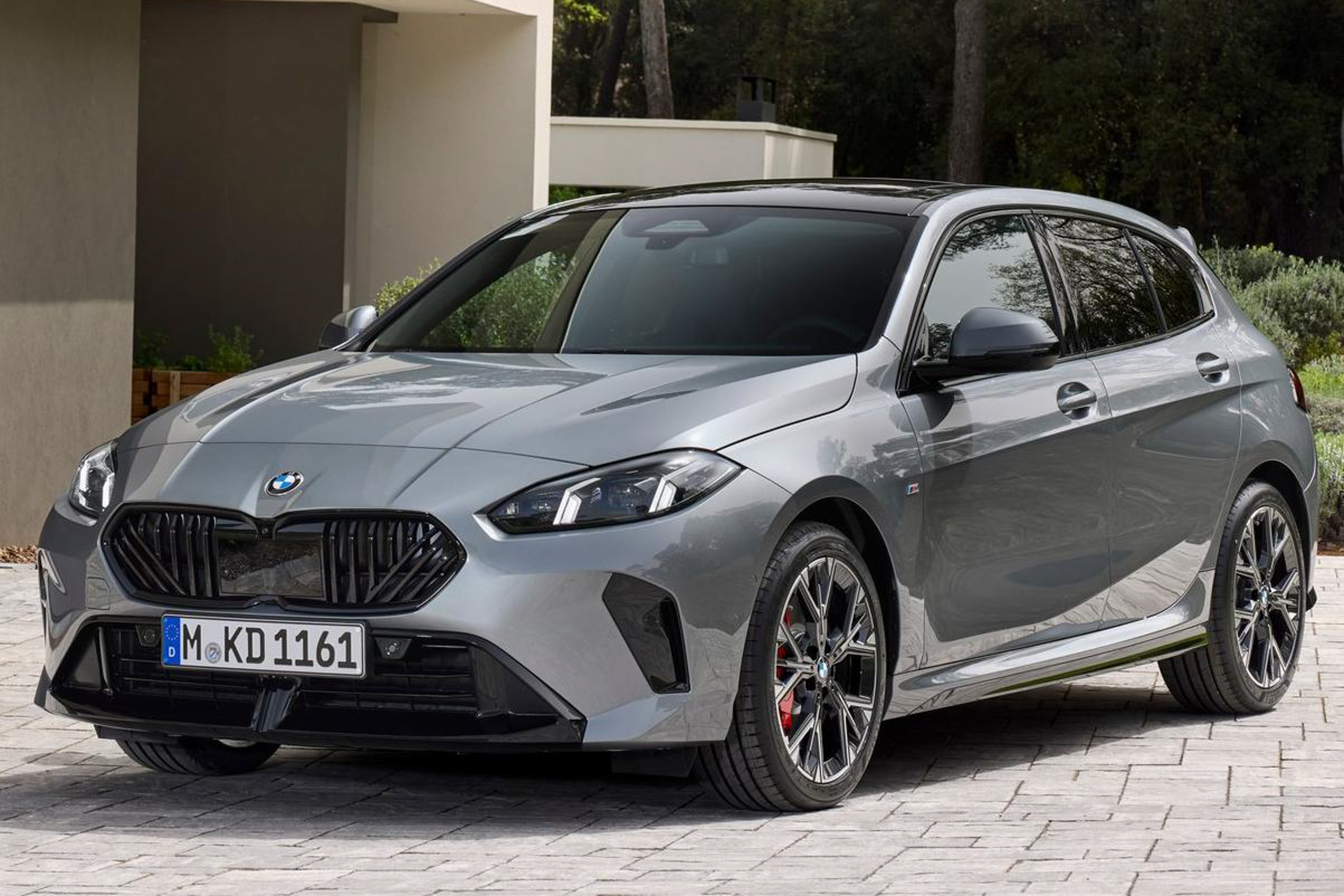
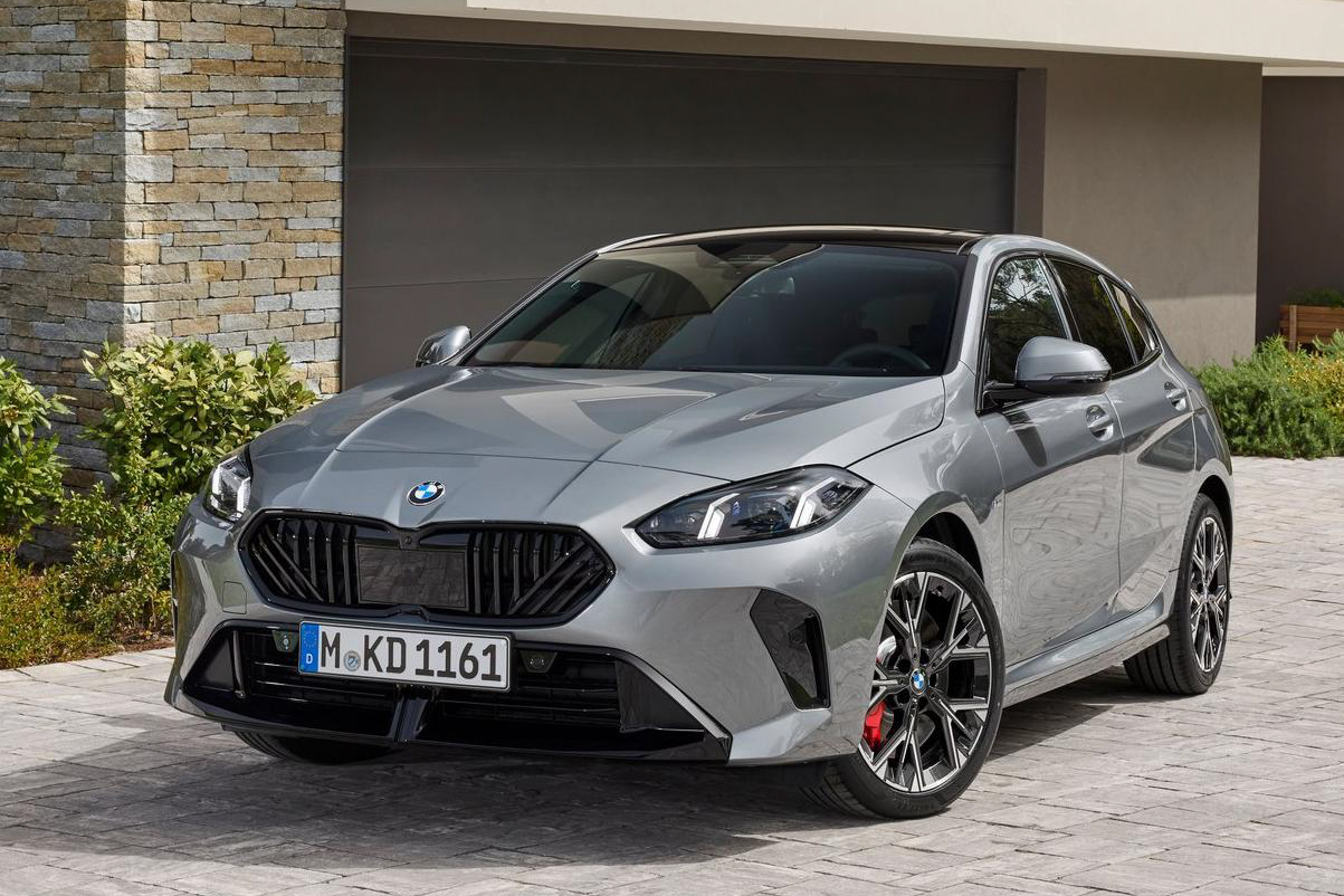
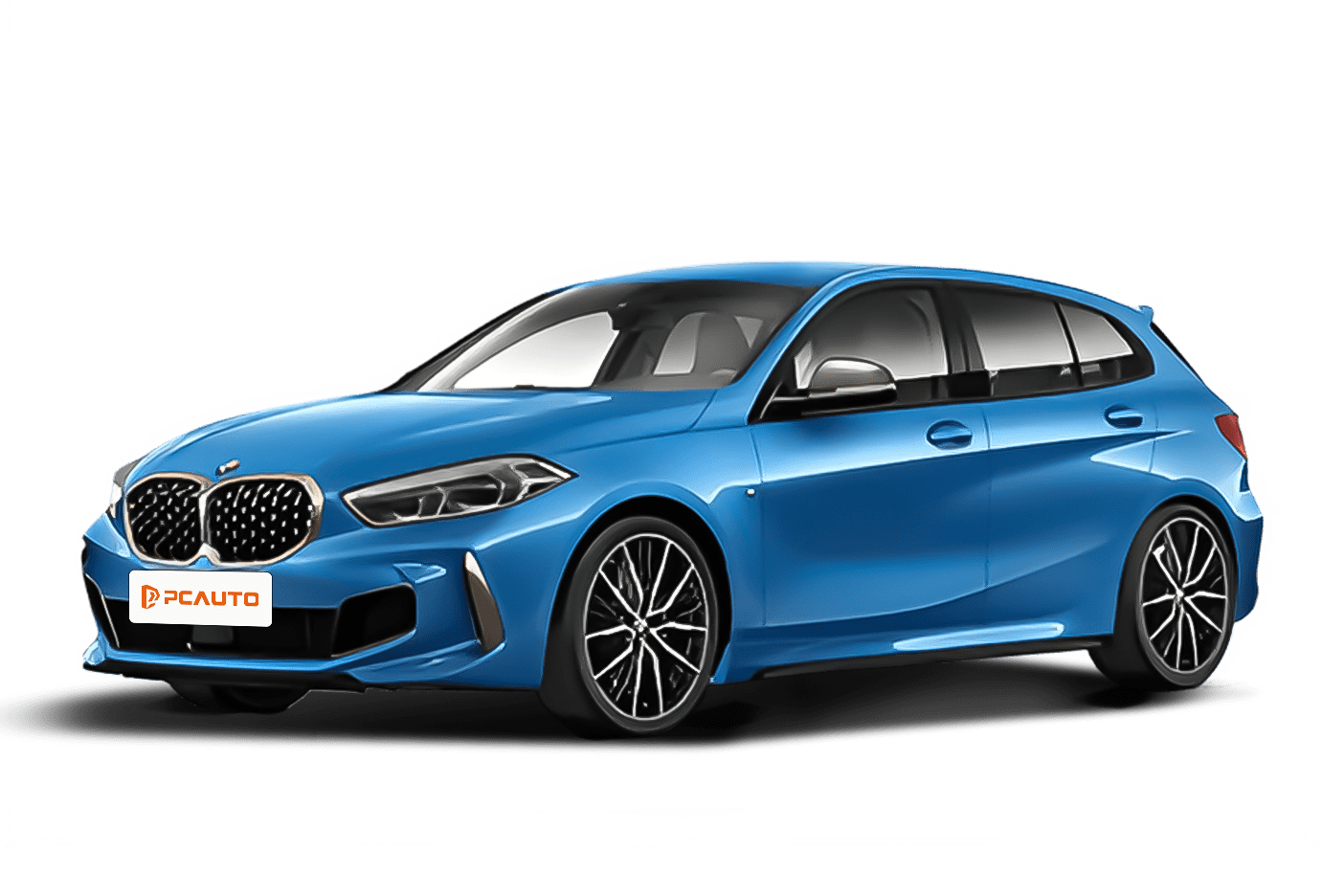
From a distance, the 2025 1 Series public maintains BMW's classic hatchback design, with lines that are slightly sharper compared to the previous model. The front face features a larger kidney grille, but without being overly exaggerated. It has a smoked edge design, complemented by newly designed LED headlights on both sides, giving it high recognition. The L-shaped daytime running lights inside the headlights are a new design, and when illuminated, the visual effect is very refined. The waistline on the side of the body extends from the front fender to the rear, paired with 18-inch multi-spoke wheels for a well-proportioned look that doesn't feel cramped despite being a compact car. At the rear, changes are mainly on the taillights and rear bumper. The taillights feature a smoked, three-dimensional design that echoes the front lights. The diffuser styling of the lower rear bumper looks sportier, and the single-sided dual exhaust layout retains the texture of a fuel-powered vehicle.
Sitting inside, the layout of the center console is simpler than the previous model. A 10.25-inch floating central control screen is at the core, paired with a 12.3-inch fully digital instrument panel beside it. The display clarity of both screens is very high, and the operational logic is consistent with other BMW models, making it easy to get accustomed to. Below the central control screen, some physical buttons, such as air conditioning adjustment and volume control, are retained, which makes daily usage more convenient compared to fully touch-based controls. In terms of interior materials, the door panels and seats are wrapped in leather, with meticulous stitching processes, aligning with the luxury brand positioning. The seats offer good support; the front seats are equipped with electric adjustments and lumbar support, ensuring comfort even during long drives.
In terms of space performance, the dimensions of the car are 4319mm in length, 1799mm in width, and 1434mm in height, with a wheelbase of 2670mm. The front row provides sufficient space; a 180cm tall passenger can adjust the seat and still have one-fist of headroom. The rear row space is passable for a compact car, as a 180cm passenger would have two fingers of legroom and one fist of headroom. Short trips should be fine, but long journeys might feel a bit cramped. In terms of storage space, the front central armrest box and door storage compartments offer enough capacity, and there are also two cup holders in the rear. The trunk has a standard capacity of 380L, which can be expanded to 1200L by folding down the rear seats, making it possible to fit two 28-inch suitcases, enough for everyday family needs.
The model tested this time is equipped with a 1.5T three-cylinder engine, delivering a maximum power of 100kW (136 horsepower) and a maximum torque of 220N·m, paired with a 7-speed dual-clutch transmission. The power figures are basically the same as the previous model, but the tuning has been adjusted to prioritize smoothness. The power response is prompt when starting, without significant turbo lag, making it easy to follow traffic on urban roads. During acceleration, the transmission shifts quickly, and after 1500 rpm, the torque output is abundant. When overtaking, pressing the accelerator deeply allows the power to catch up quickly. The driving modes include Eco, Comfort, and Sport. Switching to Sport mode makes the throttle response more sensitive, with engine speed maintaining above 2000 rpm, leading to more dynamic power performance.
In terms of handling, the steering is precise with minimal play. The car's posture remains stable when cornering, the suspension is tuned on the firmer side but does a good job filtering bumps. When going over speed bumps, there is no noticeable hopping. The chassis feels very cohesive, and body roll is well-controlled when cornering, providing plenty of confidence. In terms of fuel consumption, for city driving it averages about 6.5L/100km, while on highways it is around 5.8L/100km. This fuel efficiency is excellent for a 1.5T model.
In terms of ride comfort, the vehicle does a good job controlling noise levels, with wind noise and tire noise at highway speeds kept within an acceptable range. The seats strike a good balance between wraparound support and comfort, so long drives don’t feel tiring. The transmission occasionally has slight jerks at low speeds, but it does not affect daily use.
In summary, the core highlights of the 2025 BMW 1 Series public include its luxurious interior quality, practical space design, and decent fuel efficiency. Compared with the Mercedes-Benz A-Class in the same class, it offers more space and better practicality; compared with the Audi A3 Sportback, it exhibits superior handling. This vehicle is suitable for family users who value a premium brand and practicality, especially for daily commutes and short trips. If you are looking for a premium compact car that is also family-friendly, the 2025 1 Series public is a great choice.
BMW 1 Series Car Compare
More BMW Reviews
Cars With Similar Price And Features
5
Rank in Hatchback
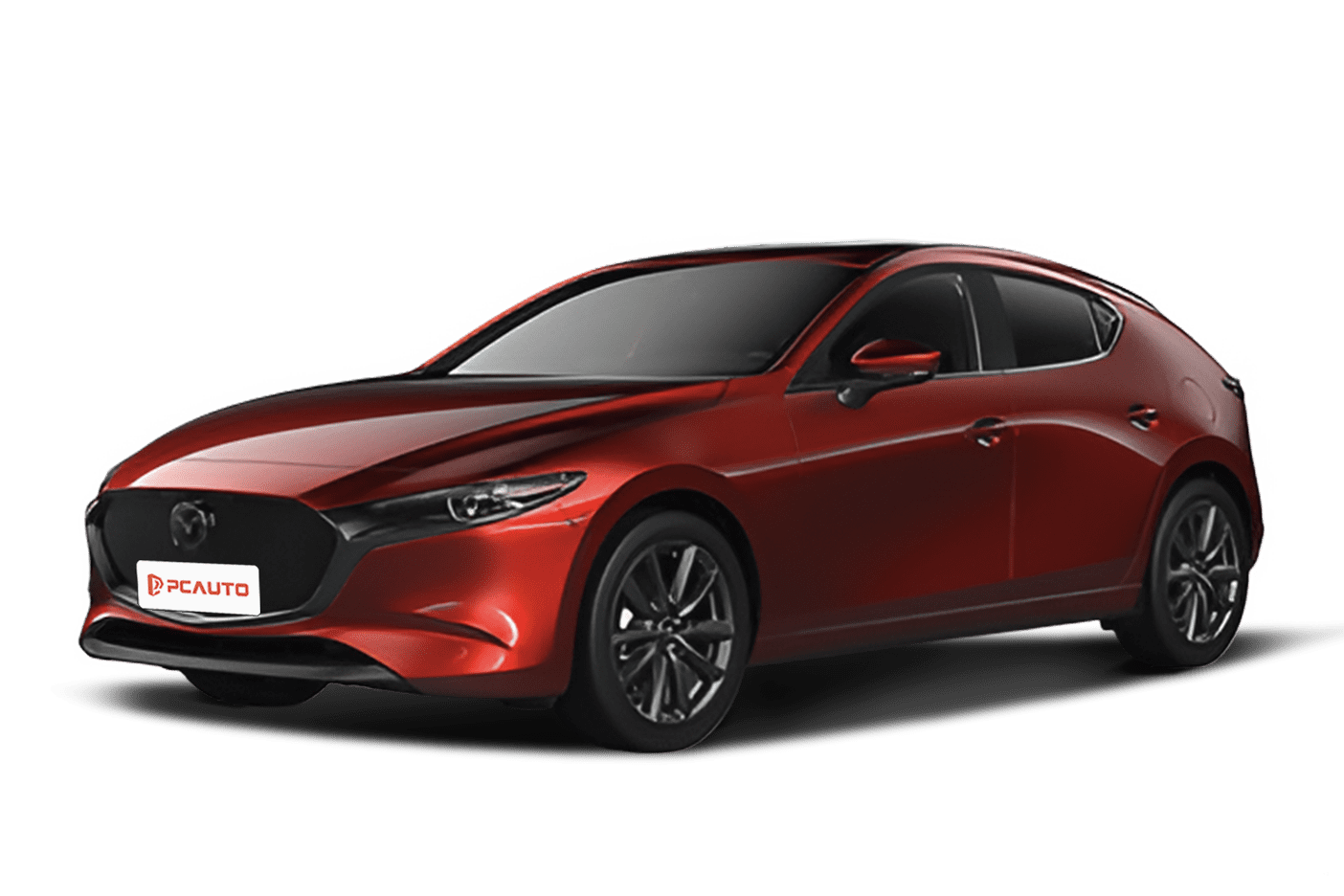
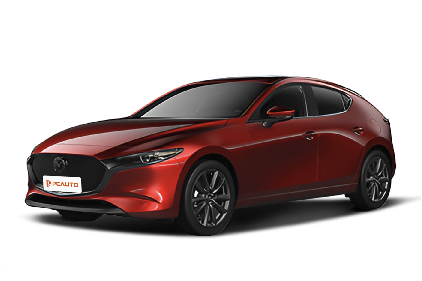
2025 Mazda 3 Hatchback 1.5 L highlights its KODO design, balancing fuel efficiency and practicality. Despite being an entry-level model, it retains core safety features, making it suitable for family users who value design and daily commuting.
6
Rank in Hatchback
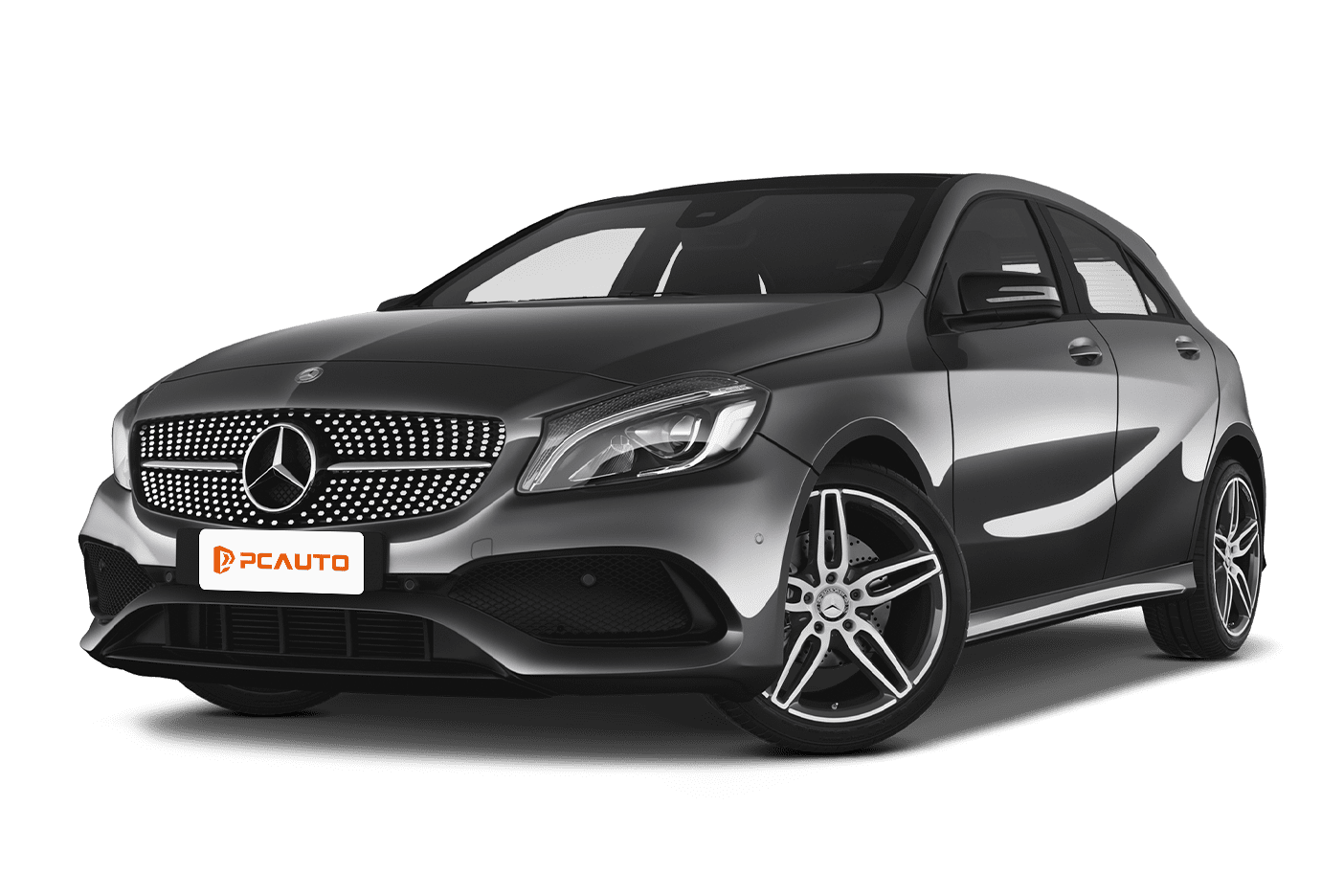
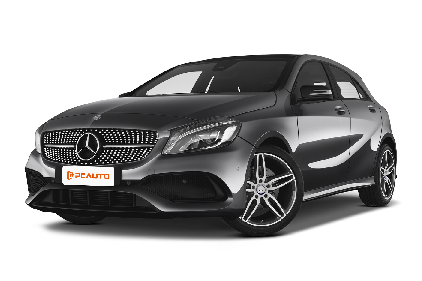
2018 Mercedes-Benz A-Class A200 Progressive Line offers luxurious features such as dual screens at an entry-level price, balanced space, and smooth power, making it a textured choice favored by young families and professionals.

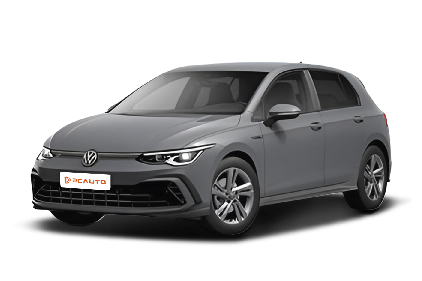
2024 Volkswagen Golf GTI Edition 50, as the anniversary model of the classic performance hatchback, features an upgraded Harman Kardon sound system, a fully digital instrument cluster, and a powerful 2.0T engine, combining driving pleasure with family practicality.