

BMW 3 Series 1975 Review

 Share
Share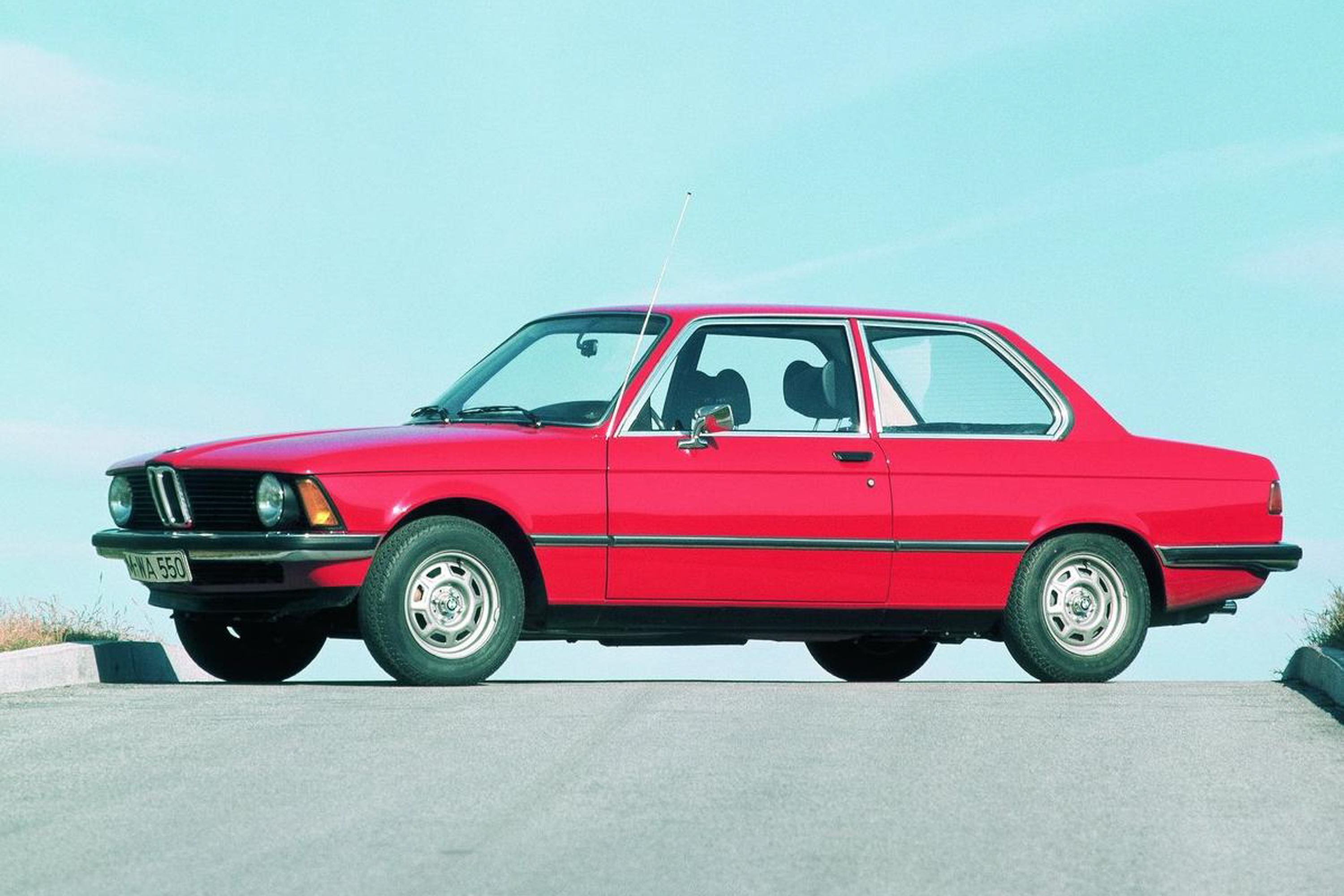
 Body Type
 Segment
 Capacity(L)
 Engine Power(PS)
 Engine Torque(Nm)
 Transmission
In recent years, Malaysia's classic car market has been heating up, and consumers have started paying renewed attention to the early models that laid the foundation for brand identity. Among the luxury sports sedan segment, the first-generation BMW 3 Series (E21), launched in 1975, stands out as an undeniable benchmark. This model entered the market with the positioning of a "compact luxury sports sedan," with its key selling points being precise handling tuning, lightweight body design, and the first introduction of an inline-six engine option in BMW's compact car range, which is still regarded by enthusiasts as a representation of "driving purity." This review will focus on the static design and dynamic performance of the 1975 BMW 3 Series, restoring the core value of this classic model.
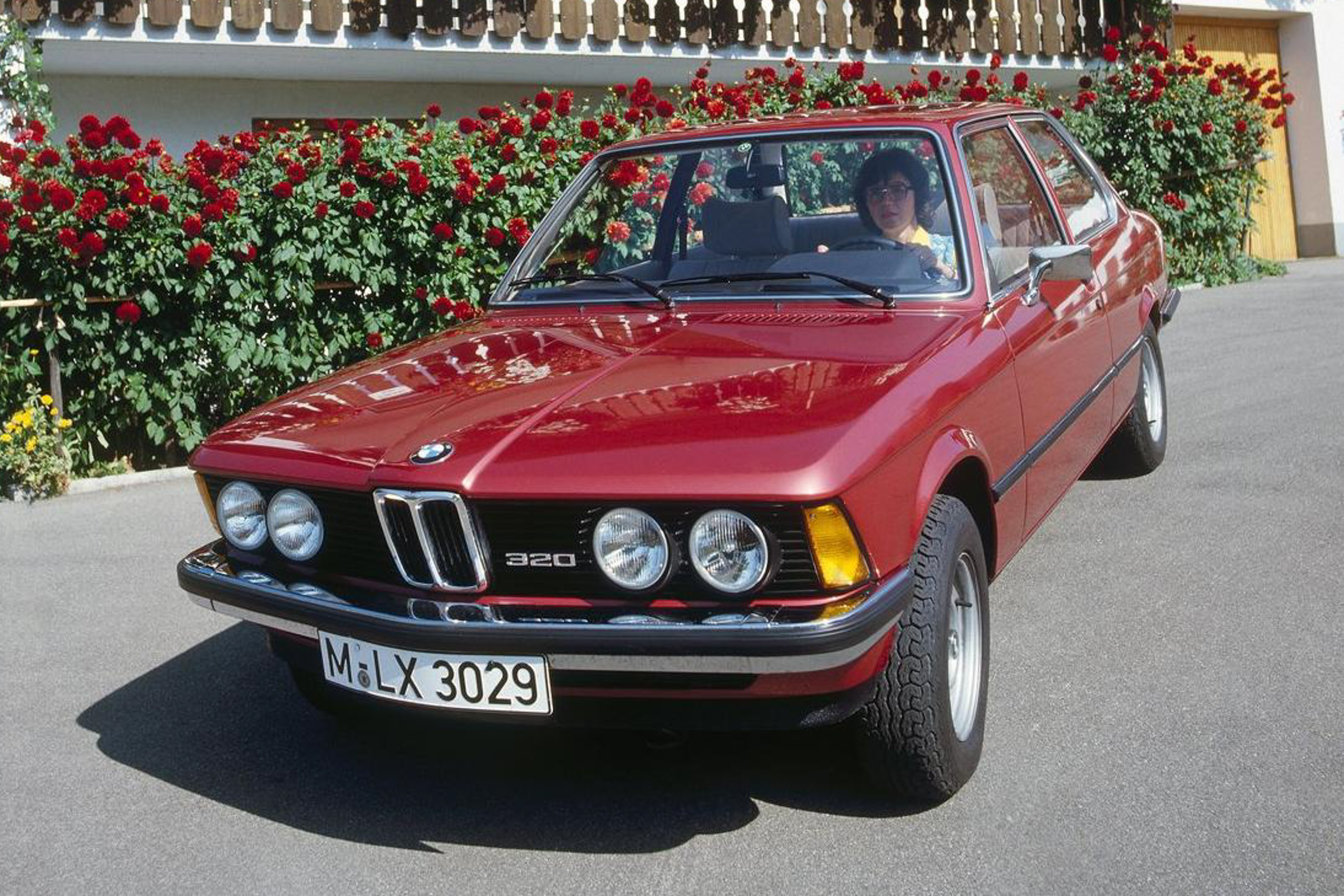
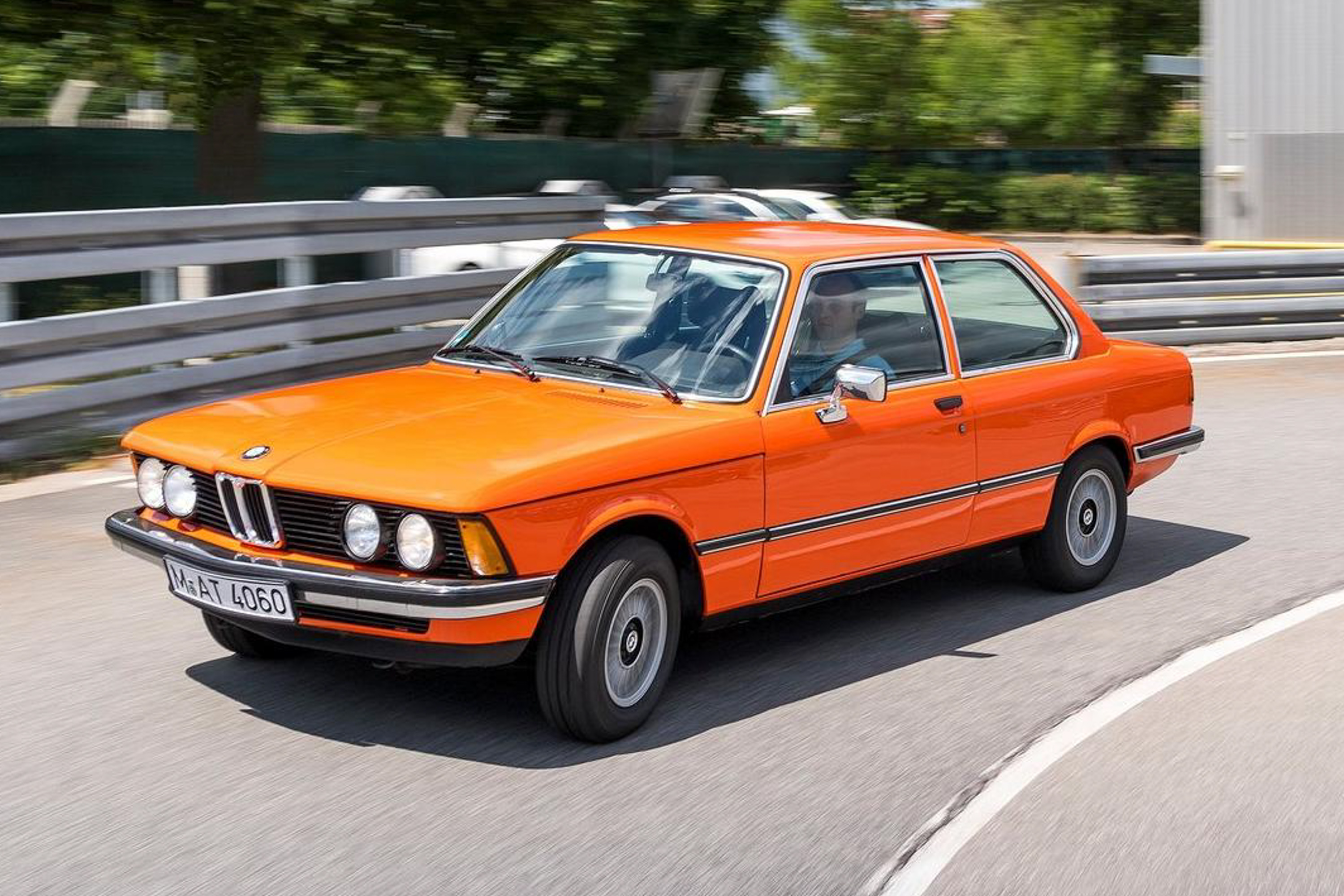
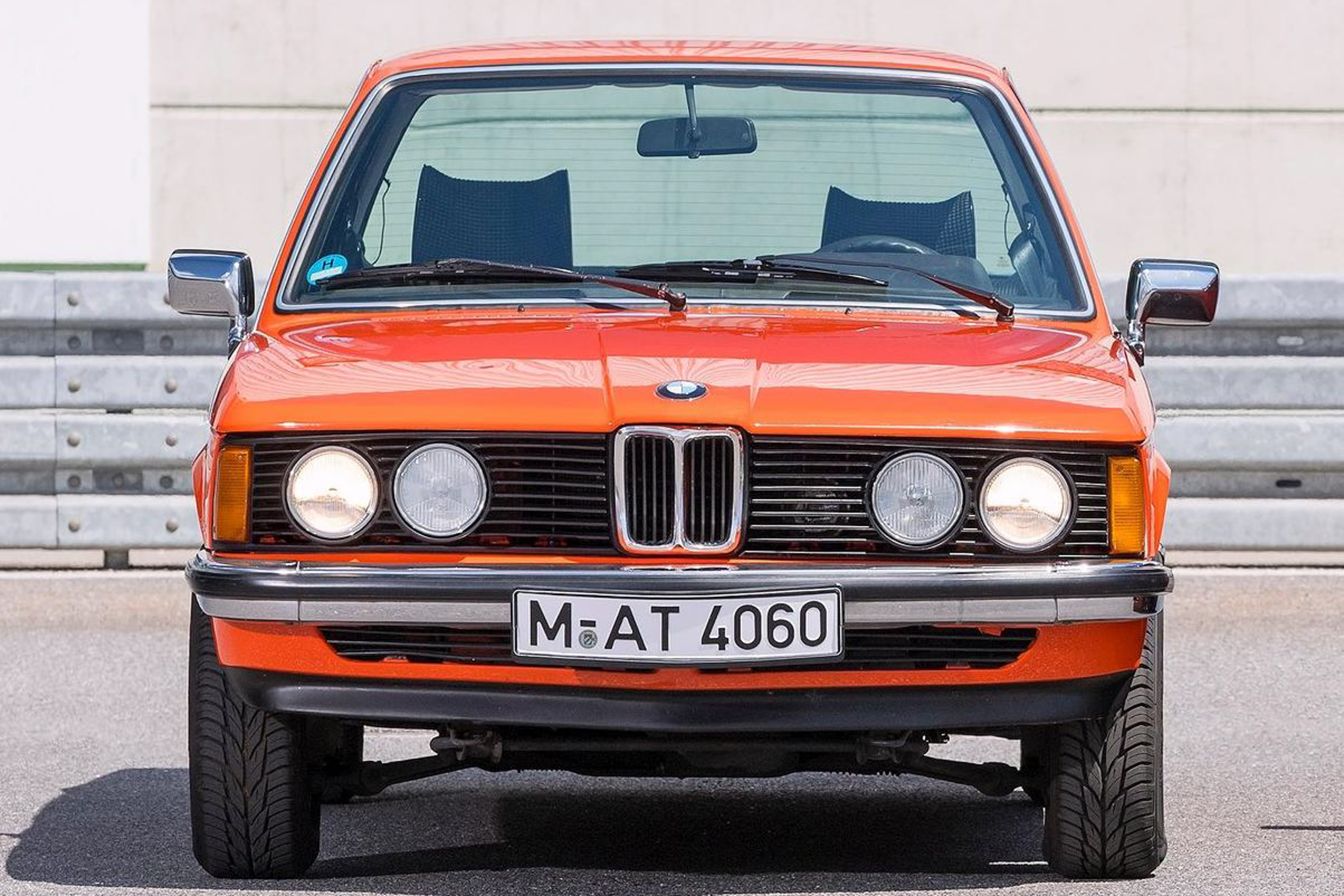
In terms of exterior design, the 1975 3 Series adopts BMW's typical 1970s style, featuring clean and sharp lines with no unnecessary ornamentation. The front end is equipped with round double headlights (later versions featured square lights, but the early 1975 model retained the round ones) paired with a vertical grille. The BMW round emblem on the grille is moderately sized and highly recognizable. The hood lines extend forward from the grille, with slightly raised contours adding a muscular feel. The car's side profile features a short front overhang and long wheelbase design, with a near-perfect 50:50 front-to-rear weight distribution, laying the foundation for stability in handling. A waistline runs from the front fender to the rear, paired with 13-inch steel wheels (some higher-spec models offered alloy wheels), presenting a low and sporty stance. The rear design is simple, with symmetrical rectangular taillights, a straight trunk lid line, and a license plate frame located centrally. Below, the black plastic bumper aligns with cost-control strategies of the time. The lighting system includes halogen front headlights and incandescent taillights, which provide clear visibility at night but lack the brightness of modern vehicles.
The interior design centers on a "functionality first" philosophy, featuring a simplistic but well-organized layout. The dashboard is arranged vertically, with a radio on top (optional cassette player for some models), middle-positioned manual air conditioning controls (including fan and temperature knobs), and a storage compartment below. The steering wheel is a three-spoke design made of plastic, with a relatively large diameter but solid grip, and a BMW emblem embedded in the center. The seats are made of fabric, with manual adjustments for forward/backward positioning and backrest angle. The side support is moderate, providing a comfortable experience even for long periods of sitting. Basic configurations of the 1975 3 Series include manual window regulators and mechanical door locks, with higher trims offering power windows and central locking. The instrument cluster is mechanical, featuring a tachometer, speedometer, fuel gauge, and water temperature gauge, with clear needles and intuitive readings. In terms of materials, the dashboard is predominantly hard plastic, while the inner door panels are fabric-covered. Although it lacks the luxurious feel of modern vehicles, its durability is excellent.
Regarding space performance, the 1975 3 Series has body dimensions of 4200mm in length, 1610mm in width, and 1380mm in height, with a wheelbase of 2563mm, making it a typical compact sedan. The front-row seating offers sufficient space, with about two fingers of headroom and one and a half fists of legroom for a passenger of 175cm height. The rear-row space is more compact, leaving only one finger of headroom and almost no legroom for the same-sized passenger, suitable only for short-distance rides. As for storage capacity, the trunk offers approximately 370L, accommodating two 20-inch suitcases. The rear seats cannot be folded down, limiting expandability. In terms of comfort features, the front row is equipped with air conditioning vents, but the rear does not have independent vents. The only power outlet is a cigarette lighter; there are no modern USB outlets, so a converter is required for everyday use.
In terms of power, the 1975 3 Series offers multiple powertrain options. The entry-level model is equipped with a 1.6L inline-four engine, delivering a maximum power output of 85hp and a peak torque of 130N·m. The main variant features a 2.0L inline-four engine with a maximum power of 109hp and a peak torque of 160N·m, while the high-end model is powered by a 2.0L inline-six engine, providing 122hp and a peak torque of 175N·m. The transmission system is paired with a 4-speed manual gearbox (a 3-speed automatic gearbox is available in some markets). During actual driving, the 2.0L inline-four version has smooth acceleration, delivering gentle torque below 1500rpm, making it suitable for urban commuting. Its power output becomes significantly more pronounced above 3000rpm, while overtaking would require the engine to rev above 4000rpm, resulting in a direct power response. There is only a standard driving mode available, lacking the multiple driving modes seen in modern cars. However, the linear tuning of the throttle and brake pedals makes it easy to control.
The handling and chassis performance are the core advantages of the 1975 3 Series. The chassis adopts a front MacPherson independent suspension and a rear semi-independent trailing arm suspension (the later E30 switched to a multi-link setup, but the 1975 version retained the trailing arm design). The suspension tuning is on the firmer side, offering clear road feedback. The steering responds precisely with minimal slack; turning the wheel requires some effort but provides direct feedback. During cornering, body roll is well-controlled, and even when passing through a 90-degree turn at 60km/h, the tire grip remains stable. On bumpy roads, the suspension filters out small vibrations to a limited extent, but for larger bumps (such as speed bumps), it quickly rebounds without excessive oscillation, making its comfort level excellent among compact cars of that era.
In specialized performance tests of the 2.0L inline-four manual variant, the 0-100 km/h acceleration took approximately 11.5 seconds, with a top speed of 180 km/h. Fuel consumption is about 10L/100km in urban conditions and around 7L/100km on highways, which aligns with the fuel efficiency standards of 1970s vehicles. Regarding braking performance, the car uses a front disc and rear drum braking system, achieving a braking distance of approximately 45 meters from 100 km/h to a standstill. While this is slightly longer compared to modern cars, it was considered standard performance at the time.
In terms of driving comfort, noise insulation is average, with noticeable wind and tire noise above 60km/h. Engine noise also becomes prominent above 3000rpm, though it does not cause significant vibrations. Seat comfort, on the other hand, is commendable. The fabric upholstery is breathable, with moderate lumbar support that prevents significant fatigue during long drives. Additionally, the manual transmission offers a moderate shifting range, with a clear engagement feel that enhances driving enjoyment.
In summary, the 1975 BMW 3 Series stands out for its precise handling dynamics, 50:50 front-rear weight distribution, and simple yet durable interior design. Compared to its contemporaries (such as the Mercedes-Benz 190E and the Audi 80), it excels in handling performance. The lightweight body contributes to a purer driving experience, which is its greatest strength, although its space and feature offerings may feel somewhat lacking. This model is suitable for two types of enthusiasts: classic car collectors who value its historical significance and driving purism, and retro driving experience enthusiasts who are willing to trade off some modern amenities in exchange for the joy of mechanical handling. As the original model of the BMW 3 Series, the 1975 version established the DNA of the “sporty luxury compact sedan.” Even today, its driving dynamics can still deliver a unique and memorable experience, making it a classic worth revisiting.
BMW 3 Series Car Compare
More BMW Reviews
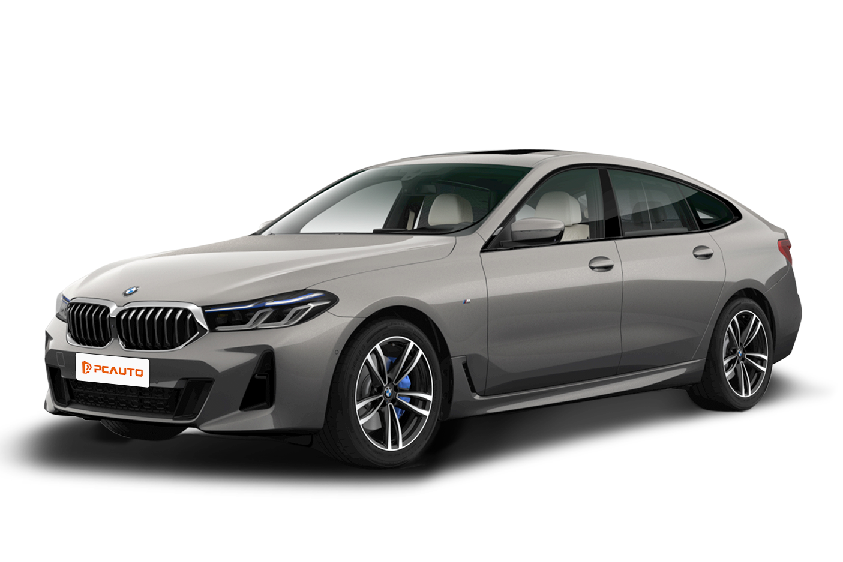
Cars With Similar Price And Features
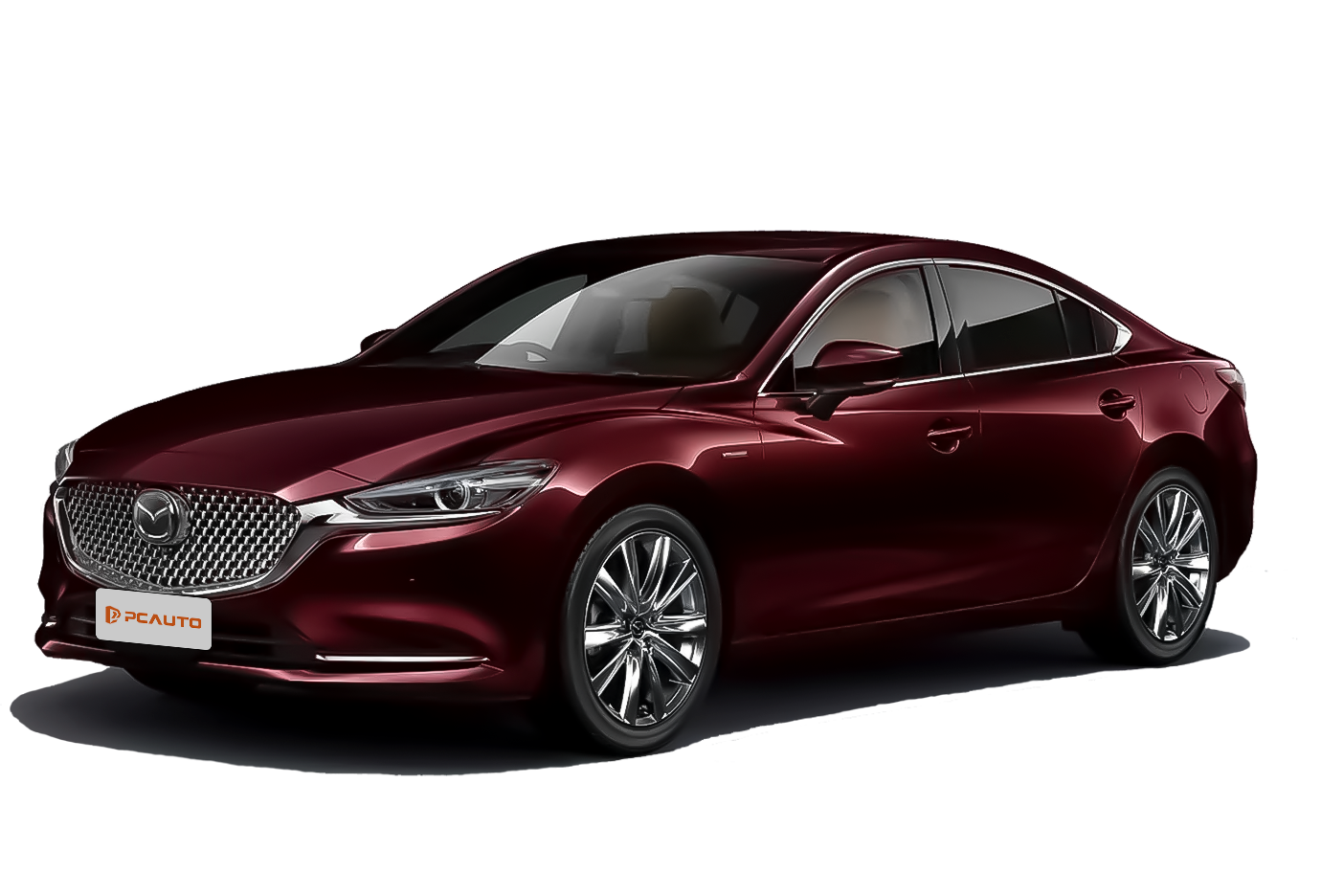
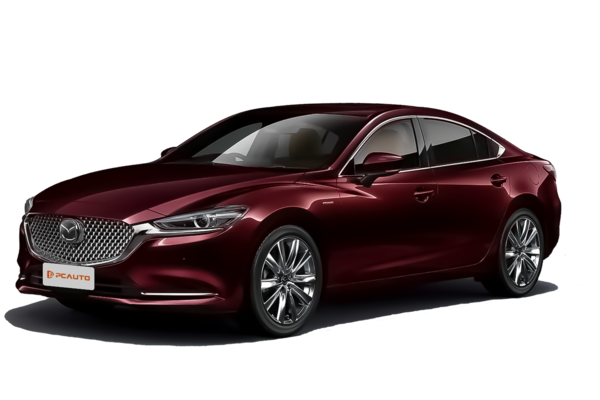
2023 Mazda 6 Sedan 2.0 SkyActiv-G meets the rational needs of family users for joint-venture quality, comfortable configurations, and fuel economy with its KODO design, practical space, and balanced driving control.

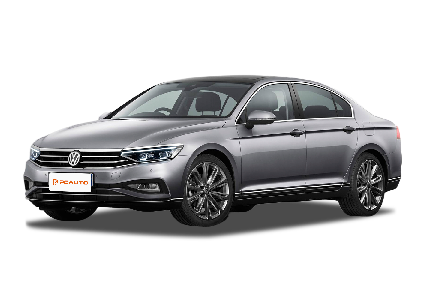
2022 Volkswagen Passat 2.0 TSI R-Line combines business elegance with sporty personality, featuring 220PS power, 14-way massage seats, and Harman Kardon audio system to meet the diverse needs of families and young professionals.
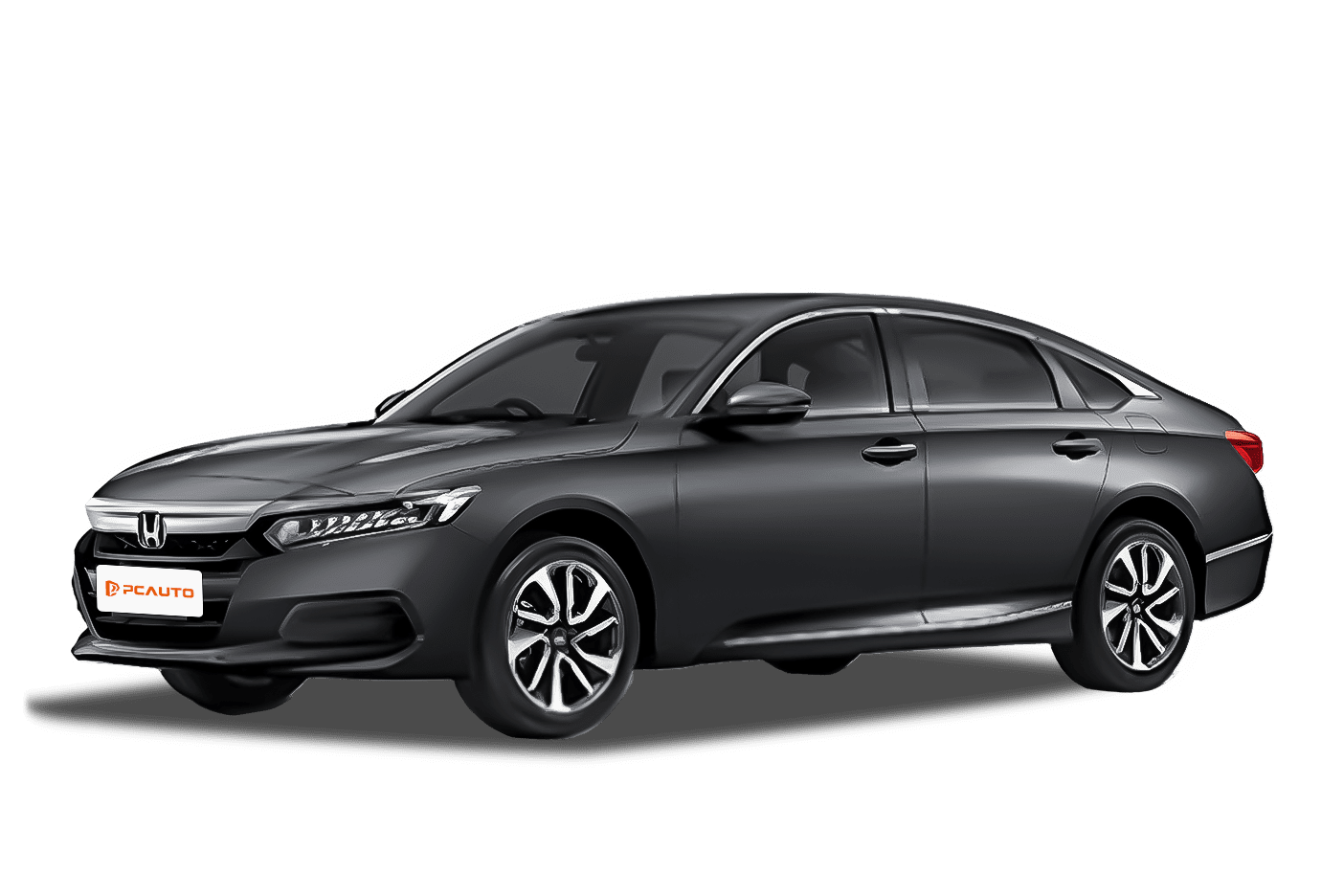
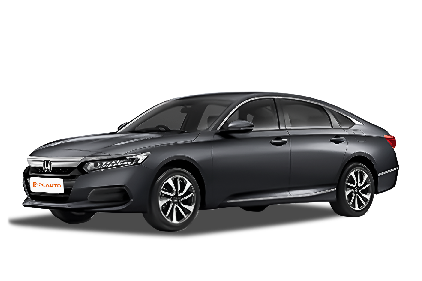
The 2023 Honda Accord 1.5 TC is a D-segment sedan that balances both business and family use, with core selling points of spacious interior, comfortable driving, and efficient performance, making it suitable for practical family users.

2024 Hyundai Sonata public is positioned as a D-Segment family and business sedan, combining dynamic design, practical configurations, and spacious space, balancing power and fuel consumption, safe and reliable.