

BMW 3 Series 1982 Review

 Share
Share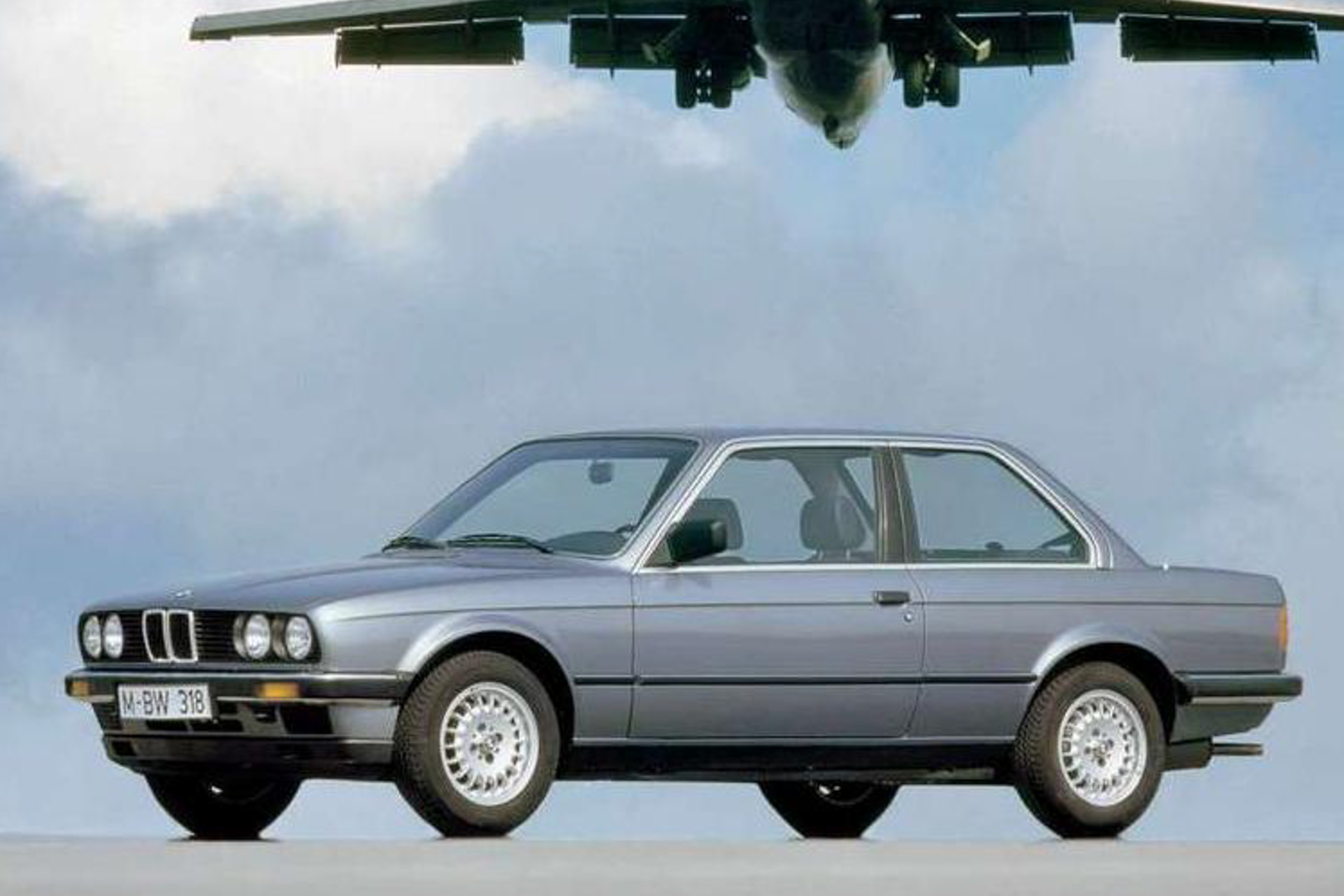
 Body Type
 Segment
 Capacity(L)
 Engine Power(PS)
 Engine Torque(Nm)
 Transmission
In Malaysia's automotive market in 1982, the compact luxury sedan segment was still niche but highly regarded. At this time, BMW introduced the first-generation 3 Series (E21 generation) public version, aiming to carve out a new position in the local market with its positioning as the "ultimate driving machine." As a rear-wheel-drive sedan known for its excellent handling, its core selling points lay in its precise driving feel and practicality for daily use. The purpose of our test this time is to evaluate the performance of this classic model in contemporary daily driving, as well as to determine whether it can still maintain the charm it once had.
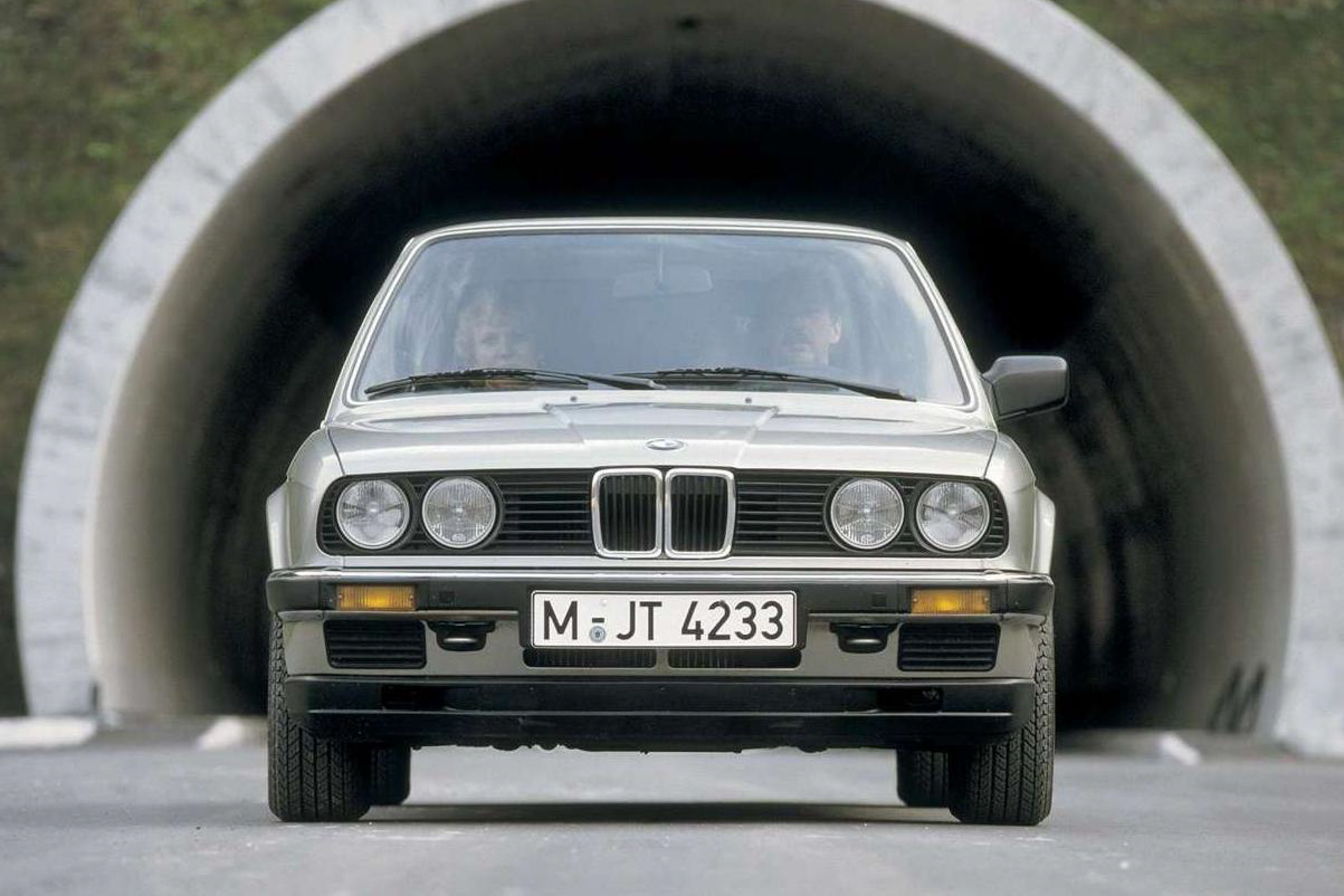
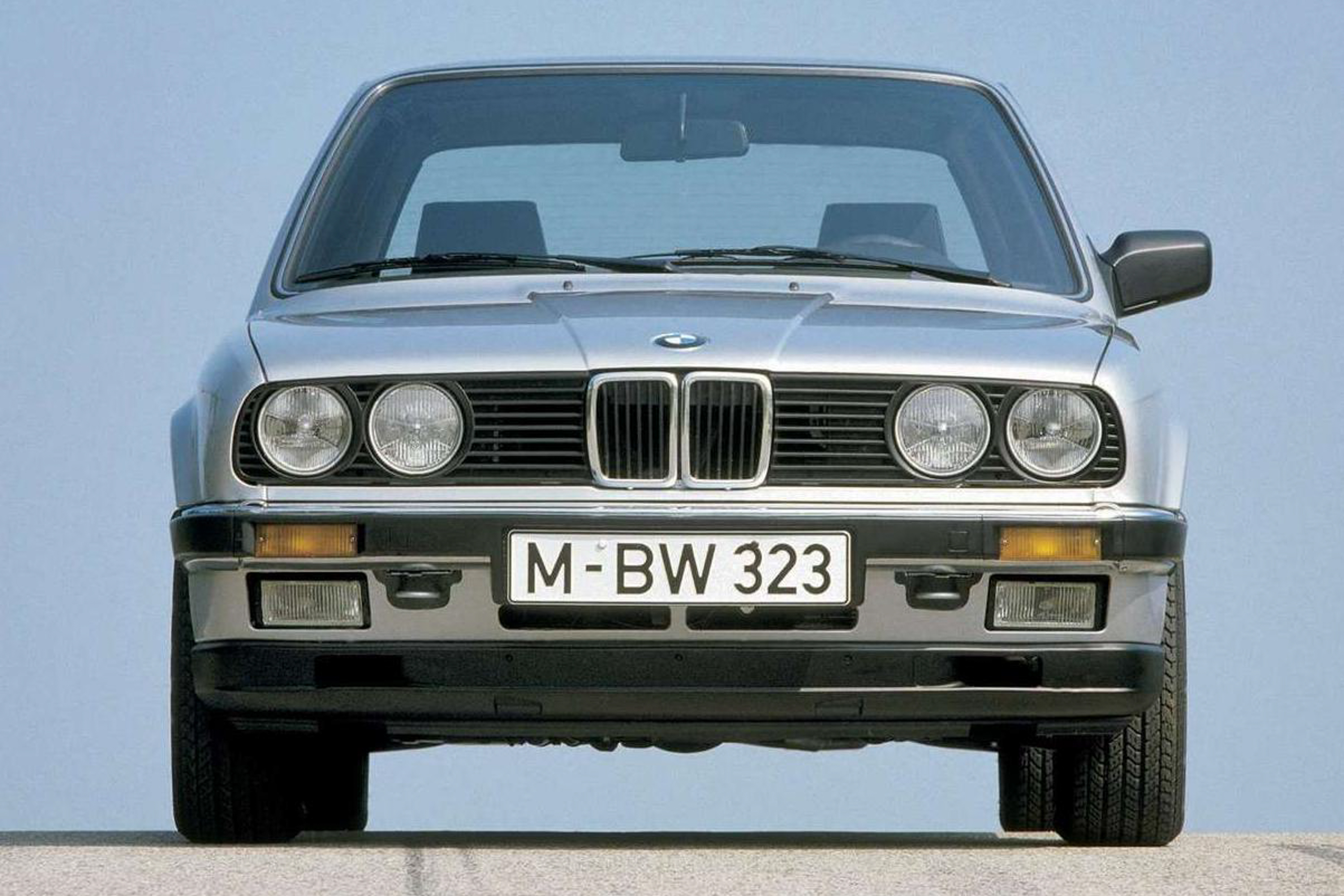
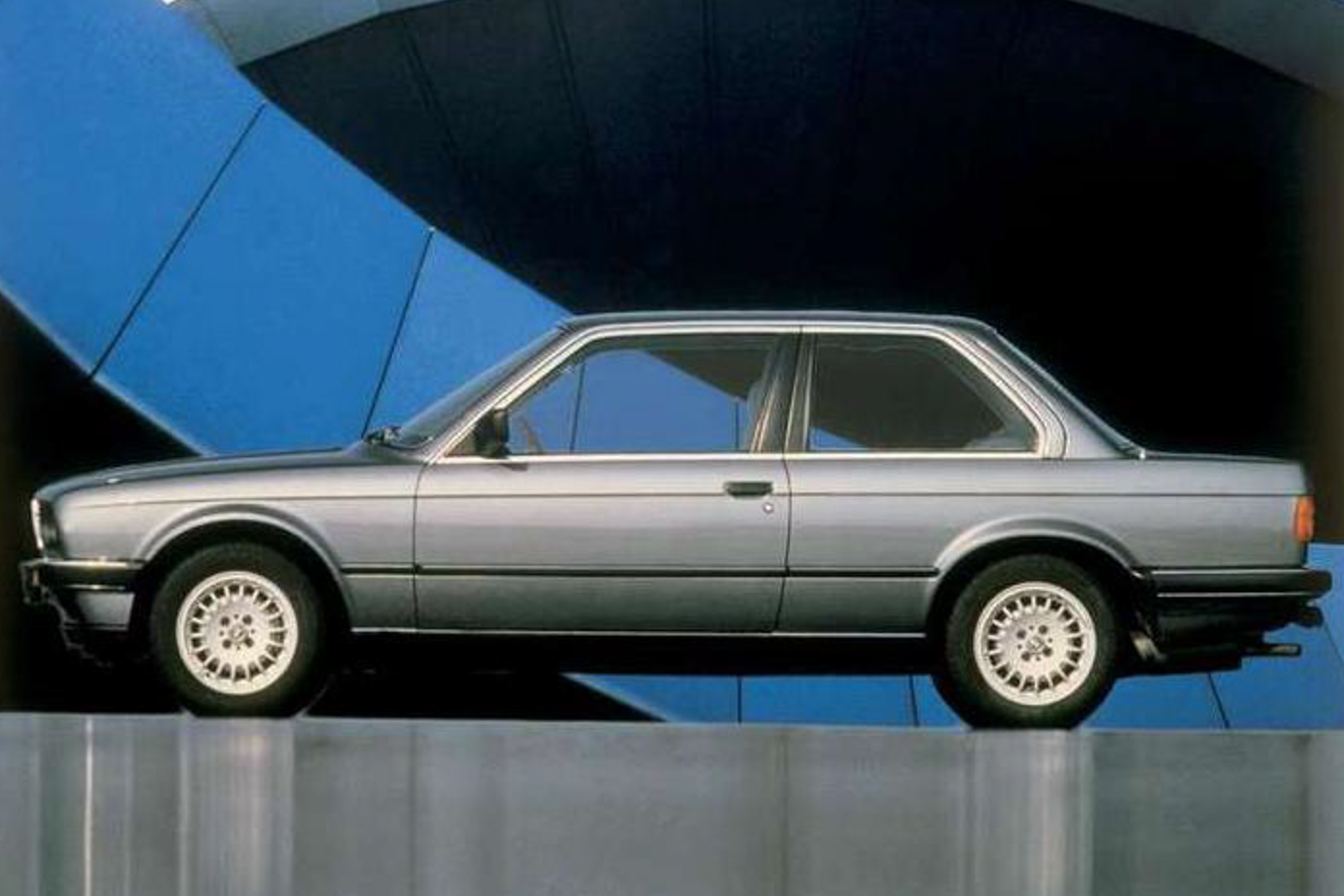
In terms of appearance, the 1982 BMW 3 Series public adopts a typical 1980s German design style, with clean and robust lines throughout. At the front, the kidney grille is not as wide as on modern models, but paired with square halogen headlights on both sides, its recognition value is very high. The two ridges on the hood extend from the grille to the A-pillars, enhancing the muscular feel of the front end. Along the sides, a straight waistline runs through from the front to the rear of the car, paired with 13-inch steel rims (optional alloy wheels available on some models), giving it a neat and tidy look. The rear design is relatively simple, with square taillights integrated with the rear bumper, projecting a design style that is understated yet refined. As for the lighting system, the halogen headlights deliver average illumination at night but are adequate for the needs of the time. The response speed of the turn signals and brake lights is also relatively quick.
Once seated inside, the interior layout focuses on practicality without excessive decorative elements. The dashboard is composed of plastic panels combined with padded materials, which, while not as soft to the touch as modern cars, were considered mainstream at the time. The three-spoke steering wheel is a fully mechanical structure, offering a solid grip without multifunction buttons, but the feedback during steering is direct and clear. The instrument cluster is a traditional mechanical analog type, including a tachometer, speedometer, fuel gauge, and water temperature gauge, making readings straightforward. The top of the dashboard is equipped with a single-disc radio, while the lower section houses the air conditioning controls, which use rotary knobs for easy operation. The seats are made of fabric material and provide decent support. The front seats can be manually adjusted for forward/backward position and backrest angle. The rear seats provide approximately two fists' worth of legroom for passengers around 170cm tall, which is sufficient for basic daily family use. For storage, the door panels include cup holders and storage compartments, the central armrest box has a relatively small capacity, and the trunk offers about 370 liters of volume, capable of accommodating two 20-inch suitcases.
In terms of power, the tested 1982 BMW 3 Series public is equipped with a 1.8L naturally aspirated four-cylinder engine, delivering a maximum power of 77kW (105PS) and a peak torque of 150N·m, paired with a 4-speed manual transmission. In actual driving, the power output is relatively gentle at start-up, and it requires the engine to rev above 3000rpm to feel a noticeable burst of power. Acceleration is linear, and the 0-100km/h sprint takes approximately 12 seconds. The gear shifts are clear, though the shift action does not have a pronounced mechanical engagement feel and requires a bit of force to move the gear lever. Regarding driving modes, there are no multiple modes available as on modern cars; the vehicle remains in economic mode throughout. The suspension setup consists of a front MacPherson independent suspension and rear trailing-arm semi-independent suspension, which is tuned toward sporty driving with clear road feedback. On bumpy roads, the suspension's vibration damping is average, with noticeable jolts transmitted to the cabin. However, in curves, the car's body roll is well-controlled, and the precise steering inspires confidence.
In terms of fuel consumption, after comprehensive testing on congested urban roads and highways, the fuel consumption is about 9.5L per 100 kilometers, which is considered normal for a naturally aspirated engine from the 1980s. Regarding braking performance, it uses a front disc and rear drum braking system. The brake pedal has a relatively long travel, and the initial braking force feels soft; you need to press it deeply to gain sufficient stopping power. The braking distance from 100 kilometers per hour is around 45 meters. In terms of ride comfort, the engine noise is quite noticeable during driving, especially at high RPMs. Additionally, wind noise and tire noise increase with speed, and the overall sound insulation is average. The comfort level of the seats is somewhat lacking for long-distance driving, and fatigue becomes apparent after more than two hours of continuous sitting.
Overall, the 1982 BMW 3 Series public, as a classic rear-wheel-drive sedan, garnered a lot of consumer appreciation in its time for its precise handling and solid chassis. Even today, its driving experience can still bring joy, especially the engagement provided by the manual transmission, which is irreplaceable by modern automatic transmission vehicles. Compared to other classic models of the same class, such as the Mercedes-Benz 190E, it has an advantage in handling performance, but its interior luxury and comfort fall slightly short.
This car is suitable for those who love classic models and pursue driving pleasure, especially for manual transmission enthusiasts. It is a model worth collecting. However, due to its age, maintenance and upkeep of parts could be challenging, and its fuel consumption and comfort cannot compare with modern vehicles. If you are a fan of nostalgic cars and don't mind some inconveniences in daily usage, the 1982 BMW 3 Series public would be a good choice.
Finally, the 1982 BMW 3 Series public is a classic car full of driving fun. Its mechanical feel and handling performance were benchmarks at the time, and even today, it can still let you experience pure driving pleasure. Although it has fallen behind the times in terms of comfort and technological features, for lovers of classic cars, these are not issues. Its charm lies in its original mechanical feel and driving pleasure.
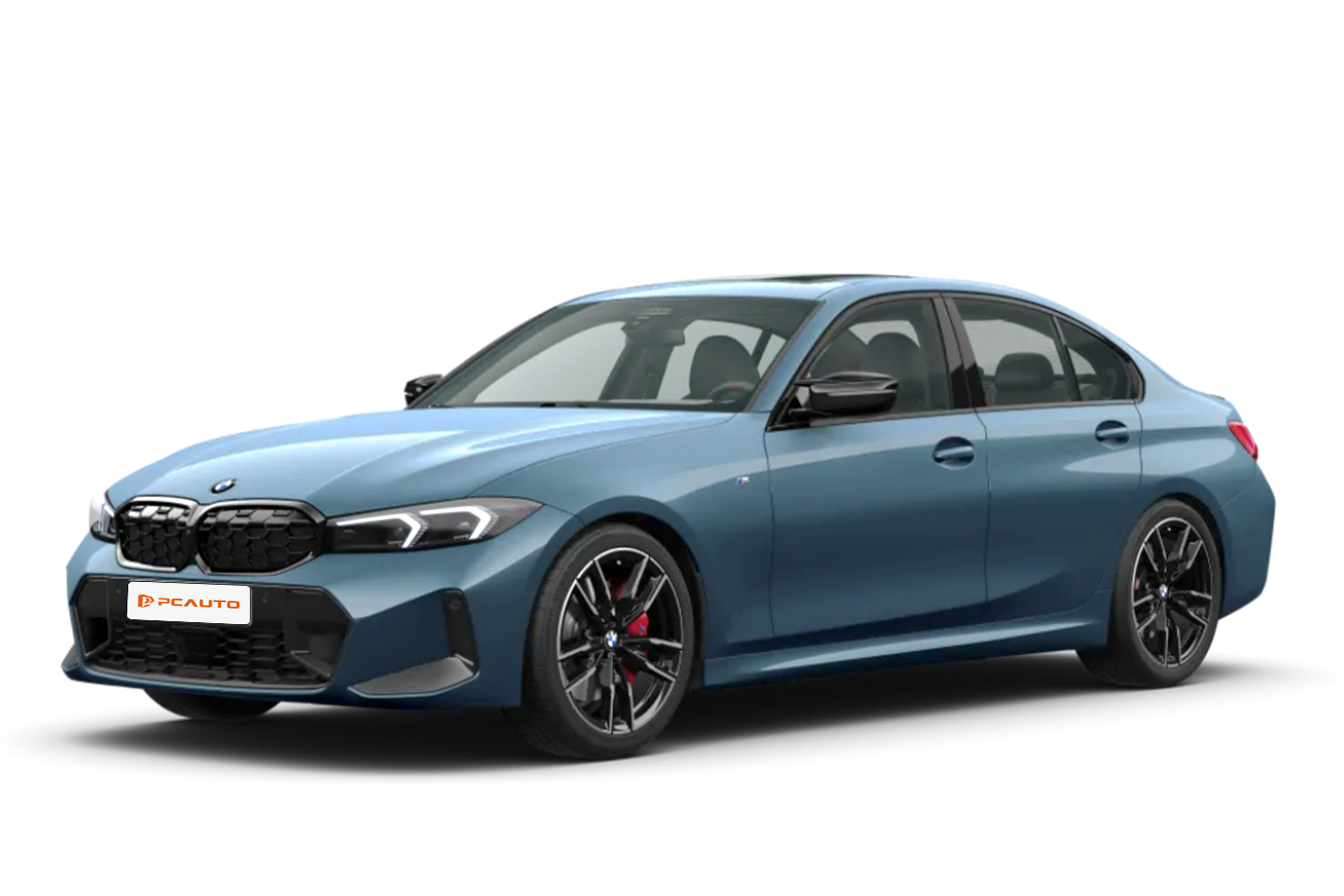
BMW 3 Series Car Compare
More BMW Reviews
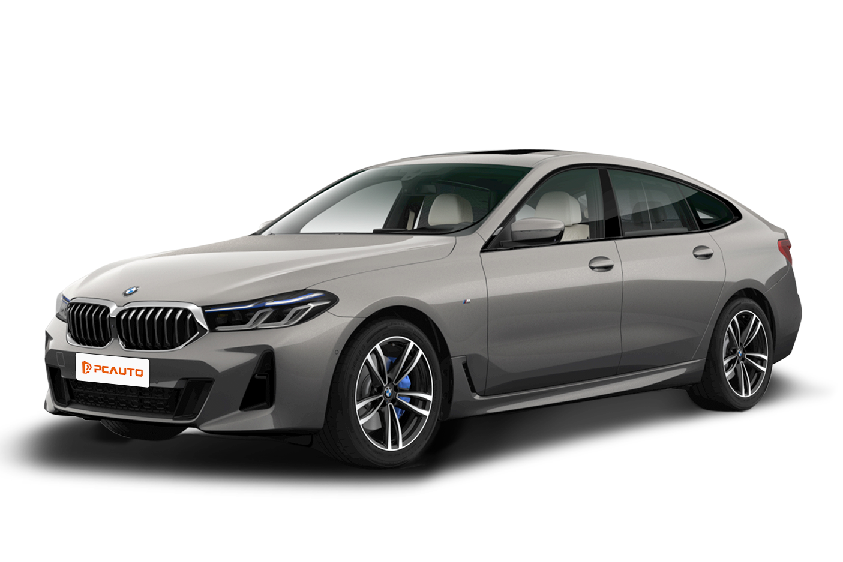
Cars With Similar Price And Features
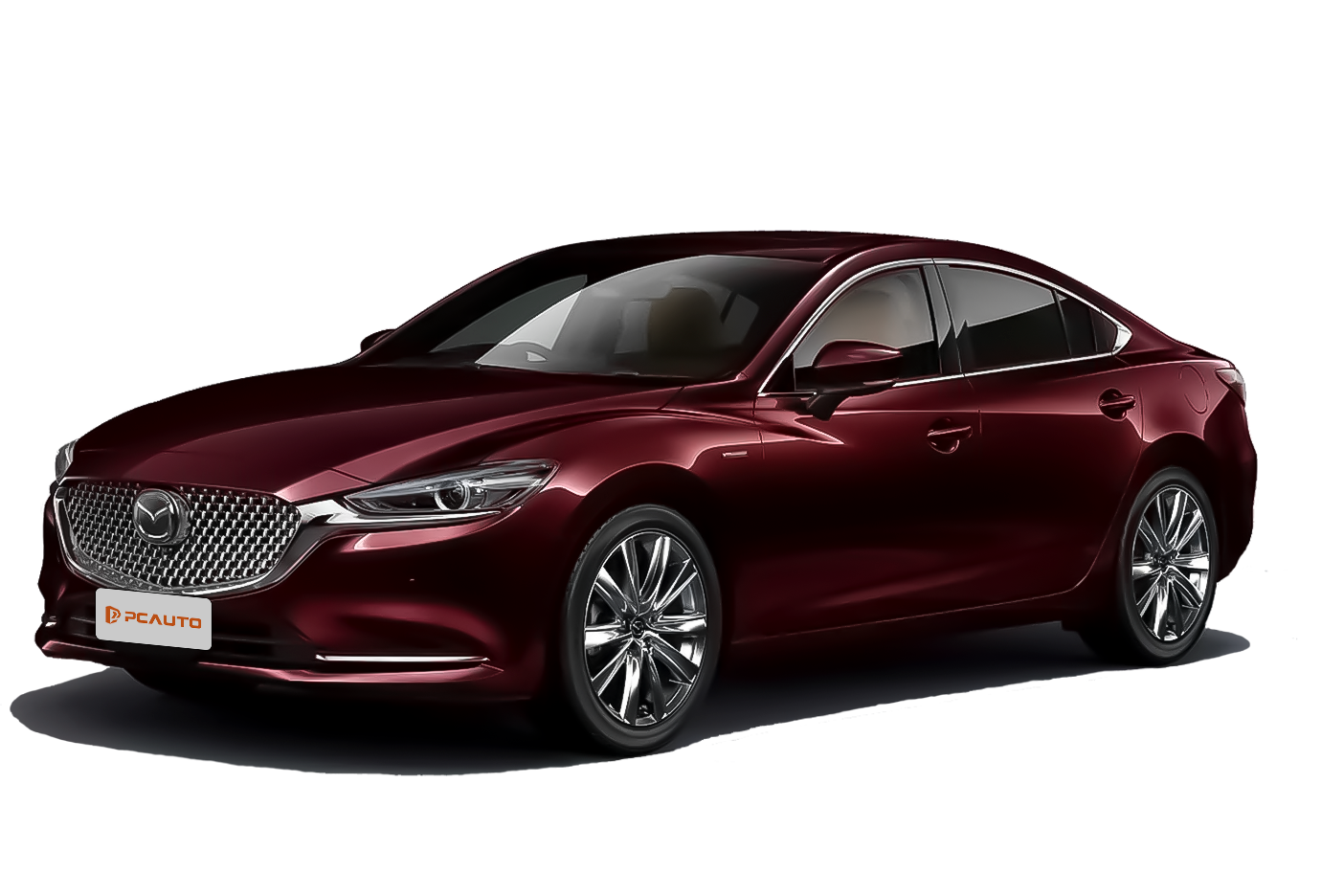
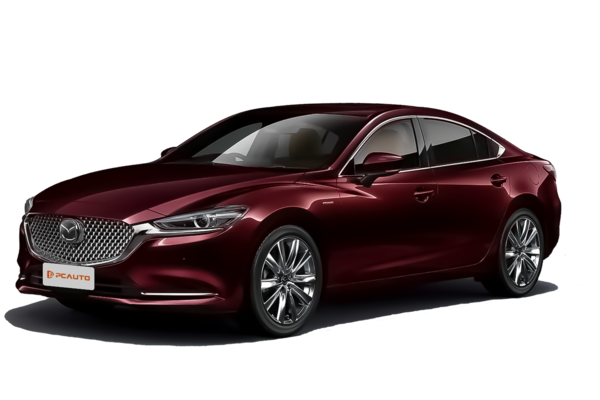
2023 Mazda 6 Sedan 2.0 SkyActiv-G meets the rational needs of family users for joint-venture quality, comfortable configurations, and fuel economy with its KODO design, practical space, and balanced driving control.

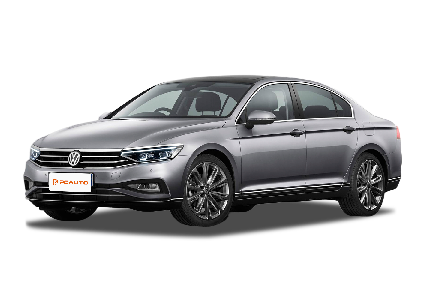
2022 Volkswagen Passat 2.0 TSI R-Line combines business elegance with sporty personality, featuring 220PS power, 14-way massage seats, and Harman Kardon audio system to meet the diverse needs of families and young professionals.
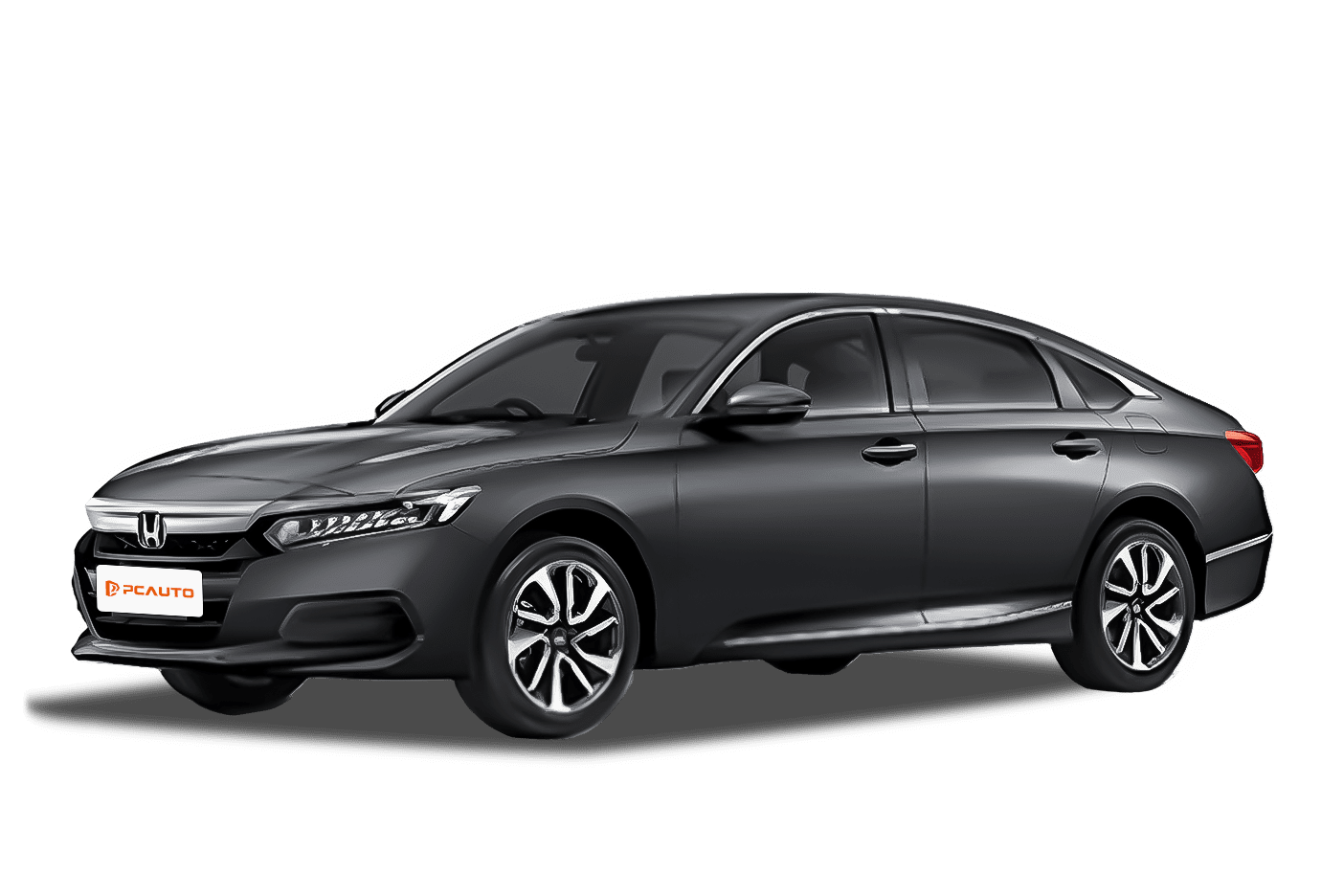
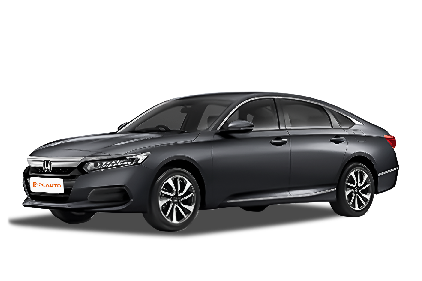
The 2023 Honda Accord 1.5 TC is a D-segment sedan that balances both business and family use, with core selling points of spacious interior, comfortable driving, and efficient performance, making it suitable for practical family users.
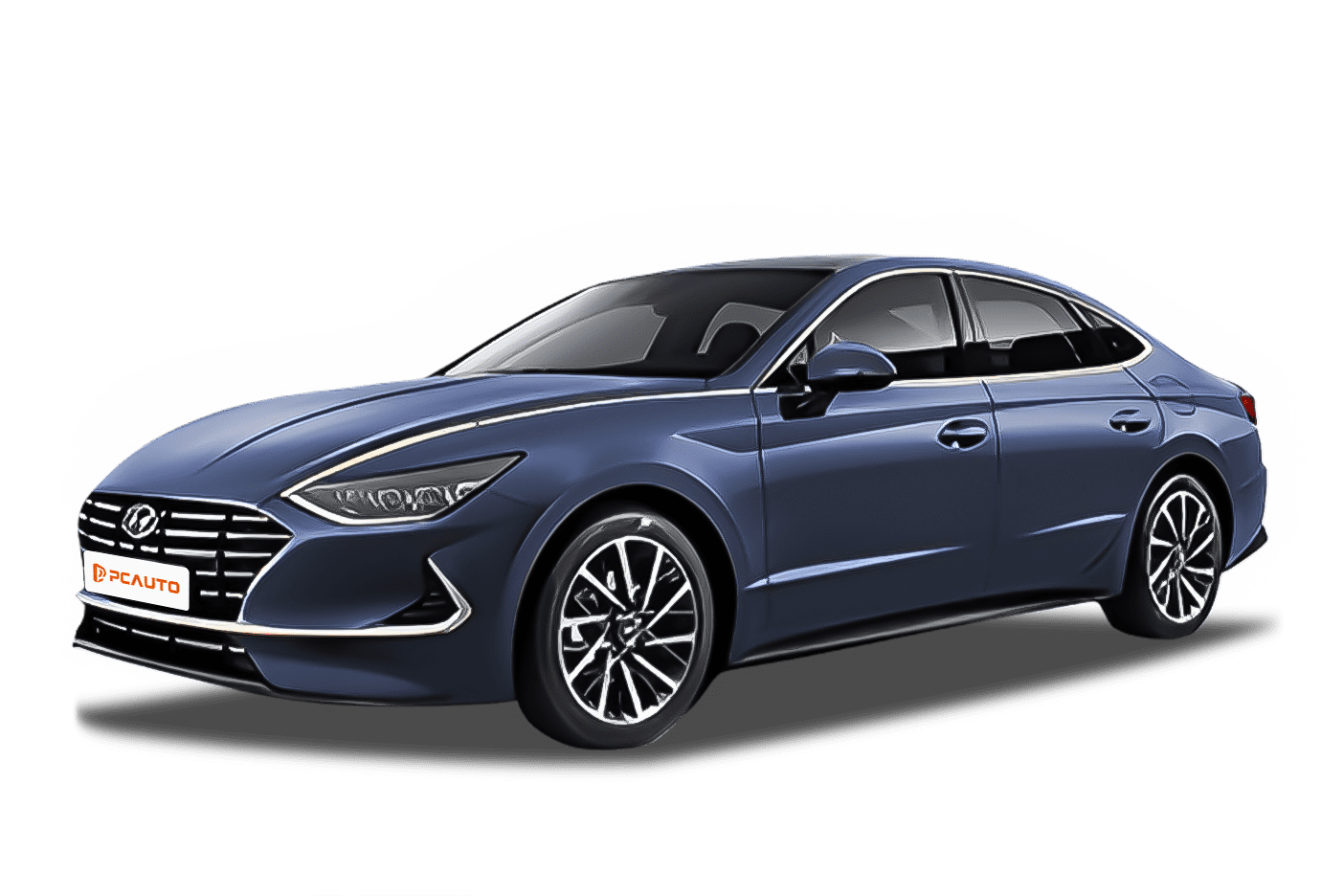
2024 Hyundai Sonata public is positioned as a D-Segment family and business sedan, combining dynamic design, practical configurations, and spacious space, balancing power and fuel consumption, safe and reliable.