

BMW 3 Series 1994 Review

 Share
Share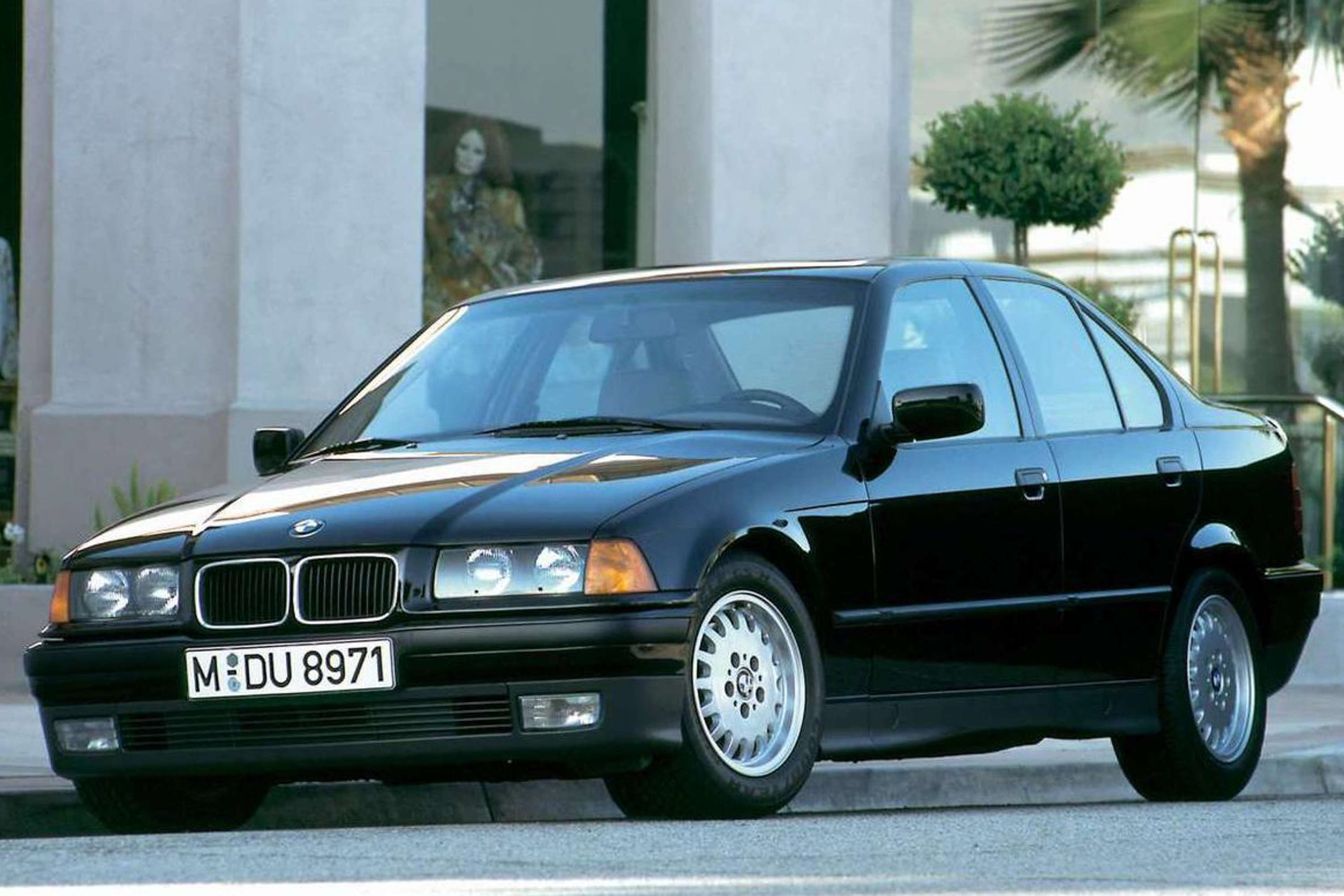
 Body Type
 Segment
 Capacity(L)
 Engine Power(PS)
 Engine Torque(Nm)
 Transmission
As the attention towards classic models gradually resurges within Malaysia's mid-sized luxury sedan market, the 1994 BMW 3 Series public, with its inherited driving DNA and retro design, has become a favored choice for many enthusiasts of nostalgic cars. As an early practitioner of BMW's "Ultimate Driving Machine" philosophy, this E36 generation 3 Series was well-known at the time for its balanced handling and practical space. This test drive will focus on its static design, dynamic performance, and daily practicality, offering valuable insights for consumers interested in classic German cars.
From an exterior perspective, the 1994 3 Series public continues the classic sedan design of the E36 generation, with sleek and slightly muscular lines, distinguishing itself from the more aggressive styling of later models. The front features a dual kidney grille, smaller in size compared to modern models, paired with rectangular headlights, creating a distinct identity. The side profile shows a body line extending from the front fender to the rear, complemented by 15-inch multi-spoke alloy wheels, presenting a clean and sporty stance. At the rear, the square taillights echo the slightly raised trunk lid, while the rounded lines of the rear bumper create a harmonious visual effect. Even by today’s aesthetic standards, the precision of German design is still evident.
Inside the cabin, the interior emphasizes practicality, with a T-shaped dashboard layout. The upper section is covered with soft materials, while the lower section uses hard plastic, aligning with the model’s mid-1990s positioning. The three-spoke steering wheel feels solid and includes audio control buttons on the left for convenient operation. The instrument cluster uses traditional mechanical dials, featuring a tachometer, speedometer, fuel gauge, and water temperature gauge, offering clear and intuitive readings. The central console is equipped with a single-disc CD player and a manual air conditioning system, with knobs that provide moderate resistance and clear feedback. The seats are wrapped in fabric, offering good support. The front row seats support manual adjustments for moving forward and backward as well as reclining angles, while the rear seats can be folded down proportionally to expand cargo space. In terms of dimensions, its length, width, and height are 4433mm×1709mm×1390mm, with a wheelbase of 2700mm. The front seating area is spacious, providing approximately a fist of headroom for passengers up to 180cm tall. The rear legroom is about two fists, with headroom at one fist, meeting the needs of daily family use. For storage, the trunk offers a capacity of 460L, which can accommodate two 28-inch suitcases, while the front center armrest box and door storage slots also provide sufficient space.
In terms of the powertrain, the test-driven model is equipped with a 2.0L inline-six naturally aspirated engine, delivering a maximum power of 150 horsepower and a peak torque of 180Nm, paired with a 5-speed manual transmission. During takeoff, the throttle response is linear, with power output smooth below 1500 rpm, making it suitable for low-speed urban driving. Once the revs climb to 3000 rpm, the power delivers a noticeable boost, and acceleration feels smooth. The 0-100km/h sprint takes about 9.5 seconds, sufficient for typical overtaking needs. Although modern driving modes are absent, the manual transmission offers a clear shifting feel with a strong gear engagement, adding to the driving pleasure. In terms of handling, the steering is precise with minimal play. The chassis adopts a front MacPherson and rear multi-link independent suspension, calibrated towards sportiness. Body roll is well-controlled during cornering, and the suspension provides strong support, instilling confidence in the driver. On bumpy roads, the suspension effectively absorbs most minor vibrations, although rear passengers may feel pronounced jolts when passing over speed bumps, slightly compromising comfort.
In terms of fuel consumption, the comprehensive road condition fuel consumption is about 10L per 100km, increasing to 12L per 100km in urban congested conditions, and decreasing to 8L per 100km on highways, aligning with the fuel economy level of the older naturally aspirated engines. The braking system consists of front ventilated discs and rear solid discs, offering responsive braking and moderate pedal force, with a 100km/h-0 braking distance of about 42 meters, which performs fairly adequately. Regarding noise control, the engine noise at idle is around 58 dB, and at a speed of 100 km/h, wind and tire noise become noticeably apparent, with interior noise levels reaching approximately 72 dB, in line with the sound insulation standards of 1990s vehicles.
In summary, the core advantages of the 1994 BMW 3 Series public lie in its balanced handling performance, classic design language, and practical space functionality. Compared to its contemporaries like the Mercedes-Benz C-Class (W202), it has superior handling; compared to the Audi A4 (B5), it boasts lower maintenance costs. This model is suitable for two types of consumers: first, sentimental car enthusiasts who are looking for the pure driving experience of early German sedans; second, families with limited budgets who need a reliable, durable, and moderately sporty daily driver.
Overall, while the 1994 BMW 3 Series public cannot match modern vehicles in terms of configuration and technological sophistication, it boasts solid mechanical qualities, outstanding driving pleasure, and ease of maintenance and repair, making it a classic car worth considering. For consumers who enjoy manual transmissions and a pure driving experience, this E36 generation 3 Series still offers a distinctive driving and riding feel.
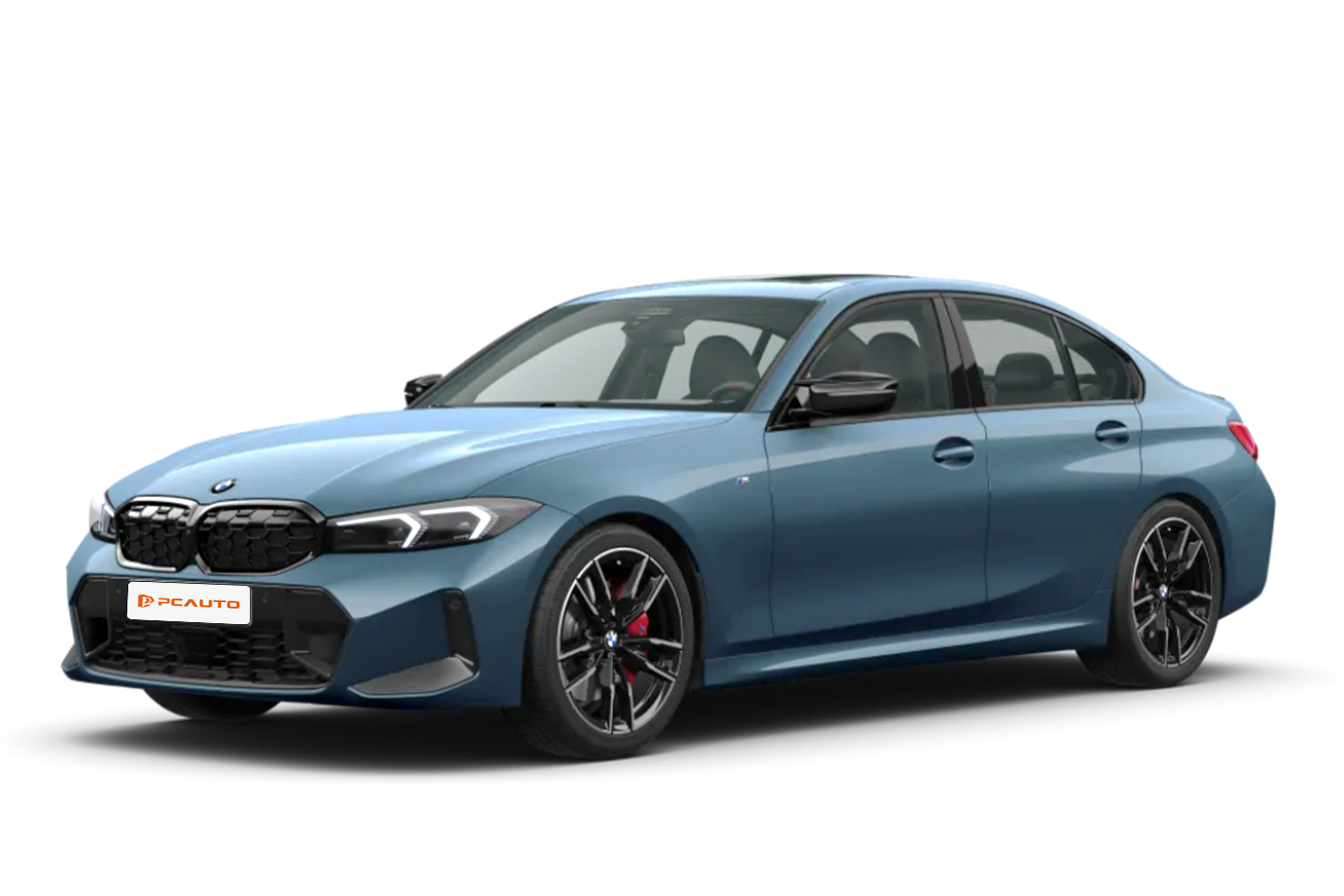
BMW 3 Series Car Compare
More BMW Reviews
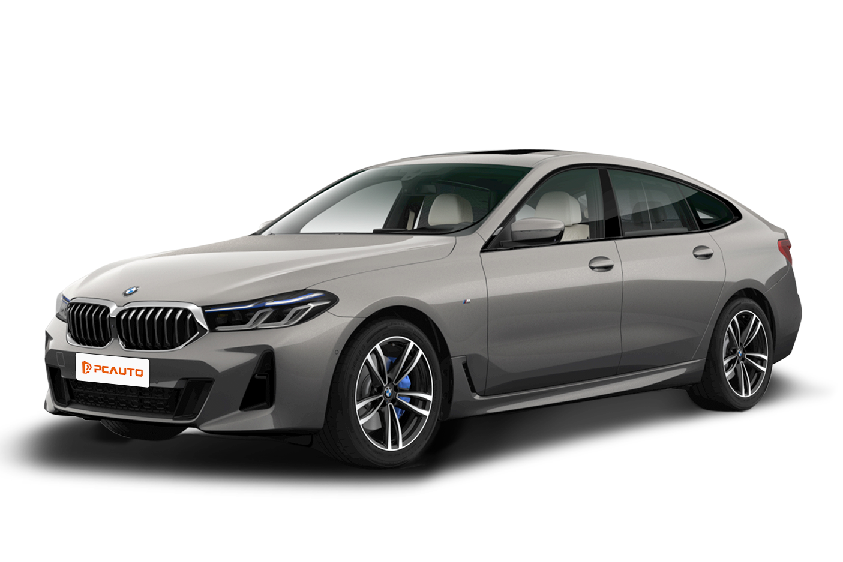
Cars With Similar Price And Features
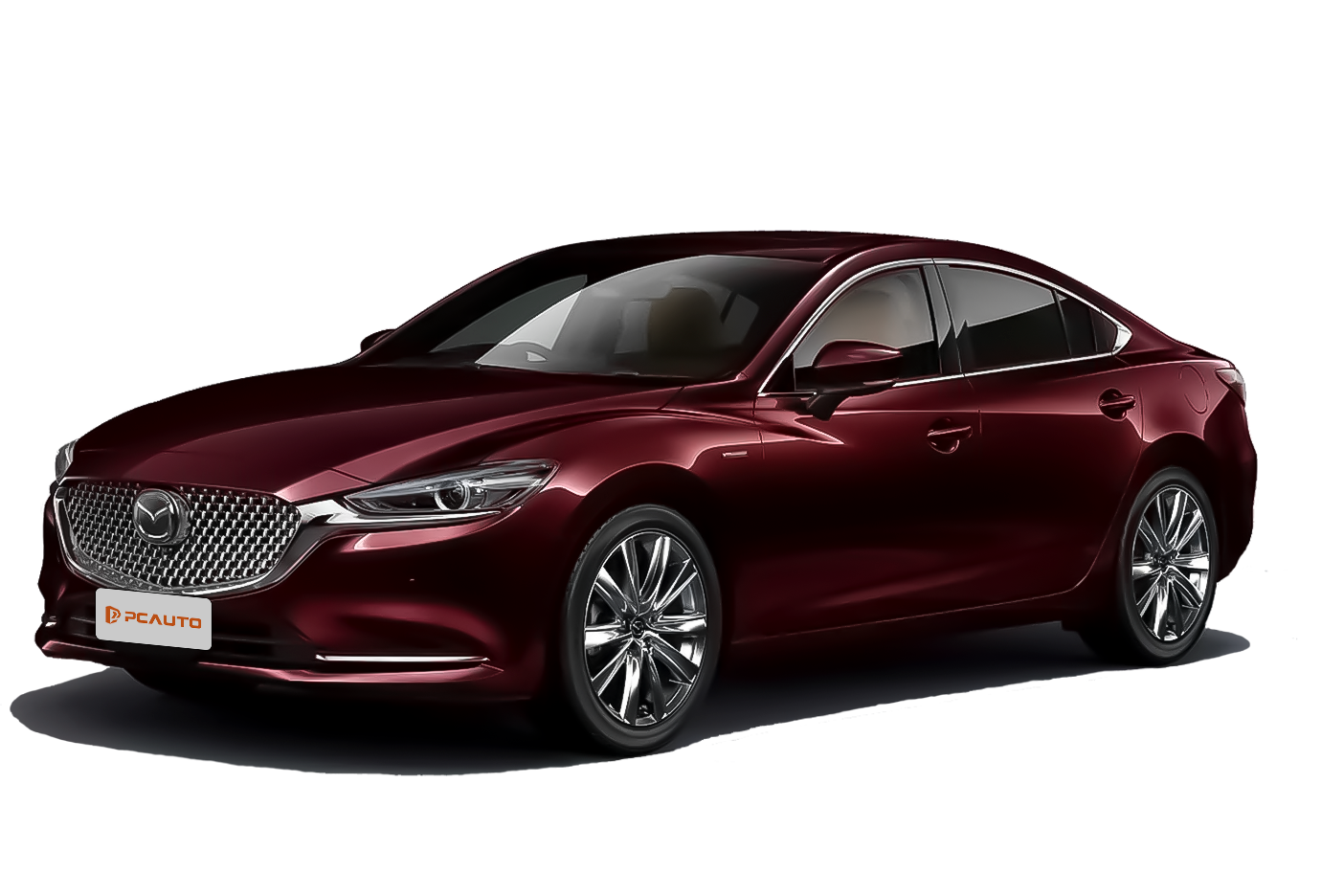
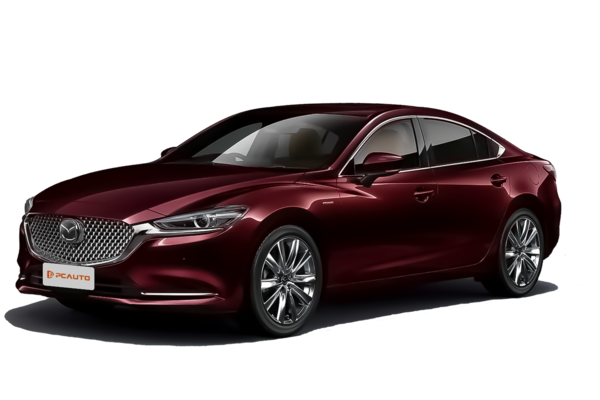
2023 Mazda 6 Sedan 2.0 SkyActiv-G meets the rational needs of family users for joint-venture quality, comfortable configurations, and fuel economy with its KODO design, practical space, and balanced driving control.

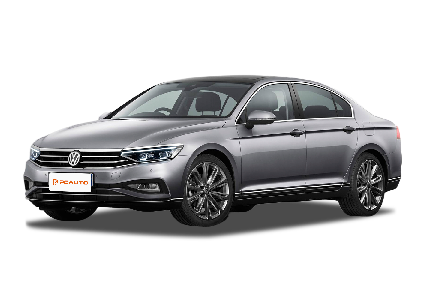
2022 Volkswagen Passat 2.0 TSI R-Line combines business elegance with sporty personality, featuring 220PS power, 14-way massage seats, and Harman Kardon audio system to meet the diverse needs of families and young professionals.
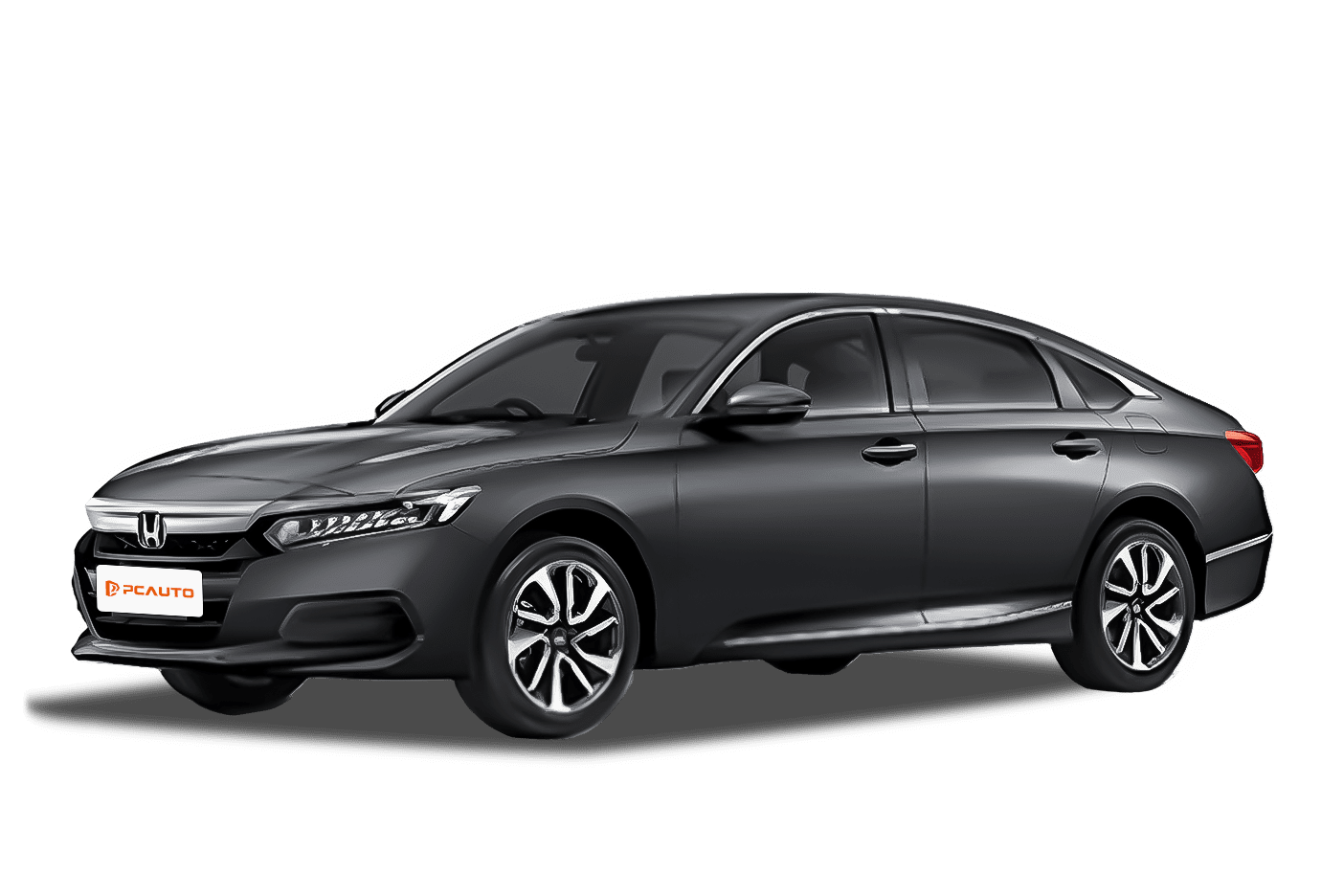
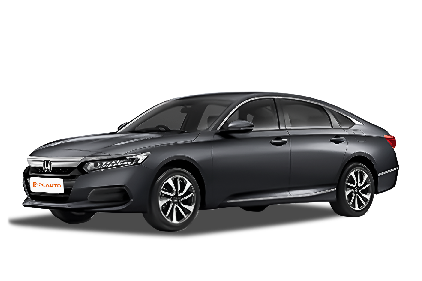
The 2023 Honda Accord 1.5 TC is a D-segment sedan that balances both business and family use, with core selling points of spacious interior, comfortable driving, and efficient performance, making it suitable for practical family users.
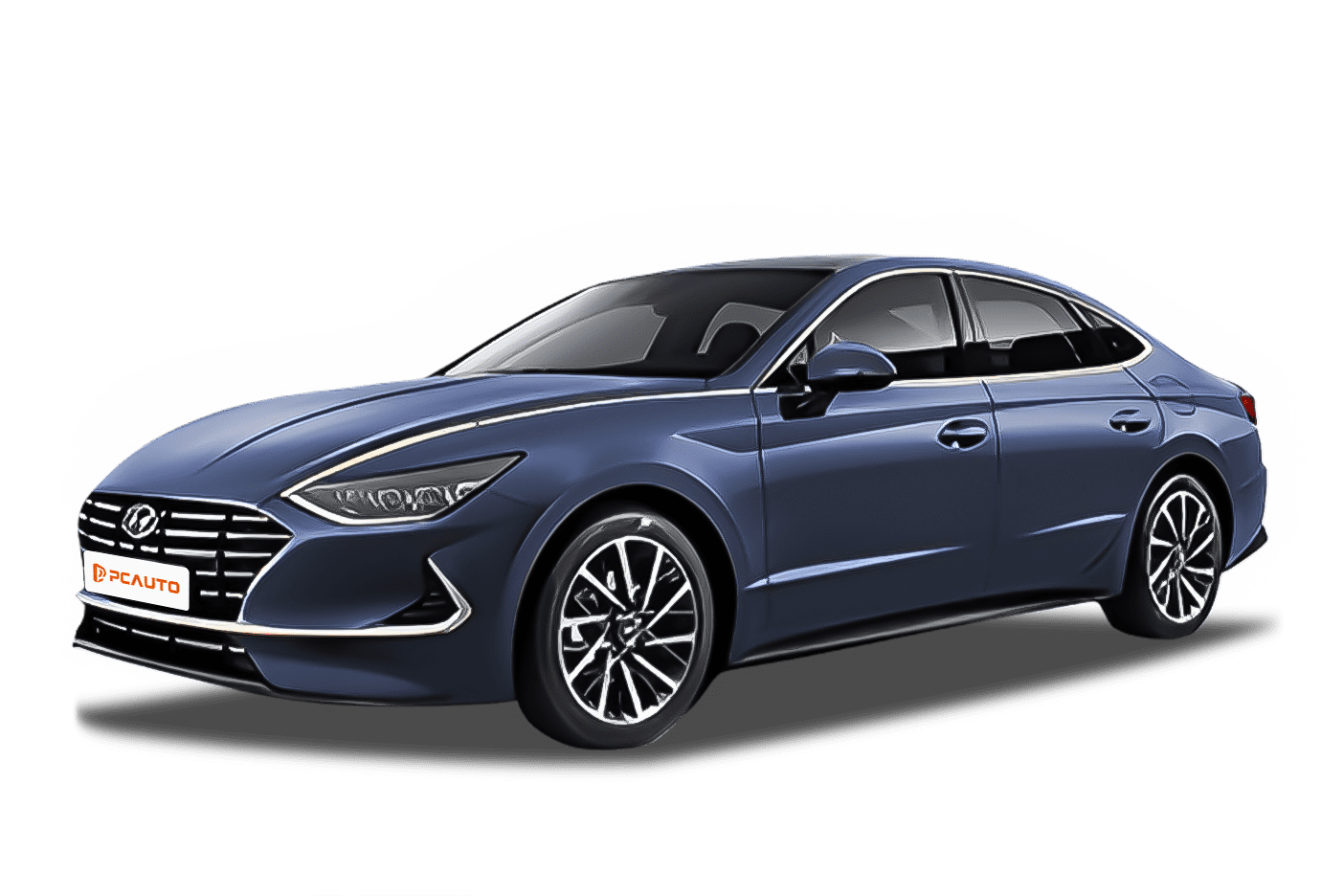
2024 Hyundai Sonata public is positioned as a D-Segment family and business sedan, combining dynamic design, practical configurations, and spacious space, balancing power and fuel consumption, safe and reliable.