

BMW 3 Series 1999 Review

 Share
Share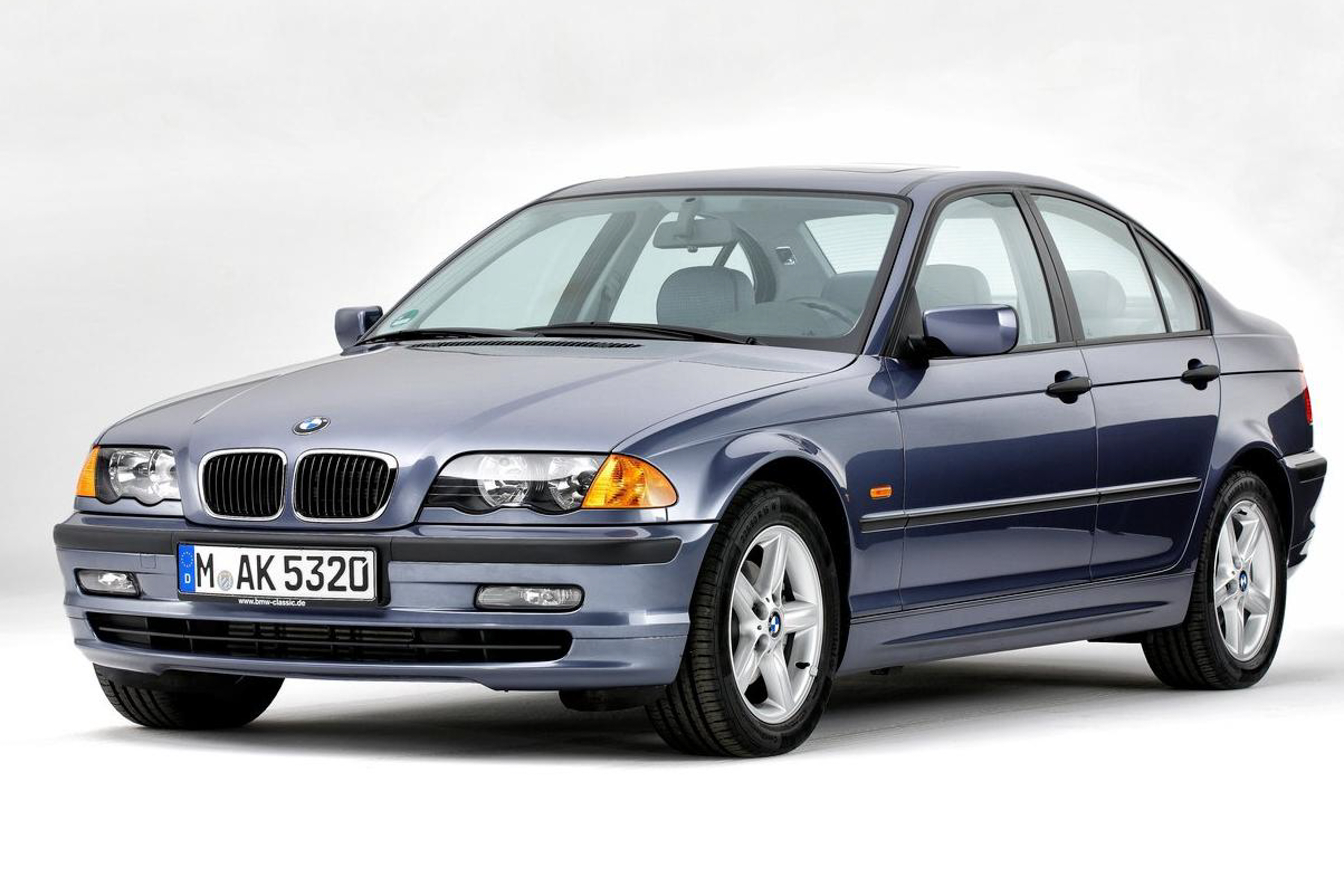
 Body Type
 Segment
 Capacity(L)
 Engine Power(PS)
 Engine Torque(Nm)
 Transmission
In Malaysia's second-hand car market today, German luxury compact sedans have consistently maintained stable popularity. Especially models with the "driver's car" gene remain a key focus for many car enthusiasts and practical buyers. The 1999 BMW 3 Series (E46 generation), as one of the early publicly available models of this platform, continues to be a hot choice in the used car market due to its classic rear-wheel-drive layout and well-balanced mechanical quality. This time, we have gotten our hands on a well-maintained 1999 3 Series 2.0L petrol version. The core goal is to help everyone verify whether this "driver's car" from more than 20 years ago can still hold up in today's daily usage scenarios.
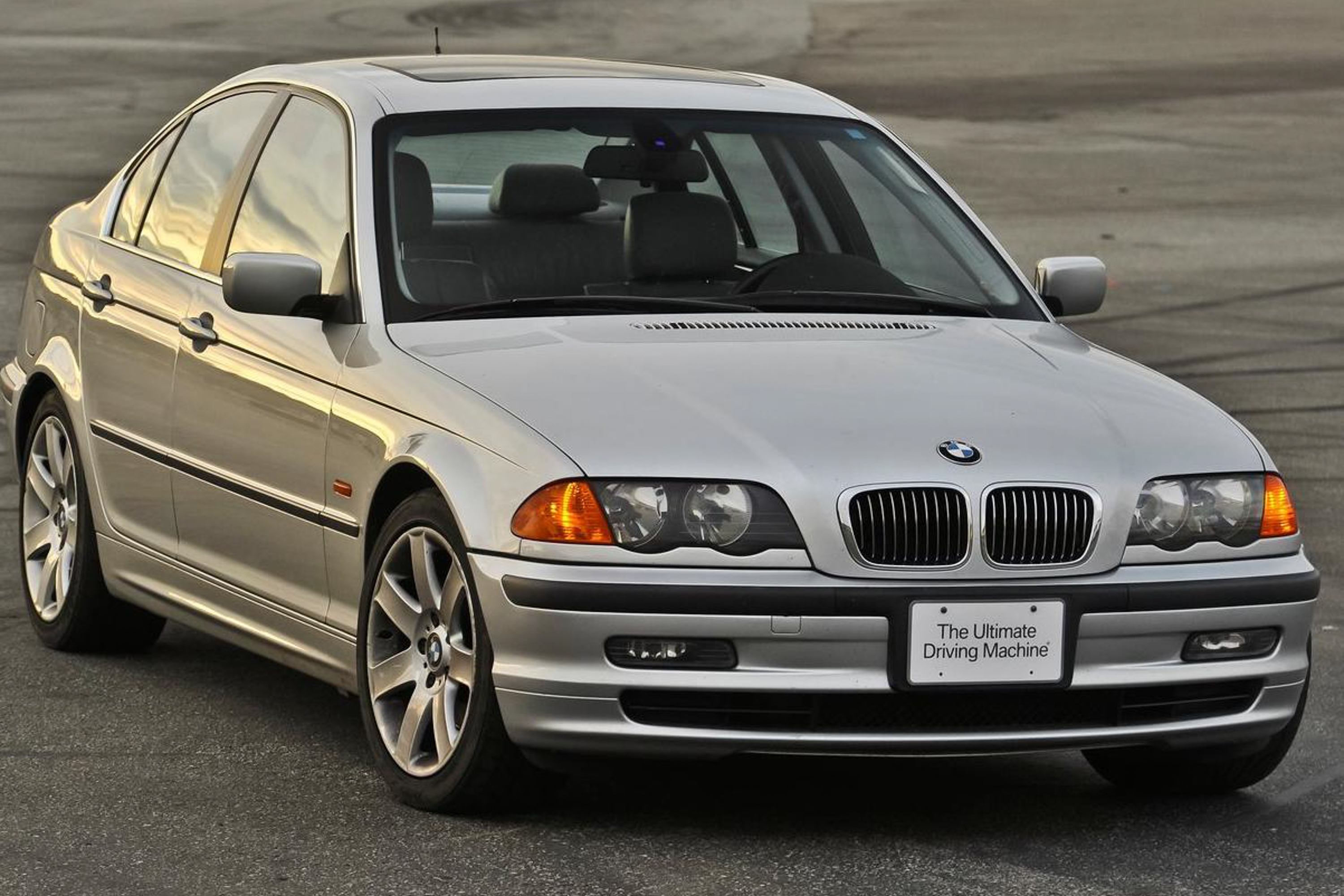
Let's start with the exterior. The design of the 1999 3 Series still appears compact and clean today, without overly complicated lines. The front features a moderately sized dual kidney grille paired with rectangular halogen headlights on both sides, offering high recognizability. The hood has two subtle contour lines extending from the grille to the A-pillar, retaining a sense of sportiness. The car's side profile exhibits the typical proportions of a three-box sedan, with a waistline running from the front fender to the taillights. Paired with 15-inch multi-spoke steel wheels (some high-spec models come with alloy wheels), the overall stance is well-balanced. The rear design is relatively simple; the vertically arranged taillight cluster is one of the iconic elements of the E46 generation. A slight bulge on the lower edge of the trunk lid and a chrome trim above the license plate frame add a touch of refinement. After more than 20 years of usage, the car's paint inevitably shows some wear, but the original design style remains timeless and falls into the "classic and timeless" category.
Entering the car, the interior design focuses on practicality. The dashboard uses a two-tone color scheme, with darker hues on top and lighter ones below. The materials are mainly hard plastics, but the buttons and knobs have a solid feel, without noticeable looseness. The steering wheel is a three-spoke design, slightly oversized, but it feels substantial in hand. It lacks multifunction buttons, retaining a purely driver-centric orientation. The instrument cluster features a traditional mechanical needle design, with the tachometer and speedometer taking center stage. A small screen in the middle displays basic information such as fuel level and water temperature, with clear readings. The center console layout is very orderly, with a single-disc CD player and radio on top and the climate control section below. The position of the knobs and buttons is user-friendly, making it easy for first-time drivers to adapt. The seats are made of fabric material with moderate side bolstering. The front seats offer manual adjustment, and lumbar support angle adjustments are made using a manual dial. When driving for extended periods, the lumbar support is fairly adequate.
In terms of space, the 3 Series has a wheelbase of 2725mm, which places it in the mid-range category among today's compact sedans. The front row offers reasonably ample seating space; a 175cm tall passenger would have about a fist's width of headroom and legroom. The rear row, however, feels relatively tight. A passenger of the same height sitting in the back has only three fingers' worth of legroom, and headroom is also slightly cramped, which could feel somewhat claustrophobic during long trips. As for storage space, the door panels have slots that can hold two bottles of water. The central armrest box has a small capacity, suitable only for some scattered small items. The trunk has a volume of 440L with a regular-shaped opening, capable of holding two 20-inch suitcases, which is generally sufficient for daily use or short trips.
Powertrain-wise, this 1999 3 Series is equipped with a 2.0L naturally aspirated engine, delivering a maximum power output of 115 horsepower and a peak torque of 180 N·m, paired with a 5-speed manual transmission (some models came with a 4-speed automatic). During actual driving, the power response in the initial acceleration phase is rather linear, without the abruptness of a turbocharged engine. When the RPM rises above 3000, the power output becomes more robust; overtaking requires downshifting and revving up the engine. The manual transmission features a relatively long shift travel, but the gear positions are clear and shifting feels solid. Coupled with the rear-wheel-drive configuration, it offers a very enjoyable driving experience. As for driving modes, there are no multiple options like in modern cars, only the default normal mode is available. However, both the throttle and brake are calibrated to be linear and easy to control.
The handling and chassis performance are the core highlights of this E46. The steering wheel has a slightly heavy feel, but the precision is excellent — it turns exactly as much as you input, with no slack. The chassis employs a front MacPherson and rear multi-link suspension setup, which is tuned to be relatively stiff. Body roll is well-controlled during cornering, and the car's posture remains stable, inspiring confidence in the driver. On bumpy roads, the suspension is not overly adept at filtering out small vibrations, but the bumps transmitted into the cabin do not feel overly harsh, belonging to the category of "clear road feel but not jarring.” At high speeds, the vehicle’s stability is also commendable; even at 120 km/h, there is no noticeable floatiness in the steering wheel, and the solid feel of the chassis remains intact.
As for fuel economy, we conducted actual tests, driving 50 kilometers each on urban roads and highways. The combined fuel consumption is approximately 8.5L/100km (manual transmission model), which is not impressive by today's standards in the fuel car market. However, considering that the engine technology is over two decades old, it is still reasonable. Regarding braking performance, the brake system consists of front discs and rear drums (some high-spec models feature four-wheel disc brakes). The brake pedal feel is on the firmer side, with linear braking force delivery. In emergency braking scenarios, the body posture remains relatively steady without significant nosedive.
As for ride comfort, the noise insulation performance is average. While driving in urban areas, tire and wind noise are not overly noticeable, but once the engine revs exceed 3500 RPM, engine noise becomes more pronounced inside the cabin. The fabric seat material offers good breathability, ensuring it doesn't feel too stuffy in summer. However, for long drives, the lumbar support is slightly lacking, and a lumbar cushion may be needed for relief.
To summarize, the 1999 BMW 3 Series (E46), as a classic rear-wheel-drive sedan, boasts its greatest strengths in its well-balanced mechanical qualities: a solidly tuned chassis, precise steering, and linear power output. These qualities can still provide the driver with an enjoyable driving experience. While the interior materials and tech features are outdated by today's standards, the practical layout and solid build quality make it adequate for daily use. The space is a notable shortcoming, with a cramped rear seat area, making it more suitable for couples or those with minimal rear seat demands. Compared to today's used compact sedans, such as the Honda Civic or Toyota Corolla, this 3 Series stands out with its rear-wheel-drive driving dynamics and classic mechanical characteristics, though its shortcomings remain in space and fuel consumption.
Regarding suitable groups of people, if you are a car enthusiast who loves driving and pursues pure mechanical sensation, or if you want a classic rear-wheel-drive sedan for both commuting and fun, this 1999 3 Series is worth considering. However, if you need a spacious and well-equipped family car, it may not be the best choice. Overall, this "driver's car" from over two decades ago still retains its unique charm today, provided you can accept its shortcomings and appreciate its purity.
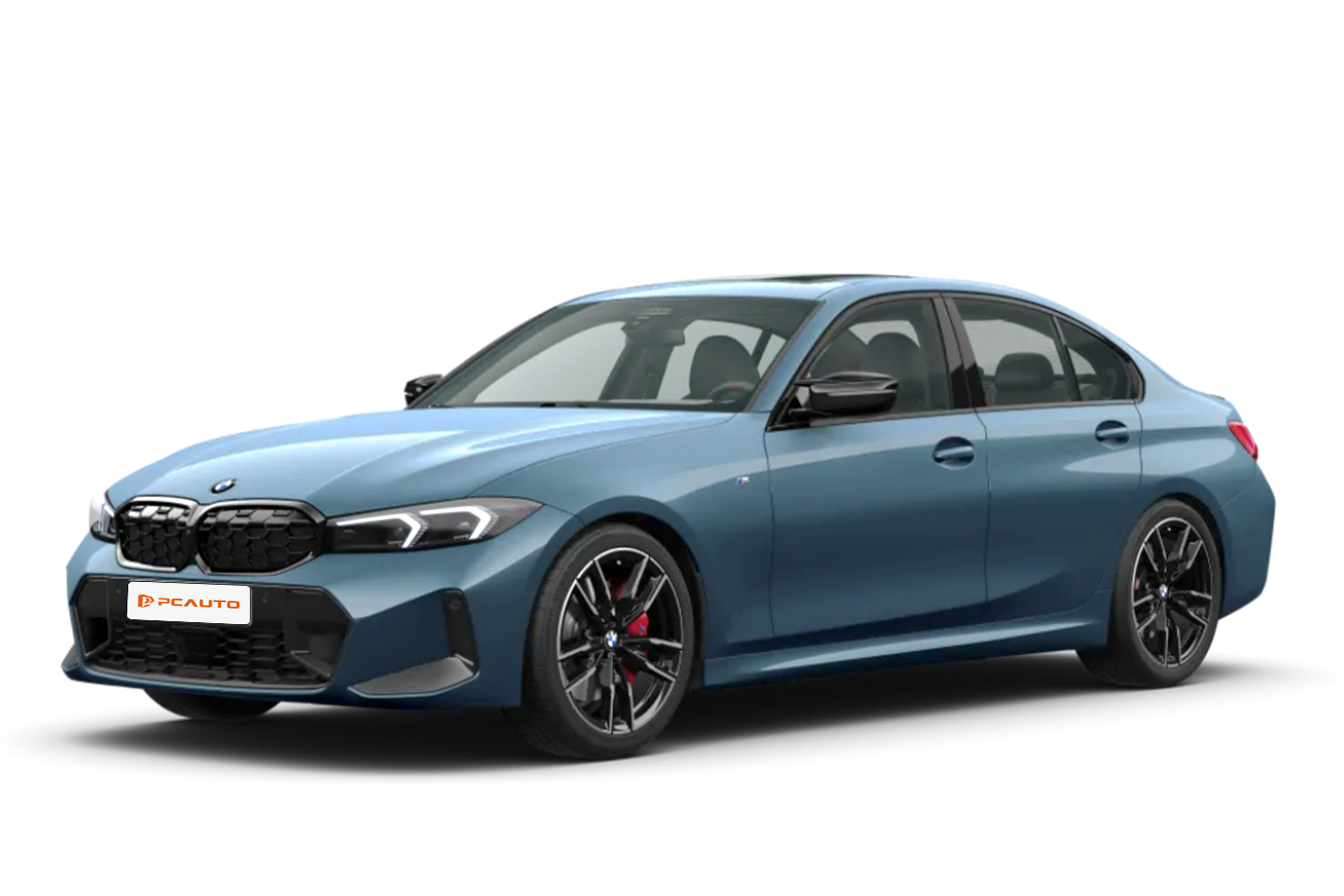
BMW 3 Series Car Compare
More BMW Reviews
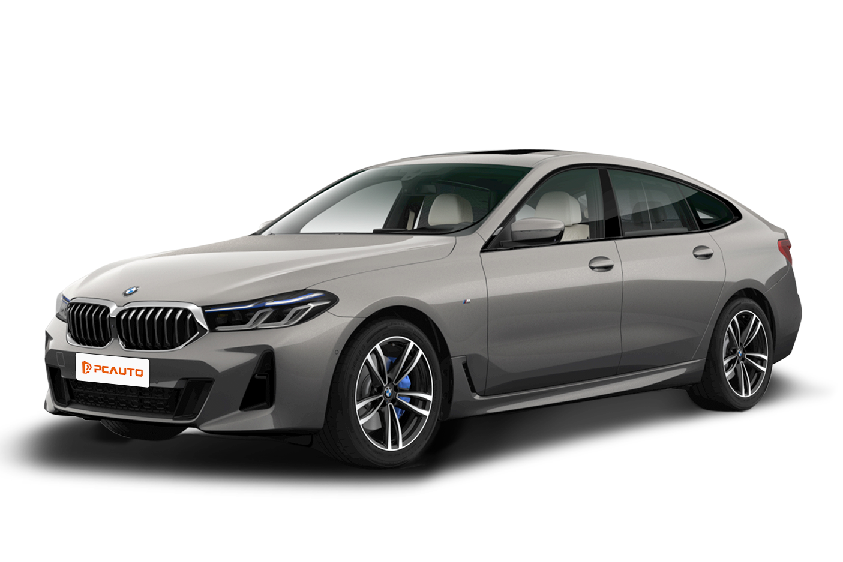
Cars With Similar Price And Features
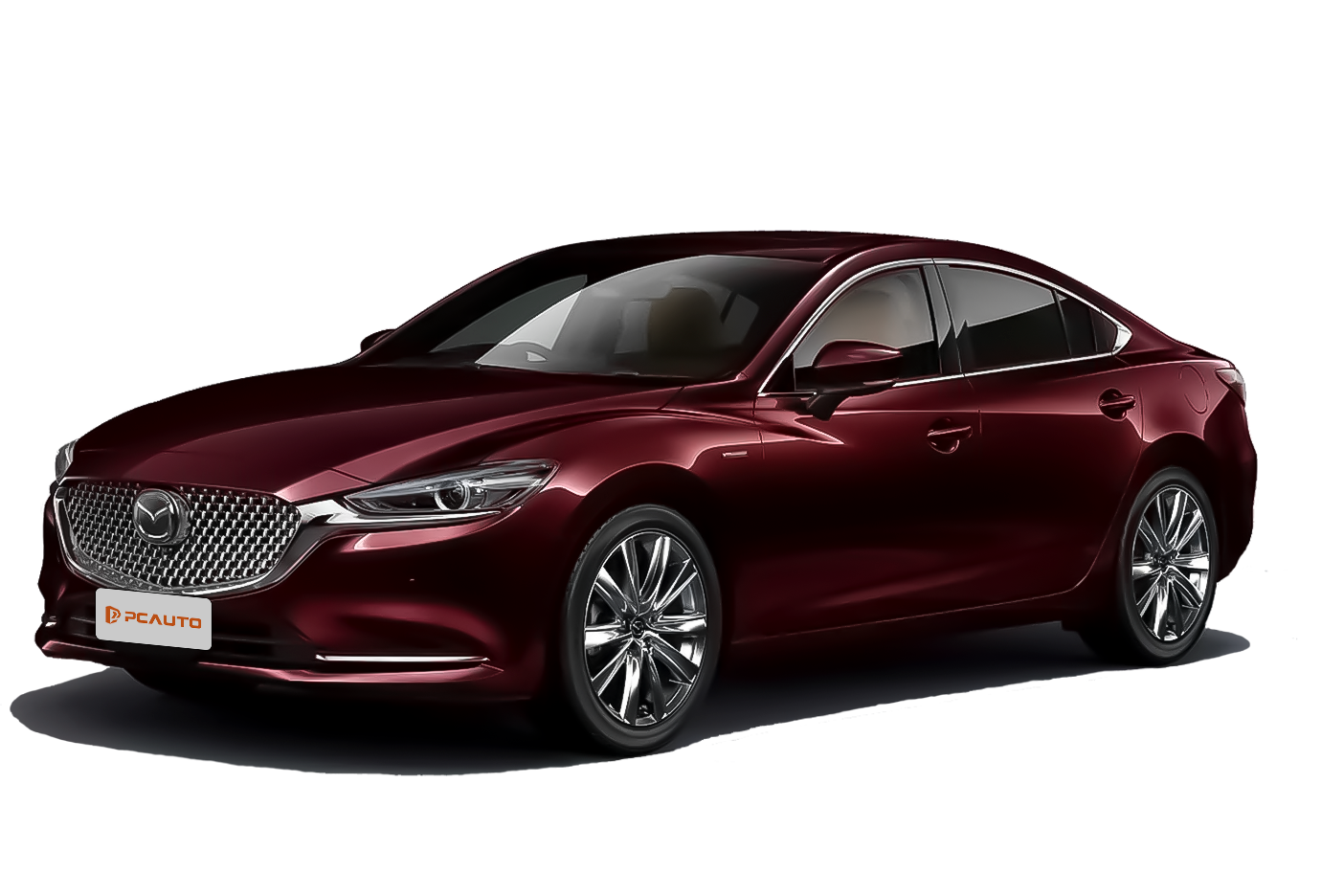
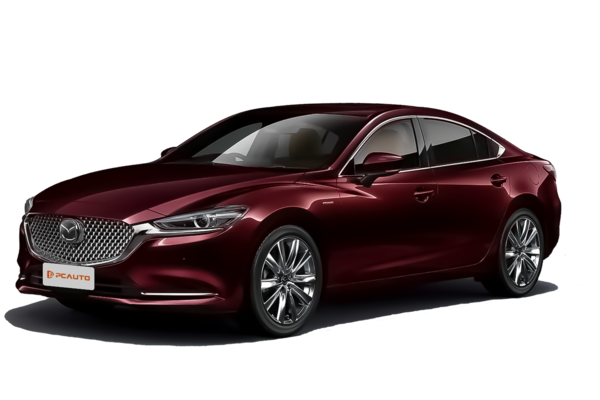
2023 Mazda 6 Sedan 2.0 SkyActiv-G meets the rational needs of family users for joint-venture quality, comfortable configurations, and fuel economy with its KODO design, practical space, and balanced driving control.

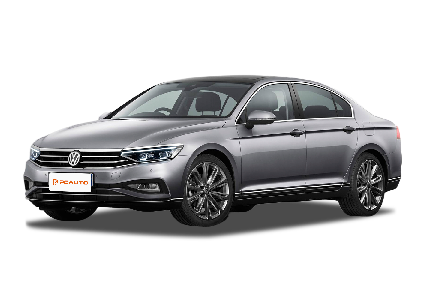
2022 Volkswagen Passat 2.0 TSI R-Line combines business elegance with sporty personality, featuring 220PS power, 14-way massage seats, and Harman Kardon audio system to meet the diverse needs of families and young professionals.
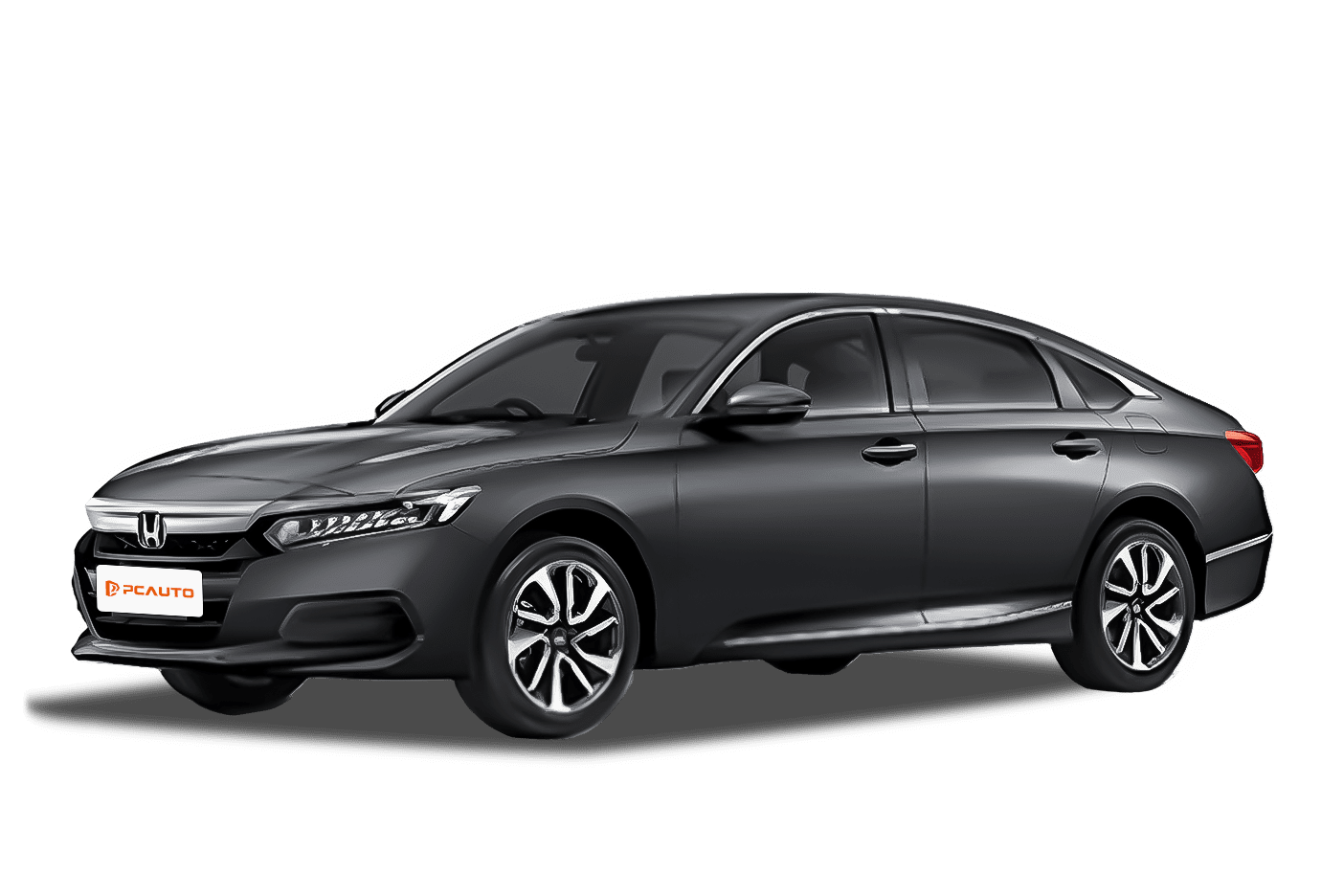
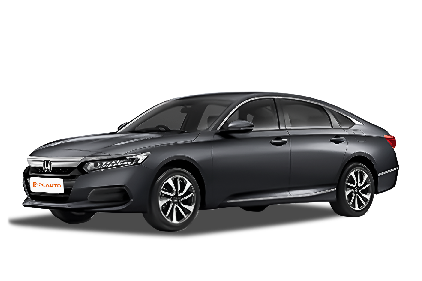
The 2023 Honda Accord 1.5 TC is a D-segment sedan that balances both business and family use, with core selling points of spacious interior, comfortable driving, and efficient performance, making it suitable for practical family users.
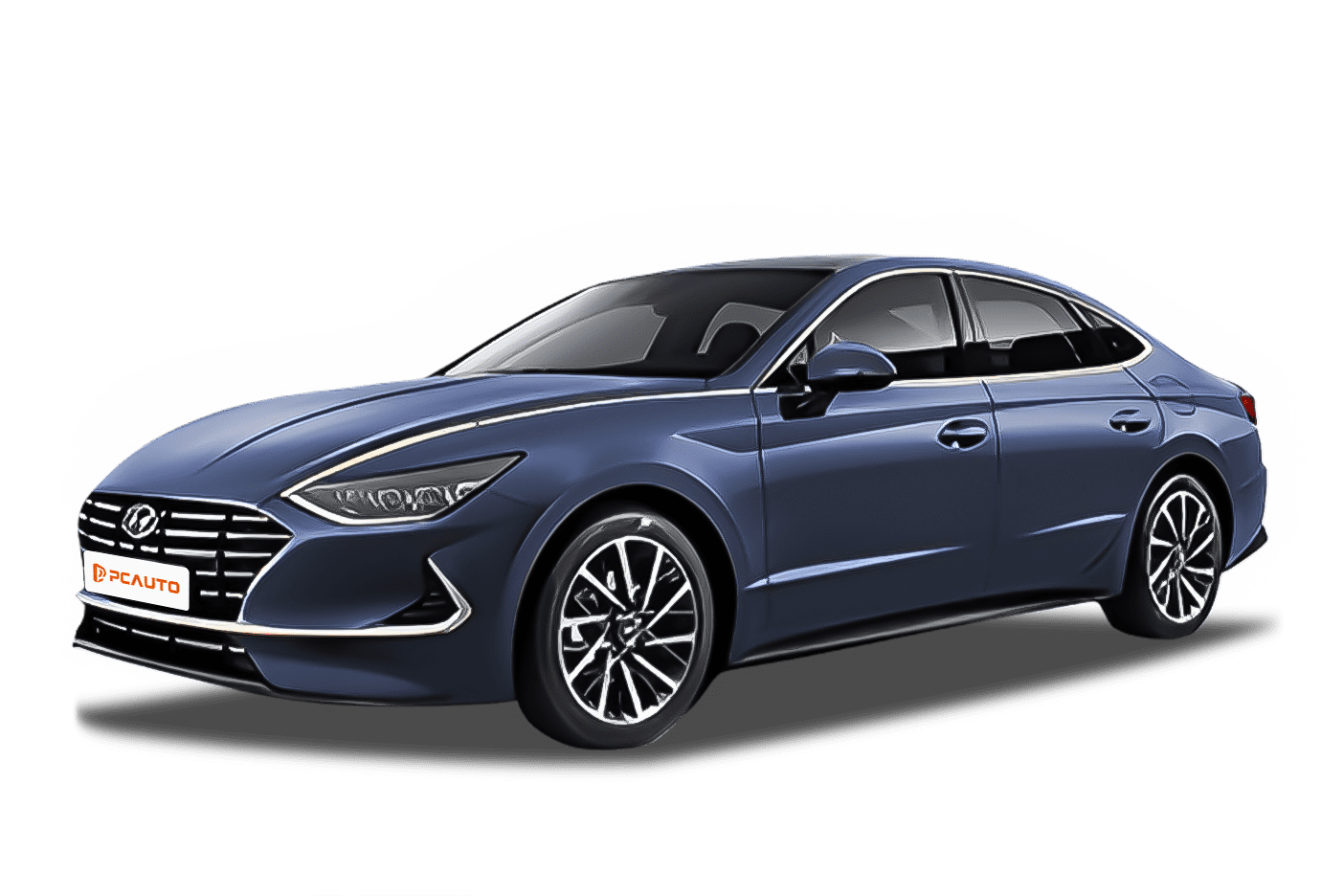
2024 Hyundai Sonata public is positioned as a D-Segment family and business sedan, combining dynamic design, practical configurations, and spacious space, balancing power and fuel consumption, safe and reliable.