

BMW 5 Series 1975 Review

 Share


 Body Type
 Segment
 Capacity(L)
 Engine Power(PS)
 Engine Torque(Nm)
 Transmission
In the mid-1970s, Malaysia’s mid-size sedan market gradually embraced more diverse choices. Consumers no longer settled for basic transportation and began to seek models that combined handling and practicality—enter the BMW 5 Series (E12 generation) in 1975, which perfectly responded to such demands. As BMW’s first mid-size sedan under the "5 Series" name, it not only carried forward the brand’s insistence on driving pleasure but also deeply integrated luxury and family-friendly attributes for the first time, making it stand out in its segment at the time. Through a static review and dynamic test drive, we rediscover the design philosophy and real-world performance of this classic model to see how it set the benchmark for subsequent 5 Series models and even mid-size luxury cars.
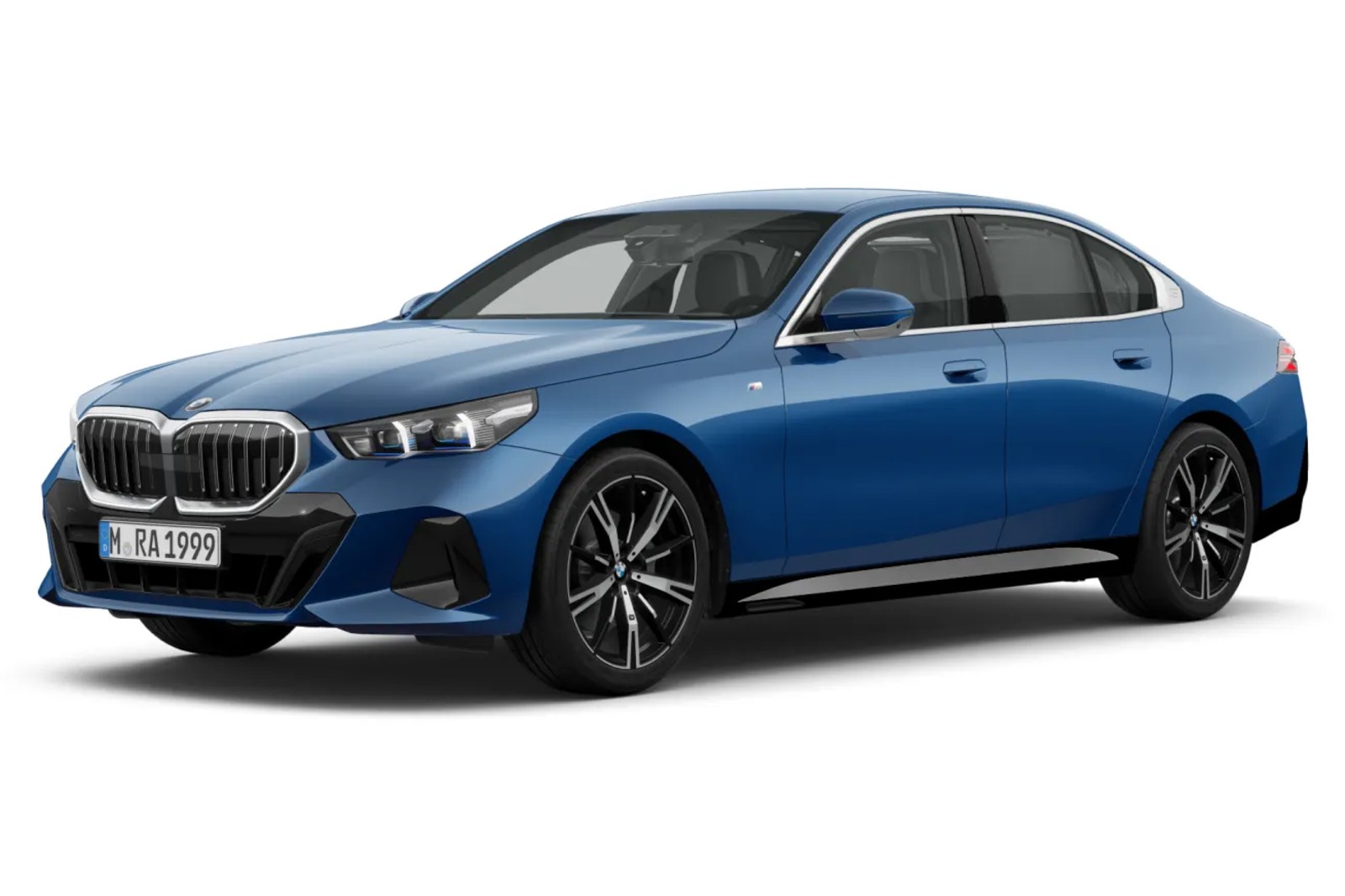
From the exterior, the design of the 1975 5 Series leans towards simplicity and stability, with evident sporty elements. The body adopts a streamlined design, and the front features BMW’s iconic kidney-shaped grille, which is wider than that of the 3 Series at the time, paired with rectangular halogen headlights on both sides, giving it a high level of recognition. The hood lines extend from the grille toward the A-pillar, adding a touch of muscularity. The side waistline is straight, running from the front fender to the rear, complemented by 14-inch steel wheels (aluminum alloy wheels available for certain versions), balancing practicality with a refined feel. The rear design is relatively square, with rectangular taillights symmetrically distributed on both sides of the trunk, echoing the front design. The overall proportions are harmonious, and even by today’s standards, it doesn’t feel outdated.
Inside the car, the interior design focuses on functionality, without excessive flourishes, but the materials and craftsmanship are solid. The center console adopts a T-shaped layout, with soft plastic covering the upper area and hard materials below, accented by minimal chrome trims to create understated luxury. The instrument cluster features the classic double circular design, with the left side showing the tachometer, the right side the speedometer, and indicators for fuel level, water temperature, and other information in the middle, which are easy to read. The steering wheel is a three-spoke design, slightly large in size but comfortable to grip, with a BMW badge at the base. In terms of core features, this model comes equipped with manual air conditioning, a radio (with a cassette player available in some versions), and electric windows (on higher trims), all considered standard for the mid-1970s, sufficiently meeting daily usability needs.
In terms of spatial performance, the 1975 5 Series measures 4620mm×1700mm×1410mm, with a wheelbase of 2630mm, making it above average for mid-size sedans of that era. The front seats offer good support, with ample legroom, providing a fist’s worth of headroom for a passenger 175cm tall. The rear-seat space is moderate, offering about two fists of legroom and one fist of headroom. Seating three adults in the back might feel slightly cramped, but it is generally adequate for daily family use. As for storage, the trunk offers a capacity of approximately 460L, with a regular opening that can fit two large suitcases. Additionally, the storage compartments in areas like under the center console and the door panels take daily small item storage into account.
In terms of power, the 1975 5 Series provides various engine options, including 1.8L, 2.0L, and 2.5L inline-four and inline-six petrol engines. The version for this test drive is the 2.0L inline-four, delivering a maximum power of 90 horsepower and a peak torque of 150Nm, paired with a four-speed manual transmission. During the actual drive, the car feels stable when starting, with gentle power delivery at low RPMs, making it suitable for urban commuting. Once the RPM surpasses 3000, the power response becomes more dynamic. For overtaking, pressing the accelerator harder is required. The transmission provides a clear shift feel, with a long travel but a satisfying clunk that matches the driving pleasure expected from manual models. As for driving modes, this car doesn’t have the multiple options available in modern vehicles; adjustments rely solely on gear shifts and throttle controls to change driving styles.
The handling and chassis performance are highlights of this car. The steering is precise with minimal play. It feels slightly heavy at low speeds but provides great stability at high speeds, inspiring confidence. The chassis uses a front MacPherson independent suspension and a rear trapezoidal arm independent suspension, tuned for sportiness. Body roll is well-controlled during cornering, offering strong support. On bumpy roads, the suspension filters out most minor vibrations, but on larger potholes, rear passengers will feel noticeable bumps, which was a common feature of sporty sedans at the time.
As for fuel consumption, we drove 50 kilometers in the city and 50 kilometers on the highway, with an average consumption of about 10L/100km. Considering the engine technology and vehicle weight of the time, this performance is within the normal range. For braking performance, the front disc and rear drum braking system responds promptly, with linear braking force. However, after continuous braking, there is slight heat fade. For daily driving, it is sufficiently safe.
In terms of driving comfort, the seats are made of fabric material, which offers good breathability and does not feel stuffy during long periods of seating. However, the seat support is average. Noise control was excellent for its time. At high speeds, wind noise and tire noise are not prominent. Engine noise becomes noticeable inside the cabin once the revs exceed 4,000 RPM, although it does not hinder normal conversations. As a fuel-powered car, it lacks a regenerative braking system, offering a driving experience that is quite different from modern electric vehicles but aligns better with traditional driving habits of fuel-powered cars.
In summary, the core strength of the 1975 BMW 5 Series lies in its balanced performance: it embodies BMW's signature driving pleasure while being practical for family use. At the same time, it led its class in luxury feel and craftsmanship. Compared with its rivals at the time (such as the Mercedes-Benz E-Class W123), its handling stood out more, yet it was relatively affordable, offering good value for money.
The target audience for this car is very clear: consumers who value driving experience while also needing to accommodate family use, such as middle-class families or young business professionals of that era. Unlike sports cars that pursue extreme performance or traditional family cars that are overly conservative, it strikes a great balance between these two aspects.
As the inaugural model of the BMW 5 Series, the 1975 edition set the standard in the mid-size luxury car market with its minimalist design, solid build quality, and excellent handling. Even today, its driving feel and design philosophy are worth revisiting. It is truly a classic model that successfully combines "driving pleasure" with "family utility."
More BMW Reviews
Cars With Similar Price And Features
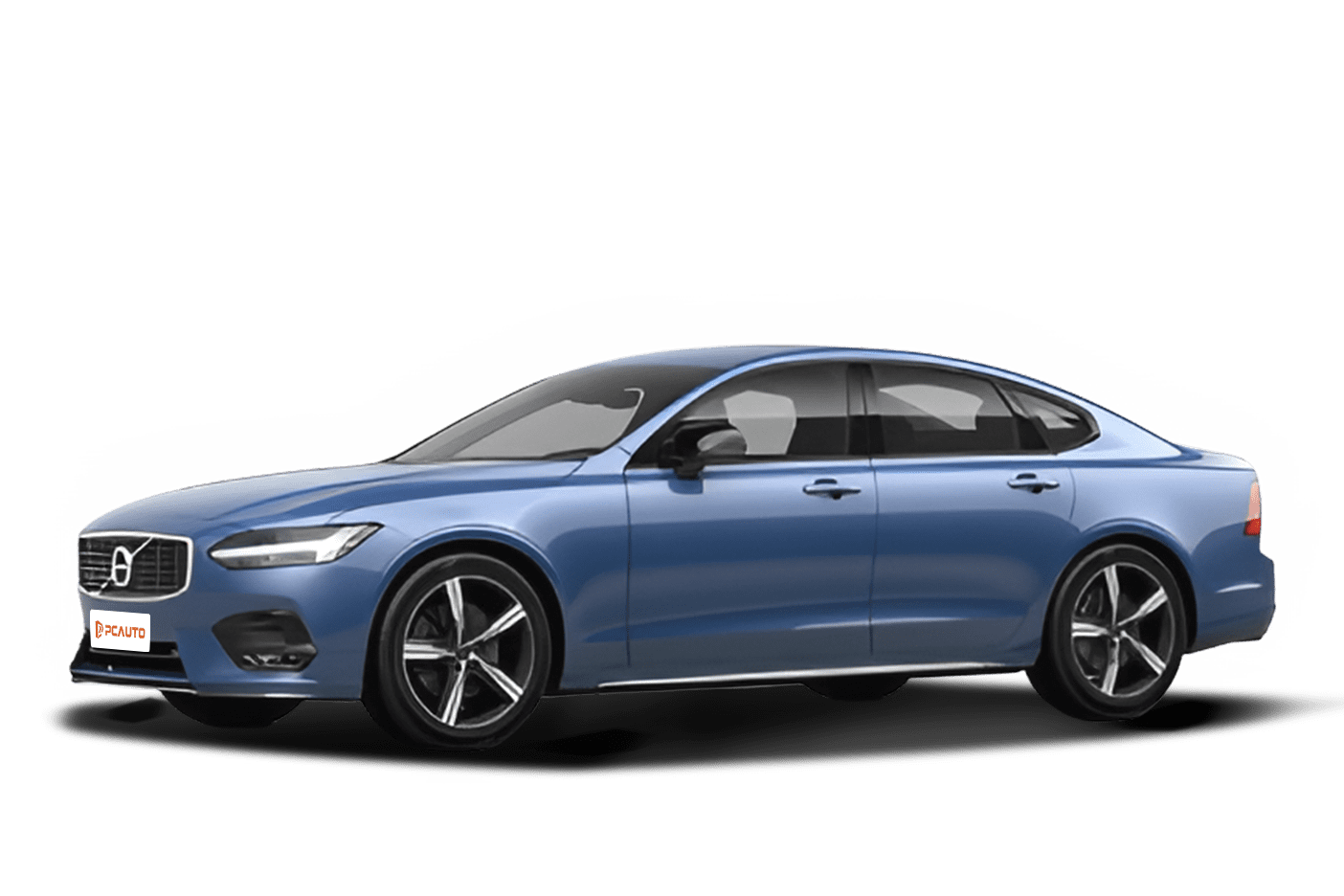
2021 Volvo S90 T5 Momentum is a mid-to-high-end sedan that combines safety DNA, family-friendly features, and executive-level comfort. It offers practical space, smooth power delivery, and is suitable for families and business users who value quality.

15
Rank in Sedan
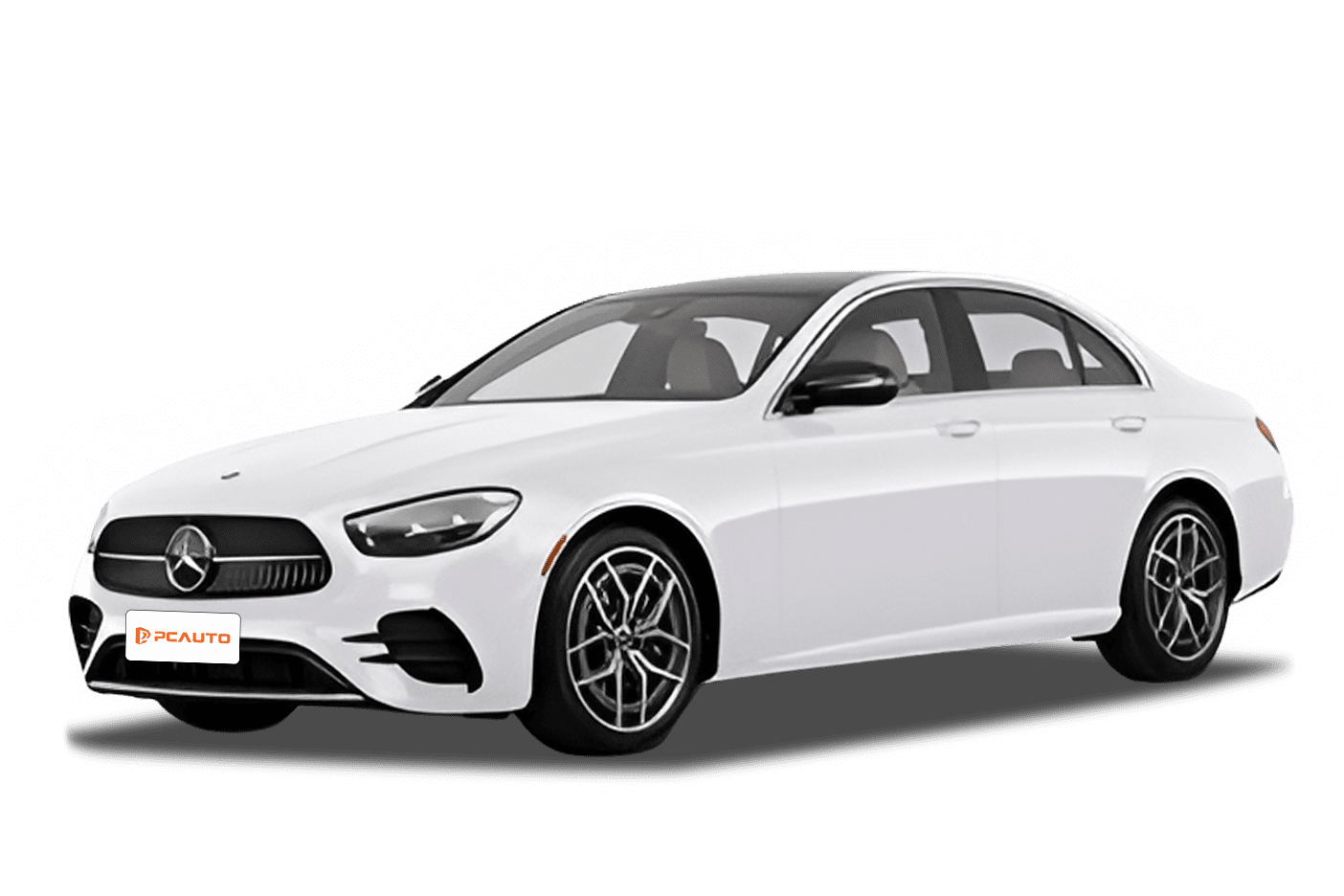
2024 Mercedes-Benz E-Class E200, as a luxury executive sedan, upgrades its mild-hybrid system to balance power and fuel efficiency, enhances intelligent configurations, offers practical space, and highlights a comfortable driving experience.