

BMW 5 Series 1983 Review

 Share
Share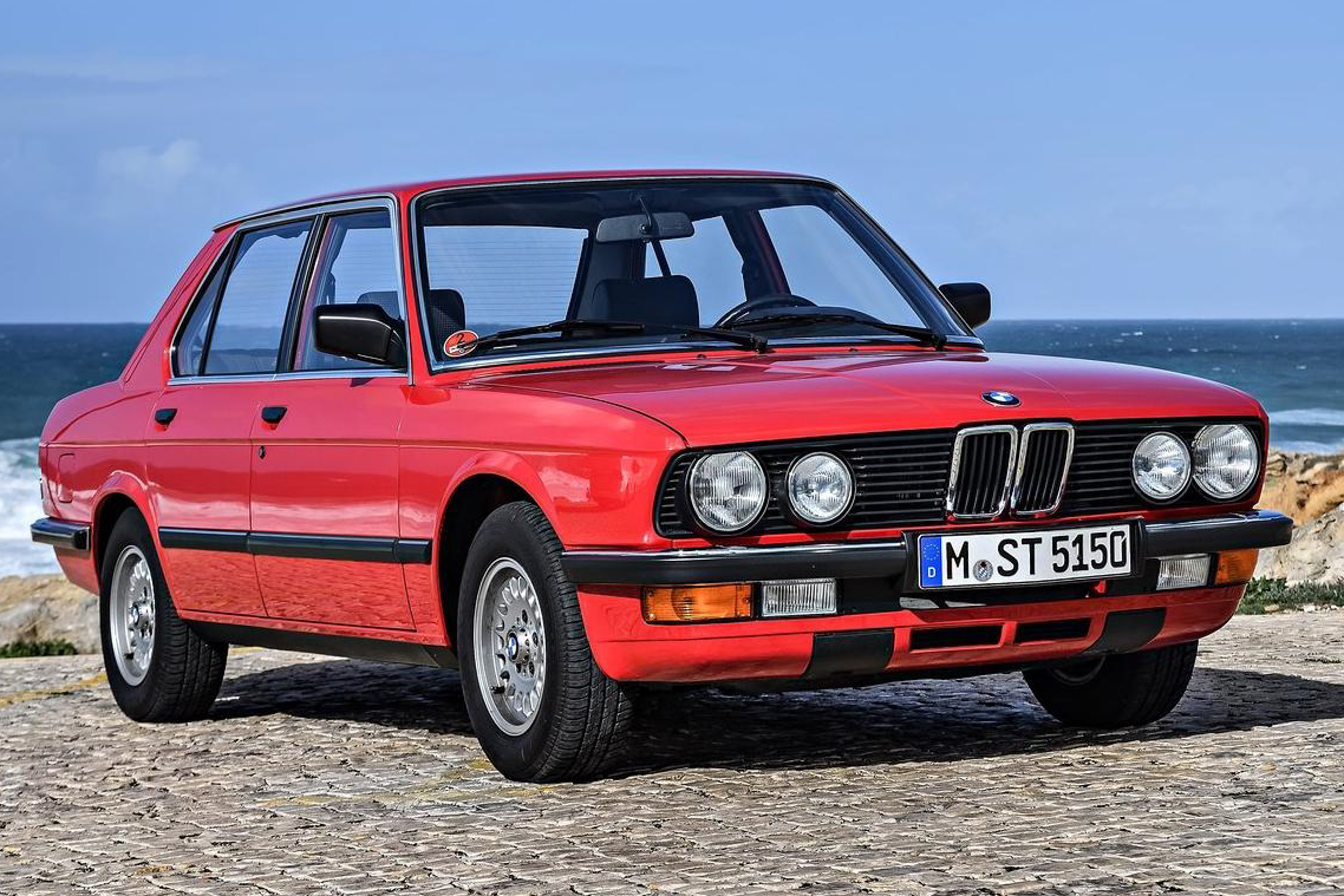
 Body Type
 Segment
 Capacity(L)
 Engine Power(PS)
 Engine Torque(Nm)
 Transmission
The premium sedan market in Southeast Asia in the early 1980s was still dominated by stable and reliable European and American import models. Consumers sought the prestige for business occasions as well as durability and drivability for everyday use. The 1983 BMW 5 Series (E28 generation), as a representative in this segment, was marketed for its core selling point of "a balance between sportiness and luxury"—retaining BMW's iconic sporty DNA while upgrading its interior to meet executive users' comfort requirements. This review will assess the classic model from three perspectives: static design, space practicality, and dynamic driving experience, to present its true performance from a contemporary viewpoint.
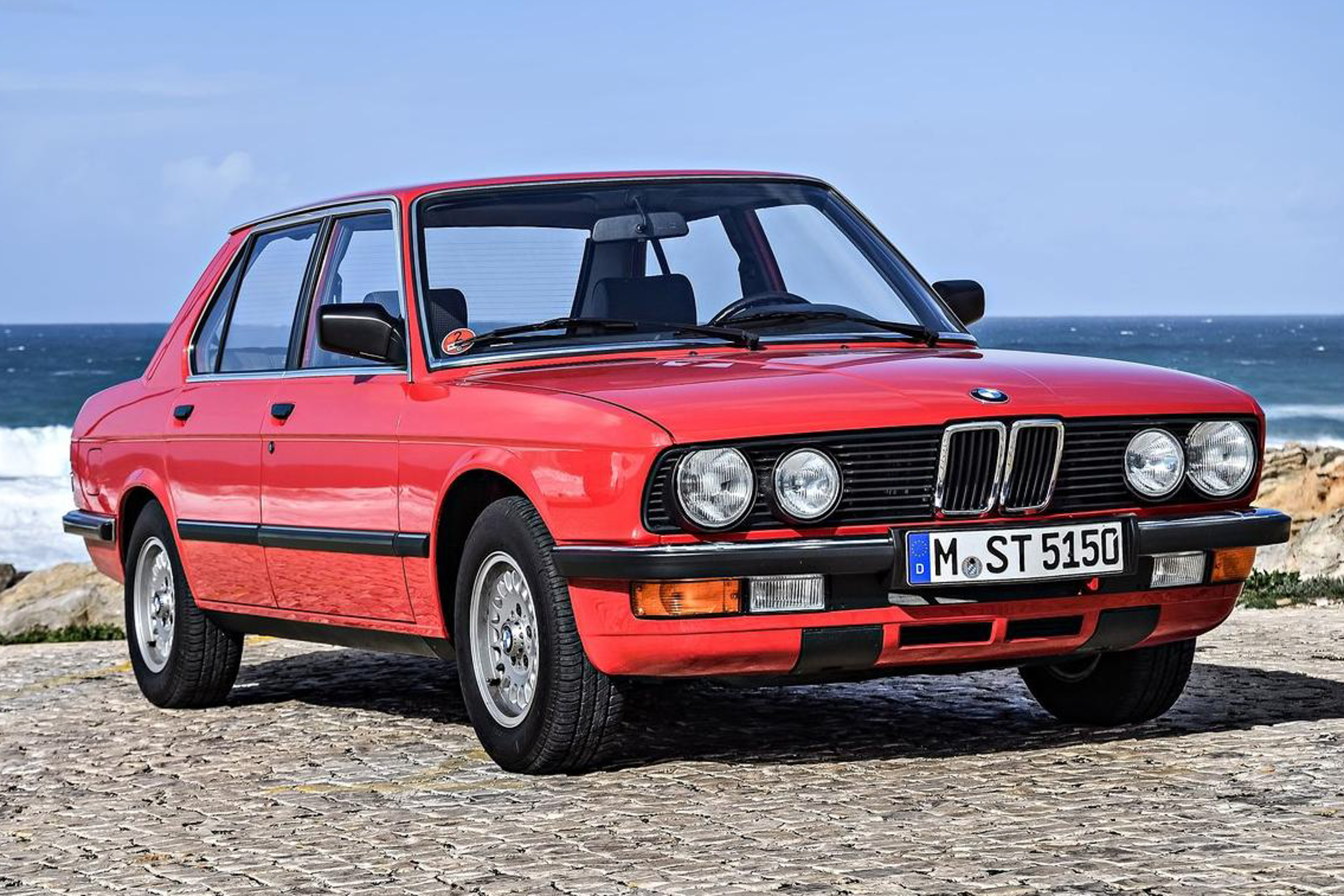
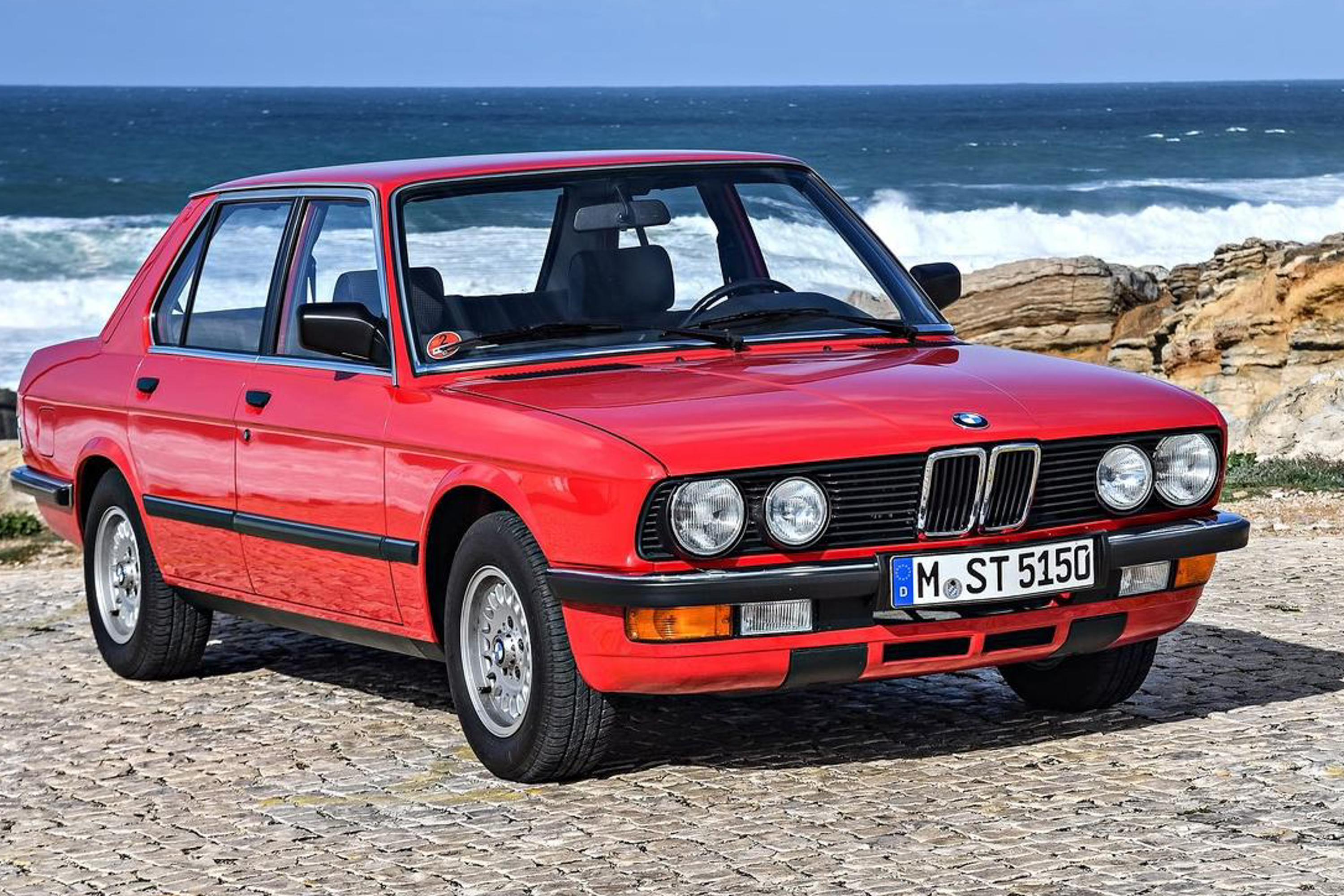
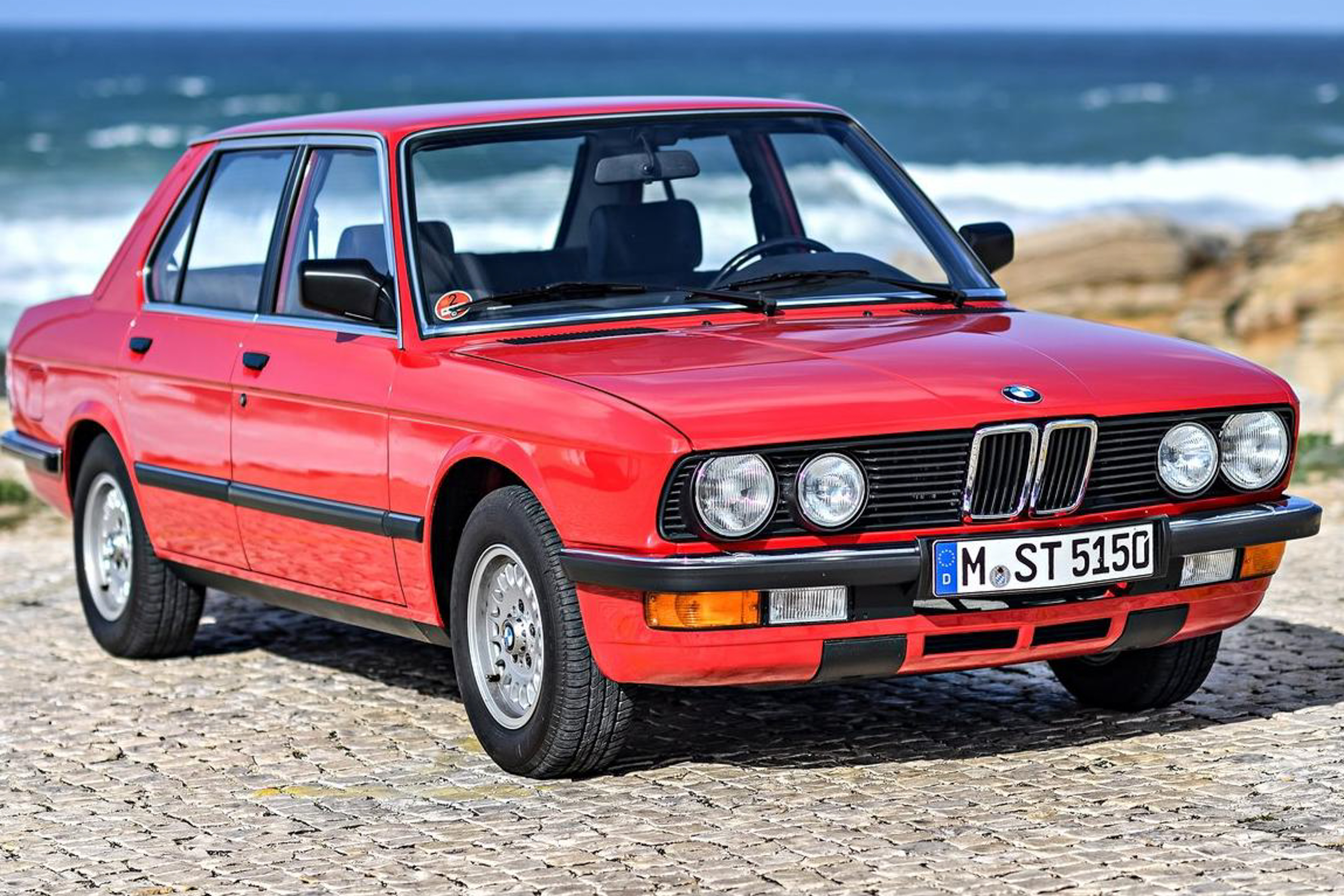
In terms of exterior design, the E28 generation 5 Series adopts BMW's family-styled "kidney grille" design of the time. The grille is proportionately sized, paired with rectangular halogen headlights on both sides, making the front face look simple yet powerful. The body side lines are smooth, with a character line running through from the front fender to the rear. The recessed design at the lower part of the doors enhances the sense of layers on the sides. The 14-inch steel wheels (with optional aluminum alloy wheels for some models) emphasize its dual-purpose appeal for both family and business use. At the rear, the vertically arranged taillight cluster echoes with the recessed lines of the trunk lid. The rear bumper is body-colored on some high-end trims. Overall, the design is understated yet highly recognizable, aligning with the low-profile style of executive sedans from the 1980s.
Inside the car, the interior primarily features dark-colored plastic and fabric seats (with optional leather for higher trims). The layout of the center console is driver-oriented, which was rather rare among executive sedans of the time, demonstrating BMW's emphasis on the driving experience. The instrument panel adopts a traditional mechanical needle design, including a tachometer, speedometer, fuel gauge, and water temperature gauge, ensuring readings are clear and intuitive. The central control area is equipped with a mechanical air conditioning control panel, a radio (with optional cassette player for some models), and manually adjustable seats (higher trims support lumbar support adjustment). Notably, the storage compartments on the inside of the doors and the cup holders beneath the center console are practical for storing small daily items.
In terms of space performance, the E28 generation 5 Series measures 4620mm×1720mm×1410mm, with a wheelbase of 2625mm. The front-row seating space is generous; when a 175cm tall person adjusts to a comfortable sitting position, there are still two fingers of headroom and ample legroom. The rear-row space is fairly average among 1980s executive sedans. For a person of the same height, there is around one fist of legroom behind the front seat and one finger of headroom, sufficient for daily commutes or short business trips, though it may feel slightly cramped on long journeys. The trunk capacity is approximately 460 liters, with a regular interior shape, capable of accommodating two 28-inch suitcases, offering good practicality.
Regarding the power system, the tested model is equipped with a 2.0L inline-six naturally aspirated engine (M20B20), delivering a maximum power of 125 horsepower and a maximum torque of 175 N·m. It is paired with a 5-speed manual transmission (some models offer a 4-speed automatic transmission option). During actual driving, the power output is gradual during the startup phase, with noticeable torque release when RPM reaches 3000. The acceleration process feels linear, and the 0-100km/h acceleration time is approximately 11 seconds, which was considered above average for an executive sedan in 1983. While overtaking, shifting down to third gear and revving above 4000rpm provides responsive power, easily accomplishing overtaking maneuvers.
The handling and chassis performance are the highlights of the E28 generation 5 Series. The steering wheel adopts mechanical hydraulic power assistance, providing a heavy steering feel but precise pointing, with clear feedback on road conditions, enabling the driver to accurately sense the wheel's path. The chassis features front MacPherson strut independent suspension and rear semi-trailing arm independent suspension (later models switched to multi-link suspension). The suspension is tuned to be firm, resulting in direct vibrations when dealing with bumpy roads, but it offers good support when cornering. Body roll is well-controlled, and the stability during cornering is impressive. Even at a speed of 60km/h through consecutive curves, the body posture remains steady, reflecting BMW's positioning as the "Ultimate Driving Machine."
In specific performance tests, fuel economy is average, with a combined road condition fuel consumption of about 10-12L/100km (manual transmission models), and it can drop to 8-9L/100km under highway conditions, aligning with the standard of the era for 2.0L inline-six engines. In terms of braking performance, the front disc and rear drum braking system (some high-end models came with front and rear disc brakes) responds promptly with a linear braking process. The braking distance from 100km/h to 0 is about 45 meters, which was typical in the 1980s.
Regarding driving comfort, the fabric seats offer decent support but lack sufficient body contouring, making the lower back prone to fatigue during long drives. The interior noise control is average, with noticeable engine and wind noise once the speed exceeds 80km/h, a common phenomenon for traditional fuel cars of that era. Additionally, the manual transmission features clear gear engagement, with a moderately short shift travel, but the heavy clutch pedal may cause driver fatigue during extended periods of driving.
In summary, the 1983 BMW 5 Series (E28 generation) has a core advantage of "balancing sportiness and practicality"—it combines BMW’s signature handling performance with the space and comfort required of executive sedans. Compared with peer models like the Mercedes E-Class (W123 generation), the E28 stands out for its superior handling, although it's slightly inferior in luxury and comfort. Compared to the Toyota Crown, it boasts a higher brand premium and more prominent handling genes. This model is suitable for two types of users: first, middle-aged business users who value the driving experience and need a car that meets both daily commuting and weekend driving pleasure; second, classic car enthusiasts, as the E28 generation 5 Series holds significant collectible value due to its mechanical feel and design style that mark it as a classic in BMW's history.
All in all, the 1983 BMW 5 Series (E28 generation) is a "well-rounded" classic executive sedan with no significant shortcomings, achieving top-tier balance in handling and practicality of its time. For users seeking "a balance between driving pleasure and daily practicality," this model still has its unique appeal.
More BMW Reviews
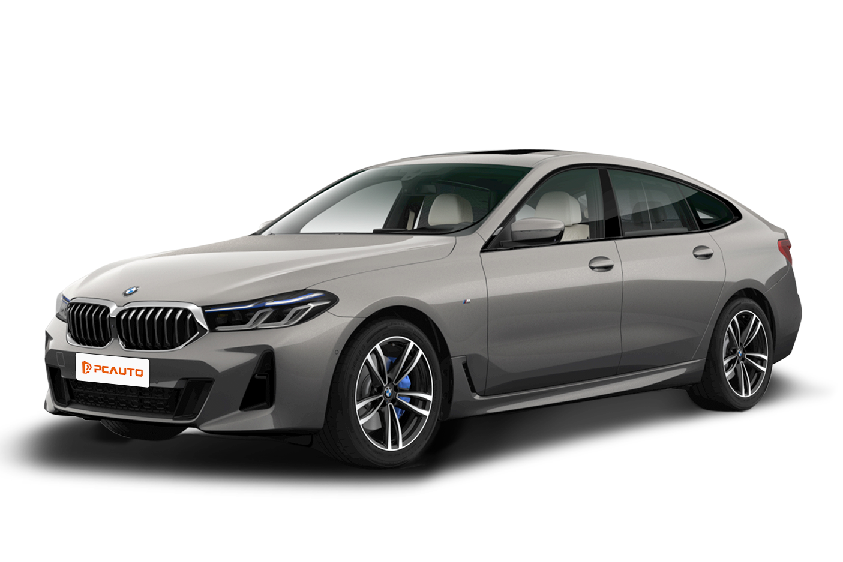
Cars With Similar Price And Features
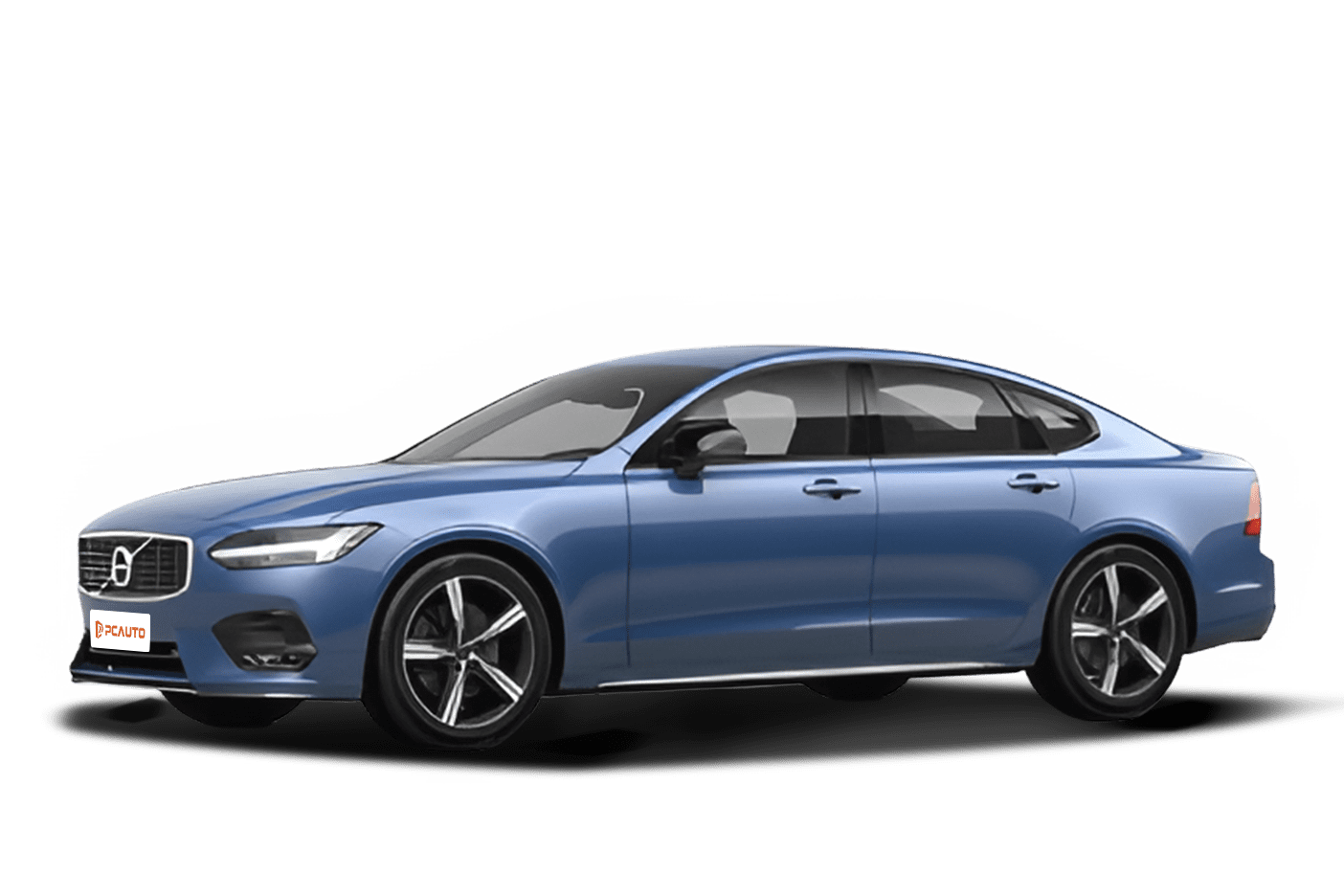
2021 Volvo S90 T5 Momentum is a mid-to-high-end sedan that combines safety DNA, family-friendly features, and executive-level comfort. It offers practical space, smooth power delivery, and is suitable for families and business users who value quality.

15
Rank in Sedan
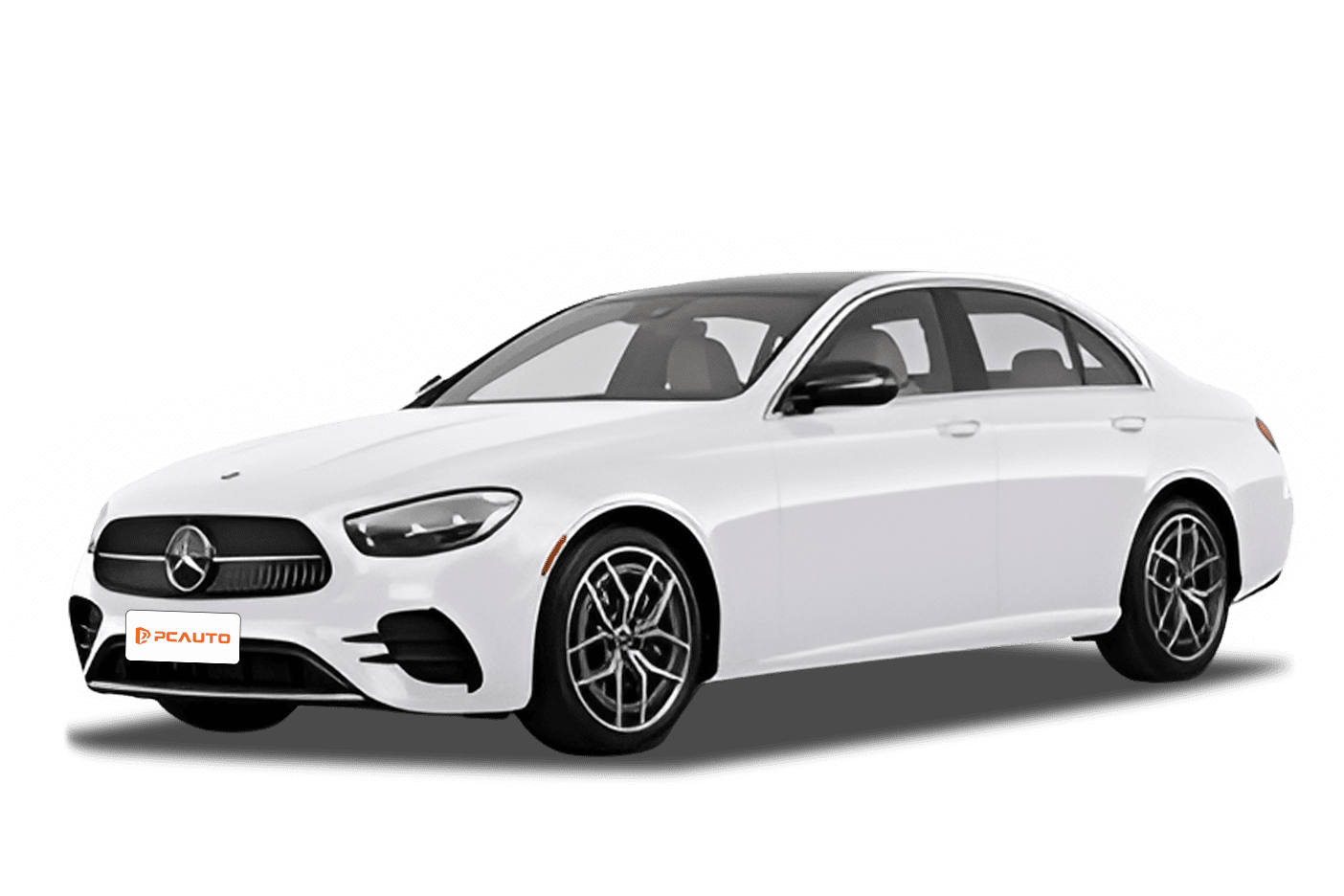
2024 Mercedes-Benz E-Class E200, as a luxury executive sedan, upgrades its mild-hybrid system to balance power and fuel efficiency, enhances intelligent configurations, offers practical space, and highlights a comfortable driving experience.