

BMW 5 Series 1992 Review

 Share
Share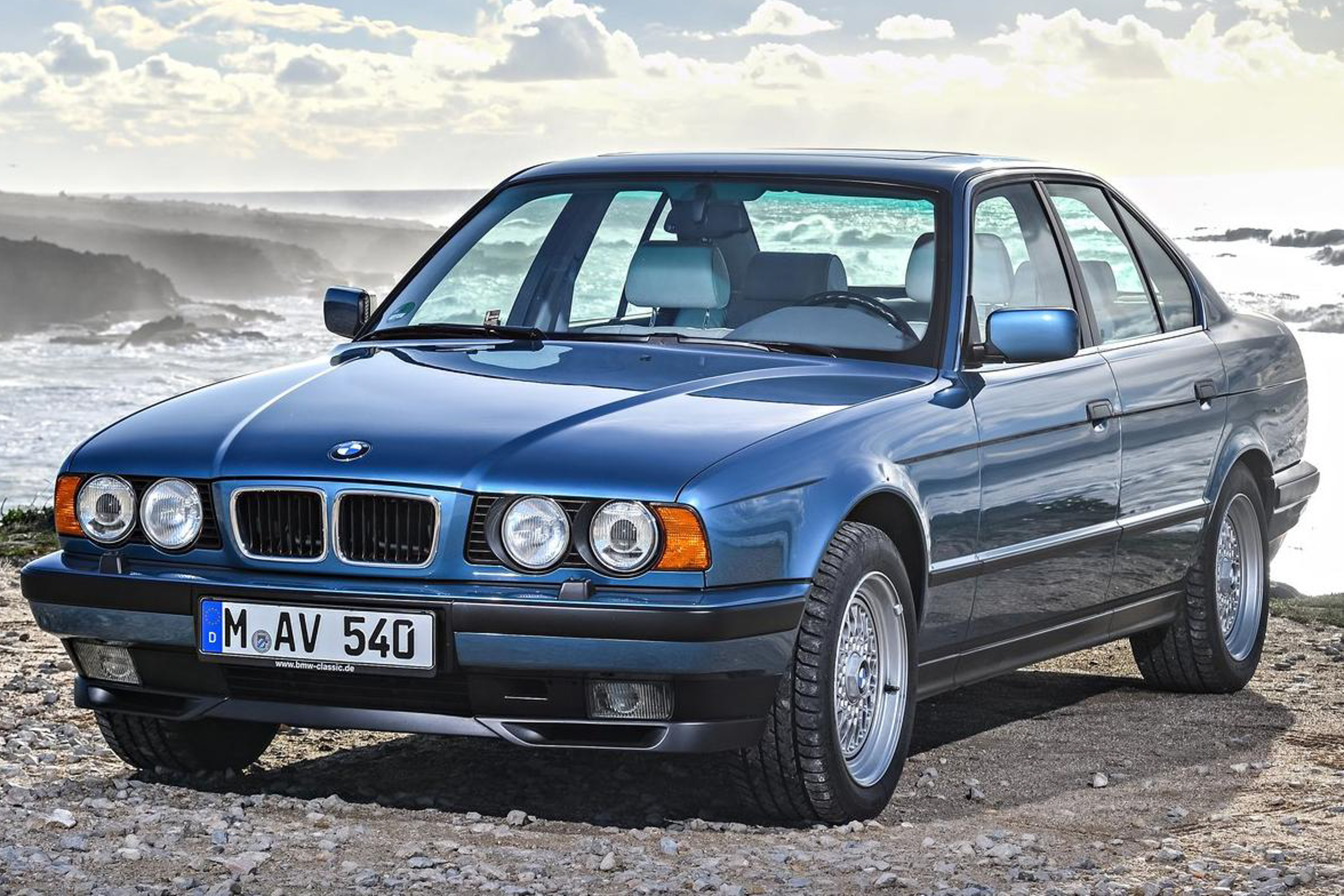
 Body Type
 Segment
 Capacity(L)
 Engine Power(PS)
 Engine Torque(Nm)
 Transmission
In the early 1990s, the German brands gradually carved out a niche in Malaysia's luxury midsize sedan market with their solid mechanical qualities, and the 1992 BMW 5 Series (E34 generation) was a representative model of this era. As BMW's core model at the time, it not only continued the brand's pursuit of driving pleasure but also enhanced the balance of luxury and practicality, which still makes it a favorite among classic car enthusiasts. In this review, we will focus on the static design, space performance, and dynamic driving experience of the 1992 5 Series to see if this classic model can stand the test of time.
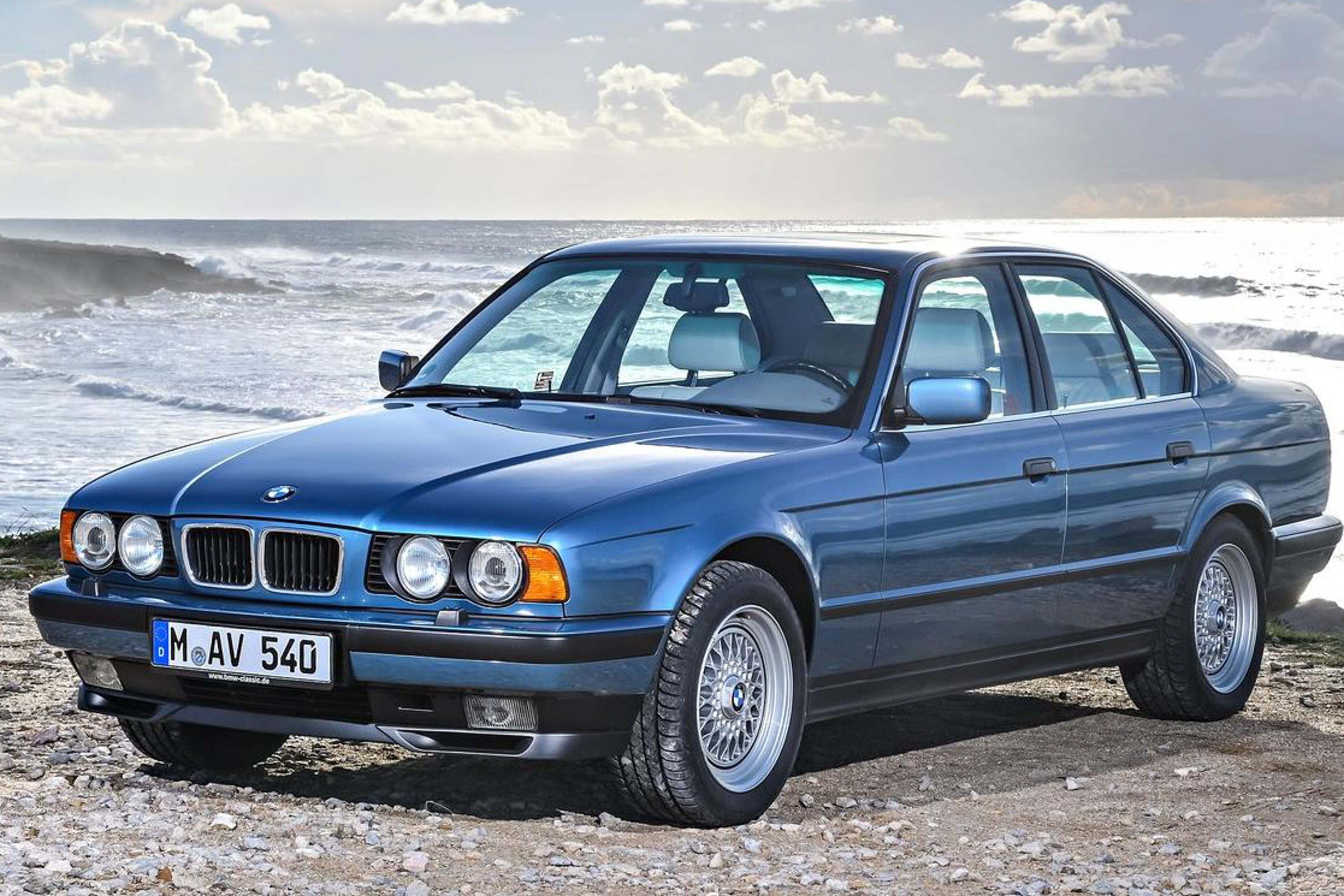
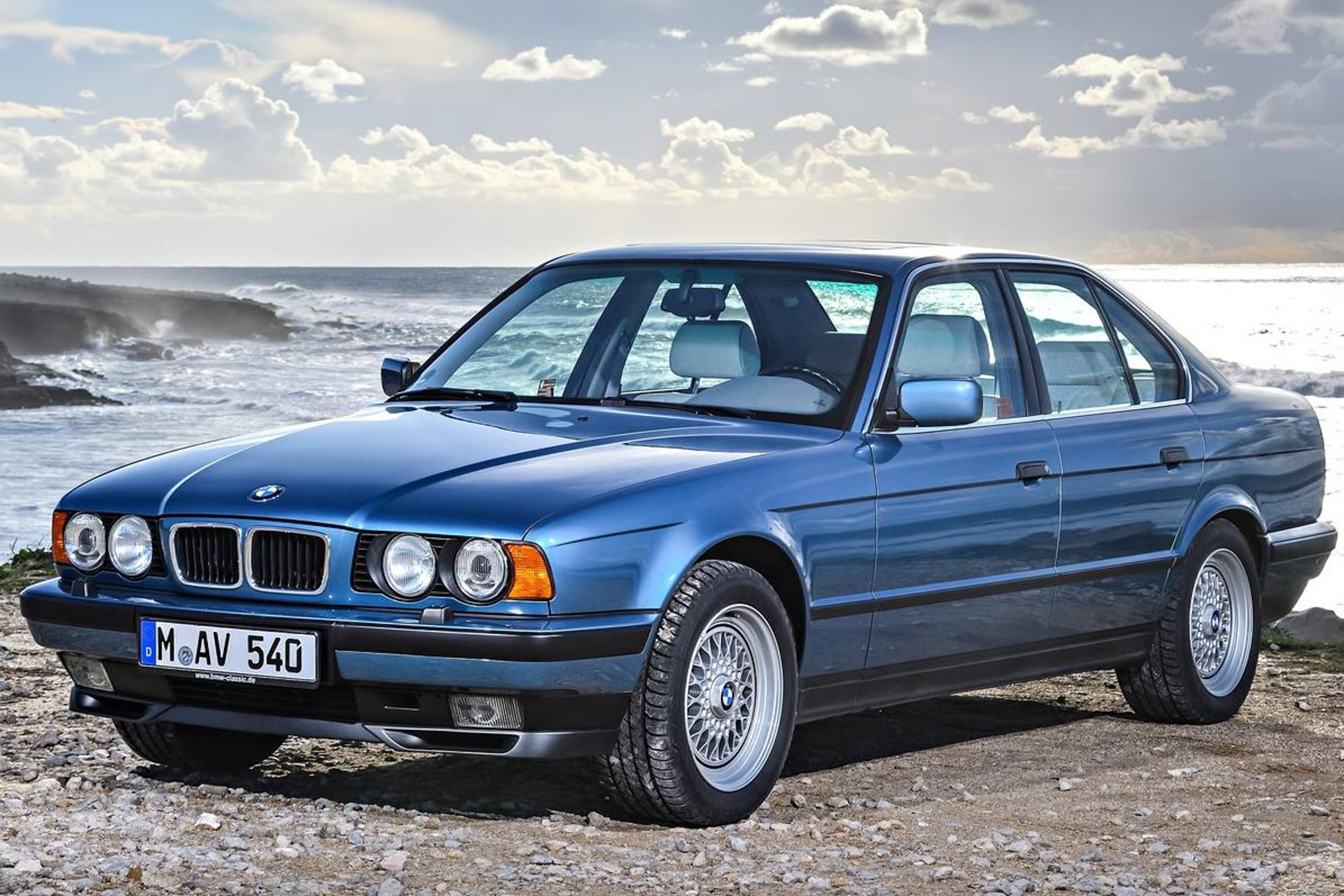
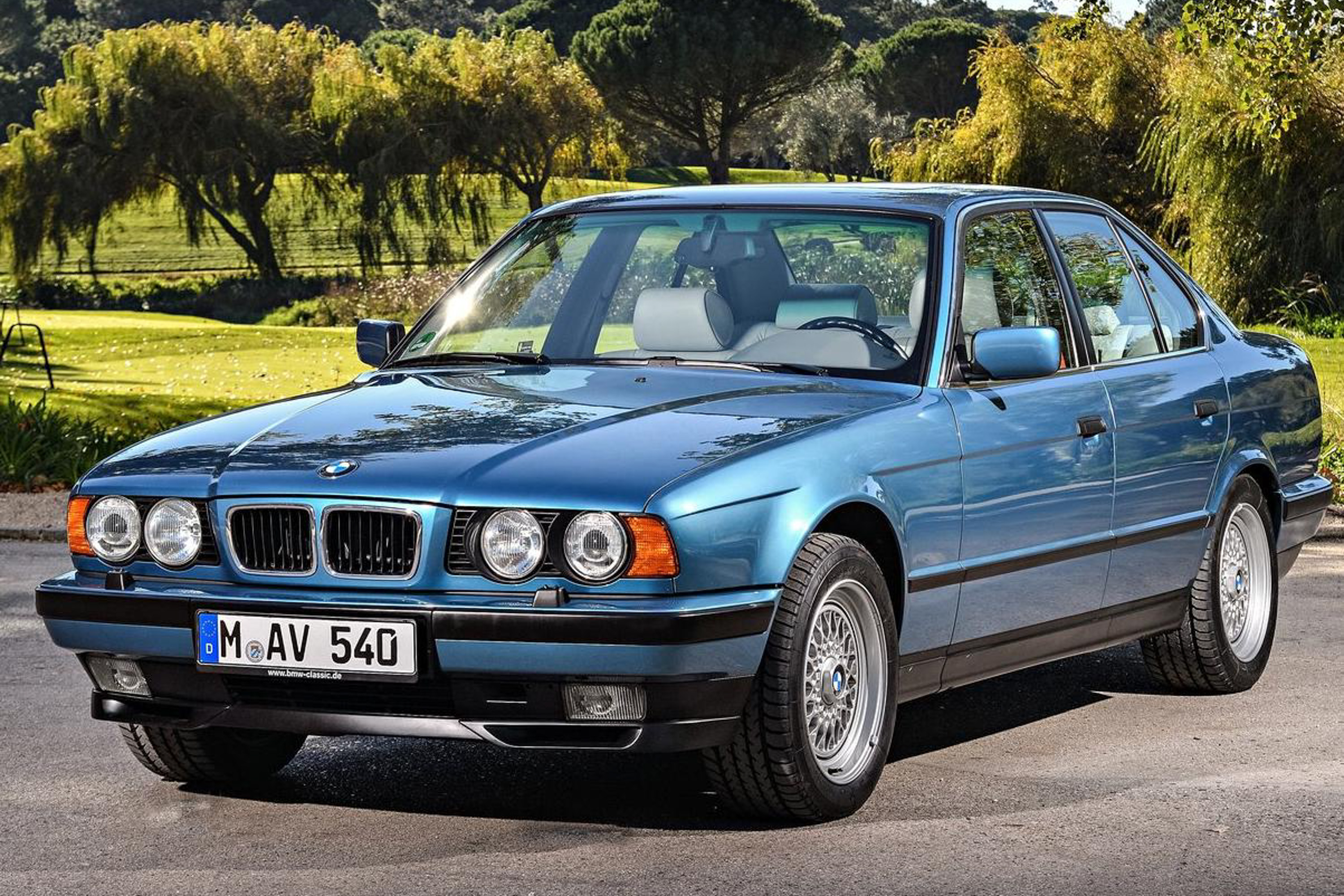
In terms of appearance, the 1992 5 Series maintains the boxy silhouette of the E34 generation, a design typical in 1990s luxury cars, which makes it look both solid and sporty. The front end features BMW's iconic kidney grille, which is slightly larger compared to the previous generation, paired with rectangular headlight units on both sides, giving it high recognition. Two contour lines on the hood extend from the grille to the A-pillars, enhancing the car's front-end muscularity. The body side profile is sleek, with a waistline extending from the front fender to the rear, matched with 15-inch multi-spoke alloy wheels (16-inch wheels optional on select models), presenting well-balanced proportions. The rear design is simple, with rectangular taillights seamlessly integrated into the body, and a BMW round logo centrally placed on the trunk lid without unnecessary embellishments, creating a low-profile yet refined style. As for the lighting system, the headlights are halogen, which, though lacking modern LED or xenon technology, provided excellent illumination at the time. The turn signals and brake lights are also halogen, demonstrating good durability.
For the interior, the 1992 5 Series adopts a "driver-focused" layout, a design concept that BMW continues to use to this day. The center console leans approximately 15 degrees toward the driver, with the frequently used buttons and knobs conveniently within the driver's reach, ensuring easy operation. The interior materials predominantly include genuine leather, soft plastics, and wood trim (for mid-to-high trims). The steering wheel is wrapped in leather with a three-spoke design, offering a solid and comfortable grip. The central dashboard is equipped with mechanical analog gauges, including a tachometer, speedometer, fuel gauge, and water temperature gauge, providing clear and intuitive information. At the top of the central console, there is a small monochrome display showing basic information such as radio frequency and time, with the air conditioning control area located below, combining knobs and buttons for easy and straightforward adjustments to temperature and airflow. For the seats, the front seats are manually adjustable (electronic adjustment available in higher trims), and the genuine leather material provides good support and comfort, making long journeys less tiring. The rear seats offer an appropriate backrest angle, and the headroom and legroom are spacious enough for a passenger of up to 175cm, although the slightly raised middle floor might affect short trips for a middle seat occupant. Regarding storage space, the front central armrest box has ample capacity to hold small items like phones and wallets, the door storage pockets can fit bottled water, and the trunk offers a standard capacity of around 500 liters, which is adequate for daily use or short-distance trips.
For the powertrain, the 1992 5 Series offers multiple engine options, with the 520i (2.0L inline-six natural aspirated) and 525i (2.5L inline-six natural aspirated) being common models in the Malaysian market. Taking the 525i as an example, its engine delivers a maximum power output of 112kW (152 horsepower) and a peak torque of 222Nm, paired with a 5-speed manual or 4-speed automatic transmission. During real-world driving, the power output is smooth at the start, and upon pressing the accelerator, the engine begins to show decent performance above 3000rpm. It responds quickly during mid-range acceleration for overtaking, without noticeable lag. As for driving modes, while it lacks the multiple modes seen in modern vehicles, the transmission offers clear shift logic, and the manual transmission models provide a reasonable shift stroke with a light clutch pedal, offering a good handling feel.
The handling and chassis performance are among the highlights of the 1992 5 Series. It uses a combination of front MacPherson independent suspension and rear multi-link independent suspension, with a chassis tuned toward sportiness while also considering comfort. The steering wheel provides precise handling with minimal dead zone, and you can clearly feel the road feedback when turning. This "man-machine integration" driving experience was uncommon in luxury cars of that era. When dealing with bumpy roads, the suspension system effectively filters out small vibrations, and there is no noticeable residual shaking of the body after passing over speed bumps or potholes, with comfort exceeding expectations. When driving through curves, the body roll is well-controlled, and the tires provide sufficient grip. Even at higher speeds, the car maintains a stable posture while cornering.
In terms of performance testing, we took the 525i manual transmission model as an example, achieving a 0-100 km/h acceleration time of about 9.7 seconds and a top speed of 210 km/h. Such performance was considered above average for a 2.5L luxury car in the early '90s. Regarding fuel consumption, the combined fuel consumption under mixed road conditions is about 10-12 liters per 100 kilometers, and in congested urban roads, it may rise to around 14 liters. For a six-cylinder engine, this level of fuel consumption was acceptable at the time. As for braking performance, the front ventilated disc and rear solid disc brake system respond quickly, with short braking distances, and there is no noticeable brake fade even during continuous braking.
In terms of driving comfort, the performance of the 1992 5 Series is commendable. Cabin noise control is excellent—at speeds below 80 km/h, wind and tire noise are relatively minimal, with only a slight but pleasant engine sound entering the cabin under high RPM. The seats' comfort has been mentioned earlier, and the rear row is equipped with independent air conditioning vents (in mid- and high-trim models) to cater to the needs of rear passengers. Notably, the chassis insulation for this car was superior to other models in the same class at the time, so even when driving on rough roads, no significant external noise penetrates into the cabin.
In summary, the core strength of the 1992 BMW 5 Series lies in its balanced product qualities: the classic and squared-off exterior design, driver-focused interior layout, decent space performance, and the unmistakable "BMW driving experience." Compared to the Mercedes E-Class (W124) of the same era, it stands out in driving pleasure; compared to the Audi 100, it offers better luxury and brand influence. This vehicle suits two types of people: classic car enthusiasts who appreciate its historical significance and mechanical texture, and practical family users seeking driving pleasure. Even as an older car, its space and durability are still sufficient for daily use.
If you're a consumer who appreciates classic cars, values driving experience, and doesn't mind the maintenance costs associated with older vehicles, the 1992 BMW 5 Series is definitely worth considering—it is more than just a means of transportation; it's a symbol of automotive history.
More BMW Reviews
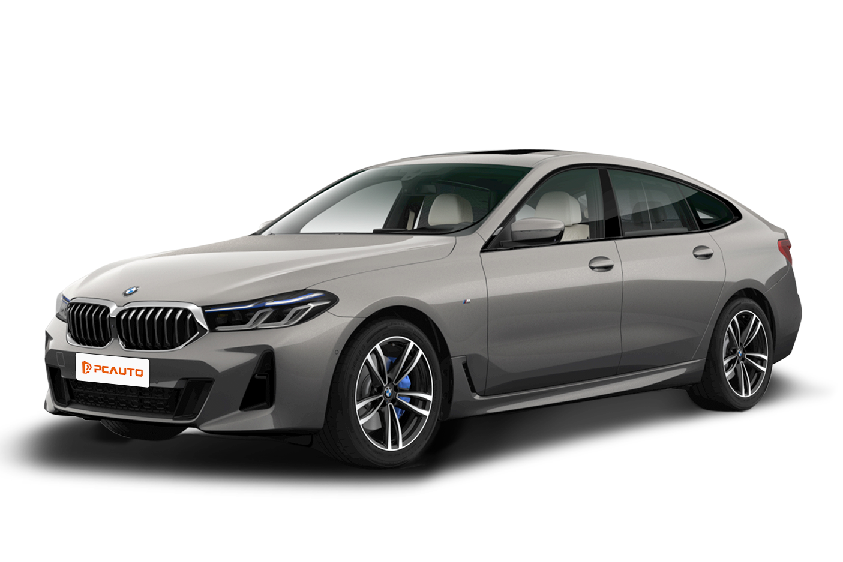
Cars With Similar Price And Features
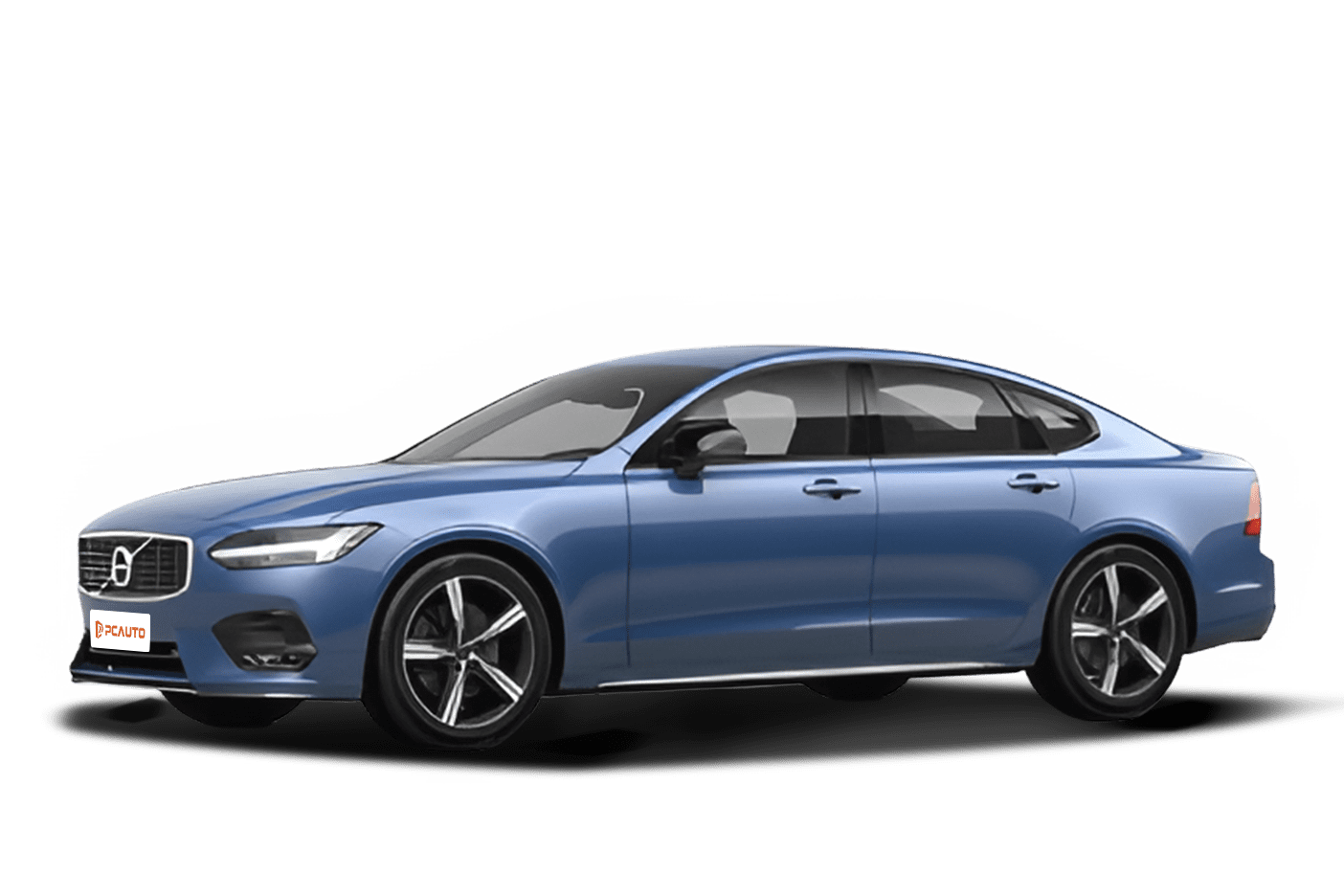
2021 Volvo S90 T5 Momentum is a mid-to-high-end sedan that combines safety DNA, family-friendly features, and executive-level comfort. It offers practical space, smooth power delivery, and is suitable for families and business users who value quality.

15
Rank in Sedan
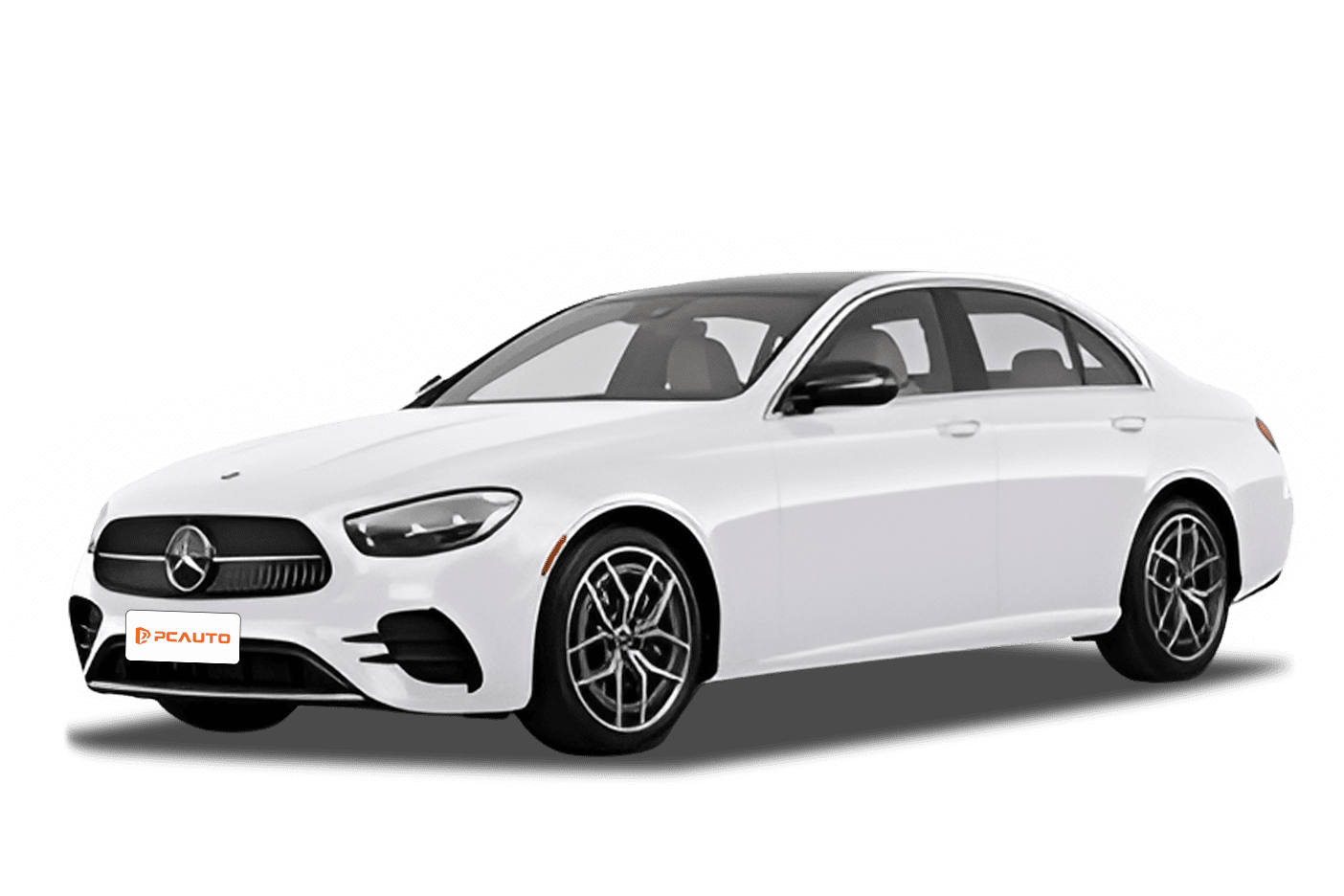
2024 Mercedes-Benz E-Class E200, as a luxury executive sedan, upgrades its mild-hybrid system to balance power and fuel efficiency, enhances intelligent configurations, offers practical space, and highlights a comfortable driving experience.