

BMW 5 Series 1996 Review

 Share
Share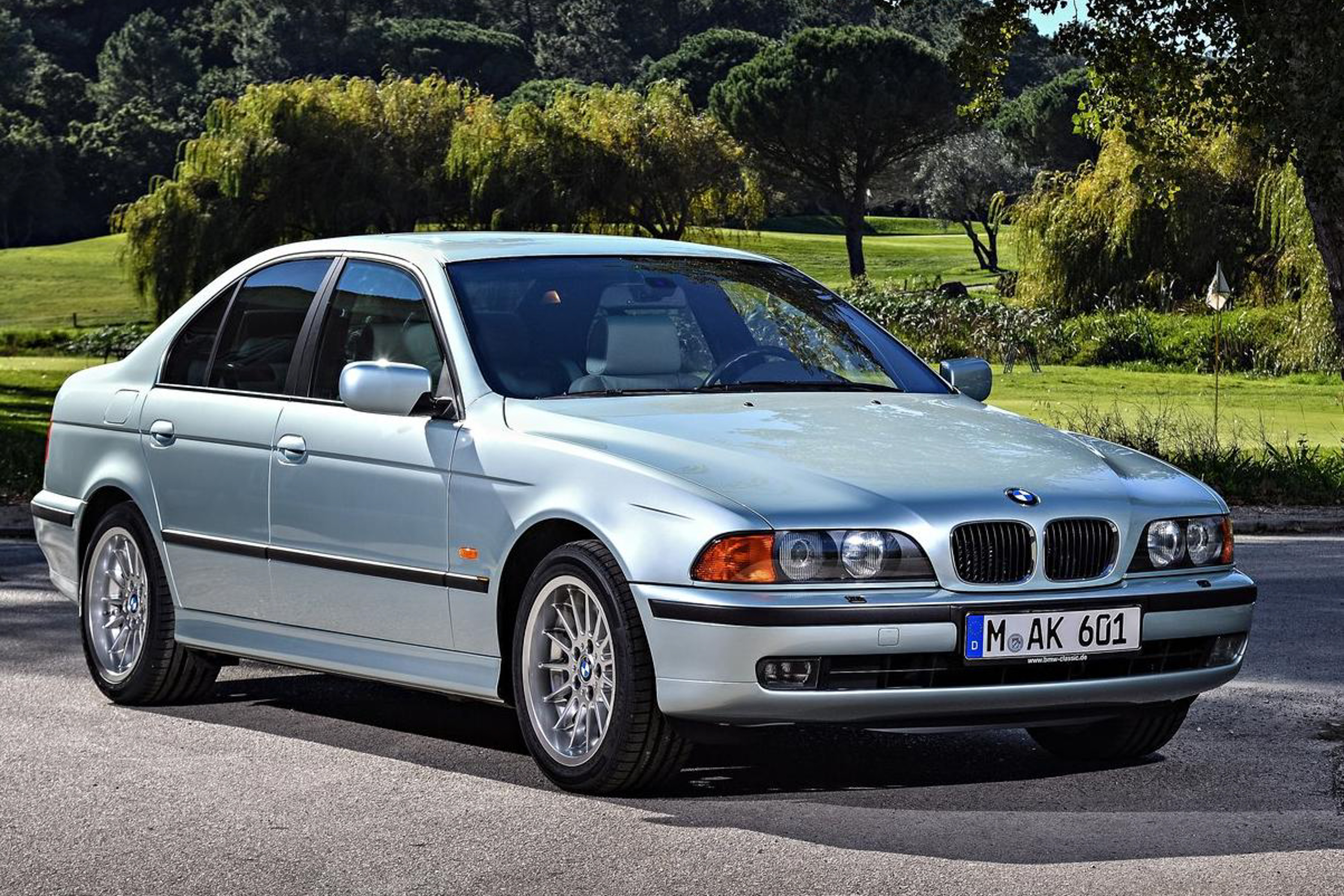
 Body Type
 Segment
 Capacity(L)
 Engine Power(PS)
 Engine Torque(Nm)
 Transmission
The mid-size luxury sedan market in Malaysia has always been a battleground for joint venture brands and imported cars. Consumers pay attention not only to practicality and space but also to the driving quality that the brand brings. As a cornerstone of the BMW brand at the time, the 1996 BMW 5 Series focused on the core appeal of "balancing sportiness and luxury," garnering expectations from many family users and business professionals. This time, we got our hands on the actual 5 Series public version to focus on testing its overall performance in daily commuting and family travel scenarios and see whether it meets the core needs of Malaysian users for mid-size luxury cars.
From the appearance perspective, the 1996 5 Series maintained BMW's classic executive-level sedan silhouette, with smooth yet understated overall lines. The front features the brand’s signature dual kidney grille, which is slightly larger than the previous generation, complemented by square halogen headlights on both sides, resulting in high recognizability. The two contour lines on the hood extend from the grille to the A-pillar, enhancing the strength of the front end. The side profile of the car is well-proportioned, with a waistline running from the front fender to the rear, paired with 15-inch multi-spoke aluminum alloy wheels, which contribute to a solid and steady visual stance. The rear design is simple, with horizontally aligned taillights blending effortlessly with the body-colored rear bumper. The exhaust features a dual-sided single outlet layout, adding a hint of sportiness to its executive-oriented positioning. Notably, the headlights support manual adjustment, and the taillights boast good recognizability when lit at night.
Stepping inside, you immediately notice the typical 1990s BMW interior design that primarily uses dark plastic and genuine leather materials, built with solid craftsmanship. The center console layout is driver-oriented, and the leather seats with eight-way manual adjustment offer moderate support and appropriately firm padding, ensuring long-term comfort during travel. The three-spoke leather-wrapped steering wheel has a comfortable grip and an appropriate thickness. The center control area is equipped with a single-disc CD player and manual air-conditioning system, with a well-organized layout of physical buttons, making operation very convenient. The inner door panels combine fabric and plastic, with storage slots that can hold two standard water bottles. Rear-seat space is average; a passenger with a height of 175 cm can have about two fist-widths of legroom and over one fist-width of headroom. The floor at the center is slightly raised but doesn’t affect short-distance seating comfort. The rear row is equipped with independent air conditioning vents and two cupholders, meeting the daily needs of families. The trunk has a capacity of 501 liters, with a regular opening shape. It can hold two 28-inch suitcases with space to spare, accommodating the storage needs for longer trips.
In terms of power, the 5 Series public version tested this time is equipped with a 2.5L inline six-cylinder naturally aspirated engine, delivering a maximum power output of 143 horsepower and peak torque of 220N·m, paired with a 4-speed automatic transmission. During daily driving, the engine provides smooth power delivery at low RPMs, and the vehicle doesn't feel sluggish when starting. When the speed exceeds 60 km/h, pressing the accelerator deeply unleashes noticeable power reserves, and the transmission downshifts actively during overtaking, with a linear acceleration process. The transmission’s shifting logic is clear, and shifts are almost imperceptible during normal driving. In sports mode, the shifting speed is slightly faster.
The handling performance aligns with BMW's consistent style: precise steering with minimal play. The steering effort is moderate at low speeds and slightly heavier at high speeds, providing ample confidence. The suspension system adopts a front MacPherson and rear multi-link structure, tuned for comfort while retaining some firmness. When passing speed bumps or uneven roads, the suspension effectively filters out most vibrations, and the body does not exhibit significant shaking. In corners, the suspension provides good control over body roll, resulting in stable cornering posture. The braking system responds promptly with a linear braking process, and the body posture remains well-maintained during emergency braking.
In the fuel consumption test, we drove 100km in mixed road conditions, with 60% in urban roads and 40% on highways, at an average speed of about 35km/h. The final indicated fuel consumption was 10.8L/100km. This result is average among vehicles with 2.5L displacement in the same segment and matches expectations. In terms of noise control, wind and tire noise are somewhat noticeable at high speeds but within an acceptable range. Engine noise becomes more apparent at high RPMs but remains quiet during regular cruising.
Overall, the core strengths of the 1996 BMW 5 Series public lie in its balanced performance in sportiness and luxury. The smoothness of its inline-six engine and BMW's handling tuning are its highlights, while its space and comfort can also meet the needs of family users. Compared to the Mercedes-Benz E-Class in the same category, its handling is more prominent; compared to the Audi A6, its brand positioning leans more towards sporty luxury. This car is suitable for users who value driving quality while also needing to cater to family travel. Whether for daily commuting or long-distance trips, it can provide a great experience. If you want a midsize luxury car that offers both brand prestige and practicality, the 1996 5 Series public is a worthwhile option to consider.
More BMW Reviews
Cars With Similar Price And Features
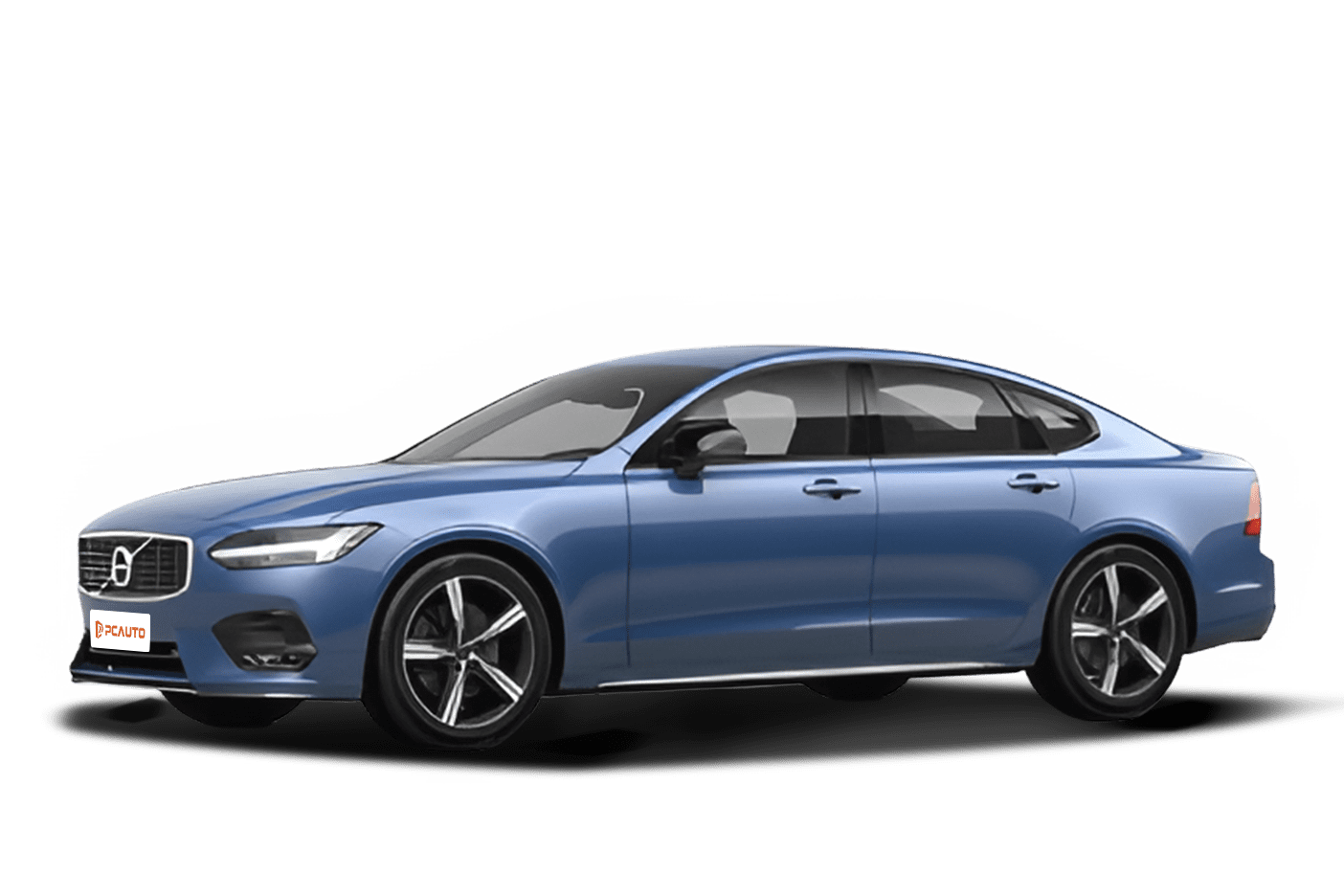
2021 Volvo S90 T5 Momentum is a mid-to-high-end sedan that combines safety DNA, family-friendly features, and executive-level comfort. It offers practical space, smooth power delivery, and is suitable for families and business users who value quality.

15
Rank in Sedan
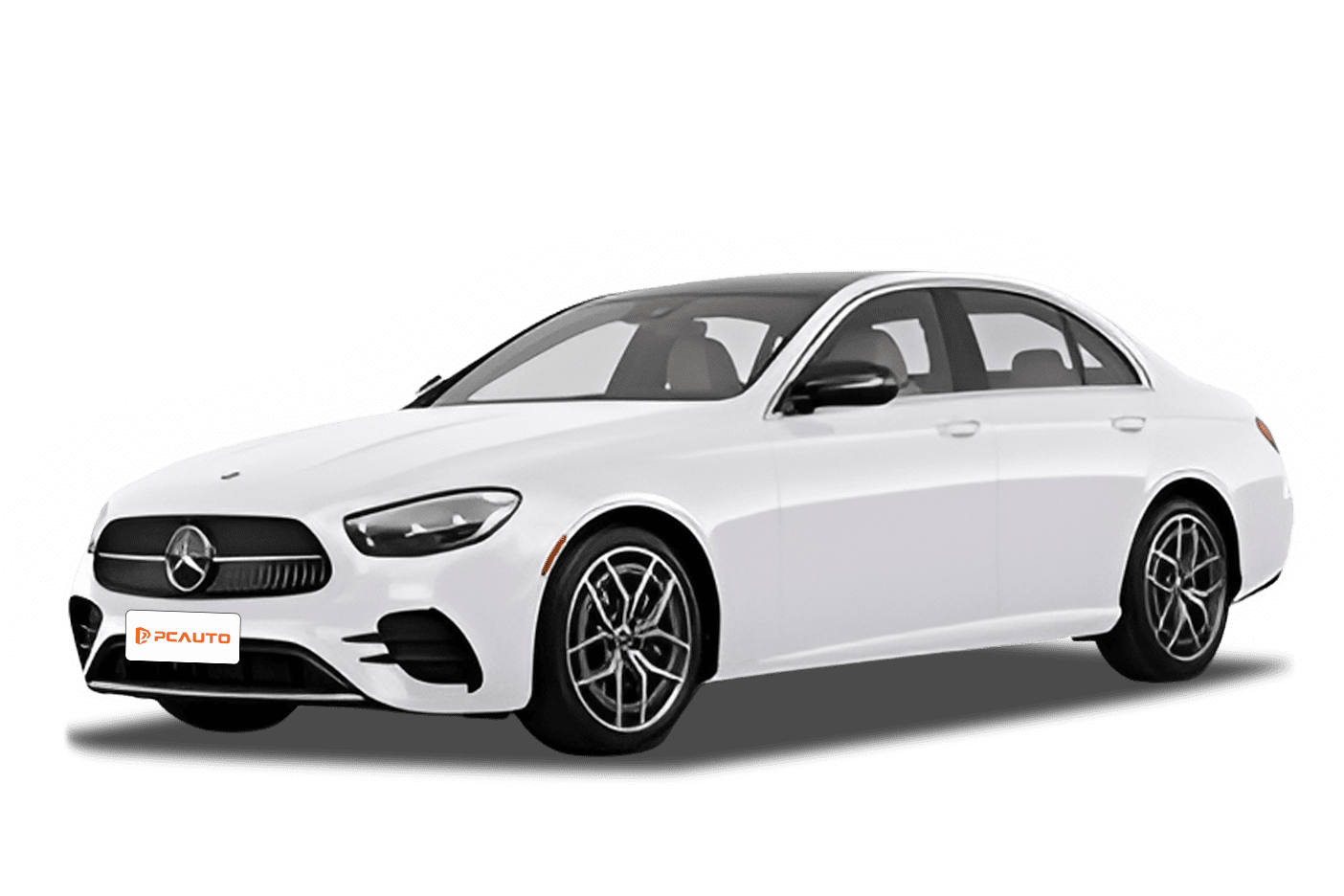
2024 Mercedes-Benz E-Class E200, as a luxury executive sedan, upgrades its mild-hybrid system to balance power and fuel efficiency, enhances intelligent configurations, offers practical space, and highlights a comfortable driving experience.