

BMW 5 Series 2001 Review

 Share
Share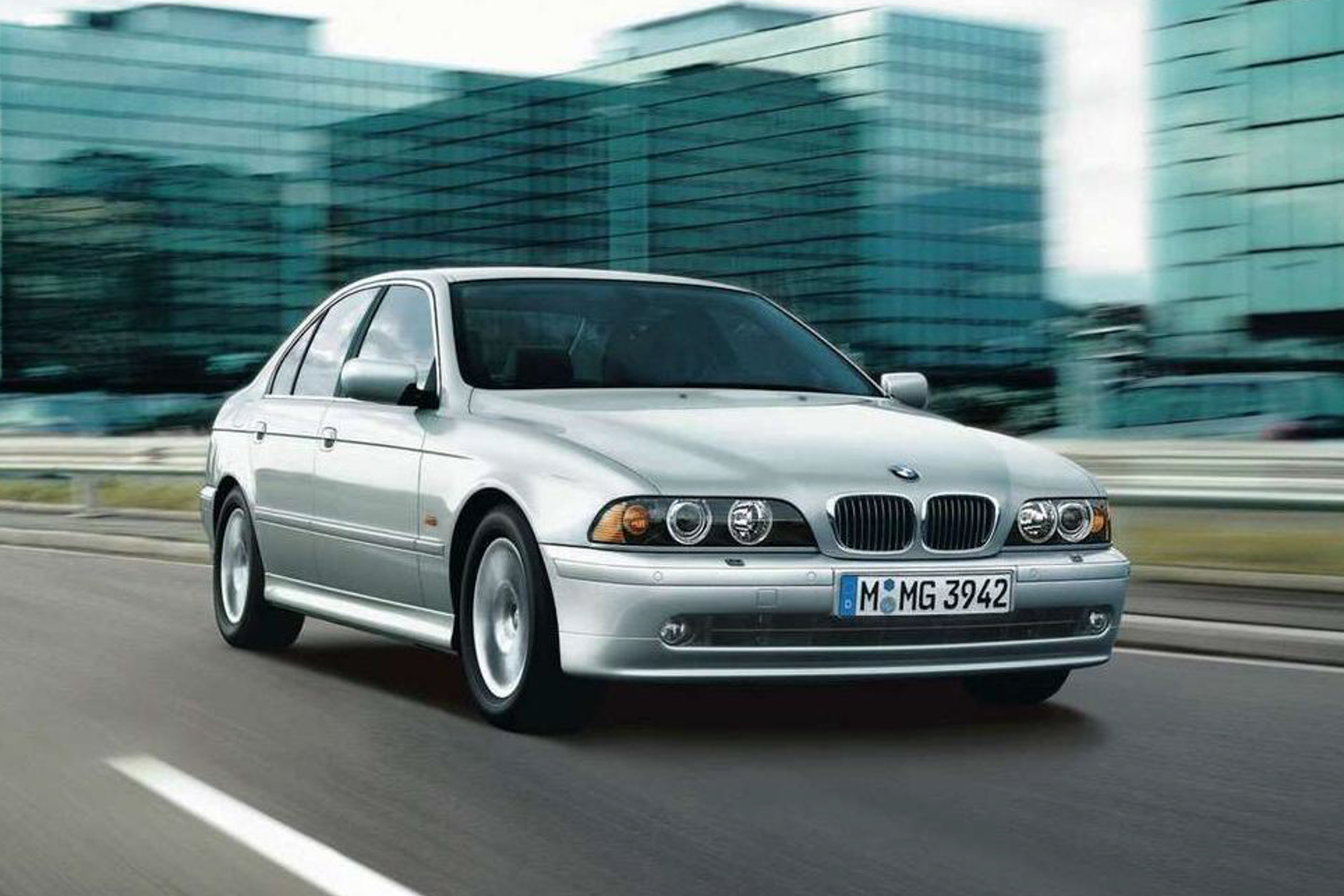
 Body Type
 Segment
 Capacity(L)
 Engine Power(PS)
 Engine Torque(Nm)
 Transmission
In 2001, the mid-size luxury sedan market was in the process of exploring a balance between "comfort and handling." Consumers wanted both the prestige of an executive car and the fun of driving—a traditional strength of the BMW 5 Series. As a mid-cycle facelift (Note: the 2001 model belongs to the later version of the E39 generation), the 2001 BMW 5 Series public version continues its classic design while optimizing its configurations and details. This time, we will comprehensively test whether it can still uphold the banner of the "sporty luxury benchmark," from static design to dynamic performance.
Starting with the exterior, the 2001 5 Series retains the iconic "kidney" grille design of the E39 generation, but the chrome trim around the grille is thicker than the earlier models, and the redesigned front bumper (with horizontal bars added to the lower air intake) appears more composed visually. The side profile still features the sleek "Hofmeister kink," with a waistline extending from the front fender to the taillights. The standard 16-inch multi-spoke aluminum alloy wheels on the public version not only maintain the elongated look of an executive sedan but also conceal a sporty undercurrent. The taillight cluster has been updated from a square to a more rounded shape, with red LED brake lights added inside for significantly improved nighttime recognition. A chrome trim strip has been added to the lower rear bumper, further enhancing the luxury feel. Overall, the exterior changes on the 2001 model are not radical, but the detailed upgrades make it both distinctive and stylish in the mid-size car market of the early 2000s.
Stepping inside, the "driver-oriented" interior design is immediately apparent: the center console is tilted about 7 degrees toward the driver, and all buttons are within arm's reach. The public version features a leather-wrapped multifunction steering wheel, with audio controls and telephone buttons (if the Bluetooth module is selected) integrated on the left side. The grip is solid and non-slip. At the top of the center console is a monochrome LCD screen (4.3 inches) that controls navigation, audio, and vehicle settings through the iDrive system (a simplified version of iDrive was first introduced in the later versions of the E39). Its operational logic is more streamlined compared to the physical buttons of earlier models. The front seats are leather and power-adjustable (eight directions, including lumbar support), providing good lateral support and remaining comfortable for long drives. The rear seats, while slightly firm, offer ample legroom; passengers standing 175cm tall will find about two fists of space between their knees and the front seats. In terms of storage, the central armrest box can hold two bottles of water, the door panel storage slots can accommodate three bottles of beverages, and the trunk offers a capacity of 501 liters, which can be expanded to 1,345 liters by folding down the rear seats. This is more than sufficient for family road trips with luggage.
In terms of powertrain, the 2001 5 Series public version we tested is equipped with a 2.5L inline-six naturally aspirated engine (code: M54B25), delivering a maximum output of 192 horsepower and a peak torque of 245N·m, paired with a 5-speed automatic transmission with manual mode. During daily driving, gear changes are smooth, acceleration from a standstill is linear, and the accelerator only needs to be pressed one-third of the way down to provide sufficient acceleration. Even at speeds of 80 km/h, stepping hard on the accelerator still offers significant forward thrust, making overtaking easy without the need to downshift in advance. When switching to sport mode, the transmission delays upshifts, keeps RPMs above 3,000, and delivers more responsive power. As for the chassis, it adopts front double-wishbone and rear multi-link independent suspension, with a tuning bias toward sportiness while maintaining comfort. When driving over speed bumps, the suspension quickly absorbs shocks, and the body exhibits no noticeable rebound. During high-speed cornering, body roll is well-controlled, and the steering is precise with almost no slack. In our fuel consumption test, driving 100km on urban roads (a mix of traffic and smooth sections), the average fuel consumption was 10.2L/100km; on highways (at speeds of 100-120km/h), the fuel consumption was approximately 7.8L/100km. These figures place the vehicle within the upper-middle range for models with a 2.5L six-cylinder engine.
In terms of ride comfort, the 2001 5 Series does a good job with noise insulation: at speeds below 60km/h, you can hardly hear the engine noise inside the car; at 120km/h, wind noise can be heard coming from the A-pillars, but it doesn't affect normal conversations. The seat breathability is average, making it a bit stuffy for long periods in the summer, but the seat heating function (standard on the public version) is quite practical during Malaysia's rainy season. It's worth mentioning that the public version comes standard with automatic dual-zone climate control, and there are independent air outlets for the rear seats, allowing the cabin temperature to be quickly adjusted and considering the comfort of rear-seat passengers.
In summary, the core advantages of the 2001 BMW 5 Series public version are clear: the driving pleasure brought by the classic rear-wheel-drive platform and the inline six-cylinder engine, the iDrive system introduced in the mid-life update that enhances a sense of technology, and the spacious interior and practical storage capabilities that meet family needs. Compared to competitors in the same class (such as the Mercedes-Benz E-Class W211 and Audi A6 C5), it stands out with better handling, while its luxurious features don't fall behind—for instance, the standard leather seats and dual-zone air conditioning offer more sincerity than the similarly priced Mercedes E240.
Who is this car suitable for? If you're a consumer who requires a sedan that can handle daily commutes and family trips while occasionally providing driving pleasure, the 2001 5 Series public version could be a good choice. It doesn't sacrifice handling for excessive comfort, nor does it compromise practicality for sportiness, making it a "well-rounded player." In general, the 2001 BMW 5 Series public version proves why the E39 generation has become a classic—it achieves an almost perfect balance between luxury, handling, and practicality.
More BMW Reviews
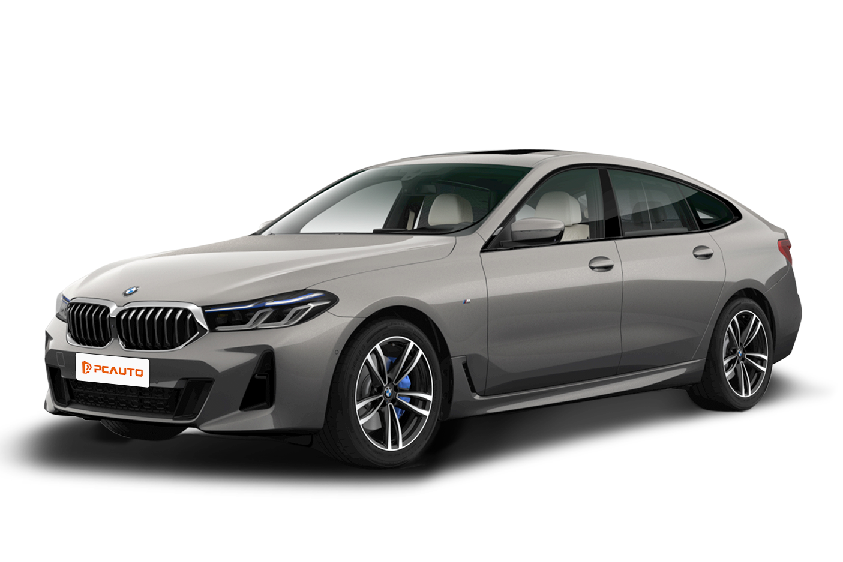
Cars With Similar Price And Features
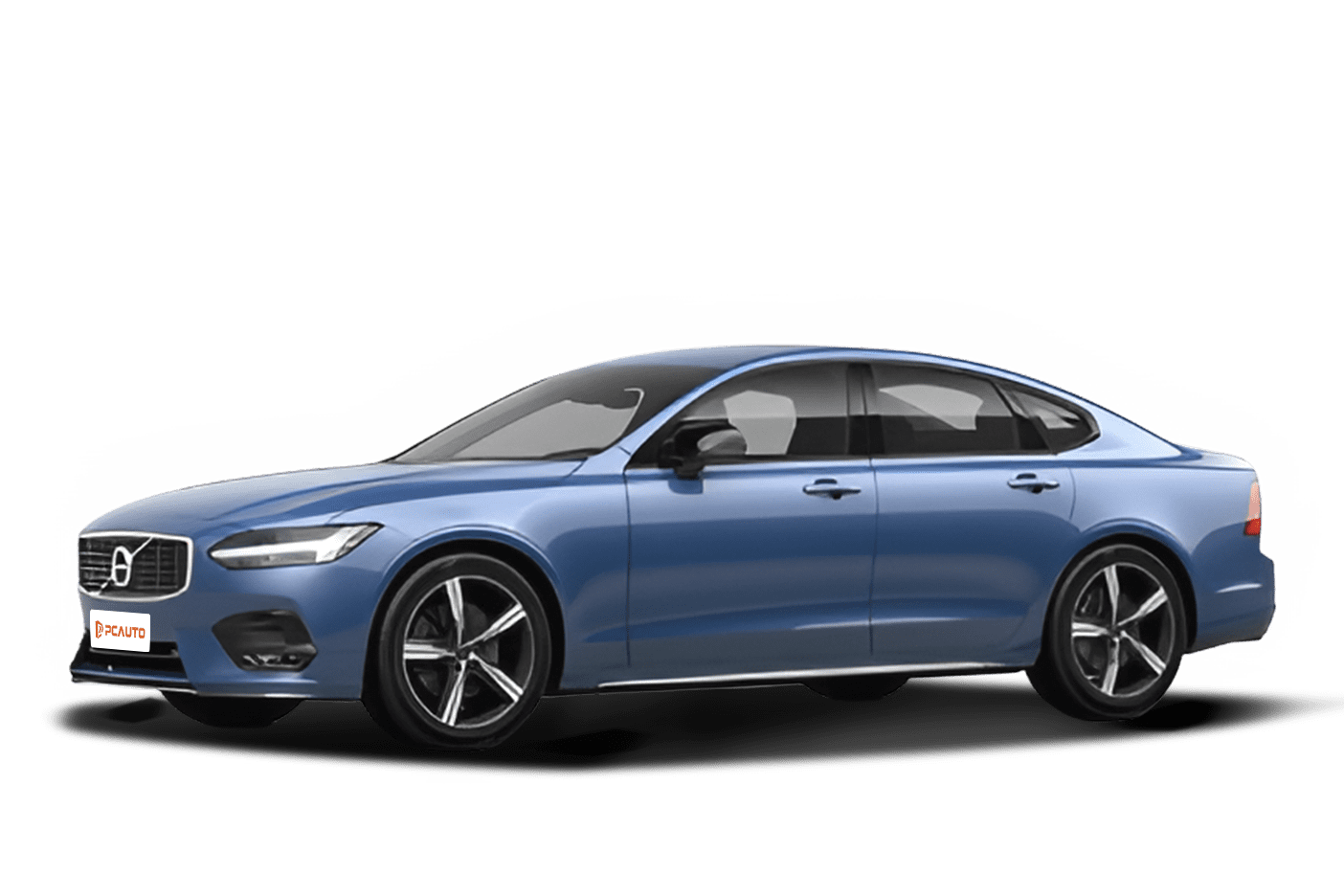
2021 Volvo S90 T5 Momentum is a mid-to-high-end sedan that combines safety DNA, family-friendly features, and executive-level comfort. It offers practical space, smooth power delivery, and is suitable for families and business users who value quality.

15
Rank in Sedan
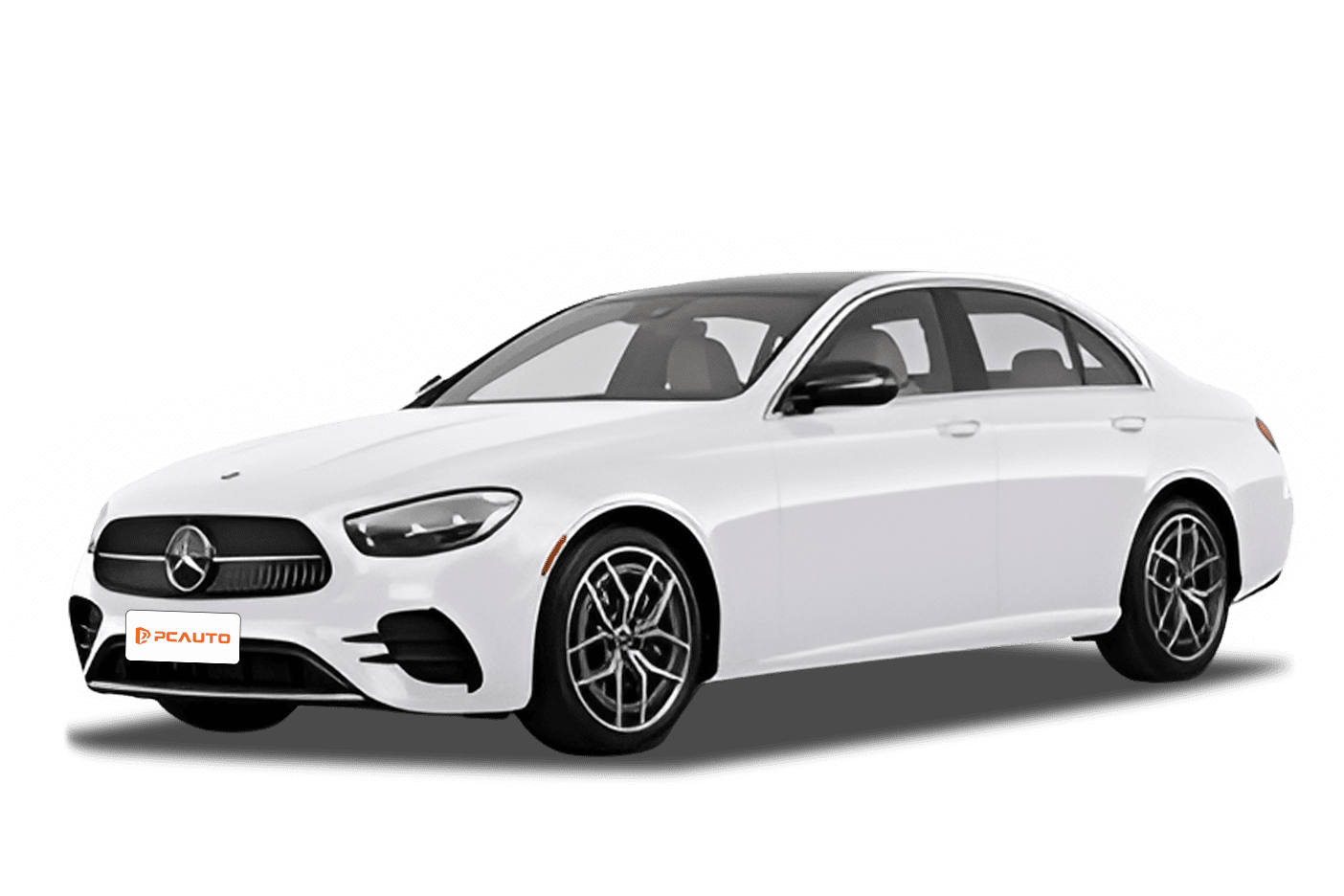
2024 Mercedes-Benz E-Class E200, as a luxury executive sedan, upgrades its mild-hybrid system to balance power and fuel efficiency, enhances intelligent configurations, offers practical space, and highlights a comfortable driving experience.