

BMW 7 Series 2020 Review

 Share
Share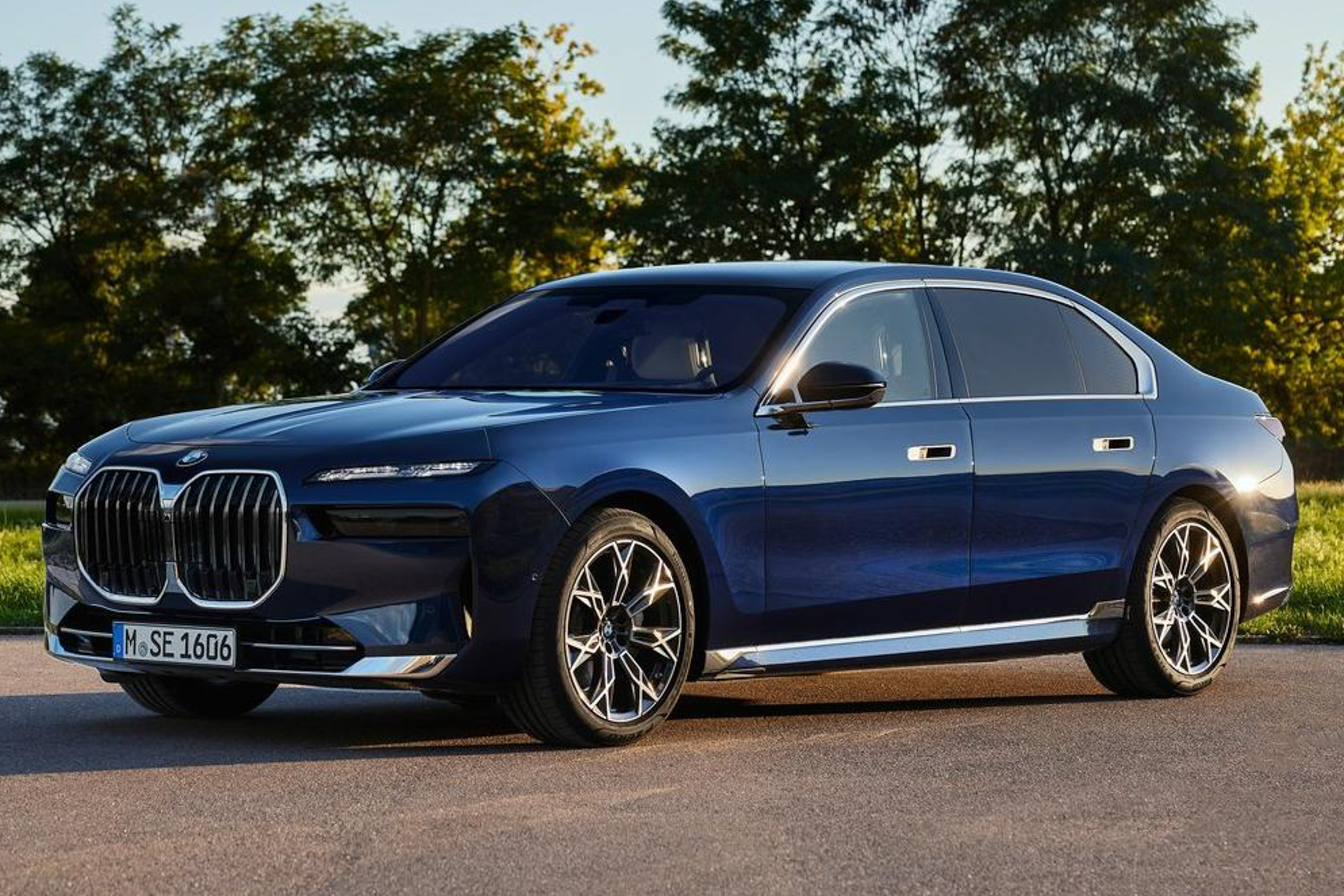
 Segment
 Body Type
 Capacity(L)
 Engine Power(PS)
 Transmission
 Driven Wheels
In Malaysia's luxury executive sedan market, the BMW 7 Series has always been the top choice for many business professionals and users seeking a comfortable experience. The 2020 740Le xDrive, as a plug-in hybrid version, not only retains the power reserves of the fuel model but also offers the advantage of low fuel consumption, accurately targeting the niche market that values a balance between luxury and practicality. The main goal of this test drive is to evaluate whether this plug-in hybrid model can meet the high-end user needs in daily commuting, long-distance driving, and luxury configuration experience.
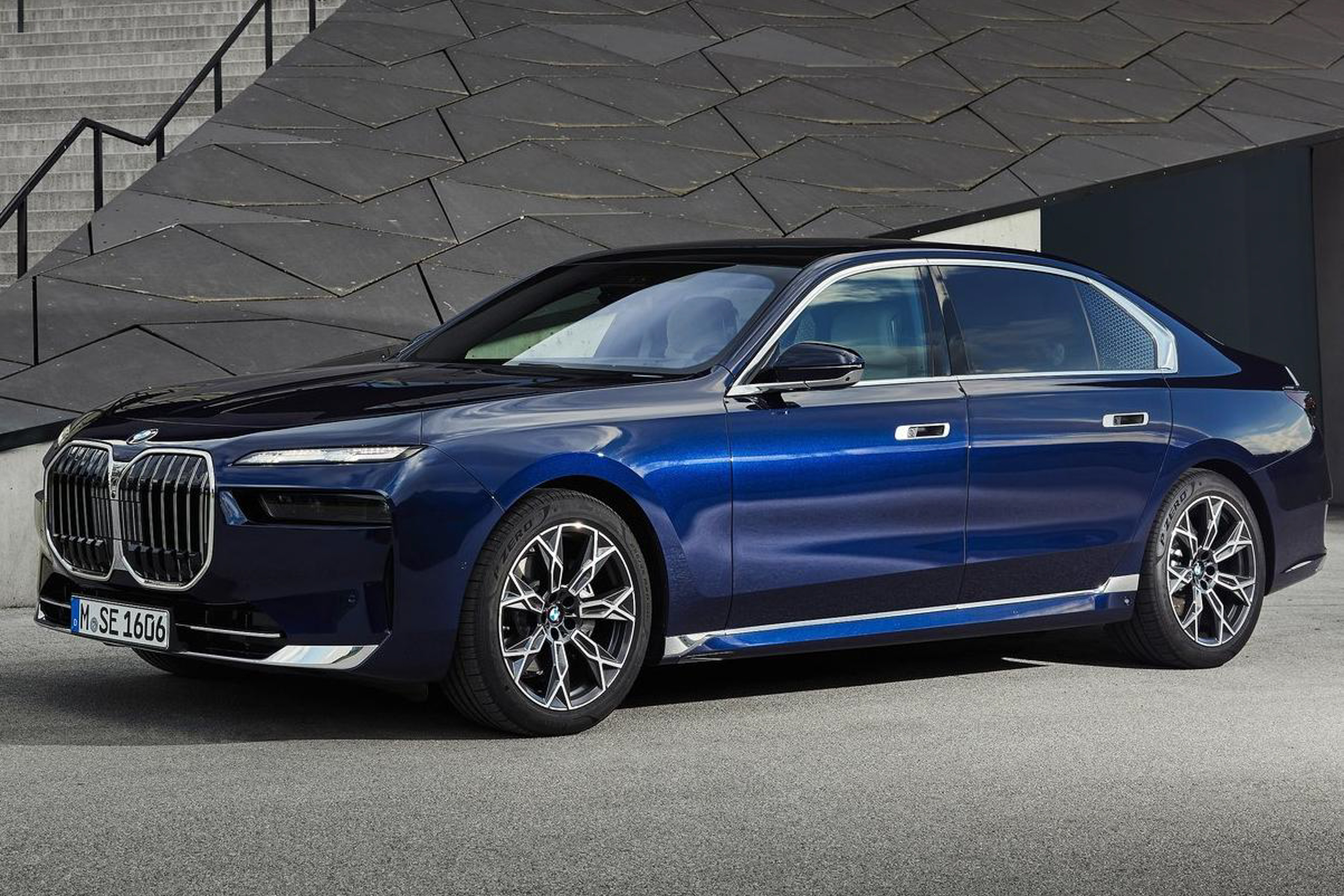
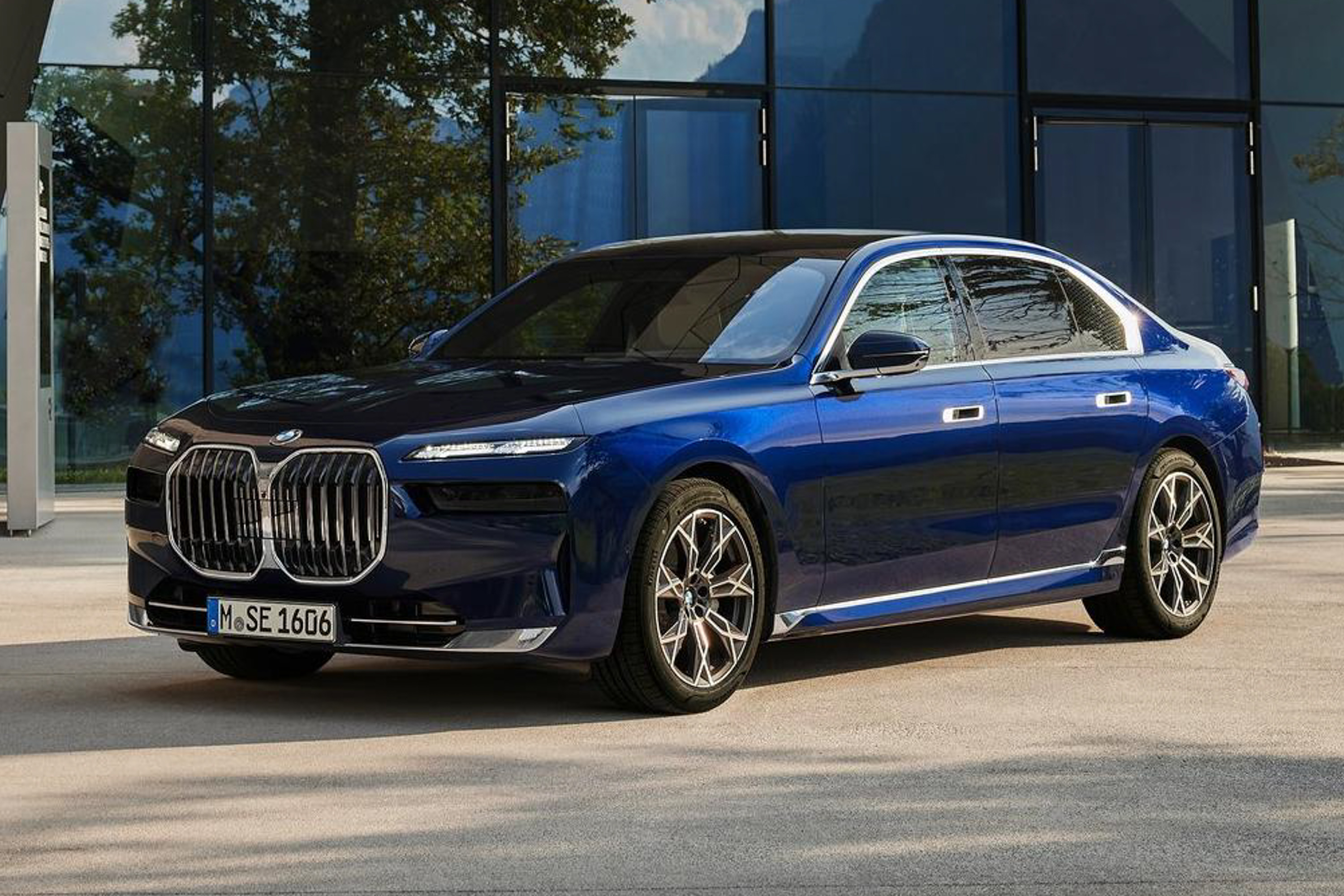
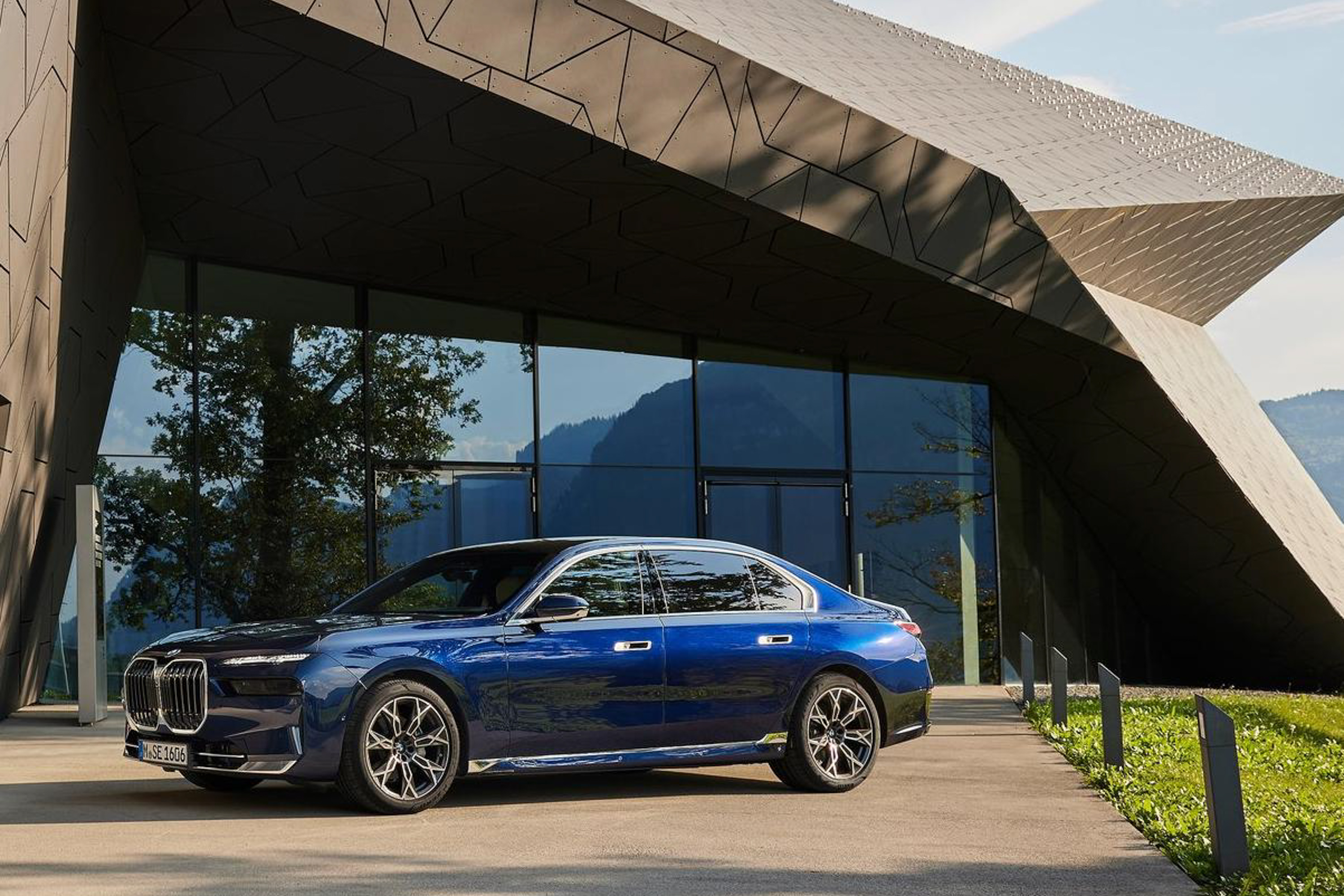
From the exterior perspective, the 2020 740Le xDrive continues the grand style of the 7 Series family, with the overall lines exuding stability without appearing dull. The front features a moderately sized dual kidney-shaped grille paired with LED headlights, which boast high recognizability. The side of the car showcases a waistline that stretches from the front to the rear, complemented by 19-inch multi-spoke wheels, giving the vehicle a sleek yet powerful look. The LED taillights at the rear adopt a smoked design, echoing the dual-sided exhaust layout. The overall design aligns with the positioning of a luxury executive sedan, devoid of excessive flashy elements but rich in refined details.
Stepping into the car, the first impression is the tactile quality of the interior materials—the dashboard and door panels are extensively wrapped in soft leather, paired with wood-grain trims, instantly enhancing the luxurious atmosphere. The center console layout is centered around a 10.25-inch touchscreen, which operates smoothly and supports gesture control and voice recognition, making daily use highly convenient. In terms of configuration, the front seats support electric adjustment, heating, and ventilation, and feature memory functions to ensure comfort during long drives. The rear seats are even more considerate, offering electric adjustment, massage functionality, a central armrest touch control panel for controlling air conditioning and multimedia, as well as independent rear air conditioning and sunshades—perfect for business receptions. Regarding dimensions, the car’s length of 5260mm and wheelbase of 3210mm provide ample rear legroom; a passenger standing 180cm tall would still find over two fists of space between their knees and the front seat. The trunk has a capacity of 420 liters, sufficient to fit two 28-inch suitcases, offering ample practicality.
In terms of powertrain, the car is equipped with a combination of a 3.0T inline-six turbocharged engine and an electric motor. The engine offers a maximum horsepower of 286PS, complemented by the electric motor’s 113PS. It is paired with an AT transmission and an all-wheel-drive system. For daily commuting, the all-electric mode offers an official pure electric range of 46km, which can sufficiently cover short urban trips. Starting up and driving at low speeds is very quiet. When switching to hybrid mode, the power response becomes more dynamic; stepping hard on the accelerator engages both the engine and the electric motor simultaneously, achieving an official 0-100km/h acceleration in 5.1 seconds, delivering solid confidence for overtaking. The steering is precise with minimal play, and with the front double-wishbone suspension and rear multi-link suspension tuning, body roll is well-controlled during cornering. Despite being an executive sedan, there is no compromise on handling. However, with a weight of 2160kg, the suspension effectively filters out most minor vibrations on bumpy roads, but larger potholes can still cause slight shaking. Overall, the tuning leans towards comfort. As for fuel consumption, the official combined fuel consumption is 2.8L/100km. During actual test drives, in hybrid mode, city driving conditions yielded about 5L/100km, while highway conditions were around 6L/100km, which is already an excellent performance for a car of this class.
In terms of riding comfort, the sound insulation is commendable. At a speed of 120km/h, there is only slight wind noise inside the car, and tire noise is almost inaudible. The seats provide excellent support and wrapping, while the rear massage function can relieve fatigue during long journeys. The energy recovery system offers adjustable modes, and when set to the highest level, releasing the accelerator results in a noticeable slowdown, making it almost unnecessary to press the brake pedal, which is suitable for city driving. When set to the lowest level, it mimics the driving feel of a fuel vehicle without a jarring dragging sensation.
Overall, the 2020 BMW 740Le xDrive has obvious core advantages: luxurious interior features, spacious cabin, a plug-in hybrid system that balances power and fuel consumption, and a wealth of safety features (such as 360-degree panoramic cameras, active braking, lane-keeping assist, etc.). Compared to the Mercedes-Benz S-Class plug-in hybrid version in the same segment, it has a price advantage without falling behind in terms of configuration; and compared to the Audi A8L plug-in hybrid version, its handling and brand personality align more closely with BMW's positioning. This car is suitable for two groups of people: first, business owners who need to host clients and value rear-seat comfort during business trips; second, families pursuing a sense of luxury while hoping to reduce daily car usage costs. Overall, it is a balanced luxury executive sedan that caters to both business and family use, boasting strong competitiveness in its segment.
BMW 7 Series Loan Calculator
More BMW Reviews
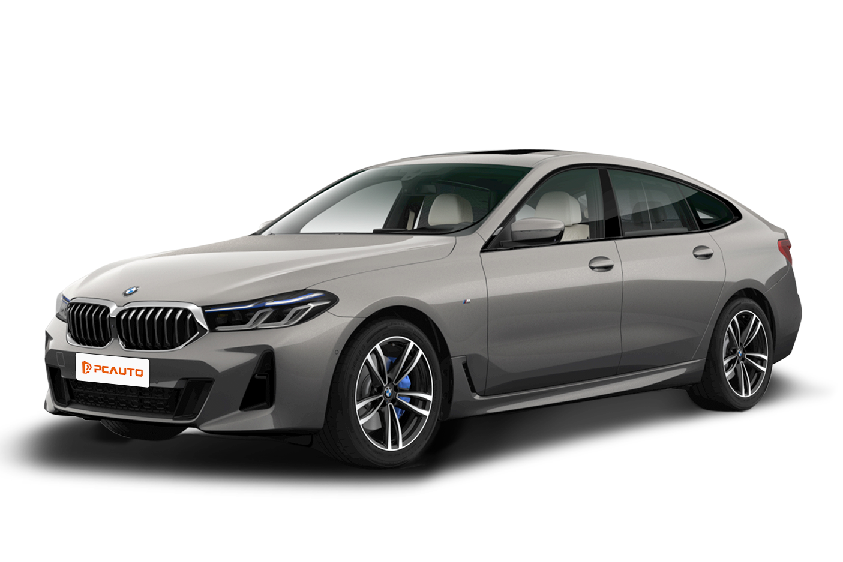
Cars With Similar Price And Features

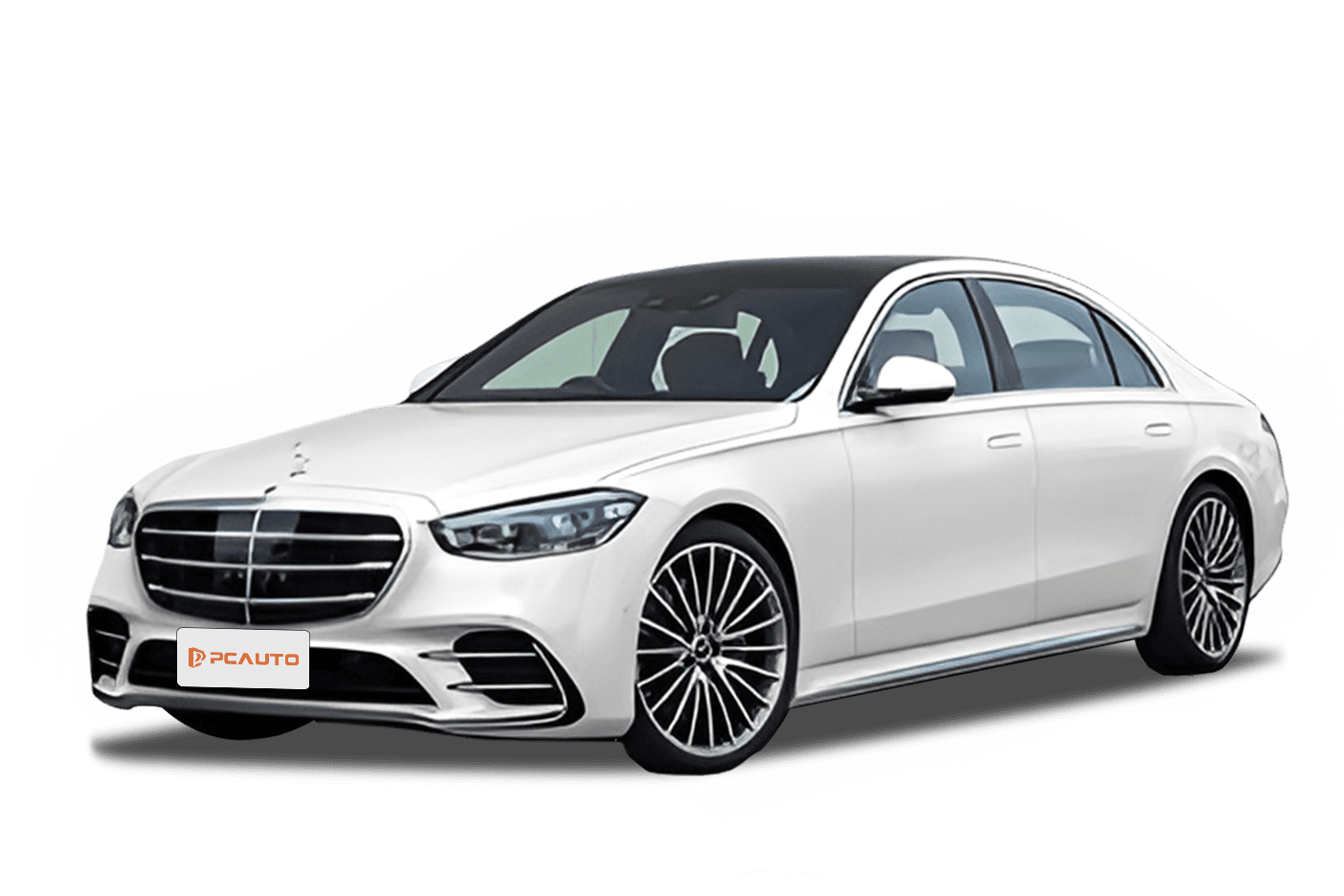
2022 Mercedes-Benz S-Class S 580 e, as the flagship plug-in hybrid model, offers a luxurious rear-seat experience with its extended wheelbase, a practical 100km pure electric range, and advanced intelligent features, balancing luxury and the practicality of new energy.
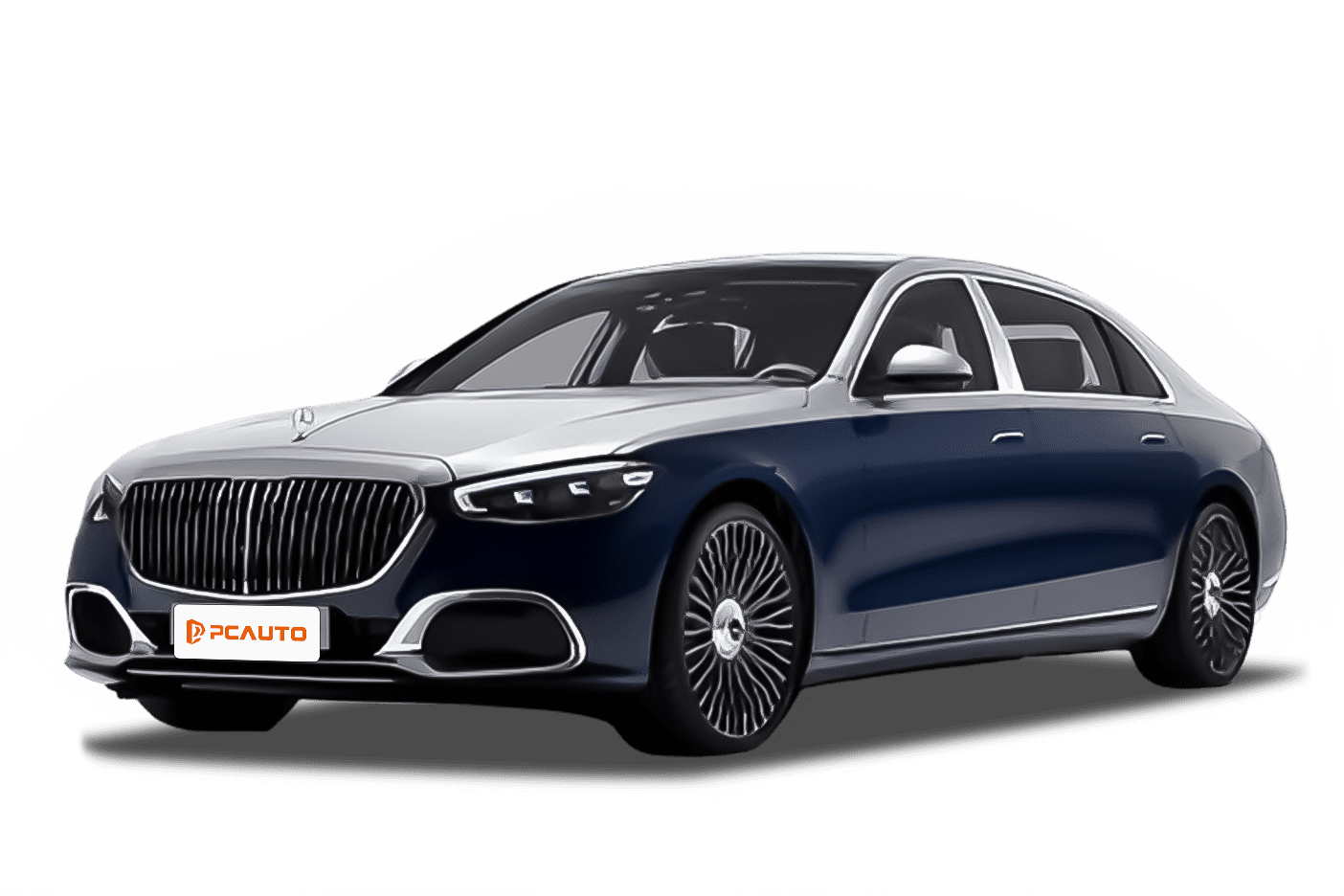
2022 Mercedes-Benz Maybach S-Class S 580 4Matic sets a new benchmark for top-tier luxury sedans with its luxurious design, upgraded hybrid system, and ultimate rear-seat comfort experience.