

BMW i7 2023 Review

 Share
Share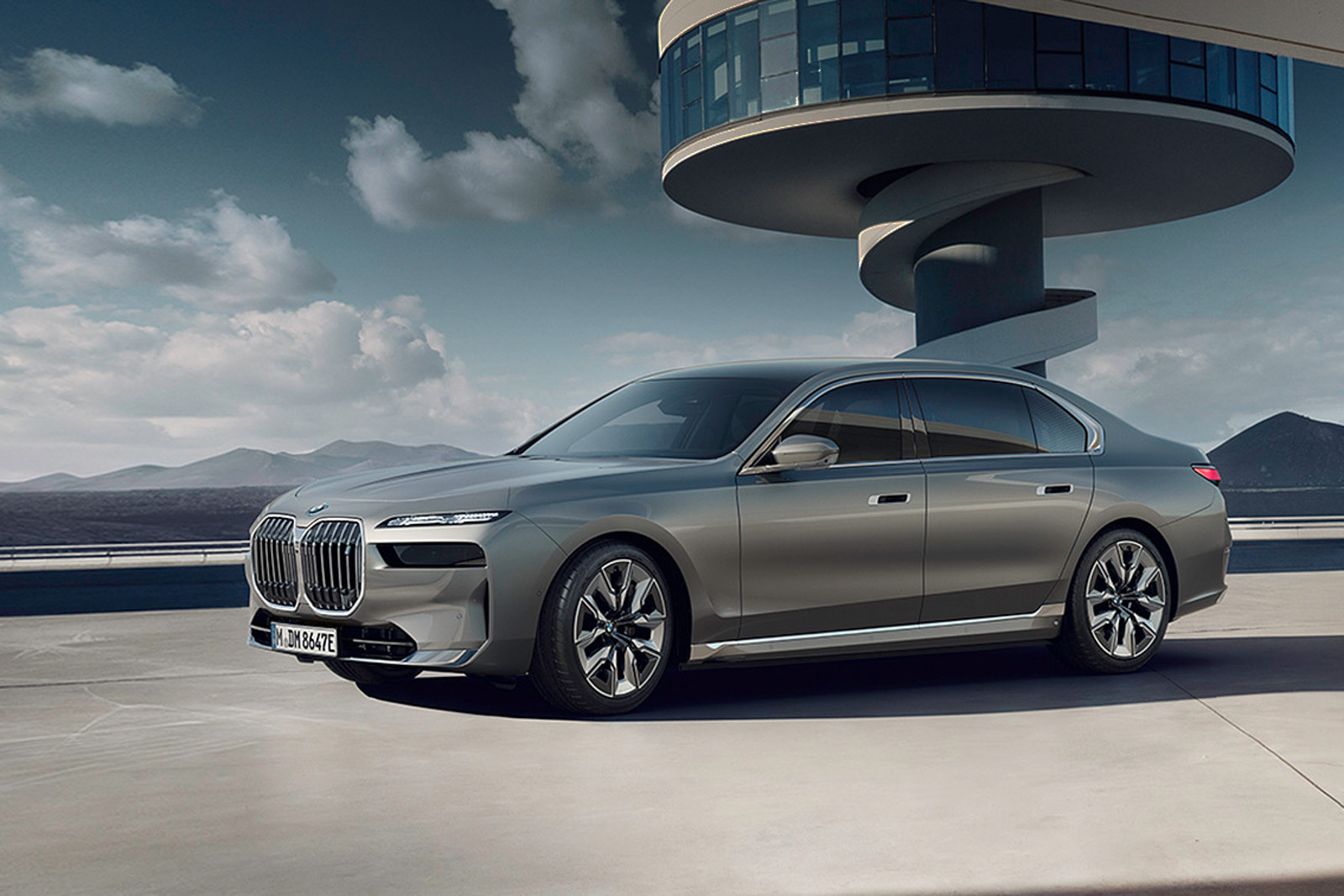

 Segment
 Body Type
 Motor Output(kW)
 Motor Torque(Nm)
 EV Range(km)
 Battery Capacity(kWh)
Under the wave of electrification, the competition in the luxury large sedan market is gradually shifting from internal combustion engines to pure electric technology. Consumers not only desire the texture of traditional luxury brands but also anticipate the smoothness and technological experience brought by electric vehicles. As BMW's pure electric flagship sedan, the 2023 BMW i7 XDrive60 enters the market with its 544PS dual motors, an official range of 615km, and fully-loaded intelligent configurations, clearly targeting a "luxury + electric" balanced performance. In this test drive, we focused on evaluating its practicality in everyday Malaysian road conditions, driving quality, and whether its luxury experience as a flagship model lives up to expectations.
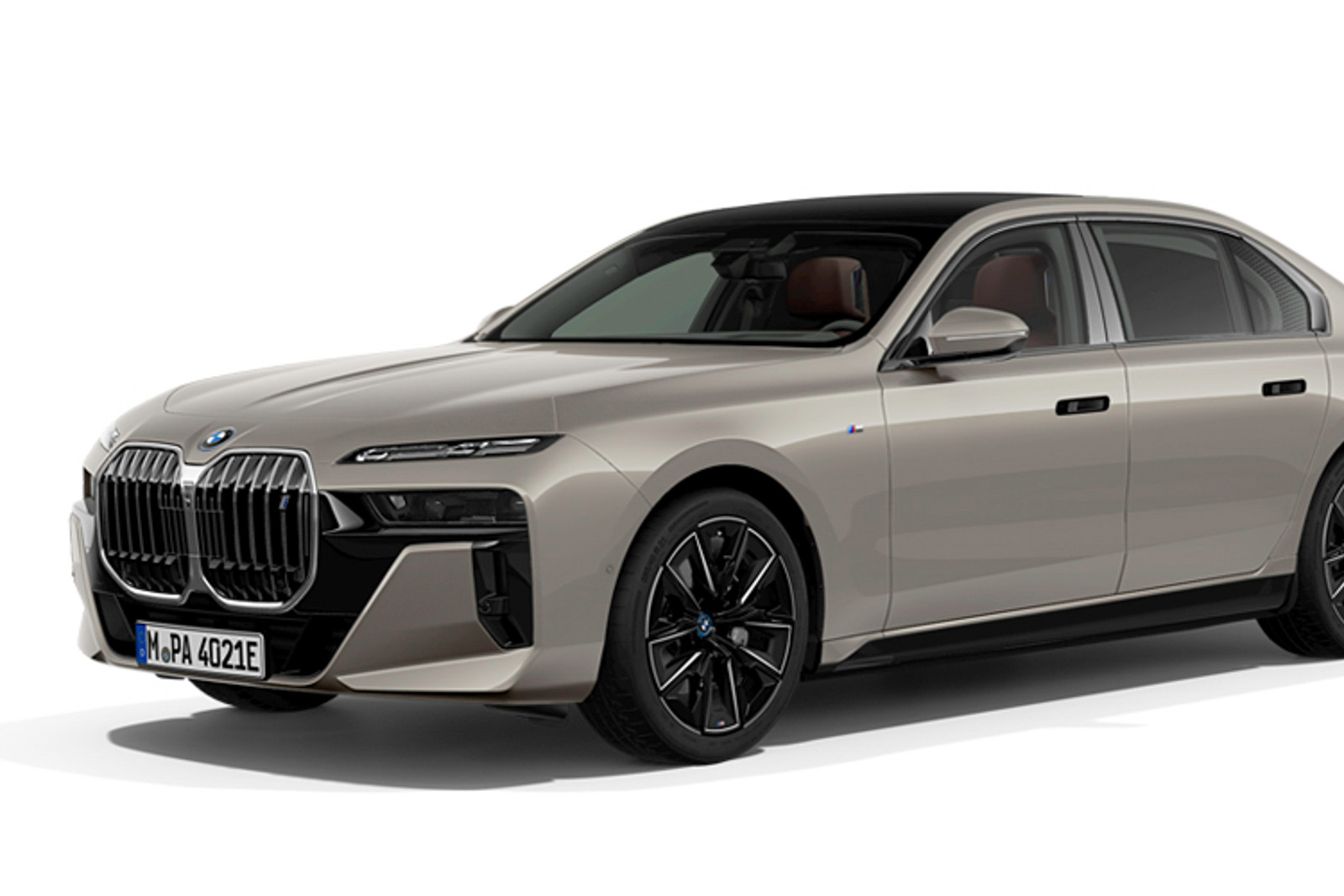
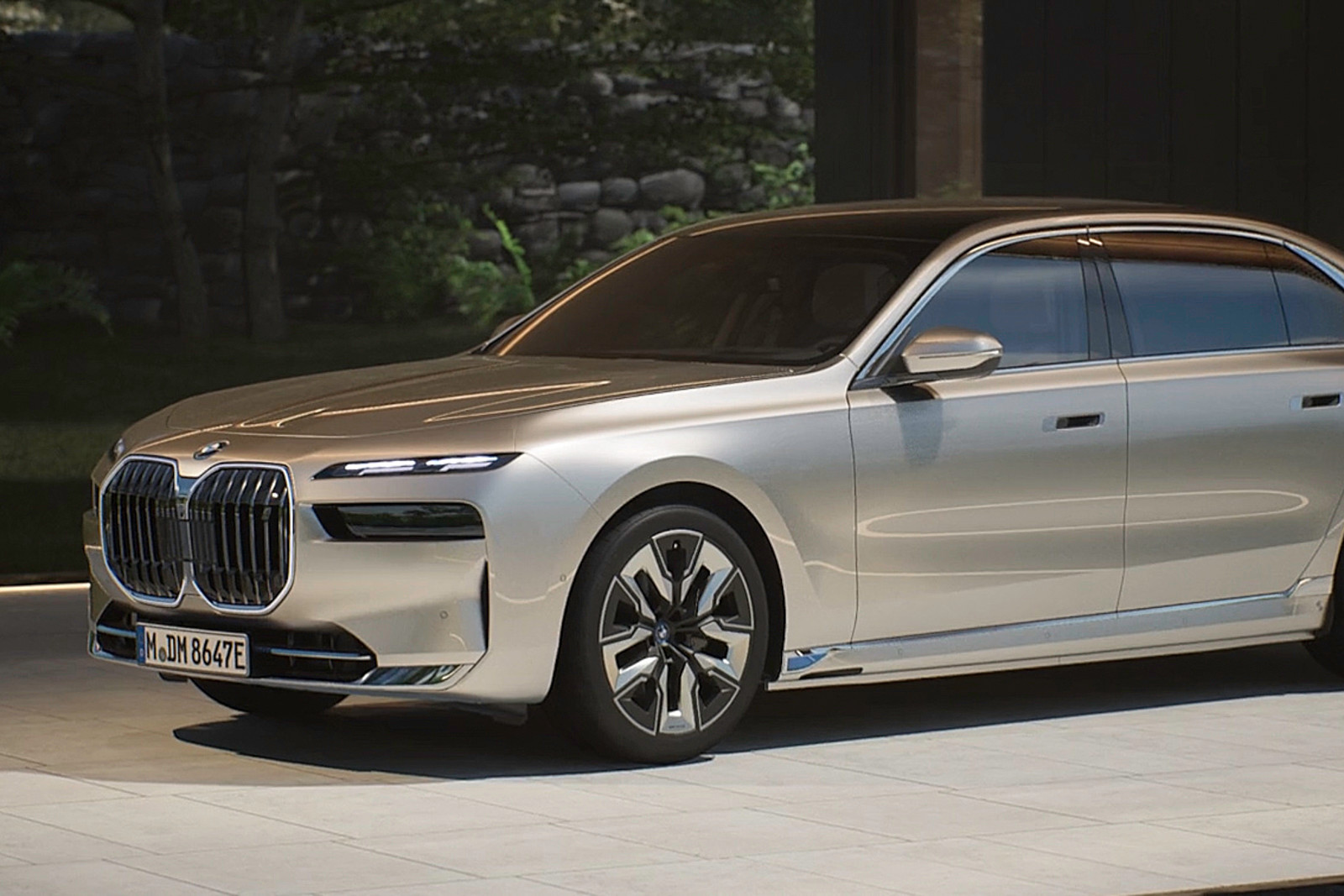
The first impression of the i7 is its "immensity and stability." With a length of 5,391mm and a wheelbase of 3,215mm, it commands a significant presence among large sedans. The front features BMW's latest split-headlamp design, with slender LED daytime running lights on the upper section and the main headlamp assembly below, paired with an exaggerated closed double-kidney grille for high recognition—though opinions on the grille design may vary, it certainly stands out as a flagship model. The flowing side profile extends from the A-pillar to the rear with a sleek fastback design, which is not too aggressive, maintaining the composure of a large sedan. The 20-inch multi-spoke wheels paired with 255/45 R20 front and 285/40 R20 rear tires complement the overall visual balance. The rear design is relatively simple; the L-shaped LED taillights span the entire rear end, delivering a sharp lighting effect when illuminated. The diffuser styling below the rear bumper adds a touch of sportiness. Overall, the exterior avoids overly flashy designs, perfectly aligning with the positioning of a luxury flagship vehicle.
Opening the door, the sense of luxury in the interior is immediately apparent. The entire cabin mainly uses dark soft-touch materials, with leather and wood grain accents covering the dashboard and interior door panels, providing a refined feel. The center console adopts BMW's latest curved screen design, integrating a 14.9-inch touchscreen with a fully digital instrument panel. The screen boasts high resolution and smooth operation. The air conditioning control area is integrated below the touchscreen but retains some physical buttons, such as the volume knob and temperature adjustment keys, which are very convenient for daily use. In terms of features, the i7 is almost fully equipped: HUD head-up display, wireless charging, Bowers and Wilkins 18-speaker sound system, electric seats for both front and rear (with heating functions), independent rear air conditioning, and even electric sunshades for the rear seats. Notably, the front seats offer excellent support, with cushions and backrests that are sufficiently soft, ensuring comfort even during long drives. The rear seating area is particularly spacious—passengers at 180cm in height will find over two fist-widths of legroom and about one fist of headroom, adequately meeting business and family needs. The trunk offers a capacity of 500 liters, perfect for everyday luggage like suitcases; although the floor is slightly raised due to the battery layout, this does not compromise practicality.
Sitting in the driver's seat and pressing the start button, the quietness of the i7 instantly reminds you that it’s an electric vehicle. The dual-motor system delivers a combined output of 544PS and 795N·m of torque, with very immediate power responsiveness. Switching to Sport mode and stepping on the accelerator pedal brings an instant surge of power; its official 0-100km/h acceleration time of 4.7 seconds is more than sufficient for such a large vehicle—when overtaking in the city, pressing down on the accelerator provides power on demand, with zero delay. Even in Comfort mode, power delivery remains smooth, and the startup and low-speed driving experience is very linear, making it ideal for daily commuting. The steering wheel offers a relatively heavy feel with precise directionality. Despite the car's large size, it doesn’t feel like "driving a boat" when turning, ranking its handling among the best in large sedans. The chassis employs a front double-wishbone and rear multi-link independent suspension system, tuned for comfort without losing resilience. On Malaysia's typical asphalt roads and slightly bumpy sections, the suspension effectively filters out vibrations, keeping the body steady; while passing over speed bumps, the suspension rebounds cleanly and briskly without unnecessary shaking. At high speeds, the vehicle maintains excellent stability—even at speeds exceeding 120km/h, it does not feel floaty.
We focused on testing its range and energy consumption. The official range listed is 615km. Under the 30°C weather conditions in Malaysia, with the air conditioning on throughout the journey, half in urban areas and half on highways (maintaining a speed of 110-120km/h on the highway), the final achieved range was approximately 85%—in other words, it can actually travel about 520km, which fully meets the requirements for a week of daily commuting. In terms of energy consumption, it's roughly 18kWh/100km in urban conditions, about 22kWh/100km on highways, and has a combined consumption of 20kWh/100km, which is close to the official figure of 19.7kWh/100km. Regarding charging speed, it takes about 1.5 hours to charge from 10% to 80% using a DC fast charger, while slow charging takes 11 hours, making it suitable for overnight home charging. Additionally, the i7 has excellent noise control. When driving on highways, wind and tire noise are not significant, and only in cases of rapid acceleration can a slight motor noise be heard. Overall, it achieves the silence level of a luxury car.
In summary, the core advantages of the 2023 BMW i7 XDrive60 are apparent: luxurious interior, comprehensive features, strong power, reliable range, and the brand value that comes with being BMW's flagship model. Compared with the same class of electric vehicles, such as the Mercedes-Benz EQS, the i7 offers more space, more complete features, and relatively lower pricing (the starting price of the EQS in Malaysia is about RM 800,000 or more); compared with traditional fuel-powered flagships, such as the fuel-powered BMW 7 Series, the i7 holds an advantage in smoothness and noise reduction. It is suitable for two groups of people: one is business professionals who value luxurious experience and comfortable space, and the other is family users seeking a sense of technology and smooth driving – after all, purely electric flagship vehicles that can cater to both business receptions and family outings are scarce in the market.
Overall, the 2023 BMW i7 XDrive60 has no evident shortcomings and is an “all-around” luxury pure electric flagship. It combines BMW's driving quality with the smoothness and quietness of an electric vehicle, and its configuration and space are completely in line with the flagship identity. If you are considering a pure electric vehicle in the luxury large vehicle market, the i7 is undoubtedly an option you cannot overlook.
BMW i7 Loan Calculator
Cars With Similar Price And Features

16
Rank in Sedan
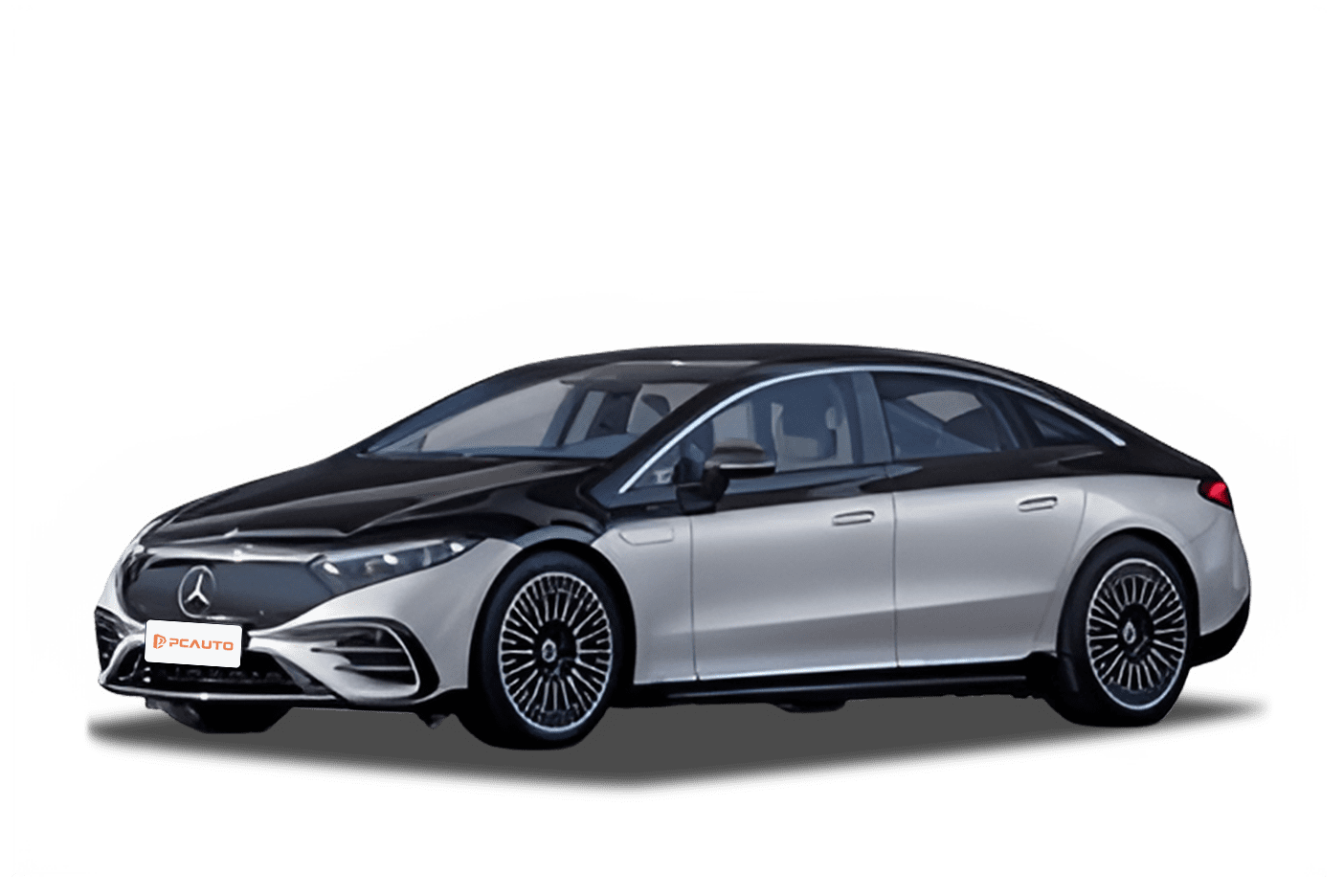
2023 Mercedes-Benz EQS AMG 53 4MATIC+ is AMG's first fully electric sedan, featuring a luxurious cabin, a 56-inch hyperscreen, and 658PS high-performance power, combining performance with luxury.

2023 Rolls Royce Spectre, as Rolls-Royce's first fully electric ultra-luxury coupe, combines iconic serene luxury with smooth electric performance, redefining the top-tier electric travel experience.