

BMW iX 2022 Review

 Share
Share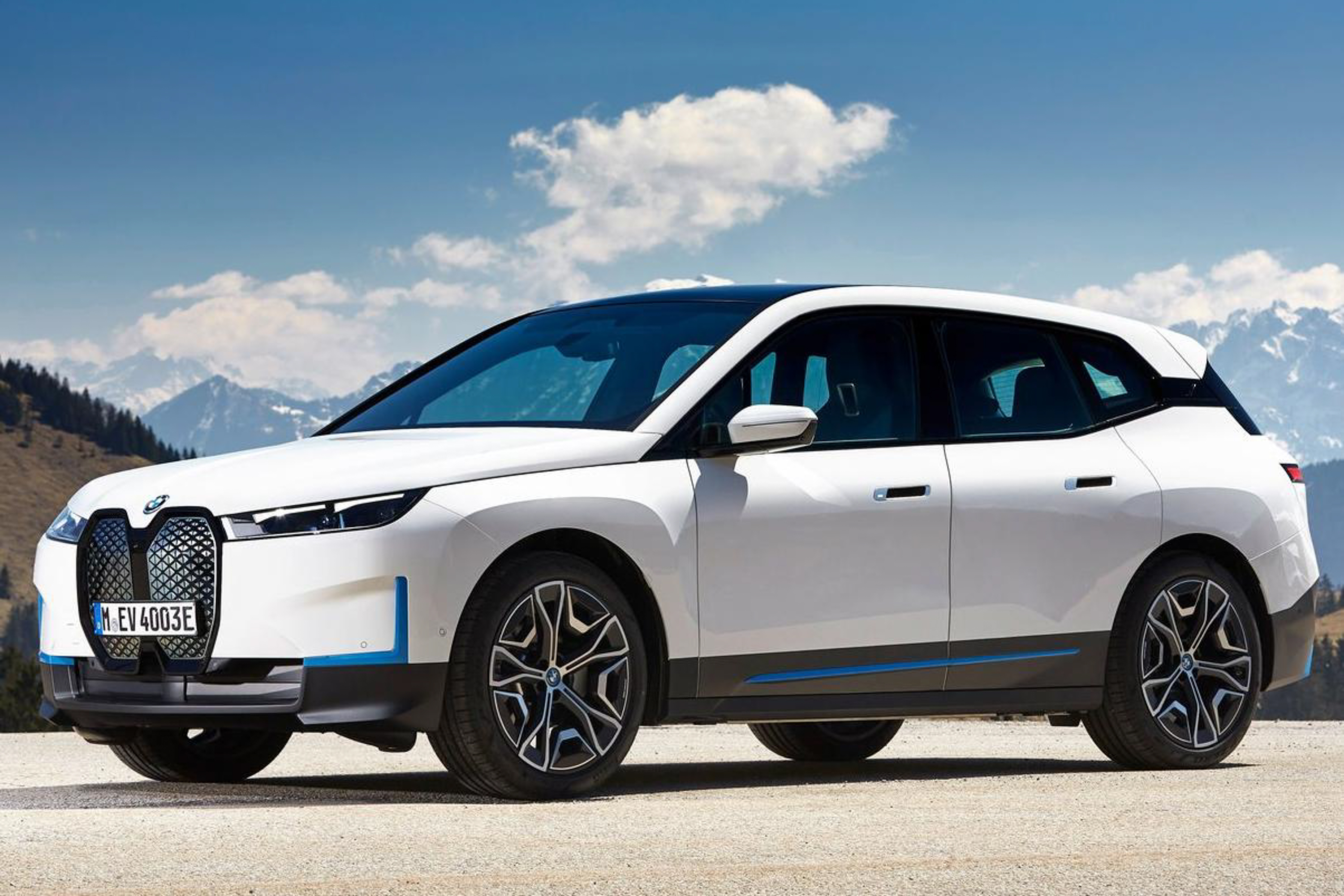
 Body Type
 Segment
 Motor Output(kW)
 Motor Torque(Nm)
 EV Range(km)
 Battery Capacity(kWh)
With the rapid expansion of Malaysia's electric vehicle market, the options for mid-to-high-end pure electric SUVs are becoming increasingly diverse, but there are still few models that combine luxury and technological experiences. As the flagship pure electric SUV of the brand, the BMW iX has garnered attention since its debut with a distinctive design language and next-generation technological configurations. In this test drive, we focus on its performance in daily commuting, highway cruising, and urban parking scenarios to see if it can meet the core demands of Malaysian consumers for luxury electric vehicles.
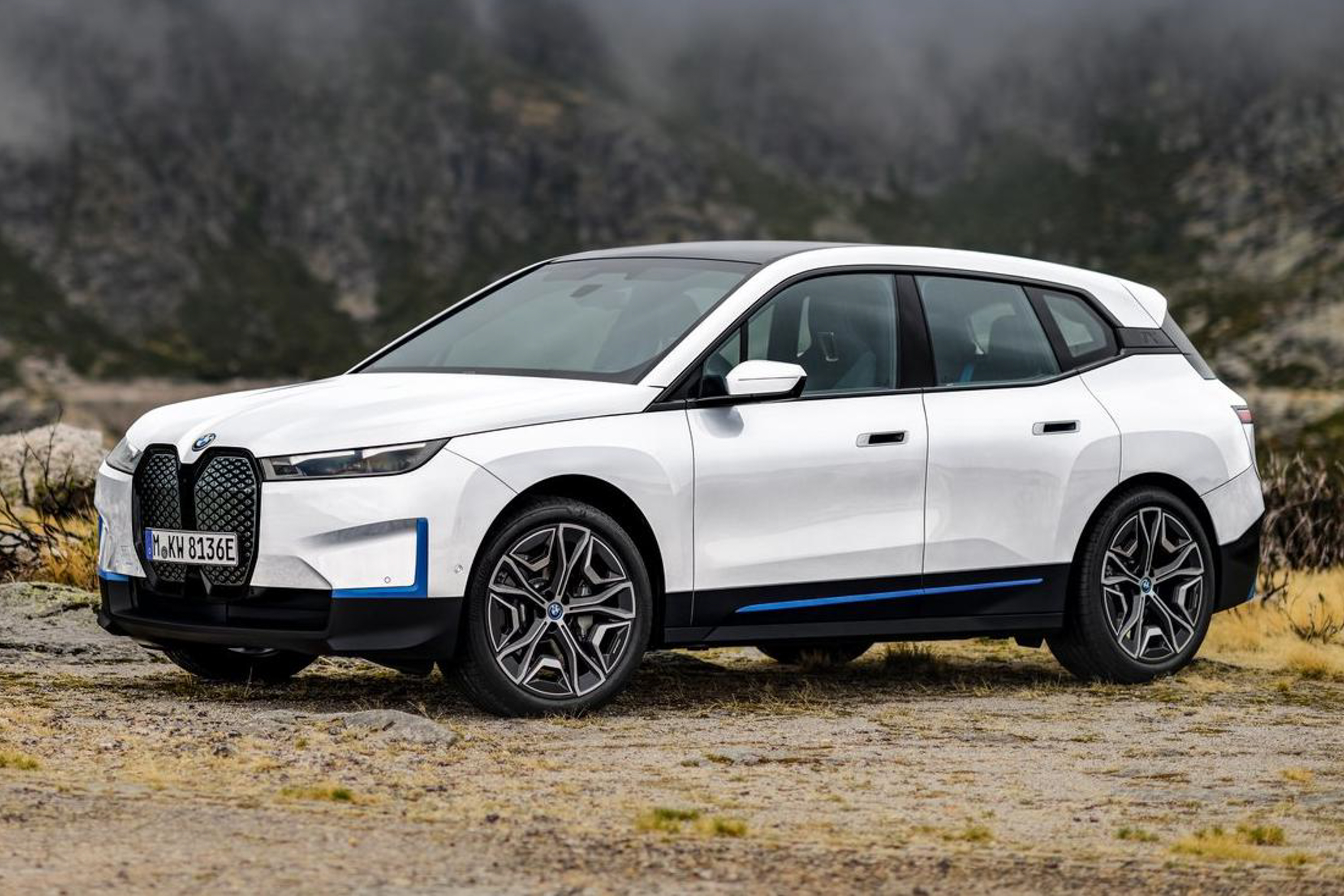
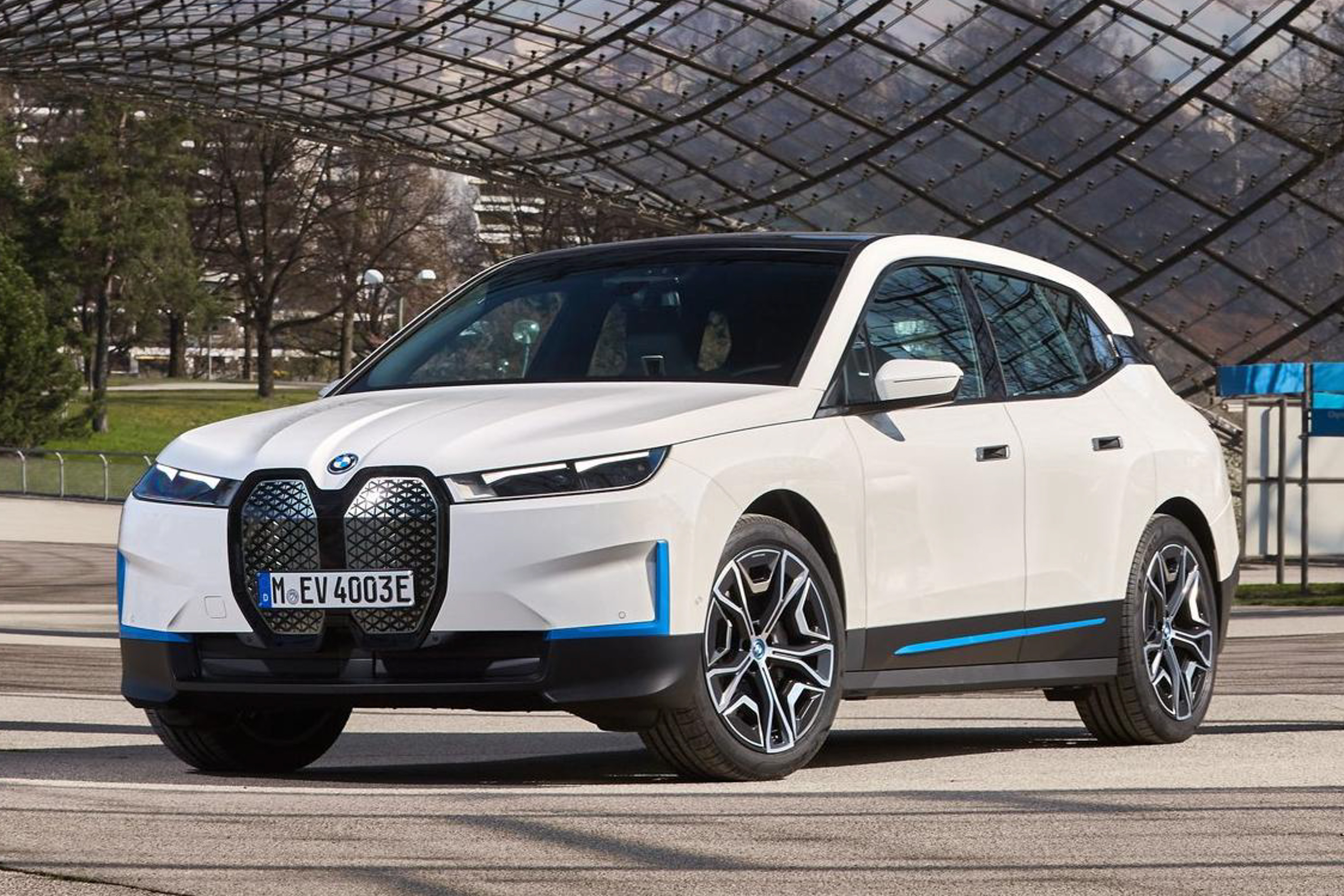
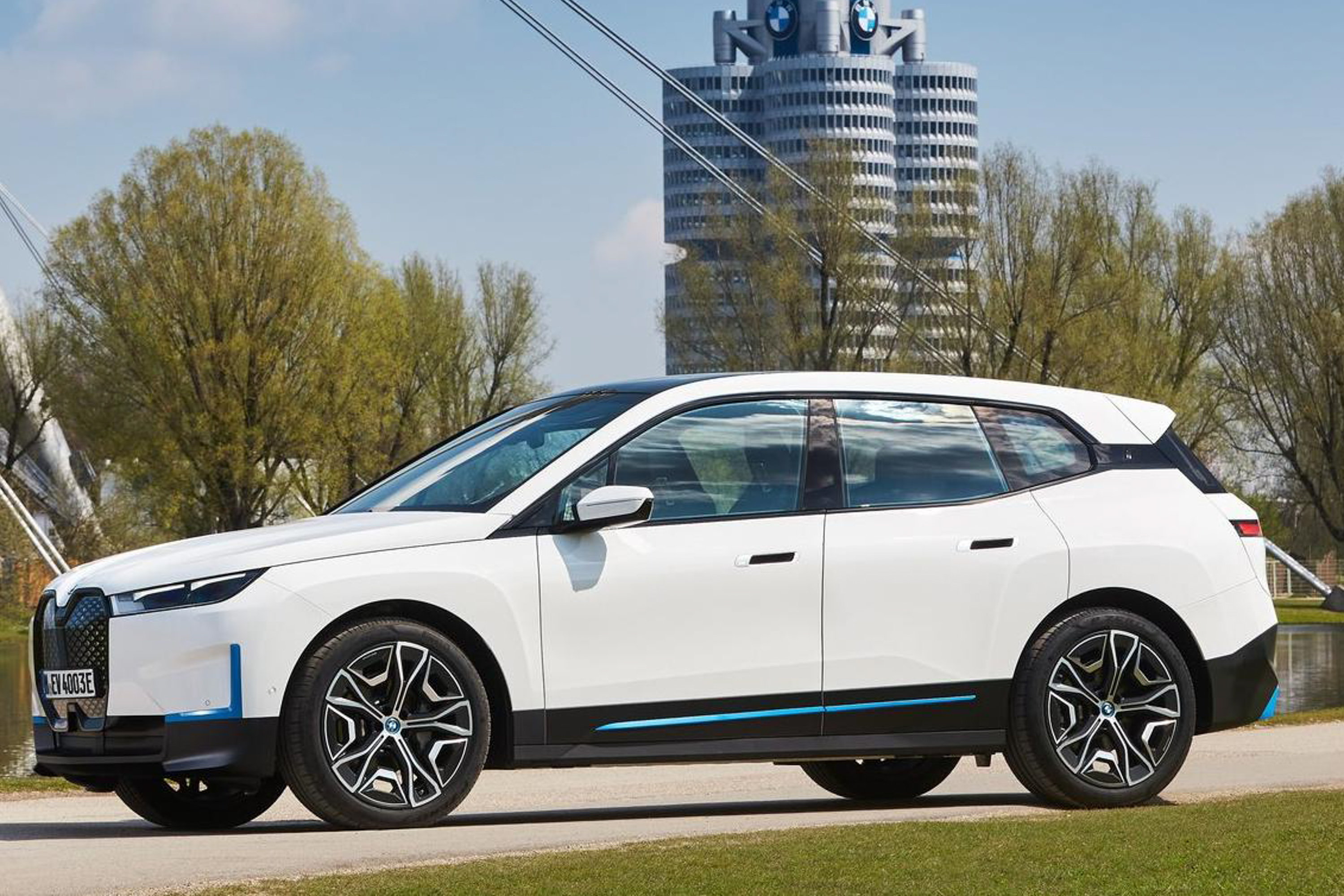
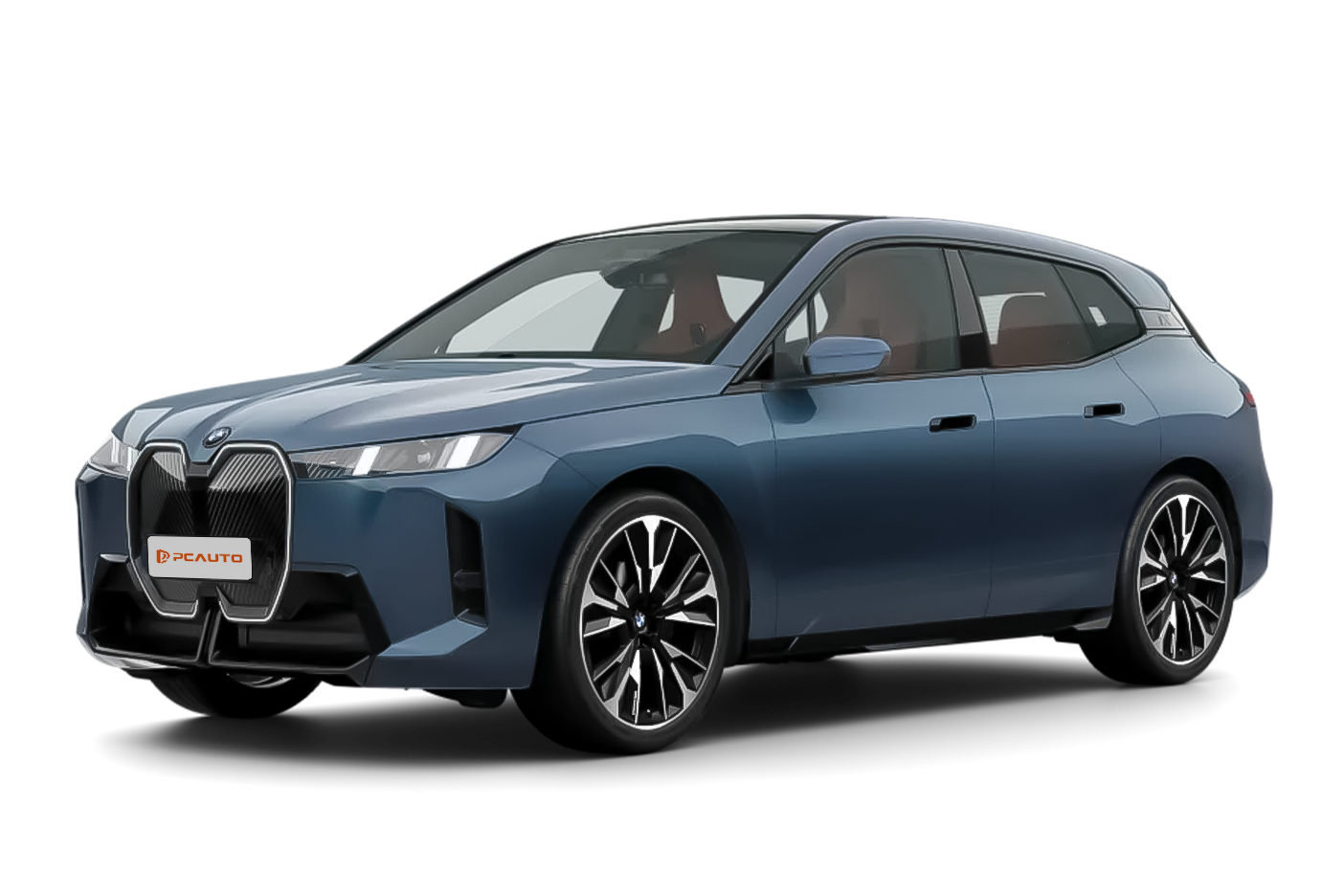
In terms of exterior design, the iX adopts a minimalist and futuristic style overall. The iconic kidney grille features a closed design, with a larger size compared to fuel-powered BMW SUVs. Its surface is covered with transparent material, and it integrates sensors such as radars and cameras, achieving a balance between technological sophistication and practicality. The front headlights are designed with slim LEDs, and the daytime running lights are in an inverted L-shape, ensuring high recognizability when lit. The side profile of the vehicle is smooth, with minimal complex lines. The door handles adopt a hidden design, paired with 21-inch multi-spoke alloy wheels to further reduce wind resistance. At the rear, the through-type LED taillights echo the design of the front, and the lower rear design features a hidden exhaust layout (in line with its identity as an electric vehicle). The overall shape is rounded and full, maintaining the stability of an SUV while emphasizing the identity of an electric vehicle through detailed designs.
Stepping inside, the interior style of the iX contrasts significantly with traditional BMW models, featuring a simple and luxurious theme. The center console adopts a floating design, eliminating traditional physical buttons, with most functions integrated into the 14.9-inch touchscreen central control screen and the 12.3-inch full LCD instrument panel. The two screens use a connected display design, delivering excellent display clarity and smooth operation. In terms of interior materials, the seats and inner door panels are wrapped in Nappa leather, the upper section of the center console is covered in soft-touch plastic material, and the combination of wood grain panels and metal trims enhances the sense of luxury. Standard features include a HUD (Head-Up Display), wireless charging, a panoramic sunroof, four-zone automatic air conditioning, and a Harman Kardon sound system. The HUD can display key information such as navigation and speed, reducing the need for drivers to divert their gaze. The four-zone air conditioning allows independent adjustments for the front and rear rows, and the rear is also equipped with air vents and Type-C charging ports to cater to family needs.
Regarding space performance, the iX has body dimensions of 4953mm×1967mm×1695mm with a wheelbase of 3000mm, which is considered mainstream for mid-to-large SUVs. The front seats feature electric adjustment and lumbar support. A passenger with a height of 175cm sitting in the front row has about a fist and two fingers of headroom and ample legroom. The rear space performs even better, where a passenger of the same height sitting in the back row would have over two-fists of legroom and approximately one fist of headroom, allowing three adults to sit without feeling cramped. As for storage space, the central armrest box in the front row has a large capacity that can hold items like phones and wallets, and the door panel storage slots can fit bottled water as well. The trunk offers a standard capacity of 500L, which can be expanded to 1750L when the rear seats are folded down, meeting the luggage needs for long family trips.
Dynamic Driving: During this test drive, the iX is equipped with a dual-motor all-wheel-drive system, delivering a maximum power of 385kW (523 horsepower) and a peak torque of 765Nm. The official 0-100km/h acceleration time is 4.6 seconds. In actual driving, the power response is quick at the start, and a light press on the accelerator pedal provides a noticeable pushback. Even during high-speed cruising (100-120km/h), stepping on the accelerator deeply still delivers abundant power reserves, making overtaking easy and smooth. As for driving modes, the iX offers Sport, Comfort, and Eco modes. In Sport mode, power output becomes more aggressive, and the steering wheel feels heavier. Comfort mode is more suitable for daily commuting, with softer suspension tuning that filters out most road bumps. In Eco mode, power output is relatively smooth, and energy recovery strength increases, helping to extend the range.
In terms of handling and chassis performance, the iX's chassis adopts a front double-wishbone and rear multi-link independent suspension, combined with an air suspension system, achieving a balance between support and comfort. When passing speed bumps or bumpy roads, the suspension quickly absorbs vibrations, and the body doesn't exhibit noticeable bouncing. During high-speed cornering, the suspension effectively suppresses body roll, and with the support of the all-wheel-drive system, the vehicle's stability performs excellently. Regarding steering feel, the iX's steering wheel has minimal play and high precision. At low speeds, the steering wheel is light, making parking and garage maneuvers more effortless, while at high speeds, it feels heavier, enhancing driving confidence.
Regarding range and energy consumption, the iX is equipped with a 111.5kWh ternary lithium battery pack, with an official CLTC range of 630km. During this test drive, we mainly drove on urban roads (about 60%) and highways (about 40%), with the air conditioning and audio system always on. In the end, the displayed range completion rate was about 85%, with an average energy consumption of approximately 19.5kWh per 100 kilometers. For charging, the iX supports a maximum of 150kW DC fast charging, which takes only 40 minutes to charge from 10% to 80% in fast charging mode. Home AC slow charging (7kW) takes about 16 hours to fully charge, suitable for users charging overnight at home.
In terms of driving comfort, the iX's noise control performance is excellent. At low speeds, the motor noise is almost inaudible. At high speeds (120km/h), wind noise and tire noise increase slightly but remain within an acceptable range, not affecting conversations among passengers. The energy recovery system offers three adjustable levels, with the highest recovery intensity close to single-pedal mode. Releasing the accelerator pedal causes the vehicle to decelerate noticeably, suitable for congested urban areas. The lowest recovery intensity is similar to the coasting sensation of fuel vehicles, suitable for highway cruising. Regarding seat comfort, the Nappa leather seats provide balanced wrap-around support and cushioning, ensuring long-term comfort without fatigue.
In summary, the core advantages of the BMW iX lie in its luxurious interior quality, abundant power output, and stable range performance. Compared to peers like the Tesla Model X, the iX excels in luxury ambiance and interior materials. Compared to the Mercedes EQE SUV, the iX has more advantages in power performance and space. In terms of target demographics, the iX is suitable for family users who prioritize luxury experiences and technological features. Its spacious interior and abundant rear-seat configurations meet family travel needs. At the same time, the strong power output can also attract consumers who pursue driving pleasure.
Overall, the BMW iX is a luxury electric SUV with well-rounded performance. It retains the driving quality of the BMW brand while catering to the needs of electric vehicle consumers through next-generation design and technological features. If you are looking for an electric SUV that balances luxury, space, and performance, the iX is worth considering.
BMW iX Car Compare
More BMW Reviews
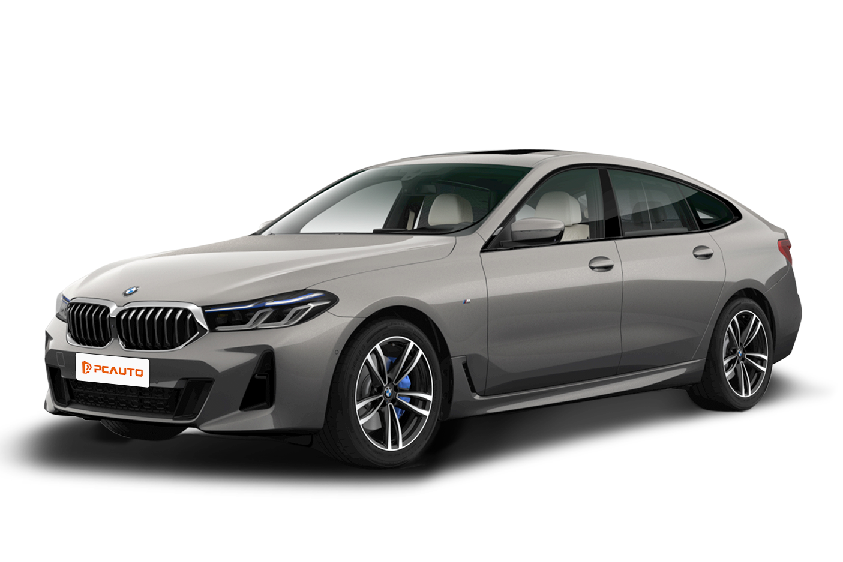
Cars With Similar Price And Features

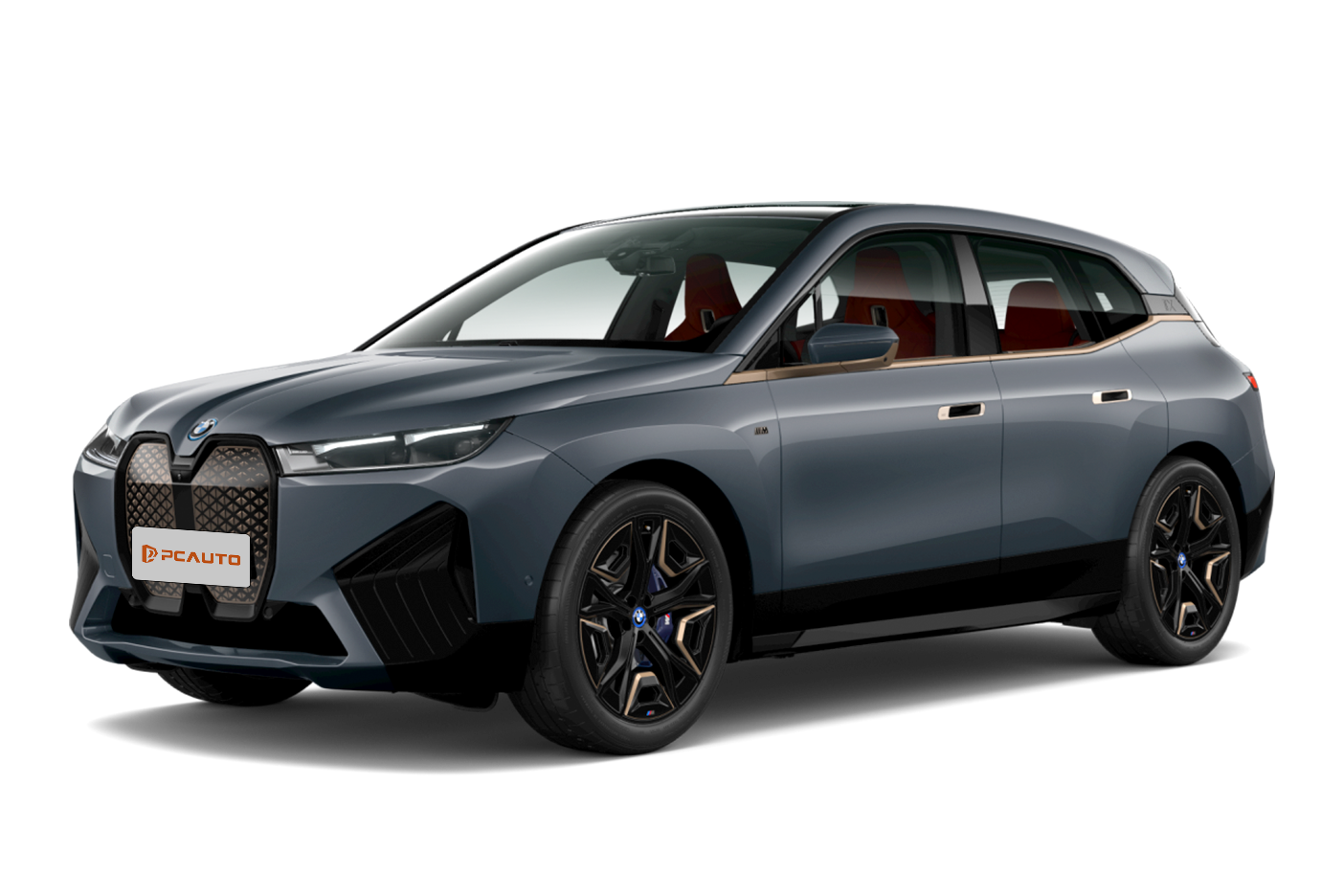
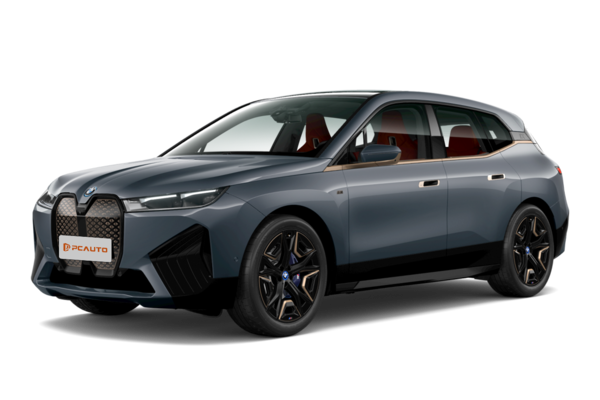
BMW iX M60 2024, as a high-end executive-level pure electric SUV, combines ultimate performance and luxurious experience with dual motors delivering 619 horsepower, 1110N·m torque, and a 561km range.
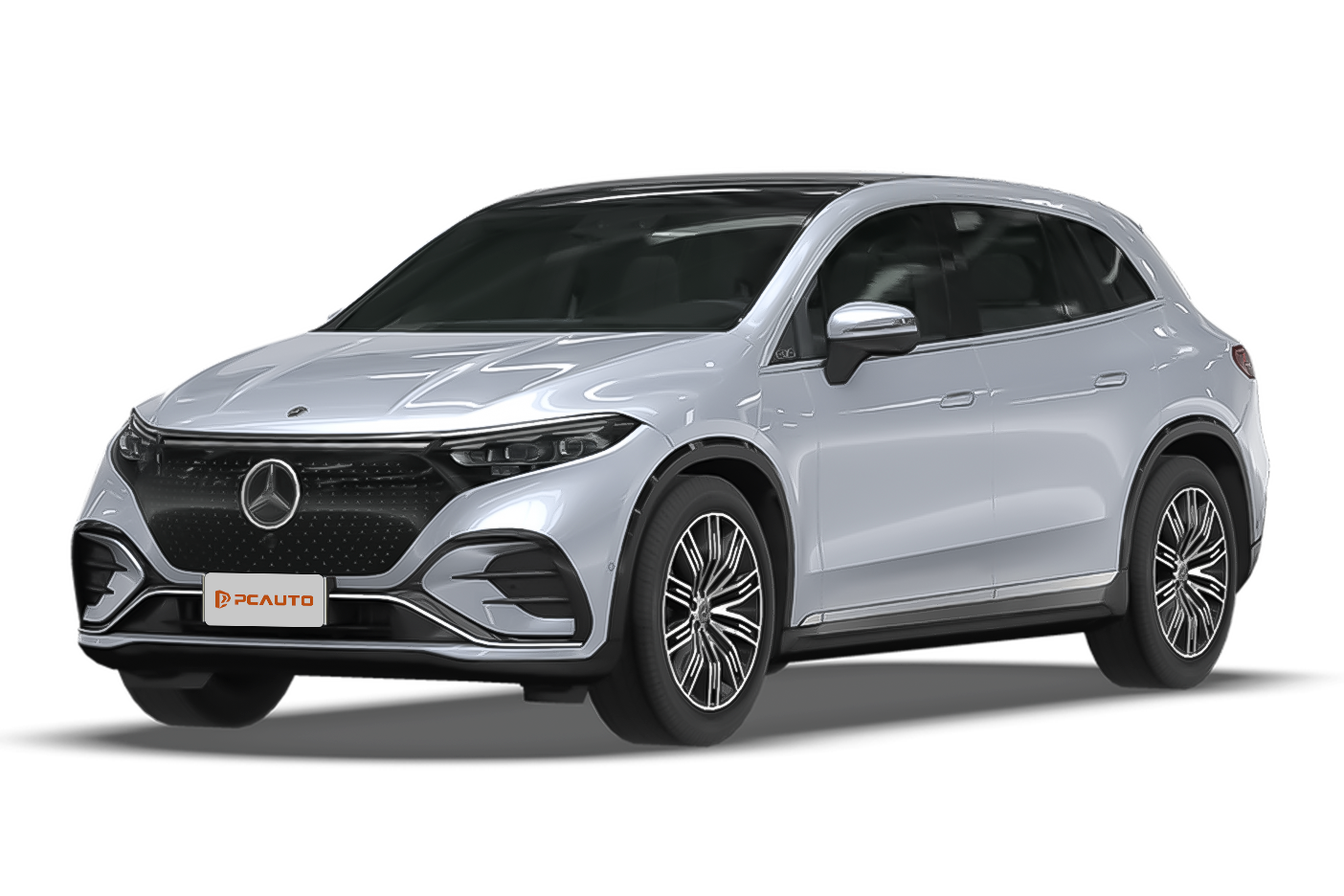
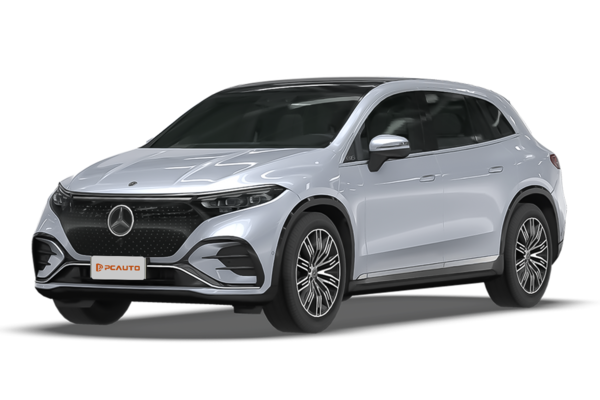
2024 Mercedes-Benz EQS EQS450 4Matic SUV is a luxurious executive-level electric SUV that balances seven-seat practicality, long range, and the MBUX Hyperscreen technology experience.
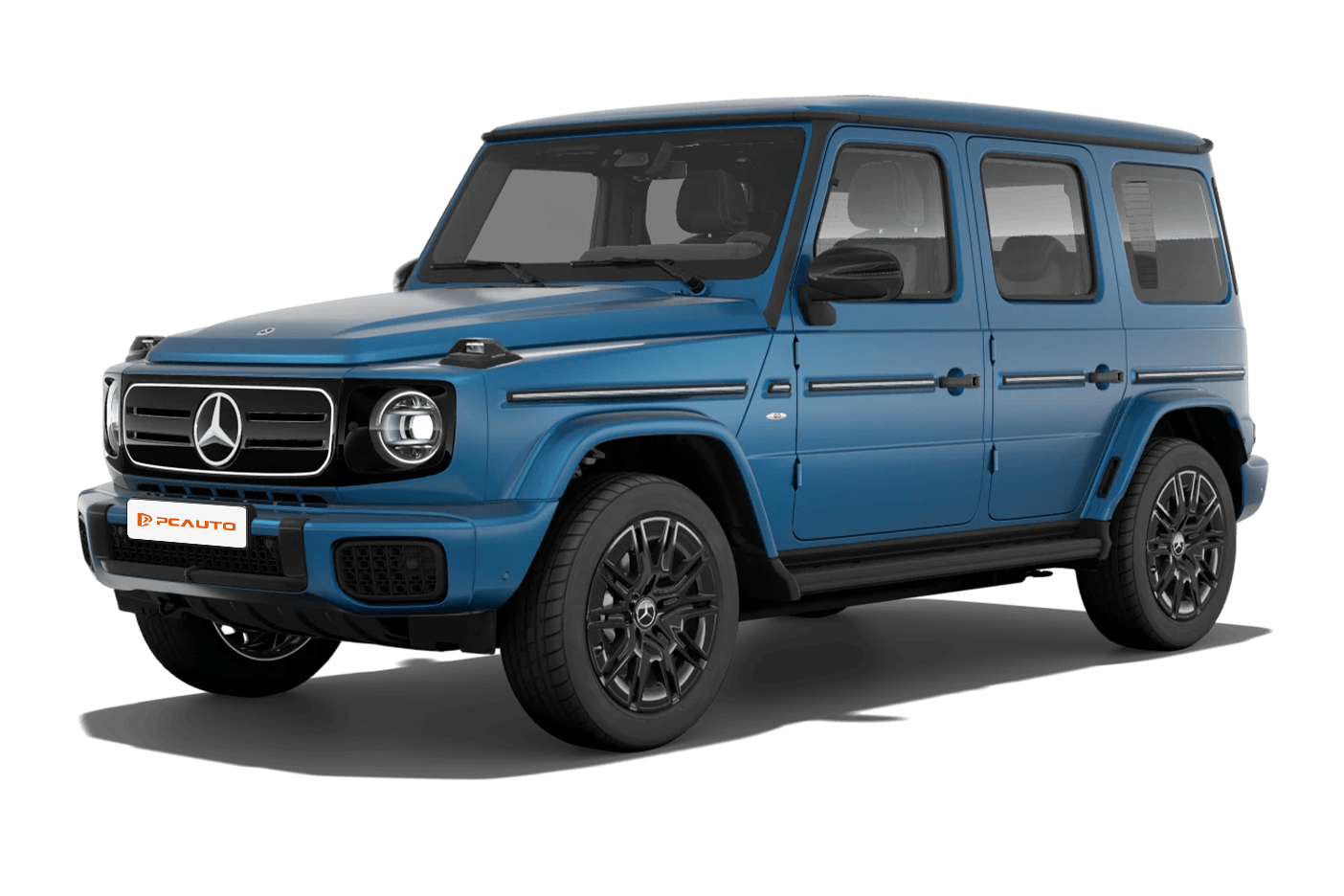
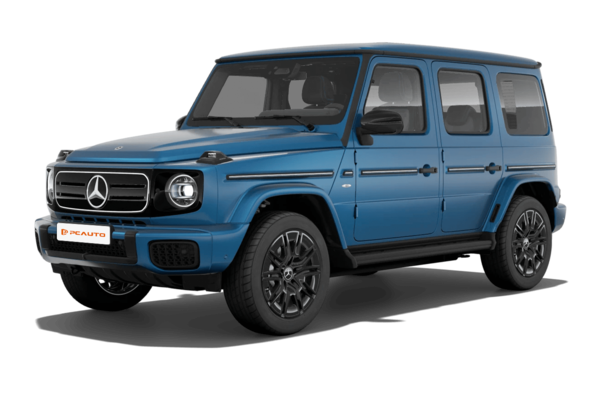
2025 Mercedes-Benz G-Class G580 is a luxury electric hardcore SUV that inherits the classic boxy design, equipped with a dual motor delivering 590 horsepower, combining 590 hp performance and a 473 km range.