

BMW M3 1987 Review

 Share
Share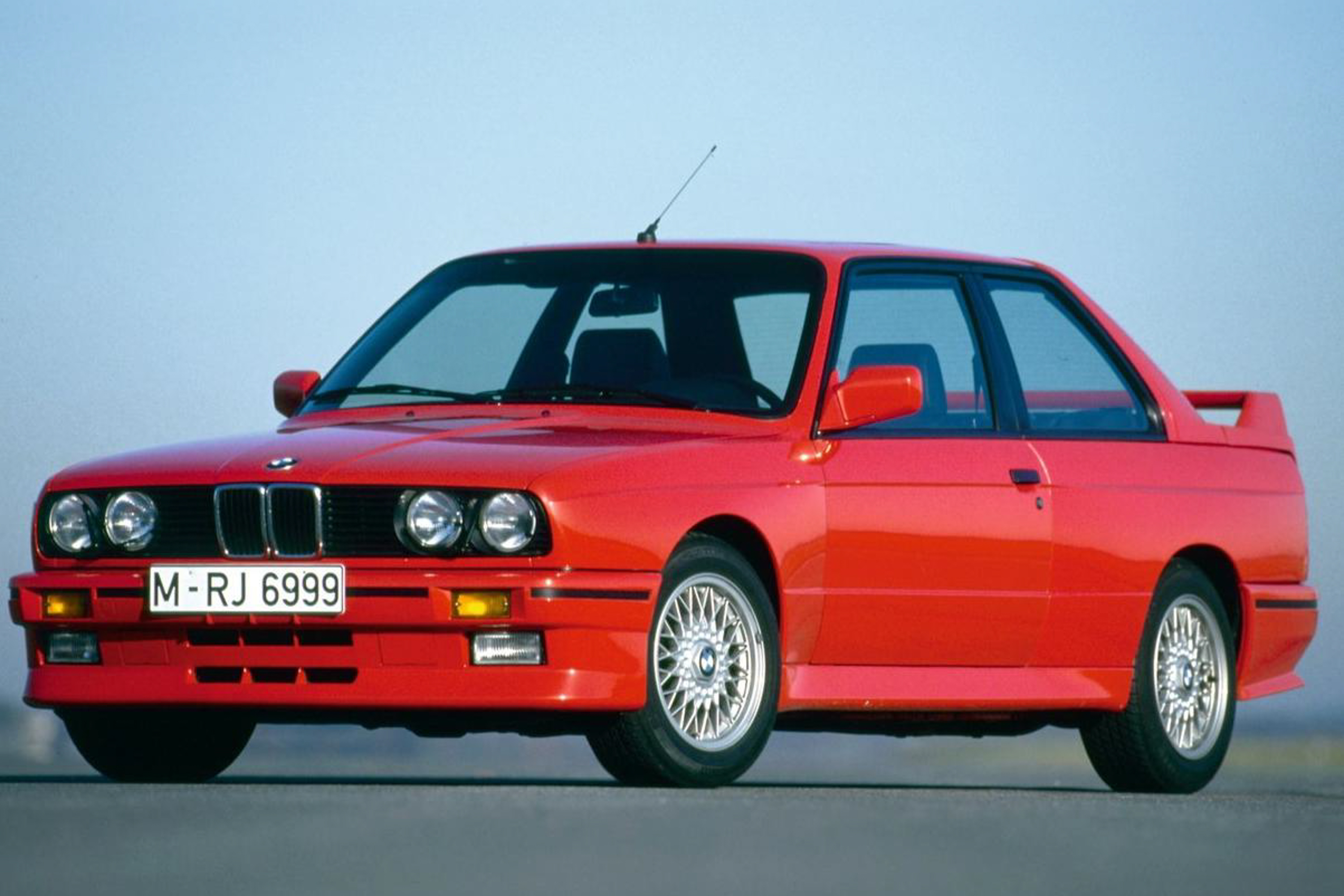
 Body Type
 Segment
 Capacity(L)
 Engine Power(PS)
 Engine Torque(Nm)
 Transmission
In the late 1980s Malaysian market, there were not many choices for high-performance compact sedans. Most consumers either leaned towards the practicality of family sedans or turned to the pure performance of imported sports cars. The BMW M3 (E30), launched in 1987, happened to fill the gap in the niche market of "everyday drivable performance cars" — it offered the daily practicality of a regular 3 Series while boasting a powertrain and chassis specifically tuned for the track. Today, we are going to talk about the 1987 BMW M3, whose core selling point is the "balance of track lineage and everyday usability." This review will focus on its static design and dynamic performance to see if this classic truly deserves its "legendary" title.
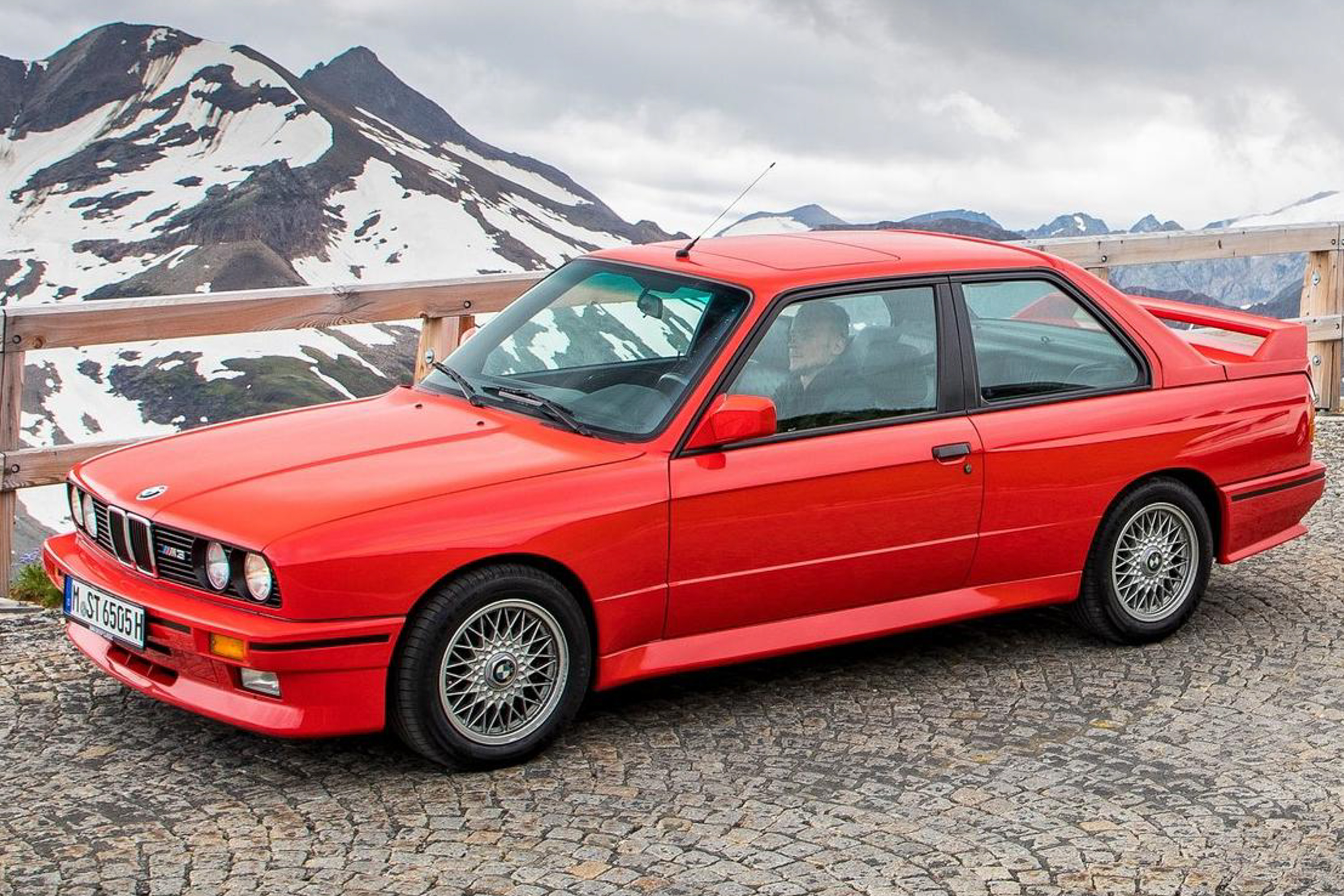
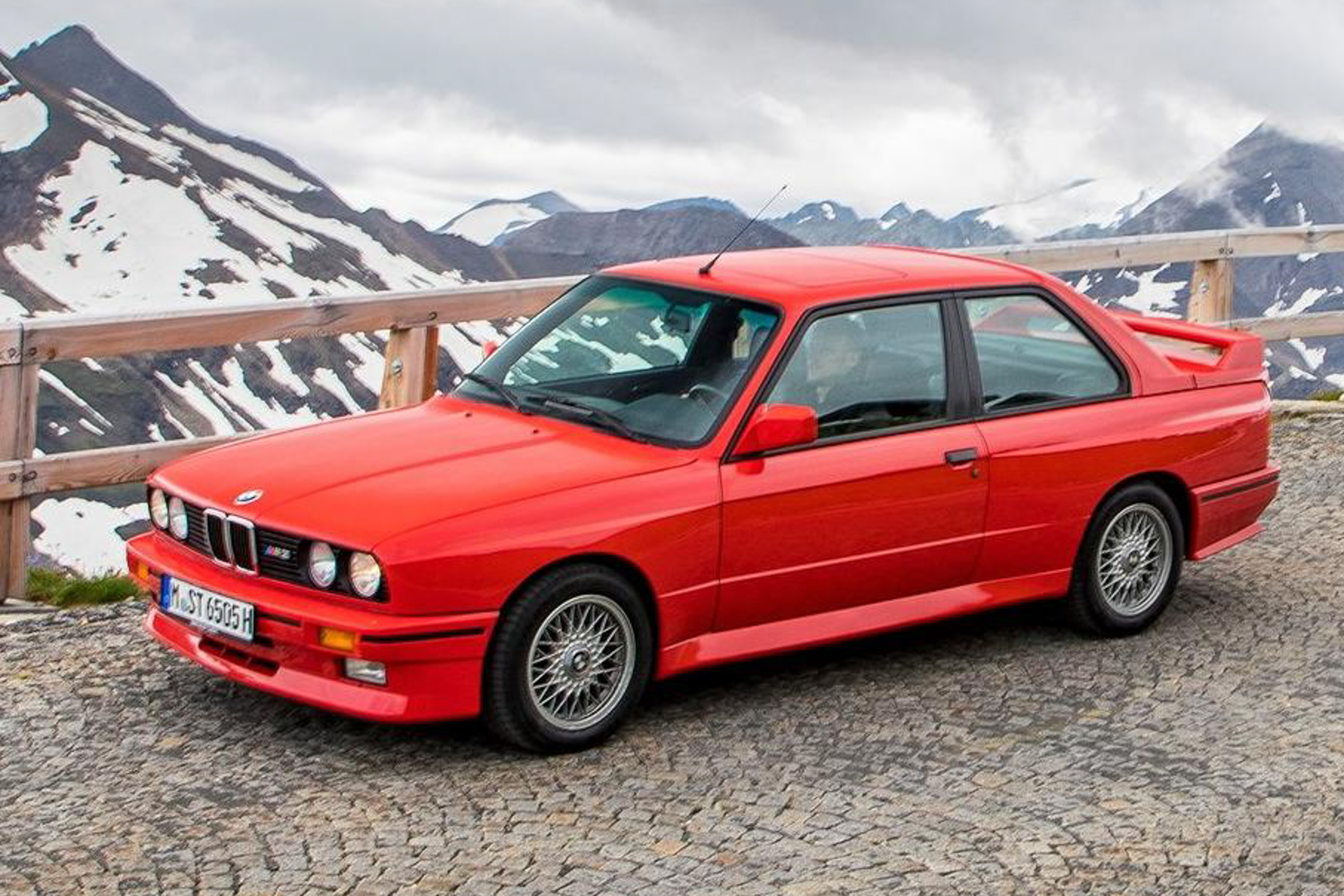
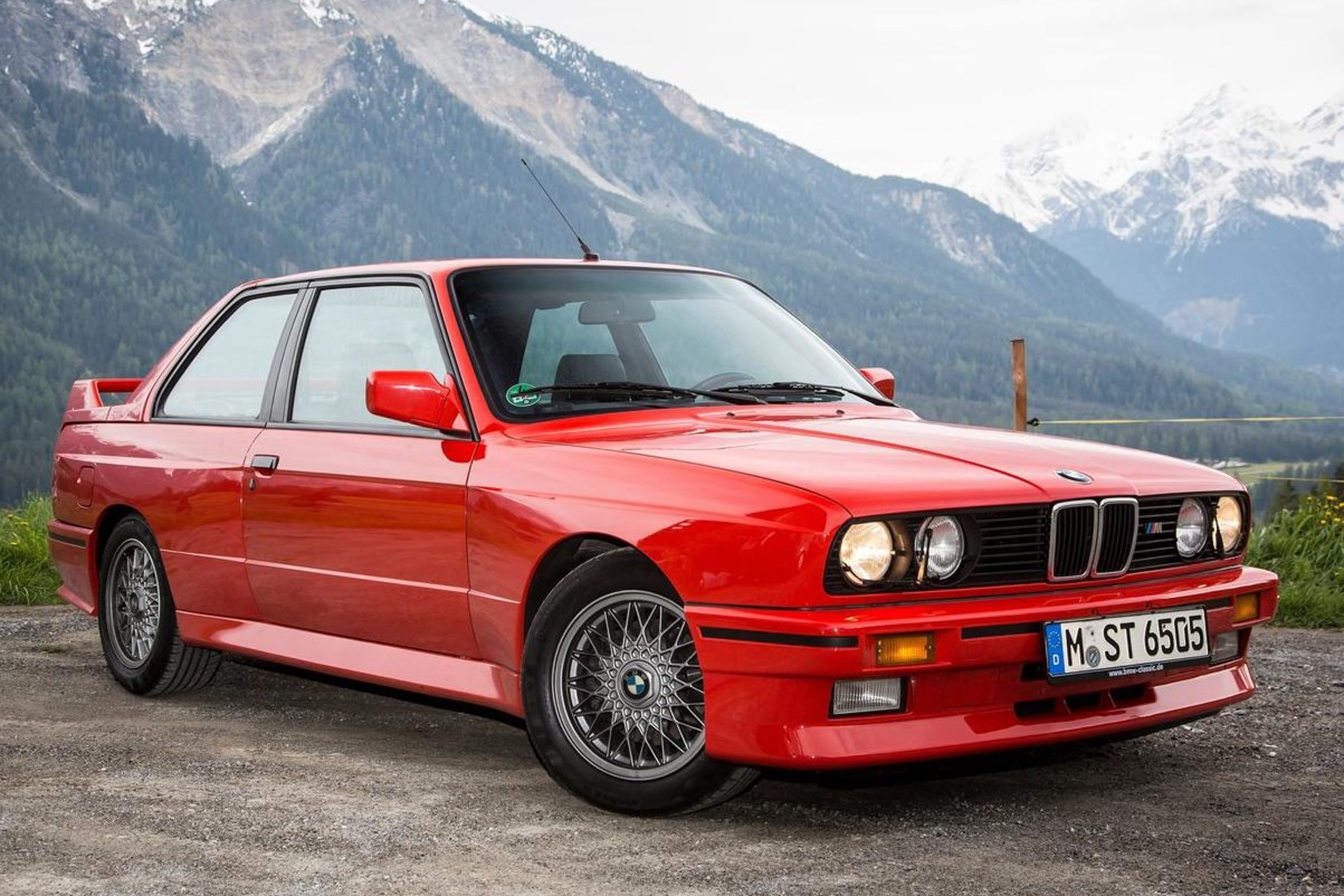
First, let’s look at the exterior. The overall style of the 1987 M3 continues the boxy silhouette of the E30 3 Series, but almost every detail has been performance-oriented. The front end features a wider front bumper, with additional black plastic cladding on both sides that not only lowers the visual center of gravity but also optimizes aerodynamics. The iconic kidney grille is not very large, but its interior features a black mesh structure instead of the horizontal bars of the regular 3 Series, matched with round halogen headlights for a highly recognizable look. The most striking feature on the side of the car is the widened front and rear wheel arches — about 40mm wider than the regular 3 Series, just enough to accommodate the 15-inch BBS alloy wheels (paired with 195/55 R15 tires). The waistline runs from the front fender to the rear, and a small side skirt has been added under the rear door, further enhancing the sporty vibe. The rear design is simple, with square tail lights maintaining the classic E30 look, but the rear bumper is also widened, and a small spoiler at the top is an original aerodynamic component from the factory, capable of providing slight downforce at high speeds. The lighting system uses all halogen sources, which, while not as bright as modern LEDs, were mainstream for the time and adequate for nighttime driving.
Stepping inside, the interior design focuses on "practicality," with minimal ornate decorations and every aspect serving the purpose of driving. The center console adopts a T-shaped layout similar to the regular 3 Series, but the steering wheel is replaced with a three-spoke M sports steering wheel, which feels thick and features anti-slip textures. There's also a red marker at the 12 o’clock position to help the driver judge the steering angle during track driving. The instrument cluster consists of traditional mechanical gauges, with a tachometer on the left showing a redline zone at 7,200 RPM and a speedometer on the right maxing out at 260km/h. A small screen in the center provides basic information such as fuel level and water temperature, with data that's clear and intuitive. The seats are M-special bucket-style sports seats, made of fabric material with excellent lateral support — they securely hold the driver through corners but remain comfortable for long trips. The front seats offer manual adjustments for the front-back position and backrest angle, and even the headrest height can be adjusted, making it easy to find a comfortable driving position. In terms of features, the 1987 M3 comes standard with power windows, manual air conditioning, and a cassette radio. While it lacks modern touchscreens or smart systems, it has all the basic functions covered. Notably, there is a storage compartment underneath the center console, and the door panels include cup holders, providing adequate space for small everyday items.
As for space performance, the 1987 M3 has body dimensions of 4,340mm × 1,700mm × 1,385mm and a wheelbase of 2,565mm, making it a compact sedan. The front row offers ample space; a passenger who is 180cm tall can sit with a fist’s worth of headroom remaining and without their legs feeling cramped against the steering wheel. However, the rear space is relatively tight — for the same 180cm tall passenger in the rear seat, their knees have only two fingers' width of space from the front seat, and headroom is reduced to half a fist, making it suitable for short-distance rides but potentially uncomfortable for longer trips. Storage capacity is average, with the trunk offering about 370 liters, enough for two 20-inch suitcases. The rear seats can be folded down in a split configuration to accommodate longer items. Small storage spaces inside the cabin include the central armrest box, door storage compartments, and drawers under the seats, which are sufficient for daily use.
Powertrain-wise, the 1987 M3 is equipped with a 2.3L naturally aspirated four-cylinder engine (code-named S14B23), delivering a maximum power of 143 kW (195 horsepower) and maximum torque of 230 N·m, paired with a 5-speed manual transmission. During actual driving, this engine doesn’t excel in low-end torque, as its power delivery is quite smooth below 1500 rpm. However, once the revs exceed 3000 rpm, the power surges suddenly, maintaining a linear output all the way to the 7000 rpm redline. During acceleration, as long as you’re willing to push the throttle and keep the revs above 3000 rpm, the tires may slightly slip, and the 0-100 km/h acceleration time is about 6.7 seconds, which was considered very fast at the time. For overtaking, downshifting to keep the revs above 4000 rpm provides a very direct power response, and its acceleration ability on the highway is also quite impressive. There is only one driving mode, but the gearbox has an excellent shifting feel, with clear and short gear throws, and a strong sense of engagement that brings joy with every shift.
Handling and chassis are the core strengths of the 1987 M3. The steering wheel has minimal slack, with precise steering that feels like an "extension of your fingertips." When turning, you can clearly feel the road feedback, and during cornering, you can accurately judge the trajectory of the front wheels. The car features a front MacPherson and rear semi-trailing arm suspension, finely tuned by the M division for track performance. The suspension stiffness is much higher than that of the regular 3 Series, but it provides excellent support, with very minimal body roll during cornering. Even when cornering at relatively high speeds, the body remains stable. When handling bumpy roads, the suspension filters out minor vibrations, but on speed bumps or large potholes, rear passengers might feel some jolts, which is expected given its performance-oriented setup. The braking system uses front ventilated discs and rear solid discs. The brake pedal feel is linear, with ample braking force, and its 100-0 km/h braking distance is about 38 meters, which was an excellent performance at the time.
As for driving comfort, the 1987 M3 delivers a balanced performance for a performance car. Noise control—at low speeds, the engine noise is not too loud, but once the revs exceed 4000 rpm, the exhaust note becomes rich and full (the stock exhaust even has a slight crackle). Wind and tire noise are noticeable at high speeds but remain within acceptable limits. The seats provide strong support, and their fabric material is highly breathable, ensuring comfort even during long periods of travel. It’s worth mentioning that the clutch pedal has moderate resistance, so even frequent shifting in urban traffic won’t feel too tiring.
In conclusion, the core highlights of the 1987 BMW M3 are clear: track-level handling and performance, a classic and recognizable exterior, and practical everyday usability. Compared to its contemporaries (such as the Audi Quattro Coupe and Mercedes-Benz 190E 2.3-16), the M3's advantage lies in its "balance"—it’s not as challenging to drive as a purely sports-focused car, nor does it lack the fun factor found in ordinary family cars. It is particularly suitable for two types of people: enthusiasts who love driving and pursue handling joy (whether for daily commutes or weekend mountain road trips), and collectors who value classic cars for their collectible potential (as the first M3, its resale value has always been high).
Overall, the 1987 BMW M3 is not only a performance car but also a pioneer of the "everyday performance car" concept—it proves that performance cars can also accommodate daily usability. This sense of balance is exactly what makes it legendary. Even today, its driving fun can still surpass that of many new cars. If you’re passionate about driving, this car is absolutely worth experiencing.
BMW M3 Car Compare


More BMW Reviews
Cars With Similar Price And Features

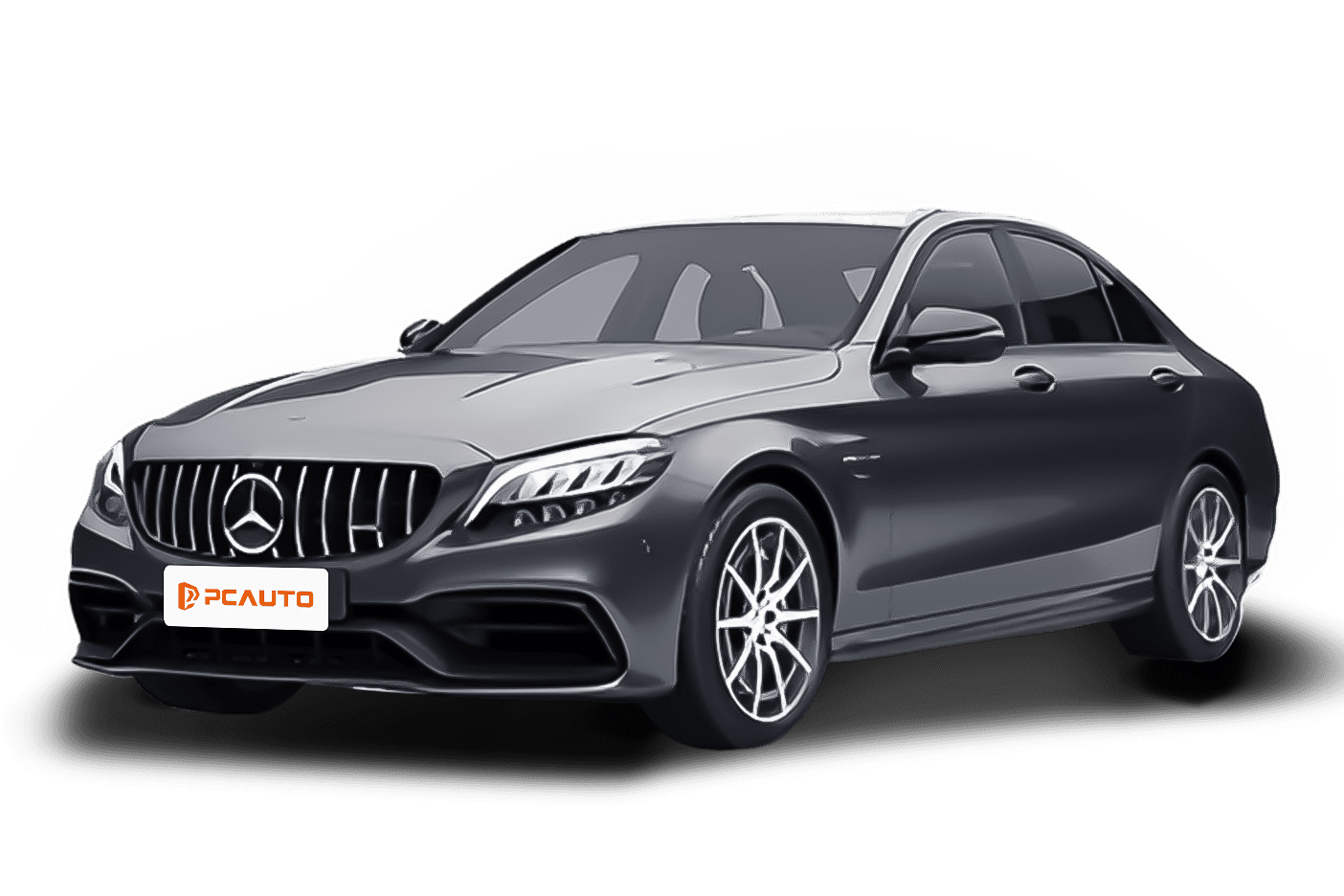
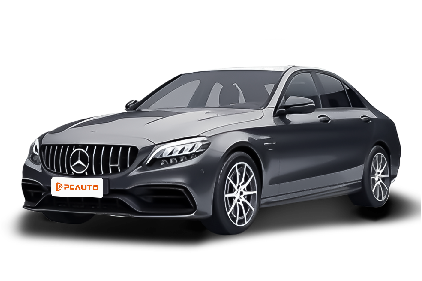
The 2024 Mercedes-Benz AMG C-Class AMG C 43 is a luxury mid-size performance car that balances daily practicality and driving pleasure. With a 2.0T hybrid that is more powerful and fuel-efficient, along with upgraded features, it serves as an attainable entry-level benchmark AMG for the middle class.
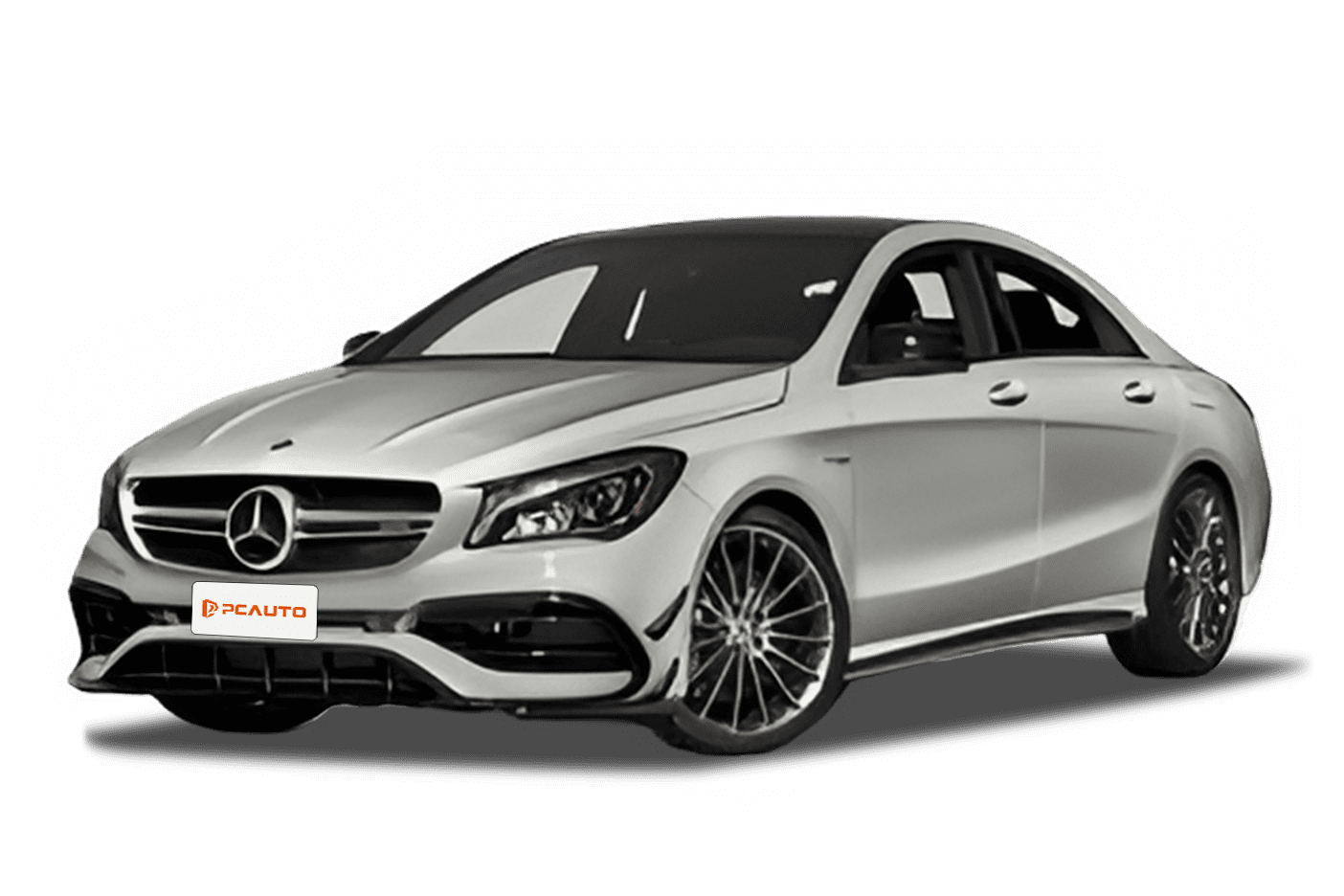
2023 Mercedes-Benz AMG CLA 45 S 4MATIC is a luxury performance coupe that combines powerful acceleration of 0-100 km/h in 4.1 seconds with practical space, meeting both performance and daily needs with its sporty design and technological features.
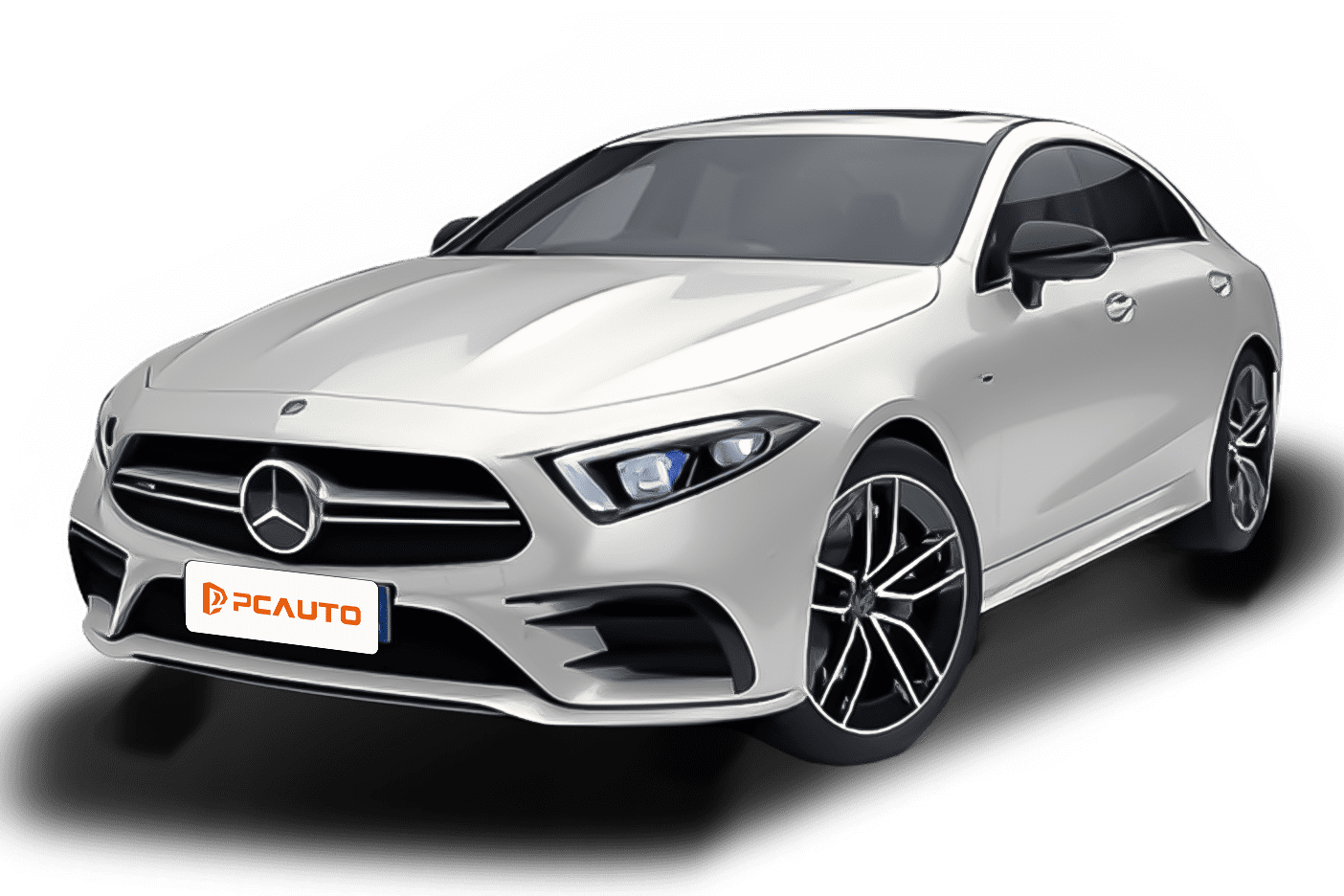
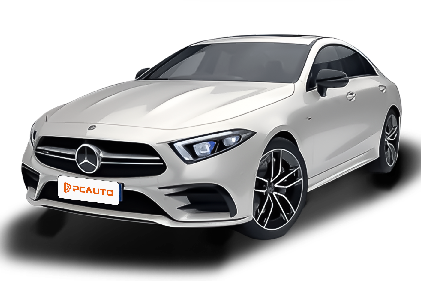
2018 Mercedes-Benz AMG CLS 53 4Matic Coupe Edition 1 is a versatile high-end four-door coupe that combines AMG performance, Mercedes-Benz luxury, and practical space, meeting the needs of both business and driving pleasure.