

BMW M3 2001 Review

 Share
Share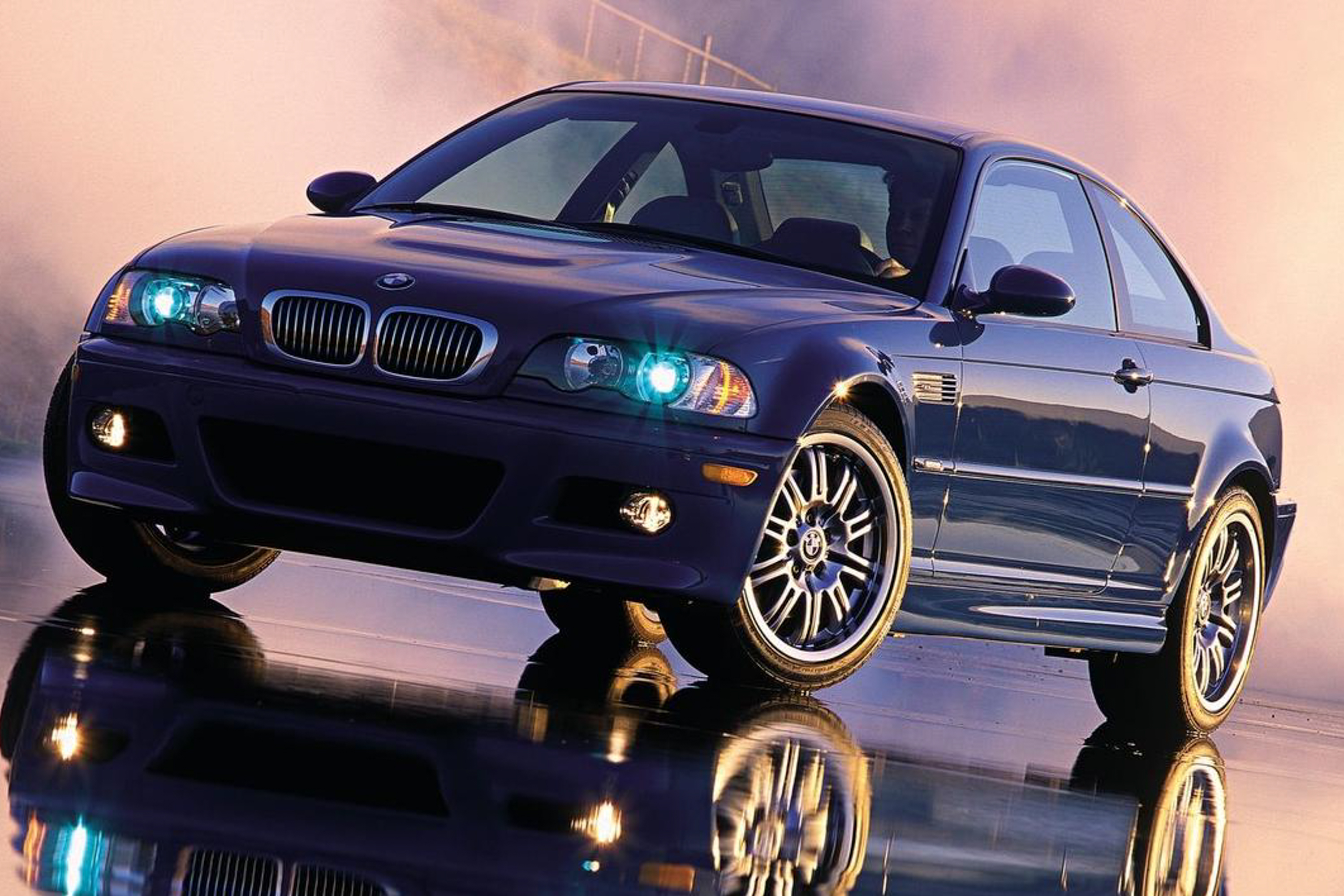
 Body Type
 Segment
 Capacity(L)
 Engine Power(PS)
 Engine Torque(Nm)
 Transmission
In Malaysia's current high-performance sedan market, the niche segment that balances daily practicality with driving pleasure has always captured the attention of car enthusiasts. The 2001 BMW M3 Public is a classic representative in this field. As the high-performance version of the E46 generation, it is equipped with the iconic naturally aspirated inline-six engine, while retaining BMW's consistently precise handling calibration. These two core selling points make many performance car enthusiasts curious about its actual performance. This review will comprehensively cover static design, space practicality, and dynamic driving experience to help readers determine whether this classic model can still meet today's usage needs.
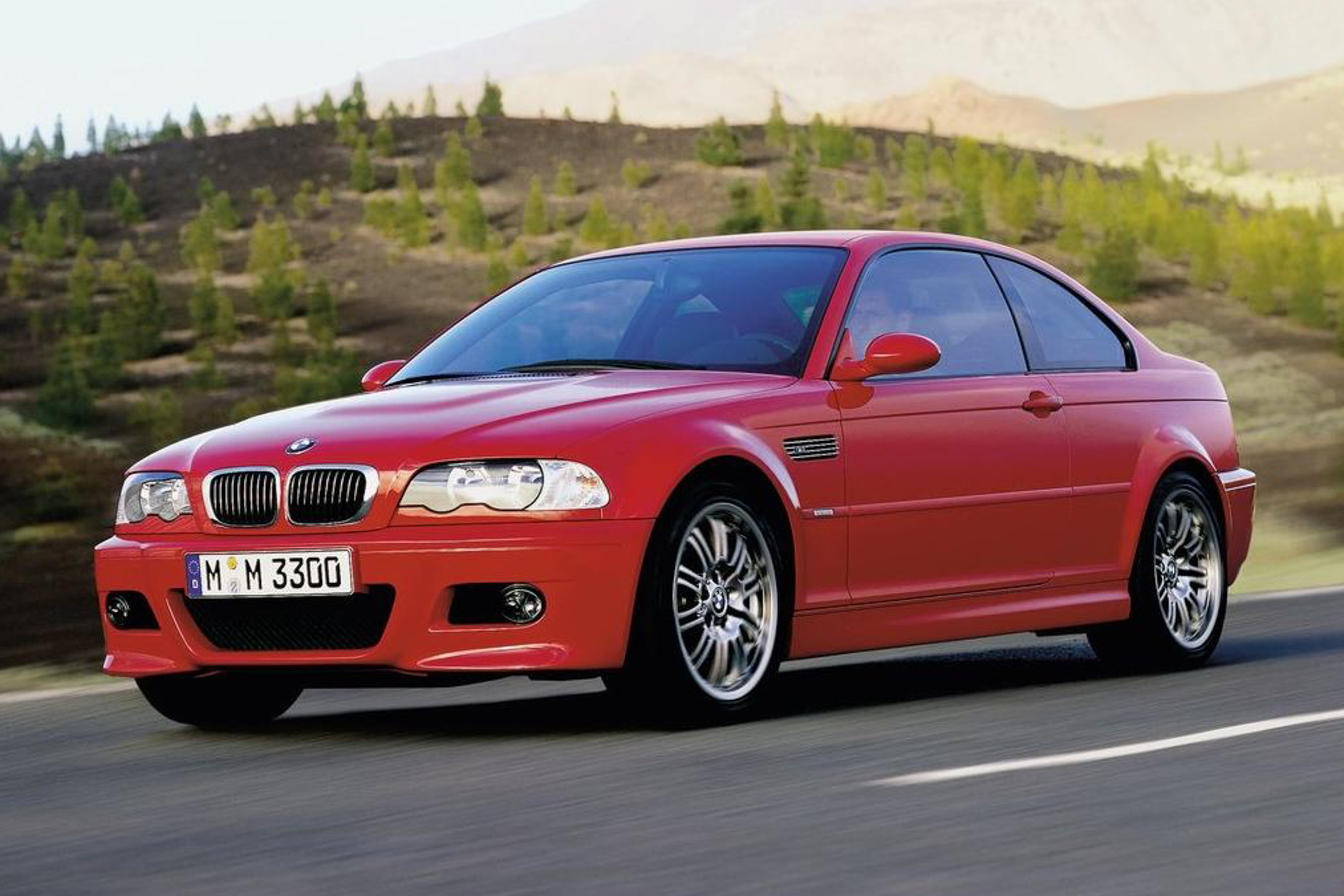
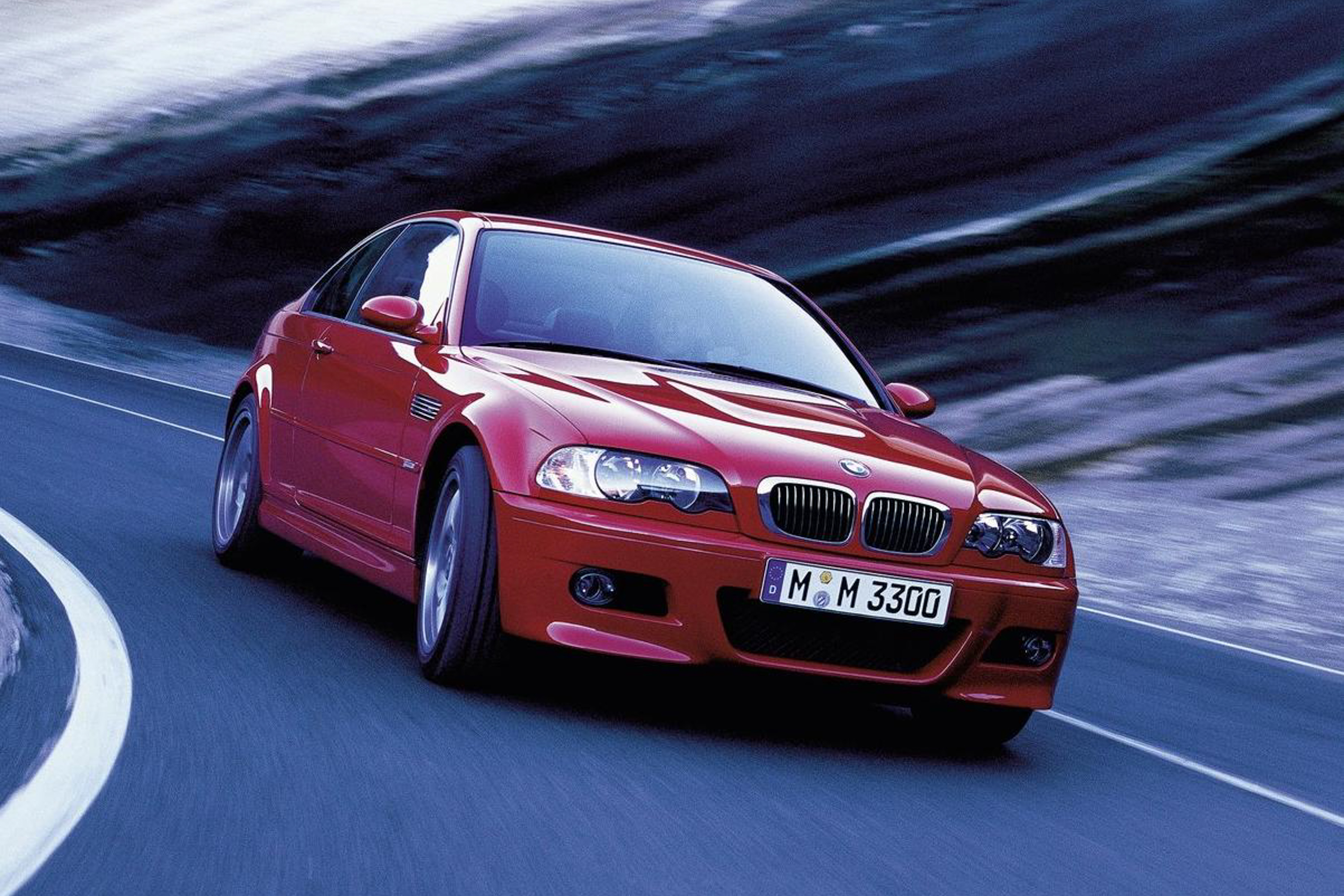
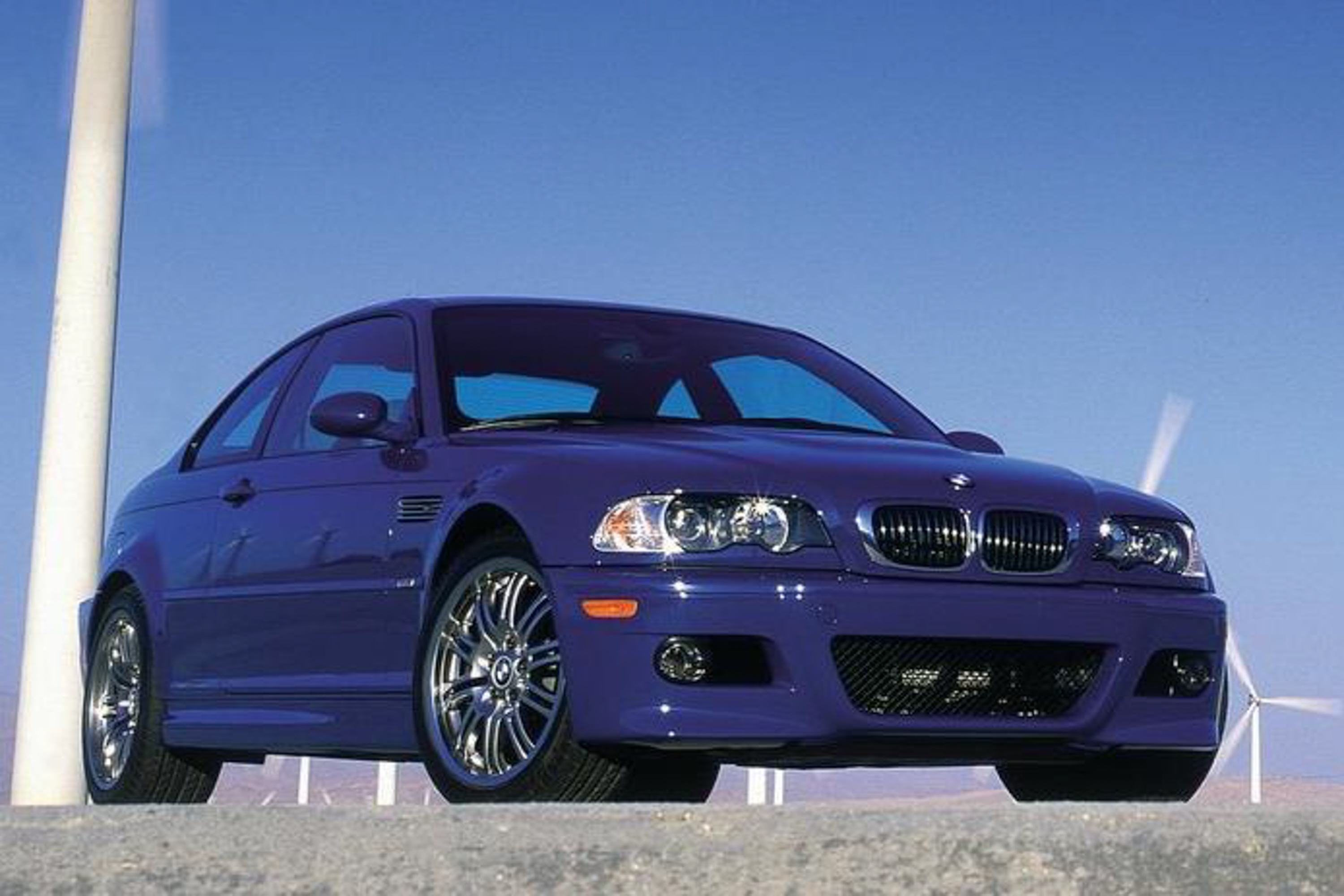
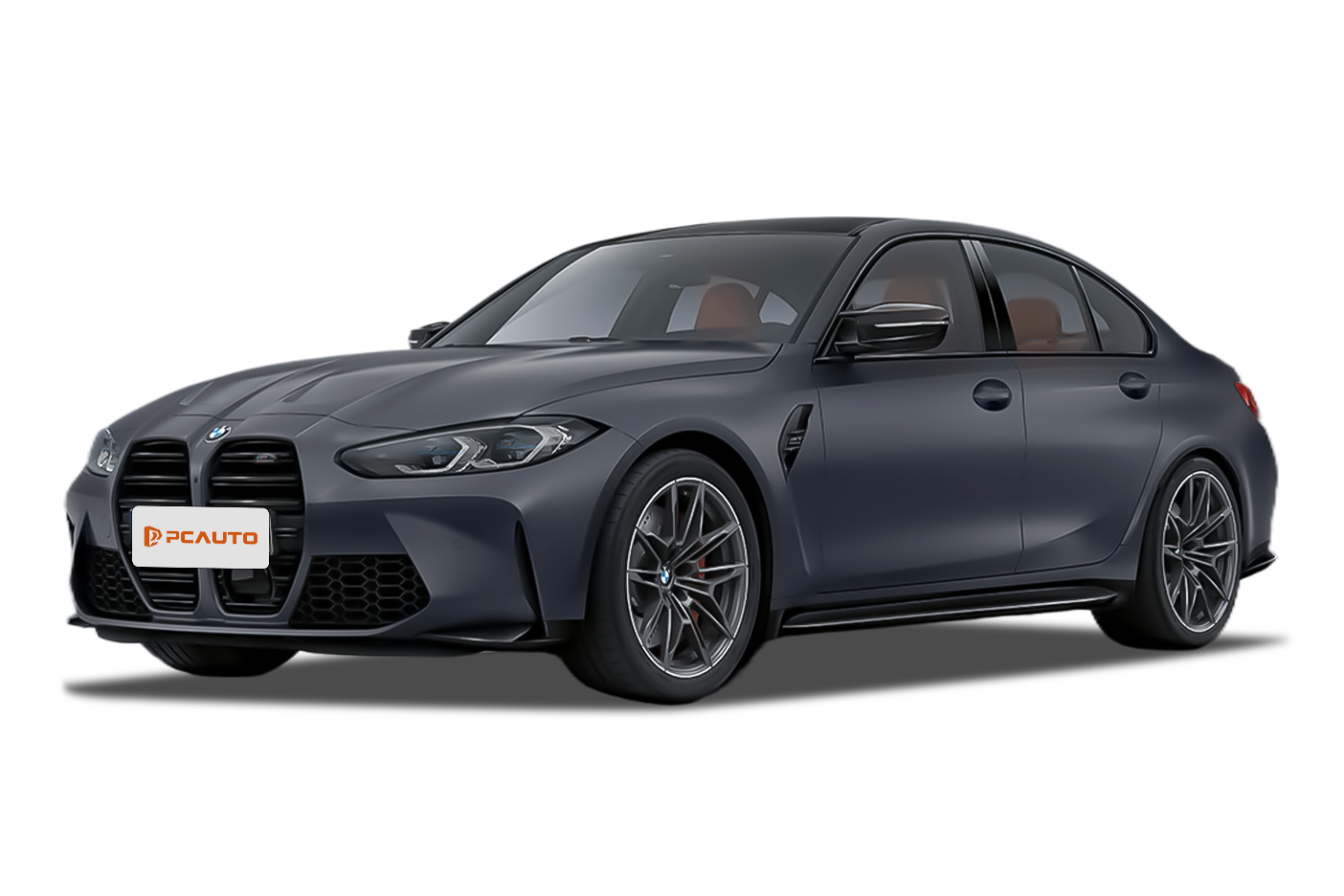
In terms of exterior design, the 2001 M3 Public continues the elegant lines of the E46 series but enhances its performance attributes through detail refinements. The front features larger kidney grilles, with black honeycomb structures replacing the horizontal strips of the regular 3 Series. Combined with sharply contoured air intakes on the front bumper, the car exhibits significantly increased visual aggression. The most notable feature of the side profile is the wide-body design of the front and rear fenders, which are approximately 15mm wider than the standard 3 Series. This, coupled with 18-inch multi-spoke alloy wheels and low-profile tires, further emphasizes its sporty stance. At the rear, a small black spoiler complements the dual-round exhaust pipes on both sides, while the taillight cluster features the classic L-shape design, offering high recognition when illuminated at night. Overall, the exterior maintains BMW's family style while clearly distinguishing itself from the standard version through performance-oriented details.
Inside the car, the interior design focuses on simplicity and functionality, with a combination of dark-colored plastic and Alcantara materials balancing durability with a sporty ambiance. The center console layout is largely the same as the standard 3 Series, but the M-series exclusive three-spoke multifunction steering wheel is a key highlight — it has a sturdy grip with perforated leather treatment, and the "M" badge on the bottom clearly identifies its pedigree. The instrument cluster adopts a traditional mechanical pointer design, with a redline set at 7,900 RPM on the tachometer. Although the central display screen is only 6.5 inches, it supports basic audio and navigation features. The seats are of a sporty bucket design with strong lateral support; the backrest and cushions are covered in Alcantara material to provide adequate support during aggressive driving. For everyday use, the lumbar support and thigh cushioning also make long drives more comfortable. As for features, basics like automatic air conditioning, power seat adjustments, and one-button start are all included. However, it lacks the smart connectivity systems popular today, with the overall focus being more on driving essence.
In terms of space, the car's dimensions are 4,490mm in length, 1,780mm in width, and 1,395mm in height, with a wheelbase of 2,725mm, placing it in the compact sedan category. The front row offers ample space; a 180cm-tall tester can adjust the seating position and still have a fist's worth of headroom. The rear space is relatively compact; the same tester finds only two fingers worth of legroom and three fingers worth of headroom, making it suitable for short trips. Long journeys with four passengers would feel cramped. As for storage capacity, the front door panels' storage compartments can hold two 500ml bottles of water, while the center armrest box is quite shallow, fitting only items like small documents or a phone. The trunk has a capacity of 340L, which is smaller than family sedans of the same class but can fit two 20-inch suitcases or a set of golf clubs, sufficient for daily commuting or short trips.
Dynamic driving is the core advantage of the 2001 M3 public. The powertrain is equipped with a 3.2L inline six-cylinder naturally aspirated engine, delivering a maximum power of 252 horsepower and a peak torque of 320N·m, paired with a 6-speed manual transmission. During the initial phase, power output in the low RPM range is smooth, and as the RPM rises above 3000, the power response becomes noticeably more lively. After 6000 RPM, it enters its explosive phase, and even up to the 7900 RPM redline, the power output remains linear and strong. During daily driving, the gear shift has a moderate travel distance, with clear gear engagement and a strong mechanical feel. In acceleration tests, the 0-100km/h performance is approximately 5.2 seconds, which was top level in its class in 2001, and even today meets performance needs.
The handling performance continues BMW’s precise tuning. The steering wheel has minimal play and delivers direct road feedback, with every turn clearly relaying the dynamics of the front wheels. The suspension system uses a front MacPherson strut and rear multi-link structure, with M-series exclusive sporty tuning providing strong suspension support. During cornering, body roll is well controlled, and even at higher speeds, the car remains stable. When dealing with bumpy roads, the suspension filters out most of the small vibrations, but when crossing speed bumps or larger potholes, rear passengers will feel noticeable impacts, slightly sacrificing comfort.
In terms of fuel efficiency, the tested fuel consumption under mixed driving conditions is about 12.5L/100km. In urban traffic, the fuel consumption can reach up to 15L/100km, while during highway cruising, it can drop to around 9L/100km. For a high-displacement naturally aspirated performance car, this is considered normal. The braking performance is excellent, with ventilated disc brakes on both the front and rear, paired with high-performance brake pads. The 100-0km/h braking distance is approximately 38 meters, and there is no significant thermal decay after consecutive braking, ensuring safety during intense driving.
In terms of driving comfort, noise control meets the standards of its class at the time. At speeds below 80km/h, wind noise and tire noise are not noticeable, but as speeds exceed 100km/h, wind noise gradually increases, though still within acceptable levels. The Alcantara material of the seats has good breathability, ensuring that extended summer use does not feel overly stuffy. The only drawback is that the rear seatback angle is relatively upright, making it tiring for long trips.
In summary, the core advantage of the 2001 BMW M3 public lies in its pure driving experience—the linear power output of the inline six-cylinder naturally aspirated engine, precise handling tuning, and sporty design details. These qualities are difficult to replicate in today’s small-displacement turbocharged vehicles. Compared to classic performance cars of the same class, such as the Audi S4 (B6), the M3 holds a stronger advantage in handling precision. However, it is slightly lacking in features and rear space compared to the Mercedes-Benz C32 AMG of the same period. This model is better suited for consumers who prioritize driving pleasure, especially fans of manual transmissions and the texture of naturally aspirated engines. However, if used as the sole family car, rear space and fuel efficiency might be shortcomings. Overall, the 2001 M3 public is a classic car "born to drive," and even after many years, its core performance still captivates true car enthusiasts.
BMW M3 Car Compare
More BMW Reviews
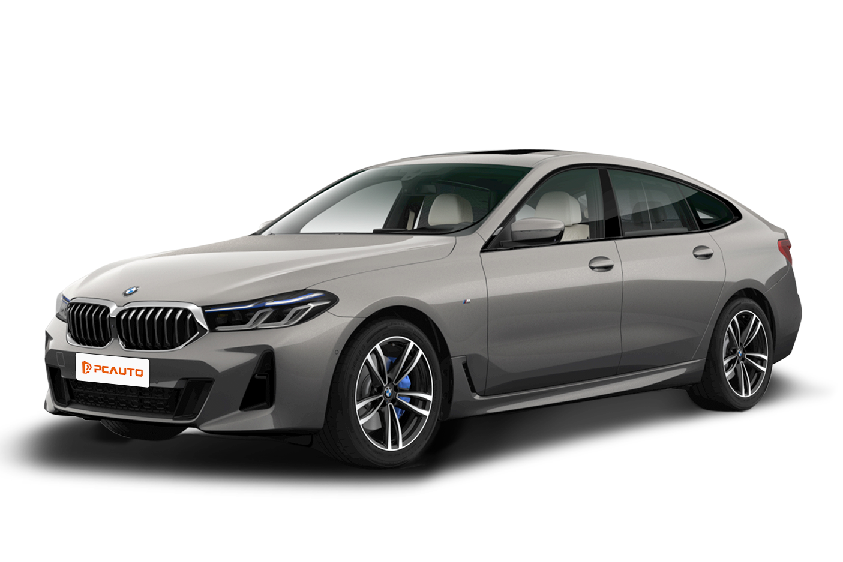
Cars With Similar Price And Features

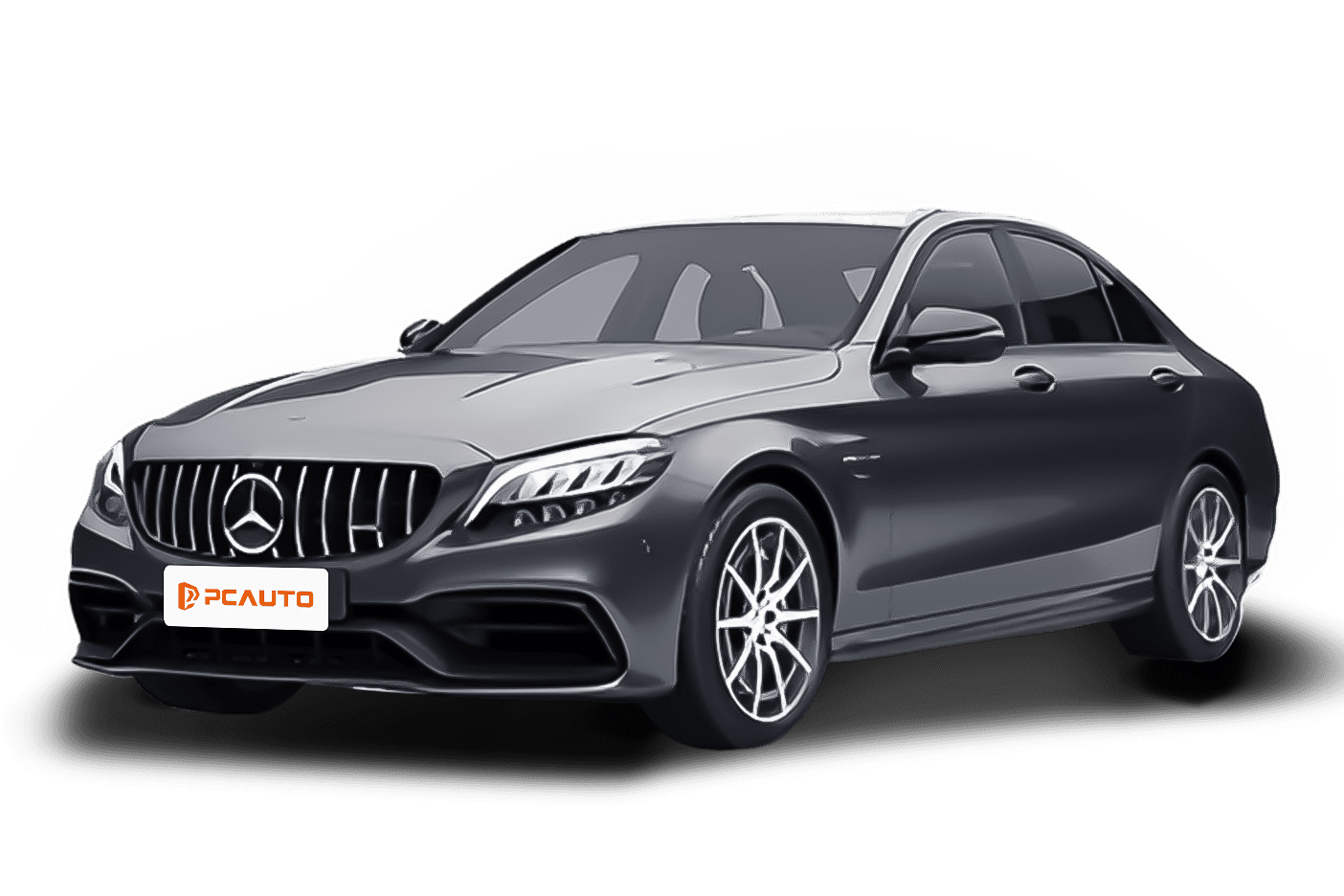
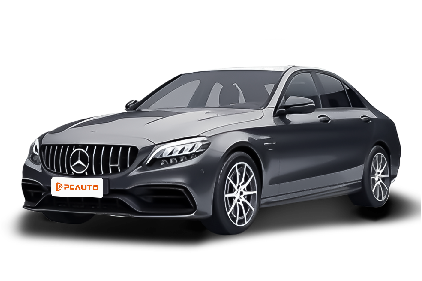
The 2024 Mercedes-Benz AMG C-Class AMG C 43 is a luxury mid-size performance car that balances daily practicality and driving pleasure. With a 2.0T hybrid that is more powerful and fuel-efficient, along with upgraded features, it serves as an attainable entry-level benchmark AMG for the middle class.
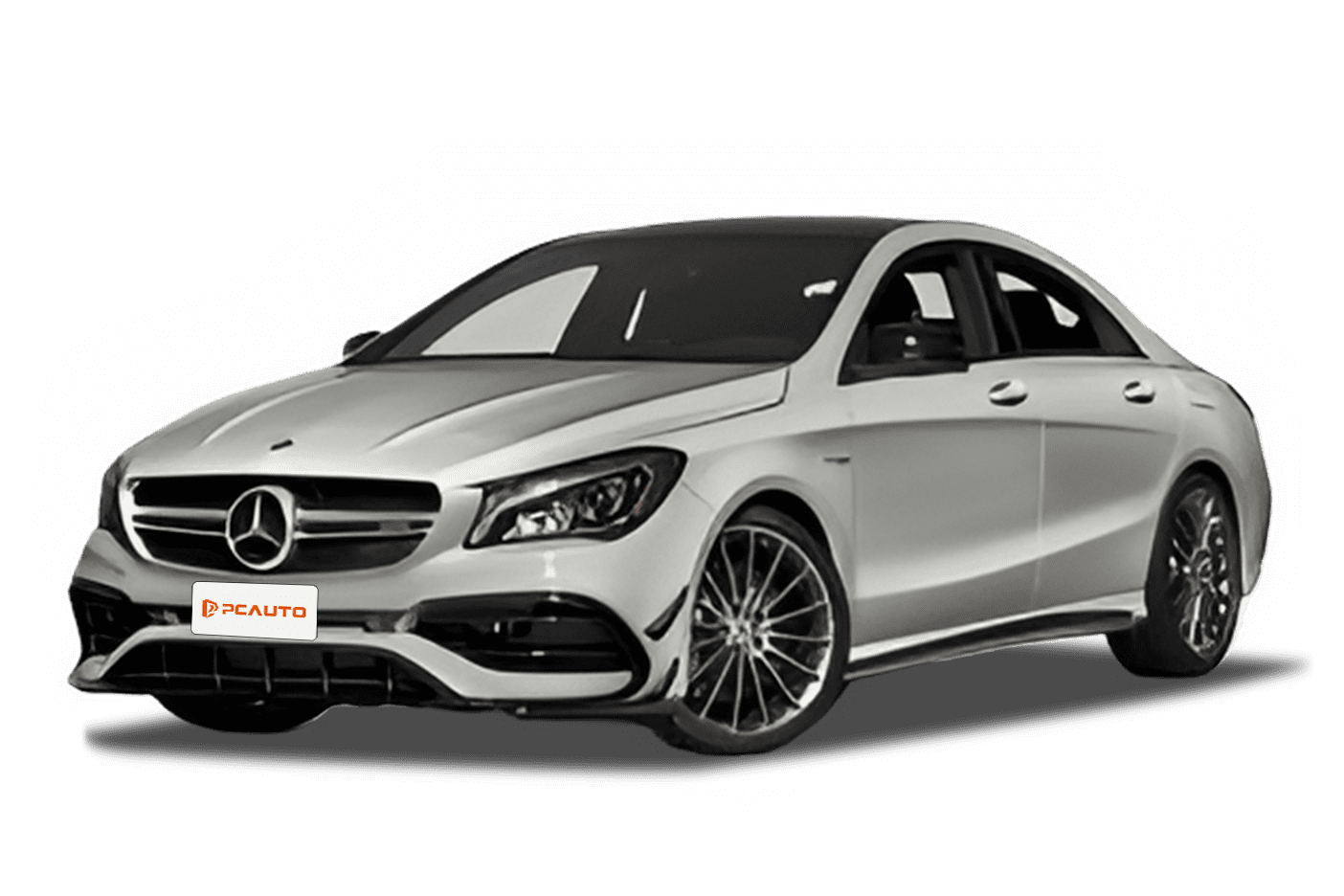
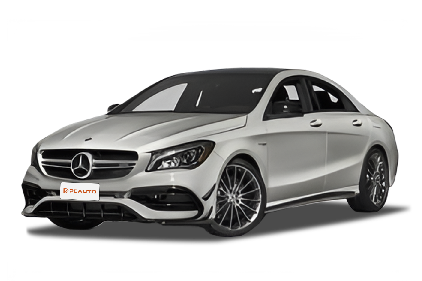
2023 Mercedes-Benz AMG CLA 45 S 4MATIC is a luxury performance coupe that combines powerful acceleration of 0-100 km/h in 4.1 seconds with practical space, meeting both performance and daily needs with its sporty design and technological features.
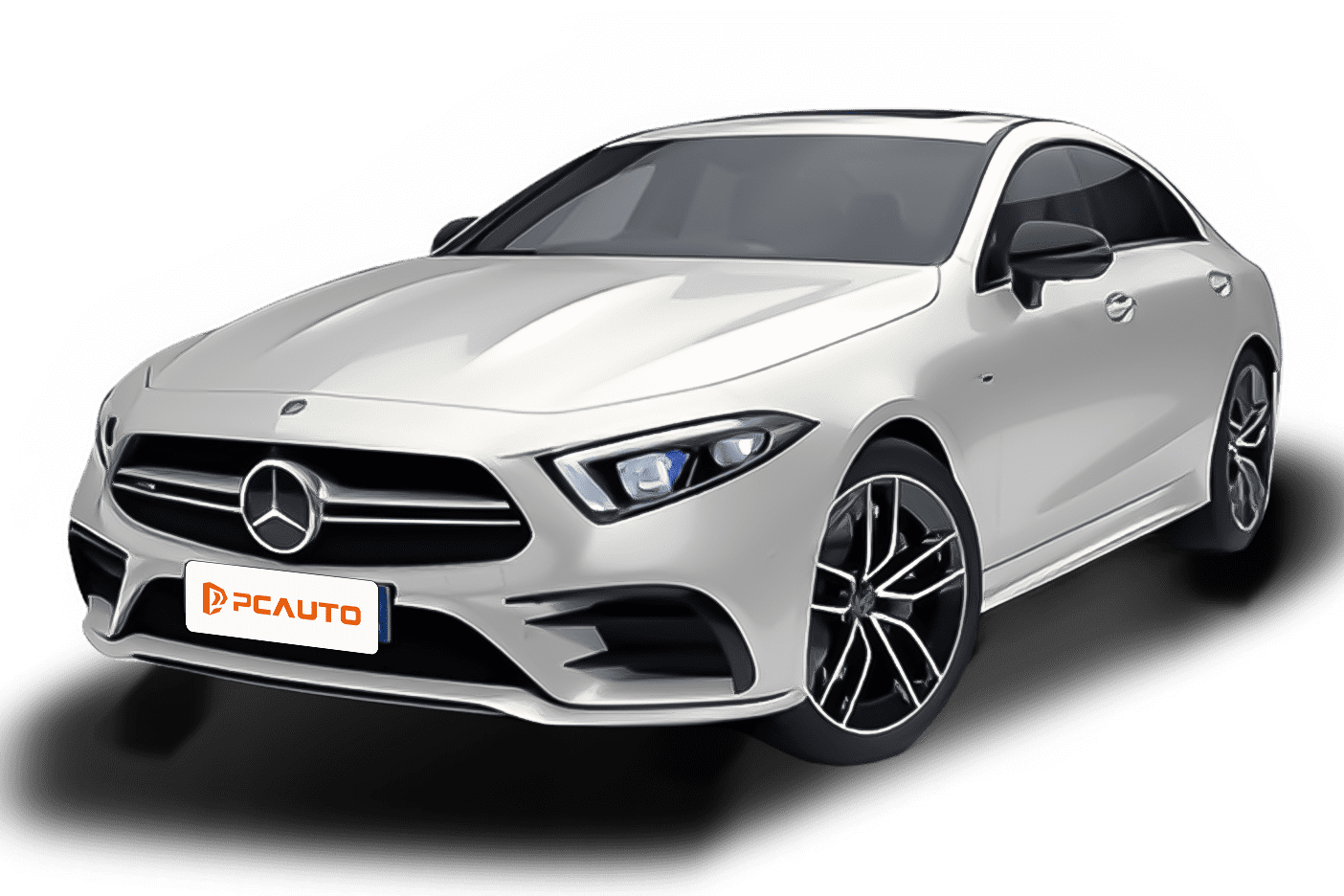
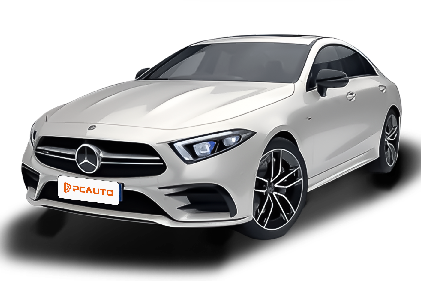
2018 Mercedes-Benz AMG CLS 53 4Matic Coupe Edition 1 is a versatile high-end four-door coupe that combines AMG performance, Mercedes-Benz luxury, and practical space, meeting the needs of both business and driving pleasure.