

BMW X5 1999 Review

 Share
Share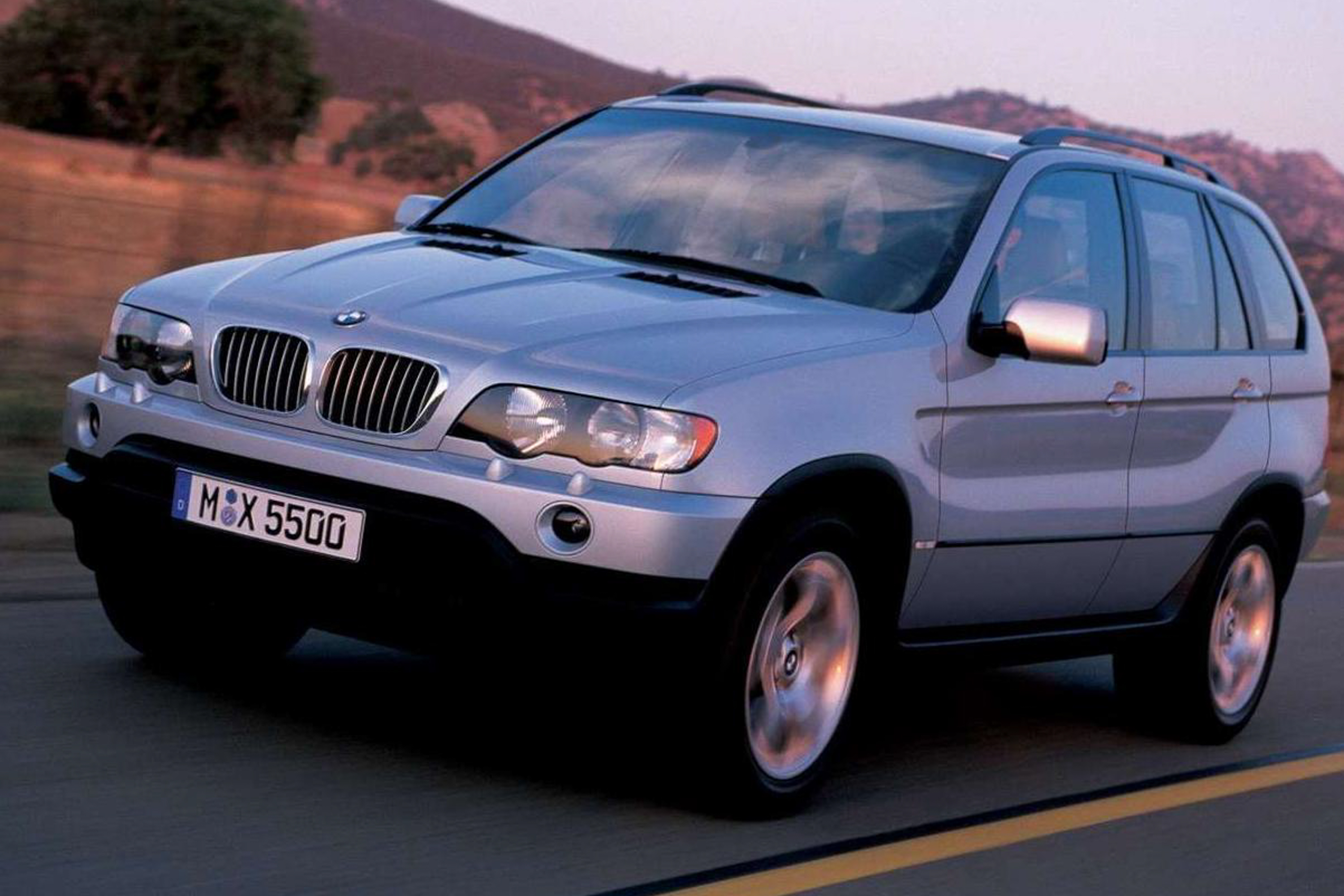
 Body Type
 Segment
 Capacity(L)
 Combined System Output(PS)
 Combined System Torque(Nm)
 EV Range(km)
In the late 1990s and early 2000s, Malaysia's luxury SUV market was in its infancy. Consumers wanted the refinement of traditional luxury sedans while also expecting the off-road capability and practical space of SUVs. The BMW X5, launched in 1999, was designed precisely to target this niche market. As BMW's first mass-produced SUV, it broke the boundaries between "rugged off-road" and "urban luxury," positioning itself as a "Sports Activity Vehicle"—offering the space of an SUV while retaining BMW's iconic driving dynamics. This time, we got our hands on the real vehicle to test its overall performance on Malaysian roads and see if this "trailblazer" truly balances sportiness and practicality.
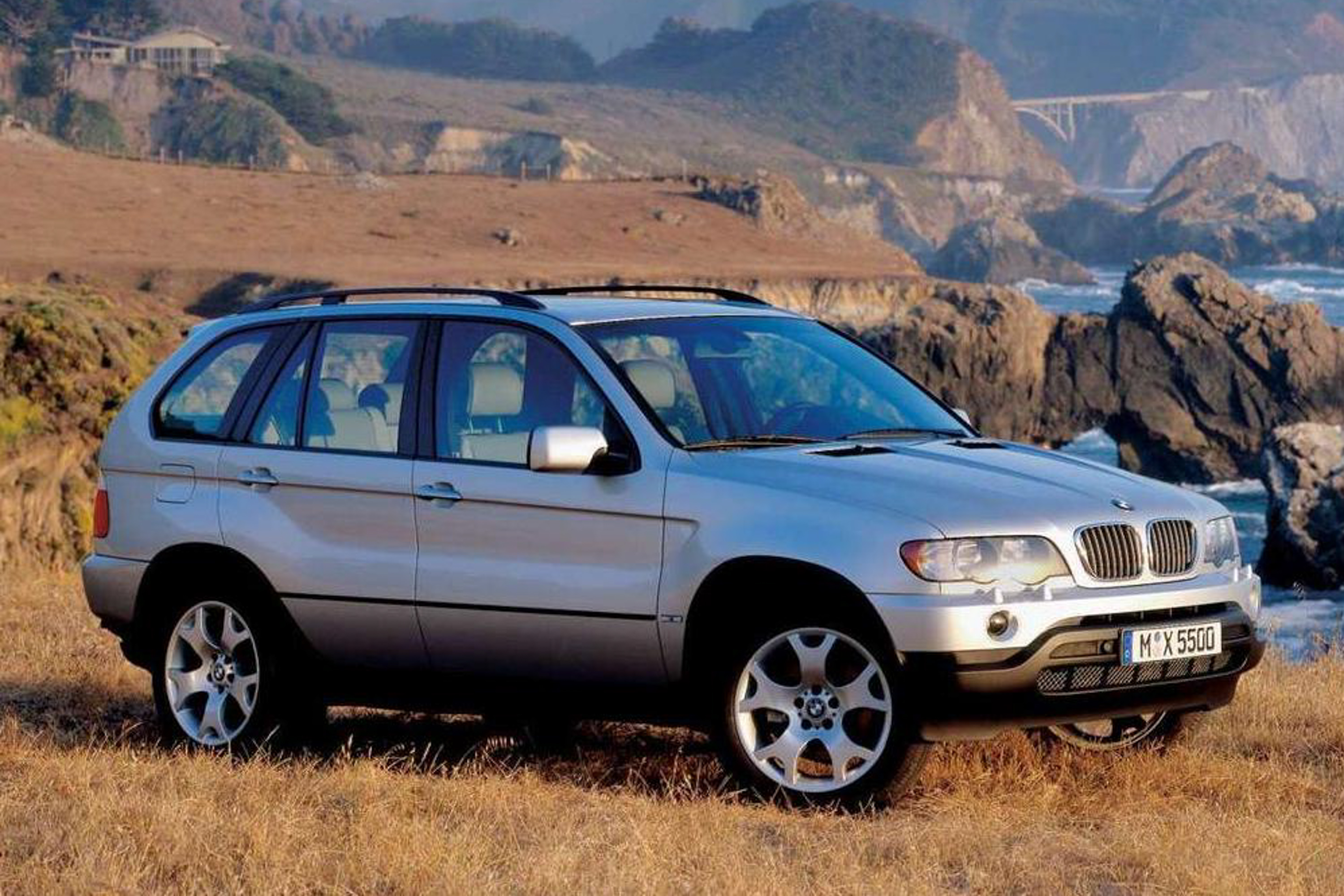
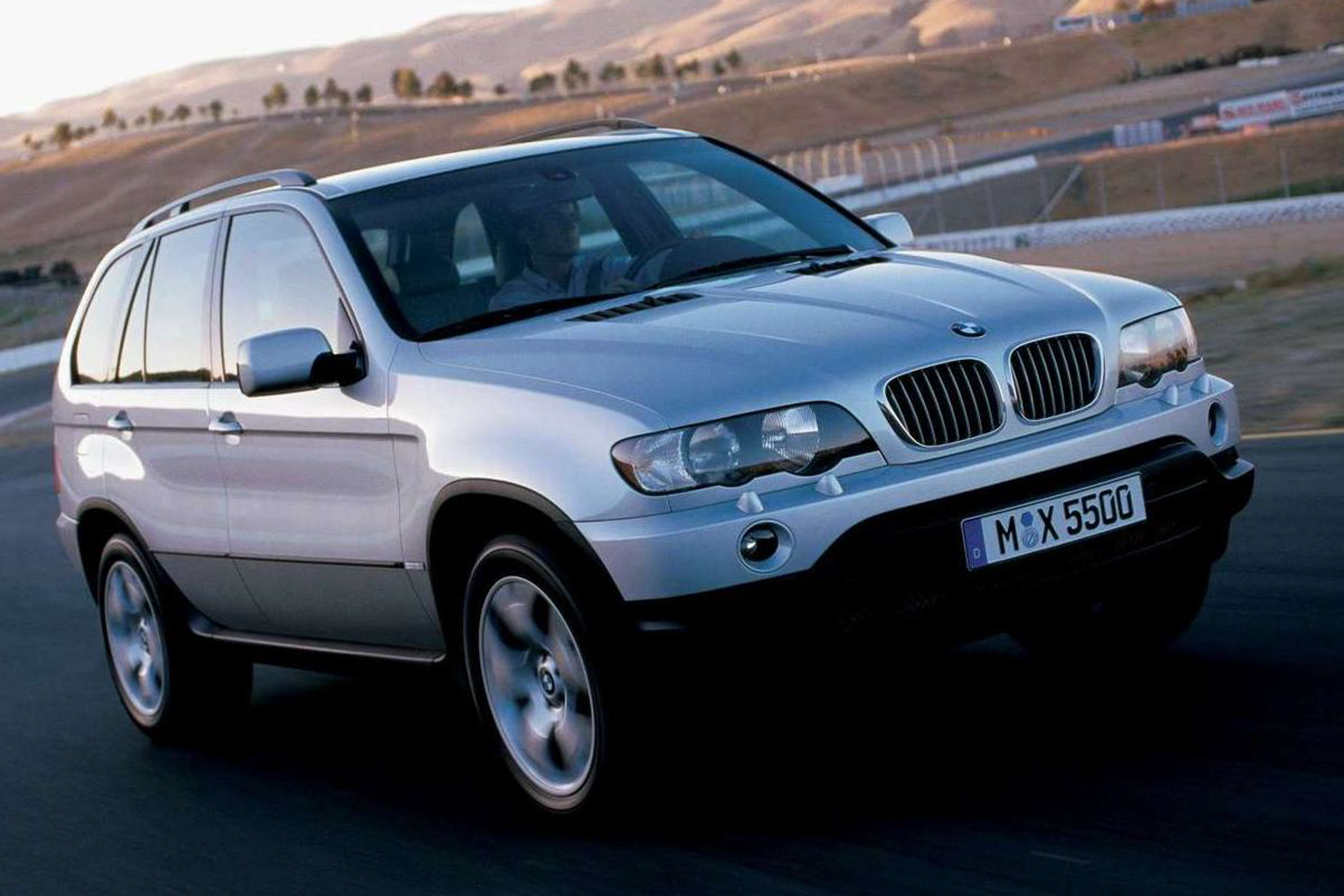
The first glance at the 1999 BMW X5 immediately reveals its differences from the rugged SUVs of the same era. Its overall design leans towards a rounded appearance yet retains BMW’s signature muscular characteristics: the front features the iconic kidney grille, although larger in size compared to the 3 Series and 5 Series of the time, paired with square halogen headlights, which are highly recognizable. Two raised lines run along the hood from the grille to the A-pillar, enhancing the sense of power. The side profile of the car is smooth, without overly complex designs. A waistline runs across the vehicle from the front fender to the rear, complemented by 17-inch multi-spoke alloy wheels, giving it a more "urbanized" look compared to contemporaries like the Toyota Land Cruiser. The rear design is relatively minimalist, with square taillights echoing the front, and a silver skid plate under the rear bumper, which not only enhances the off-road feel but also helps prevent scratches—a practical feature for unpaved rural roads in Malaysia. The lighting system uses halogen bulbs across all models. Though not as advanced as modern LEDs, they were considered standard for luxury cars at the time and provided enough illumination for nighttime driving on rural roads.
Opening the door, the luxury of the interior is more noticeable compared to Japanese SUVs of the same era. The dashboard adopts a two-tone color scheme with a dark upper section and a lighter lower section. The top features a soft-touch plastic material, and the middle section is accented with wood grain trim. Though it’s an early version of simulated wood, it feels far superior to hard plastics. The three-spoke steering wheel is wrapped in genuine leather, providing a firm grip. On the left, there is a volume control button, but no multifunctional controls—after all, this is a car from more than 20 years ago. The center console layout prioritizes practicality: the upper section includes a single-disc CD player and air vents, while the middle section houses the manual air-conditioning control panel. The knobs and buttons have good resistance, making them easy to operate. The seats are made of genuine leather, with the front seats allowing manual adjustments (height, fore/aft, backrest angle). The cushions and backrests are well-padded, ensuring comfort even during long drives. In terms of features, the car comes with a standard electric sunroof, auto-dimming rearview mirror, rear air vents, and the then-rare cruise control, which is especially useful for long drives on the North-South Expressway. For safety, the car includes dual airbags, ABS+EBD. While not as rich as modern active safety systems, it was already considered advanced among its class in the early 2000s.
Space is one of the key selling points of an SUV, and the 1999 X5’s dimensions, measuring 4667mm×1872mm×1715mm with a wheelbase of 2820mm, place it in the mainstream range of mid-to-large SUVs at the time. The front-row seating area is very spacious—an occupant with a height of 180cm would still have a headroom clearance of a fist and two fingers, with adequate legroom. The rear seating space is even more impressive: a 180cm-tall occupant sitting in the rear would have two fists of legroom and one fist of headroom to spare. The relatively low central floor hump also provides middle passengers with comfortable foot positioning—a crucial feature for Malaysian family users who occasionally need to accommodate three rear passengers. Regarding storage capacity, the trunk offers a standard volume of 465 liters, which can expand to 1550 liters when the rear seats are folded flat. This is spacious enough to fit two 28-inch suitcases and a few backpacks. Additionally, there are plenty of smaller storage compartments within the cabin: the door panels have storage bins that can hold two bottles of mineral water, the center armrest can store wallets and phones, and the back of the front seats features map pockets—all thoughtfully designed with attention to detail.
In the Malaysian market, the 1999 X5 public primarily features a 3.0L inline six-cylinder naturally aspirated engine, delivering a maximum power of 170kW (231 horsepower) and a maximum torque of 300N·m, paired with a 5-speed automatic transmission. In actual driving, the power response is more sensitive than expected: when starting, lightly pressing the accelerator allows the engine to deliver good torque at around 2000 rpm, making it easy to follow or overtake in city traffic; when the accelerator is pressed hard, the rpm rises to 4000, and there's a noticeable burst of power, accelerating from 0 to 100km/h in approximately 8.5 seconds—a speed considered "fast" among SUVs of that time. There are two driving modes—normal and sport. Switching to sport mode makes the transmission shift logic more aggressive, with faster downshifts, suitable for overtaking on highways.
Handling is BMW's strong suit, and this X5 is no exception. The steering wheel offers precise handling with minimal slack; the wheels turn exactly as much as you steer, and the vehicle's dynamics are clear when cornering. The suspension system features a front double wishbone and rear multi-link independent suspension, tuned towards sportiness but not overly stiff: on the asphalt roads of Malaysia, minor bumps are well absorbed, and while there are some vibrations when crossing speed bumps, it doesn't feel too bumpy; when driving on mountain roads, the suspension provides good support, with minimal body roll even during fast cornering. However, since it’s an SUV with a ground clearance of 201mm, higher than that of sedans, you still need to control your speed when taking high-speed turns, unlike the aggressive cornering possible with the 3 Series.
We focused on testing its fuel consumption and off-road capability. In terms of fuel consumption, in the congested city roads of Malaysia, it consumes about 13-14L per 100km; on the North-South Highway in highway conditions, the fuel consumption drops to 9-10L per 100km, with a combined fuel consumption of approximately 11.5L/100km—reasonably good considering it's a 3.0L six-cylinder engine for its time. For off-road performance, it has an approach angle of 28 degrees and a departure angle of 26 degrees. Despite not having a low-speed four-wheel drive, it comes equipped with ASC+T (traction control system). On muddy or gravel roads in rural areas, even if a wheel loses traction, the system quickly intervenes to allocate power to the wheels with grip, allowing it to pass through easily. However, for intense off-road conditions (like steep rocky terrain), its performance is not as good as hardcore off-road vehicles. But for most users who only drive in the city and occasionally go to the countryside, it is more than adequate.
In terms of driving comfort, noise control is quite impressive: at highway speeds of 120km/h, both wind and tire noise are within an acceptable range and won’t interfere with conversations inside the cabin. Engine noise only becomes noticeable when the accelerator is pressed hard, but the sound is deep and not harsh. As mentioned earlier, the leather seats offer good breathability, so even during Malaysia’s hot summer, long periods of sitting won’t feel stuffy; the rear air conditioning vents can independently adjust airflow, keeping rear passengers cool—an essential feature in tropical regions.
In conclusion, the core advantages of the 1999 BMW X5 public are evident: first, it balances sportiness and practicality, combining BMW's hallmark handling with the space and off-road capability of an SUV; second, its sense of luxury and features were ahead of its class at the time, such as leather seats, cruise control, and rear air vents, which give it a more premium feel compared to contemporary Japanese SUVs; third, it has proven reliable—this tested vehicle has been running for over 20 years without major mechanical issues apart from routine maintenance. Compared with competitors of the time, such as the Mercedes M-Class (1998 model), the X5 offers better handling at a more affordable price; compared to Japanese models like the Toyota Land Cruiser, it provides a more comfortable urban driving experience.
The target audience for this car is very clear: firstly, families who value balanced performance—the space is large enough to accommodate family luggage, it handles well, and is stable on the highway; secondly, young people who enjoy driving—the 3.0L six-cylinder engine provides sufficient power, and the handling is more agile than most SUVs of the same era; and lastly, business users who care about "prestige"—BMW's brand premium was already very high at the time, making it a classy choice.
As the "pioneer" of BMW SUVs, the 1999 X5 indeed achieved a "balance between sportiness and practicality." Even today, its design and performance are not outdated. If you're looking for a classic SUV that combines sentimentality and practicality, it’s definitely worth considering.
BMW X5 Car Compare


More BMW Reviews
Cars With Similar Price And Features

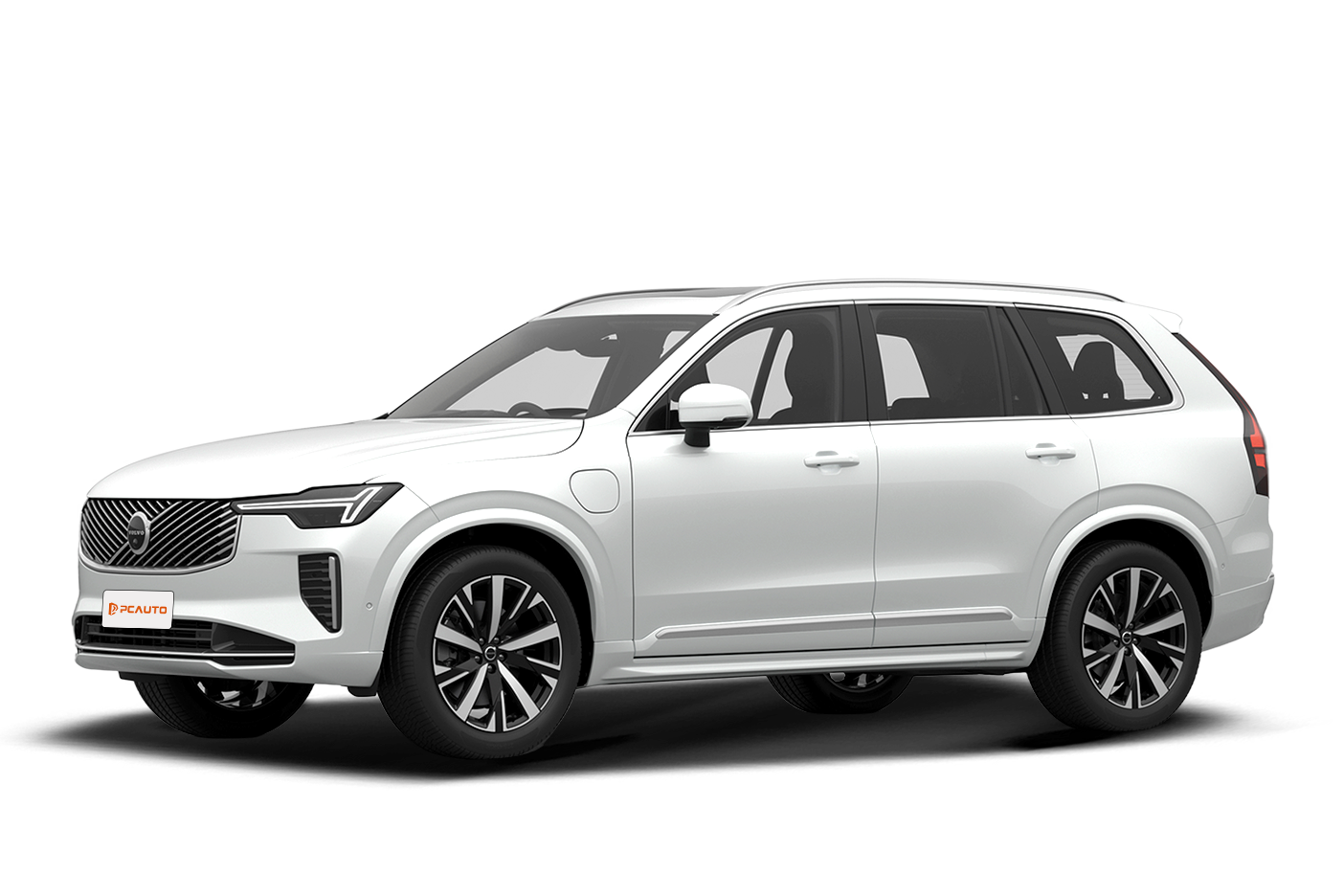
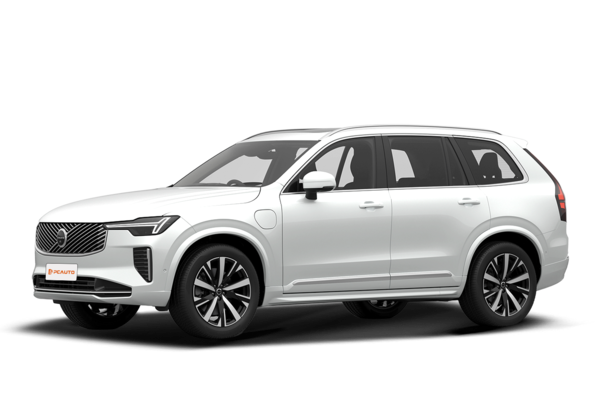
2025 Volvo XC90 Ultra B5, as an Executive-level luxury 7-seat SUV, optimizes fuel efficiency with a mild hybrid system, enhances comfort with air suspension across the range, coupled with an intelligent cockpit, balancing space and safety, showcasing outstanding capability.

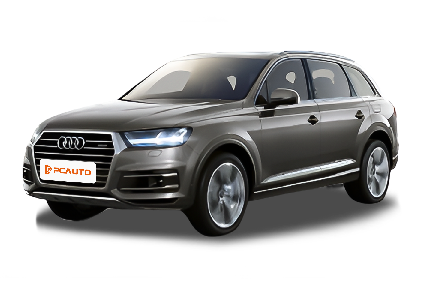
2025 Audi Q7 S line 3.0 TFSI, with its high cost-effectiveness, sporty appearance, luxurious interior, powerful performance, and flexible space, becomes a strong contender in the luxury mid-to-large SUV market.
23
Rank in SUV

2025 Lexus RX 500h F Sport Special Edition is an executive-level hybrid SUV that balances performance, luxury, and technology, featuring a 2.4T hybrid system, exclusive 21-inch wheels, and a 14-inch central control screen as its core highlights.

2024 Mercedes-Benz GLE 450 4MATIC AMG Line FL (CKD) is a locally assembled executive-level luxury SUV that lowers the entry threshold while upgrading power and intelligent features, balancing a sense of status and practicality.