

Chery Tiggo 8 2025 Review

 Share
Share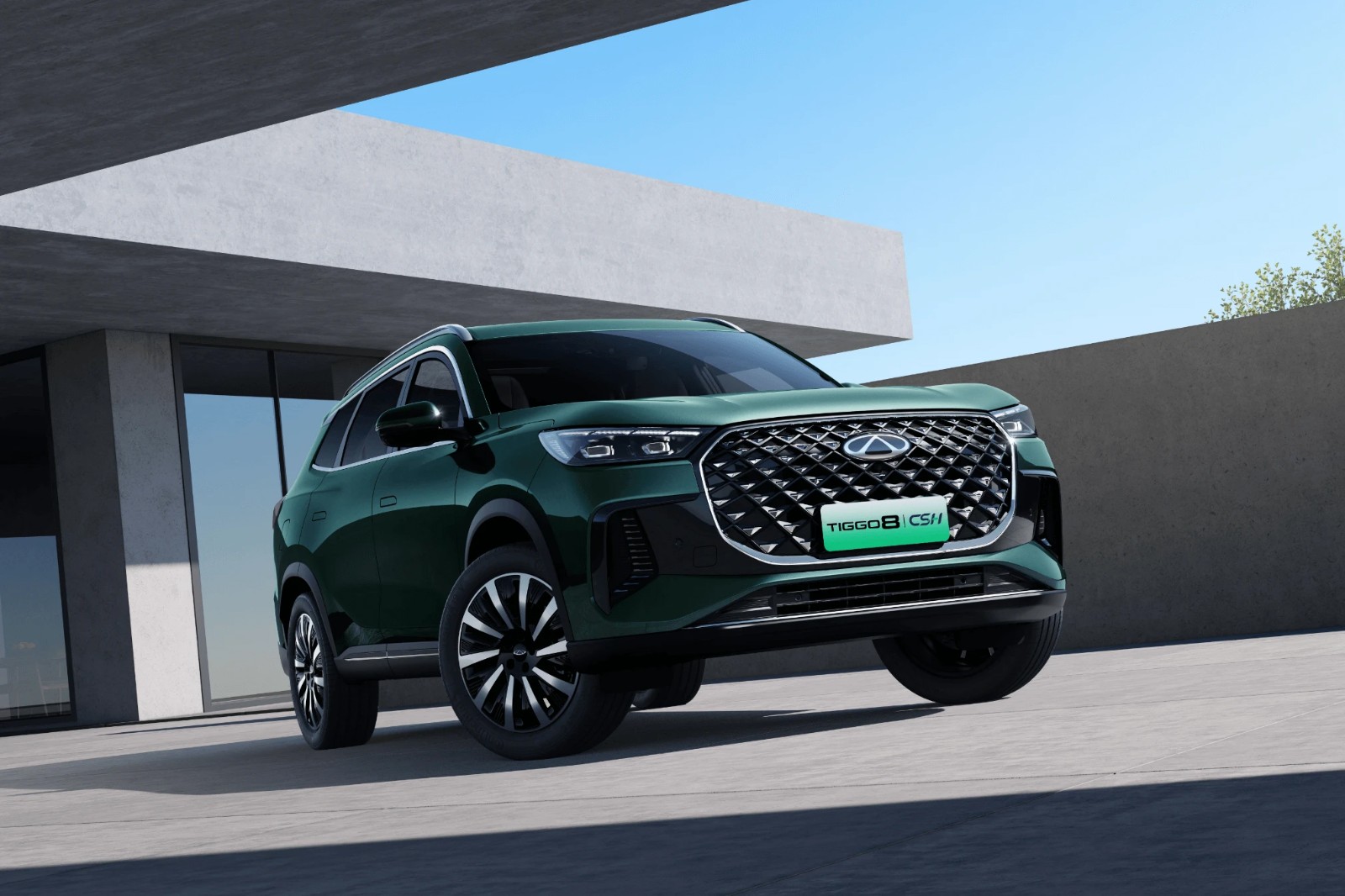
 Segment
 Body Type
 Capacity(L)
 Combined System Output(PS)
 EV Range(km)
 Driven Wheels
In Malaysia's D-Segment SUV market, family users have increasingly clear demands for "one vehicle for multiple purposes"—it needs to meet the daily commute's economic efficiency, provide space and comfort for family outings, and occasionally handle short trips with loading needs. The 2025 Chery Tiggo 8 PHEV is designed to target this specific market. With a 90km pure electric range for daily use, 279PS combined output for power reserves, and a 6-seater layout suitable for large families as its core selling points, does it truly address user pain points? This test drive will focus on a breakdown of the car's actual capabilities through static experiences, dynamic performance, and real-world usage scenarios.
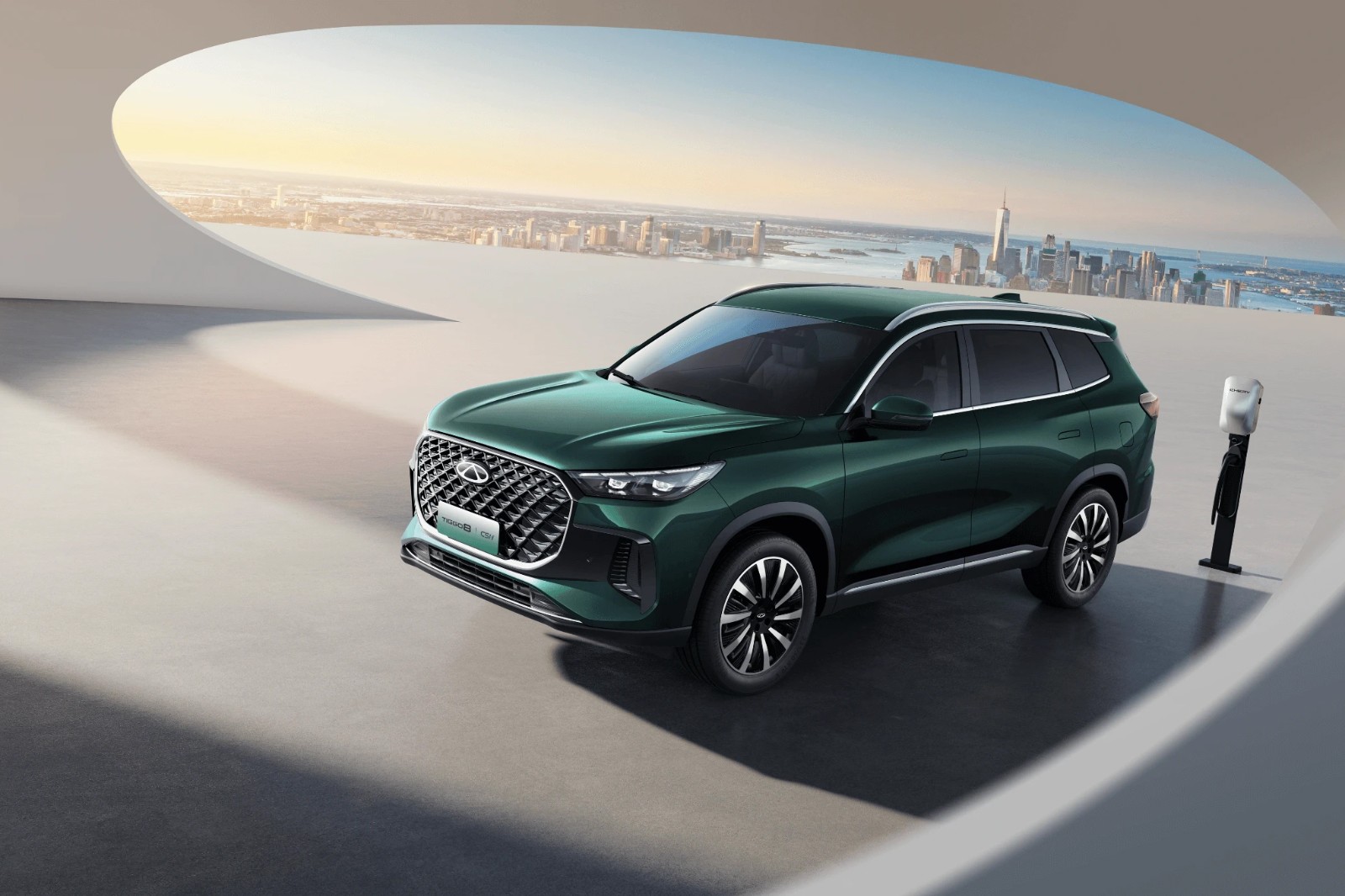
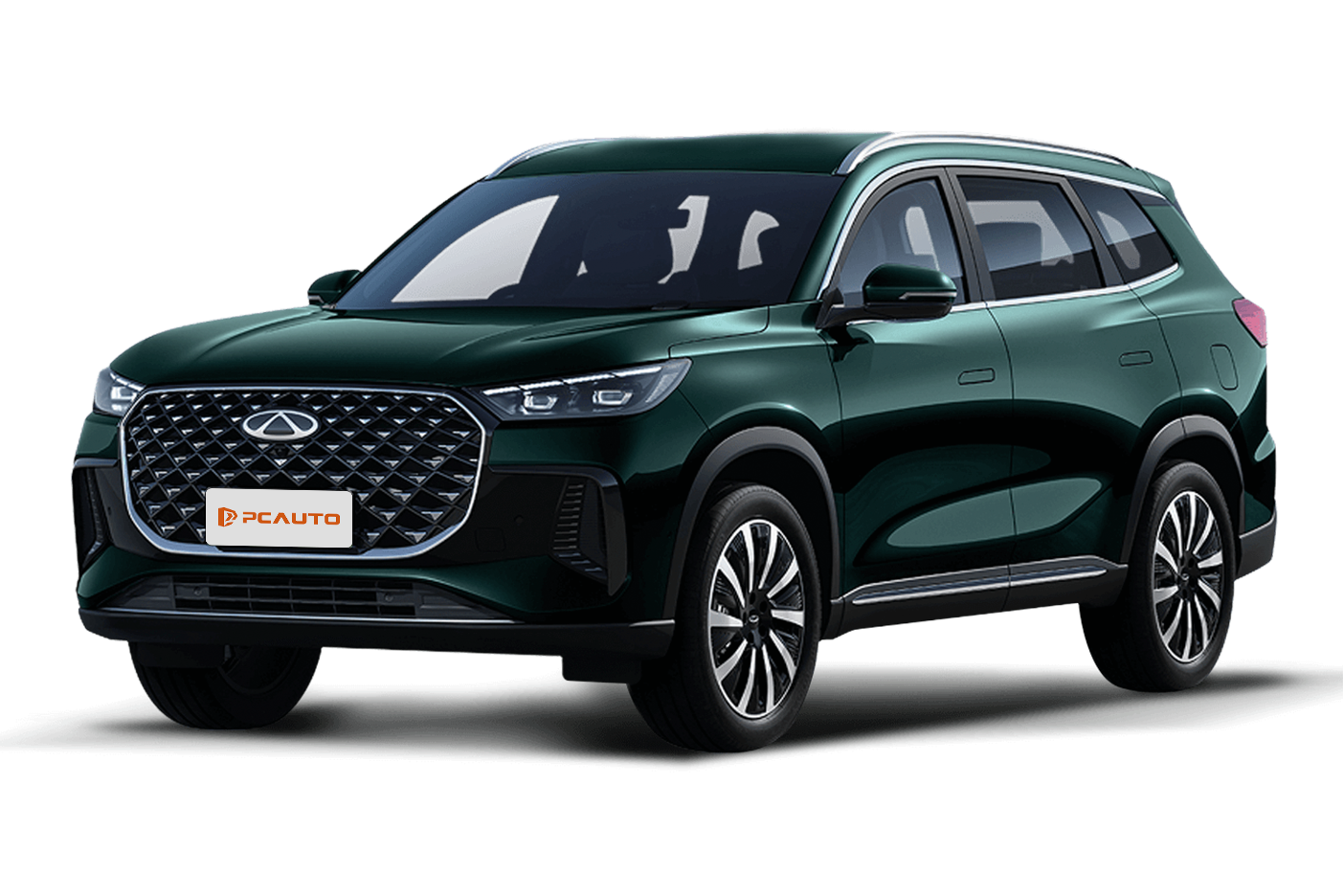
First, regarding the exterior, the overall style leans towards stability but with detailed touches of sophistication. The front adopts a large grill paired with through-type LED daytime running lights, offering high recognition when illuminated. The body lines extend from the front to the rear, with slight protrusions in the side skirts and wheel arches adding muscularity. The 235/50 R19 tire size proportionally matches the body without appearing abrupt. At the rear, the taillights also use a through-type design, echoing the front, while the chrome trim at the bottom enhances the sense of refinement, making the overall design align with the aesthetic preferences of mainstream family users.
Inside the cabin, the interior adopts a simple T-shaped layout. The upper part of the dashboard is covered with soft materials, providing a pleasant touch. A 10.25-inch fully digital instrument panel is connected to a 15.6-inch central control screen. The screen resolution is clear, the operation is reasonably smooth, and it supports CarPlay and CarLife connectivity features. In terms of configuration, the front seats are equipped with 6-way electric adjustment (driver) and 4-way electric adjustment (passenger). The leather seats provide moderate support and wrap. Rear air conditioning vents and USB ports are standard, and the second row features independent seat designs. Both legroom and headroom are ample for the passengers in the second row. The third-row seats are more suitable for children or adults on short trips; for long distances, they may feel somewhat cramped. Regarding storage space, the trunk volume is average in its standard state. However, folding down the third-row seats can significantly expand the space to accommodate everyday shopping or short-trip loading needs.
For performance, the combination of a 1.5T turbocharged engine and a permanent magnet synchronous motor delivers a system total power of 279PS and total torque of 365N·m, along with a front-engine, front-wheel-drive layout. During daily driving, the pure electric mode provides smooth starts and responsive acceleration, and the official 90km electric range generally covers urban commutes. When switched to hybrid mode, the engine kicks in promptly when the accelerator is pressed hard, providing seamless power output that ensures ample power reserves for overtaking or highway cruising. The suspension uses a front MacPherson and rear multi-link independent configuration tuned towards comfort. When driving over speed bumps or rough roads, the suspension filters most minor vibrations, and the vehicle body remains stable. The steering is light with minimal dead zones, making day-to-day driving easy. Body roll during cornering is kept within a reasonable range without noticeable swaying.
In actual testing, the electric consumption in pure electric mode is about 18kWh/100km under urban road conditions, with an estimated range achievement rate of approximately 85%. In hybrid mode, the average fuel consumption is about 6.2L/100km, which is a decent performance for a vehicle weighing 1.9 tons. As for noise control, there is almost no noise in pure electric mode. In hybrid mode, when the engine joins and the speed exceeds 3000 rpm, slight engine noise can be heard inside the cabin, but it does not affect normal conversations. The braking performance is stable, with a braking distance of approximately 38 meters from 100km/h, meeting the standards of vehicles in the same class.
Overall, the core advantage of the 2025 Chery Tiggo 8 PHEV lies in its balance: 90km pure electric range meets daily commuting needs, 6-seat layout suits multi-member families, and its comprehensive safety features (8 airbags, L2-level autonomous driving assistance) ensure travel safety. Priced at 159,800 MYR, it stands out in terms of value among similar PHEV models. Compared to competitors like the Proton X90 PHEV, the Tiggo 8 PHEV offers a longer pure electric range and richer features; and compared to fuel-powered D-segment SUVs, its hybrid system provides significant economic advantages.
This car is more suitable for family users who value economy, space, and safety features, especially families with elderly members and children who need frequent urban commutes and occasional long-distance trips. It is not a vehicle that pursues extreme performance or luxury, but it delivers good answers to the core needs of family use.
In conclusion, the 2025 Chery Tiggo 8 PHEV is a family car with "no obvious shortcomings." Its balanced performance and reasonable price make it highly competitive in the D-segment PHEV market, suitable for families with limited budgets but seeking comprehensive features.
Chery Tiggo 8 Car Compare
Chery Tiggo 8 Loan Calculator
More Chery Reviews
Cars With Similar Price And Features
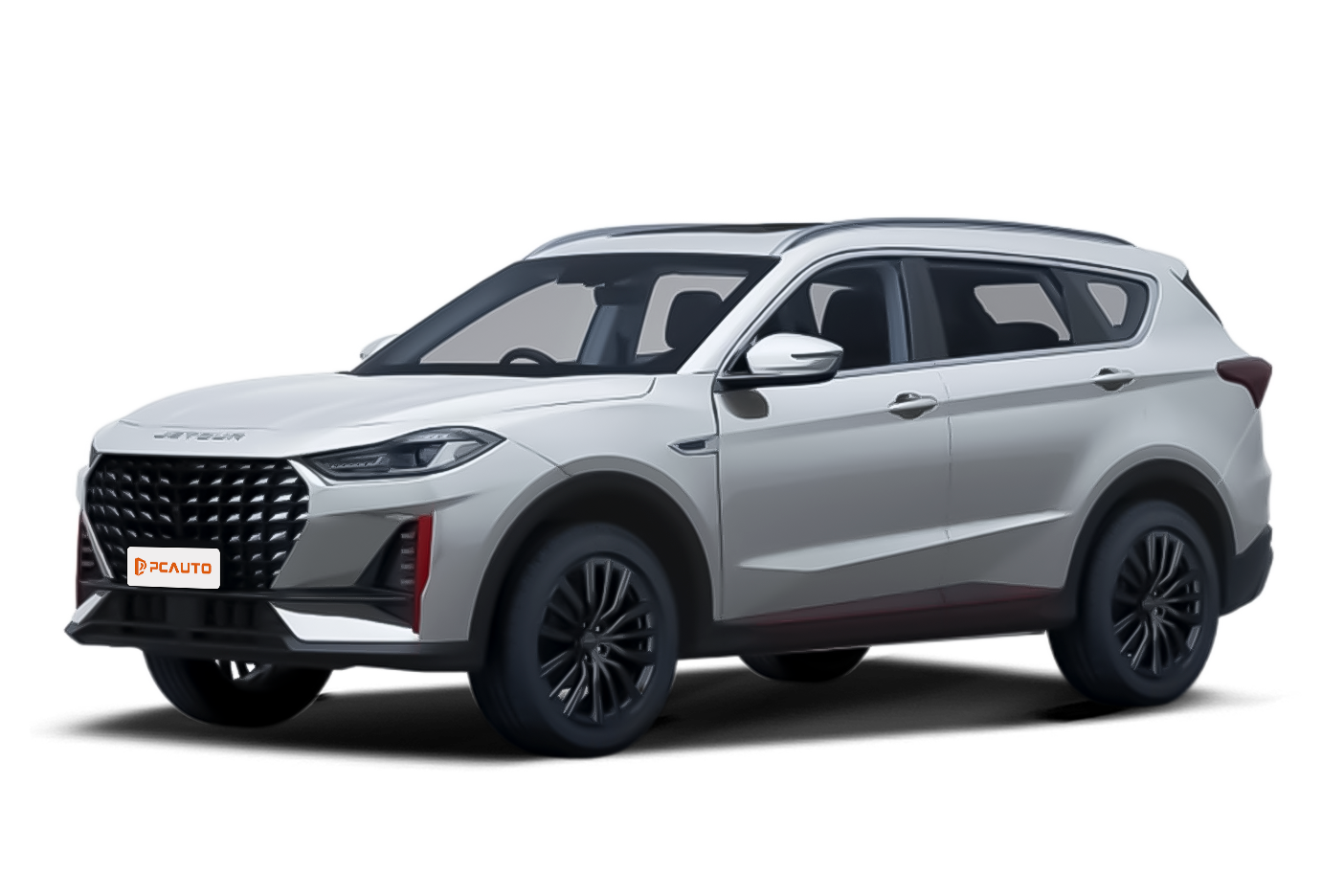
2025 Jetour VT 9 Comfort is a highly cost-effective 7-seater family SUV, featuring practical space, rich configurations, and balanced power, precisely meeting the needs of family short-distance travel.

16
Rank in SUV

2024 Chery OMODA C9 2WD with 2.0T+8AT powertrain, L2 level assistance, and dual 12.3-inch screens, breaking the stalemate in the D-Segment market and becoming a high-value disruptor.
29
Rank in SUV

2021 Toyota Fortuner 2.7 SRZ AT 4x4 is a 7-seat SUV that balances family comfort and mild off-road capabilities, with smooth gasoline power and a practical 4x4 system, offering low maintenance requirements suitable for various family scenarios.
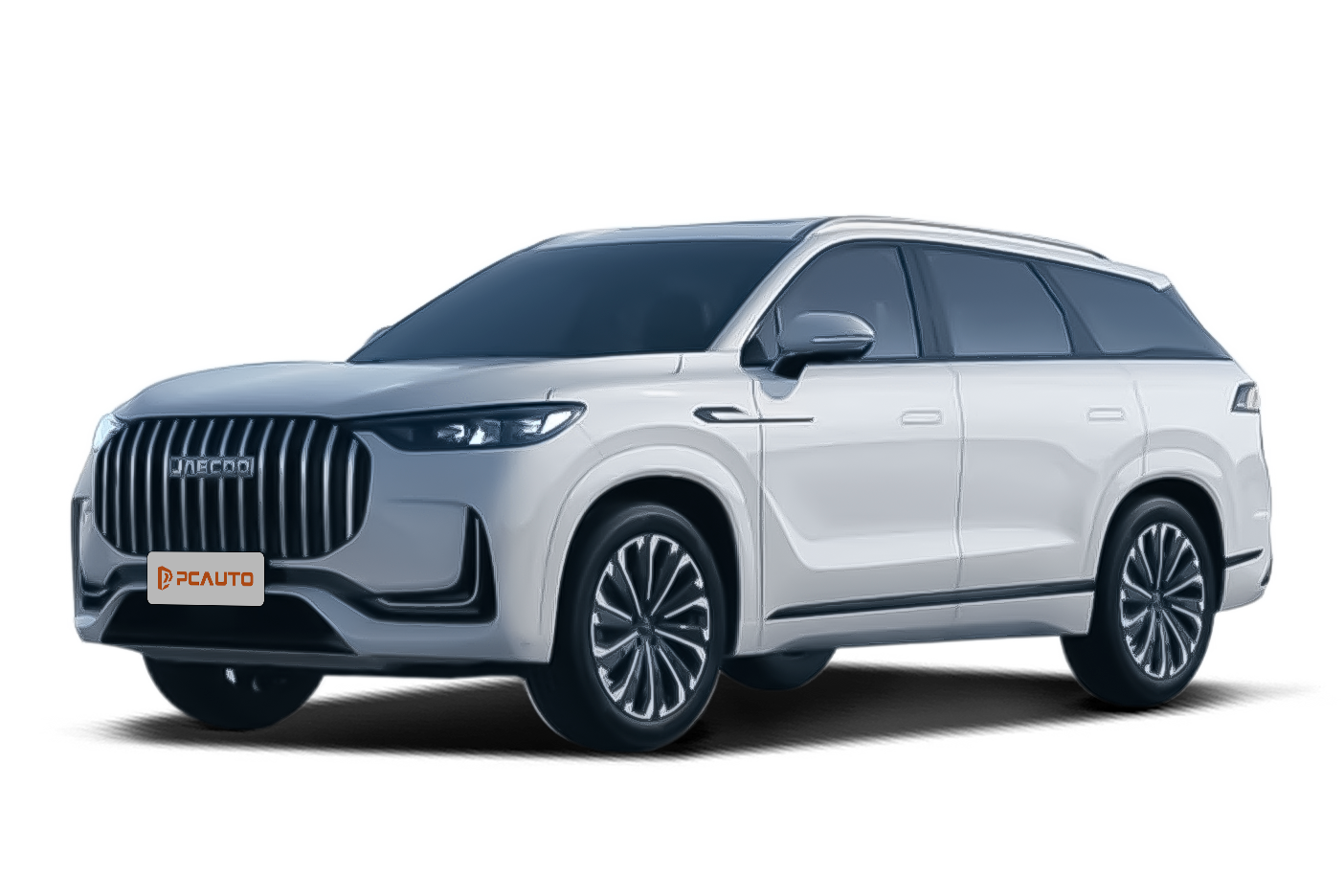
2025 Jaecoo J8 FWD is a dark horse in the D-segment SUV market, offering balanced performance to meet family users' needs for spaciousness, strong power, and rich configurations.