

Citroen C3 Aircross 2025 Review

 Share
Share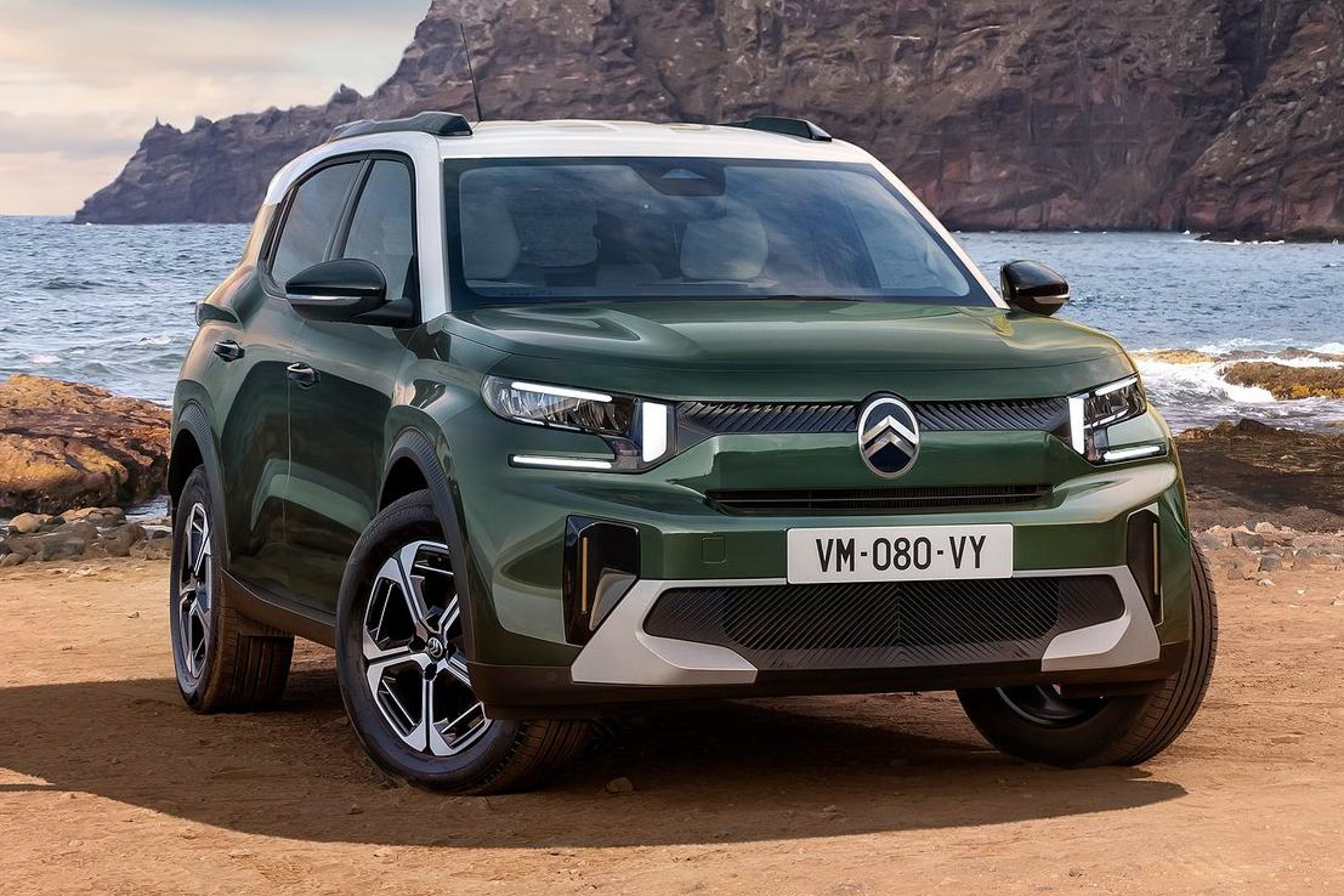
 Body Type
 Segment
 Capacity(L)
 Engine Power(PS)
 Engine Torque(Nm)
 Transmission
In the increasingly competitive compact SUV market, consumers' demand for space flexibility and comfort continues to rise, making models that balance practicality and unique design for family use gradually the focus of attention. The 2025 Citroën C3 Aircross enters the market with a "compact body + 7-seat layout" combination while upgrading its intelligent configurations. These two aspects precisely address the pain points of many family users. In this test drive, we will focus on verifying whether its 7-seat practicality is genuinely useful and whether the newly equipped infotainment system is sufficiently smooth.
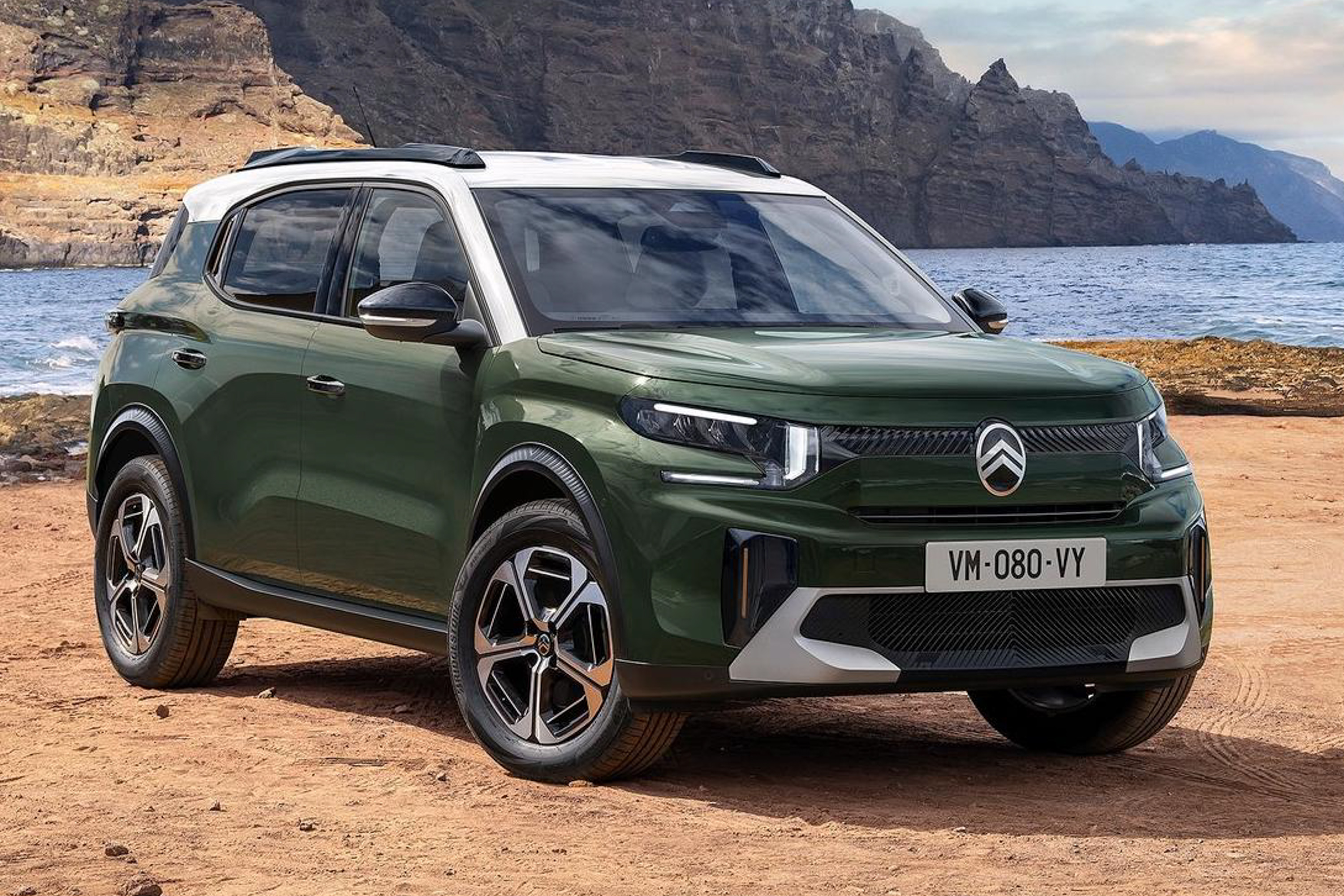
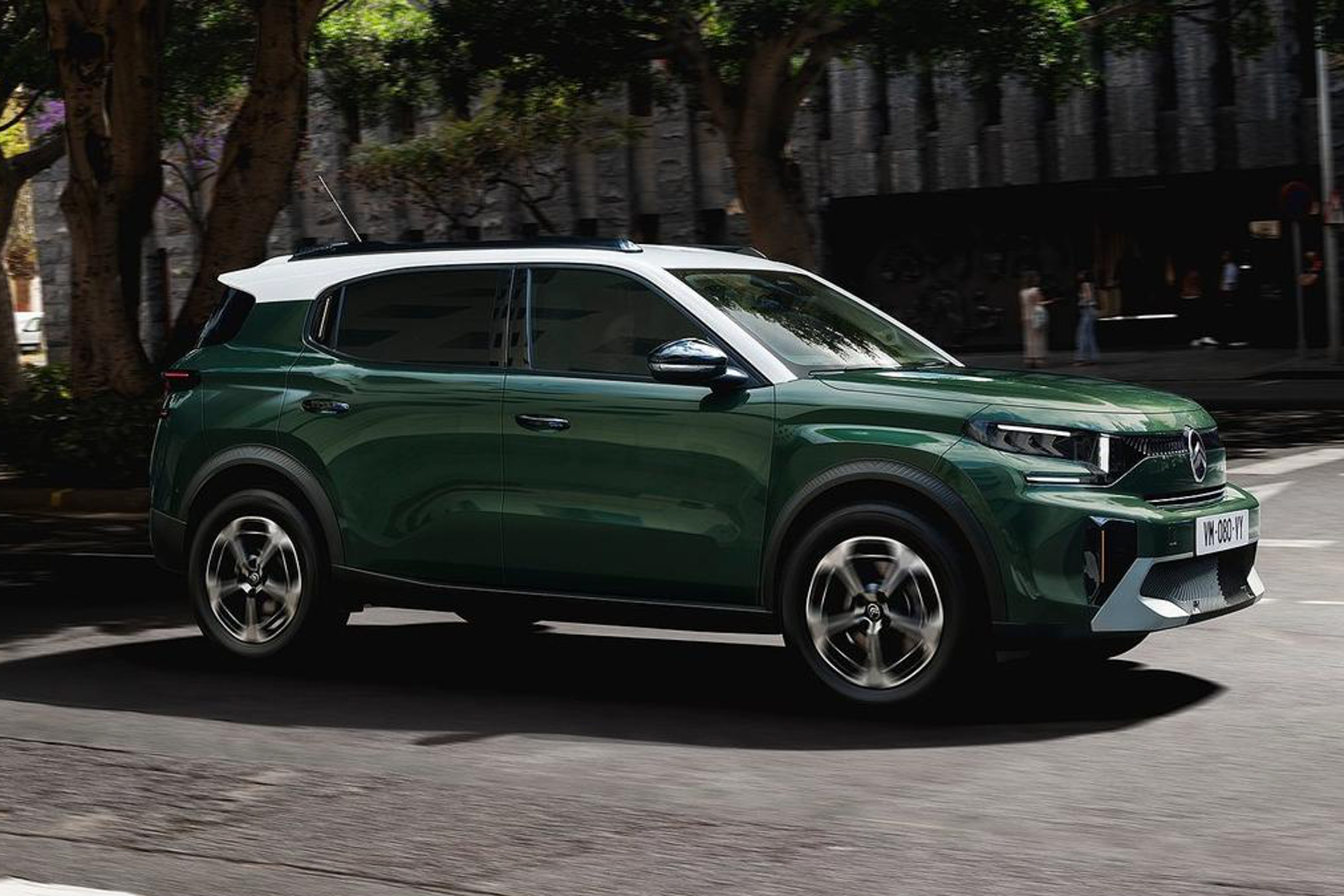
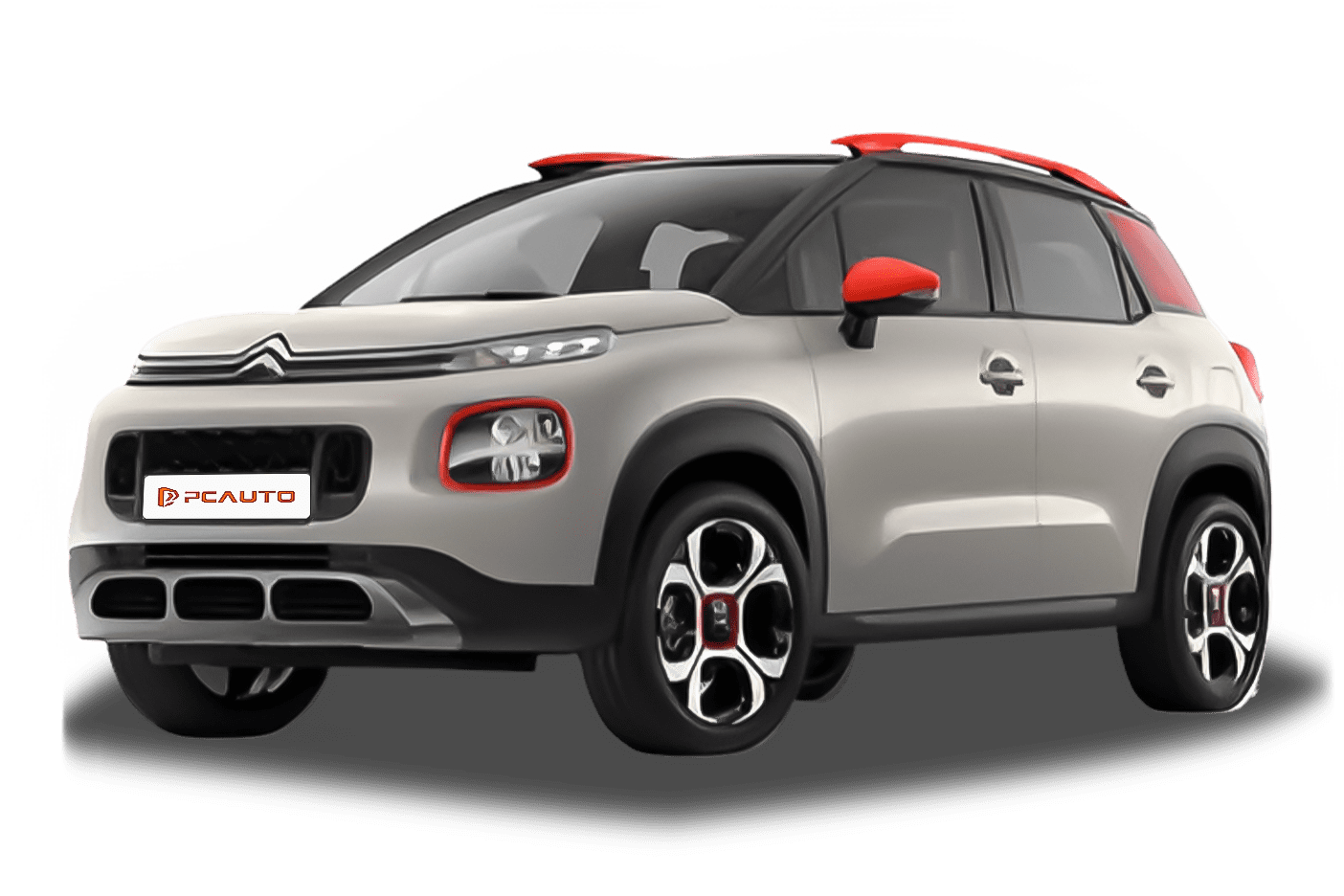
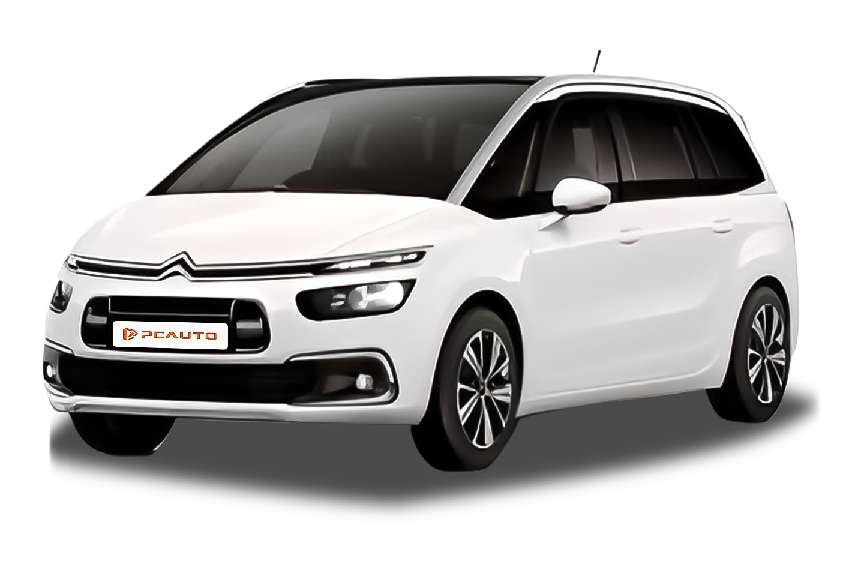
From the exterior, the new car continues the robust style of the Citroën family. The front face features a large blacked-out grille, with split headlamps on either side, and a strip of LED daytime running lights across the top that is highly recognizable when lit. The side profile of the body features straight lines, a silver roof rack, and a triangular window design at the C-pillar that extends to the rear, making the body appear longer. At the rear, the black tinted taillights echo the front design, and the silver skid plate below enhances the SUV's off-road feel. The overall design avoids excessive decorative elements, focusing on practicality and timeless aesthetics that align with the preferences of family users.
Stepping into the interior, the cabin features a black-and-white two-tone design, with the center console wrapped in large areas of soft-touch materials for a refined feel. The central touchscreen has been upgraded to 10 inches and is equipped with the latest intelligent connectivity system, supporting wireless CarPlay and Android Auto. During the test drive, the infotainment system was responsive and featured simple operating logic. The seats are covered in leather, with the driver's seat offering 6-way manual adjustments and the passenger seat supporting 4-way manual adjustments. The front seats provide good support. Notably, the 7-seat layout allows the second-row seats to slide forward and backward and adjust the recline angle. Passengers 175cm tall seated in the second row have about two fistfuls of legroom, while the third row of seats is more suitable for children or short-distance rides as extended use by adults might feel cramped. Regarding storage space, the central armrest box and door storage compartments in the front are quite practical, and with the third-row seats folded down, the trunk space expands to 1,289 liters, making it easy to carry large items daily.
In terms of power, the test vehicle is equipped with a 1.2T three-cylinder turbocharged engine, delivering a maximum power of 110 kW and a peak torque of 230 N·m, paired with a 6-speed automatic transmission. During startup, the power response is quite brisk, with no noticeable turbo lag. During mid-to-high-speed acceleration, the gearbox shifts smoothly, and pressing the accelerator deeply for overtaking provides a noticeable push-back feeling. The driving modes include Eco, Standard, and Sport. In Eco mode, throttle response is slightly slower, suitable for daily commuting; in Sport mode, power delivery is more direct, ideal for highway driving. The chassis employs a front MacPherson strut independent suspension and a rear torsion beam non-independent suspension, with overall tuning leaning towards comfort. While crossing speed bumps or rough roads, the suspension effectively filters out most small vibrations, ensuring passengers feel minimal discomfort. The steering wheel offers moderate resistance and precise steering control, with reasonable body roll when cornering. Overall, handling is above average within its class.
Regarding fuel consumption, we conducted actual road tests with urban roads accounting for 60% and highways for 40% while having the air conditioner on throughout. The final comprehensive fuel consumption was 6.8 liters per 100 kilometers, which is a good result among vehicles of the same displacement. As for noise control, wind and tire noise become noticeable at highway speeds but remain within acceptable limits, not affecting the normal conversation of passengers inside the car.
Overall, the core advantage of the 2025 Citroën C3 Aircross is its 7-seat layout within a compact body and practical smart configurations. Compared to same-class competitors like the Honda XR-V or Toyota C-HR, its 7-seat practicality is a standout feature. The new car is more suitable for those who occasionally need a 7-seater, value flexible space and fuel economy, especially families with a limited budget who want to balance family use and daily commuting. If you don’t need 7 seats, the 5-seat version is also a good choice. All in all, this is a small SUV that balances practicality and value for money as a family car.
Citroen C3 Aircross Car Compare
More Citroen Reviews
Cars With Similar Price And Features
20
Rank in SUV
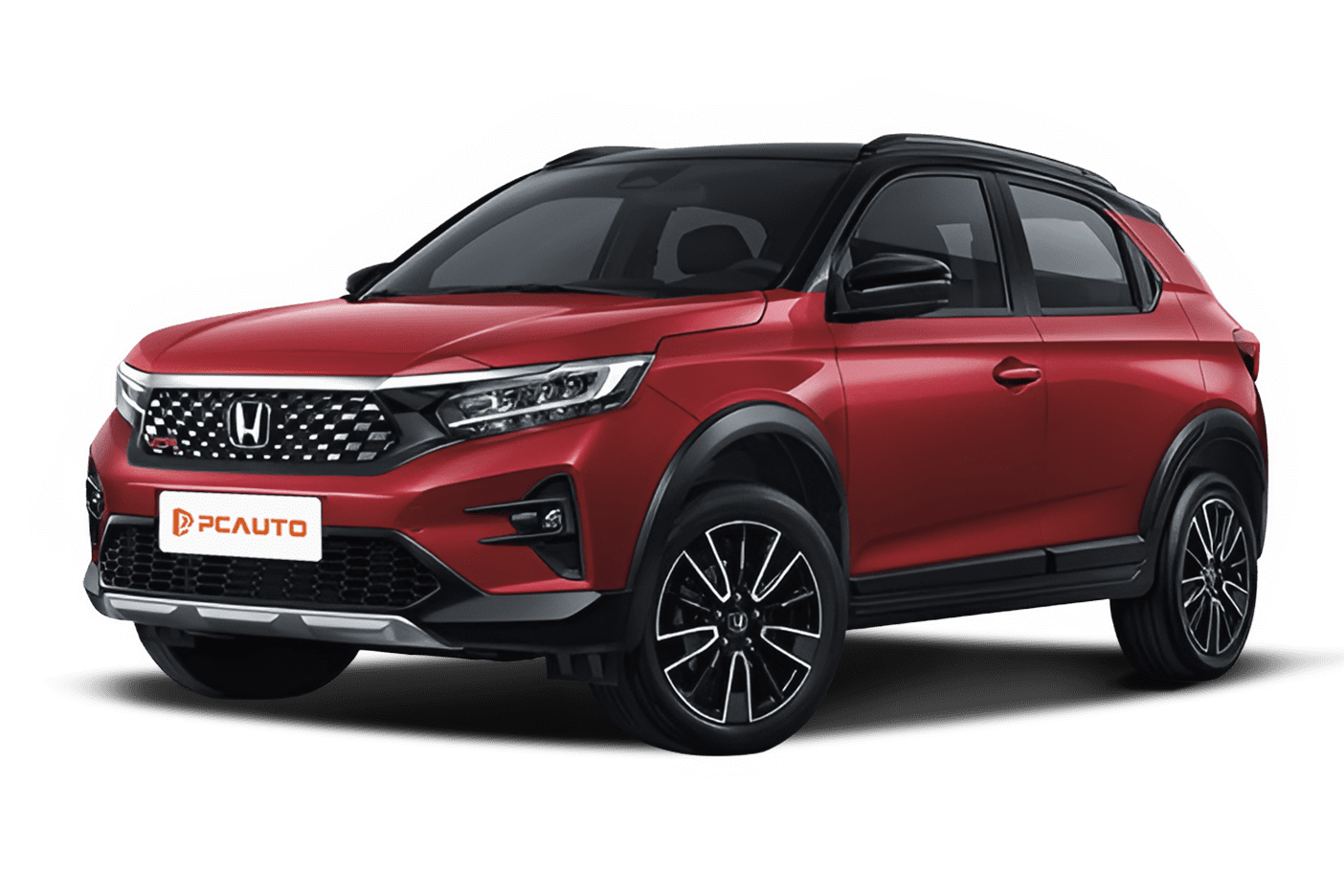
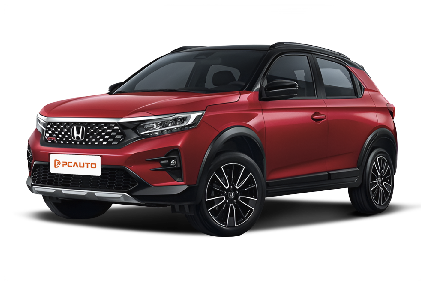
2023 Honda WR-V 1.5 S, as the entry-level model of an A-Segment SUV, enhances maneuverability with high ground clearance, featuring a standard sunroof and practical configurations, balancing urban agility and family needs.

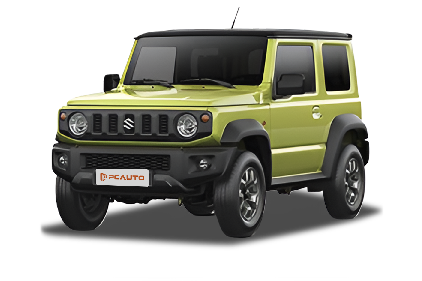
Suzuki Jimny 2024 is an A-segment hardcore small SUV with a classic square off-road design. The newly added full-time four-wheel drive enhances its off-road capability, making it suitable for outdoor adventure and individualistic enthusiasts.
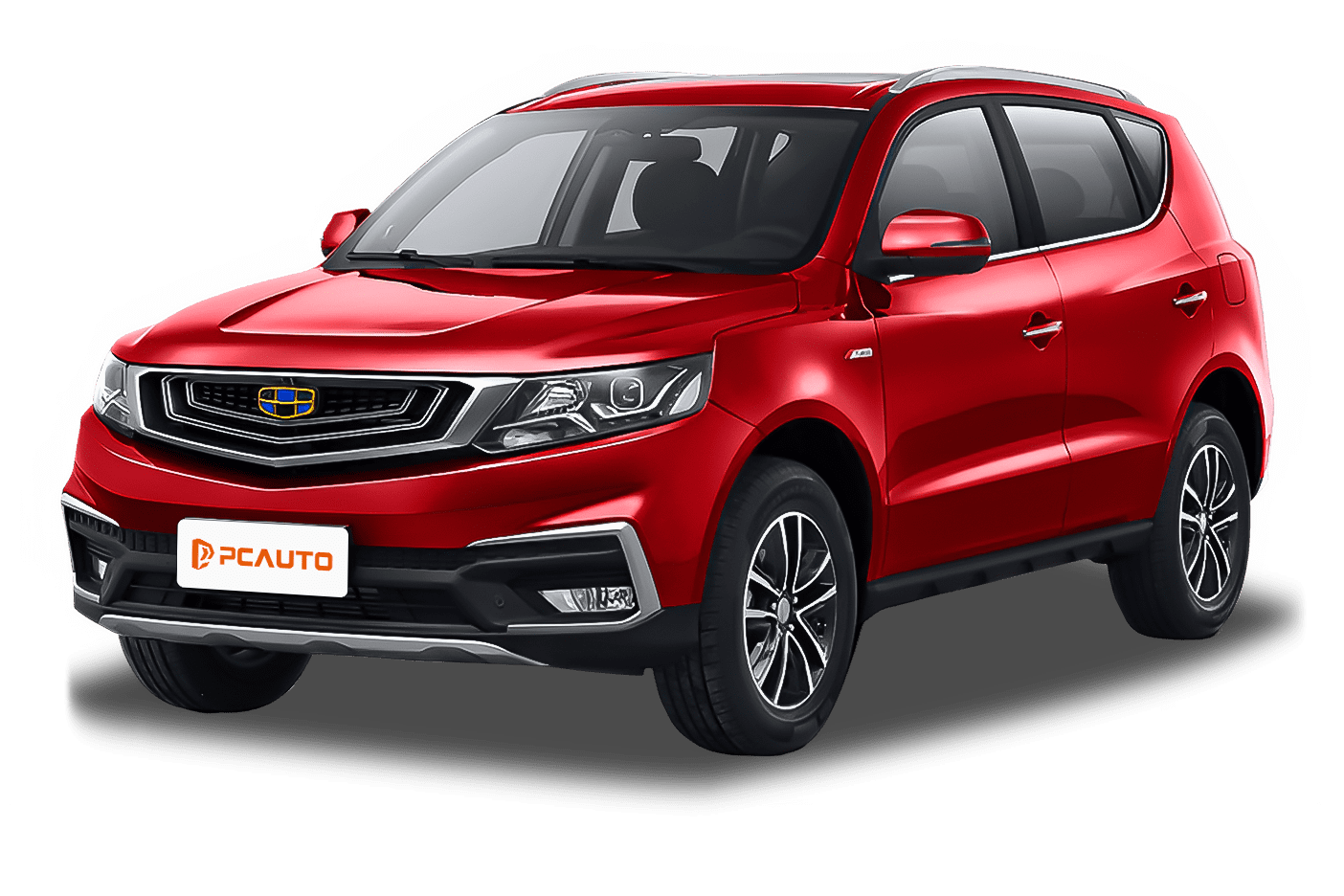
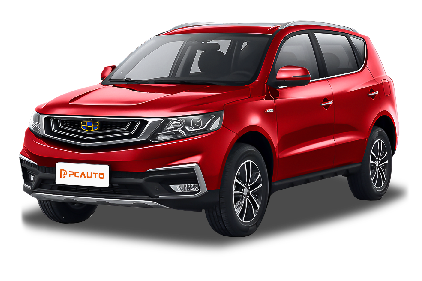
2019 Geely Emgrand X7 1.8L+5MT is a high-value-for-money family-oriented A-segment SUV with practical space and balanced configurations, suitable for budget-conscious family users.