

Ford Mustang 1964 Review

 Share
Share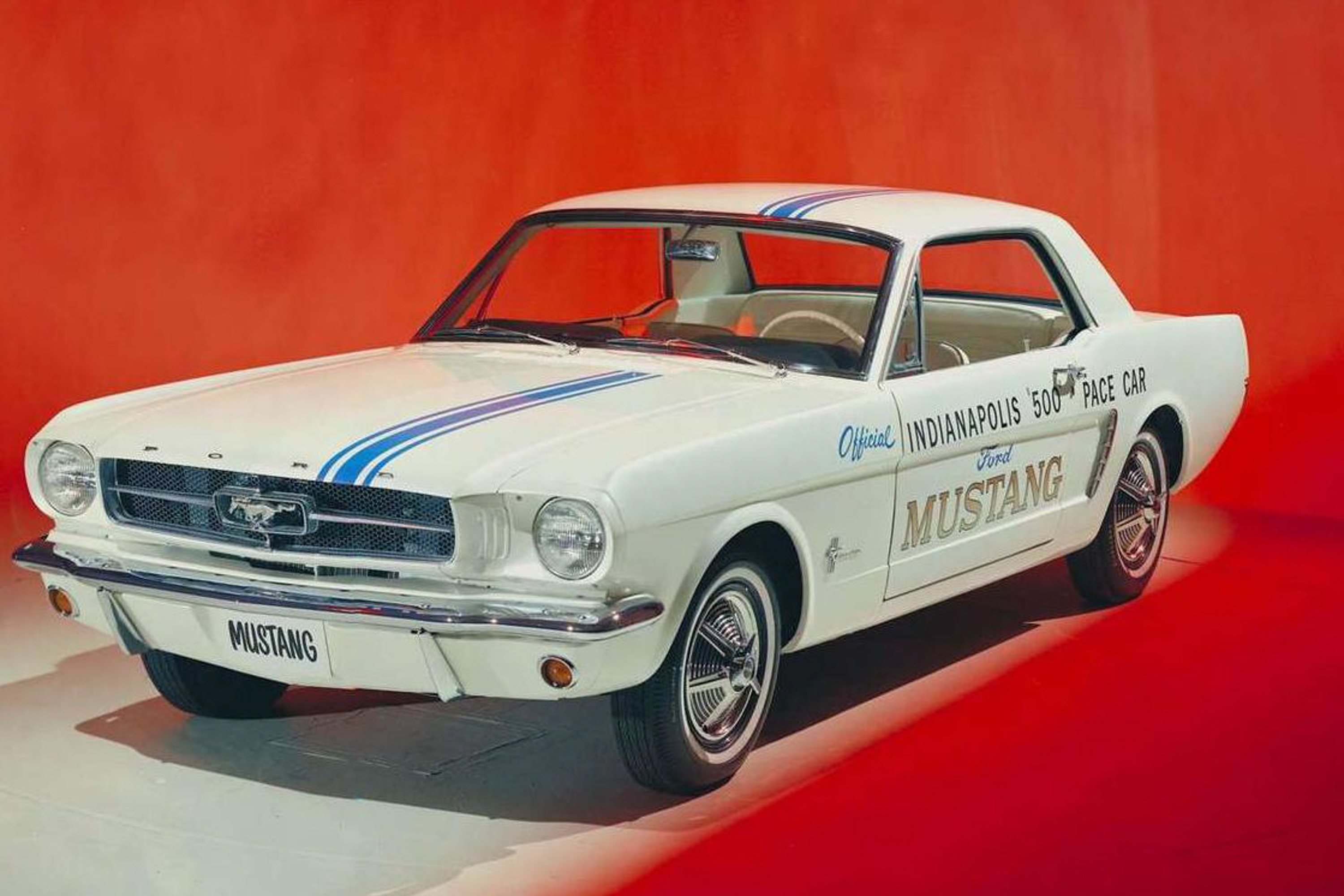
 Body Type
 Segment
 Capacity(L)
 Engine Power(PS)
 Engine Torque(Nm)
 Transmission
The local market has been witnessing a gradual resurgence in the popularity of classic American muscle cars, especially models like the Mustang, which symbolize the automotive culture of the 1960s. They are not only the sentimental choice of classic car enthusiasts but also highly discussed within niche collector circles. Today, we’ll talk about the 1964 Ford Mustang, the beginning of this legendary series. Known for its "pony car" positioning, it swept the market back in the day with its sporty design, affordable price, and customizable features. Let’s take a closer look at this "first-generation Mustang" through a hands-on experience and see what makes it worth discussing from today’s perspective.
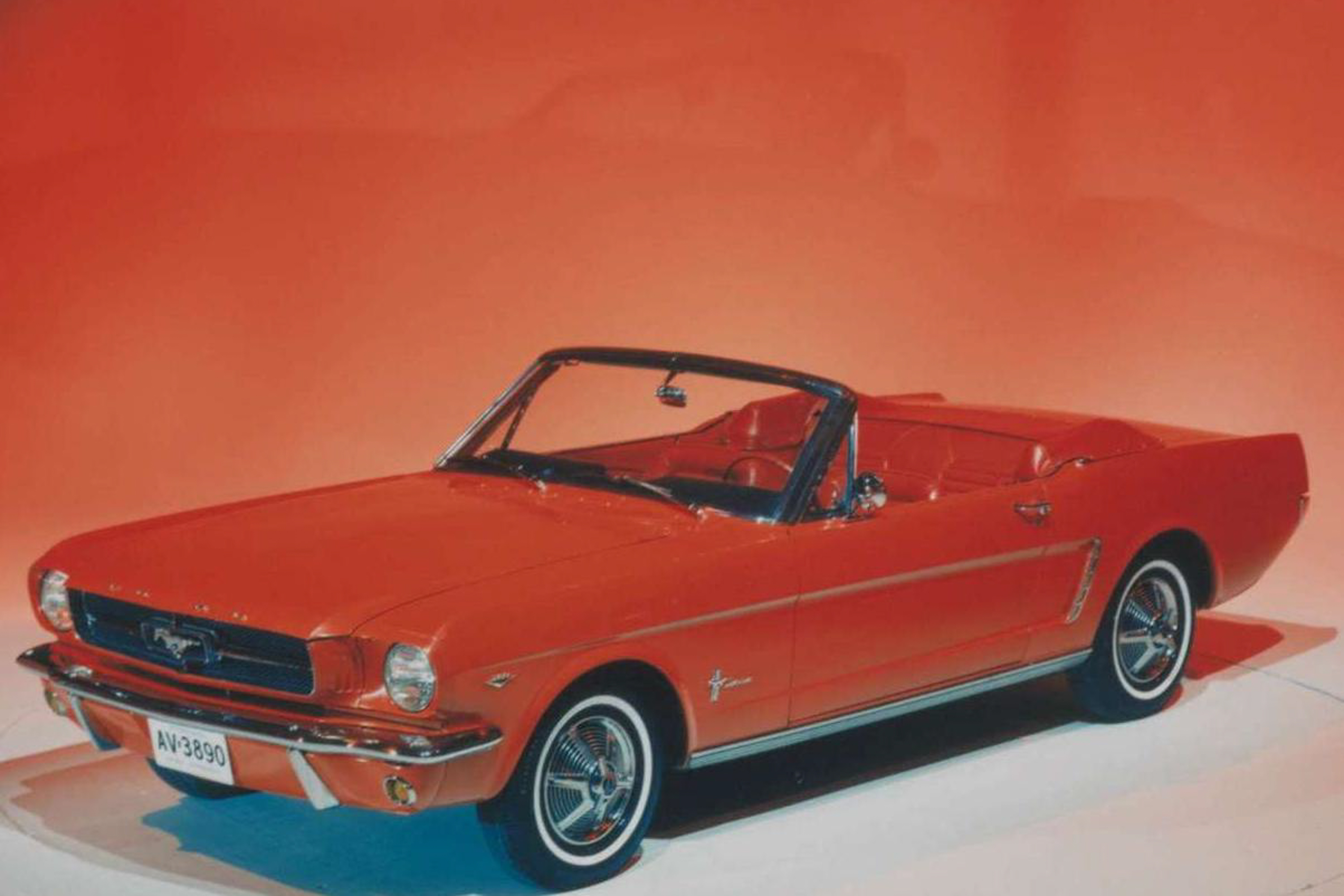
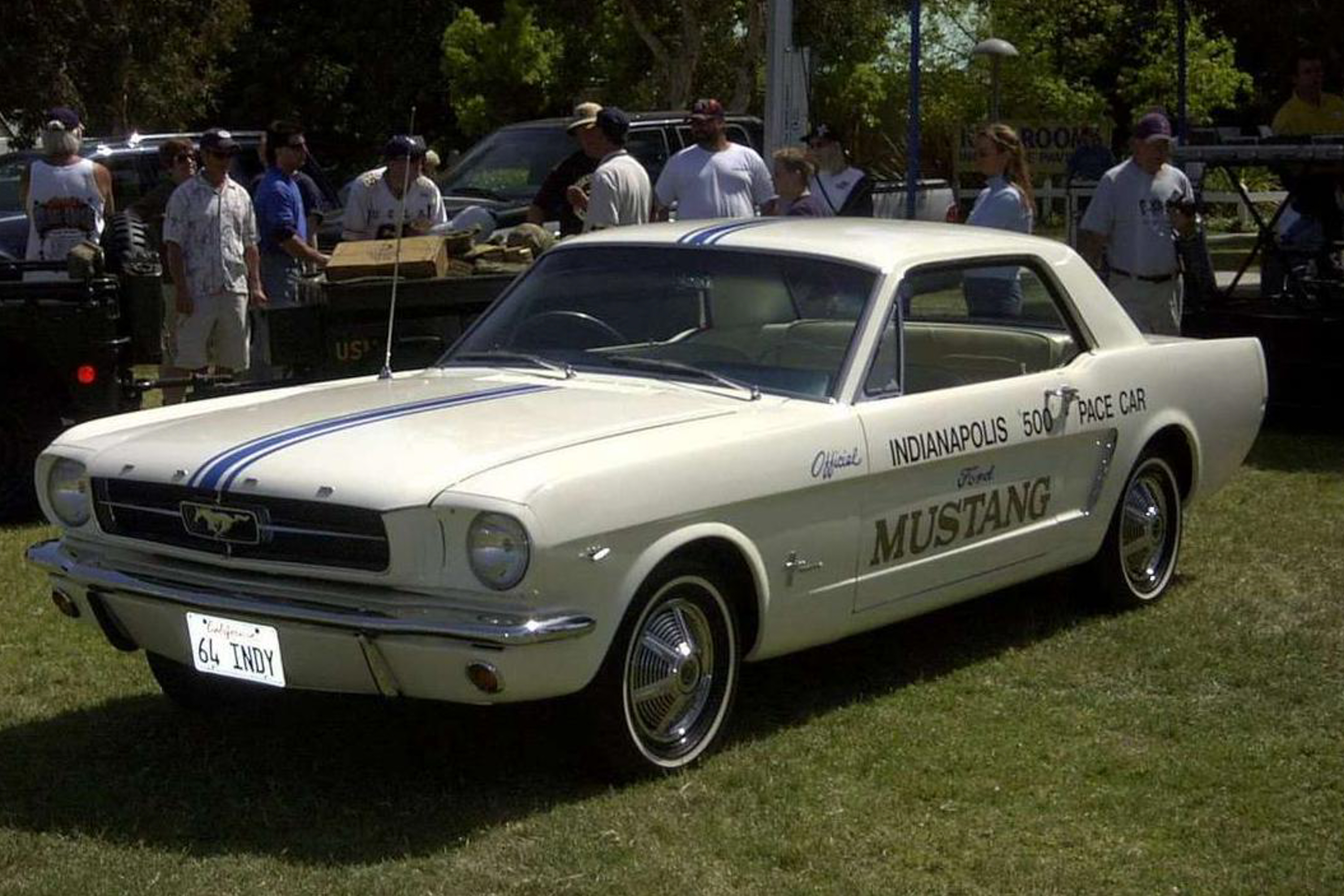
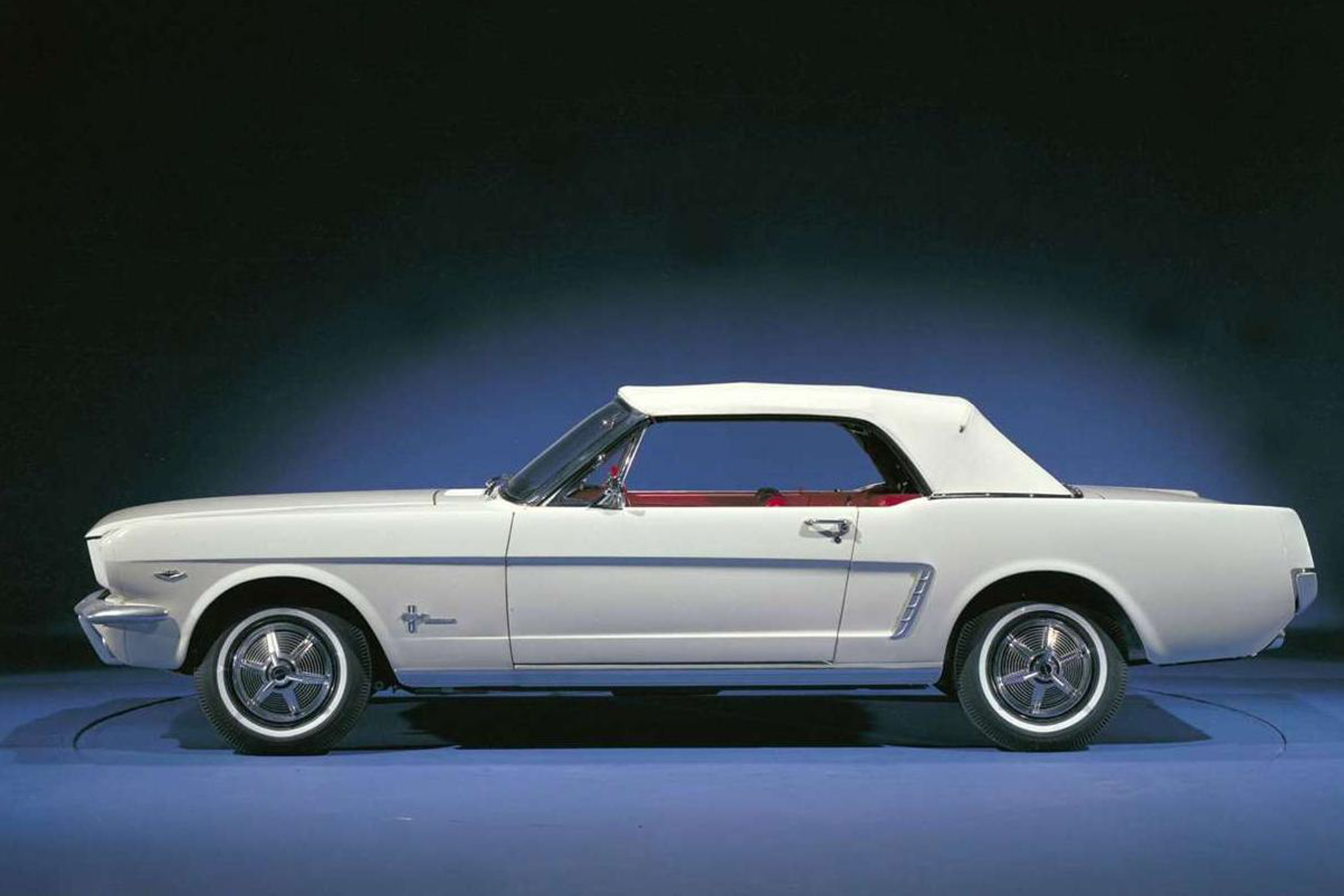
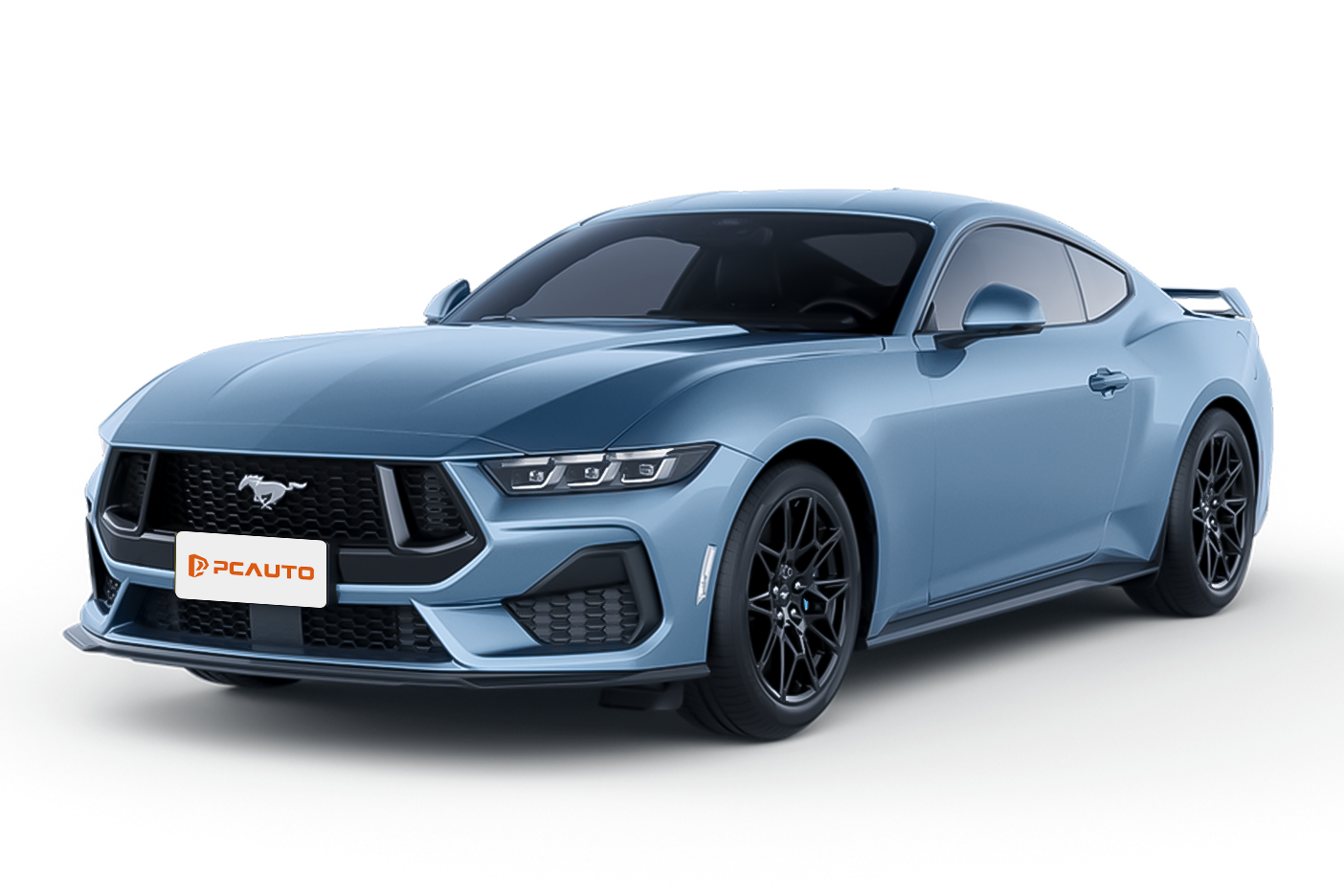
The exterior of the 1964 Mustang exudes a typical 1960s American style at first glance—its overall lines are rounded and full yet carry a hint of compactness, unlike the bulky appearance of full-size sedans from the same era. The front features a signature straight waterfall-style chrome grille, with a blue Mustang emblem embedded in the middle, flanked by circular headlights, boasting high recognition. The hood is adorned with two slightly raised ridges extending from the A-pillar to the grille, emphasizing its sporty character. The side of the car reveals the classic proportions of a two-door coupe, including a short front overhang, a long hood, and fastback roofline curves, complemented by 14-inch steel wheels (with chrome wheels available as an option for certain versions). From the side view, the car appears highly balanced. The rear design is relatively simple, with vertically arranged rectangular taillights connected by a thin chrome strip in the middle. The trunk lid features a small ducktail spoiler, subtle yet distinctive. The overall exterior does not rely on overly complex decorations; instead, it creates a sporty atmosphere through its proportions and fine details, making it look timeless even today.
Opening the door reveals an interior style that is just as retro as its exterior. The dashboard adopts a layered design, with the top layer housing the instrument cluster and air-conditioning vents, while the lower layer contains the radio and air-conditioning controls. The gauge cluster features a dual round-dial design, with the tachometer on the left and the speedometer on the right, flanked by smaller dials for fuel, water temperature, etc., offering clear and direct readings. The steering wheel is a three-spoke design wrapped in rubber, providing a solid grip though slightly rough, reflecting the 1960s manufacturing style. The seats are fabric bucket seats, with decent backrest and seat cushion support, though the padding is relatively firm, which could result in fatigue during long drives. In terms of features, the base model of the 1964 Mustang is fairly basic and lacks modern amenities like large screens and navigation systems. However, higher-end versions offered options like a radio, heating system, or even power windows, which were considered luxury features at the time. Regarding space, the car measures 4610mm x 1880mm x 1350mm, with a wheelbase of 2740mm. The front row offers sufficient space for passengers up to 175cm tall, with adequate headroom and legroom; however, the back seats are quite cramped and can feel a bit tight for two adults, making them more suitable for short trips or storing items. For storage, the trunk has a volume of approximately 340 liters, which is enough to fit two carry-on suitcases, making it practical for daily use.
As for the powertrain, the 1964 Mustang offered three engine options: the base option was a 170ci inline-six engine with a maximum power of 101 horsepower and peak torque of 231Nm; the mid-tier option featured a 260ci V8 engine with a maximum power of 164 horsepower and peak torque of 310Nm; and the top-tier option was a 289ci V8 engine with a maximum power of 210 horsepower and peak torque of 353Nm. For this review, we tested the 260ci V8 version paired with a 3-speed automatic transmission. During takeoff, the throttle response was not particularly sensitive, requiring a firmer push to feel the power output. However, the V8 engine demonstrated good low-end torque, making low-speed driving quite effortless. While accelerating, the transmission exhibited noticeable shift shocks, a byproduct of the older automatic technology. However, once the RPM exceeded 3000, the V8 engine produced a deep and satisfying roar. The acceleration may not match that of modern sports cars, but the linear power delivery and mechanical feel are aspects that many modern turbocharged cars lack. In terms of handling, the steering wheel has a significant dead zone, lacks precise feedback, and has a slightly heavy return force, requiring a bit of effort to drive. The suspension setup features a front MacPherson strut and rear solid axle design, with a relatively stiff tuning. This results in noticeable vibrations transmitted to the cabin when driving over speed bumps or rough surfaces, so the overall comfort is average. However, body roll is well controlled during cornering, in line with its coupe positioning. The braking system consists of front disc brakes and rear drum brakes; the braking force feels relatively soft, so you need to apply the brakes a bit earlier, which is something to keep in mind when driving on modern roads.
In terms of daily driving comfort, the noise control of the 1964 Mustang is relatively average. Engine noise, wind noise, and tire noise noticeably increase after speeds exceed 80km/h, given the lack of modern soundproof materials. As mentioned earlier, the seat comfort is not the best, with stiff padding making long rides less passenger-friendly. Regarding fuel consumption, the 260ci V8 version delivers an average fuel consumption of about 15-18L/100km. By today's standards, that's quite high, but considering it's a V8 engine from the 1960s, it's within the normal range.
Overall, the core highlights of the 1964 Ford Mustang are clear: classic retro styling, the mechanical feel of a V8 engine, and an affordable price point (starting at less than $2,400 back then). Compared to competitors of the same era, such as the Chevrolet Camaro, the Mustang's advantage lies in entering the market earlier, having a more balanced design, and offering more customizable options. Today, this car is obviously not suited for daily commuting; it's better for those who love retro car culture, seek a mechanical driving feel, or enjoy occasional weekend drives. It lacks the technological features and comfort of modern cars, but the raw sense of sportiness and historical depth it exudes is something modern cars simply cannot replicate.
To sum it up, as the pioneer of the pony car genre, the 1964 Ford Mustang created a new market segment with its straightforward design, balanced performance, and affordable price. Even today, it remains a charming car—if you love retro styling and can accept its shortcomings (such as high fuel consumption, limited features, and average comfort), this car is absolutely worth experiencing. It is not a perfect car, but it is a car full of stories and character, and that’s enough.
Ford Mustang Car Compare

Cars With Similar Price And Features
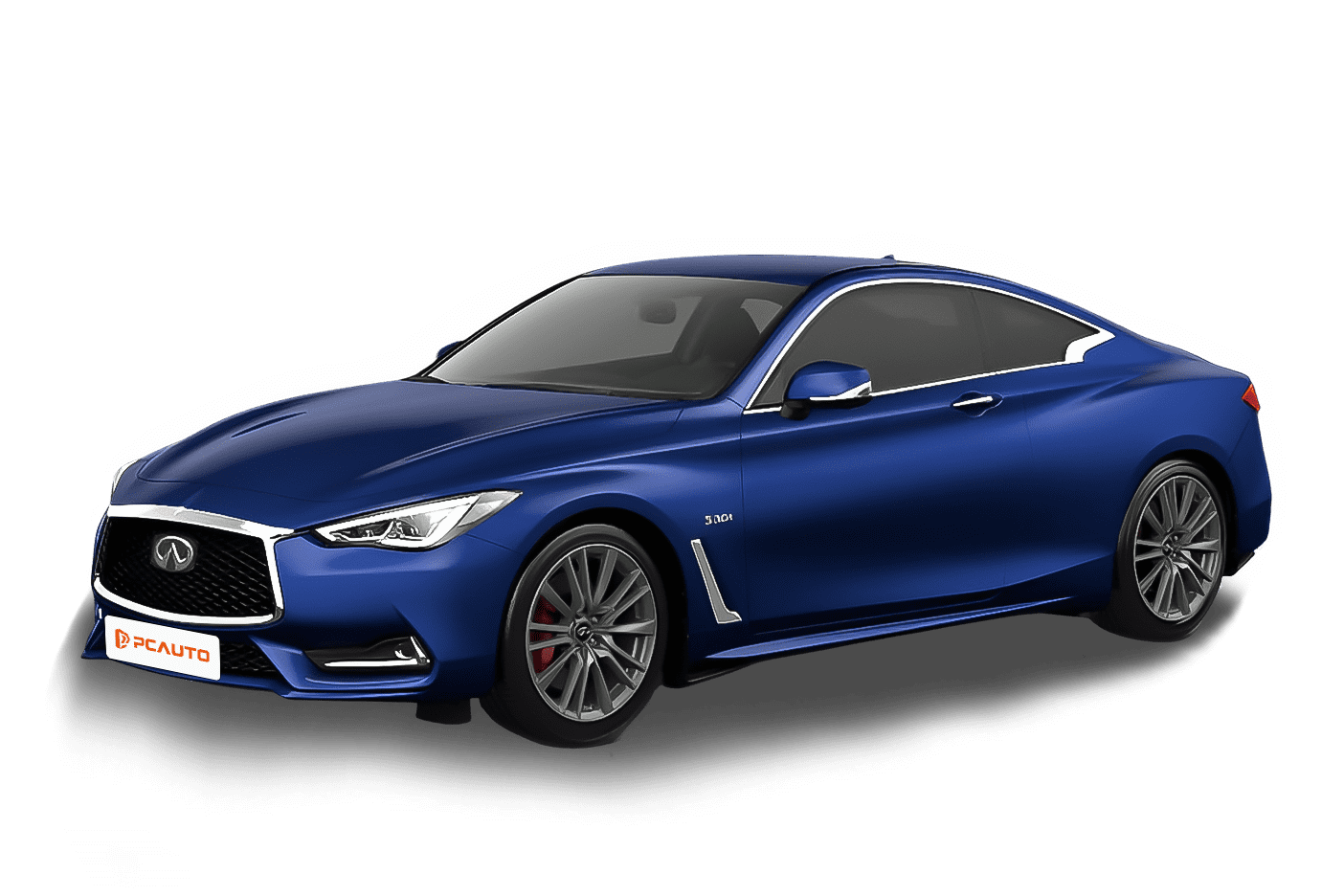
2017 Infiniti Q60 2.0t is a luxury coupe that balances sporty design and daily practicality, featuring a family-style exterior, BOSE audio system, and balanced power as its core selling points.
1
Rank in Coupe
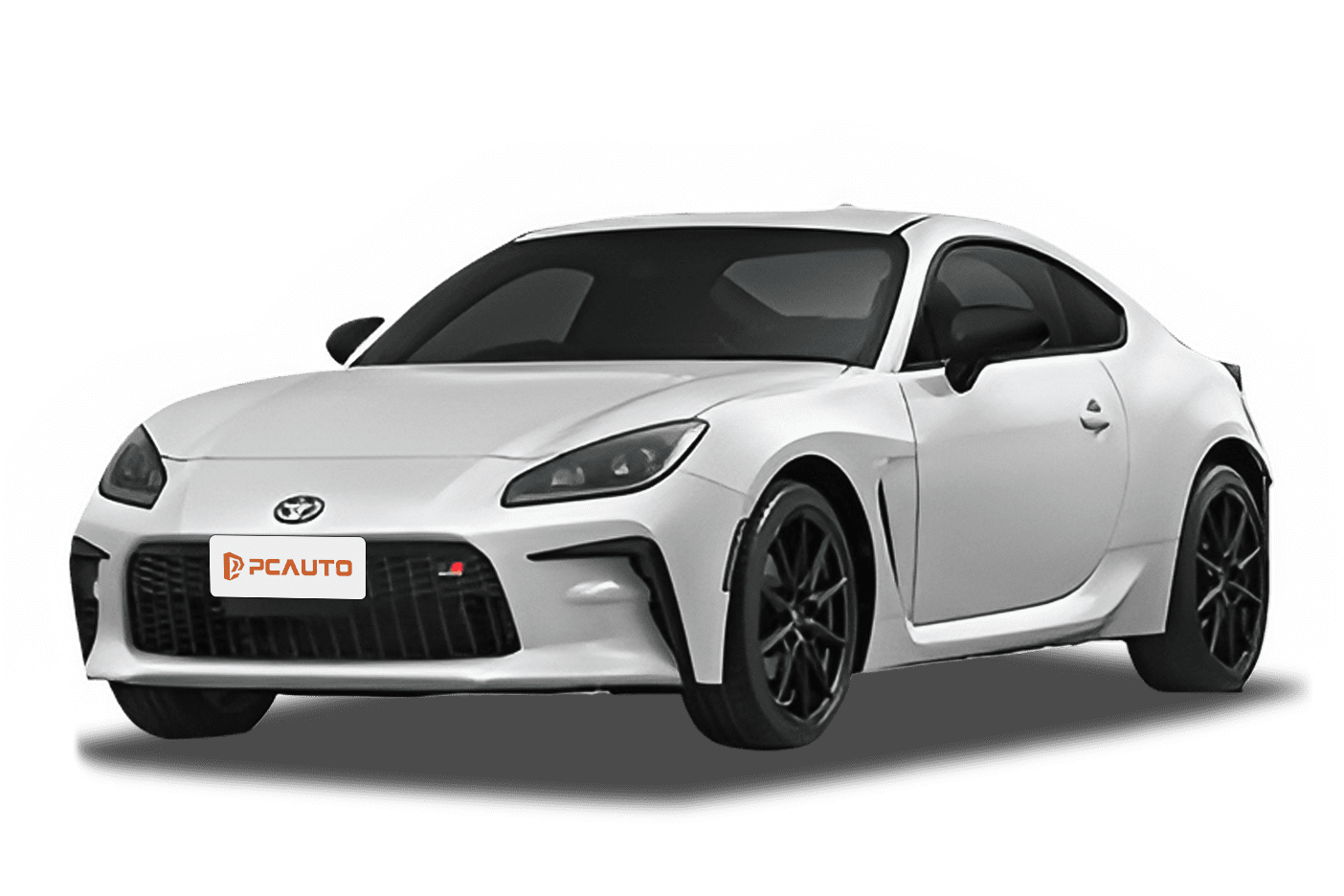
2023 Toyota GR 86 2.4 AT is a rear-wheel-drive sports coupe upgraded with a 2.4L naturally aspirated engine to address low torque issues, balancing daily commuting with pure driving pleasure.
6
Rank in Coupe
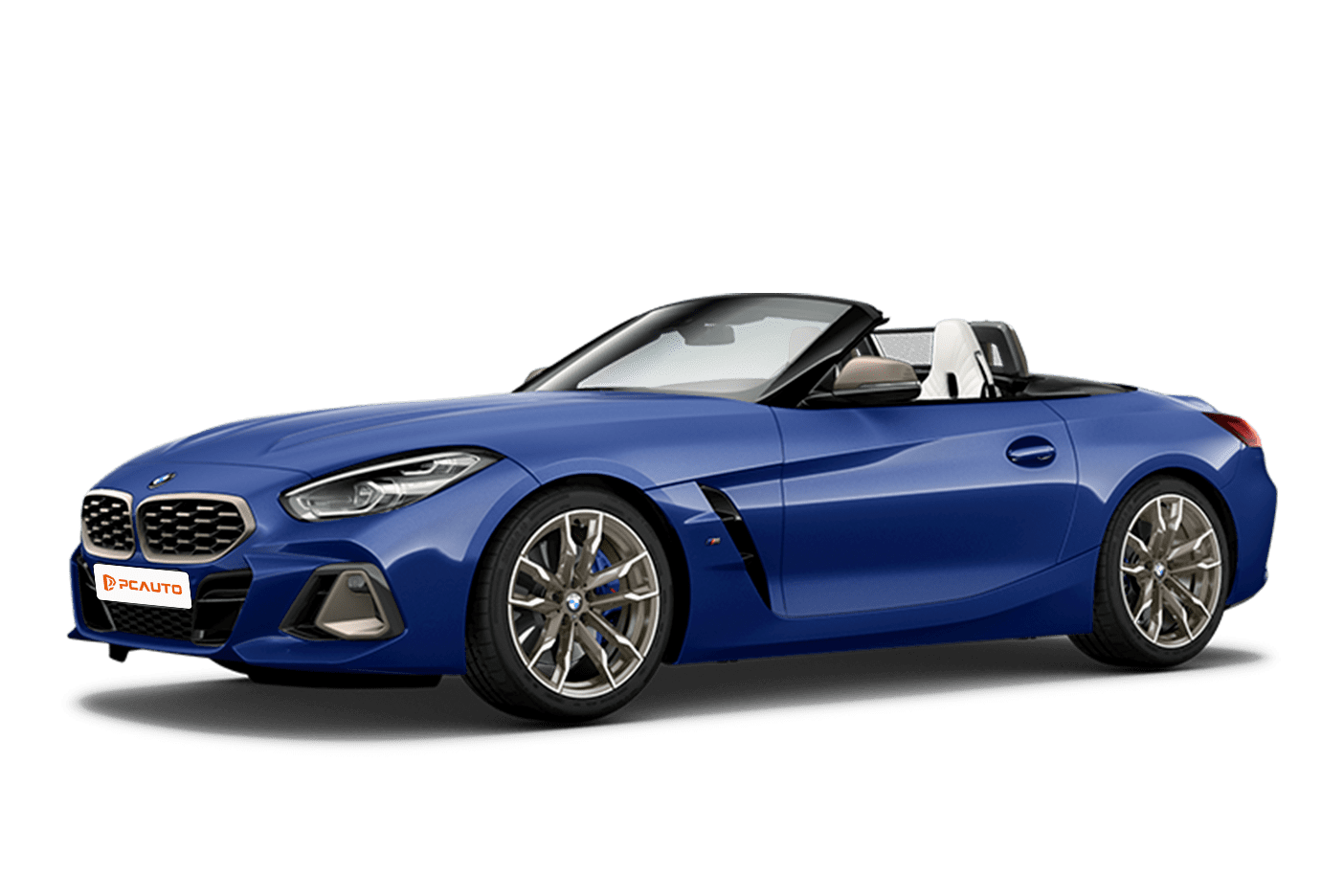
2023 BMW Z4 public, as a classic rear-wheel-drive convertible sports car, balances driving pleasure and daily practicality, with class-leading intelligent features and a compact body precisely meeting the needs of Malaysian users.
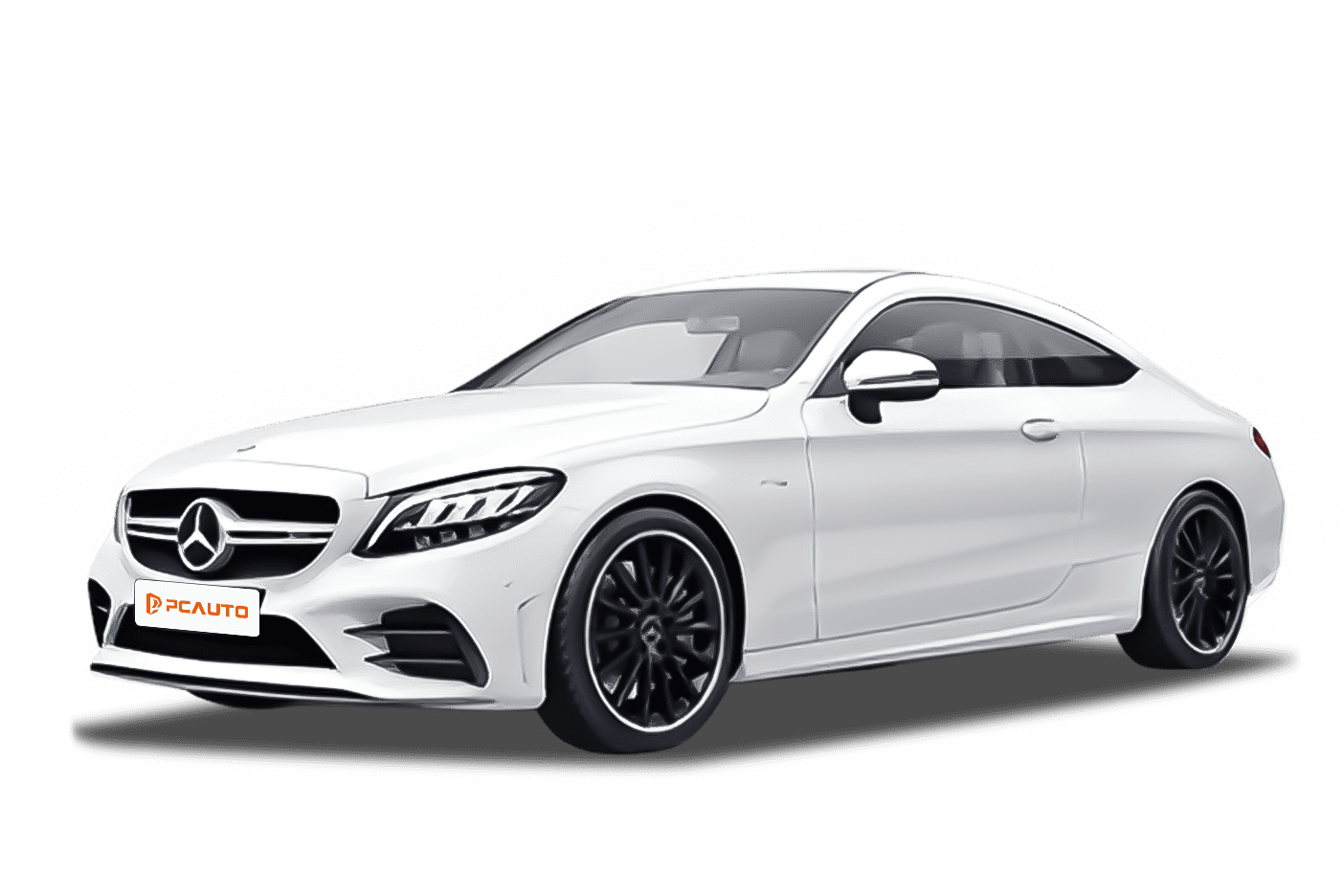
2018 Mercedes-Benz AMG C-Class Coupe AMG C 43 4MATIC is centered around a 3.0T V6 twin-turbo engine + 4MATIC all-wheel drive, balancing luxury texture, daily commuting, and performance driving, making it a high-value, well-rounded luxury performance coupe.