

Ford Ranger Raptor 2019 Review

 Share
Share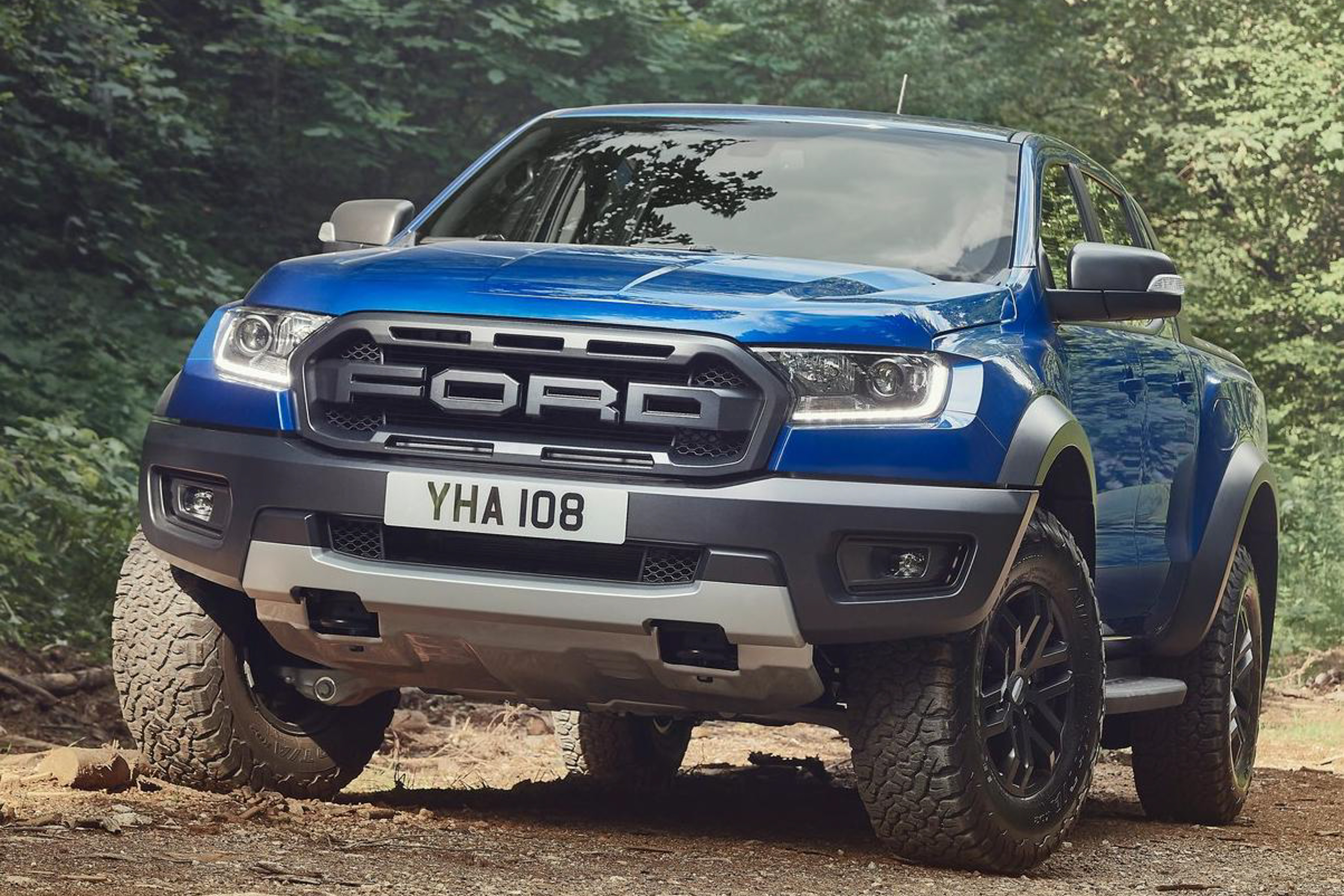
 Body Type
 Segment
 Capacity(L)
 Engine Power(PS)
 Engine Torque(Nm)
 Transmission
The Southeast Asian pickup market is never short of "tough guys," but there are few models that balance off-road capabilities and daily practicality to the heart's content. The arrival of the 2019 Ford Ranger Raptor fills the gap in the niche of high-performance off-road pickups—it is not an ordinary commuter pickup, but a rugged player with the "desert king" gene. This time, we got a public version of the test vehicle. The main purpose is to verify: Can it truly balance "fun" and "practicality" on Malaysian roads, jungle trails, and suburban routes?
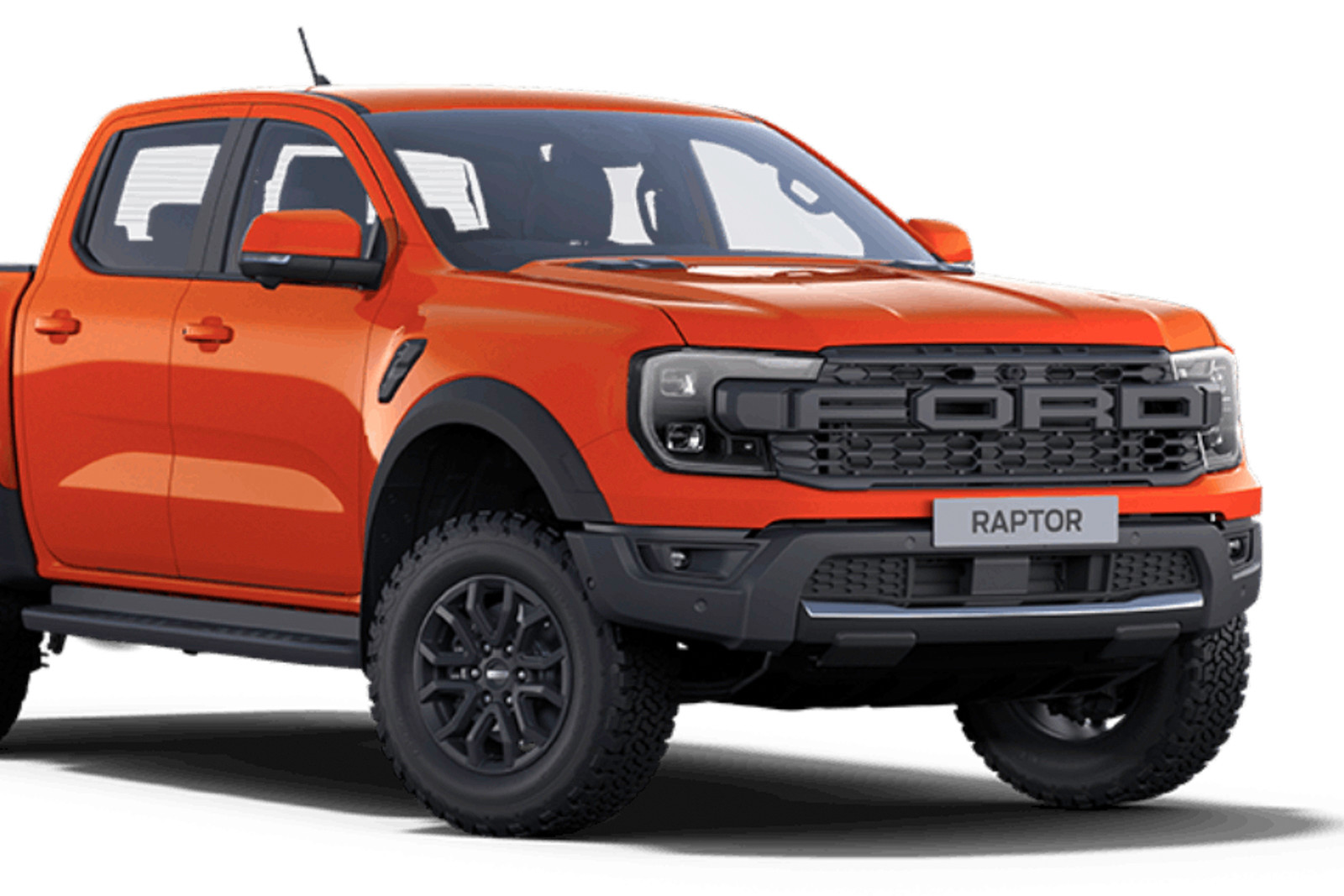
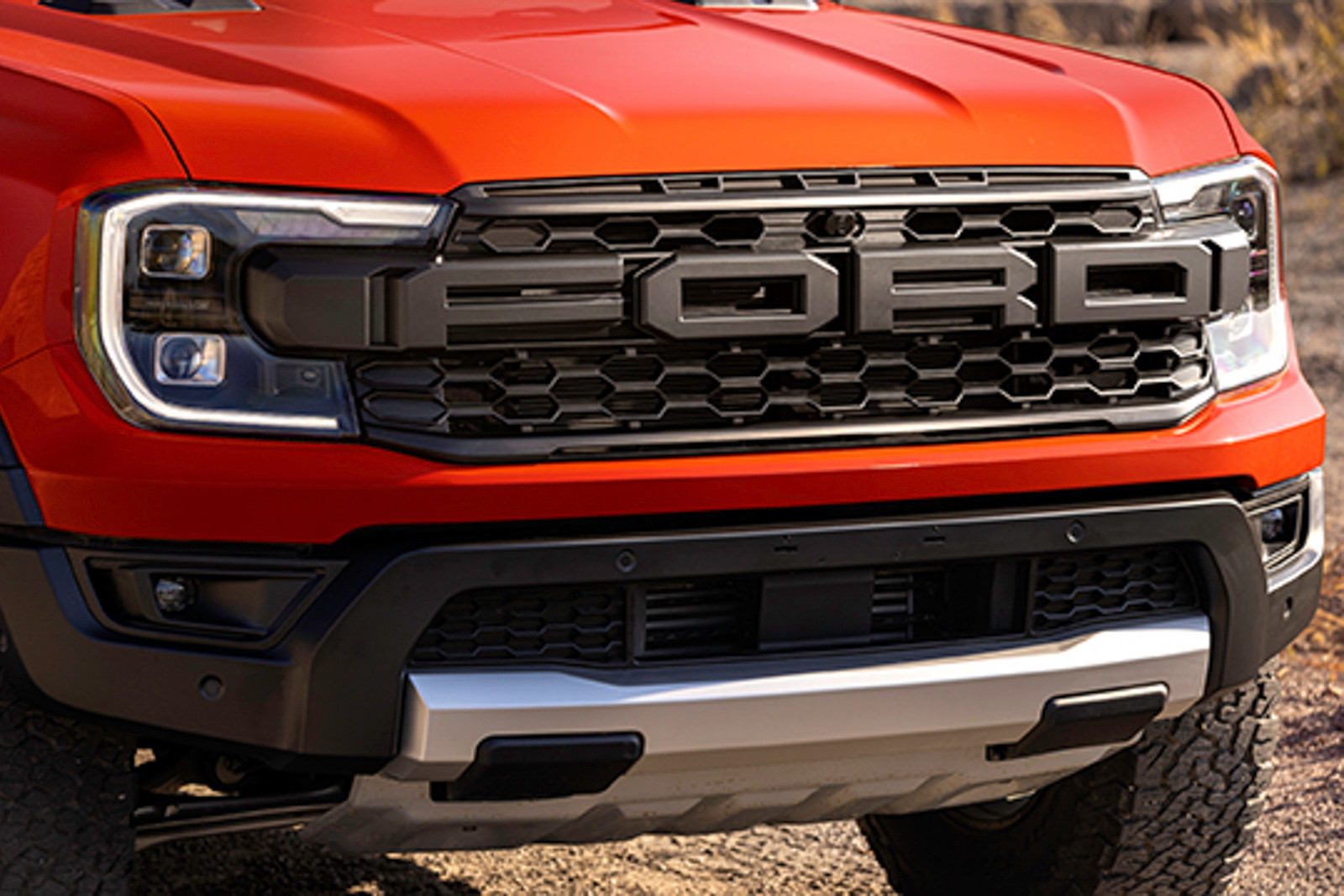
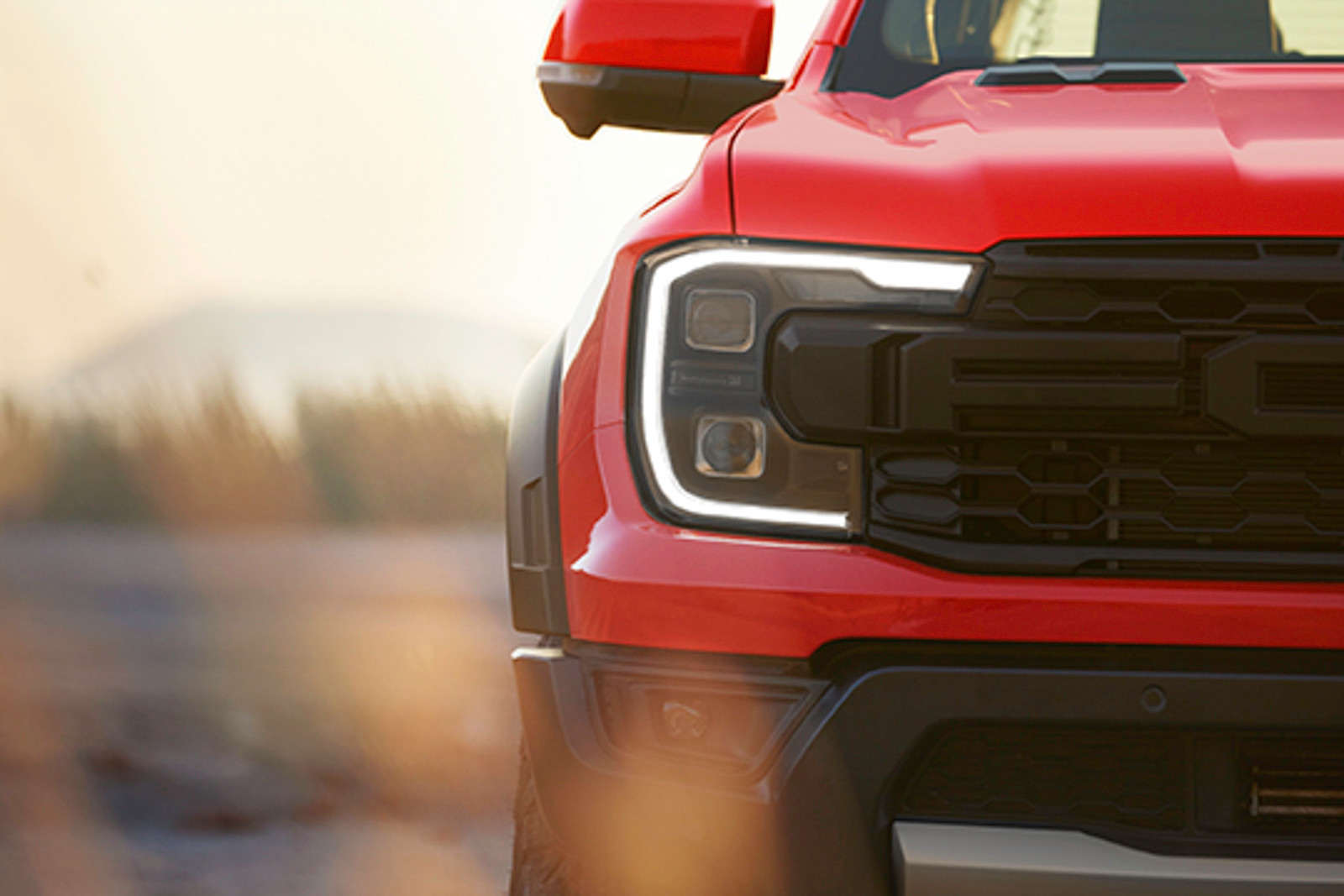
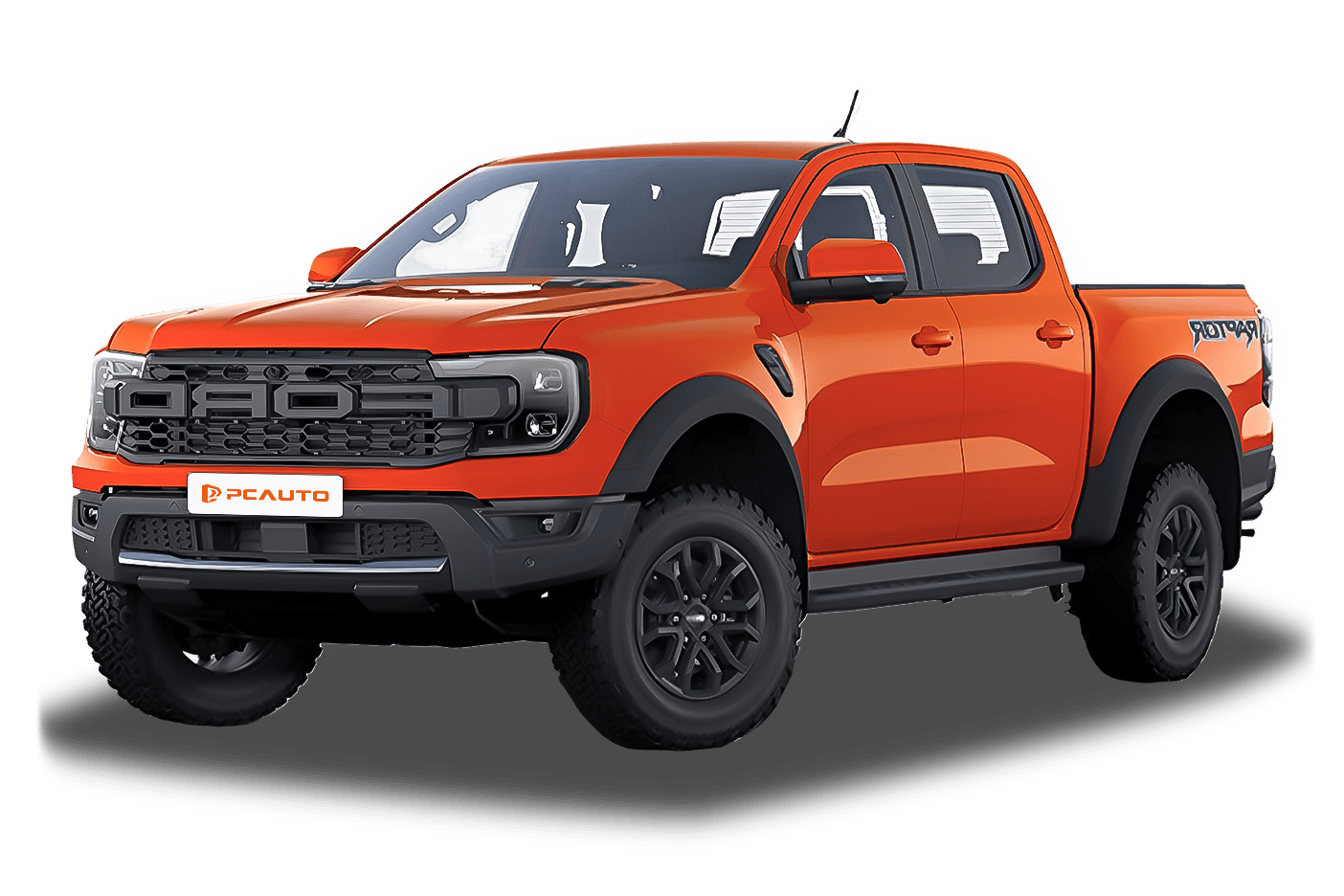
From a distance, the aura of the Ranger Raptor is entirely different from the standard Ranger. The front face adopts Ford’s iconic trapezoidal grille, featuring a black honeycomb design inside, paired with the 3D "FORD" lettering for high recognizability; the sharp design of the LED headlights on both sides, and the blackened treatment inside the light housings enhance its sporty look. The most eye-catching feature on the side of the body is the set of 17-inch beadlock wheels paired with BFGoodrich KO2 all-terrain tires, which have thick sidewalls and deep treads, directly declaring its off-road credentials; the fenders adopt a wide-body design, which is 150mm wider than the standard version. Combined with red tow hooks and side steps under the doors, it fully exudes a tough and rugged vibe. At the rear, the vertically aligned LED tail lights echo the front end, and the rear bumper also features red tow hooks. The cargo bed sports a black-coated roll bar, with a reserved mounting spot for floodlights on top, reflecting the off-road focus in every detail.
Sitting inside, the Raptor's interior emphasizes a sportier vibe compared to the standard version. The center console adopts a symmetrical layout and is wrapped in a large amount of soft-touch material. The door panels and seats use a combination of leather and Alcantara, offering a delicate texture; the steering wheel has a flat-bottom design with physical buttons integrated on both sides for cruise control and multimedia controls. It feels solid to hold and features an anti-slip treatment, along with a red "Raptor" emblem at the bottom. In terms of core configurations, the 12-inch central control screen is equipped with Ford’s SYNC 4 system, supporting wireless CarPlay and Android Auto, and the operation smoothness is quite good. The instrument panel is fully digital, allowing you to switch interfaces for off-road modes, fuel consumption, and other information. The seats are sport-style with adequate lumbar and thigh support. Additionally, the front row features power adjustment and heating functions, ensuring comfort even during long drives.
In terms of space performance, the Raptor's body size is 5398mm×2180mm×1873mm, with a wheelbase of 3270mm, making it a mid-to-large pickup. The front-row headroom reaches 1020mm, leaving a fist's worth of space above the head for a 180cm passenger; the rear legroom is about 950mm, with a two-fist distance from the knees to the front seat back, providing enough room for three passengers without crowding. Regarding storage capacity, the front central armrest box has a large volume, capable of holding four bottles of mineral water, while the door storage compartments can accommodate large thermos cups. The rear seats can be folded down, creating a flat storage platform. The cargo bed length is 1560mm, and the width is 1573mm, making it fully capable of transporting camping gear or small furniture for daily needs. Furthermore, the rear is equipped with air conditioning vents and USB charging ports, showing attention to detail.
In terms of power, the Raptor is equipped with a 2.0T twin-turbo diesel engine, delivering a maximum power of 157kW (213PS) and a peak torque of 500N·m, paired with a 10-speed automatic transmission. In actual driving, the power output is smooth during the initial acceleration phase, with a moderate throttle pedal travel, allowing sufficient power with a light press; the mid-to-late acceleration performance is impressive, with the overtaking process from 60-100km/h taking only 4.5 seconds. The gearbox's shifting logic is clear, with almost no jerking sensations. There are 6 driving modes to choose from: Normal, Sport, Wet, Sand, Rock, etc. When switched to Sport mode, the throttle response becomes more sensitive, and the gearbox delays shifting to maintain higher RPMs, making it suitable for highway overtaking. When switched to Sand mode, ESP allows for a wider intervention window, torque distribution is more rear-wheel-oriented, and it can handle light desert trail conditions.
Handling and chassis are the core strengths of the Raptor. It is equipped with FOX Racing Shox 2.5-inch Live Valve adaptive dampers, paired with a high-strength steel frame, offering a suspension travel that is 30% longer than the standard version. When driving on bumpy roads, the dampers effectively filter out fine vibrations, ensuring minimal body bounce even when crossing speed bumps or potholes. During cornering, the suspension provides excellent support with well-controlled body roll. Combined with the precision of the electronic power steering, the handling feels almost SUV-like. The four-wheel-drive system adopts a part-time 4WD design, featuring low-range 4WD (4L) and a rear differential lock. During our test on rainforest trails, with 4L and the differential lock engaged, even when the wheels got stuck in mud, the vehicle could quickly escape through electronic traction control, proving its unquestionable off-road capability.
In our specialized tests, we focused on fuel consumption and braking. Under mixed driving conditions (30% city + 50% highway + 20% off-road), the Raptor's fuel consumption was approximately 8.5L per 100 kilometers, which is a commendable performance for a 2.0T diesel engine. In braking tests, the stopping distance from 100km/h was about 38 meters, with linear brake pedal feedback that inspires confidence. In terms of ride comfort, despite using all-terrain tires, road noise is well-controlled during highway driving, with interior noise levels at about 62 decibels when traveling at 100km/h. Engine noise is almost inaudible at idle and remains non-intrusive during high-speed cruising, allowing for easy cabin conversations.
In summary, the 2019 Ford Ranger Raptor public version has standout strengths: its robust off-road capability places it in the top tier among similarly sized pickup trucks. The FOX dampers and part-time 4WD system can handle most complex terrains. At the same time, it does not compromise on-road comfort, with seat support and noise control comparable to urban SUVs. In terms of features, it is more equipped than the Toyota Hilux Rogue, with the SYNC 4 system and a fully digital instrument cluster providing a stronger sense of technology. Compared to similar models, its price may be higher than regular pickups, but the value lies in its "dual-purpose" nature—meeting both daily commuting and cargo needs while supporting weekend off-road adventures.
This vehicle is most suited for those who need the practicality of a pickup while enjoying off-road capabilities, such as outdoor camping enthusiasts, construction workers, or families who enjoy rainforest or beach adventures on weekends. It is not designed purely for city commutes, but for those who can accept the size of a pickup, it is an excellent choice that balances "utility features" and "recreational attributes."
Finally, I want to say that the Ranger Raptor public version is not perfect—it consumes more fuel than urban SUVs and requires more parking space, but its advantages are significant: rugged, practical, and versatile. If you're looking for a vehicle that can "climb mountains and cross rivers" while also being capable of "grocery shopping and hauling goods," it is worth considering on your list.
Ford Ranger Raptor Car Compare
More Ford Reviews
Cars With Similar Price And Features
5
Rank in Pickup
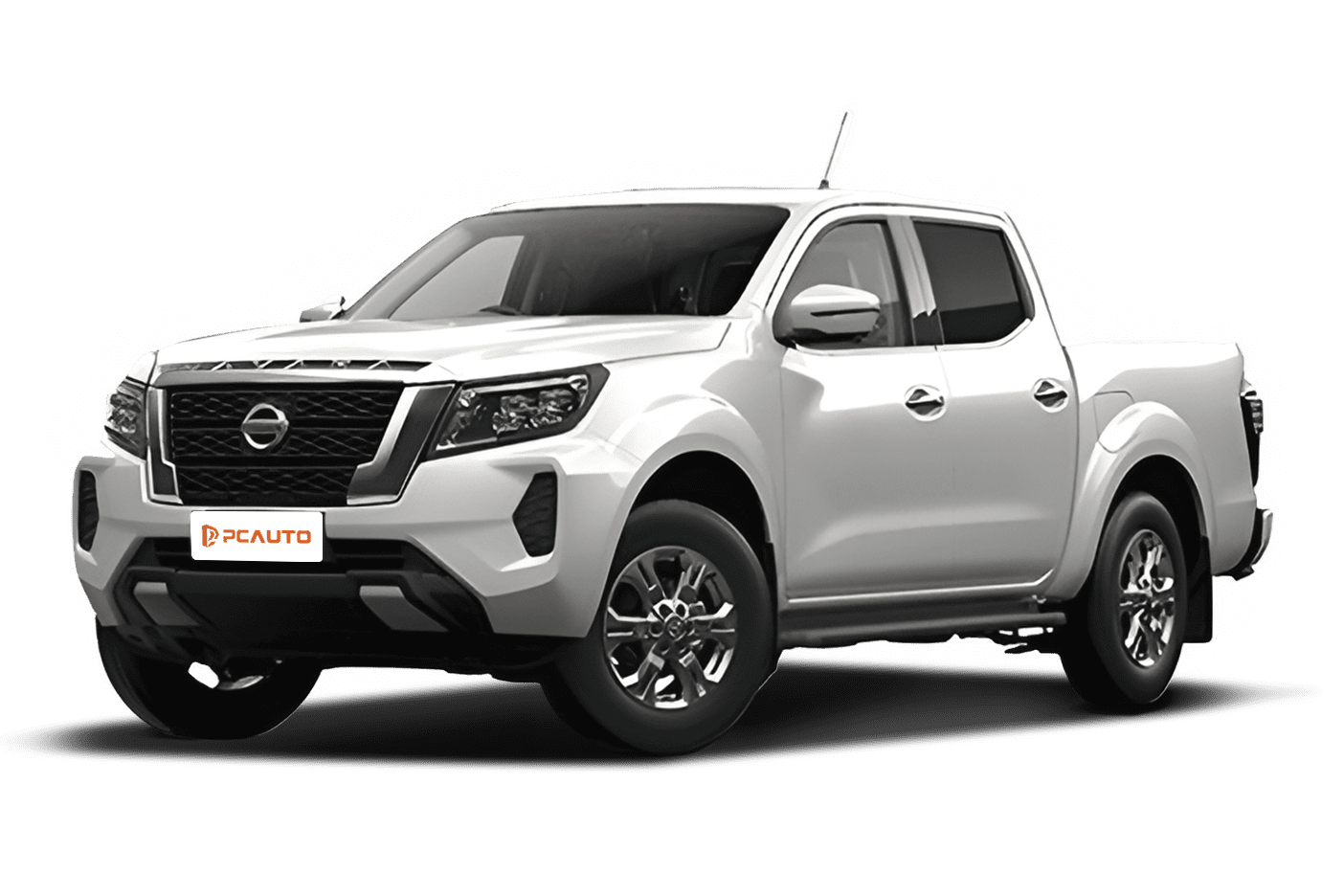
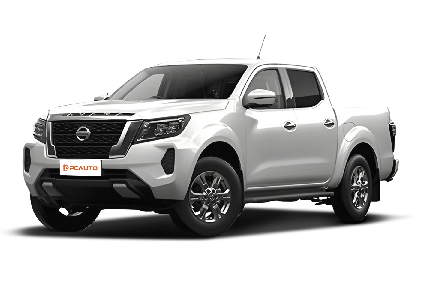
2023 Nissan Navara 2.5 VL Black Edition is a pickup truck that balances household comfort with light off-road capability, featuring exclusive black trims, a full suite of active safety features, and practical configurations, precisely catering to the needs of families and small business owners.
4
Rank in Pickup
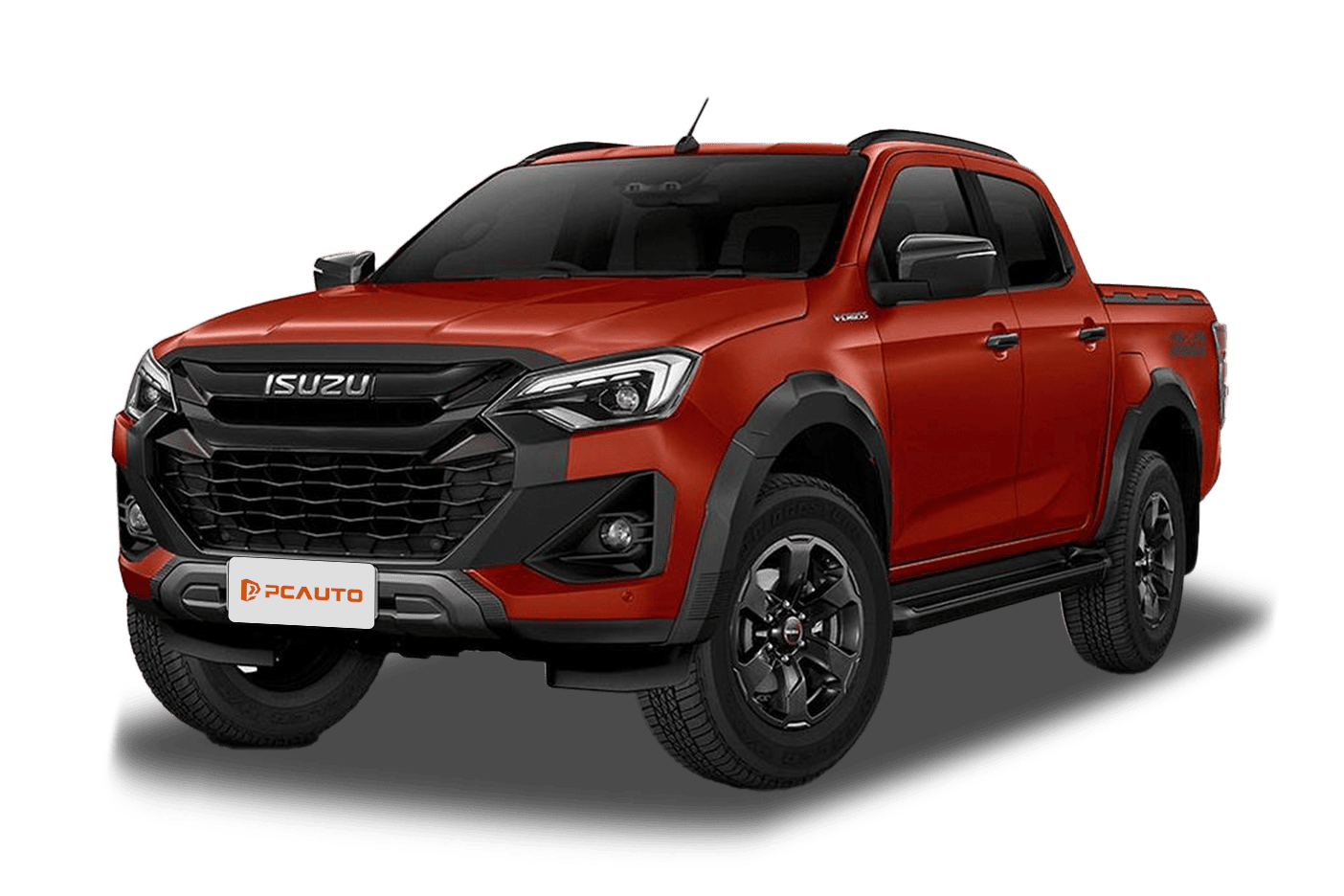
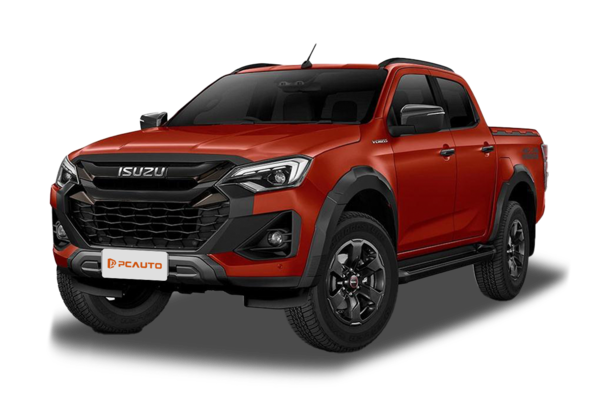
2025 Isuzu D-MAX 1.9L 4x2 Low Ride is an entry-level passenger pickup, offering a balance of practical space, reliable diesel performance, and fuel economy, suitable for family transport and small business cargo needs.
3
Rank in Pickup
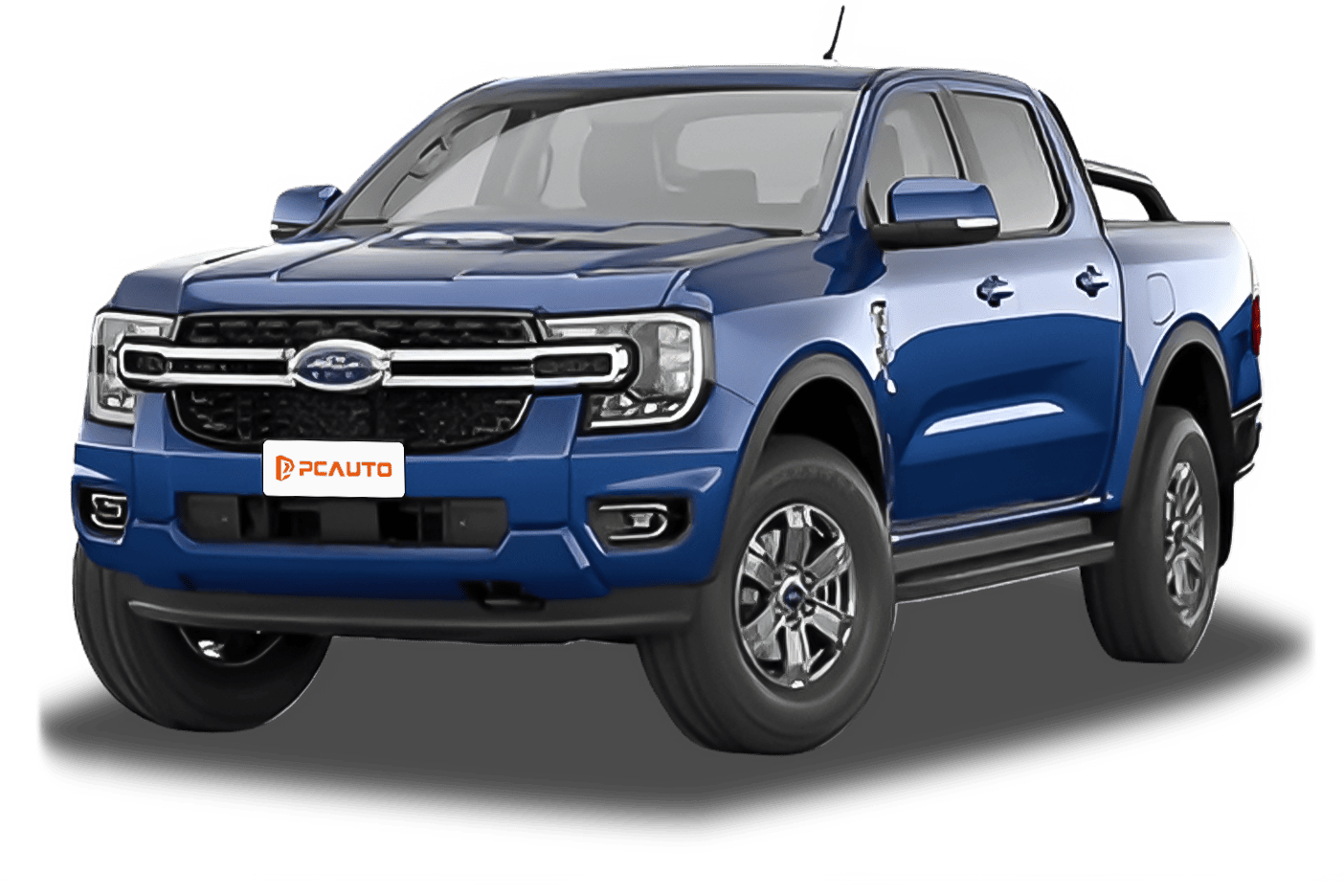
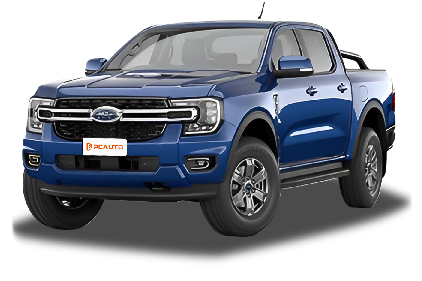
2023 Ford Ranger WildTrak is a mid-to-high-end pickup truck that balances the comfort of daily commuting with the practicality of cargo and off-road capabilities. It features powerful performance, ample space, and practical configurations, making it a versatile choice for both family and work scenarios.

2023 JMC Vigus Pro White Series 2.0L 4WD 8AT combines rugged design, practical features, and powerful diesel performance, balancing everyday durability and mild off-road needs, making it a high-value choice for pickup users.