

Ford Mustang 1965 Review

 Share
Share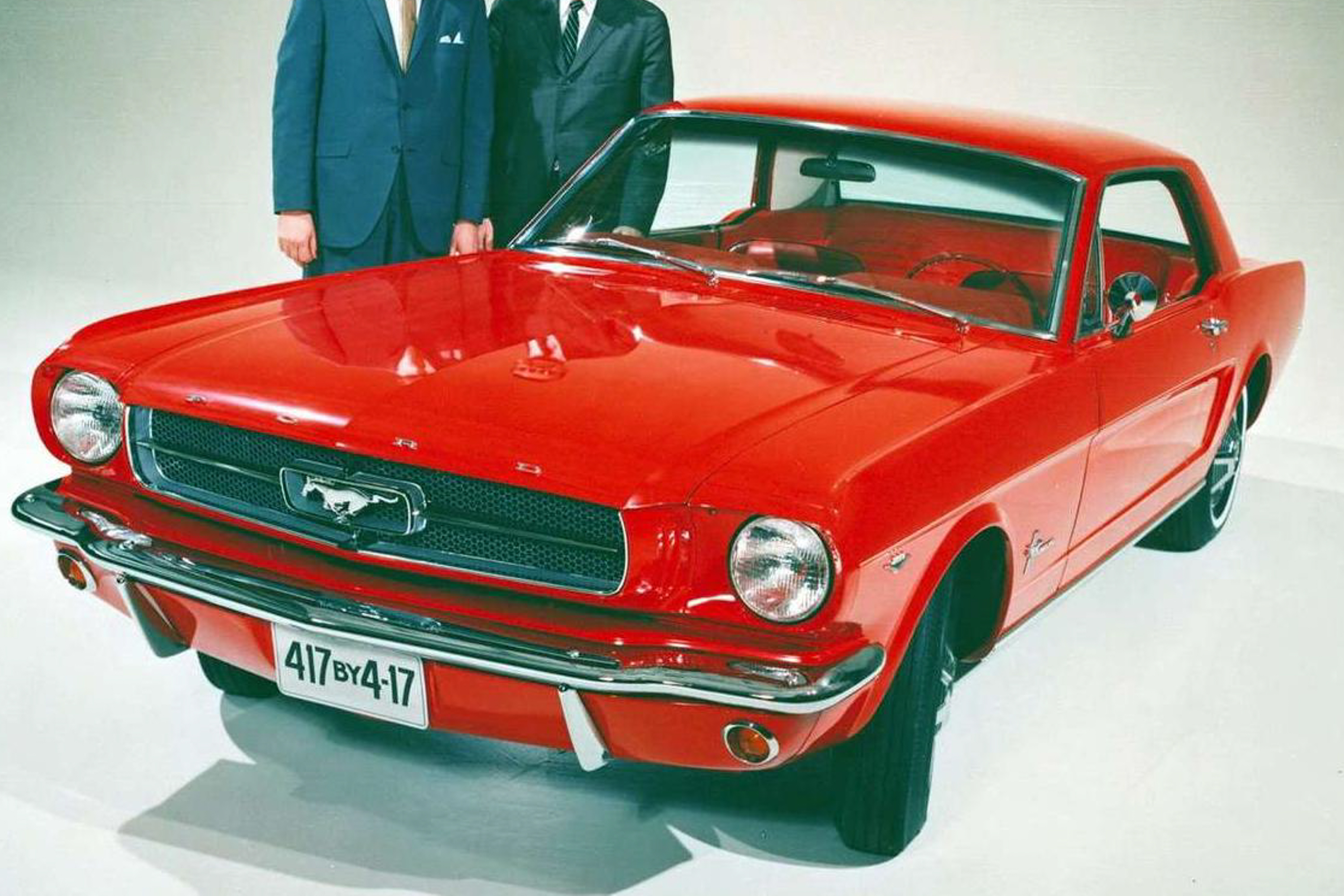
 Body Type
 Segment
 Capacity(L)
 Engine Power(PS)
 Engine Torque(Nm)
 Transmission
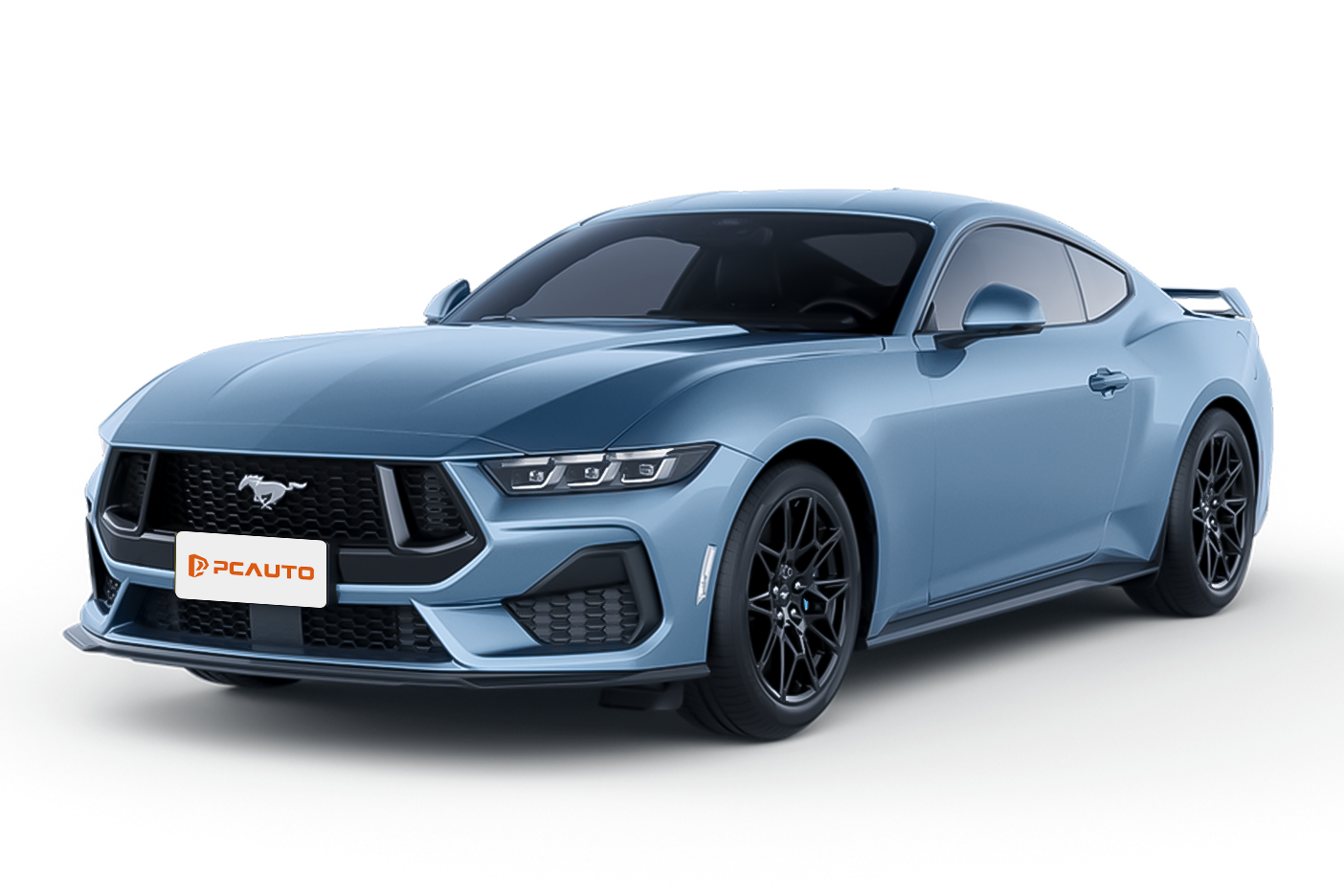
As a classic car born in April 1964 and officially launched as the 1965 model, the Ford Mustang precisely targeted America’s post-war "youth consumer market" from its debut. At the time, young people were eager for an affordable, stylish, and practical sports car, and the arrival of the Mustang perfectly filled this niche market gap. Its key selling points were straightforward: iconic muscle car design language, flexible powertrain options, and an affordable pricing strategy. Even nearly 60 years later, these characteristics still make it the "Dream Car" in the hearts of classic car enthusiasts. This time, we got our hands on a 1965 Mustang Public version (Note: "Public" here is presumed to refer to the base production version, corresponding to the Standard model of the time). The main purpose is to reproduce its true performance as the "car for everyone" of its era and explore what made this car, which founded the "Pony Car" category, so wildly popular among consumers worldwide.
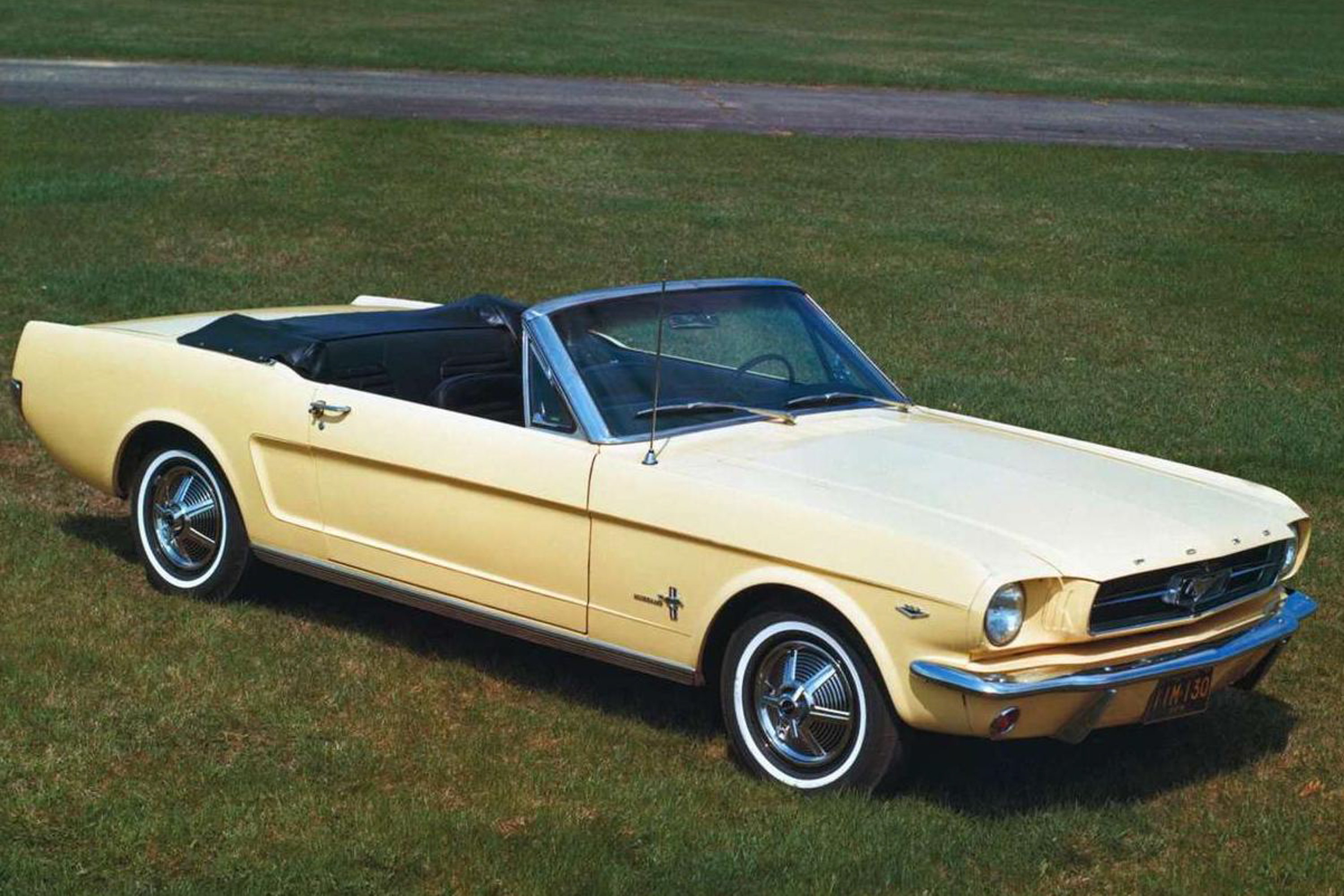
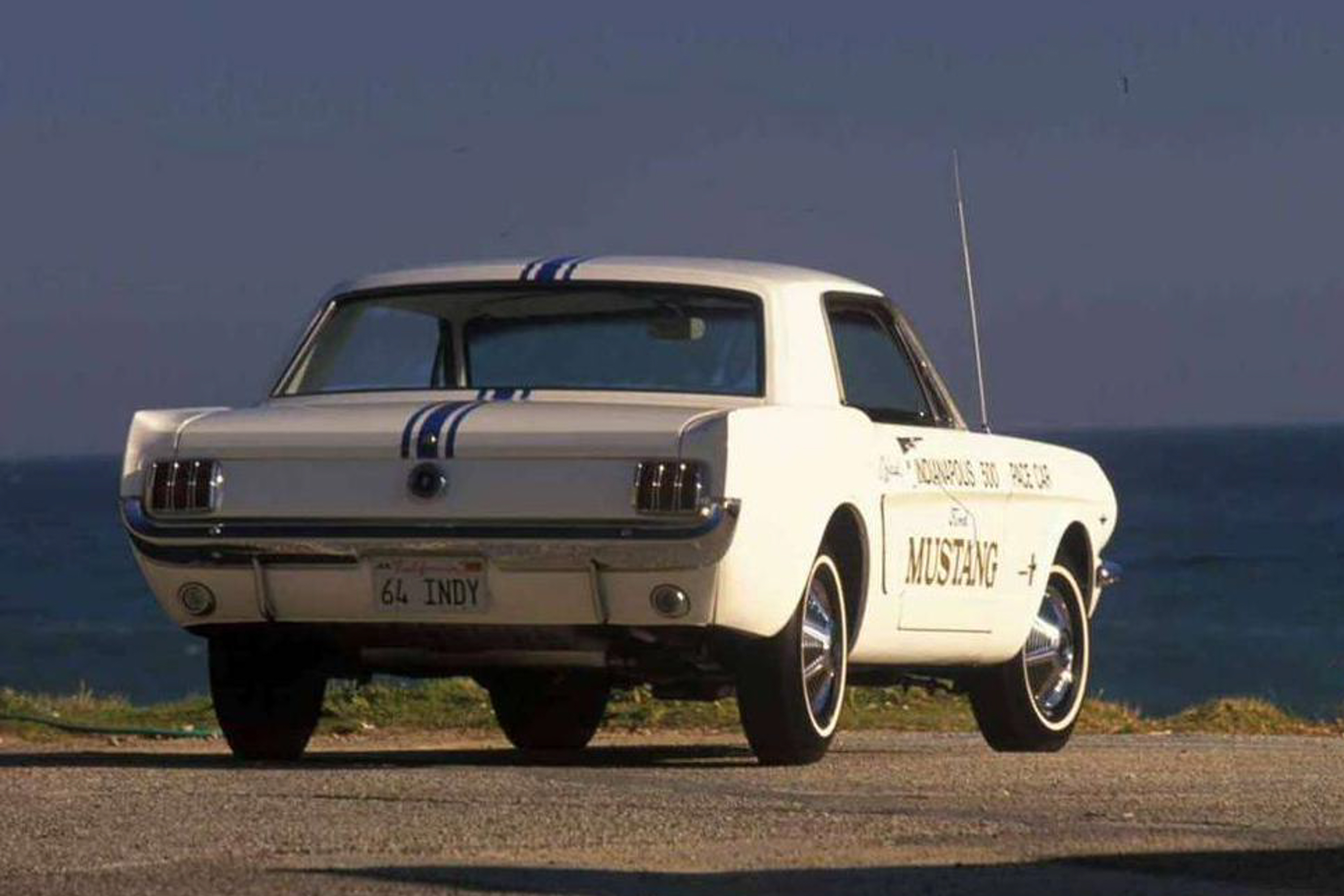
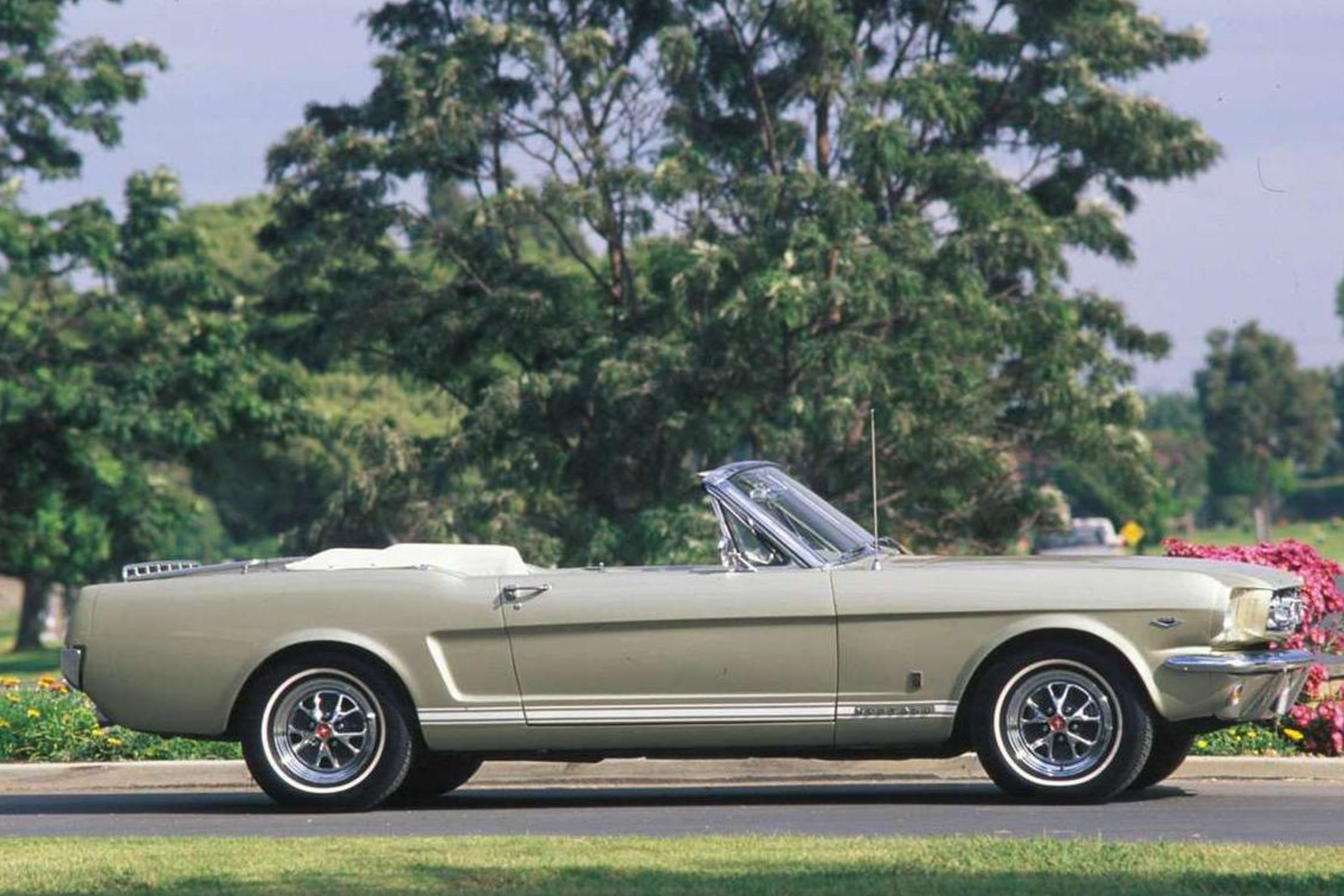
In terms of exterior design, the 1965 Mustang's design focused entirely on "dynamism" and "recognizability." The front features the then-popular long hood and short rear proportions. The two raised lines on the hood extend from the A-pillar to the front grille. Combined with the iconic "Fastback" or "Hardtop" body lines, it exudes a forward-leaning stance even when stationary. The front grille is its most iconic design: a rectangular chrome frame encases three horizontal chrome bars, with Ford's blue oval logo suspended in the center. Below is a body-colored front bumper, a combination that retains the refinement of American cars without appearing overly flashy. The side profile features a body crease line running from the front fender to the taillights, paired with 14-inch steel wheels (some models offered optional chrome wheels), further enhancing the muscular feel. The rear design is relatively simple, with vertically arranged round taillights on both sides. A chrome stripe connects the taillights and extends to the center of the trunk lid, while dual chrome exhaust pipes underneath hint at its performance characteristics. Notably, the Mustang offered more than 20 body color choices at the time, including the classic "Poison Ivy Green" and "Competition Orange," which was rare in the 1960s automobile market and made it easier to cater to various consumer tastes.
As for the interior, the 1965 Mustang followed a "practicality-first" approach but included some delightful details. The dashboard featured a layered design, with the upper layer made of black plastic and the lower layer covered in vinyl material matching the seat color. Although the texture was not as refined as modern cars, it was already considered "quality" for its time. For core features, it was equipped with an AM radio (FM available as an option), a manually adjustable air conditioning system (optional for the base version), and a three-spoke steering wheel. The steering wheel was made of black plastic, had a relatively large diameter, and felt sturdy to hold. Behind it was a mechanical pointer instrument cluster, displaying the tachometer, speedometer, fuel gauge, and water temperature gauge with clear and direct readings. The seats consisted of front bucket seats and rear bench seats. While the seat cushions were firm, they offered decent support and didn't cause significant discomfort during extended periods of sitting. Regarding space, its dimensions were 4610mm×1810mm×1320mm, with a wheelbase of 2740mm. Legroom in the front row was ample for passengers up to 180cm tall, while headroom was slightly compromised due to the fastback design but did not feel cramped. Rear legroom was relatively tight, making it more suitable for children or adults on shorter trips. In terms of storage, the trunk had a capacity of approximately 385 liters, sufficient for two 20-inch suitcases. Additionally, a storage box under the front seats could be used for small items, fully meeting the daily utility needs of family or couple outings.
Dynamic performance is one of the core competitive strengths of the 1965 Mustang. In terms of power, it offers three options: the base model comes with a 170-cubic-inch (2.8L) inline six-cylinder engine, delivering a maximum power of 101 horsepower and maximum torque of 225 Nm; the mid-range option features a 260-cubic-inch (4.3L) V8 engine with a maximum power of 164 horsepower and maximum torque of 353 Nm; the high-end model is equipped with a 289-cubic-inch (4.7L) V8 engine, producing a maximum power of 210 horsepower and maximum torque of 393 Nm. The version we test-drove is the 289 V8, paired with a 3-speed automatic transmission (a 4-speed manual is available as an option). During actual driving, throttle response during initial acceleration is not overly aggressive, but when the throttle is pressed deeply, the torque of the V8 engine bursts at around 2500 rpm, providing a significant push-back sensation. The 0-100 km/h acceleration time is around 7.5 seconds, which definitely qualified it as a "performance car" in the 1960s. When overtaking, pressing the throttle halfway will quickly cause the transmission to downshift, providing direct power output and sufficient confidence for high-speed overtaking. As for handling and suspension, the car uses a front MacPherson independent suspension and a rear solid axle non-independent suspension setup. The steering assist is mechanical, and while the steering feel is on the heavier side, it is precise without significant play. When handling bumpy roads, the rear suspension's shock absorption performance is average, as smaller bumps on the road are directly transmitted to the cabin. However, the vehicle doesn't sway significantly when encountering larger potholes. While cornering, the body roll is kept within acceptable limits, and the grip is commendable. As long as you're not pushing to the limit, stability is not an issue.
In terms of specific performance testing, we focused on fuel consumption: when driving in urban conditions (a mix of congestion and free-flowing traffic), the fuel consumption is about 15 liters per 100 kilometers; on highways (at an average speed of 100 km/h), the fuel consumption is about 12 liters per 100 kilometers. For a 4.7L V8 engine, this was considered normal at the time. Regarding braking performance, it comes equipped with front disc and rear drum brakes. The brake pedal travel is relatively long; initial braking force is soft, but pressing harder provides progressively linear braking power. The braking distance from 100 km/h to 0 is approximately 45 meters, meeting the safety standards of the 1960s. In terms of driving comfort, noise control is its shortcoming—while driving at high speeds, engine noise and wind noise are quite noticeable inside the cabin. However, for classic car enthusiasts, this “V8 roar” is more of a delight than a flaw. The seats provide good support, and prolonged driving won’t cause back pain. Additionally, the clutch (manual version) has a long travel with a clear engagement point, making it easy for beginners to adapt.
To summarize, the core highlights of the 1965 Ford Mustang are very prominent: the iconic muscle car design, flexible powertrain options, accessible pricing (with a starting price of around $2,368 at the time, significantly lower than the Chevrolet Camaro of the same period), and good practicality. Compared to competitors in the same class (such as the Pontiac Firebird), its advantage lies in its "balance"—it combines the dynamics of a sports car with the practicality of a daily driver. Additionally, it has great potential for aftermarket modifications, which is one of the reasons for its enduring popularity. Overall, this car is suitable for two types of people: first, classic car enthusiasts who value the Mustang’s historical significance and collectible value; second, younger individuals pursuing a sense of "retro style" who want a vehicle that can serve as a daily driver while also turning heads on weekends. Even today, the 1965 Mustang remains a model that doesn’t "compromise"—while it lacks the technological features of modern cars, its mechanical charm, V8 roar, and iconic design are precisely the "soul" that modern cars tend to lack. For lovers of classic cars, it is absolutely worth owning.
Ford Mustang Car Compare

Cars With Similar Price And Features
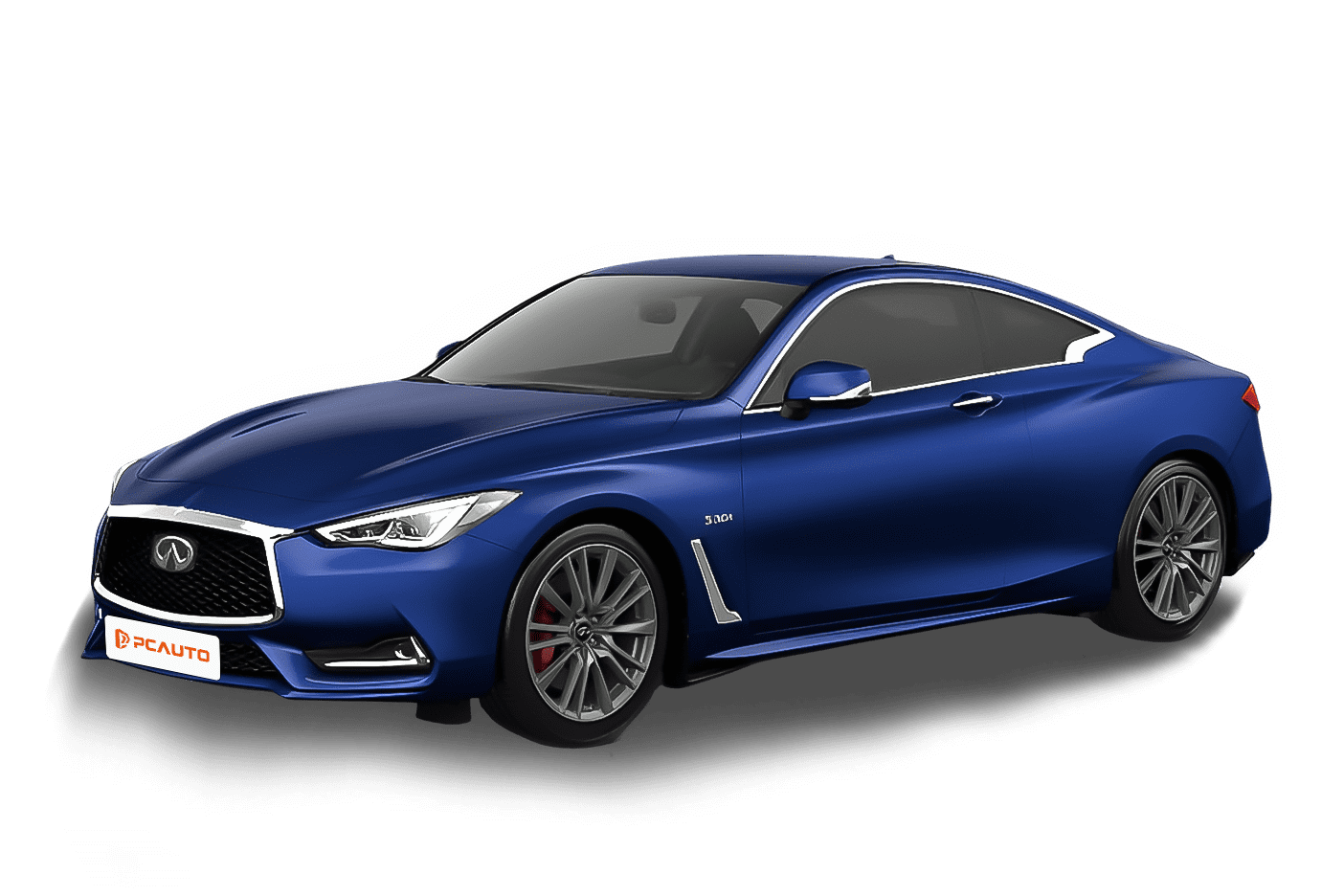
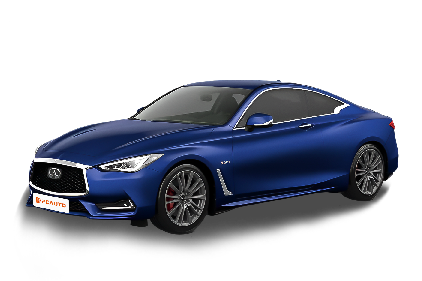
2017 Infiniti Q60 2.0t is a luxury coupe that balances sporty design and daily practicality, featuring a family-style exterior, BOSE audio system, and balanced power as its core selling points.
1
Rank in Coupe
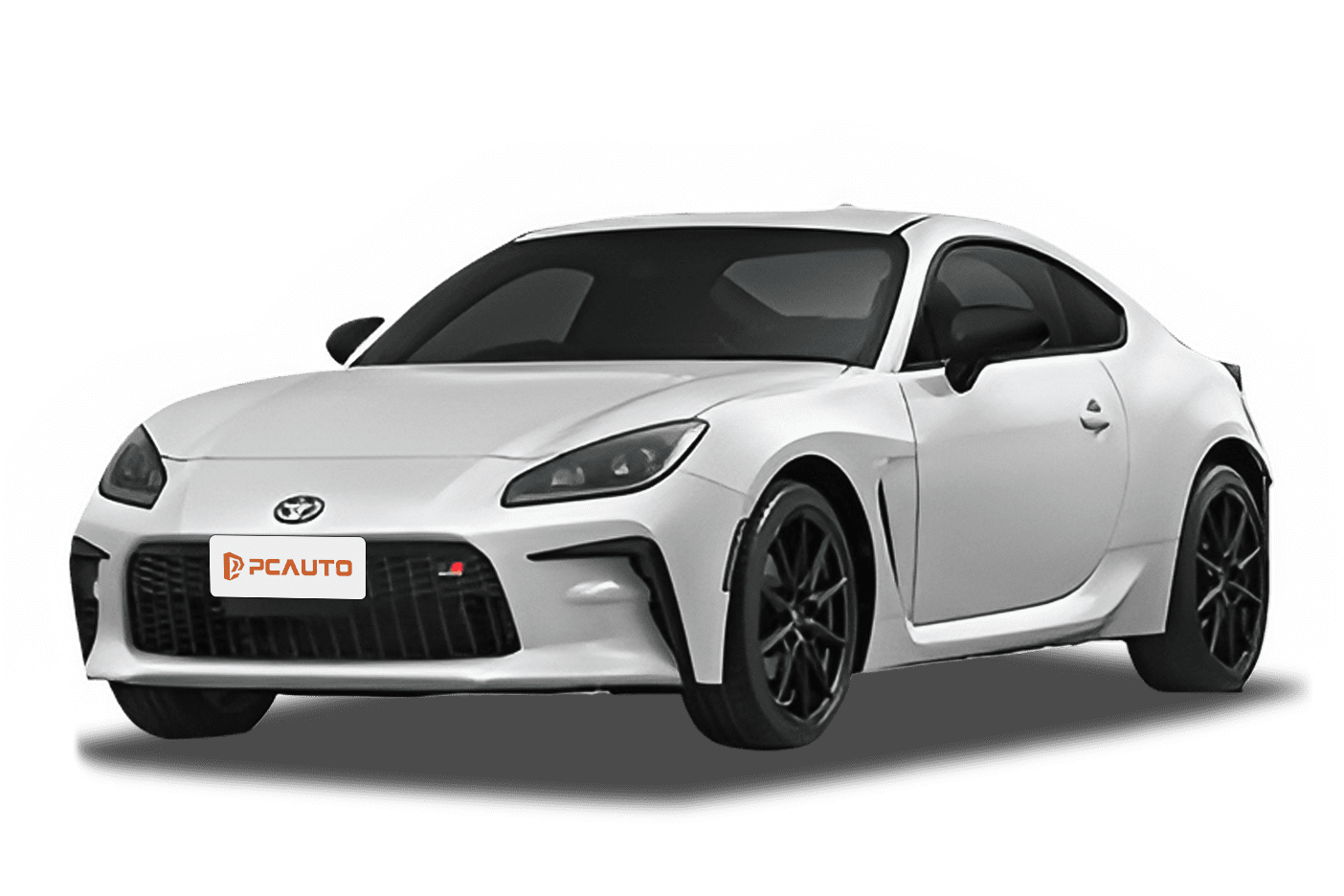
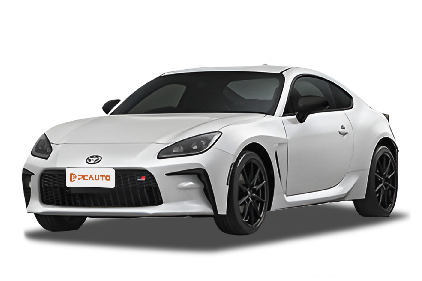
2023 Toyota GR 86 2.4 AT is a rear-wheel-drive sports coupe upgraded with a 2.4L naturally aspirated engine to address low torque issues, balancing daily commuting with pure driving pleasure.
6
Rank in Coupe
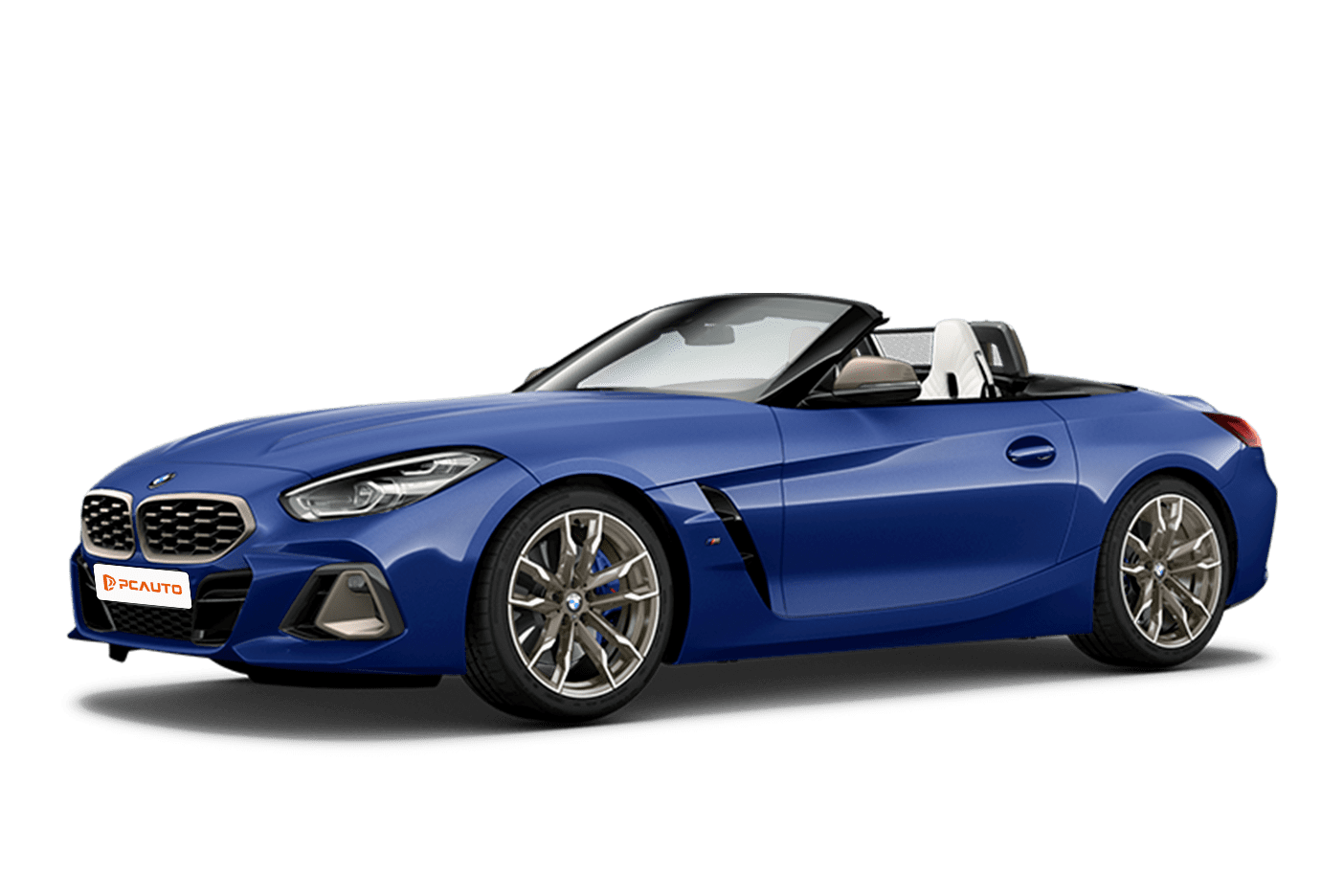
2023 BMW Z4 public, as a classic rear-wheel-drive convertible sports car, balances driving pleasure and daily practicality, with class-leading intelligent features and a compact body precisely meeting the needs of Malaysian users.
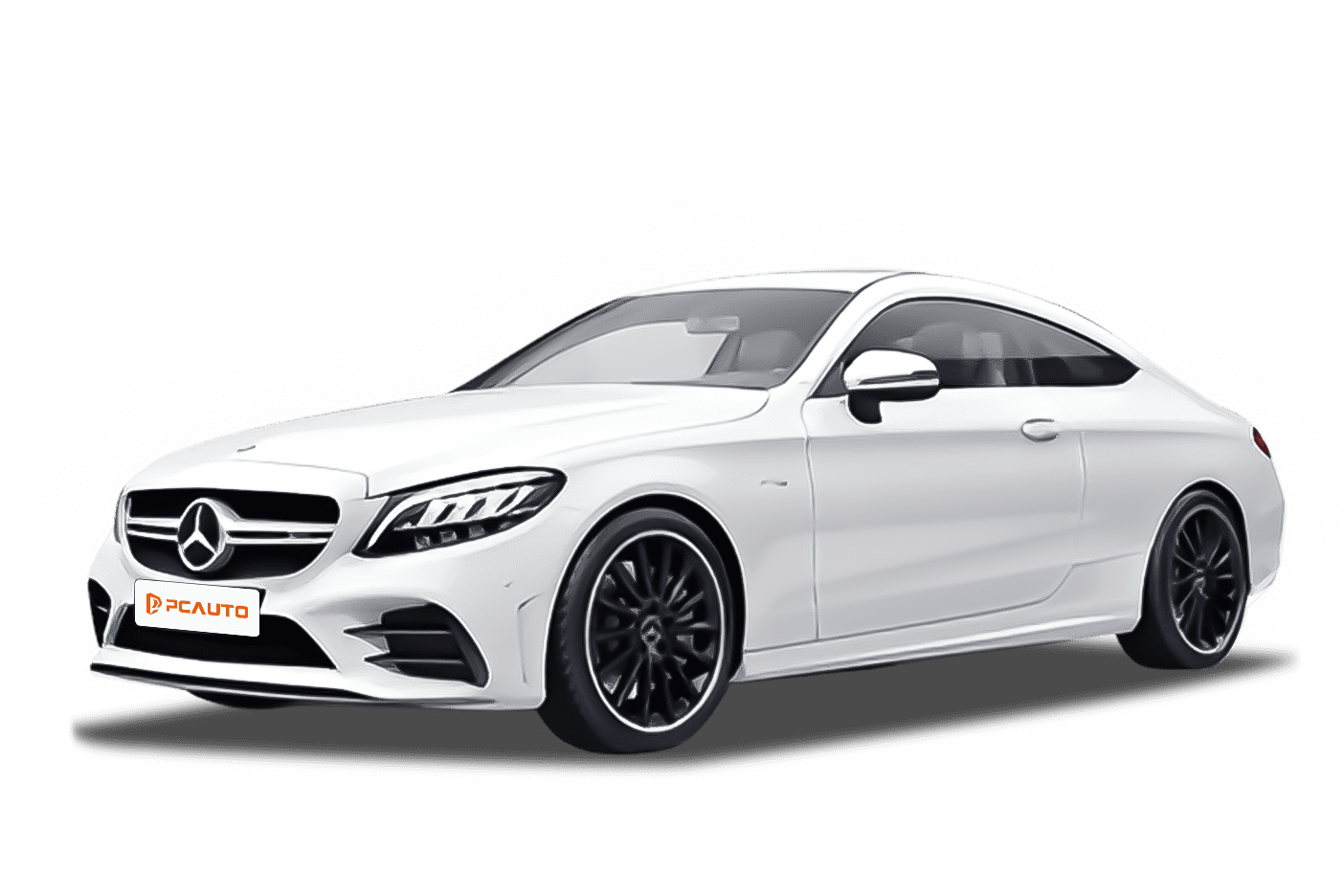
2018 Mercedes-Benz AMG C-Class Coupe AMG C 43 4MATIC is centered around a 3.0T V6 twin-turbo engine + 4MATIC all-wheel drive, balancing luxury texture, daily commuting, and performance driving, making it a high-value, well-rounded luxury performance coupe.