

Ford Mustang 1966 Review

 Share


 Body Type
 Segment
 Capacity(L)
 Engine Power(PS)
 Engine Torque(Nm)
 Transmission
In recent years, Malaysia's classic car market has been gradually heating up. Classic American muscle cars, with their unique retro charm and collectible value, have become the focus of attention for many enthusiasts. The 1966 Ford Mustang, as a mid-cycle refresh of the first-generation Mustang, maintains the iconic design of the initial model while featuring optimized details, making it a "golden-era representative" in the eyes of muscle car fans. This time, we have acquired a well-preserved 1966 Mustang Public version. The primary goal is to evaluate its actual performance on modern roads and to see how this classic model adapts to contemporary daily usage scenarios.
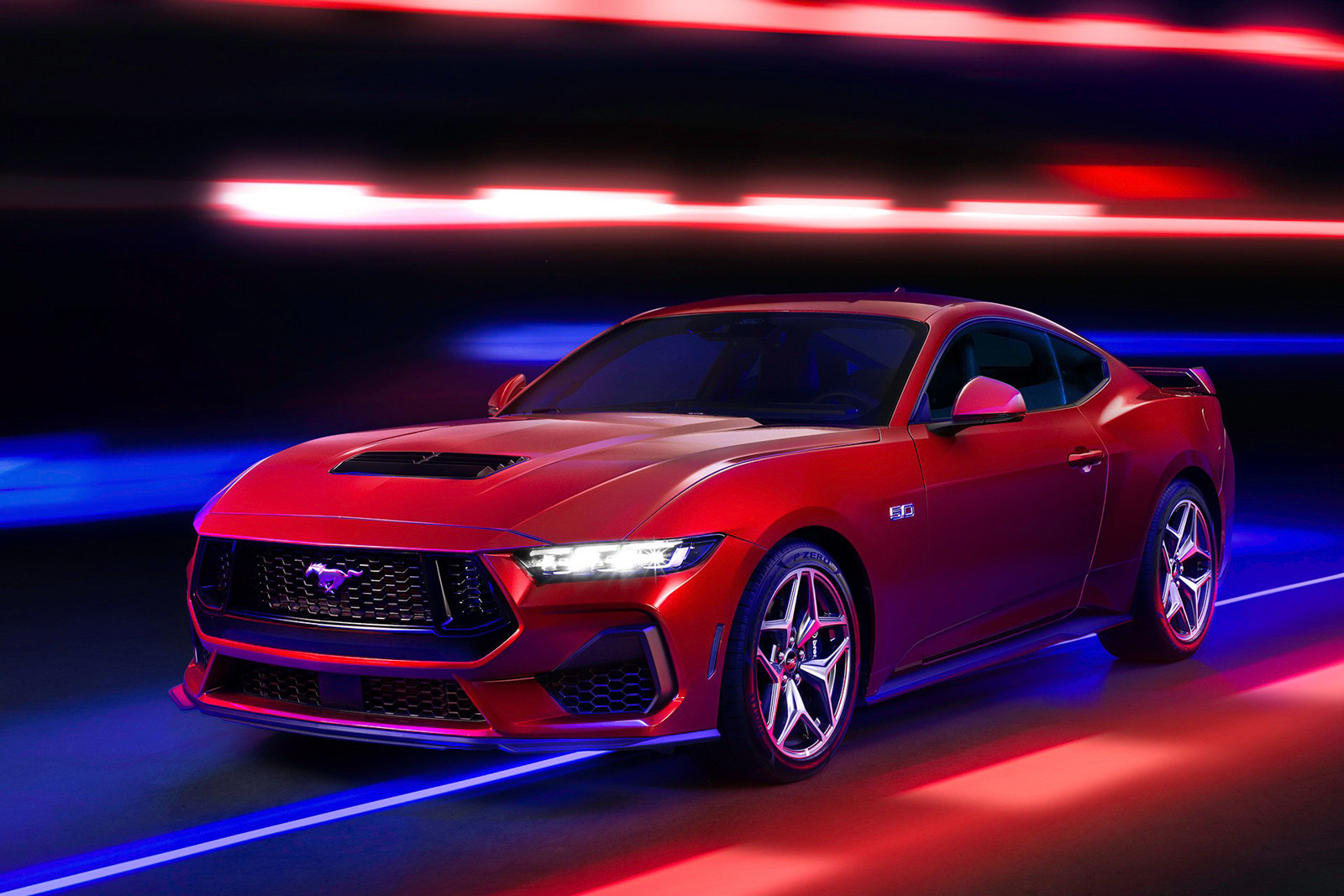
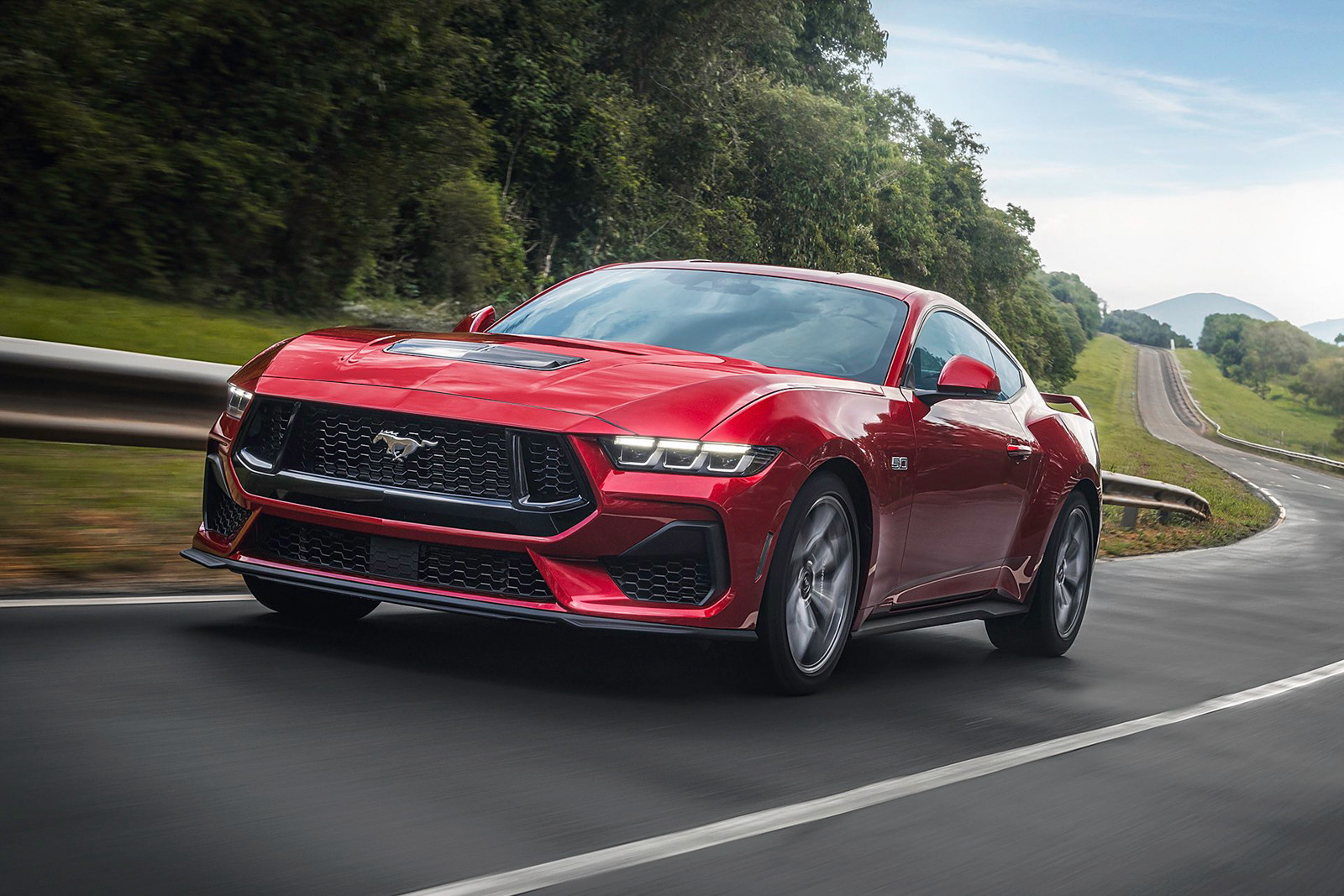
From a distance, the silhouette of the 1966 Mustang retains the short front overhang and long hood design of the initial generation, with a low and powerful stance. The front end is the most recognizable part. A honeycomb-style grille paired with Ford's blue oval badge in the center, round headlights embedded with chrome trim, and a chrome-plated bumper below create a heavy and robust feel. The side profile features flowing lines that extend from the front fenders to the rear, complemented by a sharp shoulder line, 14-inch steel wheels, and white-wall tires, exuding a strong retro vibe. The rear section includes the iconic triple vertical taillights of the Mustang, a slightly elevated trunk lid in the center, and a chrome-plated bumper that echoes the front design. The overall design has no extra embellishments, with every detail contributing to the muscular style of the car.
Opening the door, the interior is predominantly black. The dashboard features large plastic surfaces accented with a small amount of chrome trim, in line with the material characteristics of cars from the 1960s. The seats are fabric with thick padding for good support. The center console is simple in layout, with a radio at the top and air conditioning adjustment knobs below. The physical buttons have a relatively heavy resistance but provide clear feedback. The steering wheel is a three-spoke design with no power steering, slightly larger in diameter, offering a solid grip. In terms of features, this Public version is equipped with manual windows and manually adjustable seats, lacking the smart systems of modern cars but maintaining the pure essence of classic vehicles. Storage-wise, the front center armrest box is small, the door storage pockets can only hold bottled water, and the trunk offers a standard capacity of about 330L, sufficient for short daily trips.
Regarding dimensions, this Mustang measures 4610mm in length, 1820mm in width, and 1330mm in height, with a wheelbase of 2720mm. The front row provides ample space, with a 180cm passenger having a fist’s worth of headroom and plenty of legroom. The rear seat, however, is relatively tight. A passenger of the same height will find their knees pressing against the back of the front seat and only three fingers of headroom remaining, making it more suitable for children or short trips. The rear row includes independent air vents but lacks power outlets. By 1960s standards, the practicality is sufficient, though somewhat lacking by today’s expectations.
In terms of power, this 1966 Mustang Public is equipped with a 2.8L V6 naturally aspirated engine, delivering a maximum power of 120 horsepower and a peak torque of 220N·m, paired with a 3-speed automatic transmission. During actual driving, the initial acceleration feels slow, requiring a deep press on the accelerator to achieve noticeable speed. The 0-100km/h acceleration time is approximately 12 seconds. Switching to sport mode (essentially flooring the accelerator), the transmission logic becomes more aggressive, but the shift jerks are evident. Mid to high-speed acceleration performance is average, and after reaching speeds of 80km/h, the pull-back sensation diminishes, making it suitable for urban cruising rather than frequent overtaking on highways.
In terms of handling, the non-power-assisted steering is quite heavy at low speeds, requiring significant effort when parking or maneuvering into tight spaces, but it offers good stability at high speeds. The suspension system features a front MacPherson strut and a rear solid axle, with a relatively stiff tuning. When driving over speed bumps or bumpy roads, the body experiences significant jolts, and the shock absorption is poor, with road feedback directly transmitted to the cabin. As for cornering performance, the body's higher center of gravity results in noticeable body roll when taking turns, requiring early deceleration. The tire grip is average, with low performance limits. The braking system consists of front disc brakes and rear drum brakes. The brake pedal travel is long, and the braking response is slow, requiring advanced judgment of braking distance.
In terms of fuel efficiency, real-world tests show that urban driving yields a fuel consumption of about 12L per 100 kilometers, while highway cruising reduces it to around 9L per 100 kilometers. Fuel economy is average for vehicles from the 1960s. Regarding noise control, engine noise is not prominent when idling, but once speeds exceed 60km/h, wind noise and tire noise enter the cabin. Additionally, the absence of sound insulation results in poor overall cabin quietness. The seats are quite comfortable, and long drives don't lead to significant back or waist discomfort. However, the stiff suspension tuning adversely affects ride comfort.
Overall, the core advantages of the 1966 Mustang Public lie in its classic exterior design and pure driving experience. Compared to the Camaro of the same era, it has a higher ownership rate and lower maintenance costs. However, in today's market, its features, space, and performance cannot compete with modern vehicles. It's better suited as a collectible or a weekend toy rather than a daily commuter.
The target audience for this classic Mustang is clear: enthusiasts who adore 1960s muscle car culture, seek a vintage driving experience, or enjoy participating in classic car gatherings. It is not suitable for practical family users or drivers needing frequent long-distance travel.
In conclusion, the 1966 Ford Mustang Public is a classic car that "lives in memories." Its value does not lie in performance or features but rather in the cultural significance and vintage charm it embodies. If you're a muscle car fan with enough budget to collect a classic, it could be an excellent choice; but if you're seeking a modern driving experience, this old car may not meet your expectations.
Ford Mustang Car Compare

Cars With Similar Price And Features
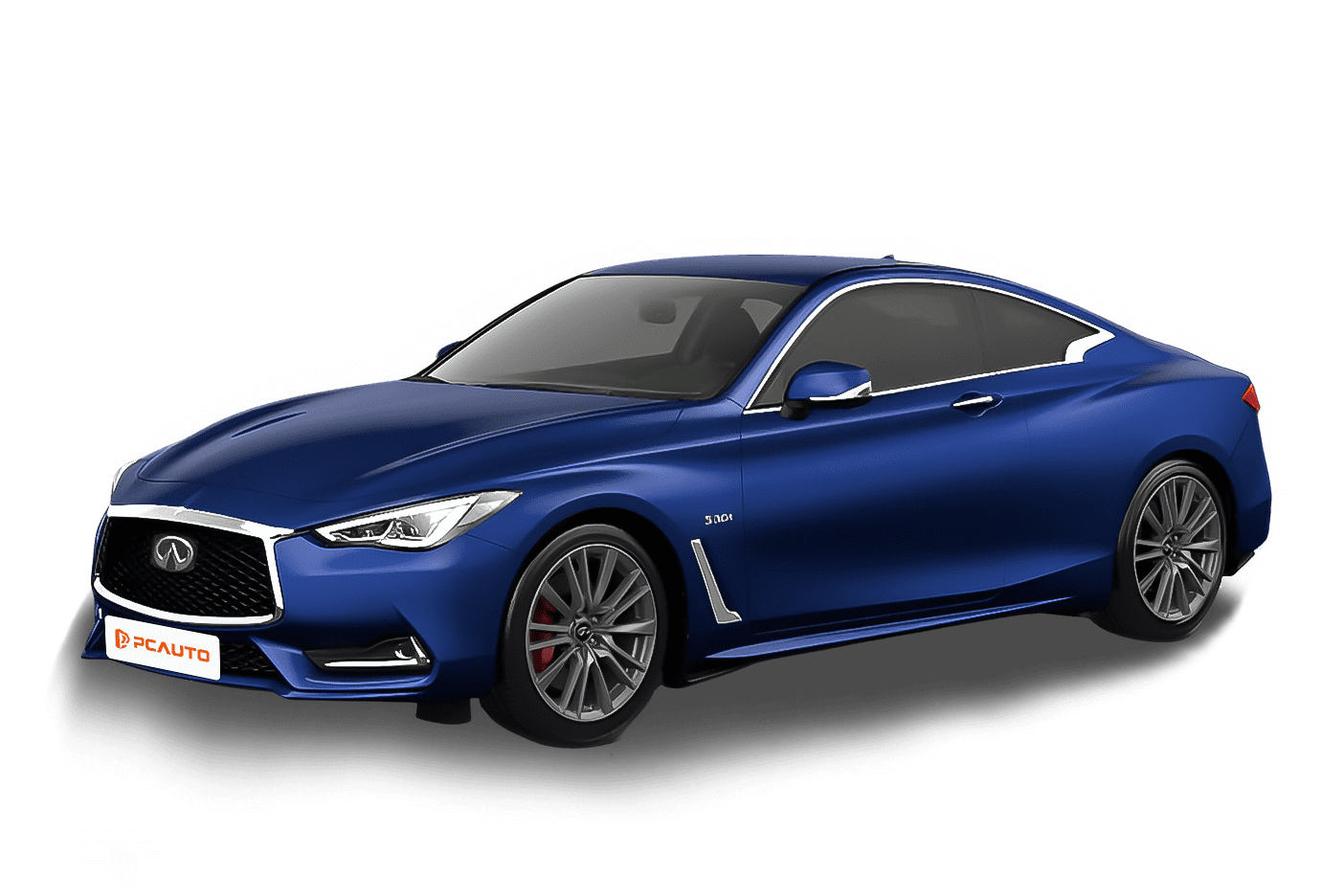
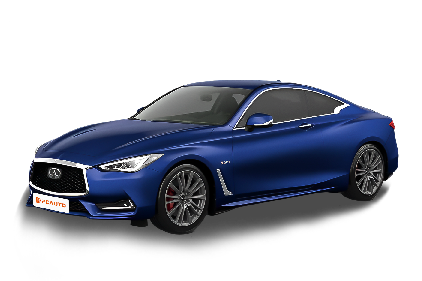
2017 Infiniti Q60 2.0t is a luxury coupe that balances sporty design and daily practicality, featuring a family-style exterior, BOSE audio system, and balanced power as its core selling points.
1
Rank in Coupe
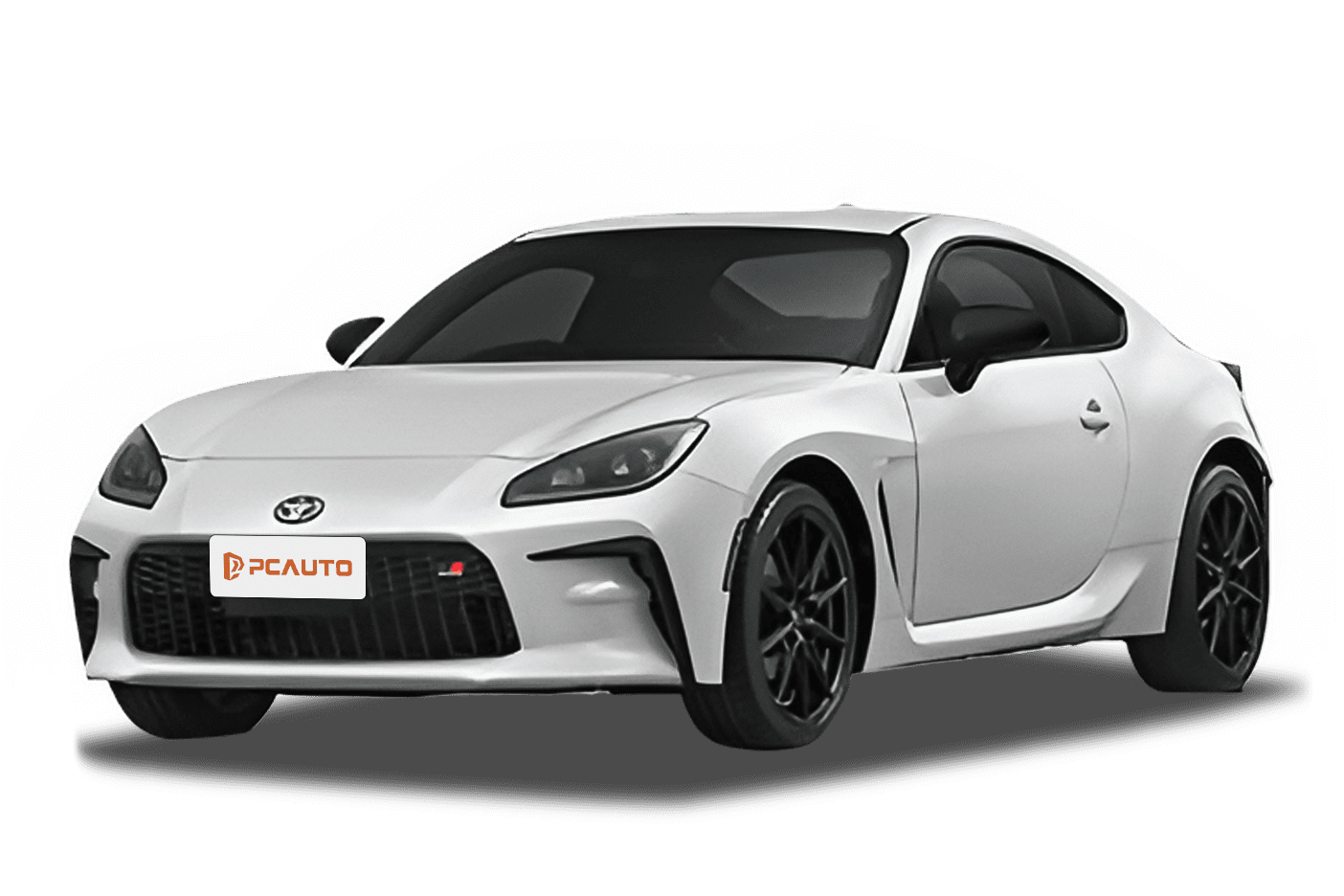
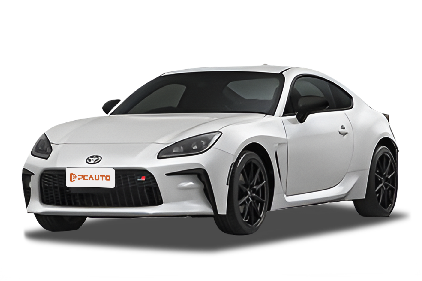
2023 Toyota GR 86 2.4 AT is a rear-wheel-drive sports coupe upgraded with a 2.4L naturally aspirated engine to address low torque issues, balancing daily commuting with pure driving pleasure.
6
Rank in Coupe
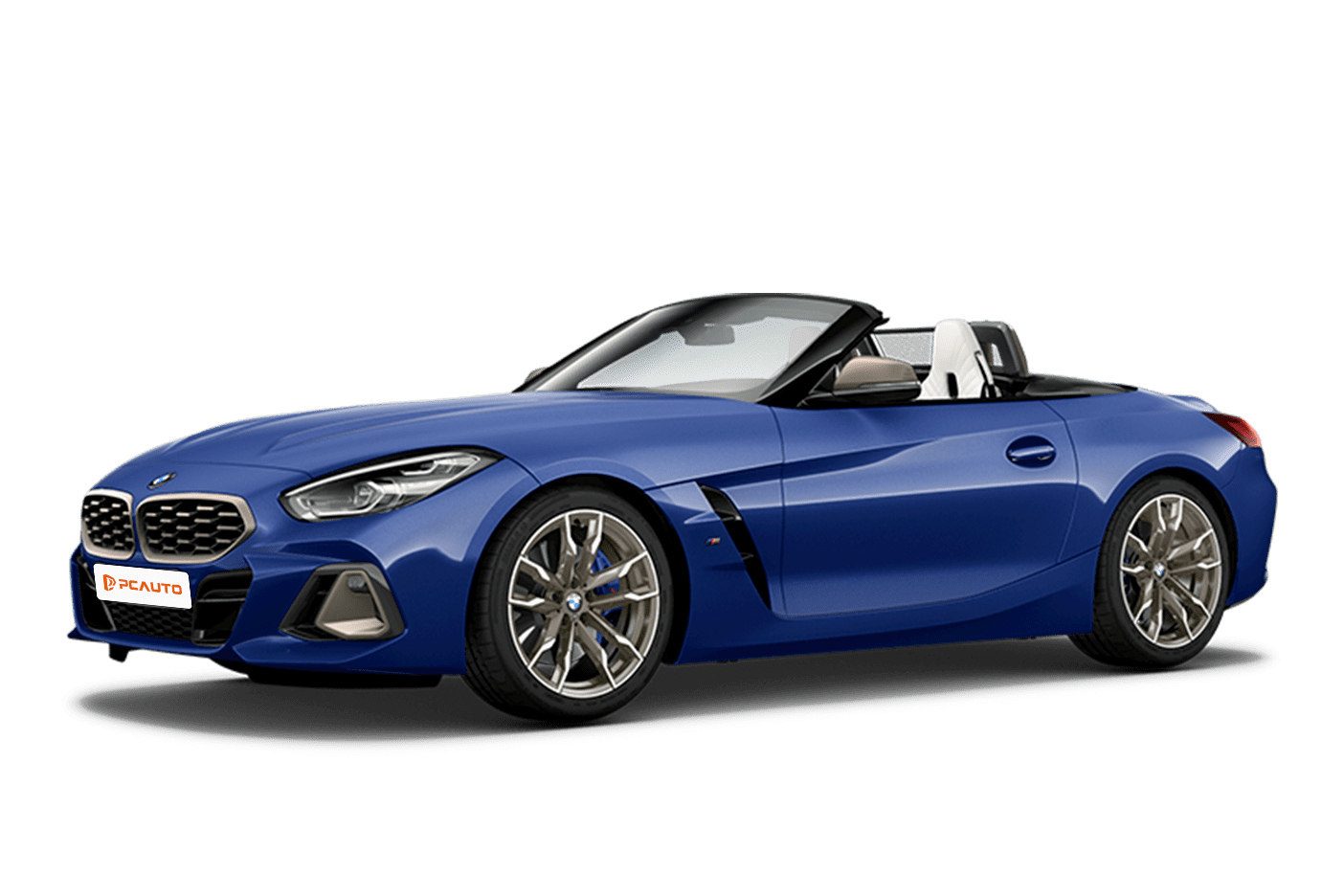
2023 BMW Z4 public, as a classic rear-wheel-drive convertible sports car, balances driving pleasure and daily practicality, with class-leading intelligent features and a compact body precisely meeting the needs of Malaysian users.
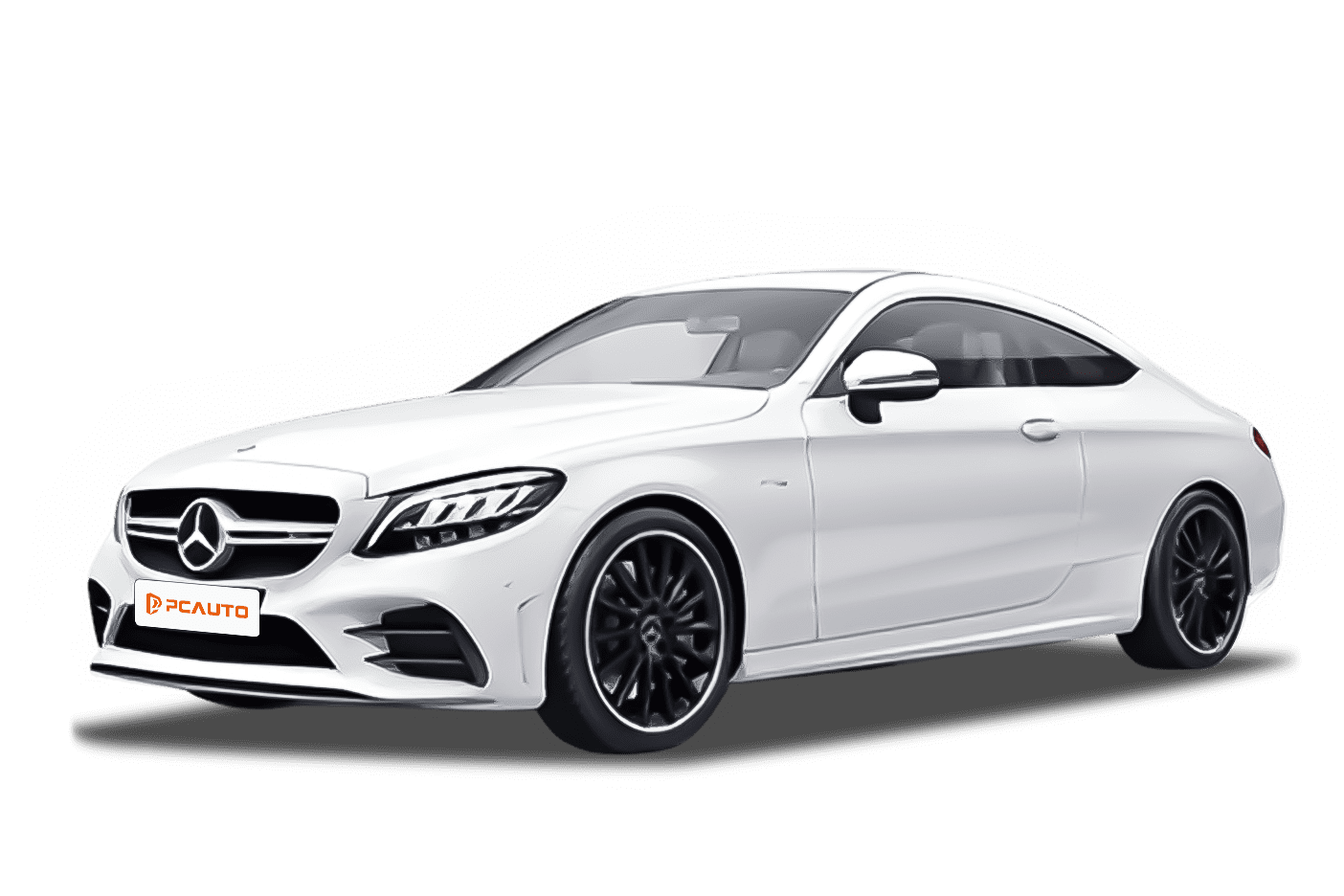
2018 Mercedes-Benz AMG C-Class Coupe AMG C 43 4MATIC is centered around a 3.0T V6 twin-turbo engine + 4MATIC all-wheel drive, balancing luxury texture, daily commuting, and performance driving, making it a high-value, well-rounded luxury performance coupe.