

Ford Mustang 1967 Review

 Share
Share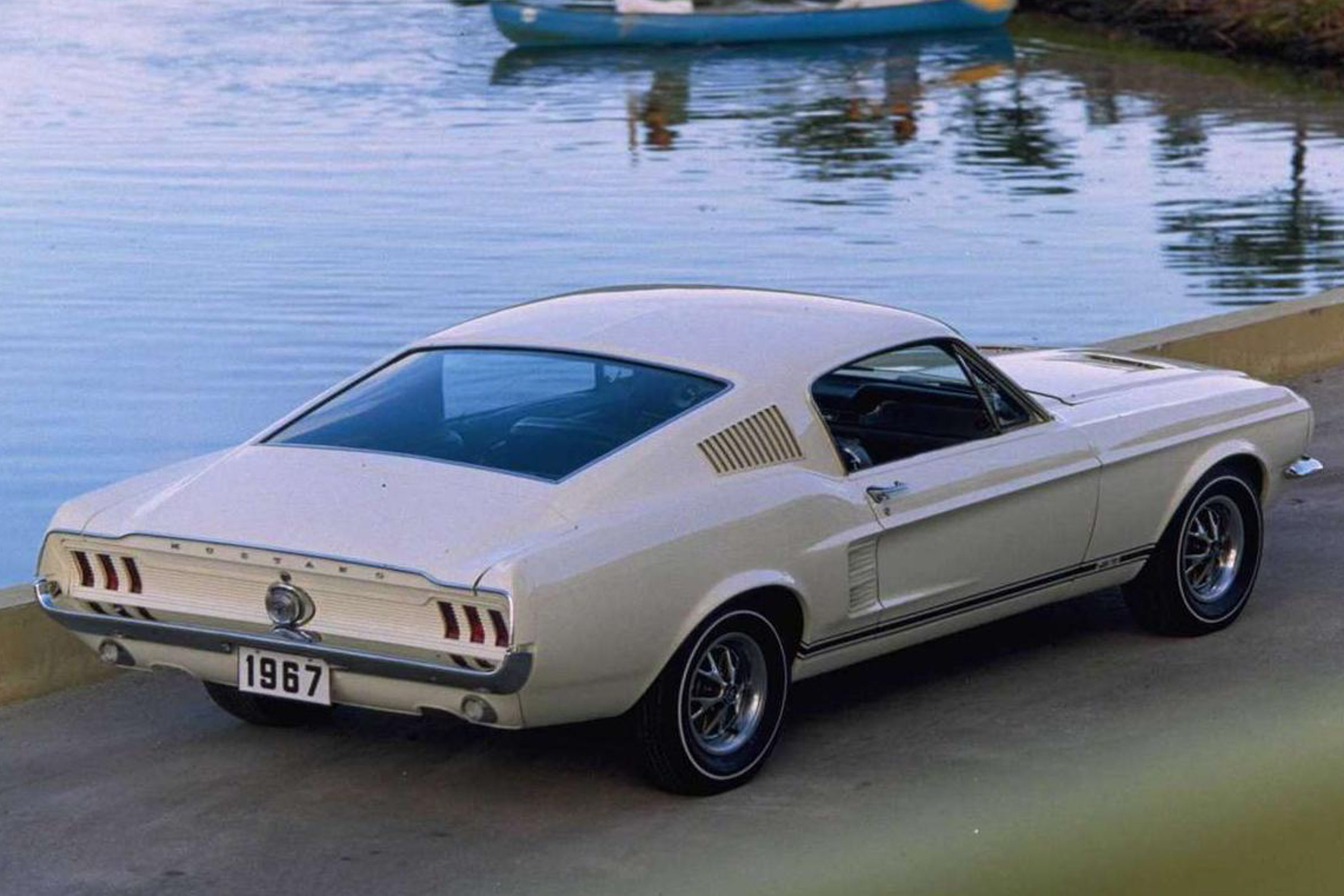
 Body Type
 Segment
 Capacity(L)
 Engine Power(PS)
 Engine Torque(Nm)
 Transmission
In the 1960s Malaysian automobile market, imported sports cars were still niche, but American muscle cars held a special place in the hearts of some enthusiasts due to their rugged lines and powerful performance. The 1967 Ford Mustang, as the mid-cycle update of the first-generation Mustang, retained the classic muscle car genes while optimizing design and practicality. It remains a focal point in the collector market and among classic car enthusiasts. This review will focus on the static design, dynamic performance, and practical usage experience of the 1967 Mustang, recreating the true performance of this legendary model in contemporary scenarios.
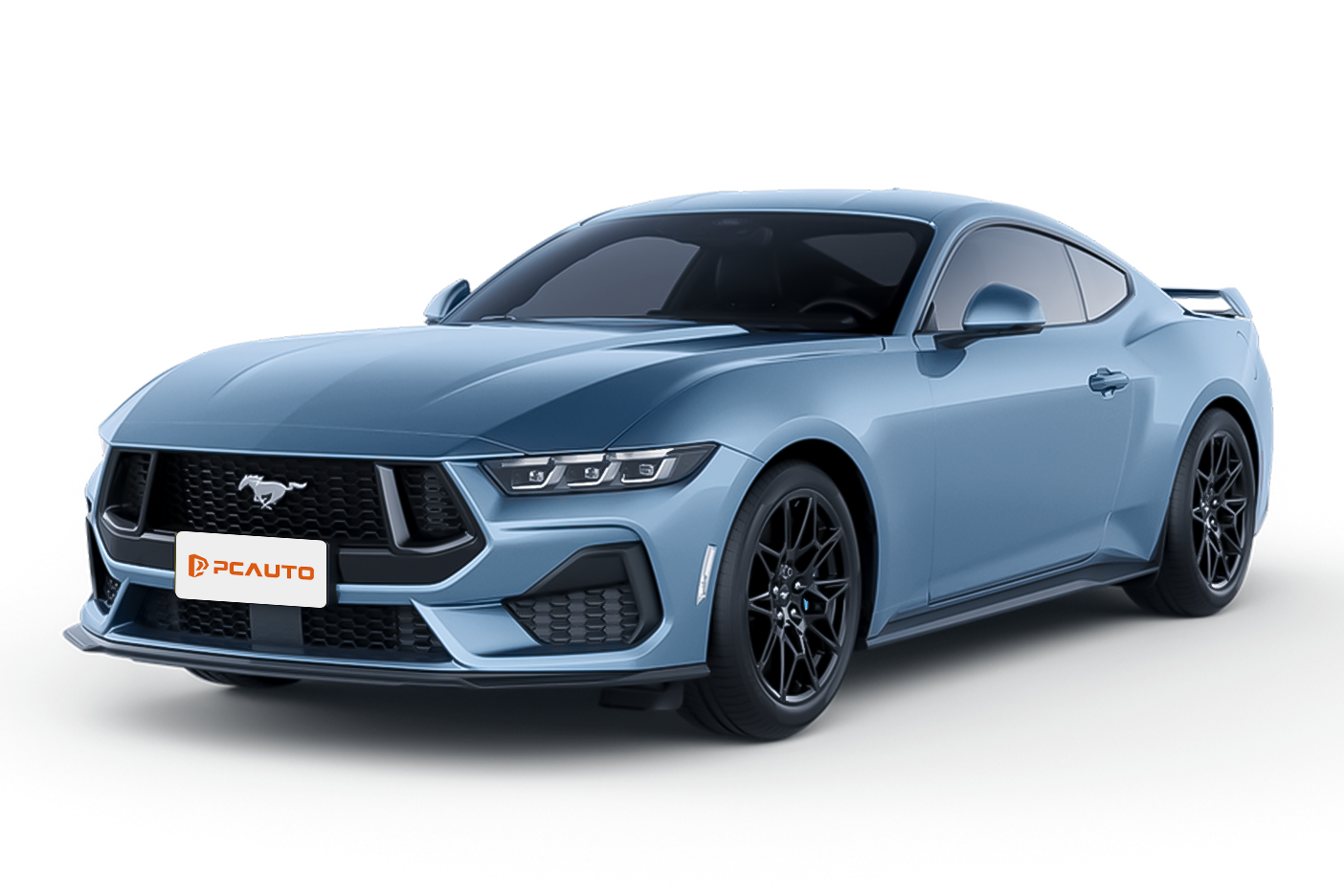
The exterior of the 1967 Mustang continues the long-hood, short-deck proportion of the first-generation model, but the details appear more rugged. The front face features a larger grille, with a chrome strip added underneath the central Mustang Logo that runs through it, flanked by rectangular headlights with high recognition. The side profile has smooth lines, and the newly added "gill-style" vents above the front fenders are a signature design of the facelift. The 14-inch steel wheels paired with whitewall tires enhance the retro sporty feel. At the rear, the taillights changed from the circular design of the first generation to elongated rectangular shapes, connected in the middle by a chrome strip. The rear bumper design looks more substantial, giving the overall visual effect more power compared to the 1965 model.
Opening the door reveals a strong retro vibe in the interior. The center console is wrapped in a large area of black vinyl material, accented with silver metal trims, and the three-spoke steering wheel feels solid to grip. The dashboard features a classic dual-dial layout, with a tachometer on the left, a speedometer on the right, and fuel level and water temperature information integrated in the middle, all of which are clear and intuitive. The seats are upholstered in vinyl, with an option for leather material, providing good support but average lateral bolstering, making them more suitable for daily cruising rather than spirited driving. In terms of features, the 1967 model added optional air conditioning and an AM/FM radio, minimal by today's standards but mainstream at the time. Regarding storage, the front center armrest box has a small capacity, the door panel storage pockets can only accommodate small items, and the trunk offers about 387 liters of space, adequate for daily short trips.
In terms of power, the 1967 Mustang offered multiple options. The model reviewed in this test is equipped with a 289 cubic-inch (4.7-liter) V8 engine, delivering a maximum power of 200 horsepower and a peak torque of 353 Nm, paired with a 3-speed automatic transmission. The power response during takeoff is relatively linear, and when the accelerator is pressed, the roar of the V8 engine gradually builds up. The acceleration from 0 to 60 miles per hour (approximately 96 kilometers per hour) takes about 8.5 seconds. Although not as quick as modern sports cars, it was outstanding performance for its time. The driving mode is limited to a regular mode, and the transmission shift logic leans towards smoothness, making it suitable for cruising. The steering system uses mechanical assistance, with a significant amount of play in the steering wheel and average directional accuracy, consistent with the setup of classic cars. The chassis adopts McPherson struts in the front and a solid axle in the rear. The tuning is on the stiffer side, resulting in poor absorption of vibrations on bumpy roads, especially noticeable for rear-seat passengers. However, stability on straight roads is excellent.
In terms of handling, the suspension system of the 1967 Mustang leans noticeably in corners, requiring reduced speed to maintain stability. The braking system features front discs and rear drums, with a long pedal travel distance. The braking force is released linearly, but the emergency braking distance is relatively long, necessitating advanced prediction. Regarding fuel consumption, it averages about 15 liters/100 kilometers under urban conditions and about 11 liters/100 kilometers on highways, demonstrating average fuel efficiency. In terms of driving comfort, engine noise and road noise become noticeable at speeds above 60 km/h, especially the roar of the V8 engine, which penetrates the cabin but also provides the ambiance sought after by muscle car enthusiasts. Although the seats offer decent support, prolonged driving can cause lower back fatigue, requiring adjustment of seating posture.
Overall, the core advantages of the 1967 Ford Mustang lie in its classic muscle car design and the distinctive roar of the V8 engine. Compared to its contemporary, the Chevrolet Camaro, the Mustang has a higher ownership rate and lower maintenance costs. However, its performance and handling are no longer comparable to modern models, and its features are relatively basic. This car is better suited for vintage car enthusiasts, collectors, or those pursuing nostalgia. It may face issues such as limited comfort and high fuel consumption for daily commuting, but as a weekend leisure or short-distance cruising model, its unique charm remains irreplaceable.
In summary, the 1967 Ford Mustang is a classic muscle car filled with nostalgia. Its value lies not only in its performance but also in the historical memories it embodies. For those who love vintage car culture and seek a unique driving experience, it is still a worthwhile choice; however, for consumers prioritizing practicality and modern features, this car may not be the best option.
Ford Mustang Car Compare

Cars With Similar Price And Features
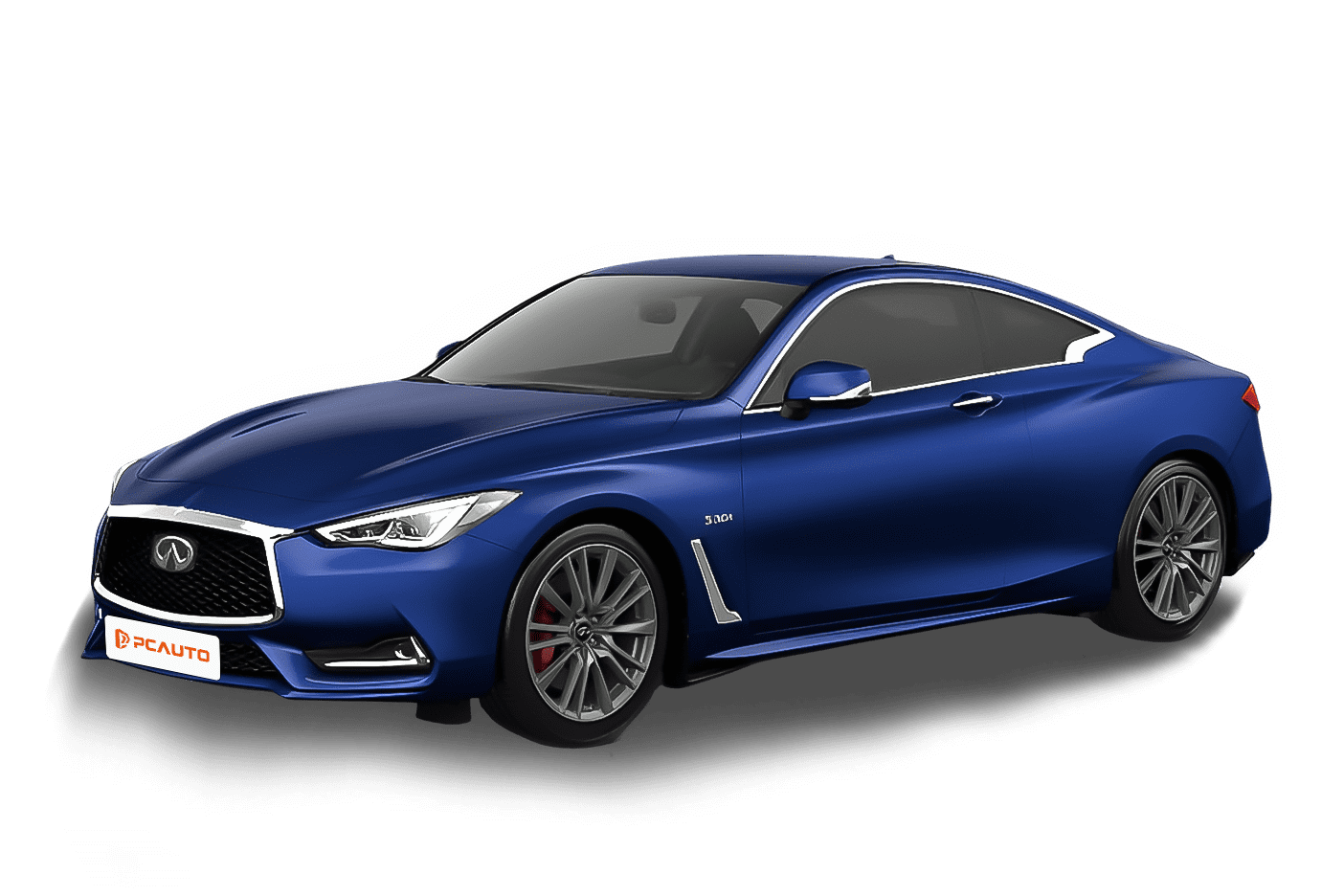
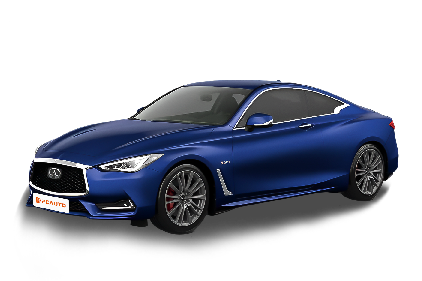
2017 Infiniti Q60 2.0t is a luxury coupe that balances sporty design and daily practicality, featuring a family-style exterior, BOSE audio system, and balanced power as its core selling points.
1
Rank in Coupe

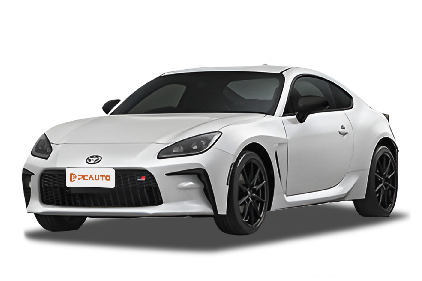
2023 Toyota GR 86 2.4 AT is a rear-wheel-drive sports coupe upgraded with a 2.4L naturally aspirated engine to address low torque issues, balancing daily commuting with pure driving pleasure.
6
Rank in Coupe
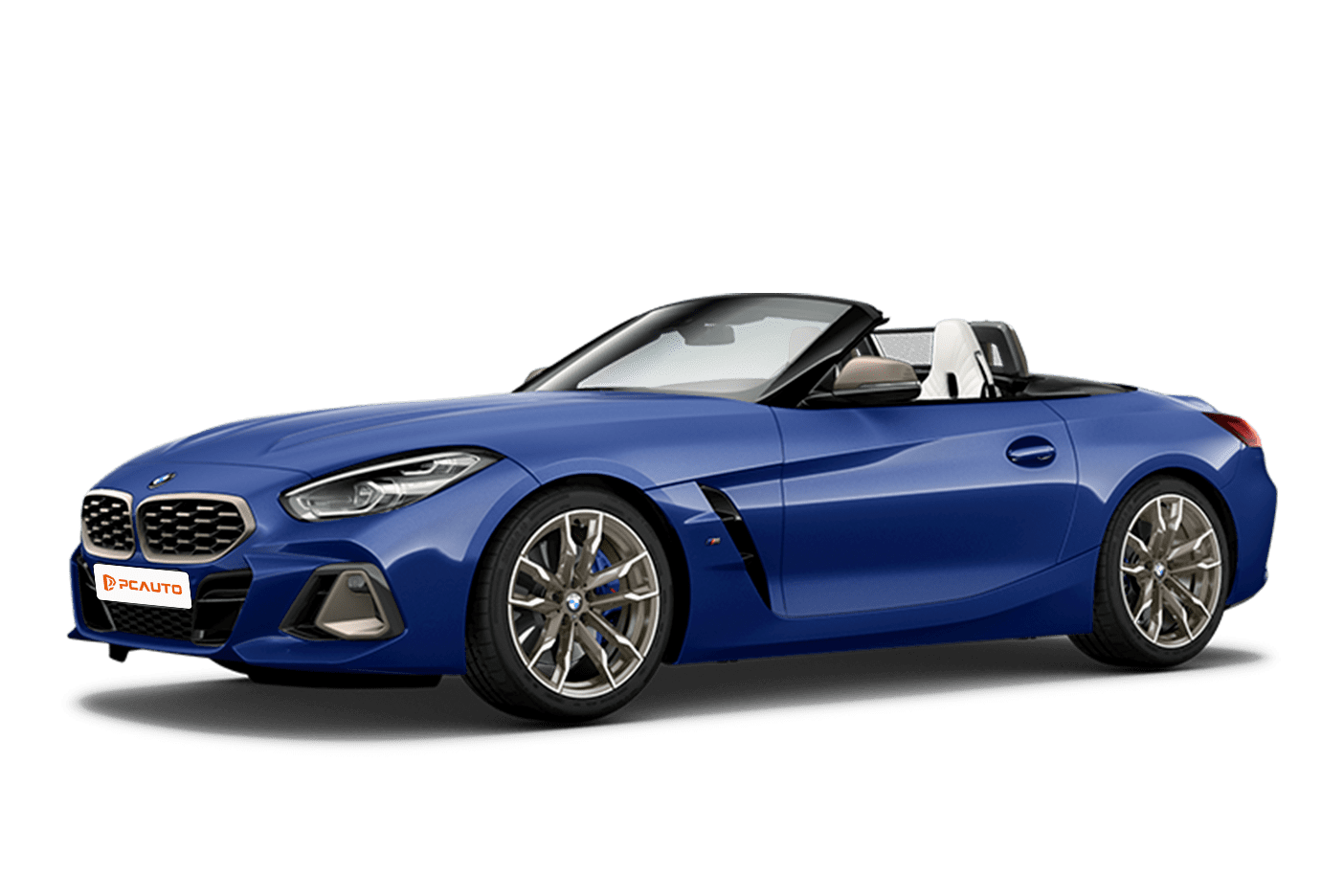
2023 BMW Z4 public, as a classic rear-wheel-drive convertible sports car, balances driving pleasure and daily practicality, with class-leading intelligent features and a compact body precisely meeting the needs of Malaysian users.
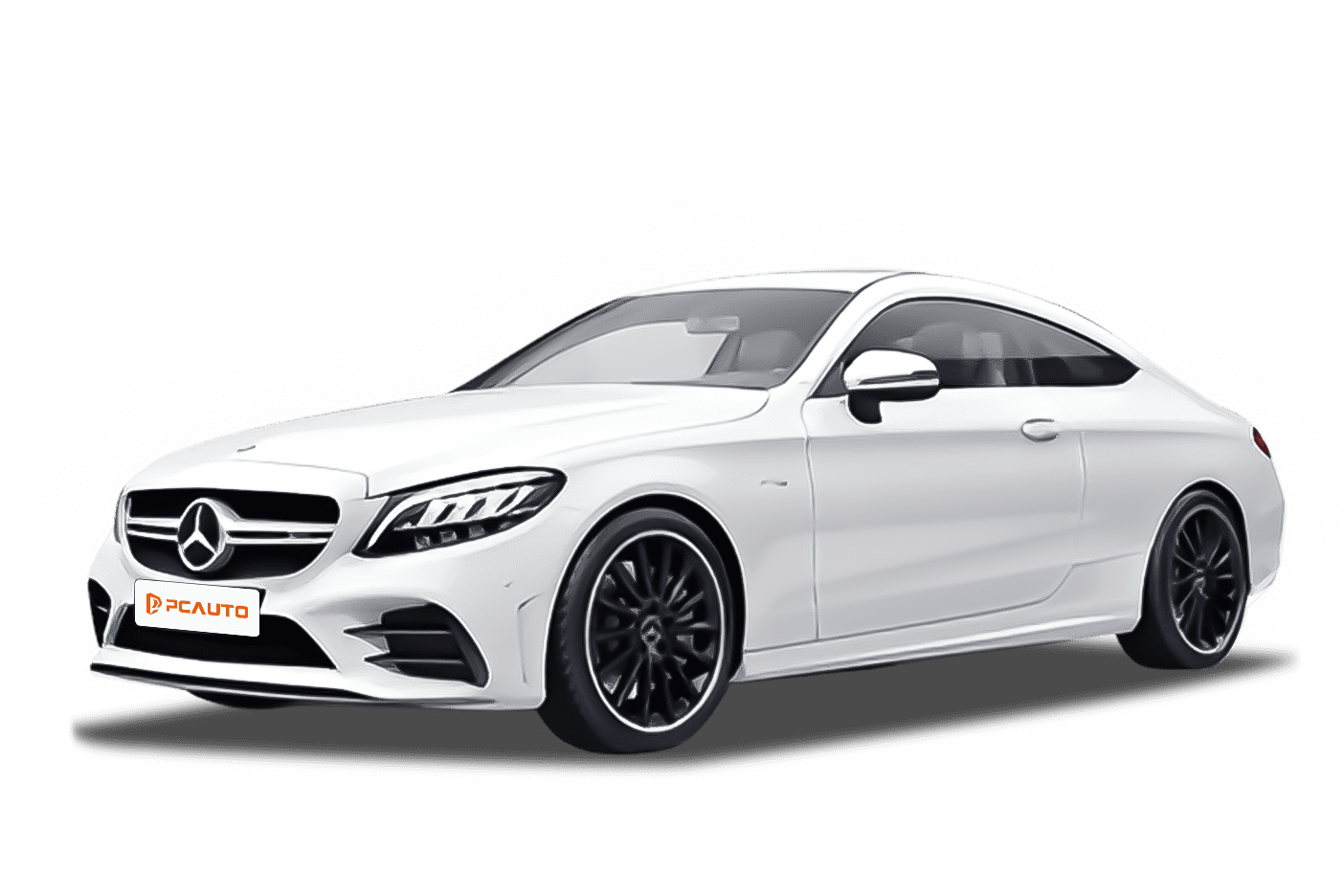
2018 Mercedes-Benz AMG C-Class Coupe AMG C 43 4MATIC is centered around a 3.0T V6 twin-turbo engine + 4MATIC all-wheel drive, balancing luxury texture, daily commuting, and performance driving, making it a high-value, well-rounded luxury performance coupe.