

Ford Mustang 1974 Review

 Share
Share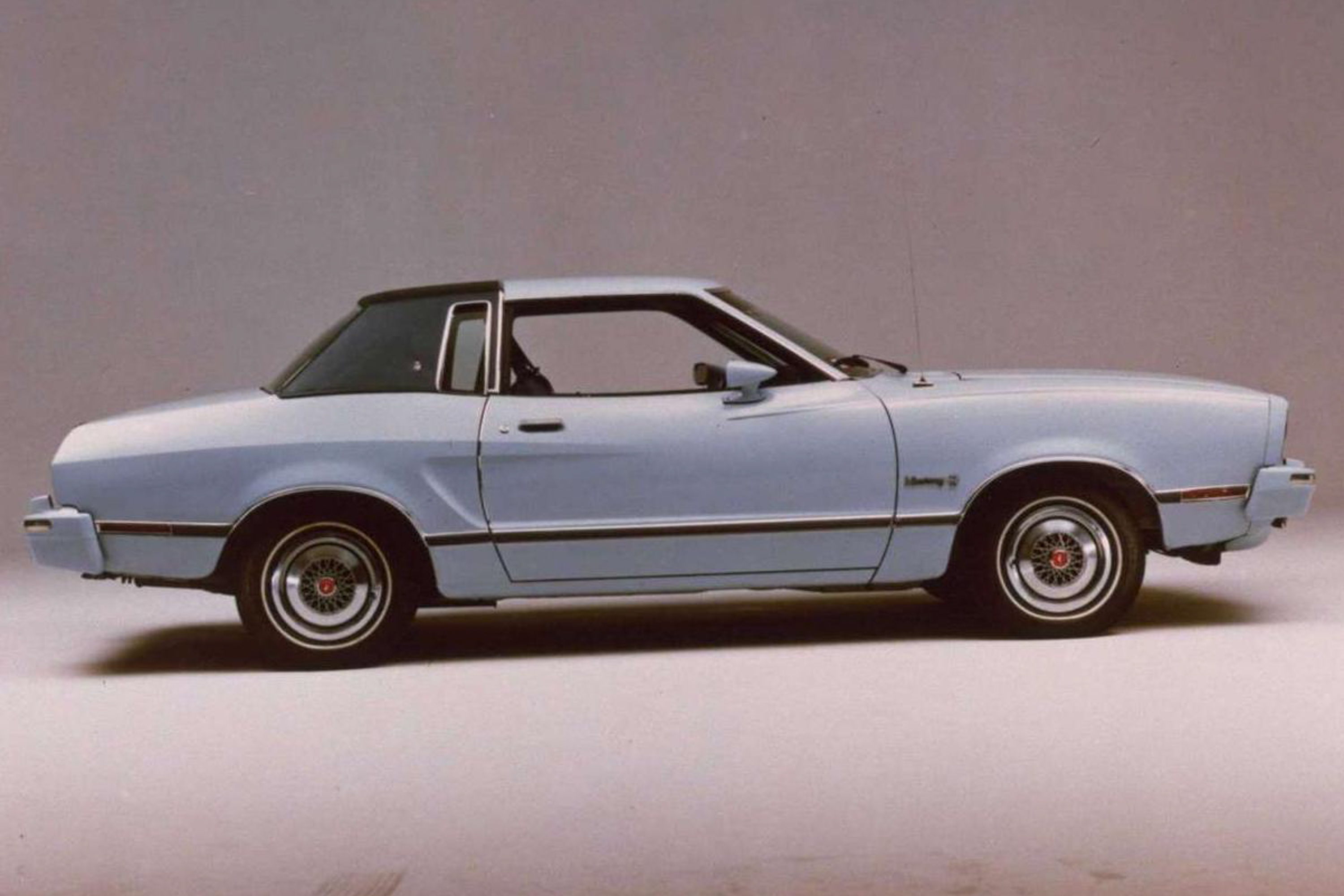
 Body Type
 Segment
 Capacity(L)
 Engine Power(PS)
 Engine Torque(Nm)
 Transmission
In the Malaysian automotive market of 1974, American muscle cars were not as popular as domestic models. However, with their unique design style and performance-oriented genes, they attracted a group of consumers who pursued individuality and driving passion. As a representative of American muscle cars, the Ford Mustang introduced its second generation in this year, commonly known as the "Mustang II." Today, we are going to talk about the 1974 Ford Mustang public, which is the entry-level version of this generation. Positioned as a compact sports car at the time, its core selling points were the more compact body, the more affordable price, while still retaining the signature sporty style of the Mustang. We will analyze this car comprehensively, from its static design, spatial practicality, to dynamic driving experience, to see what classic charm it still holds for us over 40 years later.
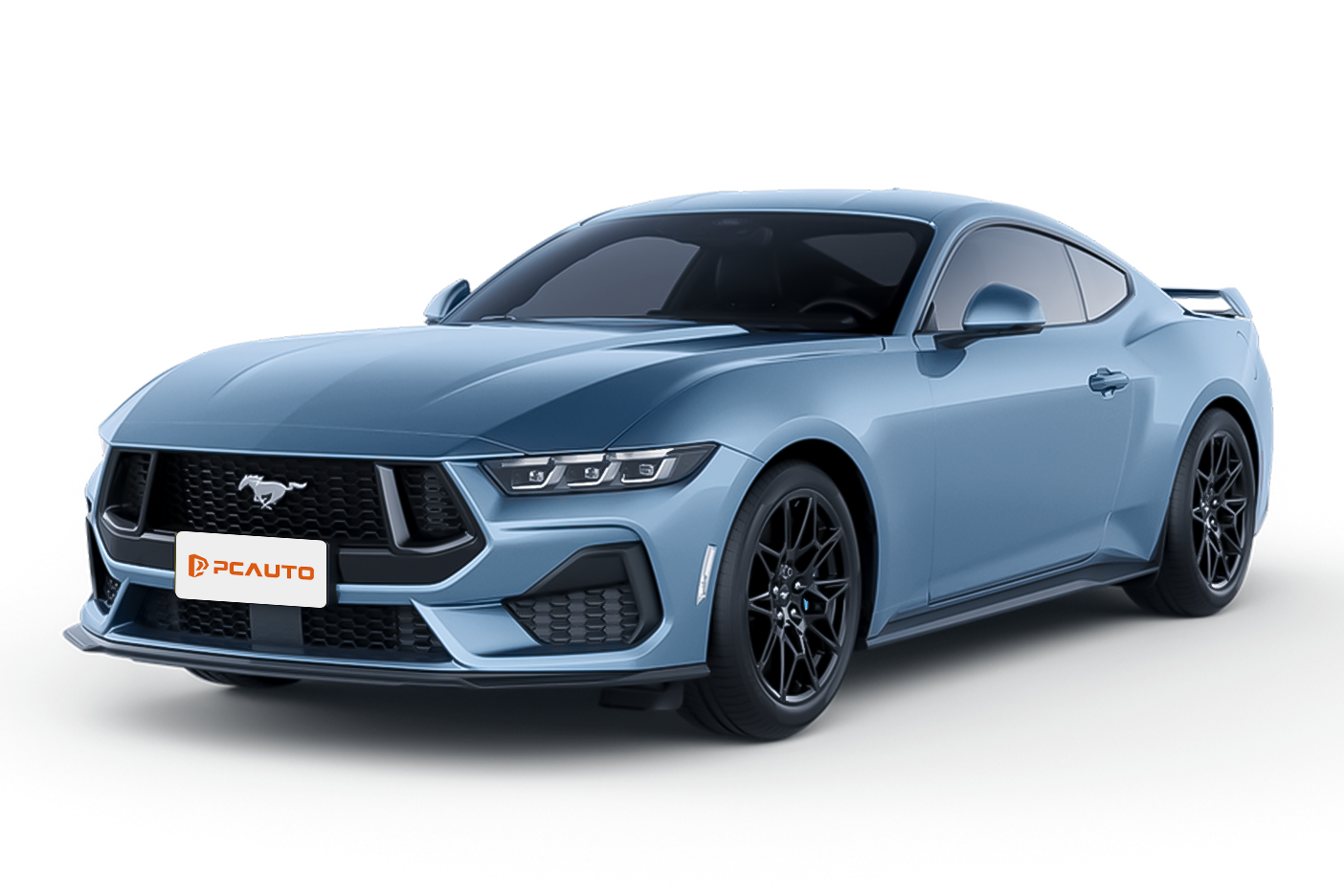
In terms of appearance, the 1974 Mustang public completely abandoned the tough, large dimensions of the first generation, opting for a more rounded and compact style. The body length is about 4.1 meters, width is 1.7 meters, nearly 30 centimeters shorter and 10 centimeters narrower than the previous generation, with a wheelbase reduced from 2.7 meters to 2.3 meters, making the overall silhouette closer to compact sedans of the time. The front end adopts the Mustang’s classic long hood design, but with softer lines, lacking the muscular feel of the first generation. Circular headlights are embedded in black plastic casings, paired with a horizontal-bar grille. The Mustang’s running horse logo is prominently displayed at the center of the grille, maintaining high recognition. The side profile of the body features smooth lines with an unobtrusive waistline extending from the hood to the rear, and the indented design at the bottom of the doors adds a sense of layering. At the rear, square taillights are symmetrically distributed on both sides of the trunk, connected in the middle by a chrome strip. The Mustang logo is also at the center of the trunk lid. The overall design is simple and neat, aligning with the aesthetic of the 1970s.
Stepping inside, the interior of the 1974 Mustang public focuses on practicality without too much fancy design. The dashboard uses hard plastic materials, which were common in entry-level models at the time; the texture is on the harder side, but the workmanship is fairly precise. The instrument panel features traditional mechanical gauges, including a tachometer, speedometer, fuel gauge, and water temperature gauge. The layout is clear and easy to read. The steering wheel adopts a three-spoke design without multi-function buttons, and the grip is average. The most eye-catching part of the center console is the radio and air conditioning control area. The knobs and levers have moderate resistance, but they are straightforward to operate. The seats are made of fabric material and support manual adjustment for forward/backward positioning and backrest angle. The padding of the seat cushion and backrest is relatively firm but provides good support, making long-term seating not too tiring. Notably, despite being an entry-level version, this car was still equipped with front and rear headrests, which was considered a considerate feature at the time.
In terms of space, due to the reduced size of the body, the performance of the 1974 Mustang public can only be described as adequate. For a passenger with a height of 1.75 meters, the front row offers a fist of headroom and ample legroom. However, the rear space is quite cramped, with just two fingers of legroom and limited headroom, making it unsuitable for adults on long trips, but more appropriate for short trips with children or for storing items. Regarding storage space, the trunk has a capacity of about 280 liters, enough to fit two 20-inch suitcases to meet the needs of short-distance travel. Interior storage compartments are few; the center armrest box is relatively small, and the door storage pockets can only fit a bottle of water, making practicality average.
Powertrain: The 1974 Mustang public is equipped with a 2.3-liter inline-four naturally aspirated engine, producing a maximum output of 88 horsepower and a peak torque of 165 Nm. It is paired with a 3-speed automatic transmission. By today's standards, these performance figures are quite modest, but they were considered average for compact sports cars of that era. During actual driving, the car accelerates rather sluggishly, the throttle response is not very sensitive, and you need to press the gas pedal deeply to achieve noticeable acceleration. At mid-speeds, the gearbox's shift smoothness is average, and there is a slight jolt between gear changes. When the speed exceeds 80 km/h, the car lacks sufficient acceleration power, so extra distance is required for overtaking. There is only a standard driving mode available, with no sport or economy modes, and the power delivery is relatively linear.
Handling and chassis: This vehicle utilizes a front-engine, rear-wheel-drive layout, which is a traditional advantage of the Mustang. The steering wheel feels heavy, has minimal play, and the steering is reasonably accurate, providing some confidence to the driver during cornering. The suspension system consists of a front MacPherson independent suspension and a rear solid-axle non-independent suspension with a firm tuning. When going over speed bumps or uneven roads, the rear seats experience noticeable vibration, with average comfort levels. However, the stiff suspension provides decent support during cornering, with limited body roll, maintaining a degree of sportiness. The braking system features front disc brakes and rear drum brakes, with a relatively long brake pedal travel. The braking force is released evenly, but the stopping distance during emergency braking is somewhat long, which requires getting used to.
Fuel economy: According to test data from that time, the car's combined fuel consumption is approximately 12 liters per 100 kilometers, which seems high by today's standards but was considered average among American cars in the 1970s. However, due to its light body, in actual daily driving, if you maintain gentle driving habits, fuel consumption can be managed around 11 liters, which is relatively acceptable. In terms of noise control, engine noise is noticeable at idle, and as speed exceeds 60 km/h, wind noise and tire noise gradually increase, affecting comfort to a certain degree.
In summary, the 1974 Ford Mustang public is a car with distinct strengths and weaknesses. Its main highlights include a compact body, classic Mustang design, and the driving pleasure provided by its front-engine, rear-wheel-drive layout. Compared to other compact sports cars of the same period, such as the Chevrolet Camaro, it offered a more affordable price and lower entry cost. However, its shortcomings are also obvious, such as weak performance, limited rear-seat space, average comfort, and basic interior materials and features.
This car is more suitable for those who appreciate the classic American sports car style, seek individuality, and primarily need a vehicle for short daily commutes or weekend drives. For family users, the rear-seat space and practicality might not meet their needs. If you are a loyal fan of the Mustang or have a passion for classic cars from the 1970s, then the 1974 Mustang public would be a good choice, allowing you to experience the pure retro sports charm while driving.
Ford Mustang Car Compare

Cars With Similar Price And Features
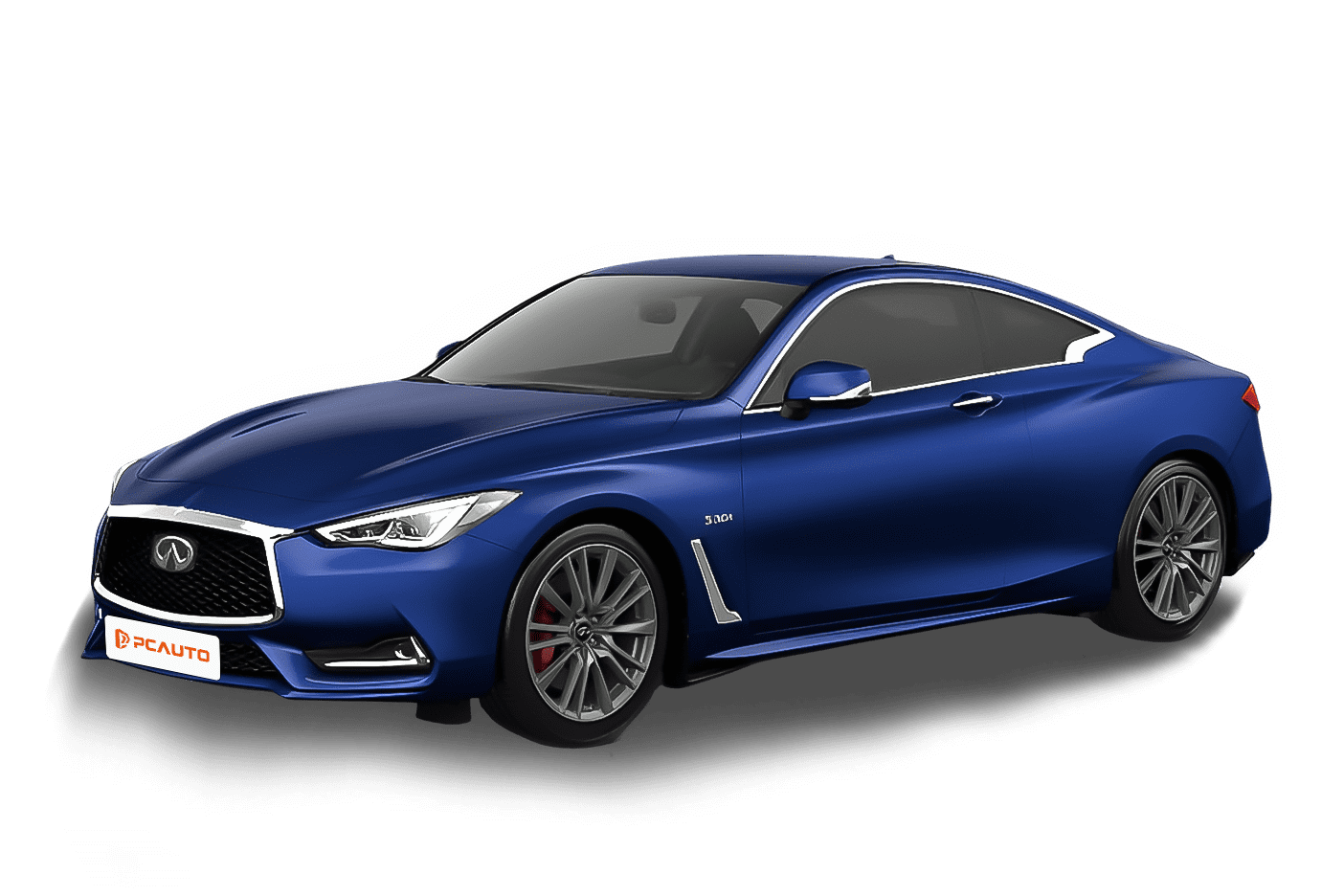
2017 Infiniti Q60 2.0t is a luxury coupe that balances sporty design and daily practicality, featuring a family-style exterior, BOSE audio system, and balanced power as its core selling points.
1
Rank in Coupe

2023 Toyota GR 86 2.4 AT is a rear-wheel-drive sports coupe upgraded with a 2.4L naturally aspirated engine to address low torque issues, balancing daily commuting with pure driving pleasure.
6
Rank in Coupe
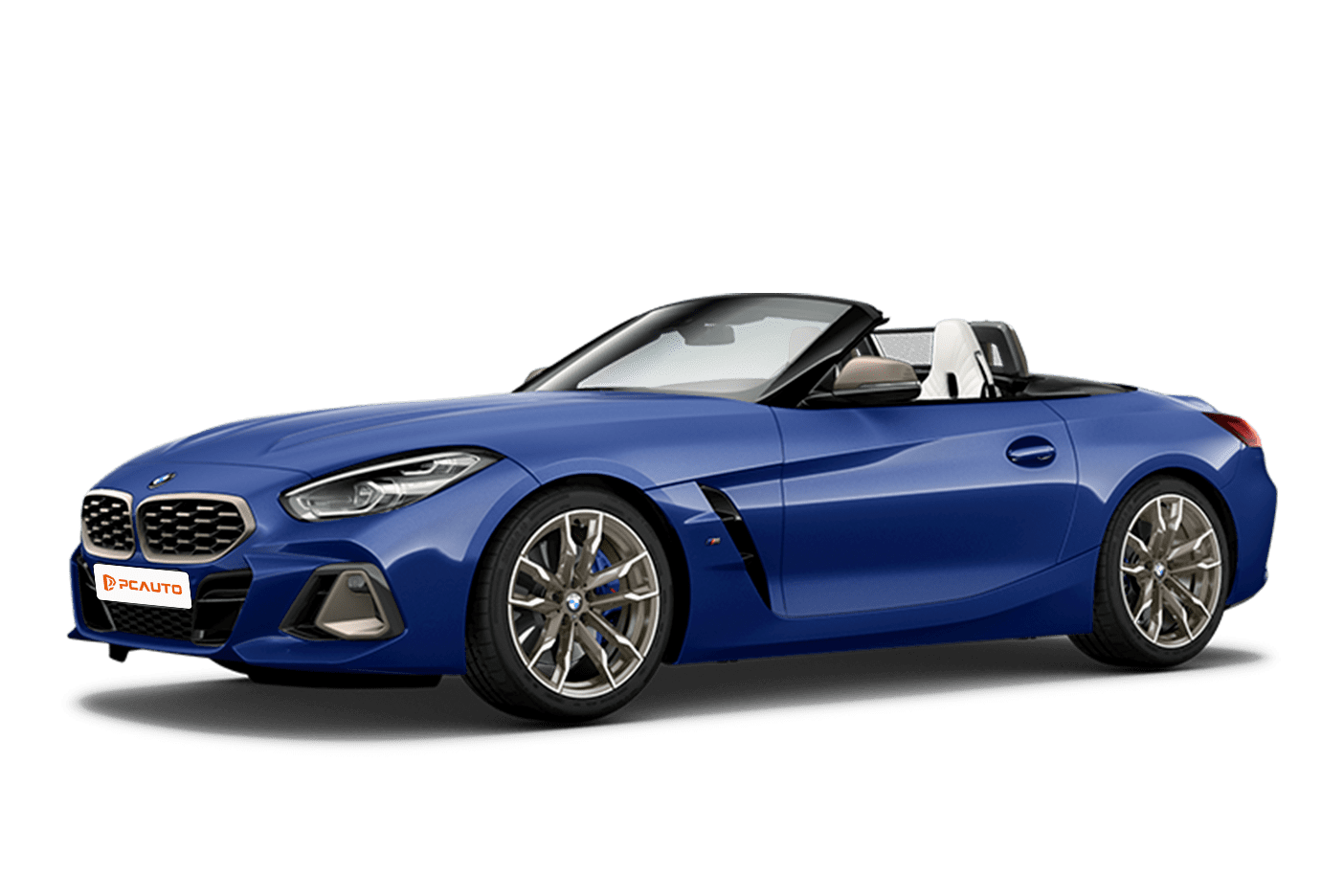
2023 BMW Z4 public, as a classic rear-wheel-drive convertible sports car, balances driving pleasure and daily practicality, with class-leading intelligent features and a compact body precisely meeting the needs of Malaysian users.

2018 Mercedes-Benz AMG C-Class Coupe AMG C 43 4MATIC is centered around a 3.0T V6 twin-turbo engine + 4MATIC all-wheel drive, balancing luxury texture, daily commuting, and performance driving, making it a high-value, well-rounded luxury performance coupe.