

Ford Mustang 1977 Review

 Share


 Body Type
 Segment
 Capacity(L)
 Engine Power(PS)
 Engine Torque(Nm)
 Transmission
Speaking of the 1977 Ford Mustang, many people's first reaction is "the tail end of the golden era of muscle cars." After all, in the mid-1970s, U.S. emission regulations tightened, and the glory of large-displacement V8 engines gradually dimmed. Mustang also began shifting towards a more practical direction. The model we have this time is the 1977 Mustang Public version, positioned in the affordable performance car market, and its core selling point is "retaining the classic muscle car style while considering daily practicality and fuel economy." Our testing goal is simple: to see if this "transition period" Mustang can still meet the driving needs of classic car enthusiasts 50 years later, and whether its design philosophy at the time truly balanced performance and practicality.
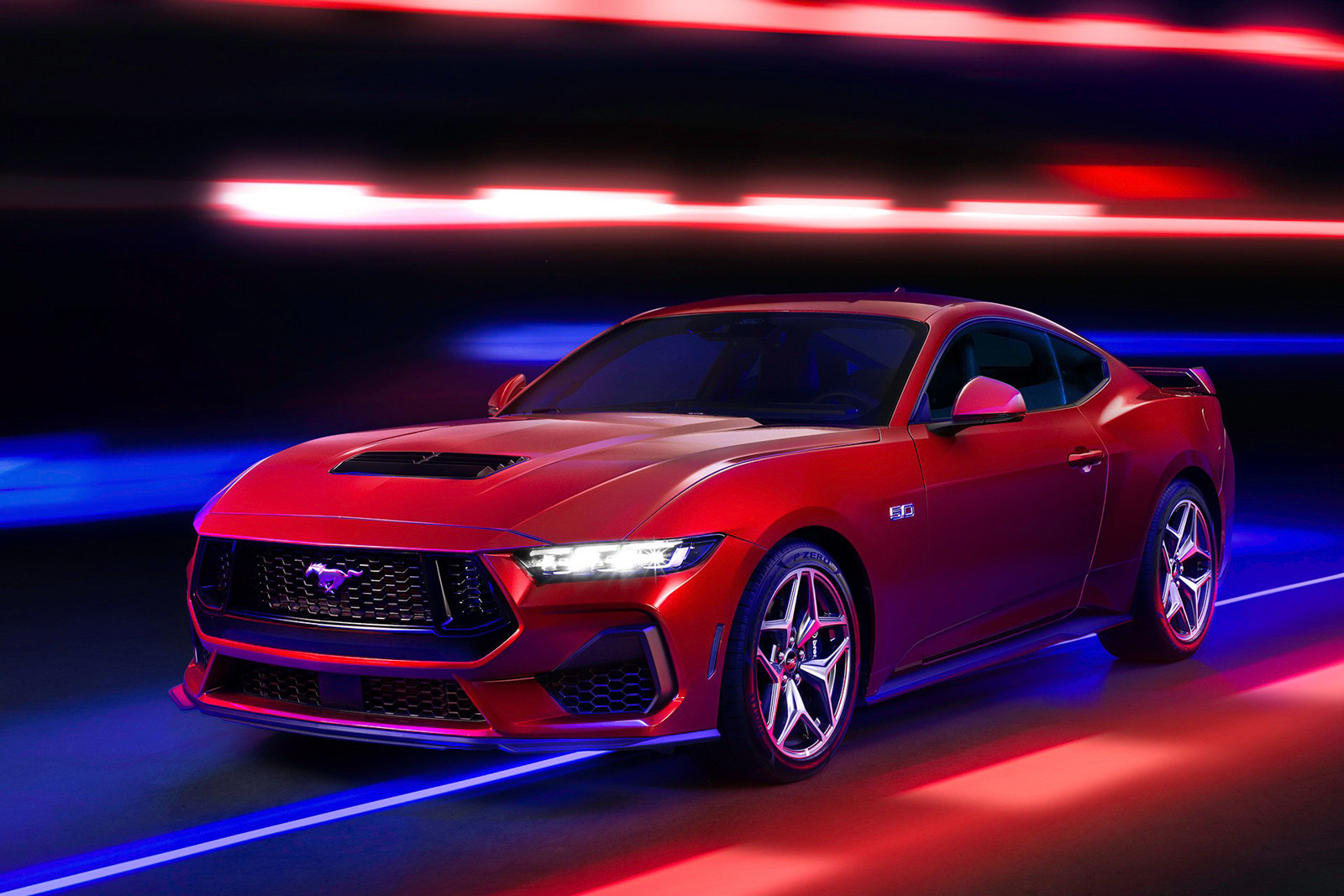
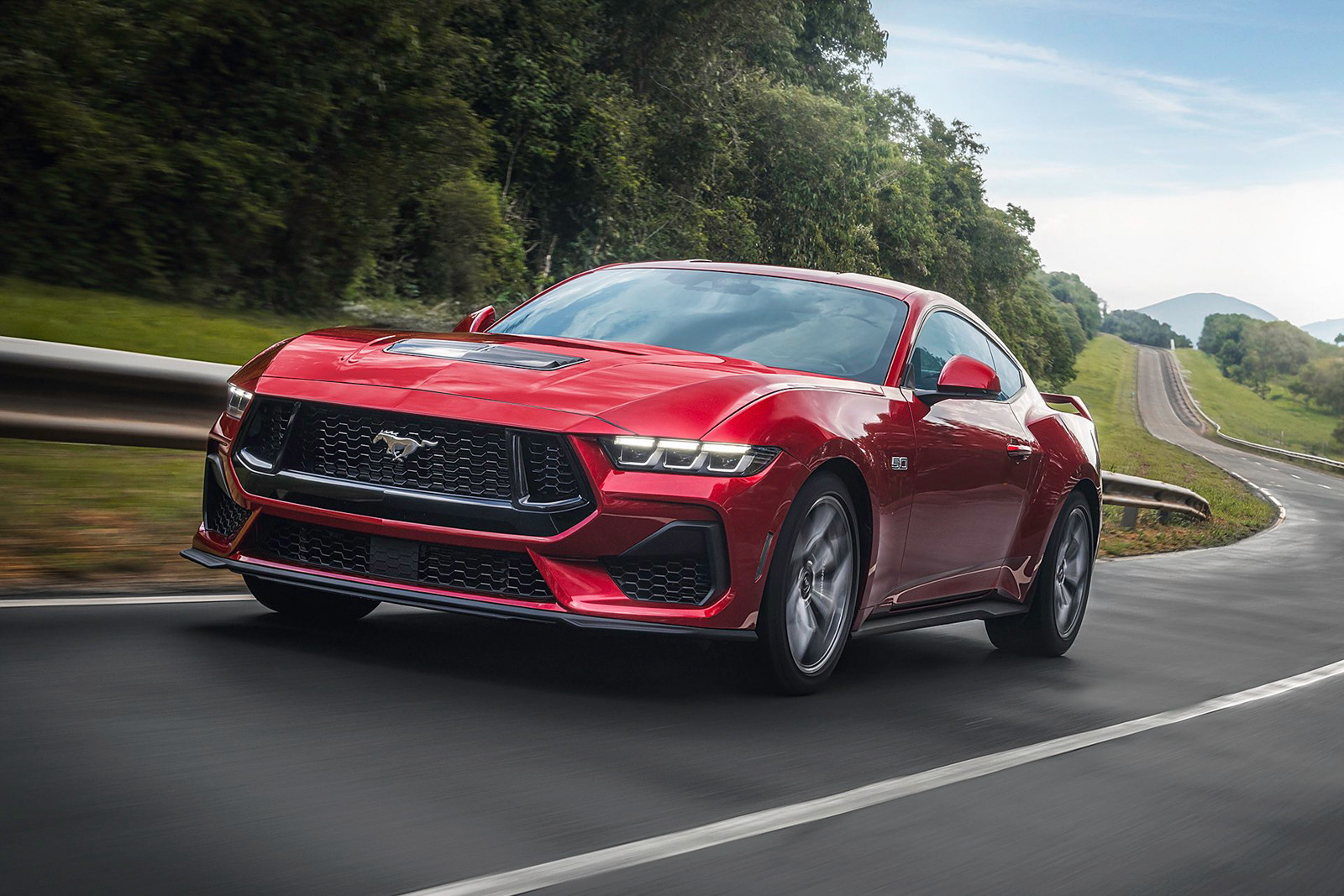
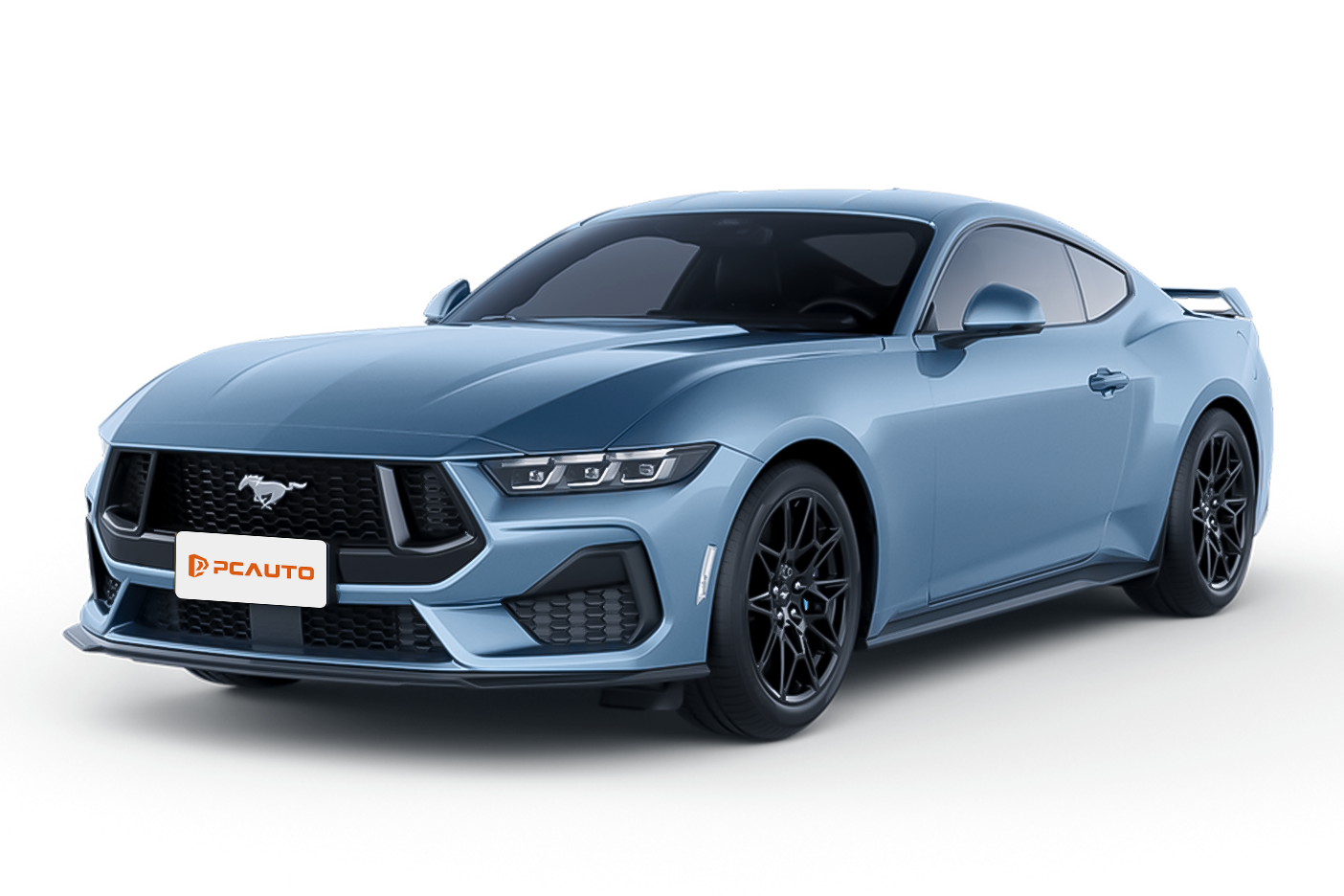
In terms of appearance, the 1977 Mustang continues the "fastback" silhouette of the previous generation, but the lines are more rounded compared to the models from the 1960s. The front end features rectangular headlights paired with a through-type black grille, and the classic Ford blue oval logo is embedded in the center of the grille, making it highly recognizable. The hood is not as exaggeratedly bulged as the older models, but the ridges on both sides still reveal traces of a muscle car. On the side, 14-inch steel rims paired with ordinary tires are used, and the wheel arches have a restrained design without overly prominent wide-body styling. The waistline runs smoothly from the front to the rear, and the slant angle of the C-pillar maintains the coupe's sporty feel. At the rear, the horizontally arranged rectangular taillights are connected by a strip of chrome trim. The trunk lid lines slightly curve upwards, forming a small "ducktail." The overall style is not aggressive, but it is unmistakably recognizable as a Mustang at first glance. What’s worth noting is that this generation’s body size is about 15cm shorter and 5cm narrower than the models from the 1960s, giving it a more compact appearance.
Opening the car door, the interior style leans towards practicality. The dashboard uses a large amount of hard plastic material, which feels somewhat coarse but was standard for budget-friendly cars at the time. The seats are wrapped in vinyl material, with front seats offering moderate side support but reasonably thick padding on the cushions and backrests. The center console layout is simple: the top features a radio, the middle has manual air conditioning control knobs, and the bottom contains a storage compartment and a cigarette lighter. The instrument cluster consists of traditional mechanical dials, including a tachometer, speedometer, fuel gauge, and water temperature gauge; the readings are clear but lack additional features. As for equipment, this Public version lacks modern smart systems and doesn’t even have power windows—the windows are manually operated, and seat adjustments are manual as well. In terms of space, the car has a wheelbase of 2570mm. The front seating space is passable, with about a fist’s worth of headroom and legroom for a passenger 180cm tall. However, the rear seat space is quite cramped, with an adult’s knees easily pressing against the front seat, making it more suitable for children or short trips. For storage, the trunk has a capacity of about 300 liters, enough to fit two 20-inch suitcases, sufficient for grocery runs or short trips.
For performance, the 1977 Mustang Public version is equipped with a 2.3L inline-four naturally aspirated engine, delivering a maximum output of just 88 horsepower and a peak torque of 165Nm, paired with a 3-speed automatic transmission. These power figures may seem very weak today, but under the emission regulations of the time, this was already a balance of economy. During actual driving, the power response is relatively slow during initial acceleration. After pressing the accelerator, it takes 1-2 seconds to feel the power kick in. It takes about 12 seconds to accelerate to 60 km/h, and overtaking requires preemptive, deeper accelerator input. The transmission is slow to downshift, lacking the instant surge of traditional muscle cars upon pressing the accelerator. There is only one driving mode available, with no options for sport or economy modes.
In terms of handling, the steering wheel has a relatively large dead zone, the return force is very light, and the precision is not high; the suspension system is a combination of front MacPherson struts and rear solid axle, with a stiff tuning. However, when handling bumpy roads, the shock absorption effect is poor—crossing speed bumps or potholes causes noticeable bouncing of the body, which is felt more obviously by rear passengers. Regarding cornering performance, due to the high center of gravity of the body and average tire grip, there is significant body roll when making turns at speeds above 40km/h, so slowing down is necessary. In specialized testing, we measured its fuel consumption: on urban roads, the fuel consumption is about 12L per 100 kilometers; on highways, it's about 9L, which was considered an average level among four-cylinder models of its time. As for braking performance, the front disc and rear drum braking system has relatively long braking distances. During emergency braking, the body exhibits noticeable nose-diving, requiring advanced judgment.
Regarding driving comfort, noise control is a weak point. When the engine speed exceeds 3000 RPM, the noise from the engine bay becomes significantly audible inside the cabin. At high speeds, wind noise and tire noise are also substantial, requiring raised voices for conversation at speeds above 80km/h. Additionally, the vinyl material of the seats has average breathability, making prolonged seating during summer somewhat stuffy. However, although the chassis has poor shock absorption, the seat padding helps alleviate some of the vibrations, making short drives still acceptable.
To summarize, the core highlights of the 1977 Mustang Public Edition are its "classic Mustang appearance + relatively economical fuel consumption." Comparing it with contemporaneous competitors (such as the base model of the Chevrolet Camaro), its price is lower, and its daily operating costs are more budget-friendly. However, its power and configuration are indeed shortcomings. This car is suitable for two groups of people: first, retro car enthusiasts who purchase it for collection or modification, as it retains the classic Mustang styling; second, entry-level retro car players with limited budgets who want to experience the vibe of a muscle car without pursuing extreme performance. Its overall performance leans more towards "commuting + nostalgia," and it is not suitable for users who prioritize speed or comfort.
Overall, the 1977 Mustang Public Edition is a "product of its time." Under dual pressures from regulations and market demands, it sacrificed some performance to achieve a positioning closer to the masses. If you're drawn to the sentimental value of the "classic Mustang" and can accept its outdated configuration and performance, then it could be a good choice. However, if you require convenience for daily driving or better performance, this 50-year-old car clearly can no longer keep up with modern standards.
Ford Mustang Car Compare

Cars With Similar Price And Features
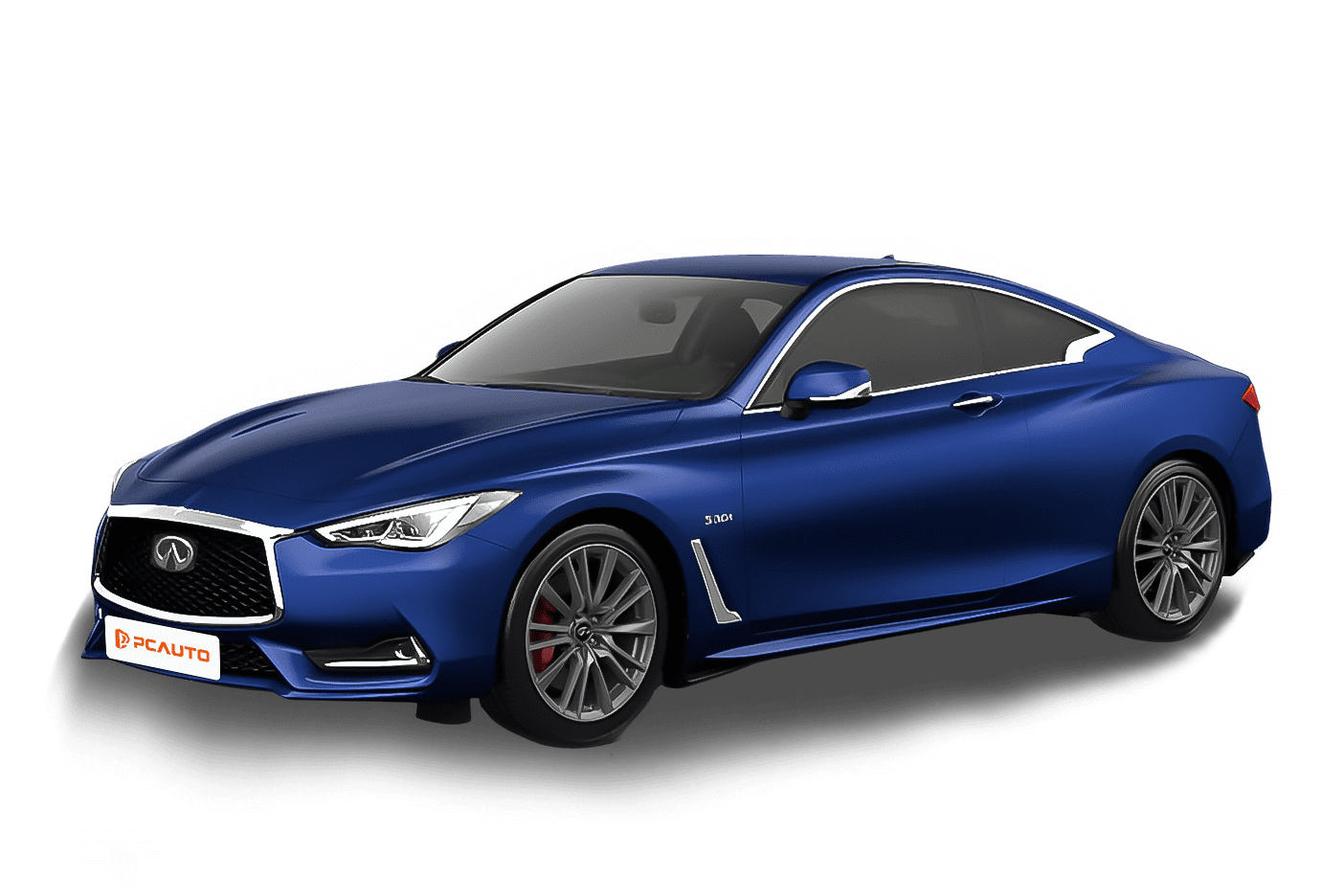
2017 Infiniti Q60 2.0t is a luxury coupe that balances sporty design and daily practicality, featuring a family-style exterior, BOSE audio system, and balanced power as its core selling points.
1
Rank in Coupe
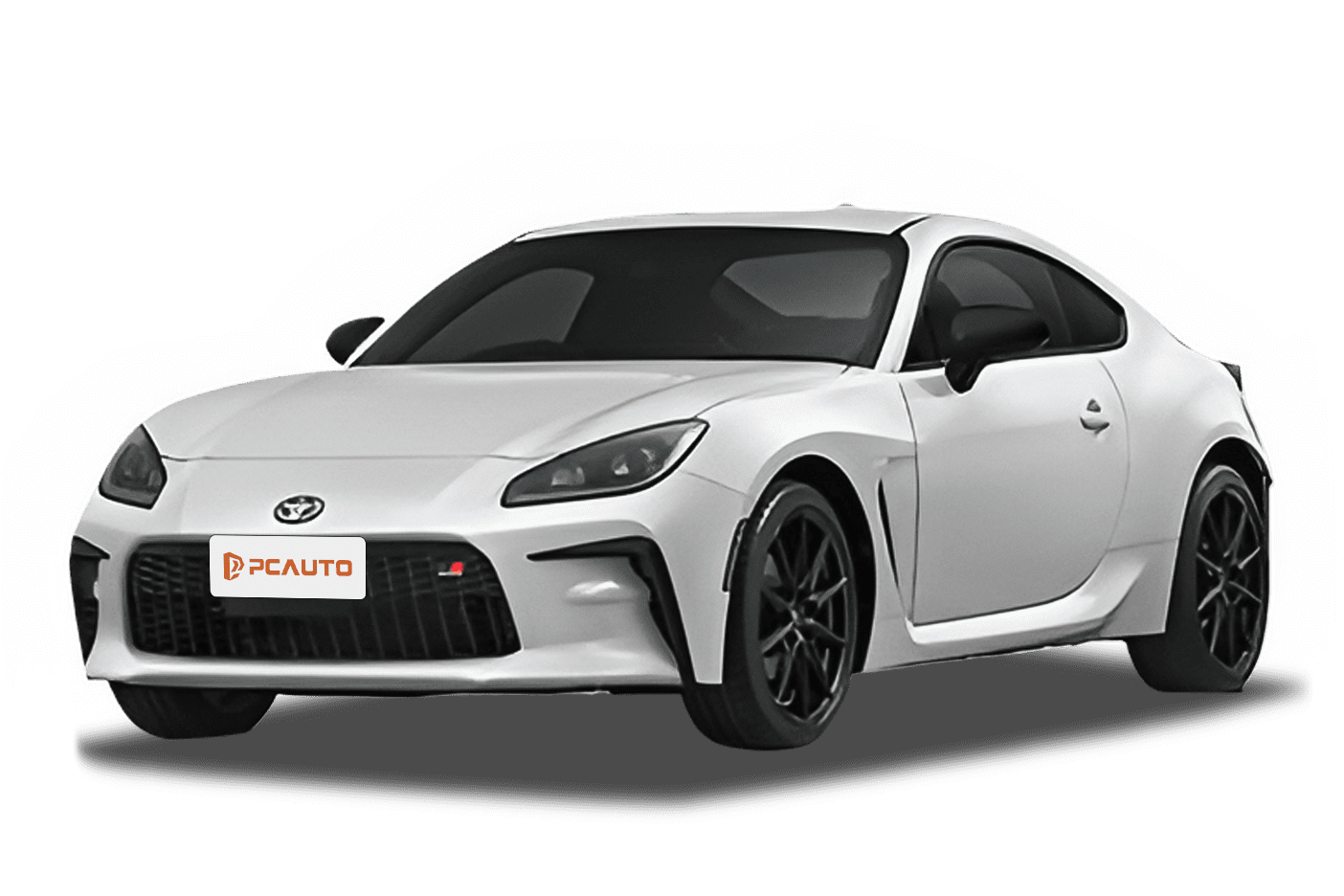
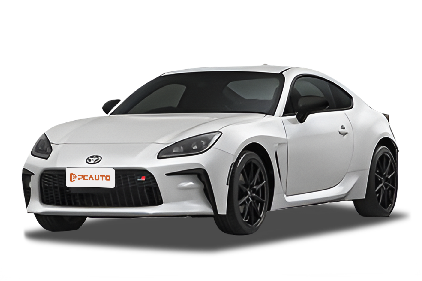
2023 Toyota GR 86 2.4 AT is a rear-wheel-drive sports coupe upgraded with a 2.4L naturally aspirated engine to address low torque issues, balancing daily commuting with pure driving pleasure.
6
Rank in Coupe
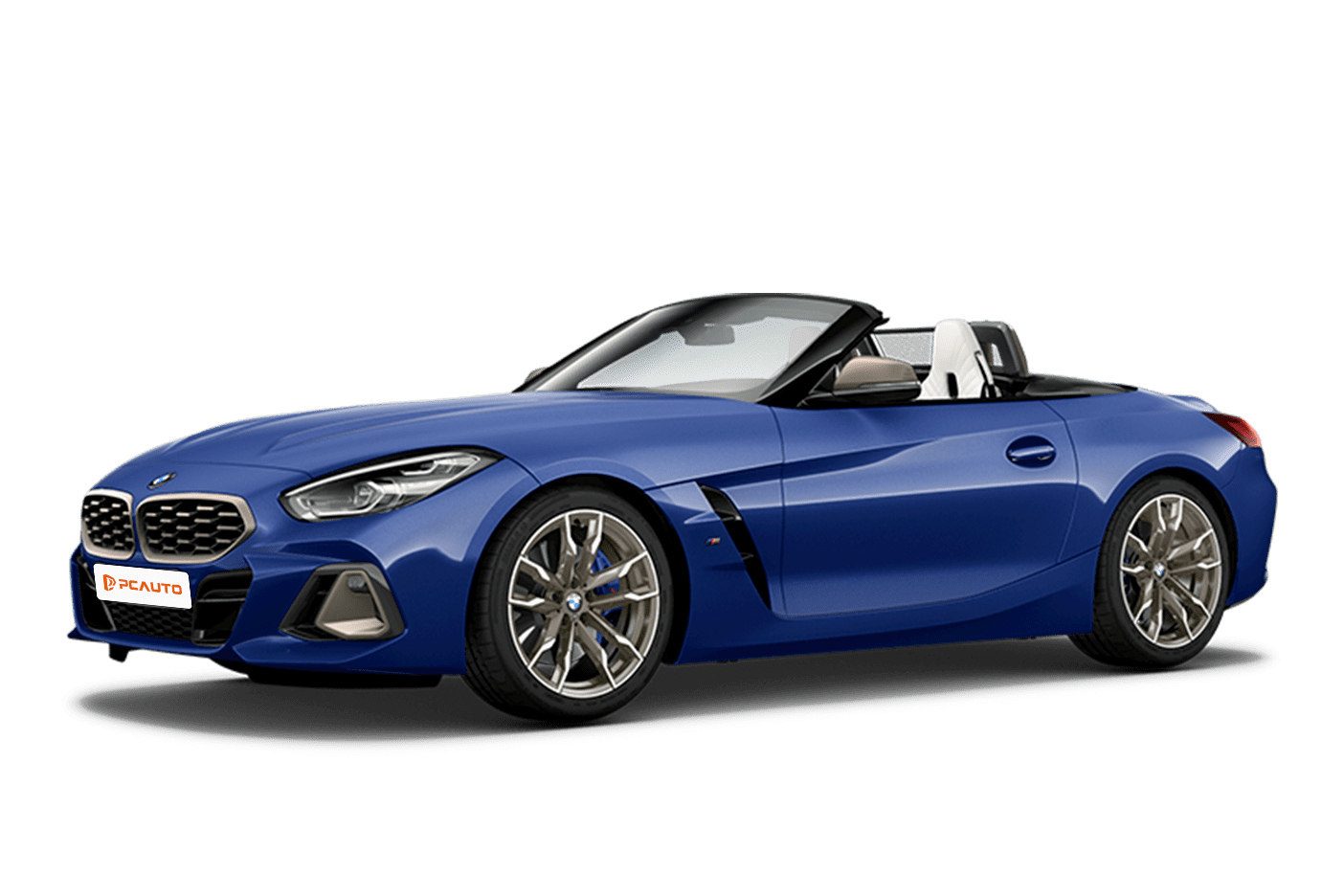
2023 BMW Z4 public, as a classic rear-wheel-drive convertible sports car, balances driving pleasure and daily practicality, with class-leading intelligent features and a compact body precisely meeting the needs of Malaysian users.
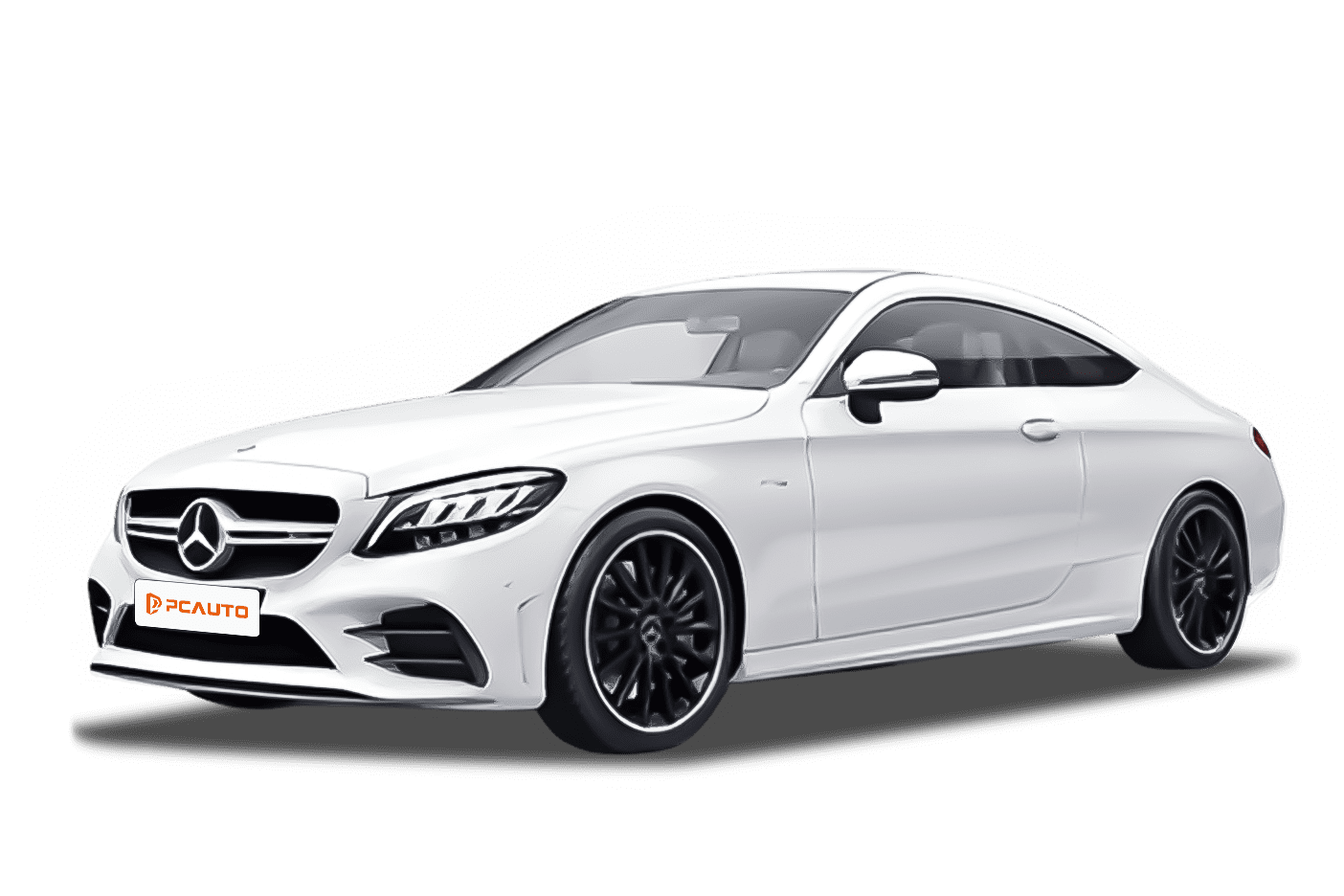
2018 Mercedes-Benz AMG C-Class Coupe AMG C 43 4MATIC is centered around a 3.0T V6 twin-turbo engine + 4MATIC all-wheel drive, balancing luxury texture, daily commuting, and performance driving, making it a high-value, well-rounded luxury performance coupe.