

Ford Mustang 1986 Review

 Share
Share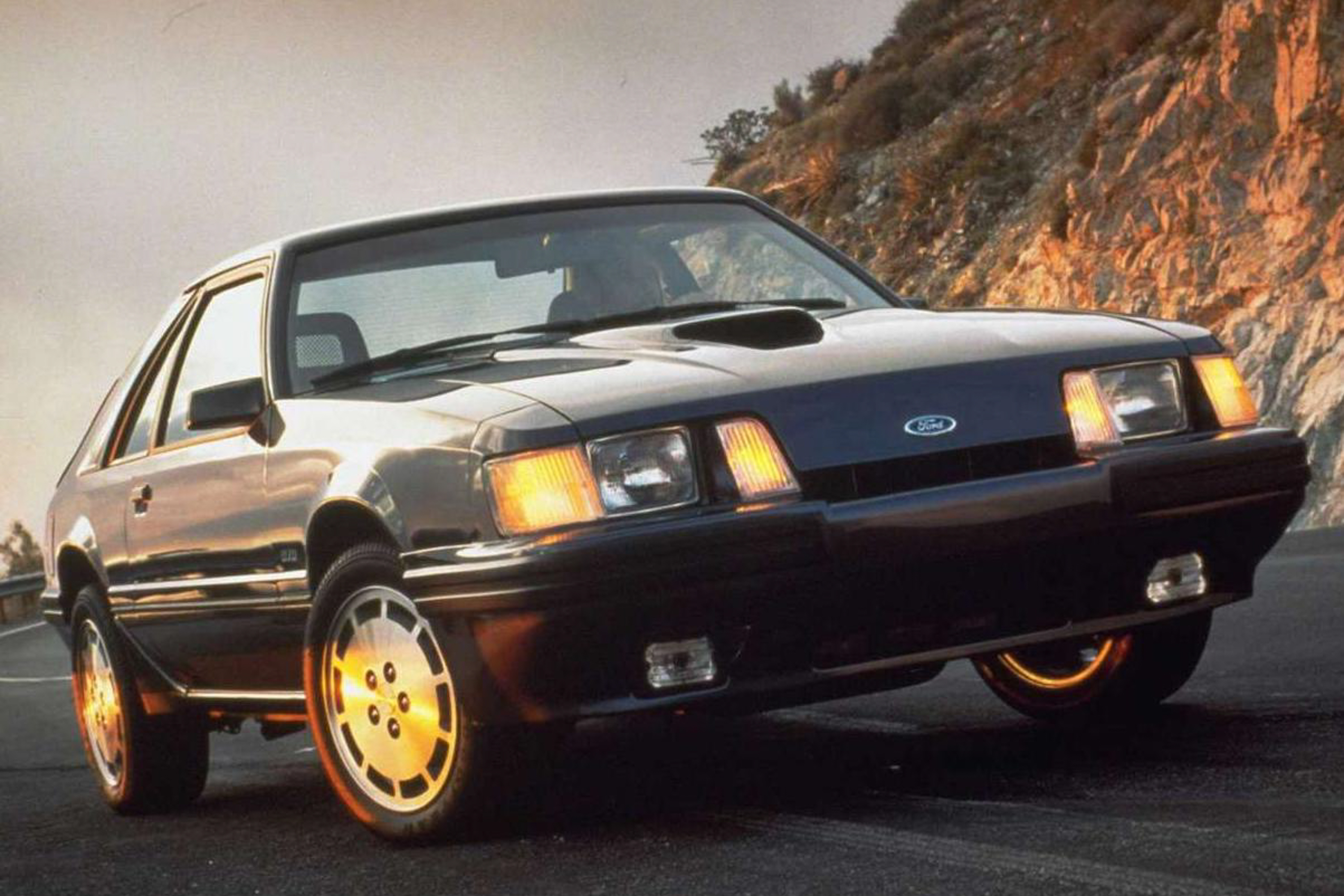
 Body Type
 Segment
 Capacity(L)
 Engine Power(PS)
 Engine Torque(Nm)
 Transmission
In recent years, the classic sports car market in Malaysia has been heating up, and many car enthusiasts are turning their attention to 1980s American muscle cars. The 1986 Ford Mustang Public is one of the most representative models in this niche market. As a mid-cycle facelift of the third-generation Fox Body Mustang, it retains the rugged style of American sports cars while optimizing the details. Its core selling points lie in its distinctive classic design, rear-wheel driving pleasure, and relatively affordable entry point. This time, we got our hands on a well-maintained 1986 Mustang Public. Our main goal is to recreate the practical performance of this classic model in the present day through a static experience and dynamic test drive to see if it can still satisfy nostalgic car enthusiasts.
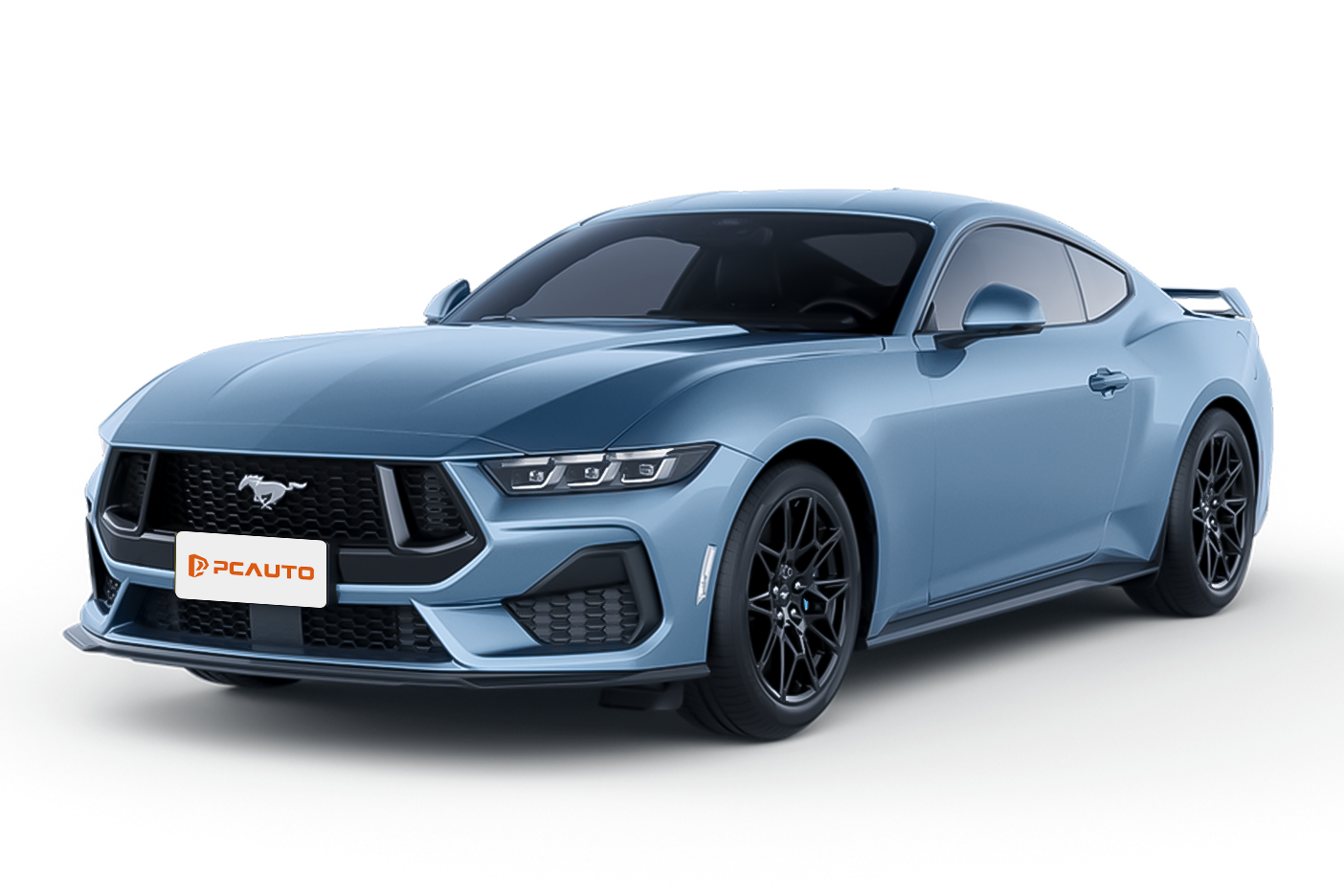
In terms of exterior design, the 1986 Mustang Public continues the Fox Body's design of a short front overhang and a long hood, with overall sharp and muscular lines. The front features its signature rectangular headlights paired with a black grille that runs across the width, with the iconic blue oval Ford badge embedded in the center for high recognizability. The hood lacks complex lines, featuring only two slightly raised creases near the windshield, adding to a sense of power. The side profile of the car is well-proportioned, with a waistline that extends from the front fender to the rear. It is equipped with 14-inch steel wheels (aluminum alloy wheels are optional for some models), giving the car a low and dynamic stance. At the rear, rectangular taillights echo the front-end design, while the raised "Mustang" badge on the trunk is clearly visible. The rear bumper is made of black plastic material, although in body-colored models, it looks more refined. In terms of lighting, both high and low beams are halogen lights, and the turn signals are integrated into the headlight assembly. Although the lighting effects at night are not as modern as those on newer vehicles, the classic design still makes it instantly recognizable as a Mustang.
Inside, the 1986 Mustang Public adopts the symmetrical center console design commonly seen in American cars of the time, with a simple and practical overall style. The upper part of the center console is made of hard plastic, while the lower part features a soft-touch finish, making it comfortable to the touch but lacking a sense of luxury. The three-spoke steering wheel is made of rubber, giving it a firm grip but feeling slightly rough. The instrument panel uses a traditional mechanical pointer design, including a tachometer, speedometer, fuel gauge, and temperature gauge, with clear and intuitive readings. The central control area is equipped with a single-disc CD player (early models came with a cassette player), with air conditioning control knobs below it, whose simple and understandable operation requires little learning to use. The seats are made of fabric with a sporty design, providing decent support for the waist and legs to meet daily driving needs, though extended seating periods may cause fatigue. In terms of features, the vehicle lacks modern smart connectivity systems and rearview cameras but is equipped with manual air conditioning, power windows (manual windows on some models), and central locking, which basically satisfy daily convenience requirements.
Regarding space, the 1986 Mustang Public has a body size of 4610mm in length, 1720mm in width, and 1350mm in height, with a wheelbase of 2570mm. The front-row seating space is spacious, accommodating a 180cm-tall driver with about a fist's worth of headroom and ample legroom. However, the rear seating space is relatively cramped, making it suitable only for short trips for passengers. Passengers over 170cm in height may feel constrained in terms of headroom and legroom in the rear, which is better suited for storing items. In terms of storage capacity, the trunk offers about 300L of space, enough to hold two 20-inch suitcases, meeting the needs of daily commuting or short trips. Interior storage spaces include a center armrest console in the front row, door panel storage pockets, and a glove box, which are small but suitable for holding phones, wallets, and other small items. For comfort features, air conditioning vents are available for the front row, but not for the rear seats, and there is only one cigarette lighter port below the center console for power, which might not be sufficient for modern users.
Powertrain wise, the 1986 Mustang Public is equipped with a 2.3L inline-four turbocharged engine delivering a maximum power of 175 horsepower and a peak torque of 240 Nm. It is paired with either a 5-speed manual transmission or a 3-speed automatic transmission. During actual driving, the power response at the start is not particularly swift, but once the turbo kicks in (around 2500 RPM), there is a noticeable sense of thrust. The acceleration performance was considered above average among cars of the same class at the time. The 0-100 km/h acceleration time is about 8.5 seconds, with a top speed of 190 km/h. Regarding driving modes, this car lacks the multiple driving mode options of modern vehicles; the power output can only be controlled by the depth of the accelerator pedal. For overtaking, keeping the revs above 3000 RPM ensures sufficient power reserves to easily complete the overtaking maneuver.
Handling and chassis-wise, the 1986 Mustang Public adopts a front-engine, rear-wheel-drive configuration, a classic layout for American sports cars, providing a decent amount of driving pleasure. The steering wheel has a relatively heavy feel and decent directional accuracy, but there is slightly more play compared to modern vehicles, which requires some adjustment. The suspension system uses front MacPherson struts and a rear solid axle non-independent suspension. The tuning is on the stiff side, making rear-seat vibration quite pronounced on bumpy roads, though it offers good support in corners with minimal body roll. Overall, the chassis rigidity is good, and it maintains stability at high speeds without feeling floaty.
In terms of specific performance tests, as a fuel-powered sports car, we focused on testing its fuel consumption and braking performance. Regarding fuel consumption, city driving results in approximately 12 liters per 100 kilometers, while highway driving shows about 8 liters per 100 kilometers. For a 2.3T rear-wheel-drive sports car, this fuel efficiency is average. On braking performance, it features a front disc and rear drum braking system. The brake pedal travel is relatively long, with lighter braking at the initial stage, requiring a firm press to achieve adequate braking force. The braking distance from 100-0 km/h is about 45 meters, which is not on par with modern vehicles but was considered normal given the technological constraints of that time.
In terms of ride comfort, noise insulation is average in the 1986 Mustang Public. At high speeds, wind and road noise become quite noticeable, and engine noise intrudes into the cabin when operating at high RPMs, affecting the overall riding experience. As for seat comfort, the fabric seats offer decent breathability, but their support and wrapping are inferior to leather seats, making long drives more fatiguing. It is worth mentioning that the manual transmission features a crisp shifting feel, and the clutch pedal is moderately weighted, which provides an enjoyable driving experience for users who love to drive.
In summary, the key highlights of the 1986 Ford Mustang Public lie in its classic exterior design, rear-wheel-drive driving fun, and relatively affordable entry-level price. Compared to other classic sports cars of its class (such as the Chevrolet Camaro, Dodge Challenger), its advantages include a smaller body size for more agile handling, while the performance of the 2.3T engine can also meet daily driving needs. Its shortcomings lie in the simplistic interior materials, outdated features, cramped rear-seat space, and subpar noise insulation.
In terms of overall performance, the 1986 Mustang Public is a classic sports car that appeals to nostalgic car enthusiasts. It not only fulfills the desire for American muscle car aesthetics but also provides an enjoyable driving experience. Its target audience mainly includes those who appreciate classic models, value driving experience, and don’t mind outdated features, or those looking for a nostalgic car as a collectible or a weekend cruiser. For users who prioritize modern technology and comfort, this car may not be the best choice.
Overall, the 1986 Ford Mustang Public is a nostalgic classic sports car. Its classic design and the joy of rear-wheel driving can still captivate many car enthusiasts. Although it cannot compete with modern models in terms of features and comfort, for nostalgic car lovers, these aspects are not a concern—after all, the charm of classics lies in this. If you’re a fan of American sports cars and a nostalgic player, the 1986 Mustang Public is worth considering.
Ford Mustang Car Compare

Cars With Similar Price And Features
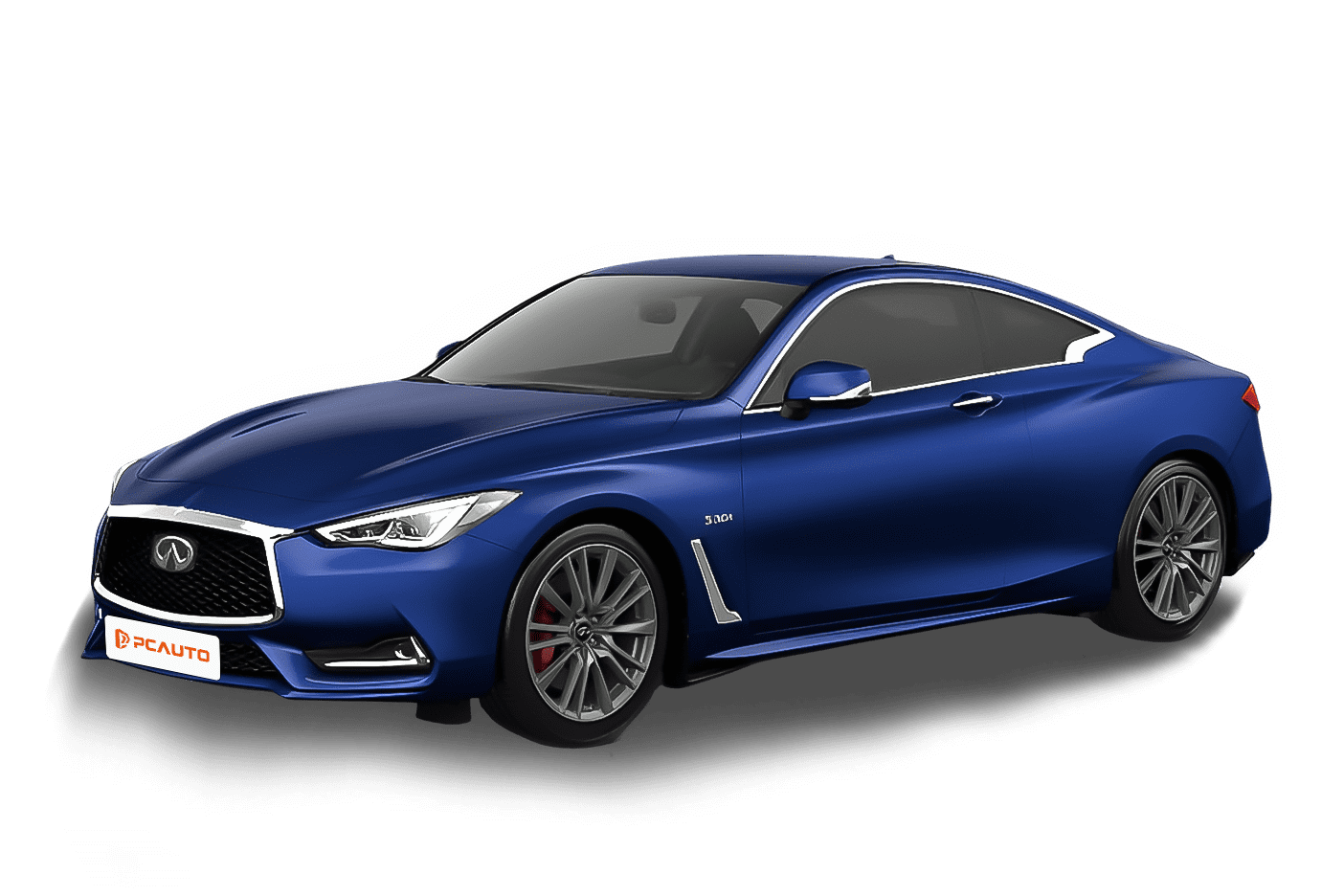
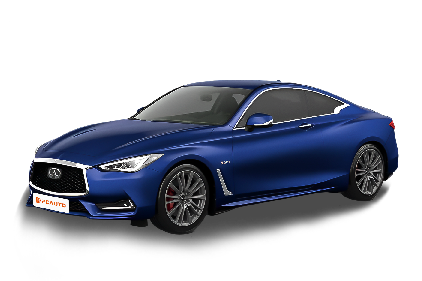
2017 Infiniti Q60 2.0t is a luxury coupe that balances sporty design and daily practicality, featuring a family-style exterior, BOSE audio system, and balanced power as its core selling points.
1
Rank in Coupe
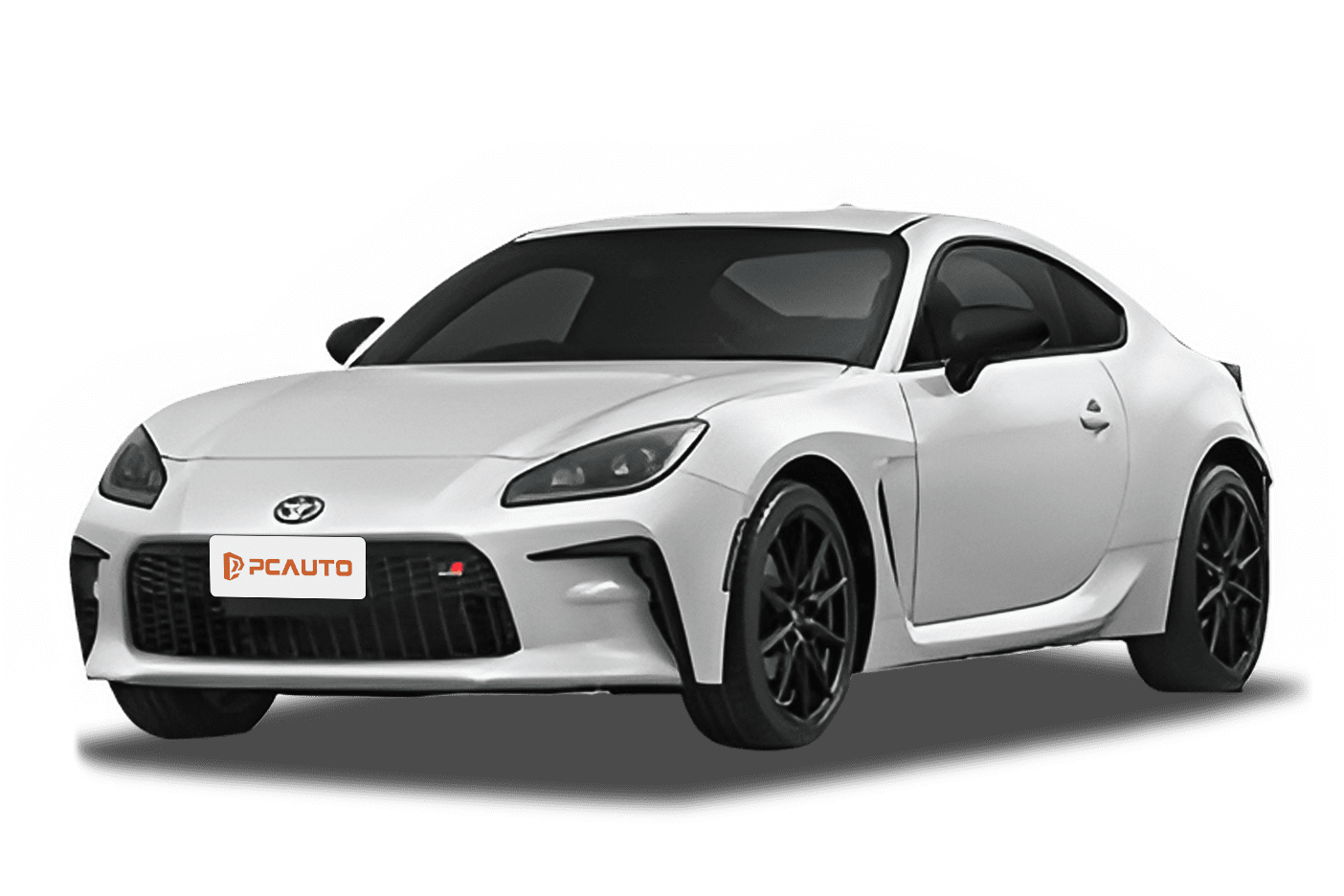
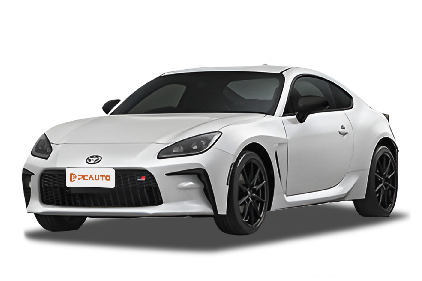
2023 Toyota GR 86 2.4 AT is a rear-wheel-drive sports coupe upgraded with a 2.4L naturally aspirated engine to address low torque issues, balancing daily commuting with pure driving pleasure.
6
Rank in Coupe
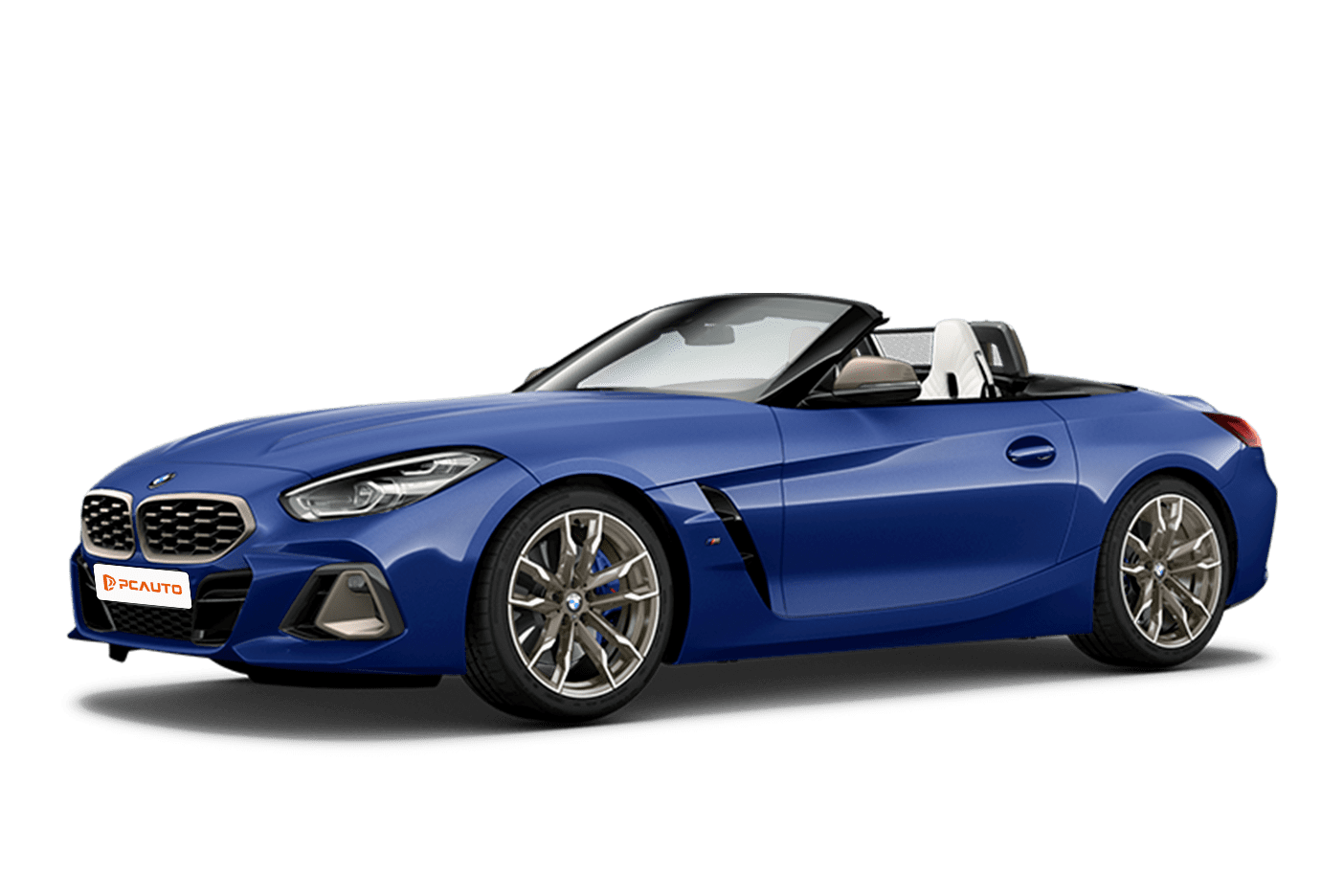
2023 BMW Z4 public, as a classic rear-wheel-drive convertible sports car, balances driving pleasure and daily practicality, with class-leading intelligent features and a compact body precisely meeting the needs of Malaysian users.

2018 Mercedes-Benz AMG C-Class Coupe AMG C 43 4MATIC is centered around a 3.0T V6 twin-turbo engine + 4MATIC all-wheel drive, balancing luxury texture, daily commuting, and performance driving, making it a high-value, well-rounded luxury performance coupe.