

Ford Mustang 1995 Review

 Share
Share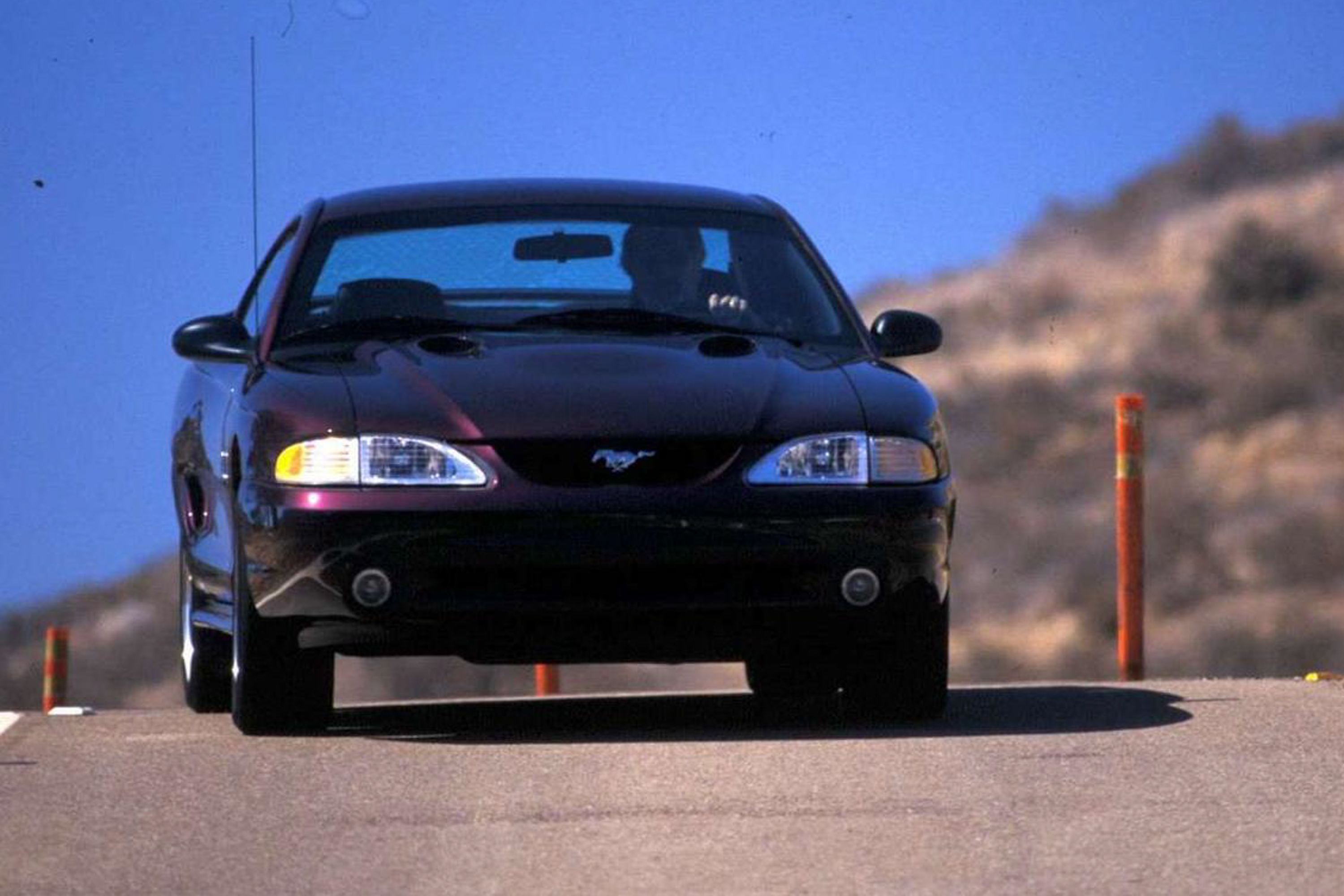
 Body Type
 Segment
 Capacity(L)
 Engine Power(PS)
 Engine Torque(Nm)
 Transmission
It should be noted that there is no specific model version such as "1995 Ford Mustang public" in publicly available information. It is speculated that this might be a typo of "1995 Ford Mustang". The following review is based on the standard production versions of the 1995 Ford Mustang (including V6, GT, Cobra trims), written from the perspective of a Malaysian automotive editor:
Recently, the classic sports car market in Malaysia has seen a rise in popularity, with many enthusiasts starting to look for American muscle cars that combine collectible value and driving pleasure. The 1995 Ford Mustang has become one of the hot options in this niche market. As the first facelifted model of the fourth-generation Mustang (based on the SN-95 platform), it not only retains the rugged style of an American muscle car but also features improved handling and configurations, to the extent that some versions may even be suitable for daily driving. This time, we got our hands on a 1995 Mustang GT manual transmission model. The main objective is to see if it can still balance emotion and practicality 30 years later, and to identify which Malaysian enthusiasts might consider buying this car.
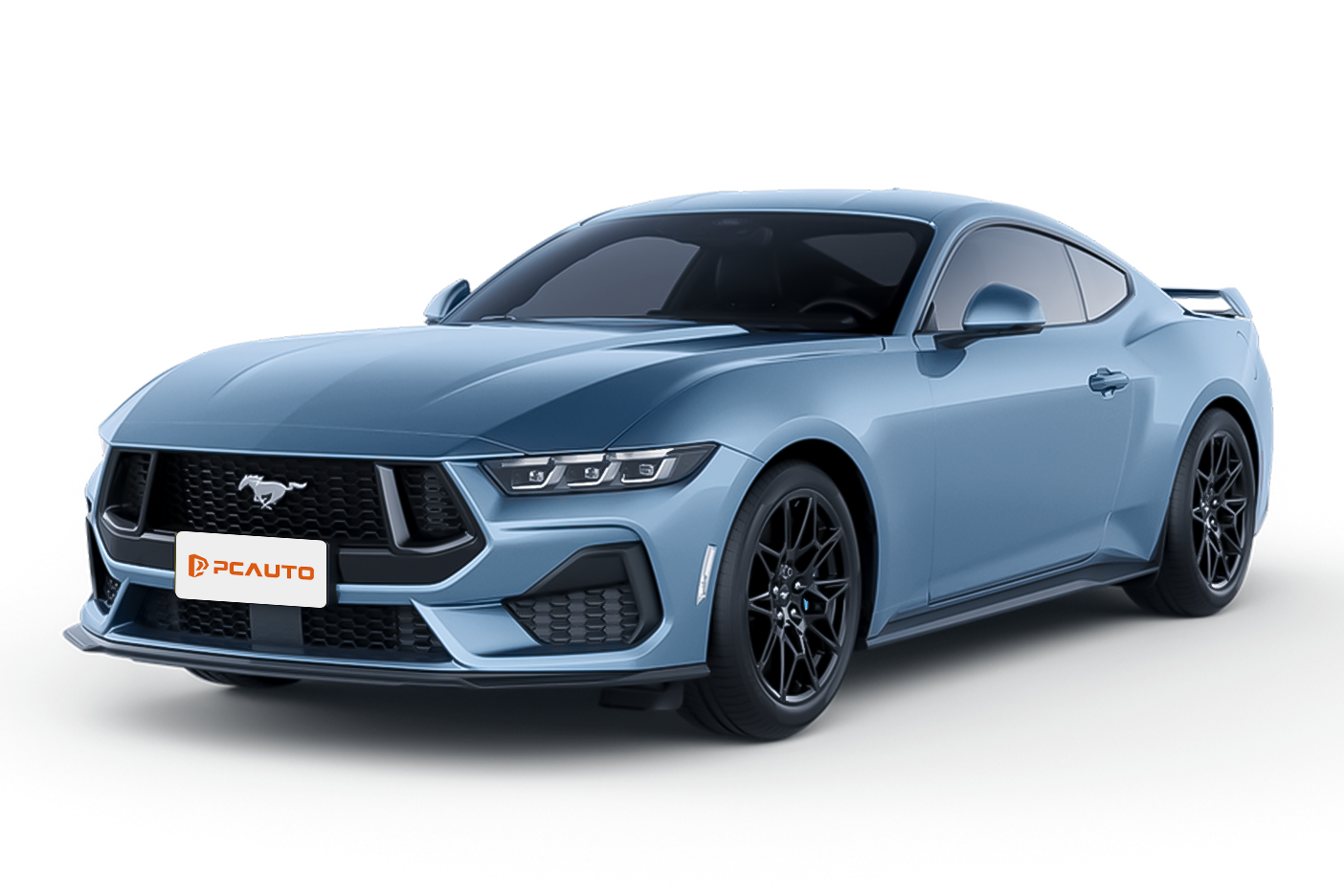
First, let’s talk about the exterior. The 1995 Mustang continues with the "New Edge" design language of the SN-95 platform. The overall silhouette is square and robust, with simpler lines compared to the older Fox Body design. The front fascia showcases a classic rectangular grille with the Ford blue oval emblem embedded in the middle. The slightly upward-angled rectangular headlights on both sides provide high recognizability. The hood features two prominent ridges extending from the A-pillar to above the grille, enhancing the muscular feel. The side profile is straightforward, with slightly flared front and rear wheel arches paired with 17-inch five-spoke aluminum alloy wheels (standard for the GT trim), creating a harmonious proportion. The rear design is a highlight, with tri-bar taillights as an iconic Mustang element. A black trim connects the taillights, while the lower bumper integrates dual round exhaust outlets. The GT trim also adds a small spoiler on the trunk lid, creating an overall style that is both retro and sporty.
Inside the car, the 1995 Mustang's interior focuses on practicality without overly flashy designs. The center console adopts a T-shaped layout, primarily made of hard plastic. However, the GT trim includes leather wrapping on areas like the door panels and seats, enhancing the overall texture. The steering wheel is a three-spoke design, with relatively large size and a firm grip, fitting for a muscle car. The instrument cluster is traditional with mechanical dials, including a tachometer, speedometer, fuel gauge, and temperature gauge, offering clear readings. The top section of the center console features the radio (with a CD player as an optional feature on some higher trims), while the bottom section contains the air conditioning controls, using a combination of knobs and buttons for intuitive operation. The seats in the GT trim are sporty bucket seats, providing excellent side support. However, the cushioning of the seat bottom and backrest is relatively firm, which might feel tiring during long drives, although the snug fit is well-suited for spirited driving.
In terms of space, the 1995 Mustang's dimensions measure 4,610mm×1,830mm×1,370mm, with a wheelbase of 2,570mm, representing the typical layout of a two-door, four-seater sports car. The front seats offer ample space, with over a fist's worth of headroom and legroom for passengers around 180cm tall. The rear seat space is rather limited, suitable for children or short trips; adults might feel cramped during long rides. As for storage capacity, the trunk holds approximately 320 liters, which can fit two 20-inch suitcases—sufficient for daily commuting or short trips, but for longer journeys, luggage might need to be pared down. Interior storage compartments are limited, with the door pockets, center armrest box, and glovebox all offering minimal space, suitable only for small items.
Dynamic Driving Performance: This test features the GT version equipped with a 5.0L V8 naturally aspirated engine, delivering a maximum power of 215 horsepower and a peak torque of 325 N·m, paired with a 5-speed manual transmission. During takeoff, a light press of the accelerator provides abundant low-end torque, and the clutch bite point is clear. While the shift throw of the manual gearbox is slightly long, the gear engagement feels satisfying. When switched to S mode (Sport Mode), throttle response becomes more sensitive, with the revs remaining above 3,000 rpm. Pressing the accelerator harder brings the roar of the V8 engine into the cabin. Although the pushback sensation isn't as intense as modern turbocharged cars, the linear power delivery offers a rhythm to the driving experience. The 0-100km/h acceleration time is approximately 6.5 seconds, which was on par with mainstream performance cars in the 1990s and still provides plenty of driving fun today.
Handling: The steering of the 1995 Mustang is on the heavier side with minimal play and precise directional control. When cornering, you can clearly feel the trajectory of the front wheels. The suspension system uses front MacPherson struts and rear 4-link independent suspension (GT version), with a relatively stiff tuning. When passing speed bumps or uneven roads, vibrations are transmitted directly into the cabin. However, the suspension provides excellent support in corners, effectively controlling body roll. At high speeds, the car remains stable, and the steering wheel does not feel floaty during 120km/h cruising. Regarding the braking system, the GT version comes standard with ventilated front discs and solid rear discs. The brake pedal provides a linear feel, and braking force is distributed evenly, with a 100-0km/h braking distance of approximately 38 meters, meeting the performance standards of its time.
Fuel consumption is a typical "weakness" for American muscle cars. This 5.0L V8 engine consumes about 15-17L/100km in congested urban conditions and around 10-12L/100km during highway cruising, making daily commuting costs relatively high given Malaysia's fuel prices. Regarding noise control, wind and tire noise become noticeable at high speeds, and engine noise enters the cabin once the revs exceed 3,000 rpm. However, for enthusiasts, the roar of the V8 engine is more of an enjoyment than a drawback. As for the seats, they have good support but are relatively firm, suitable for short spirited drives but requiring breaks during long journeys.
In summary, the strengths of the 1995 Ford Mustang lie in its classic exterior design, the V8 engine's roar and linear power delivery, and its relatively solid handling performance. Compared to Japanese sports cars from the same era (e.g., Toyota Supra, Nissan Skyline), it offers higher cost-performance value, easier maintenance due to the availability of parts (with many Mustang parts dealers in Malaysia), and a stronger sense of nostalgia. The target audience primarily consists of two groups: classic car collectors who value Mustang's historical significance and retro style, and driving enthusiasts looking for the pure experience of a manual V8, who are less concerned about fuel consumption and space limitations.
If your budget for a classic car in the Malaysian market is mid-range and you're looking for a car that can double as an occasional daily driver and a fun option for track days, the 1995 Mustang GT is a solid choice. It might not be perfect, but it is certainly the most characterful one — after all, the roar of a V8 engine and the iconic tri-bar taillights are the best gifts Mustang offers its fans.
Ford Mustang Car Compare

Cars With Similar Price And Features
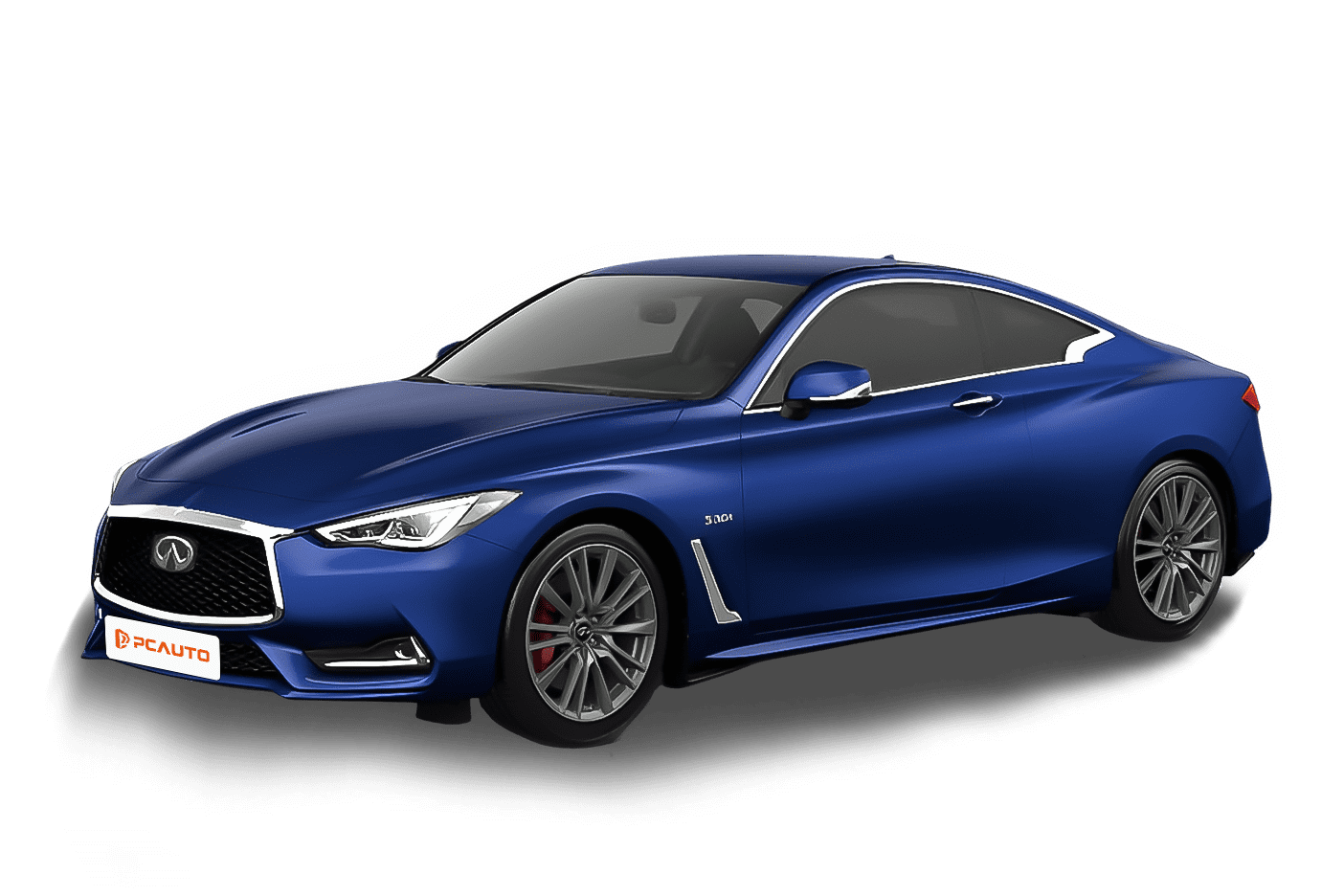
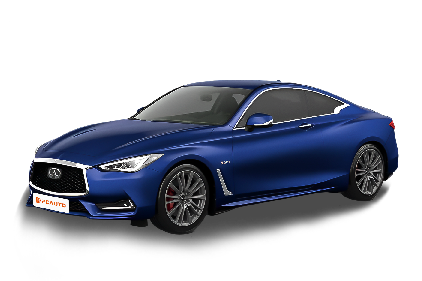
2017 Infiniti Q60 2.0t is a luxury coupe that balances sporty design and daily practicality, featuring a family-style exterior, BOSE audio system, and balanced power as its core selling points.
1
Rank in Coupe
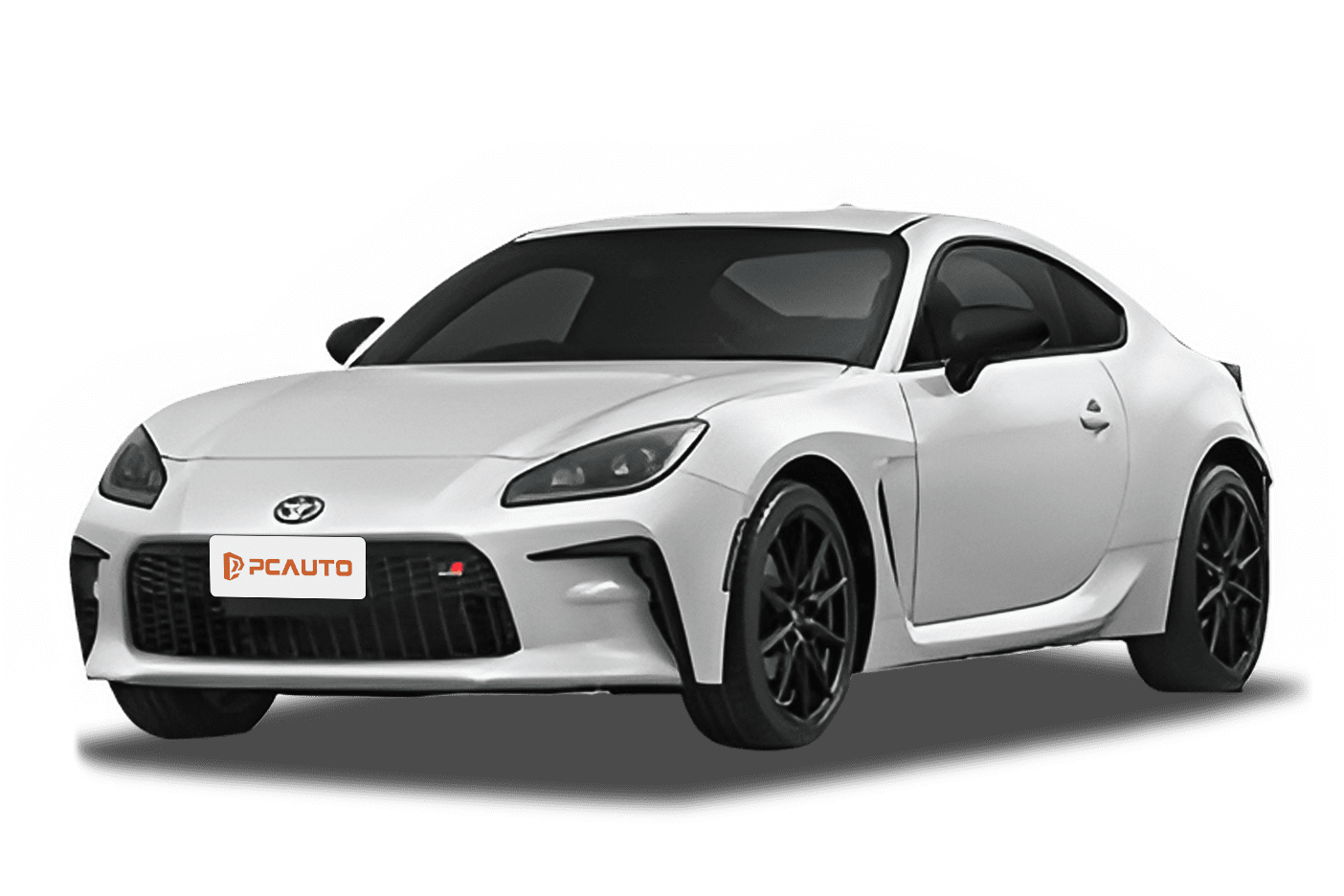
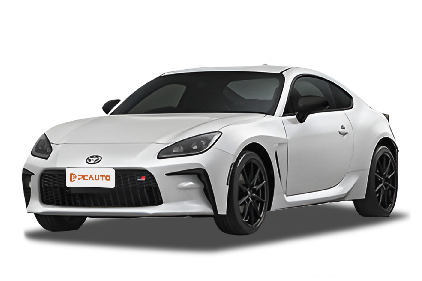
2023 Toyota GR 86 2.4 AT is a rear-wheel-drive sports coupe upgraded with a 2.4L naturally aspirated engine to address low torque issues, balancing daily commuting with pure driving pleasure.
6
Rank in Coupe
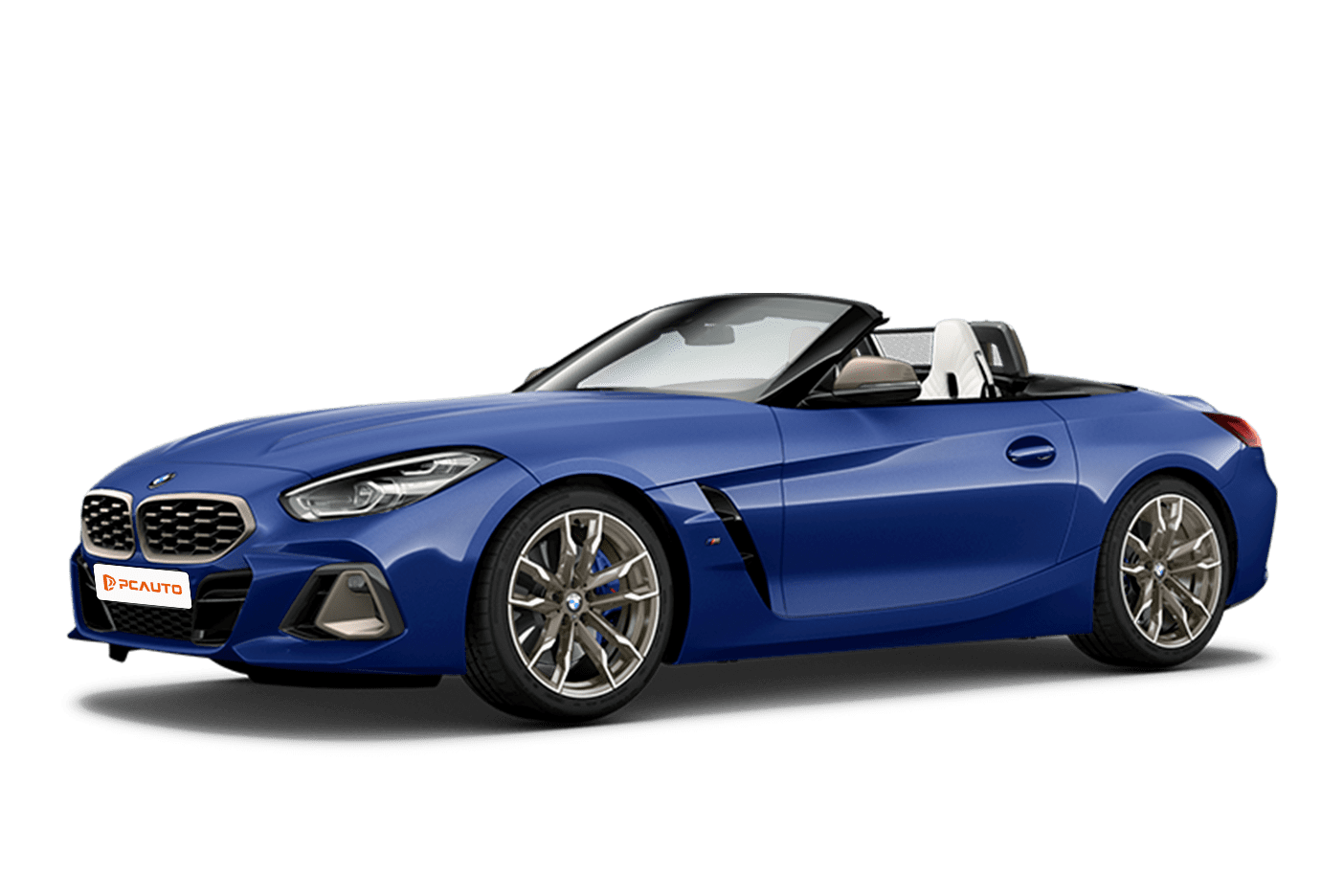
2023 BMW Z4 public, as a classic rear-wheel-drive convertible sports car, balances driving pleasure and daily practicality, with class-leading intelligent features and a compact body precisely meeting the needs of Malaysian users.
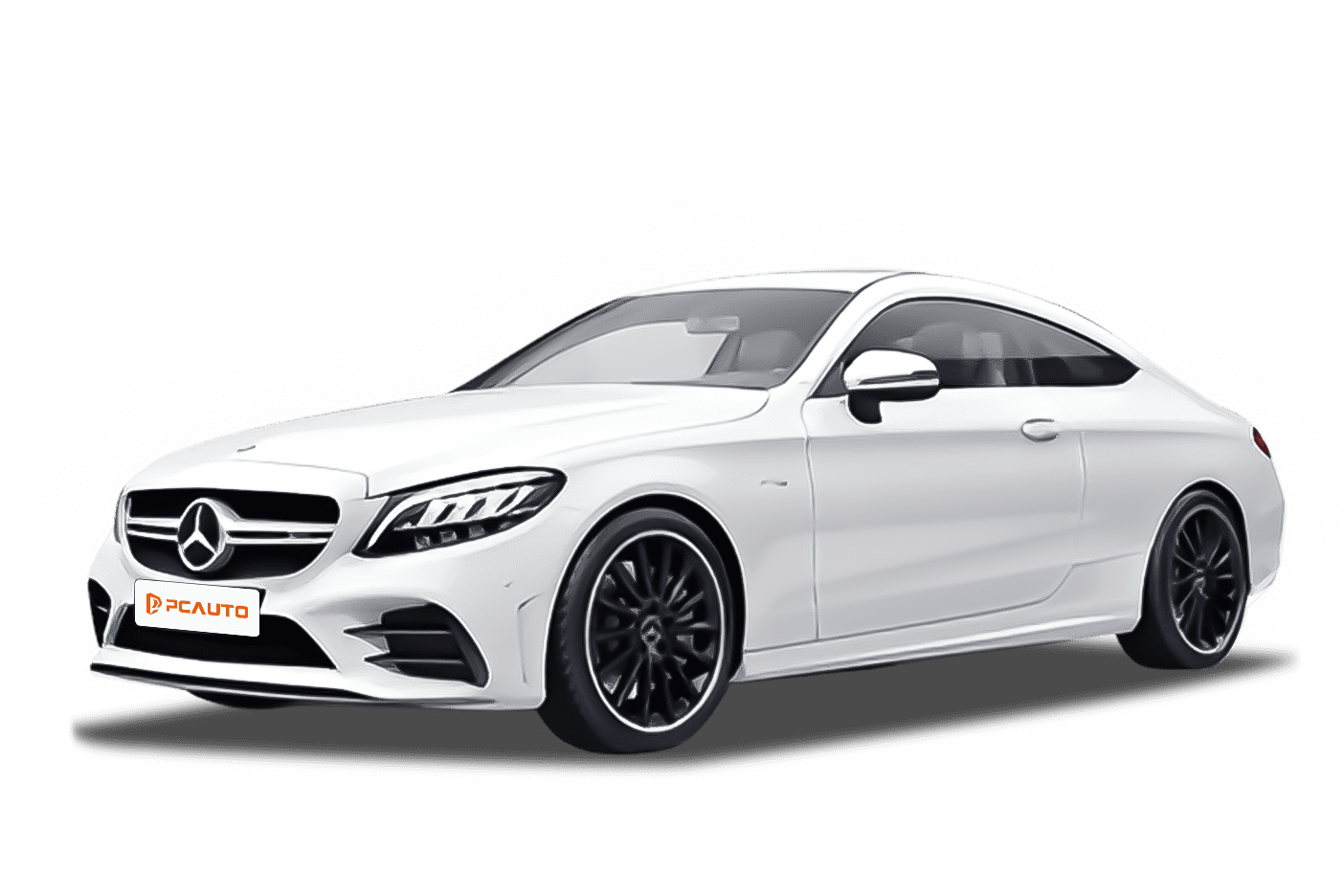
2018 Mercedes-Benz AMG C-Class Coupe AMG C 43 4MATIC is centered around a 3.0T V6 twin-turbo engine + 4MATIC all-wheel drive, balancing luxury texture, daily commuting, and performance driving, making it a high-value, well-rounded luxury performance coupe.