

Ford Mustang 1999 Review

 Share
Share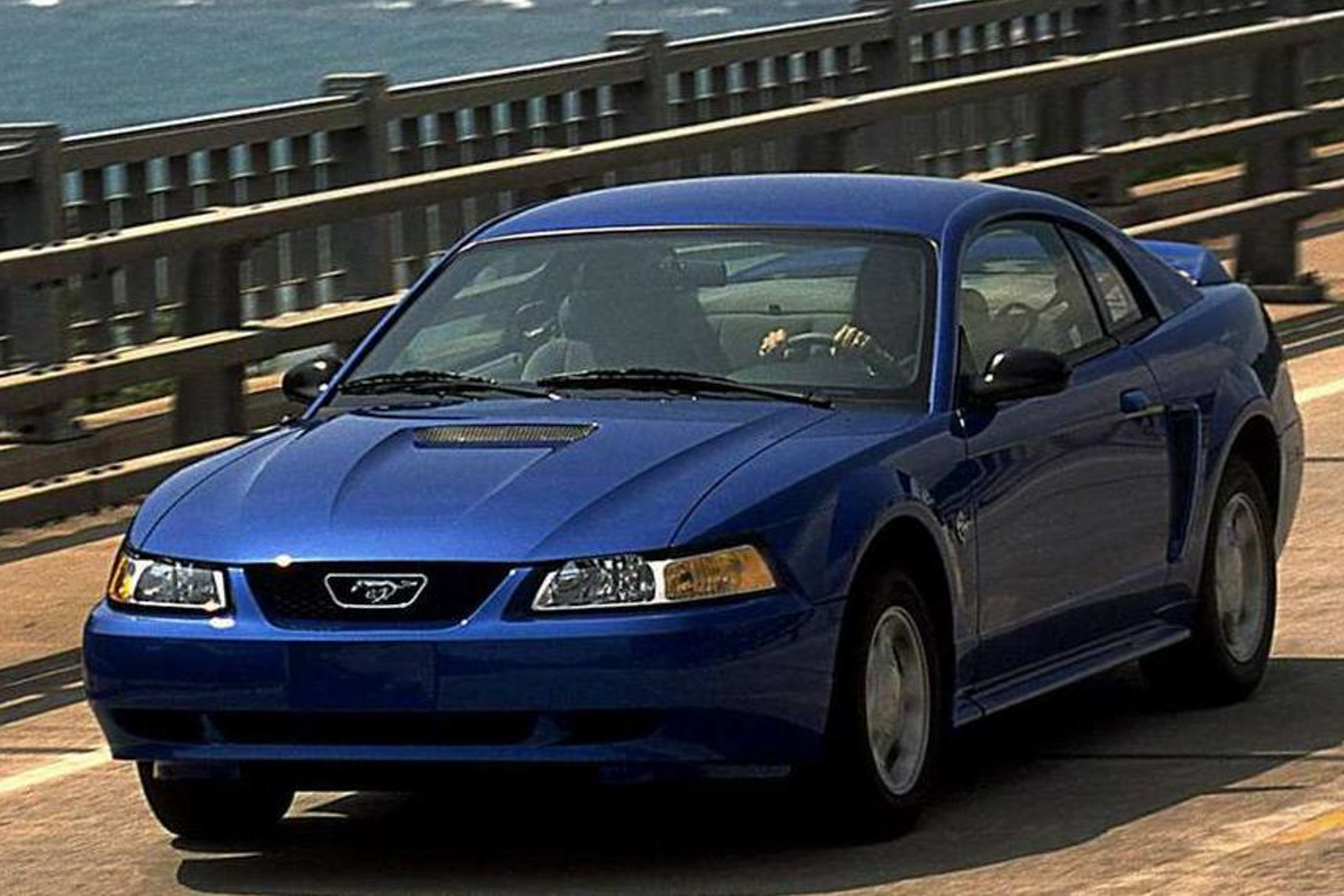
 Body Type
 Segment
 Capacity(L)
 Engine Power(PS)
 Engine Torque(Nm)
 Transmission
In Malaysia's current performance car market, classic American muscle cars are not mainstream, but there are still many consumers who adore their retro design and pure driving experience. The 1999 Ford Mustang public, as a facelift model of the fourth-generation Mustang, is positioned at the intersection of "modern design enlightenment" and the "soul of traditional muscle cars." Today, through a static experience and dynamic test drive, let's see if this classic model from over 20 years ago still has memorable qualities in the present day.
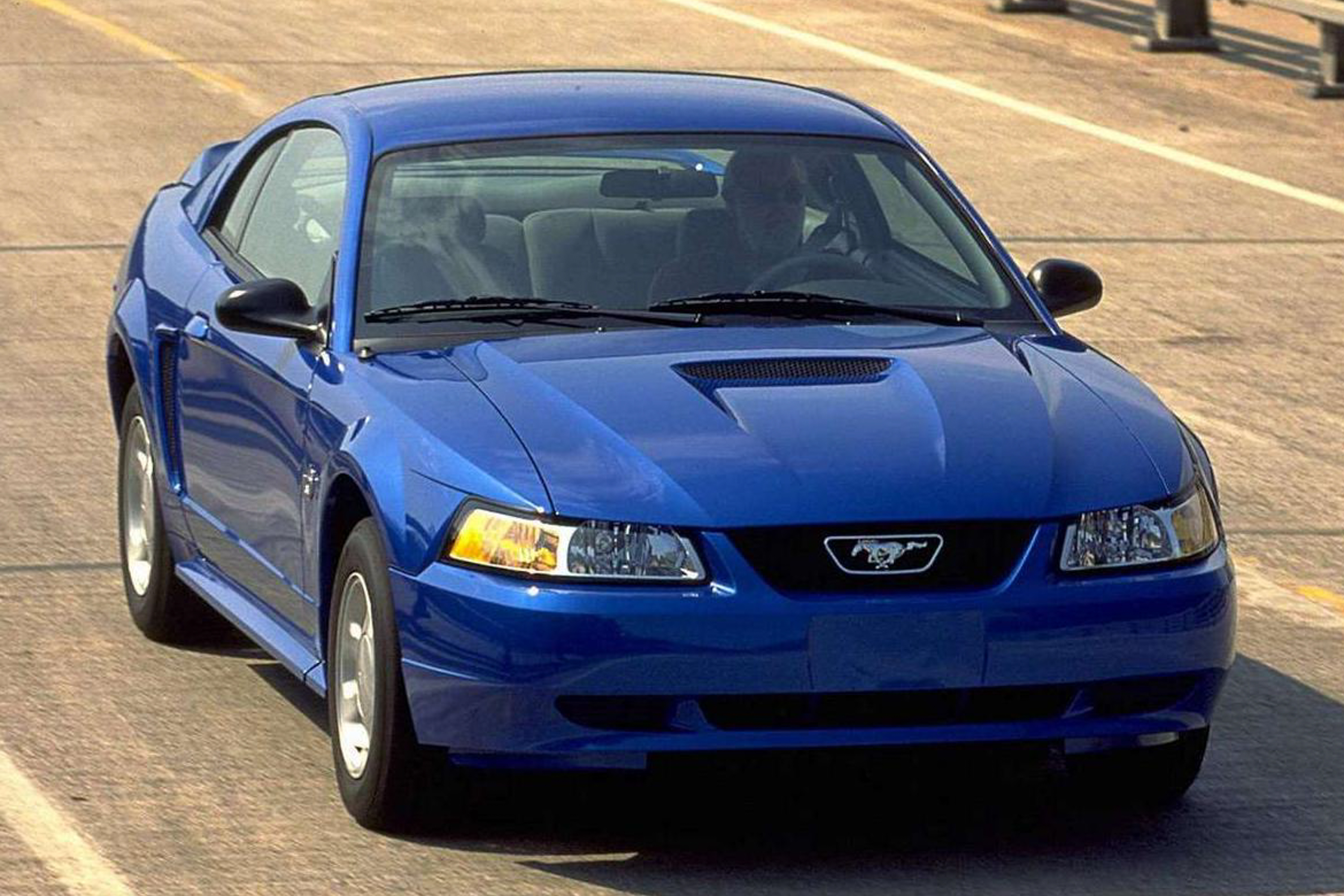
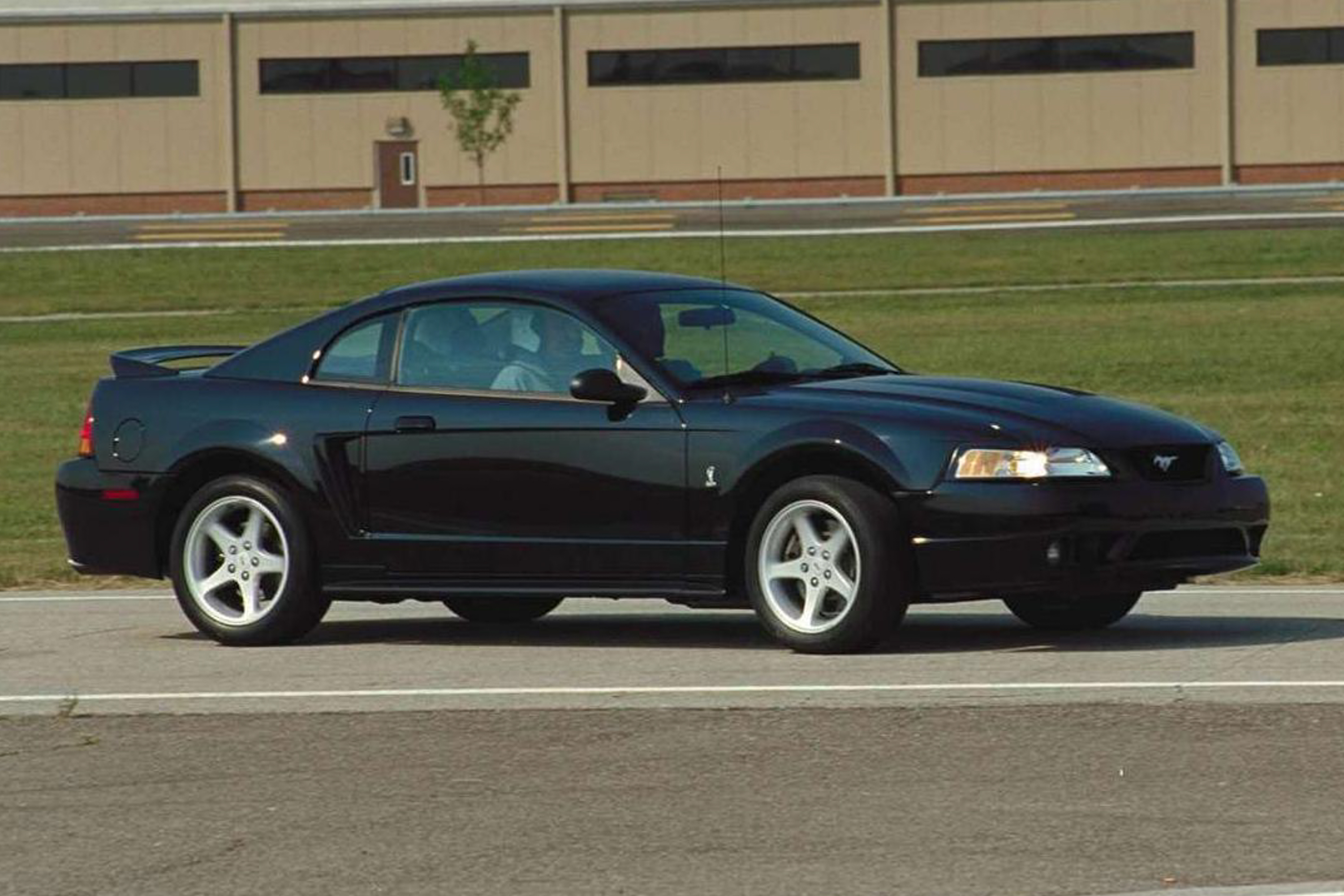
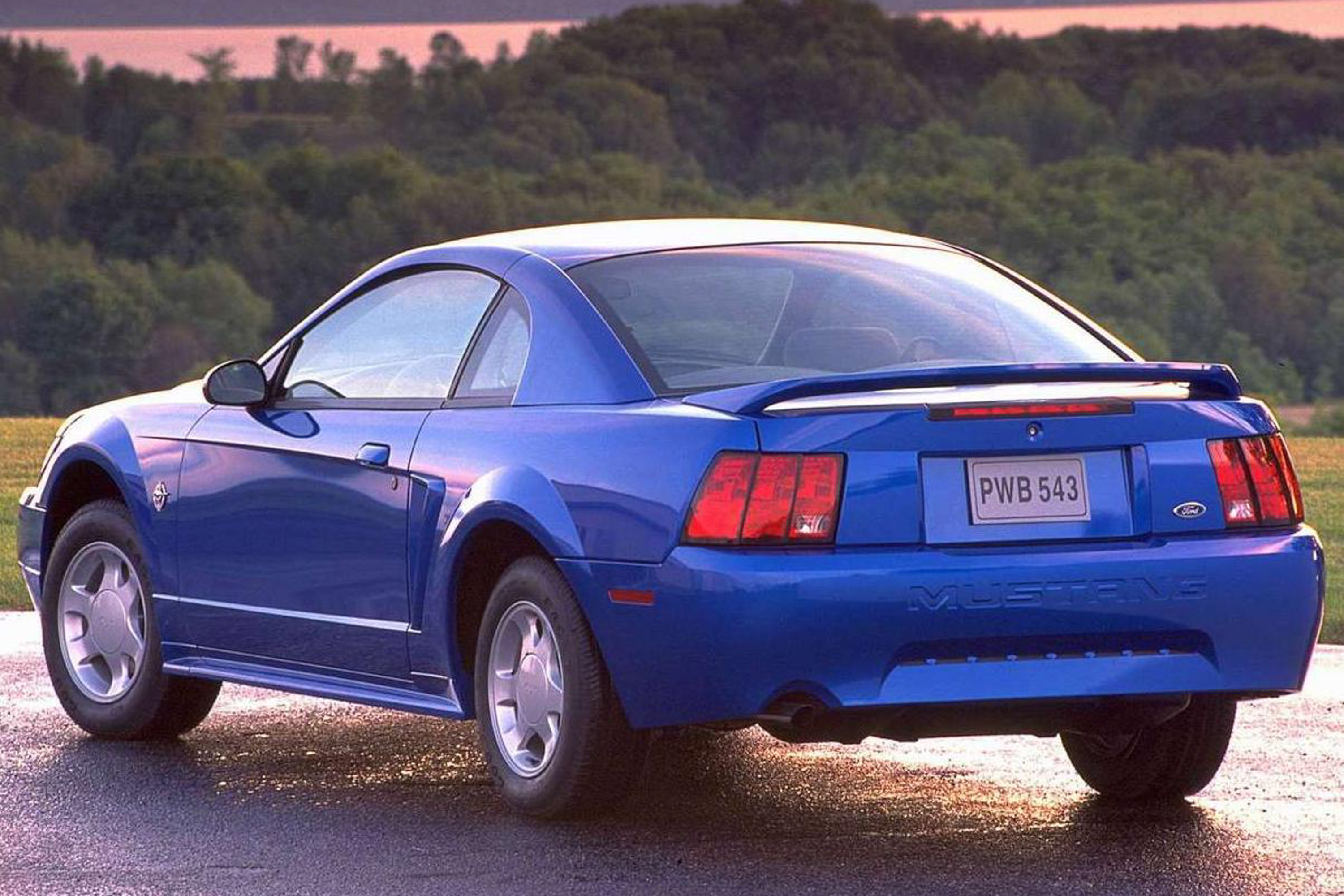
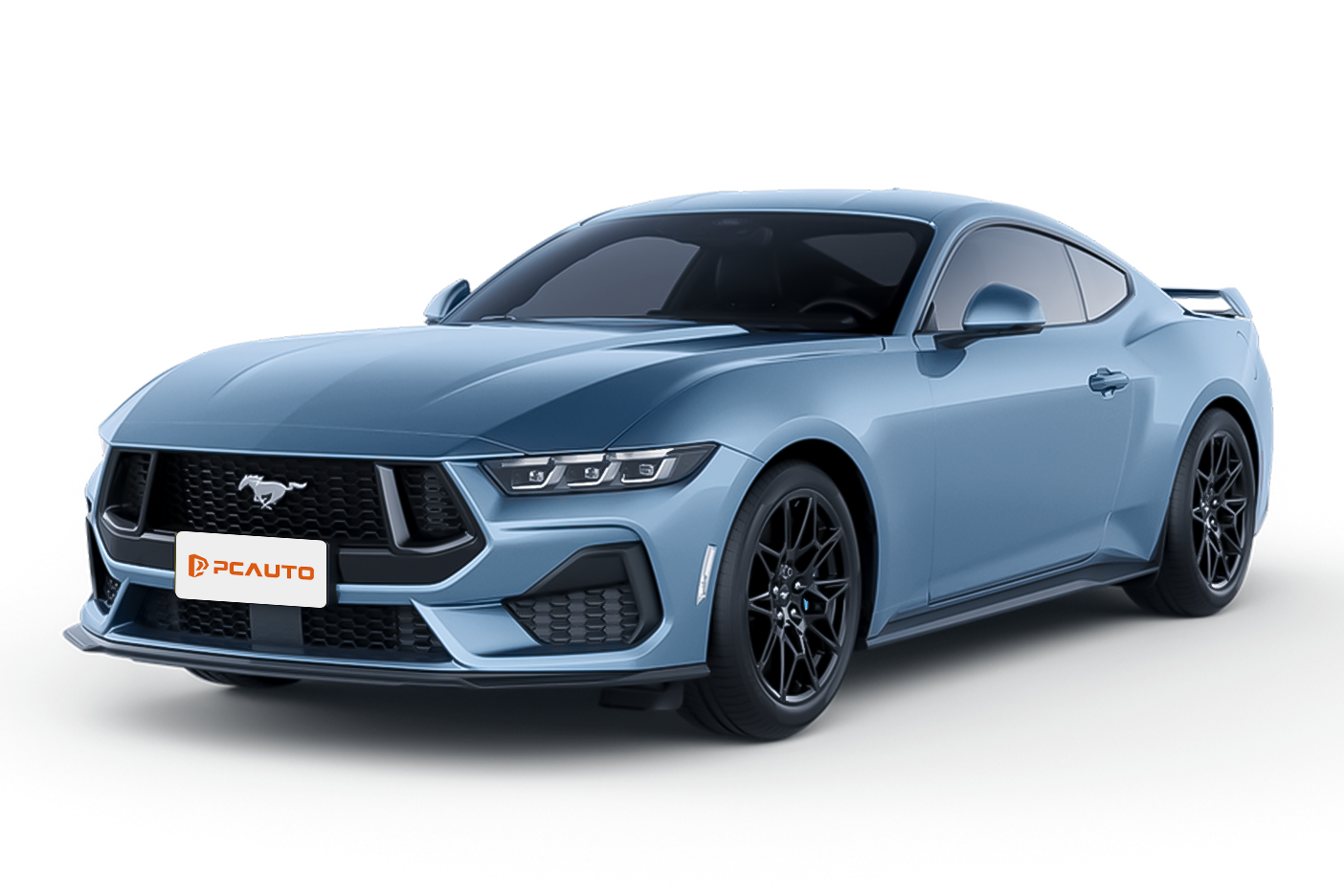
From the exterior, the 1999 Mustang public continues the long hood and short rear proportions of the fourth-generation model, a hallmark of American muscle car design. The most striking feature of the front is the honeycomb grille, with the classic galloping horse logo in the center. The rectangular headlights on either side adopt the then-popular clear lens design, presenting a sharper look compared to the rounded design of the older models. The top of the hood features two raised lines extending from the A-pillar to the grille, enhancing the sense of power. On the side, the 17-inch multi-spoke alloy wheels are paired with staggered-width tires (front 225/55 R17, rear 245/50 R17). The outward flare of the rear wheel arches directly reflects its "muscle car" positioning. At the rear, the split taillights use red lenses, connected by a chrome strip in the middle. Below, the dual round exhaust pipes on both sides emit a deep backfire sound upon ignition, making it highly recognizable.
Sitting inside, the interior style of the 1999 Mustang public leans towards a practical approach, without too much flashy design. The center console adopts Ford's iconic "aircraft cockpit" layout of the time, with the buttons on the driver’s side tilted towards the driver for easy operation. The steering wheel has a three-spoke design, with the galloping horse logo in the middle. The grip is solid, but there are no multifunction buttons. The center console is equipped with a single-disc CD player and manual air-conditioning knobs. All the physical buttons are clear and intuitive, making it easy even for beginners to get started quickly. The seats are made of fabric material, with decent side bolstering to hold the body during spirited driving. However, the lumbar support is somewhat lacking for extended drives. In terms of materials, the top of the center console is primarily hard plastic, with some fabric wrapping on the inner side of the door panels, in line with the positioning of models from that era.
In terms of space, the dimensions of this Mustang are 4610mm×1830mm×1370mm, with a wheelbase of 2570mm, featuring a typical two-door coupe layout. The front-row seating space is adequate, with a passenger height of 175cm having one fist of headroom left after adjusting the seat, and the legroom is fairly roomy. The rear seating space, however, is a typical "for emergencies only." Even when the front seats are adjusted forward, the rear passengers have almost no legroom, and the headroom is cramped, making it unsuitable for adults to sit for long periods. As for storage space, the front door panels offer two cup holders, and there’s a small storage compartment below the center console. The trunk has a capacity of approximately 379L, which can accommodate two 20-inch suitcases. It’s sufficient for daily commuting or short trips, but its storage capability is limited for long journeys.
In terms of power, the 1999 Mustang public we tested is equipped with a 3.8L V6 naturally aspirated engine, generating a maximum power of 149 horsepower (5250rpm) and a peak torque of 292N·m (3000rpm), paired with a 4-speed automatic transmission. When starting, the power response of this car is not very quick. After all, it is a naturally aspirated engine, and its low-end torque performance is average. However, when the revs exceed 3000rpm, the torque begins to unleash, and the acceleration becomes noticeably more robust. During mid-range overtakes, stomping on the accelerator pedal results in about a one-second gearshift delay, after which the power output becomes smooth and linear. We also conducted a simple performance test of its acceleration, with the 0-100km/h time clocking in at about 10.5 seconds. While this performance may not be fast by today’s standards, it was quite decent for a V6 family coupe over 20 years ago.
In terms of handling and chassis, the Mustang public adopts a combination of front MacPherson independent suspension and rear four-link independent suspension. Compared to the previous version's rear solid axle suspension, both comfort and handling have been improved. The steering wheel feel is relatively heavy, and the directional accuracy is decent without obvious slack. When cornering, the body roll is not severe, and the suspension provides sufficient support, but due to the high center of gravity, you can still feel the body's inertia during aggressive driving. On bumpy roads, the suspension filters out most of the fine vibrations, but when encountering speed bumps or big potholes, the bumpiness in the rear row becomes more noticeable.
As for fuel consumption, we conducted actual tests. In urban congested conditions, the fuel consumption is about 12L per 100 kilometers, on highways about 8.5L, and the combined fuel consumption is approximately 10L/100km. For a 3.8L V6 engine, this fuel efficiency is fairly average. In terms of braking performance, this car is equipped with a front ventilated disc and rear solid disc brake system. The brake pedal travel is relatively long, but the braking force output is linear. During emergency braking, the vehicle's posture remains stable without noticeable nosedive.
Regarding ride comfort, as a coupe model, wind and tire noise are quite noticeable at high speeds, particularly tire noise which transmits through the chassis to the interior. The engine noise is relatively quiet at low RPM, but it becomes significantly louder when the RPM exceeds 4000. The seat comfort is reasonable, and short drives won't cause fatigue, but during long-distance drives, the issue of insufficient lumbar support becomes apparent.
Overall, the 1999 Ford Mustang public is a classic model full of the era's imprint. It retains the soulful design of American muscle cars while making some upgrades in comfort and handling. Compared to its contemporary, the Chevrolet Camaro, this Mustang has a higher ownership rate and is easier to maintain and repair. It is suitable for those who appreciate the classic muscle car design, pursue a pure driving experience, and don't frequently need rear seat space. If you're an enthusiast with a sense of nostalgia and desire a vehicle that can handle daily commuting while occasionally delivering thrills, this Mustang public is worth considering. However, if you have high demands for power performance and rear seat space, this model from over 20 years ago might not be your best choice.
Ford Mustang Car Compare

Cars With Similar Price And Features
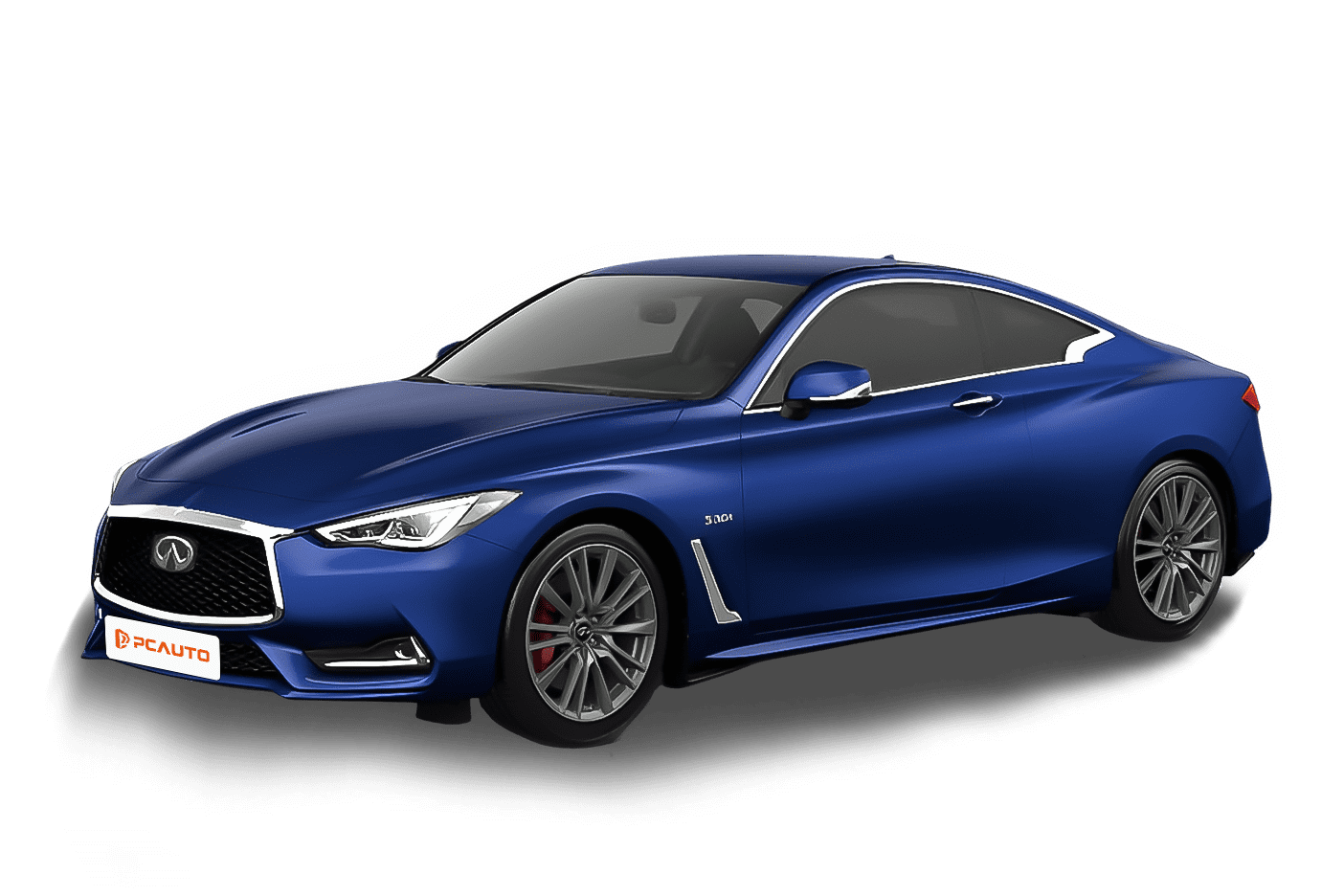
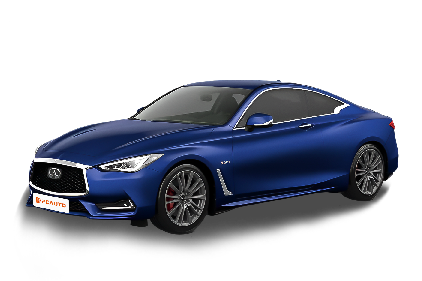
2017 Infiniti Q60 2.0t is a luxury coupe that balances sporty design and daily practicality, featuring a family-style exterior, BOSE audio system, and balanced power as its core selling points.
1
Rank in Coupe
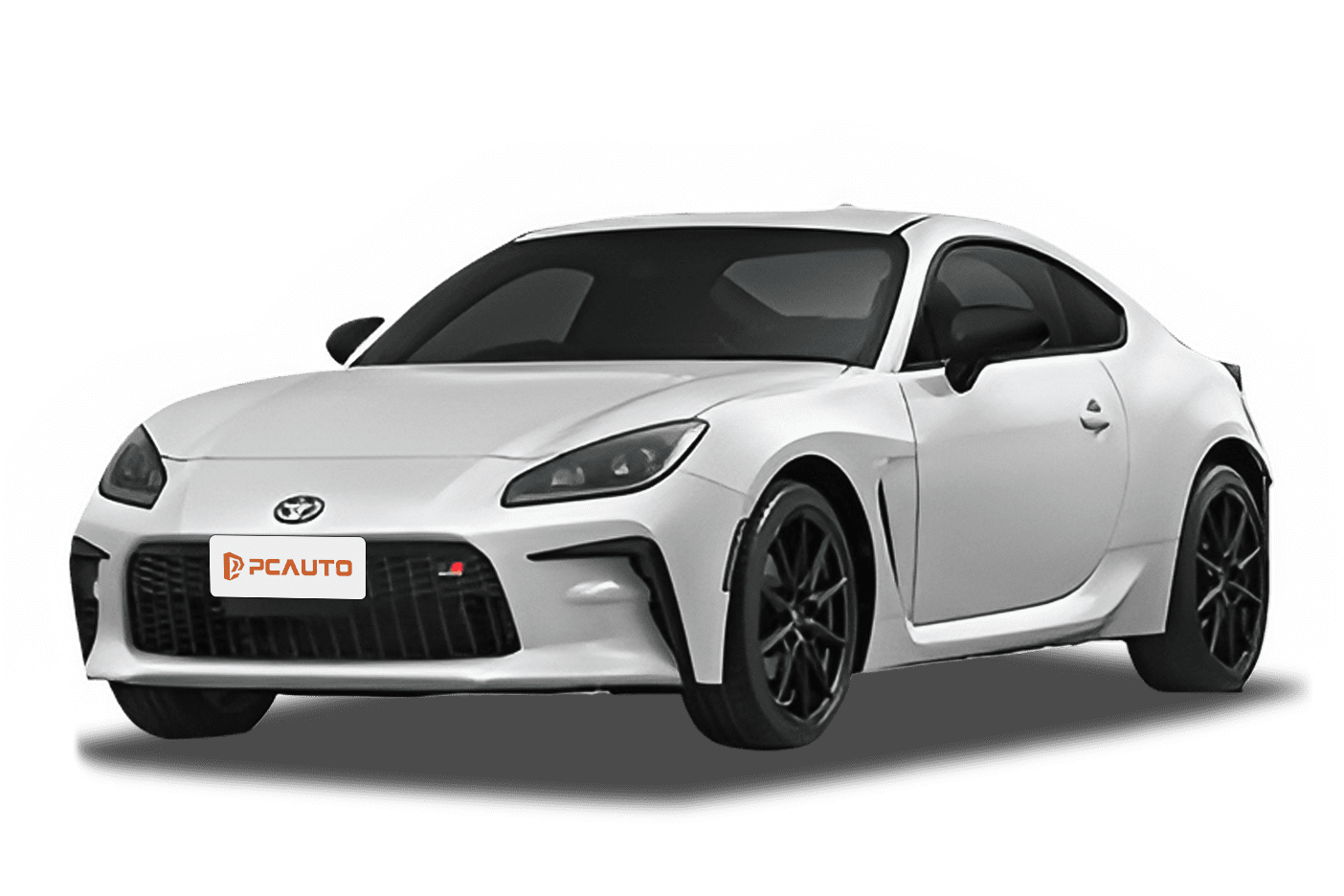
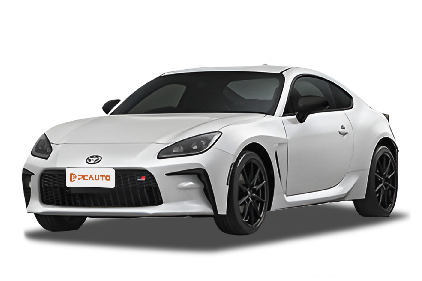
2023 Toyota GR 86 2.4 AT is a rear-wheel-drive sports coupe upgraded with a 2.4L naturally aspirated engine to address low torque issues, balancing daily commuting with pure driving pleasure.
6
Rank in Coupe
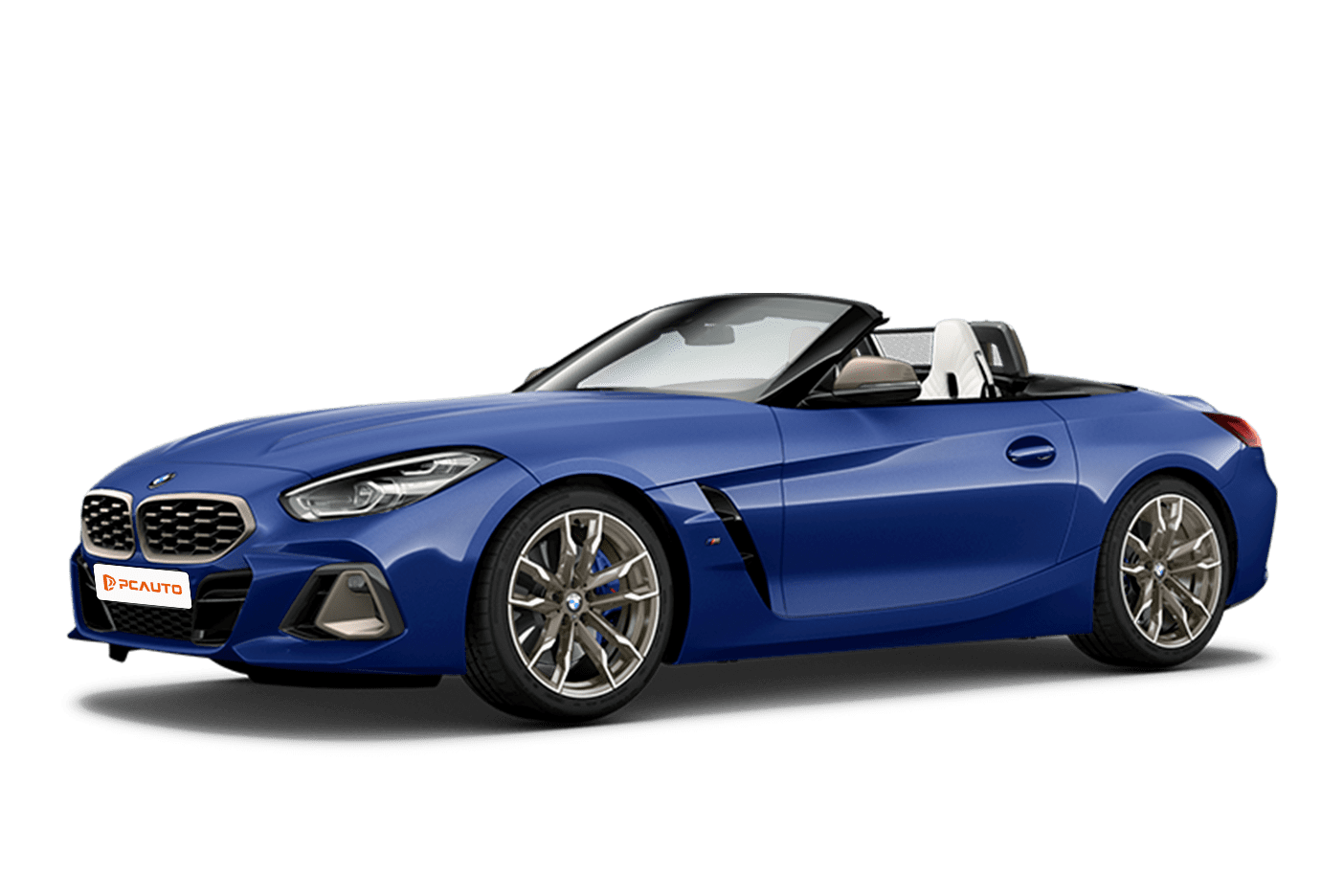
2023 BMW Z4 public, as a classic rear-wheel-drive convertible sports car, balances driving pleasure and daily practicality, with class-leading intelligent features and a compact body precisely meeting the needs of Malaysian users.
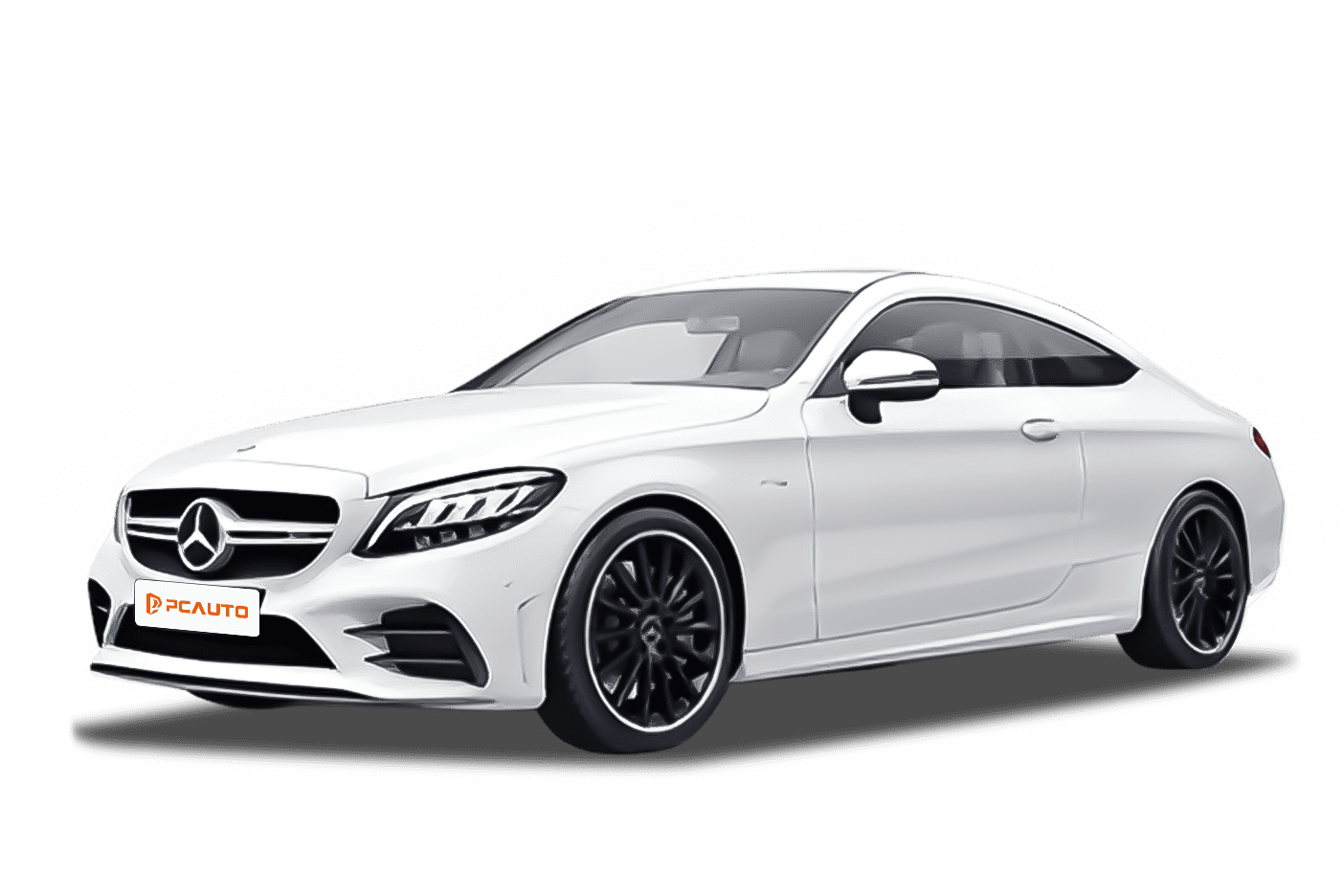
2018 Mercedes-Benz AMG C-Class Coupe AMG C 43 4MATIC is centered around a 3.0T V6 twin-turbo engine + 4MATIC all-wheel drive, balancing luxury texture, daily commuting, and performance driving, making it a high-value, well-rounded luxury performance coupe.