

Ford Mustang 2002 Review

 Share
Share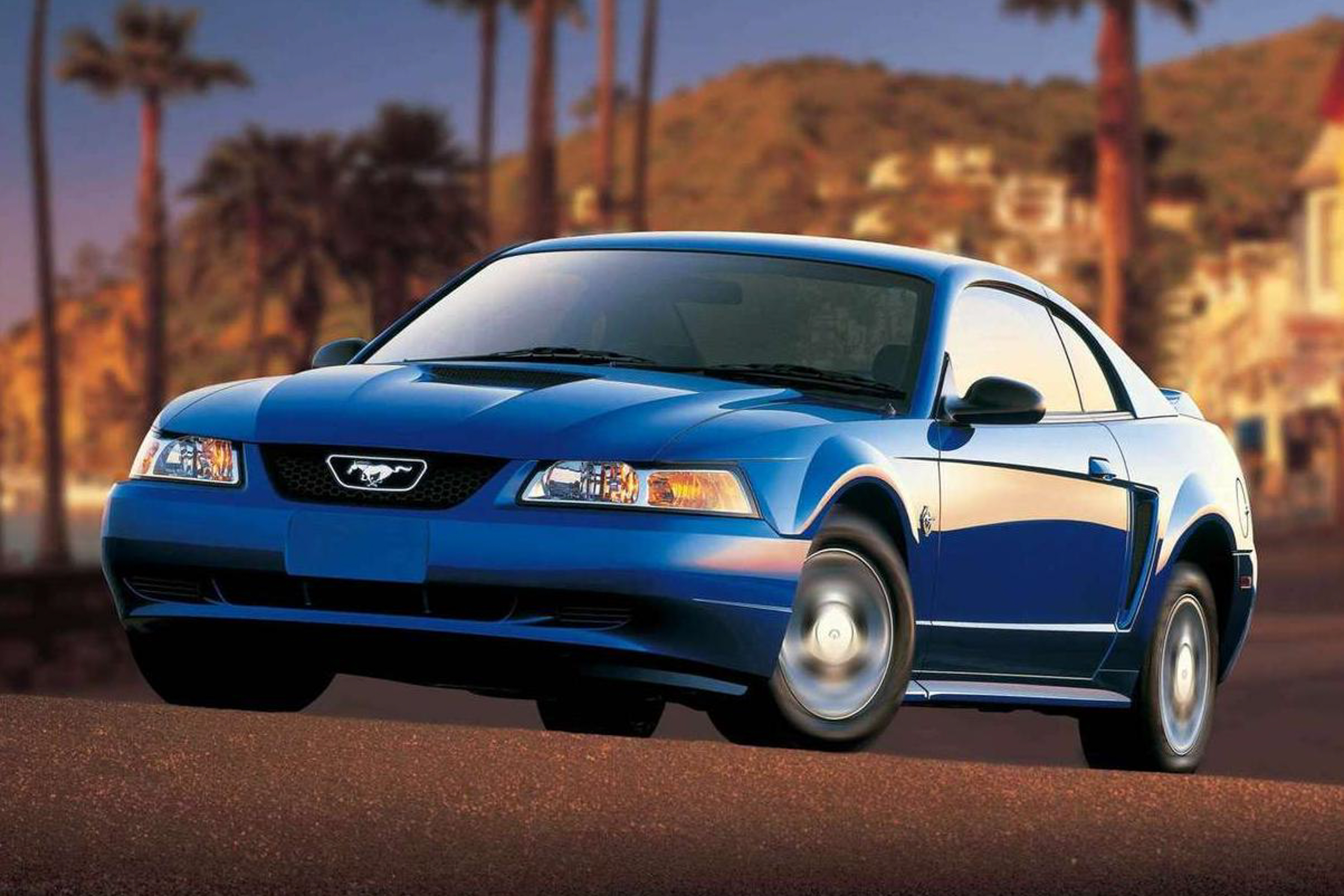
 Body Type
 Segment
 Capacity(L)
 Engine Power(PS)
 Engine Torque(Nm)
 Transmission
The sports car market in Malaysia has recently been dominated by small-displacement turbocharged models, but the robust style of American muscle cars still has a dedicated fanbase. As an iconic model in this segment, the 2002 Ford Mustang continues its classic retro design while optimizing performance parameters. This test drive mainly evaluates its power response and daily practicality on local roads to see whether this "American beast" meets the needs of Malaysian users.
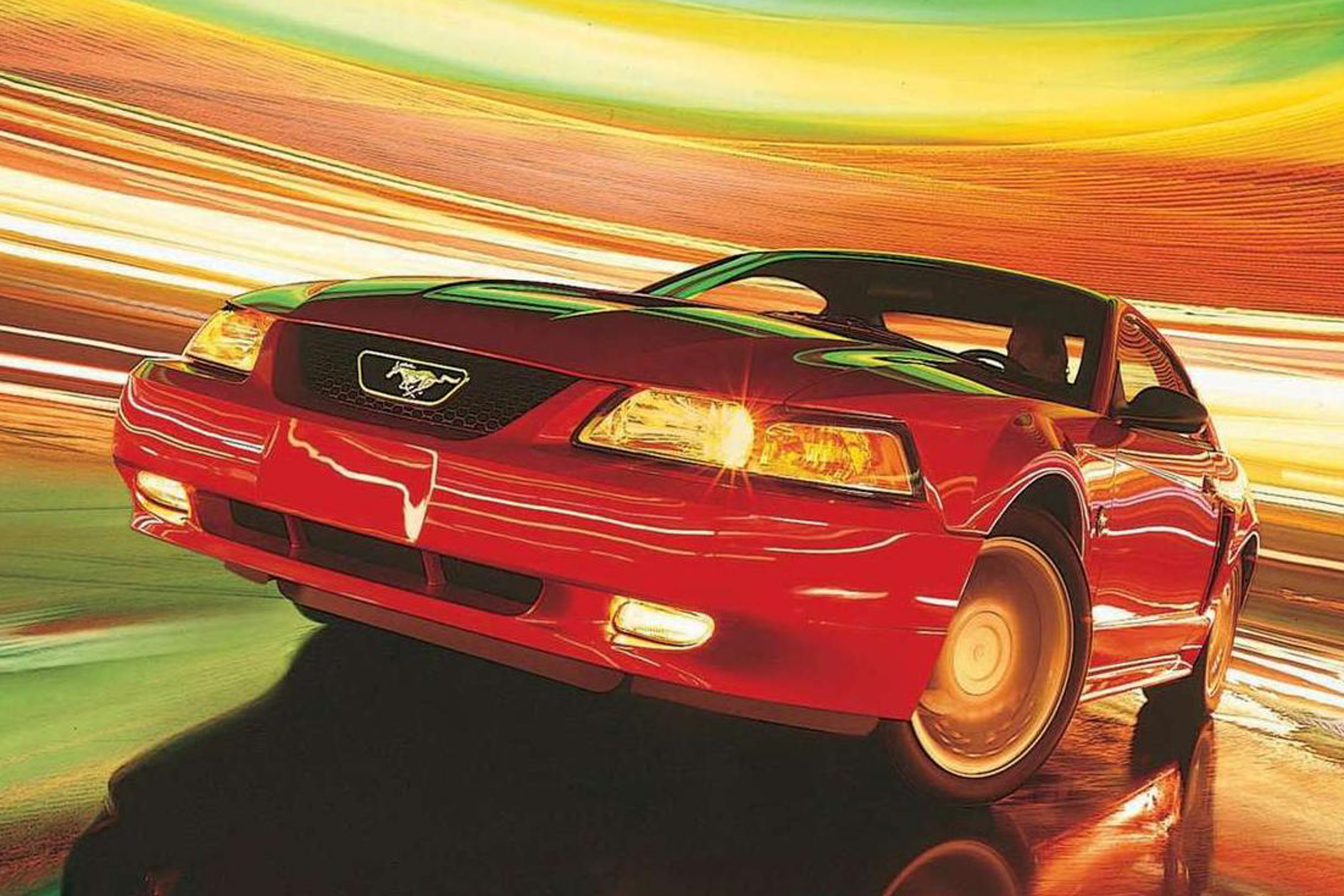
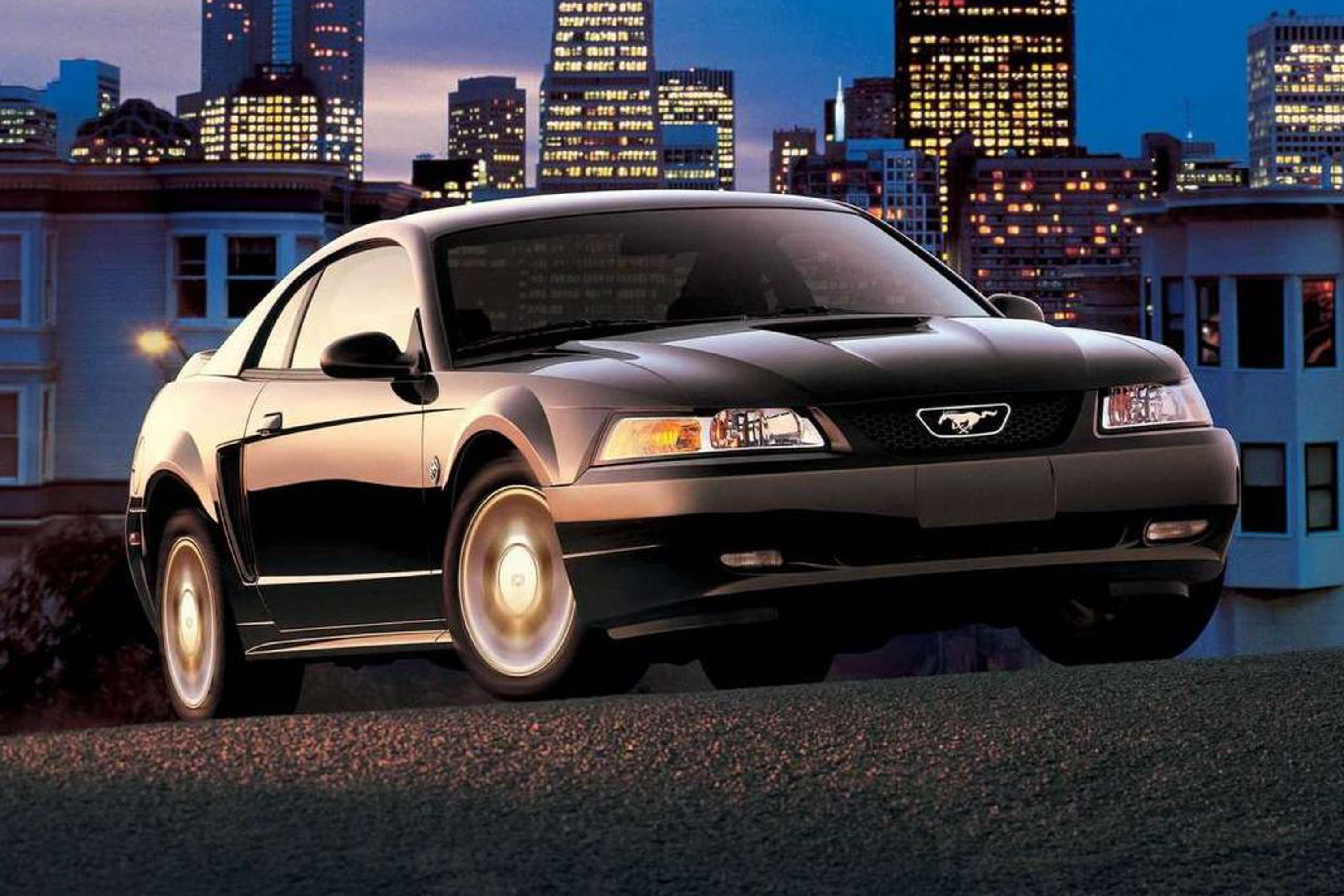
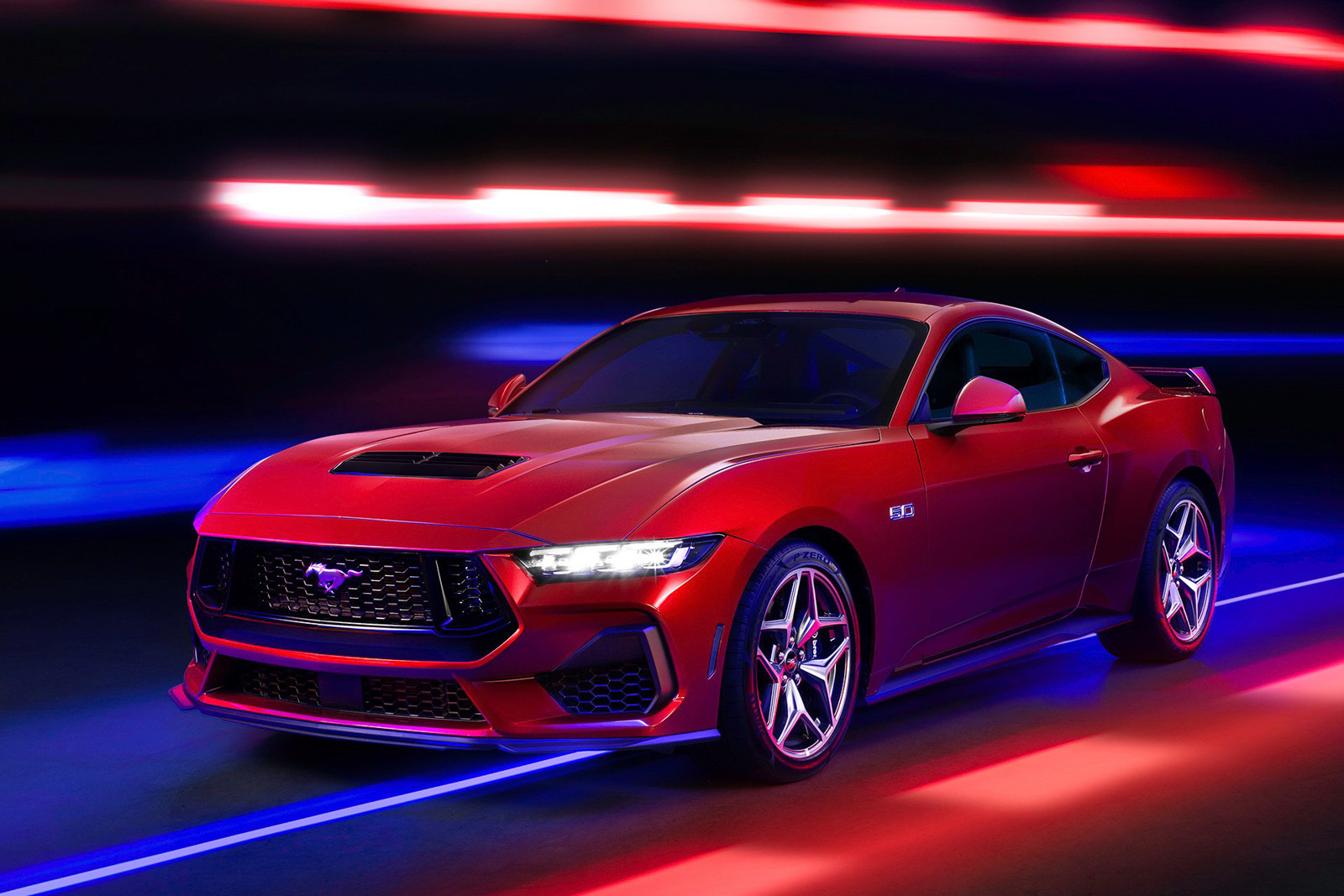
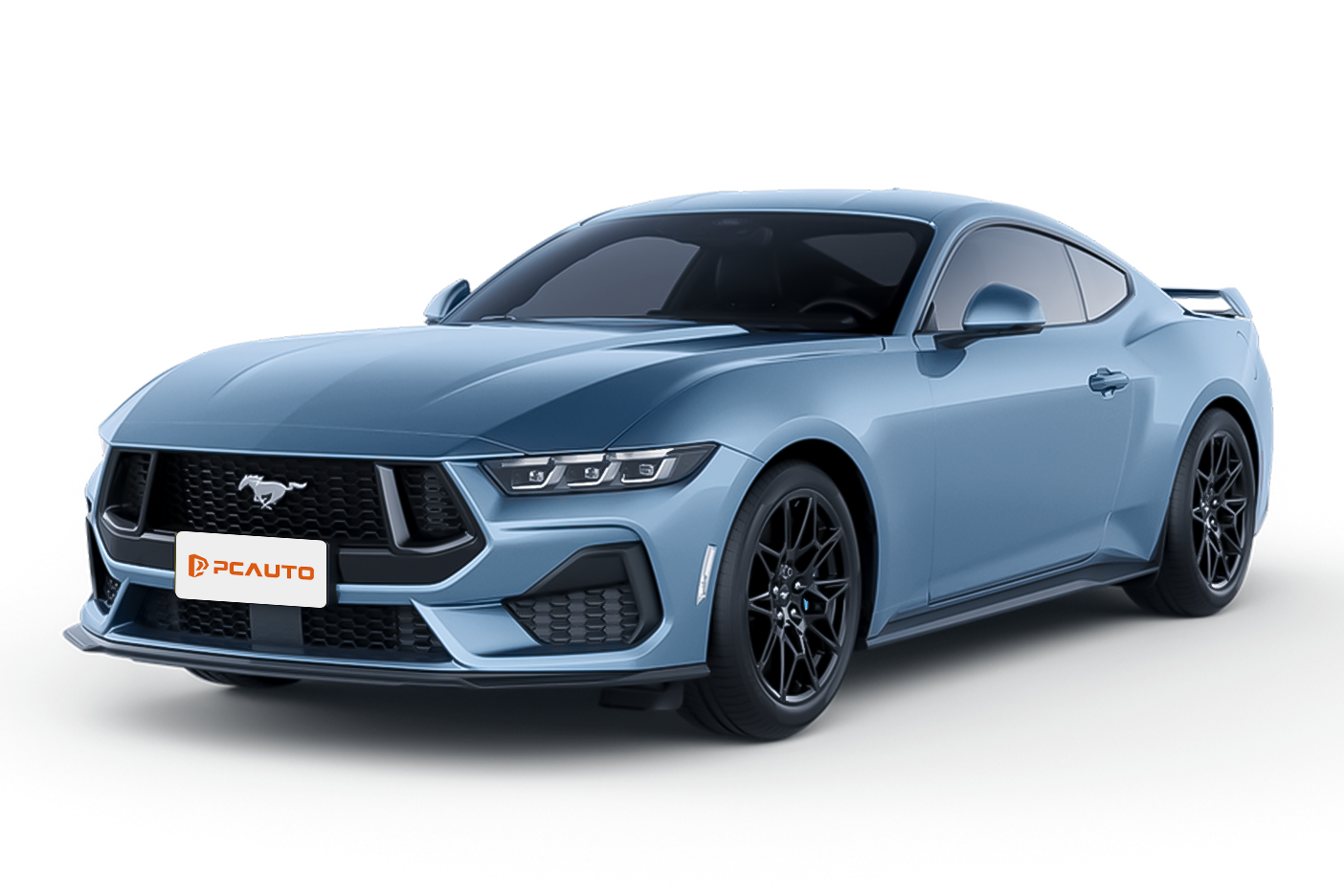
In terms of appearance, the 2002 Mustang retains the typical muscle car silhouette: a long hood and short rear, paired with a wide body, making it highly recognizable. The front fascia features the iconic "shark mouth" grille, with a blue oval Ford badge embedded in the center. On both sides, the sharp rectangular halogen headlights align with the grille edges, presenting a tough and retro style. On the sides, two waistlines stretch from the front fenders to the rear, complemented by 17-inch five-spoke alloy wheels (16 inches for the lower trim), enhancing its sporty appeal. At the rear, the triple vertical tail lights remain a classic Mustang hallmark, with no connecting design between the lights, preserving the pure retro flavor. The dual round exhaust outlets suggest its performance-oriented nature. For paint options, the local version offers six choices, including Legendary Red, Performance Blue, and Matte Black, catering to personalized preferences.
Sitting inside, the center console features an asymmetrical design tilted towards the driver for easier operation. The interior materials primarily consist of hard plastics, supplemented with a few silver accents for decoration, offering average luxury but fitting the positioning of the 2002 model. Standard features include an 8-inch touchscreen infotainment system (4.2 inches for the lower trim) supporting Apple CarPlay and Android Auto. The interface has moderate fluidity, sufficient for daily navigation and music streaming. The seats are leather-wrapped, with the front seats offering 6-way manual adjustment (8-way electric adjustment for the higher trims). However, the lumbar support is insufficient, making long drives potentially tiring. For features, the base model includes dual-zone automatic climate control, push-button start, and a rearview camera, while the higher trims add heated seats and a B&O audio system.
In terms of space, the vehicle measures 4784×1916×1387mm, with a wheelbase of 2720mm. Front-row seating offers ample space, with about a fist's worth of headroom and two fists of legroom for a 175cm occupant. Rear-row space is relatively constrained, with the same occupant’s knees pressing against the back of the front seat, making it suitable only for short trips. Regarding storage capacity, the front center armrest box has a volume of about 5L, enough to store a phone and wallet. The door pockets can fit two bottles of mineral water. The trunk offers a standard volume of 383L, and the rear seats fold in a 4:6 split, which can accommodate two 28-inch suitcases when expanded, making it sufficient for short trips.
As for performance, the local version offers two engine options: a 3.7L V6 naturally aspirated engine with a maximum power of 304Ps and peak torque of 379N·m; and a 5.0L V8 naturally aspirated engine with a maximum power of 466Ps and peak torque of 556N·m. The test-driven model was the 5.0L V8 version, paired with a 10-speed automatic transmission. During takeoff, pressing the accelerator deeply provides a strong push-back sensation, with a 0-100km/h acceleration time of about 4.5 seconds—power response is direct. In sports mode, the gearbox shifts actively and downshifts quickly; in regular mode, shifts are smooth, making it suitable for daily commuting. During highway cruising, the engine runs at around 1800 RPM at 100km/h, with engine noise well-controlled. In terms of fuel consumption, urban road conditions yield about 14L per 100km, while highway conditions achieve about 9L per 100km. Using 95-octane petrol, the monthly fuel cost is about RM600 (assuming a monthly mileage of 1500km under current local fuel prices).
In terms of handling and chassis performance, the steering is accurate with minimal play. The steering feels relatively heavy at low speeds and offers good stability at high speeds. The suspension system consists of a front MacPherson and rear multi-link independent suspension, tuned for sportiness. While the ride feels bumpy over speed bumps, the body roll is well controlled in corners, maintaining stable body posture. On typical local unpaved roads, the suspension can filter out most small vibrations. However, when encountering large potholes, rear passengers will experience noticeable bumps. In terms of braking performance, the 100-0km/h braking distance is about 38 meters, which is average for its class.
In terms of driving comfort, at speeds below 60km/h, the tire and wind noises are not prominent; above 80km/h, wind noise begins to enter from the A-pillar, and tire noise (from the stock Bridgestone Potenza tires) also increases gradually, but still within an acceptable range. The seat provides decent support overall, but the lumbar support is insufficient, so a lumbar cushion is needed for long drives.
Overall, the core advantages of the 2002 Mustang are its classic retro design, powerful V8 engine, and relatively practical trunk space. Compared with its counterpart, the Chevrolet Camaro, the Mustang offers slightly more rear space and more abundant features; however, the Camaro has slightly better handling. Regarding target consumers, it is suitable for young users who pursue the charm of muscle cars and emphasize performance, or for consumers looking for a second family car. For those who primarily need a daily commuter car or frequently carry family members, the Mustang's cramped rear space may not be very suitable.
In conclusion, the 2002 Ford Mustang is a car that combines "emotions and performance," with its powerful engine and classic design satisfying driving enthusiasts. Despite downsides like limited rear space and high fuel consumption, it remains a worthwhile choice in the Malaysian sports car market.
Ford Mustang Car Compare

Cars With Similar Price And Features
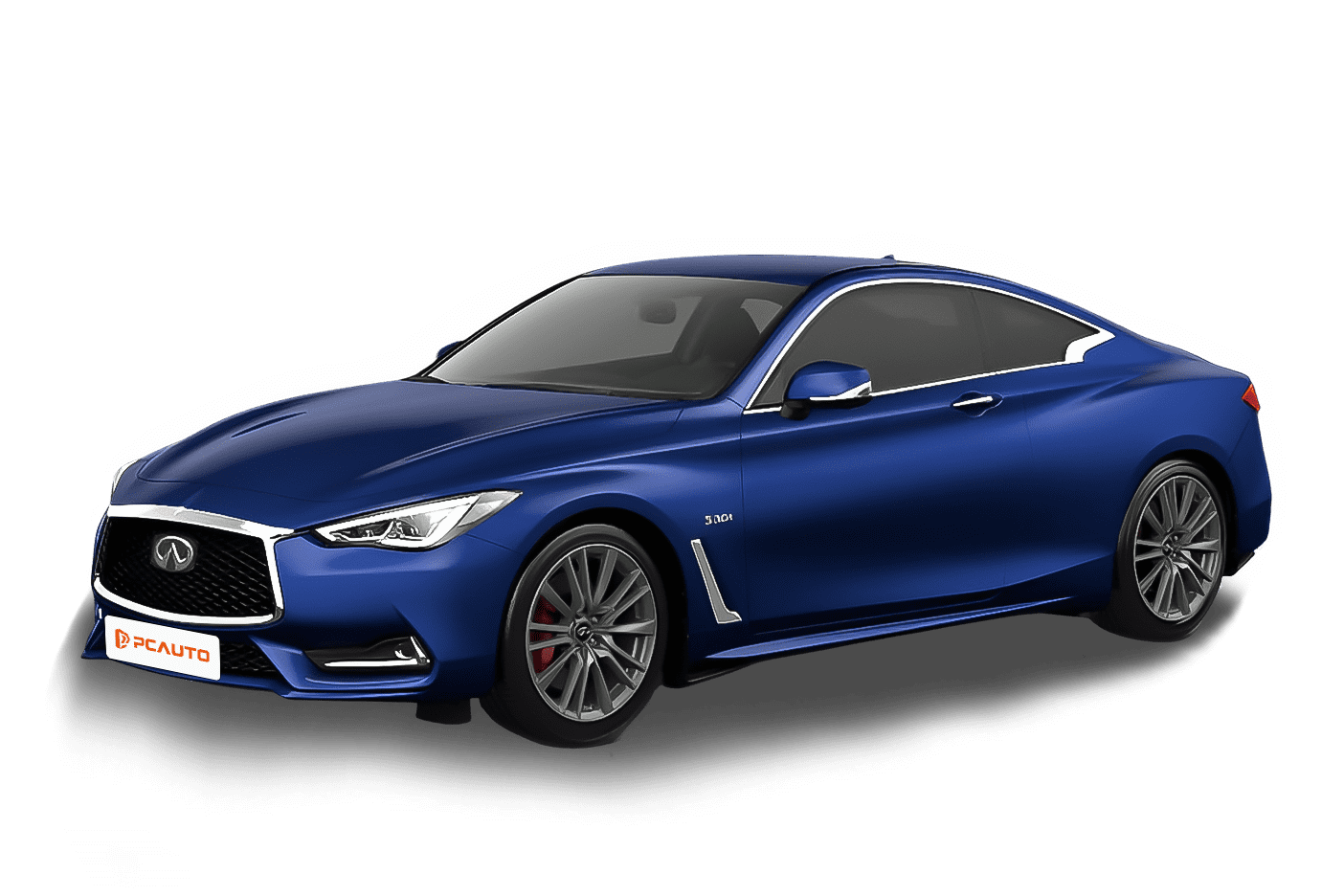
2017 Infiniti Q60 2.0t is a luxury coupe that balances sporty design and daily practicality, featuring a family-style exterior, BOSE audio system, and balanced power as its core selling points.
1
Rank in Coupe
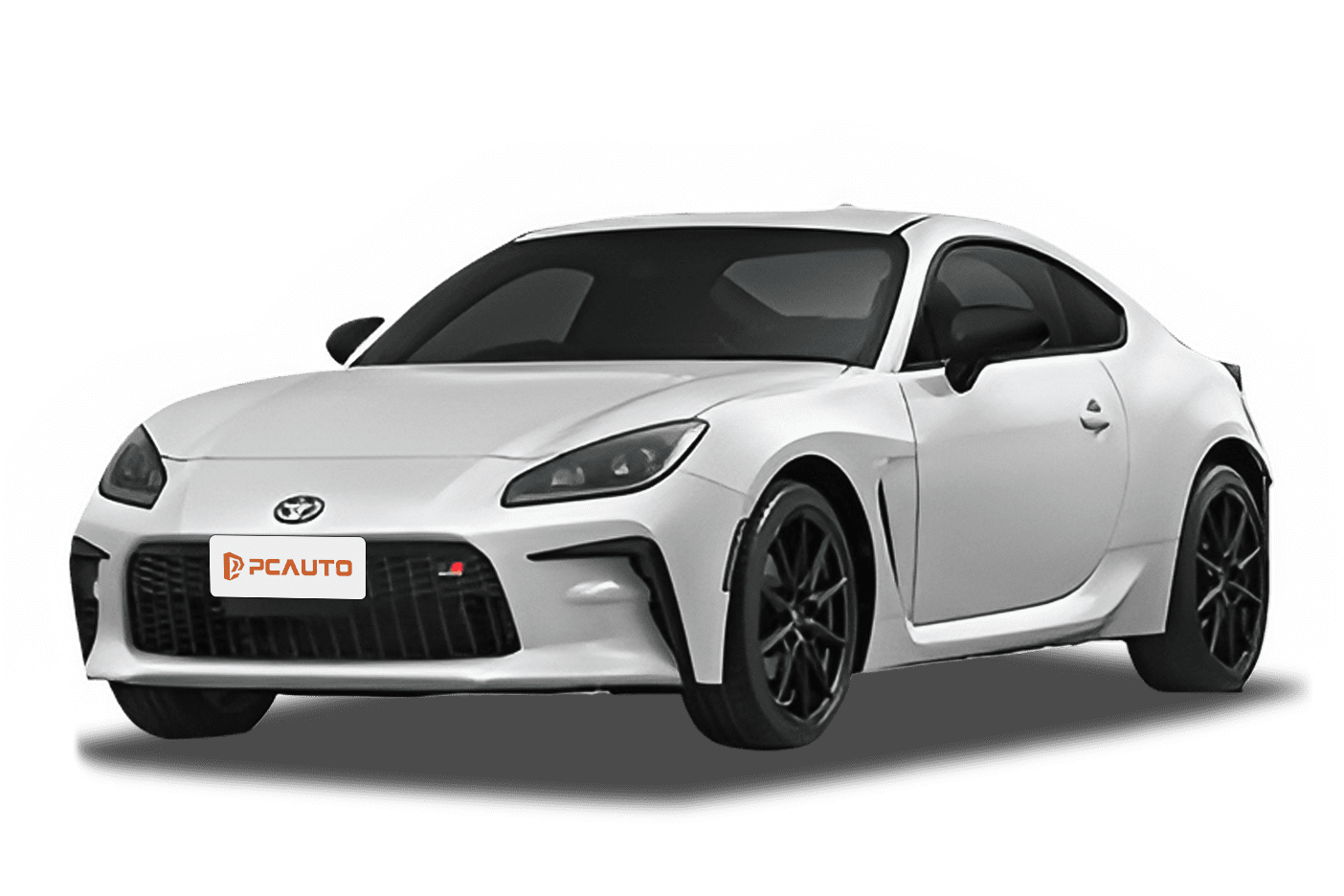
2023 Toyota GR 86 2.4 AT is a rear-wheel-drive sports coupe upgraded with a 2.4L naturally aspirated engine to address low torque issues, balancing daily commuting with pure driving pleasure.
6
Rank in Coupe
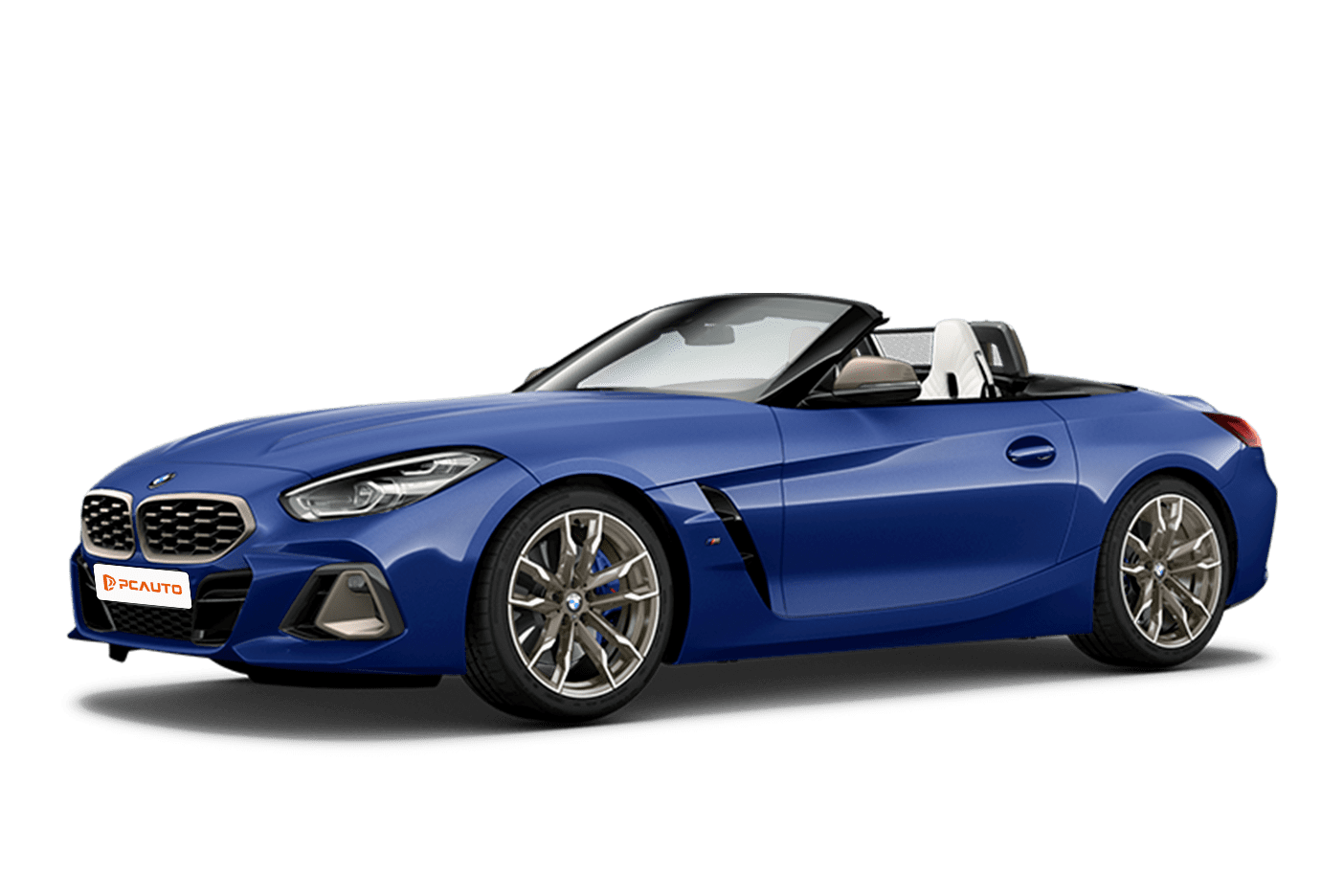
2023 BMW Z4 public, as a classic rear-wheel-drive convertible sports car, balances driving pleasure and daily practicality, with class-leading intelligent features and a compact body precisely meeting the needs of Malaysian users.
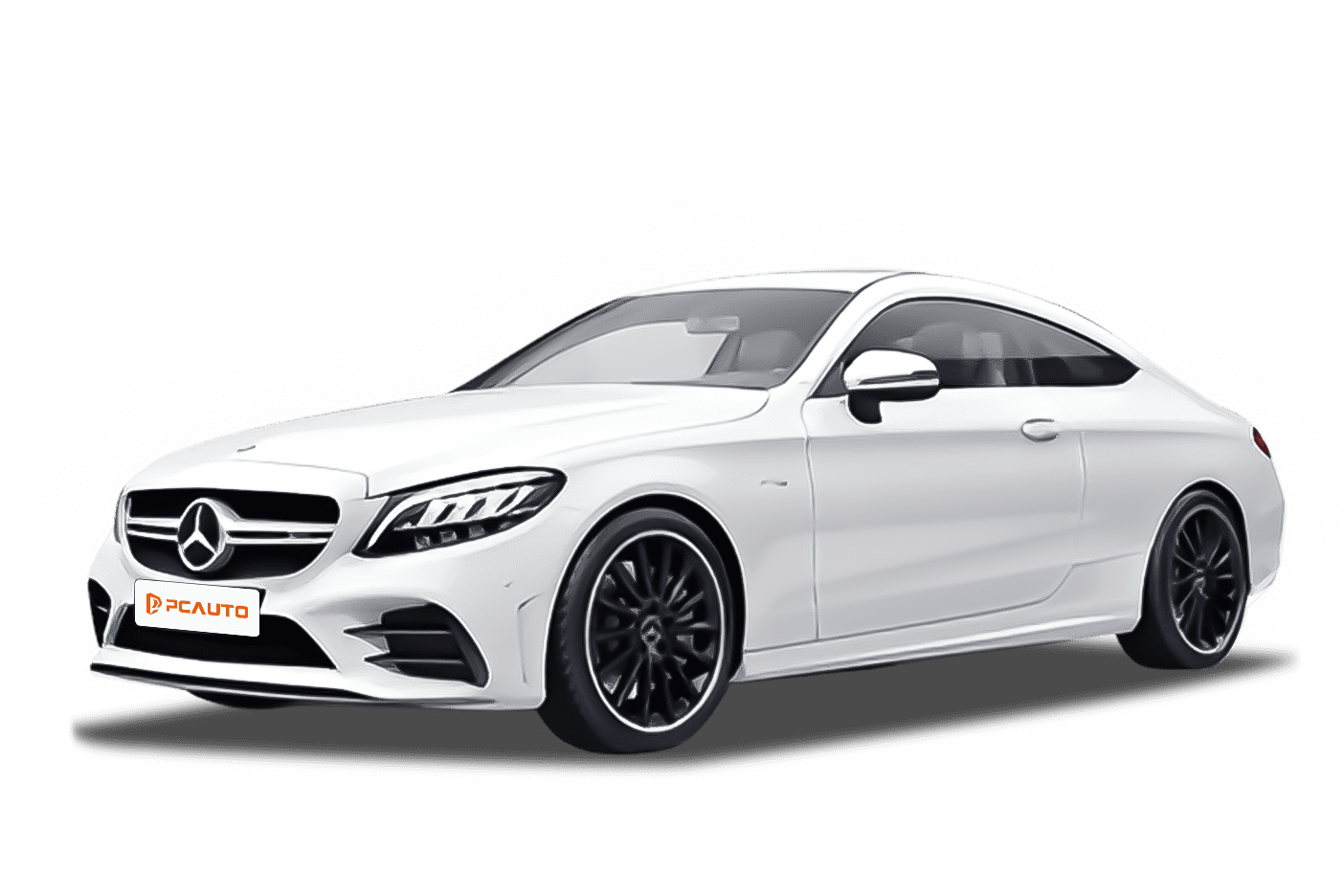
2018 Mercedes-Benz AMG C-Class Coupe AMG C 43 4MATIC is centered around a 3.0T V6 twin-turbo engine + 4MATIC all-wheel drive, balancing luxury texture, daily commuting, and performance driving, making it a high-value, well-rounded luxury performance coupe.