

Ford Mustang 2013 Review

 Share
Share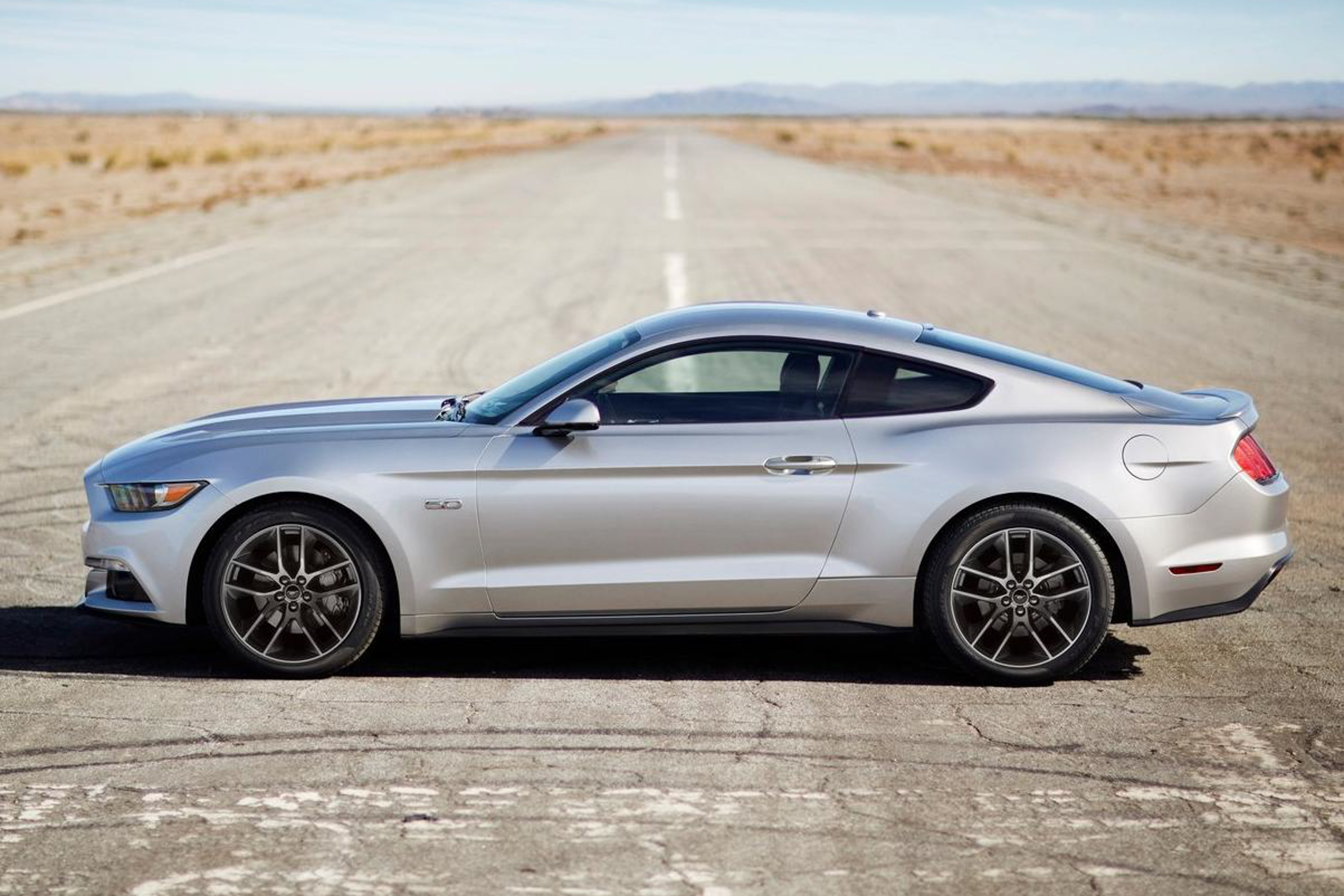
 Body Type
 Segment
 Capacity(L)
 Engine Power(PS)
 Engine Torque(Nm)
 Transmission
In recent years, although the Malaysian sports car market has been dominated by Japanese performance cars, the rugged style of American muscle cars has always had a loyal following—especially iconic models like the Ford Mustang. With its roaring naturally aspirated large displacement engine and retro design, it has become a "sentimental favorite" for many car enthusiasts. The 2013 Ford Mustang public, as a facelift version of this generation, focuses on optimizing exterior details and interior configurations while retaining the classic rear-wheel-drive layout and V6/V8 power options. In this test drive, we will focus on the practicality of its static design, the pureness of its dynamic driving experience, and its suitability for everyday use to see if this "American classic" can balance sentimentality and practicality.
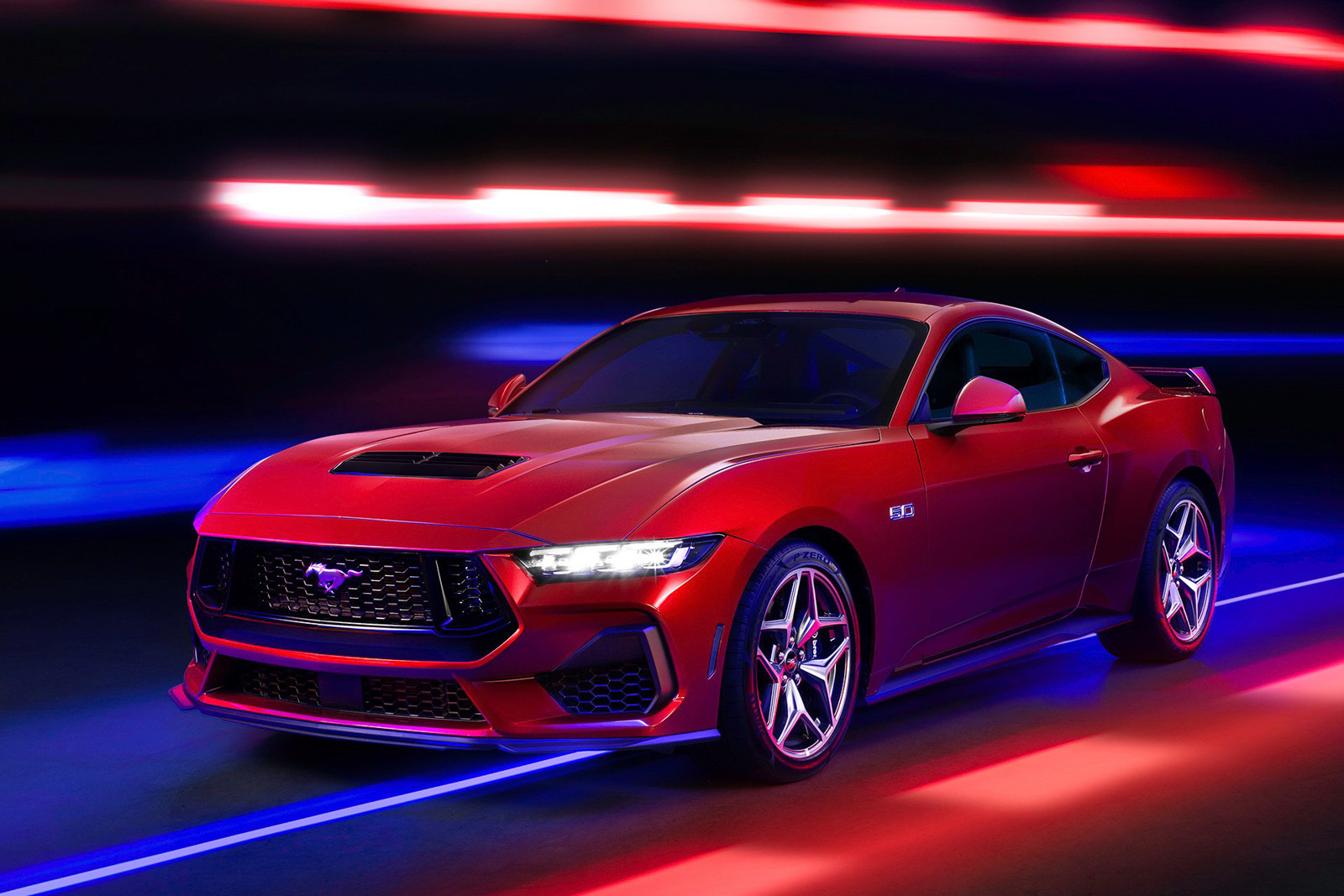
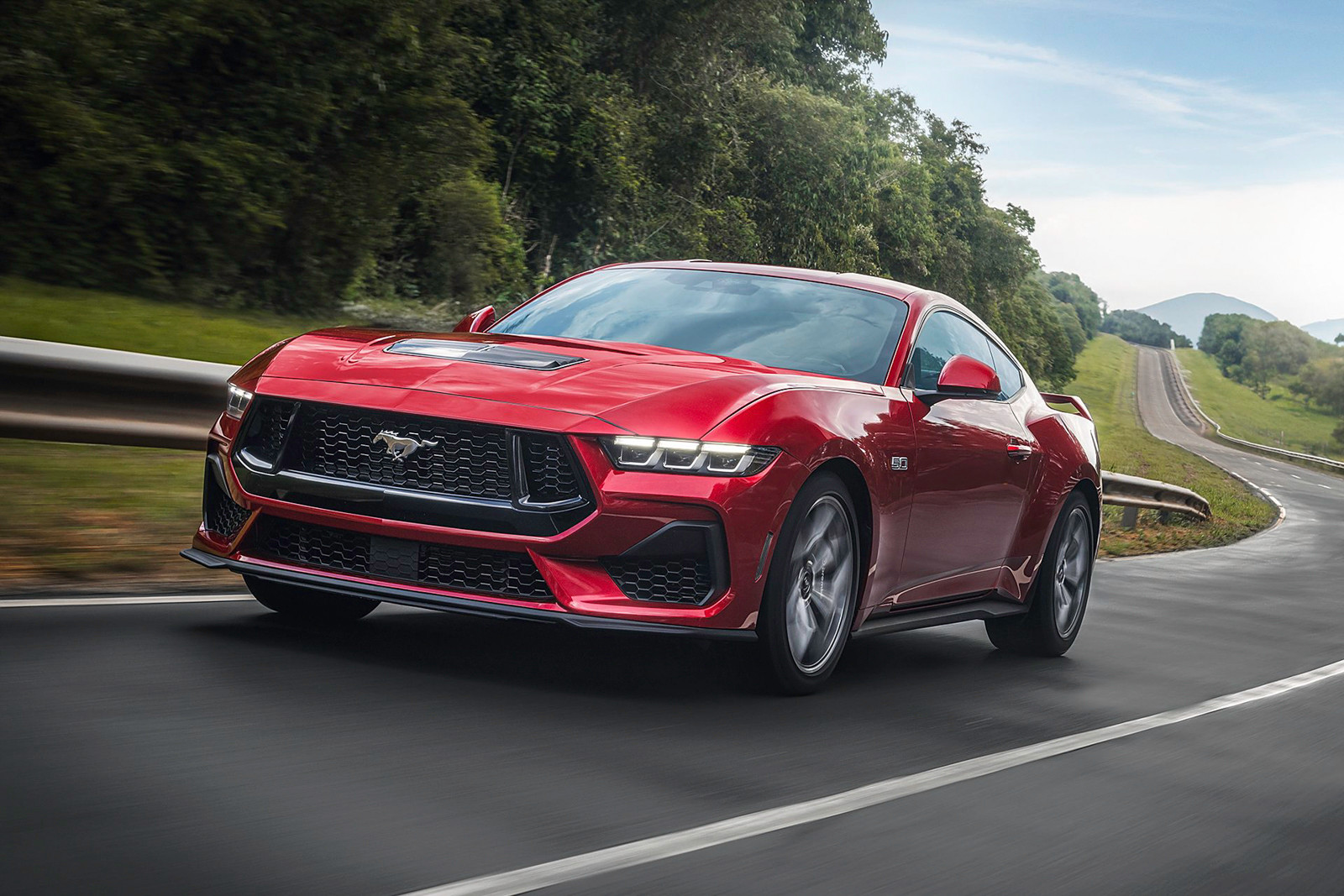
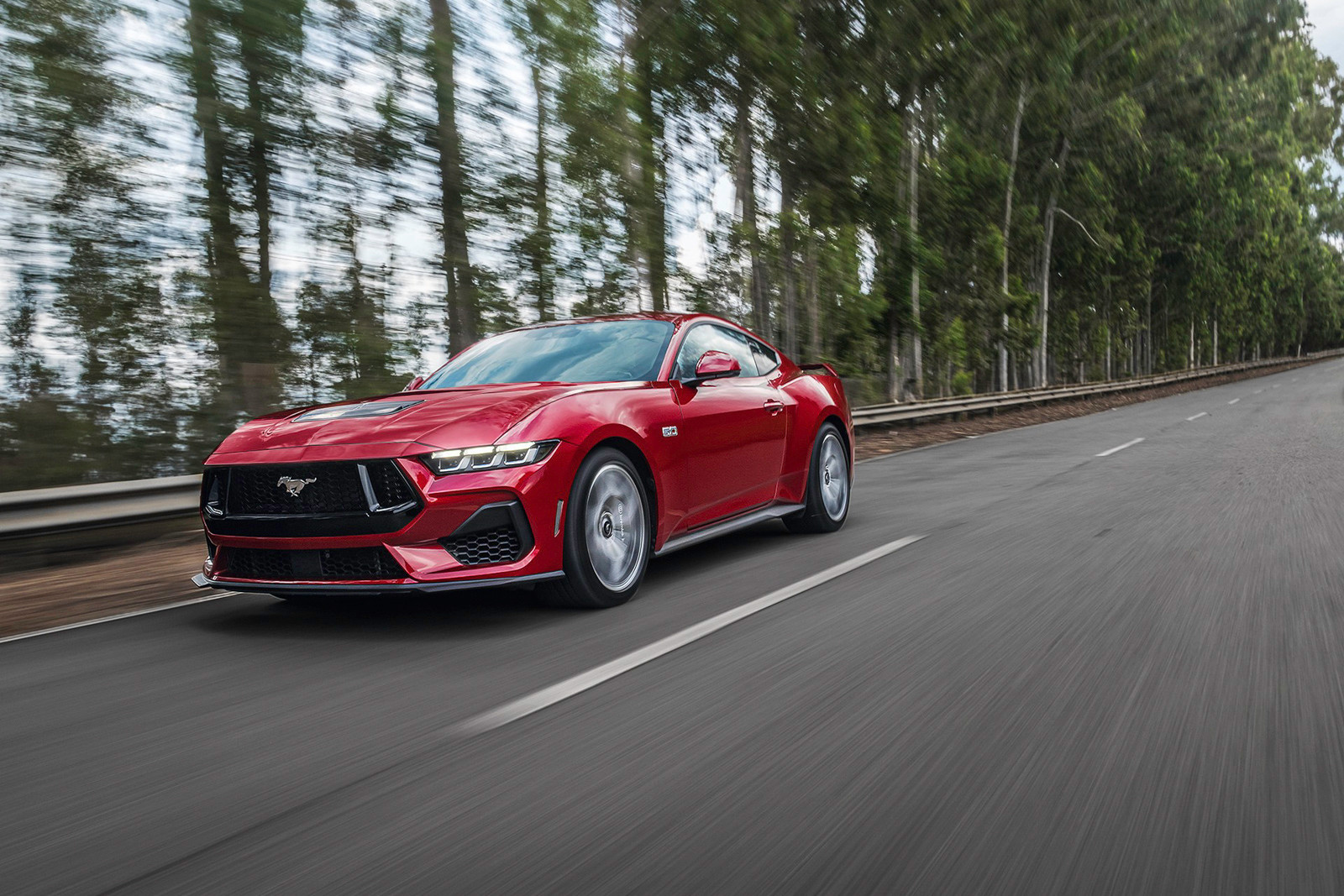
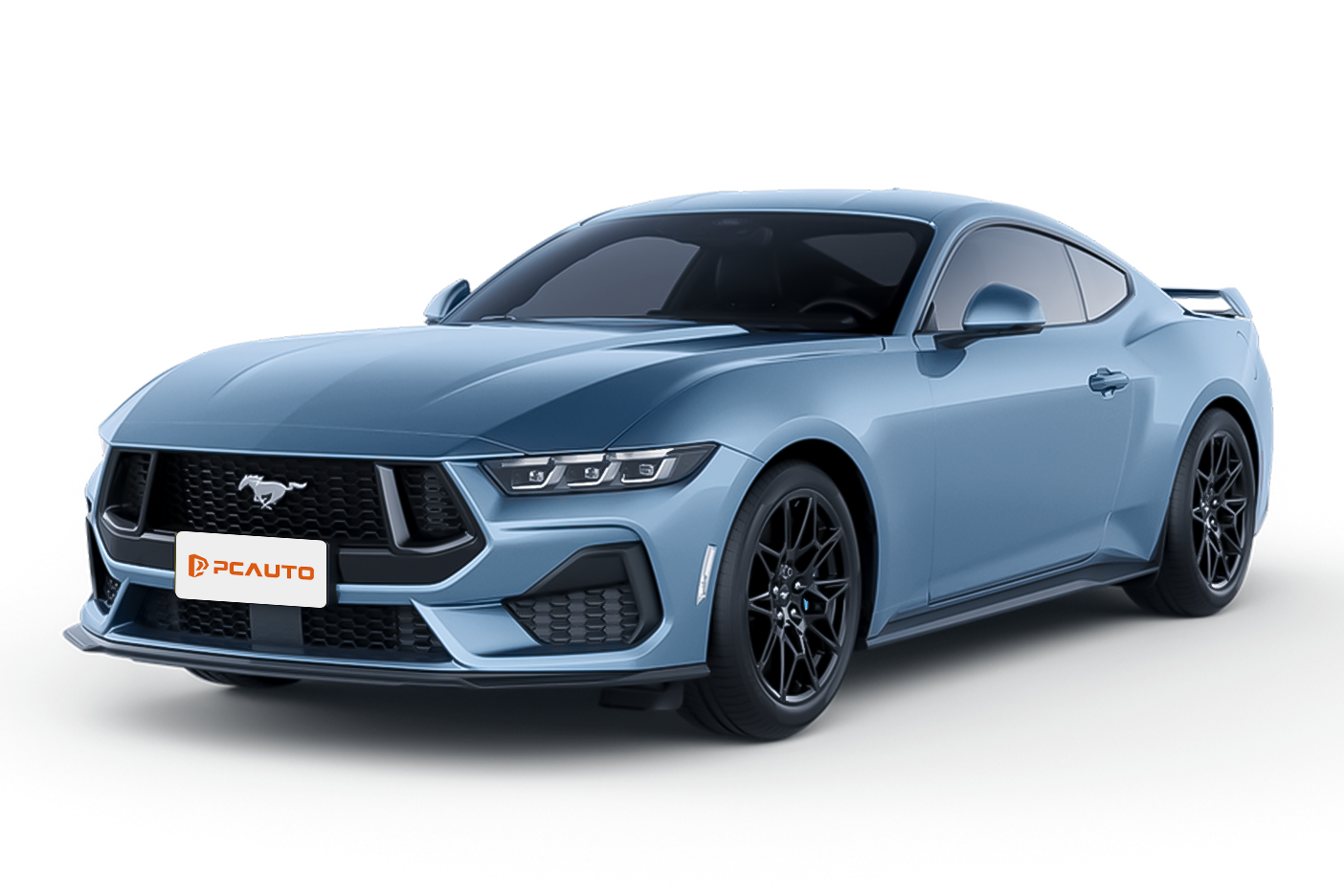
In terms of exterior design, the 2013 Mustang public continues the retro contours of the third-generation S197 platform but has made significant adjustments to the front end: the original round headlights have been replaced with sharper smoked polygonal designs, paired with a larger trapezoidal lower grille, significantly enhancing its sporty look compared to the previous model. The hood features two new raised muscle lines extending from the A-pillar to the front grille, further emphasizing the muscle car's sense of power. The side profile of the car maintains the classic proportions of a short front overhang and long hood. The 18-inch multi-spoke alloy wheels (19-inch on some trims), paired with wide tires, deliver a visually grounded appearance. Changes at the rear focus on the taillights—LED light strips replace the halogen lights from the previous model, offering excellent recognition when lit, and the dual round exhaust layout on either side boldly declares its performance orientation. The overall design retains the iconic Mustang elements while upgrading the details to fit contemporary aesthetics.
Sitting inside the car, the 2013 Mustang public's interior leans towards "practicality" rather than luxury. The center console is covered in extensive soft plastics, accented with silver trims. While the materials are not high-end, the craftsmanship is solid. The three-spoke multifunctional steering wheel is moderately sized, with a good leather-wrapped grip, and the left side incorporates buttons for volume control and phone answering, with a clear operational logic. As for key configurations, the 8-inch touchscreen center console (4.2 inches on lower trims) supports the SYNC 2 intelligent connectivity system, offering Bluetooth connectivity and voice control functions. However, the screen resolution and response speed are not particularly impressive by today's standards. The seats are wrapped in faux leather, and the front seats support 6-way manual adjustment (electric on higher trims). Lumbar support and side bolstering perform well during spirited driving, but long-term seating comfort is average.
In terms of space, the 2013 Mustang public has a body size of 4778×1877×1417mm with a wheelbase of 2720mm, offering the typical two-door coupe layout. The front row provides ample space, and a passenger with a height of 175cm would still have a fist's worth of headroom after adjusting the seat. However, the rear space is almost "symbolic"—legroom is under a fist, headroom is only two fingers, and getting in and out requires folding the front seat, making it suitable only for temporary seating by children or for storing items. Regarding storage capacity, the front door pockets can hold two bottles of mineral water, and the central armrest box is relatively small but can accommodate phones and wallets. The trunk offers a regular capacity of 383L, with a wide opening capable of fitting two 20-inch suitcases, meeting the needs of short trips.
Powertrain: The test drive this time features the 3.7L V6 naturally aspirated version, with a maximum output of 304 horsepower (6500rpm) and a peak torque of 379N·m (4250rpm), paired with a 6-speed automatic transmission. Additionally, there is a 5.0L V8 version available, offering a maximum output of 420 horsepower for more aggressive performance. During actual driving, the V6 version's acceleration response is not particularly quick, but after exceeding 3000rpm, the power exhibits a noticeable burst. When the accelerator is pressed deeply, the unique "push-back" sensation of a rear-wheel-drive car can be felt. During overtaking, the transmission downshifts actively, and the entire process is relatively smooth. The car provides two driving modes: "Normal" and "Sport." In Sport mode, throttle sensitivity increases, steering feedback becomes heavier, and it is more suited for spirited driving.
Handling and chassis performance are among Mustang's core advantages. It adopts a front MacPherson strut and rear multi-link independent suspension, tuned for sportiness—the suspension has solid support, and body roll is well-controlled during cornering. While the steering precision isn't quite "extremely pinpoint," it has minimal play and provides the driver with a clear sense of the road. However, the relatively stiff suspension responds rather directly to bumpy surfaces, and vibrations from speed bumps or potholes are clearly transmitted to the cabin, affecting comfort. In terms of braking, the front ventilated discs and rear solid discs deliver linear braking force. The initial phase of braking is not abrupt, and the later phase offers sufficient braking power, with a 100-0km/h braking distance of about 38 meters, meeting the standard for its class.
In the fuel consumption test, we traveled 50km each in urban congested areas and highway conditions, with an average speed of approximately 35km/h. Ultimately, the displayed fuel consumption was 11.8L/100km. If primarily cruising on highways (at speeds of 100-120km/h), fuel consumption can drop to around 8.5L/100km. For a 3.7L large-displacement model, these results are fairly average. As for noise control, the interior is relatively quiet during low-speed driving, but once the engine exceeds 4000rpm, its roar becomes noticeably audible inside the cabin—which is a perk for enthusiasts who enjoy "engine soundtracks" but might be a drawback for users seeking serenity.
In summary, the 2013 Ford Mustang's core advantage lies in its "classic muscle car DNA": highly recognizable exterior design, rear-wheel-drive layout providing pure driving pleasure, and V6/V8 engines meeting performance needs. Compared to competitors like the Chevrolet Camaro, its interior configuration is more practical and slightly more convenient for daily use. However, it also has evident shortcomings: the rear seating space is cramped, the stiff suspension compromises comfort, and fuel consumption is relatively high.
This car is better suited for two types of people: first, "nostalgia fans"—those who value Mustang's brand heritage and classic design and are willing to compromise practicality for driving pleasure; and second, young performance enthusiasts—those who pursue the handling of a rear-wheel-drive car and do not often need to transport rear passengers. If it is intended as the sole family car, its space and comfort might not suffice, but as a "second car" or weekend toy, its performance is standout enough.
Overall, the 2013 Ford Mustang public is a car with "distinct advantages and disadvantages": it is not an all-around family car, but it is a classic coupe that can bring pure driving pleasure. If you want a car that showcases individuality and allows you to occasionally experience speed and passion, it would be a good choice.
Ford Mustang Car Compare

Cars With Similar Price And Features
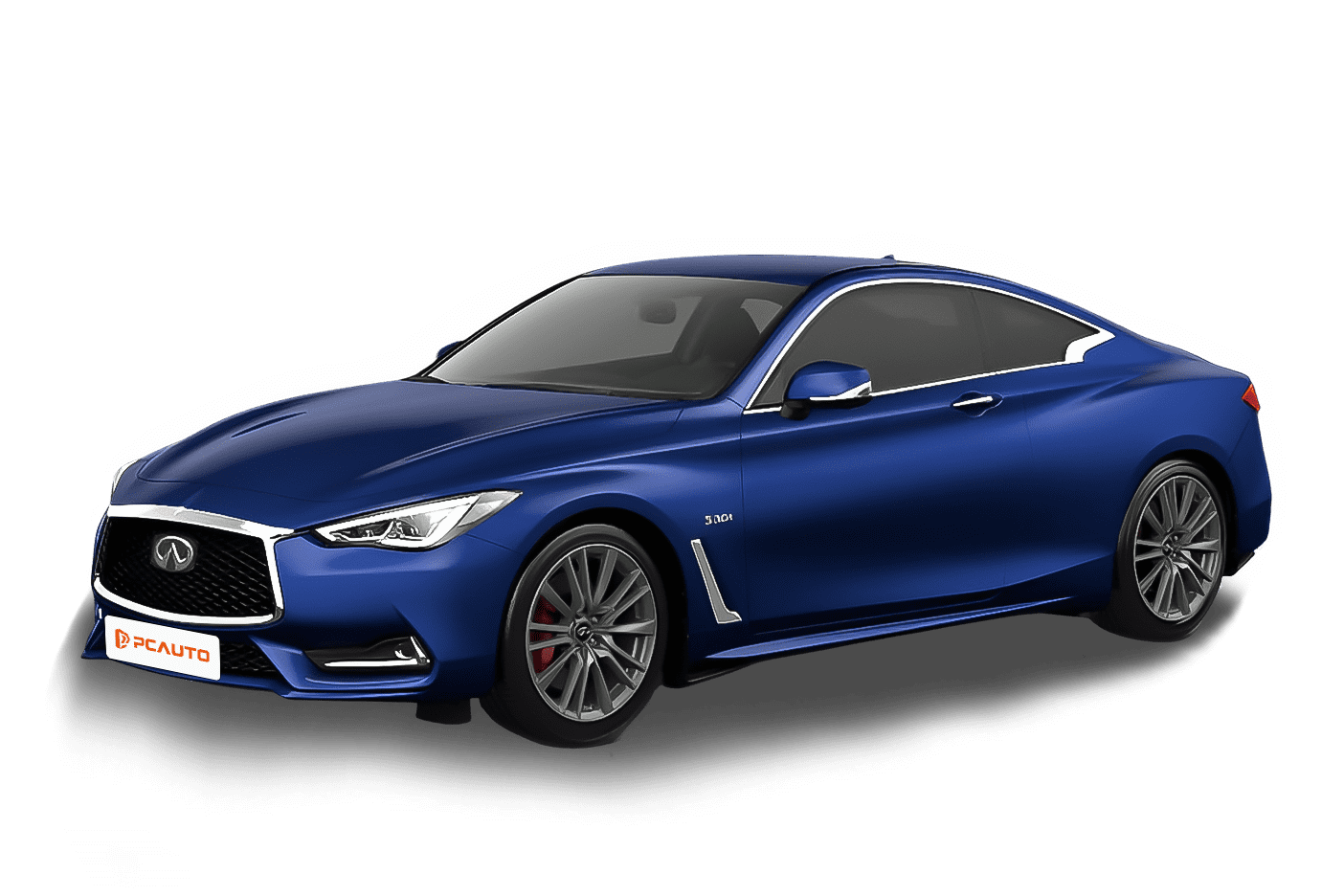
2017 Infiniti Q60 2.0t is a luxury coupe that balances sporty design and daily practicality, featuring a family-style exterior, BOSE audio system, and balanced power as its core selling points.
1
Rank in Coupe
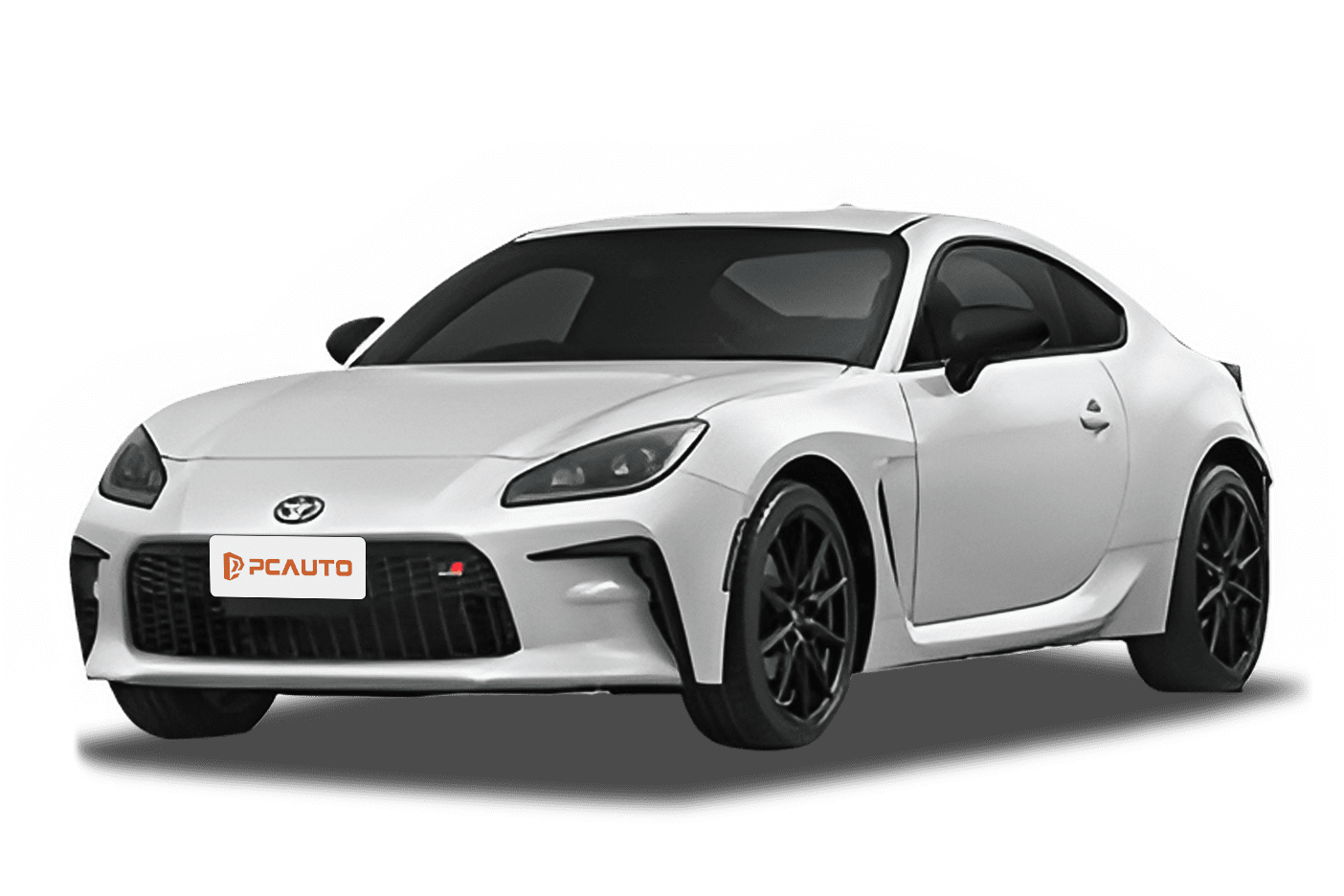
2023 Toyota GR 86 2.4 AT is a rear-wheel-drive sports coupe upgraded with a 2.4L naturally aspirated engine to address low torque issues, balancing daily commuting with pure driving pleasure.
6
Rank in Coupe
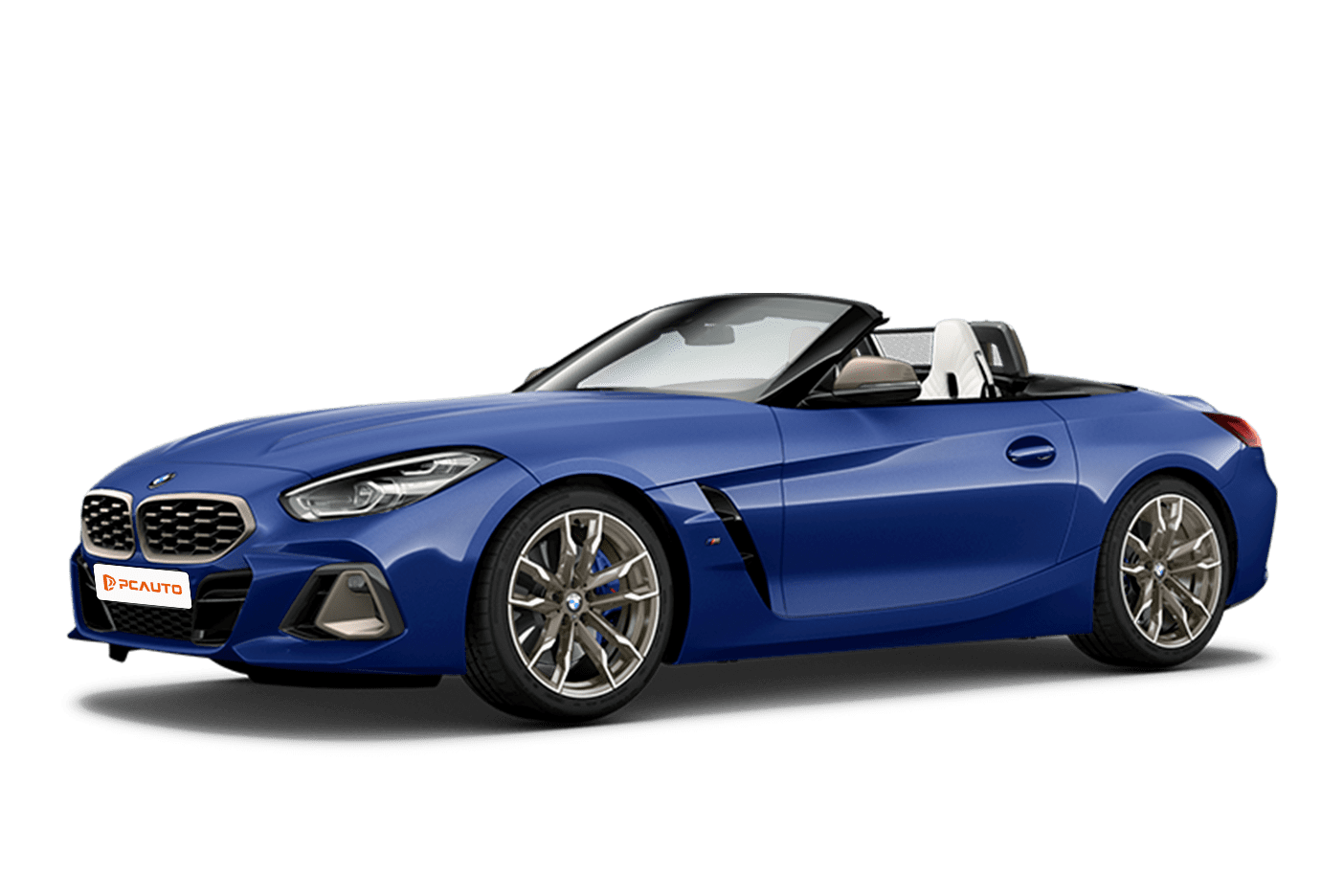
2023 BMW Z4 public, as a classic rear-wheel-drive convertible sports car, balances driving pleasure and daily practicality, with class-leading intelligent features and a compact body precisely meeting the needs of Malaysian users.
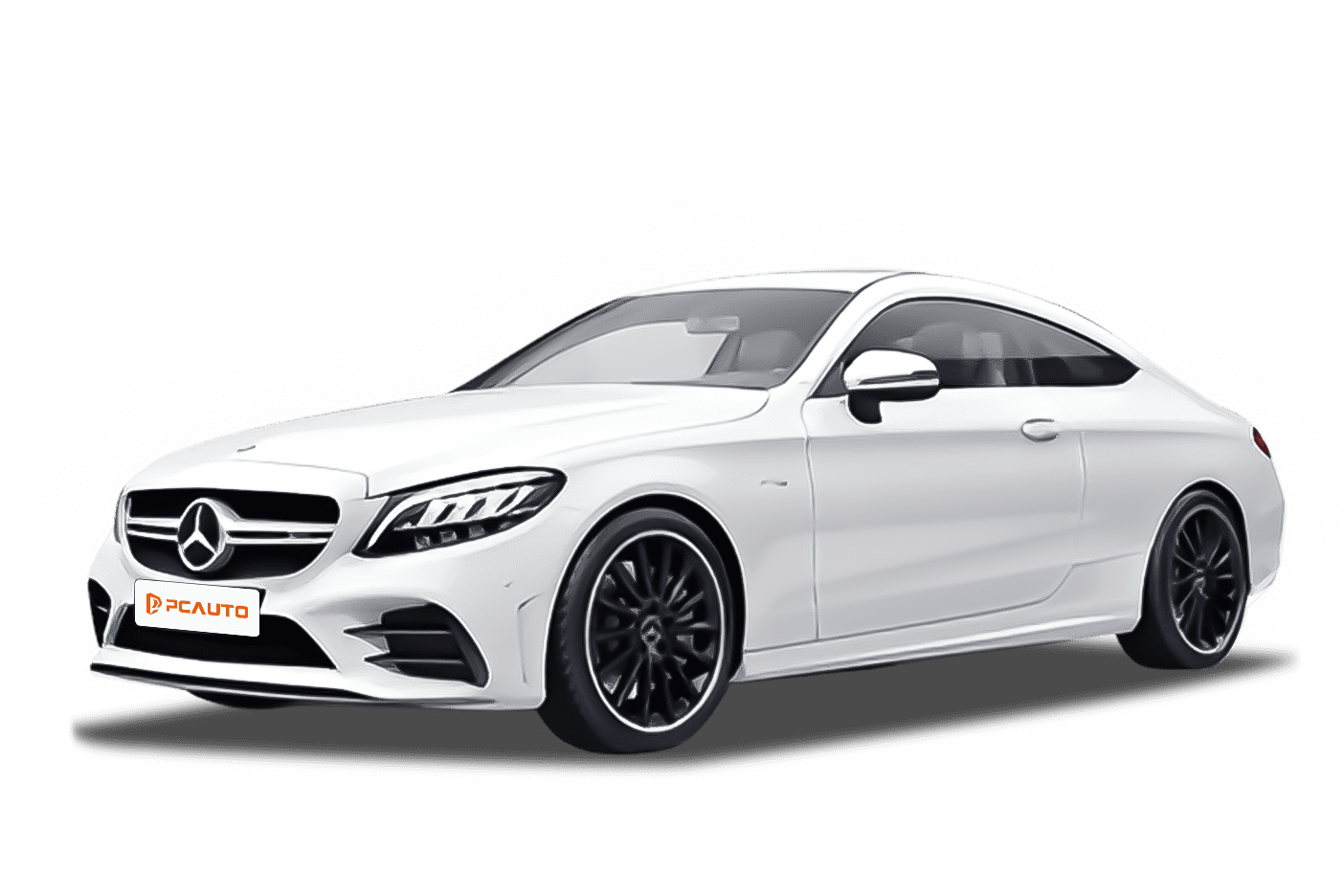
2018 Mercedes-Benz AMG C-Class Coupe AMG C 43 4MATIC is centered around a 3.0T V6 twin-turbo engine + 4MATIC all-wheel drive, balancing luxury texture, daily commuting, and performance driving, making it a high-value, well-rounded luxury performance coupe.