

Honda Civic Type R 1997 Review

 Share
Share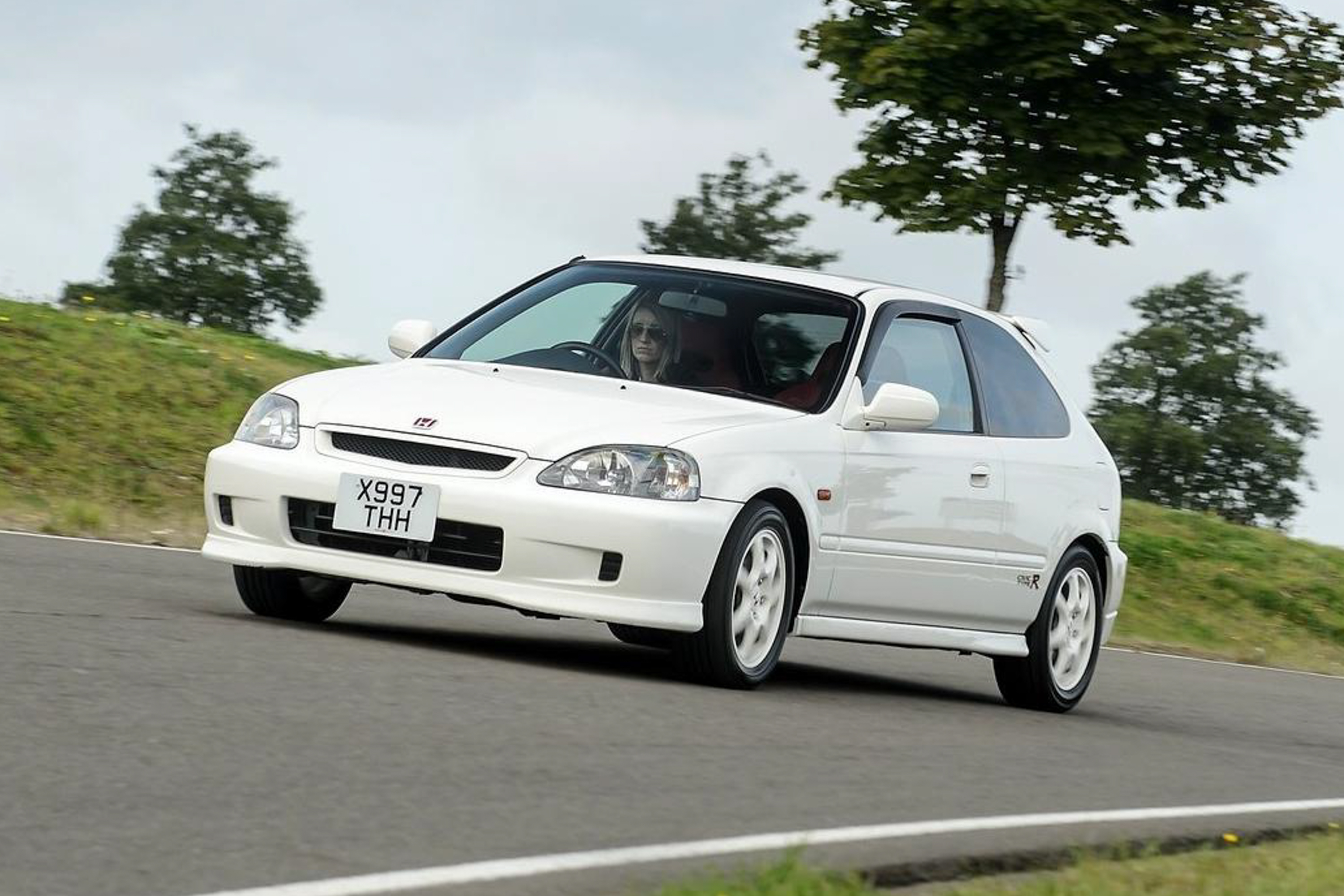
 Body Type
 Segment
 Capacity(L)
 Engine Power(PS)
 Engine Torque(Nm)
 Transmission
In the late 1990s, the Malaysian performance car market was still dominated by Japanese sports sedans. The Honda Civic Type R, as the iconic "front-wheel-drive king," made its debut with the EK9 model in 1997 (known as the 1997 Honda Civic Type R public), directly targeting the niche market of young performance enthusiasts. Its core selling point was the "pure driving pleasure"—relying on mechanical quality without excessive electronic assistance, which was quite rare among cars of the same class at that time. This time, we got our hands on a well-maintained 1997 Civic Type R, and our main goal is to recapture its driving feel from back then to see how hardcore the genes of the first-generation "Type R" really were.
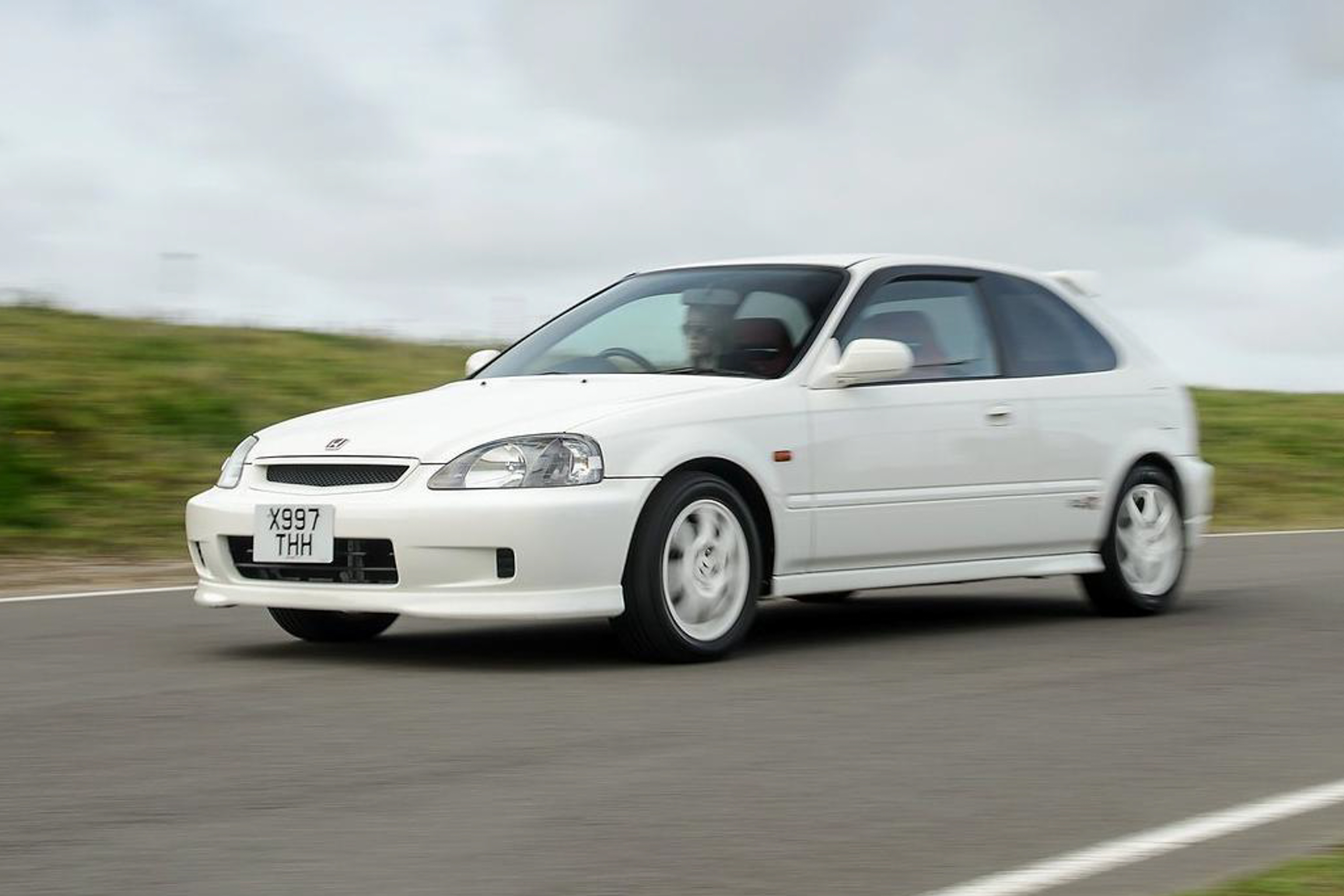
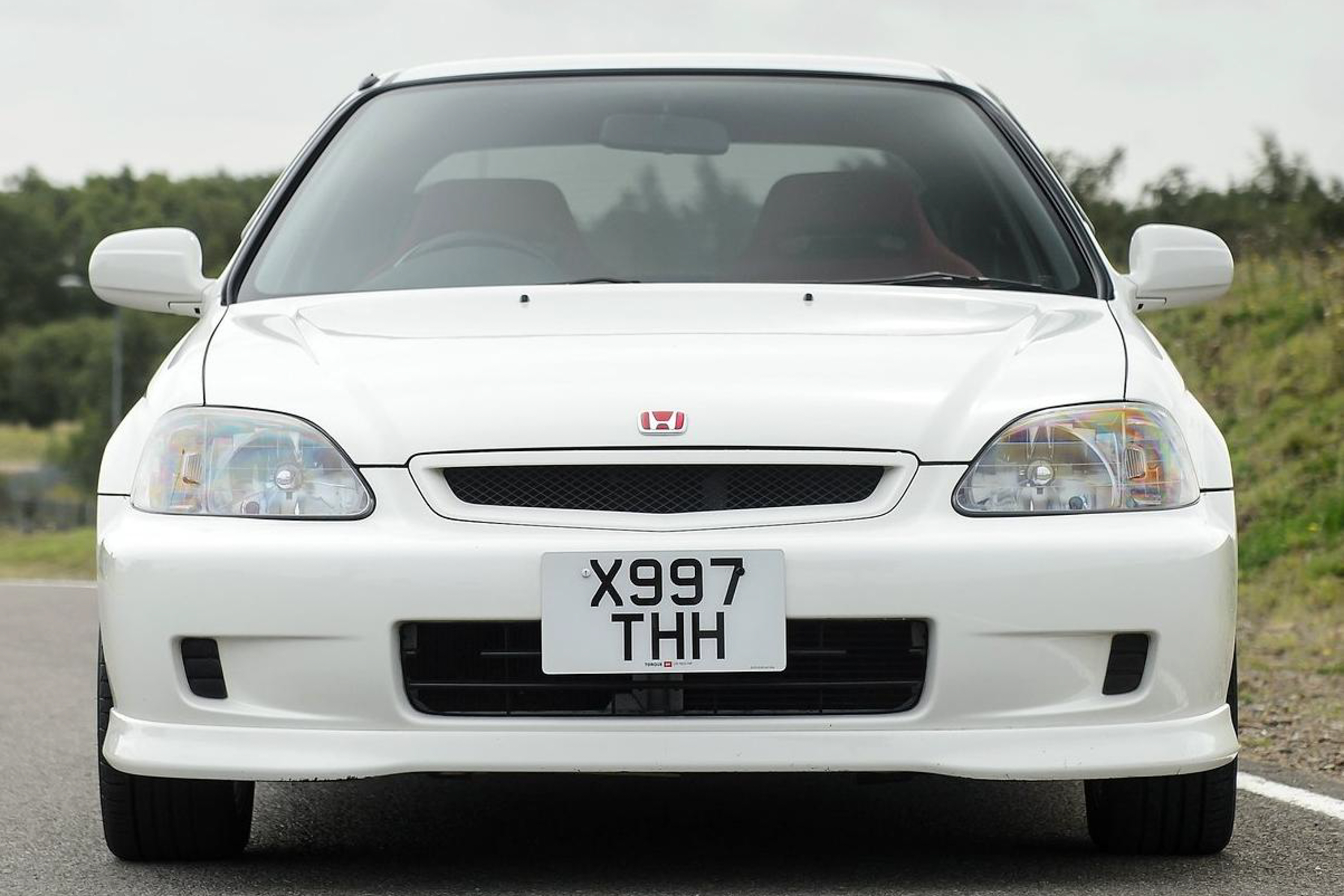
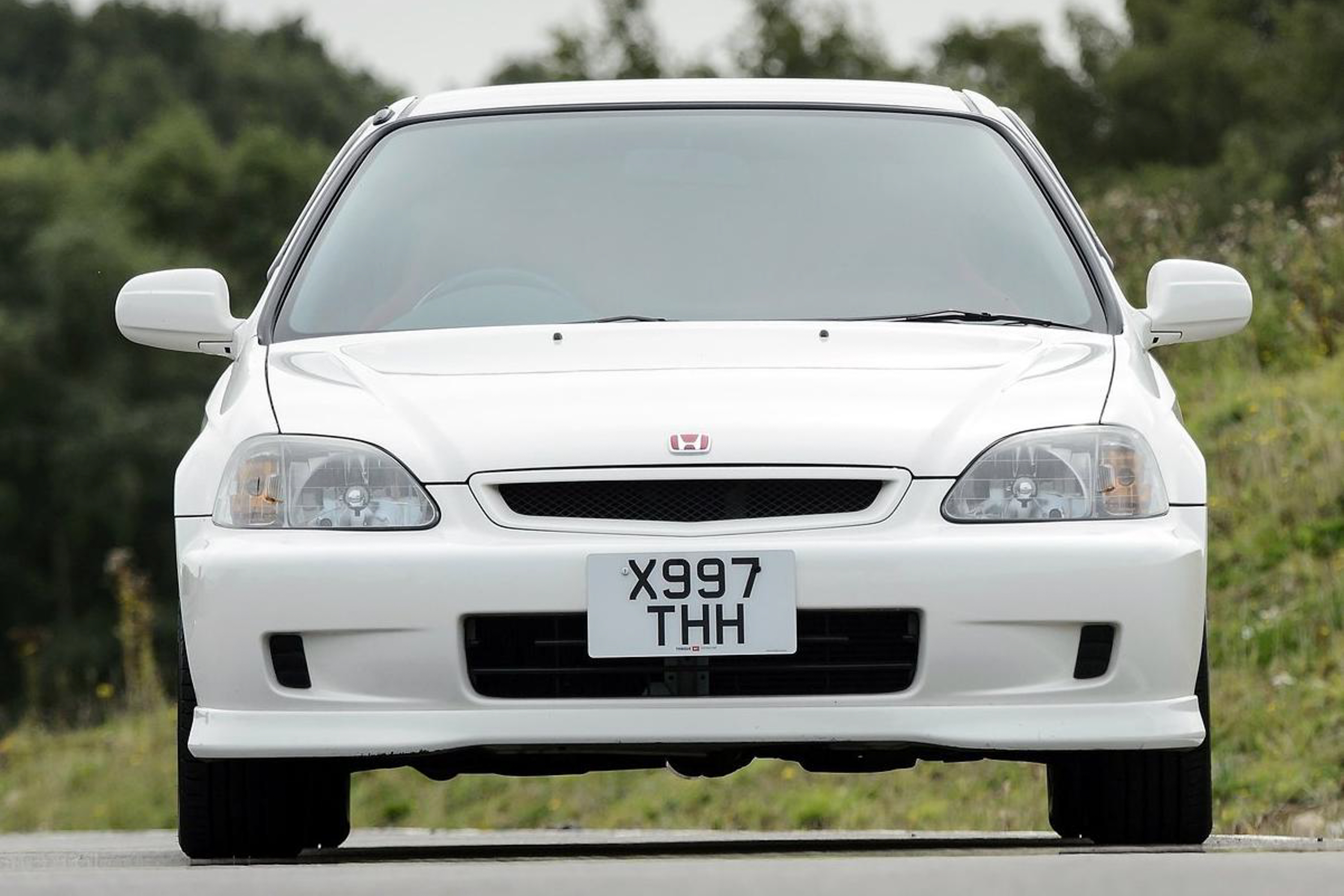
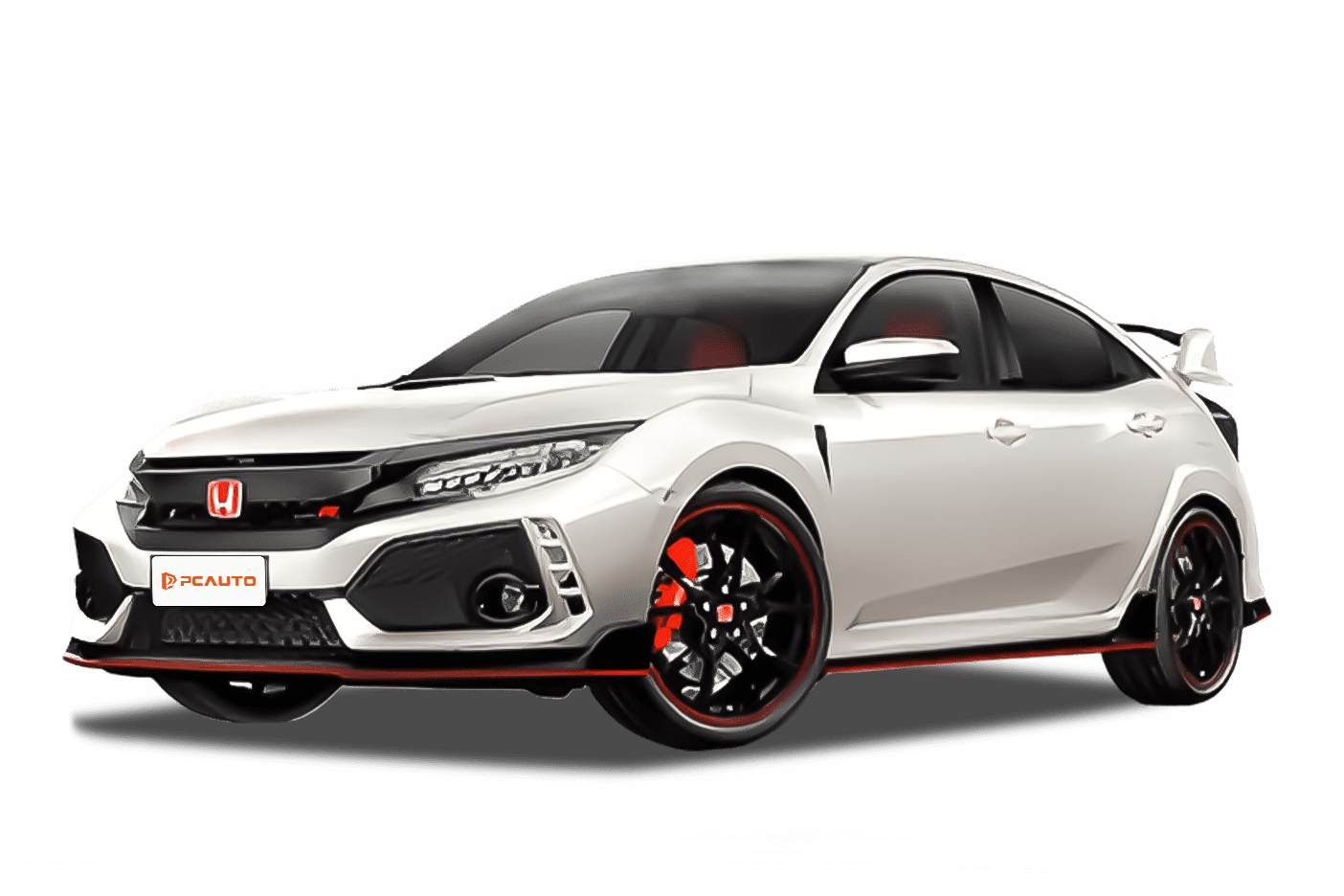
Starting with the exterior, the 1997 Civic Type R has a compact "hot hatch" stance. It was entirely based on the Civic EK platform but with a lower body compared to the standard version. The front adopted a black honeycomb grille, abandoning chrome decorations, paired with sharp rectangular headlights on both sides that give it a high level of recognition. The hood features two subtle creases extending from the A-pillars to the front grille, adding a sense of muscularity. The car's side profile follows a classic three-door hatchback design, with a beltline running from the headlights to the taillights, complemented by 15-inch Enkei alloy wheels (as standard) and 205/50 R15 Yokohama Advan tires, which amplify its sporty vibe. At the rear, the most eye-catching feature is the tall black spoiler, which isn't just for show—it was optimized through factory wind tunnel testing to provide genuine downforce at high speeds. The taillights sport a horizontal red design, connected by a thin chrome strip in the middle. Below, the rear bumper features two round exhaust outlets, symmetrically positioned, highlighting its identity as a performance car. The overall exterior has no superfluous elements; every modification serves "performance," and it still looks timeless even today.
As for the interior, the 1997 Civic Type R follows a "function first" philosophy. There's no luxury equipment, but every detail is tailored for driving needs. The center console is made of dark plastic, which feels hard to the touch, but the gaps are even, and the assembly quality for its time is considered solid. The steering wheel, a three-spoke design custom-made by MOMO, measures just 350mm in diameter, wrapped in leather for a thick and satisfying grip. It still shows slight signs of use today but doesn't affect the feel. The instrument cluster features red needles against a white background, with the tachometer placed in the center, showing up to 9,000 rpm. It is flanked by the speedometer, fuel gauge, and temperature gauge, making key information easy to read at a glance. The seats are Recaro bucket seats with a combination of suede and fabric, offering excellent wrap-around support. They provide firm support for the waist and legs, securely holding the driver in place during sharp turns, making you want to drive as soon as you sit down. The interior features basic, essential amenities: manual air-conditioning, a single-disc CD player, and electric windows. There's no central touchscreen or rearview camera, all geared towards reducing distractions to keep drivers focused on the act of driving.
The space, admittedly, is its "shortcoming," but given its positioning, this is understandable. The car's dimensions are 4,070mm in length, 1,695mm in width, and 1,395mm in height, with a wheelbase of 2,570mm—typical for a small car. The front-row seating is spacious enough; a 175cm tall passenger would have about a fist of headroom left, and the adjustable range of the seats allows for a comfortable driving position. The rear space, however, feels more cramped. A passenger of the same height would only have about two fingers of legroom, with their head touching the roof. The middle floor of the rear is raised, so it's comfortable for two passengers, but three would be a squeeze. As for storage, the front door panels can hold a bottle of water, and there's a small storage compartment below the center console, just right for a phone and keys. The trunk offers about 280 liters of standard capacity—enough for two carry-on suitcases. The hatchback design makes it easy to load larger items but pales compared to family cars—which is reasonable, given that it wasn't designed for "family use" in the first place.
The dynamic part is the core of the 1997 Civic Type R. It is powered by a B16B naturally aspirated engine, with a 1.6L displacement, a maximum horsepower of 185 hp (output at 8200 rpm), and a maximum torque of 160 N·m (output at 7500 rpm), paired with a 5-speed manual transmission. During actual driving, the power is rather flat at low revs (below 3000 rpm), even feeling a bit "weak," but as long as the revs hit above 5000 rpm, the moment VTEC kicks in, the power suddenly bursts out, and the feeling of being pushed back instantly kicks in, with continuous output all the way up to 8000 rpm. At launch, if you control the clutch and revs well (starting at around 3000 rpm), the tires will slightly slip, and the 0-100 km/h acceleration takes about 7.2 seconds, which was absolutely top tier in its class back in 1997. The feeling of the gearbox is "benchmark level"—the shifter has a short throw, a strong sensation of being clicked into place, every gear position is distinct, and when you shift gears, you can hear a mechanical "click," which feels exceptionally refined.
In terms of handling, this car is entirely born for "driving." The steering wheel has no power assistance (not even hydraulic); turning it at a standstill feels a bit heavy, but once moving, the precision of the steering is extremely high, with almost no slack—what you turn is immediately reflected back. The chassis adopts a front MacPherson strut and rear double-wishbone suspension, and it is significantly stiffer compared to the standard Civic. The supportiveness is exceptional—during cornering, body roll is very minimal, even when taking a 90-degree turn at 60 km/h, the car remains stable. The tires have enough grip, showing no signs of oversteer. When tackling bumpy roads, the stiff suspension transmits most of the vibrations to the cabin; you must slow down when going over speed bumps, otherwise, it will shake your rear a lot, but this is the "cost" of a performance car—sacrificing comfort in exchange for handling. The braking system features front ventilated discs and rear solid discs, paired with Brembo brake calipers (factory-installed, not an optional upgrade—yes, the 1997 Civic Type R comes stock with Brembo front four-piston calipers). The braking feel is linear; the amount you press correlates directly to the braking force, with a 100-0 km/h braking distance of about 38 meters, which was considered excellent at the time.
In terms of fuel consumption, we tested it under combined city and highway conditions, and it came out to around 8.5L per 100 kilometers—if driven aggressively, frequently revving high, the fuel consumption can increase to over 10L; if driven gently, keeping the revs under 3000 rpm, it can drop to about 7.5L. For a 1.6L performance car, this performance is reasonable. As for noise control, don’t set your expectations too high. At highway speeds (120 km/h), tire noise and wind noise are quite noticeable, and when the engine revs exceed 6000 rpm, the VTEC roar will directly penetrate into the cabin; however, for performance enthusiasts, this is not "noise"—it is "exhaust sound." The seat comfort is actually quite good; the Recaro bucket seats are hard, but offer sufficient support, and even on long drives (over 2 hours), you won’t feel too tired.
To summarize, the core highlight of the 1997 Honda Civic Type R is its "purity"—no electronic stability control, no power assists, relying on the B16B engine, precise manual transmission, and hardcore chassis to deliver the driver the most direct mechanical feedback. Compared to competing models of the time, such as the Mazda MX-5 (NA) and Ford Escort RS Cosworth, its advantage lies in its "front-wheel drive handling," making it more suitable for daily driving (although the rear seats are small). Moreover, Honda's reliability at that time was better than European performance cars.
It is best suited for "driving enthusiasts"—whether you're someone who enjoys track days or just wants to find fun in daily driving, this car can fulfill both. If you're a family user focused on space and comfort, it's definitely not suitable; but for young people pursuing the "unity between driver and car" driving experience, it is absolutely a "dream car" level existence.
Overall, the 1997 Civic Type R represents the "original intent" of the Honda Type R series. With the simplest mechanical structure, it achieves the ultimate driving pleasure. Even today, its driving quality can still outclass many new front-wheel-drive cars—that's the power of the first-generation "front-wheel-drive king."
Honda Civic Type R Car Compare
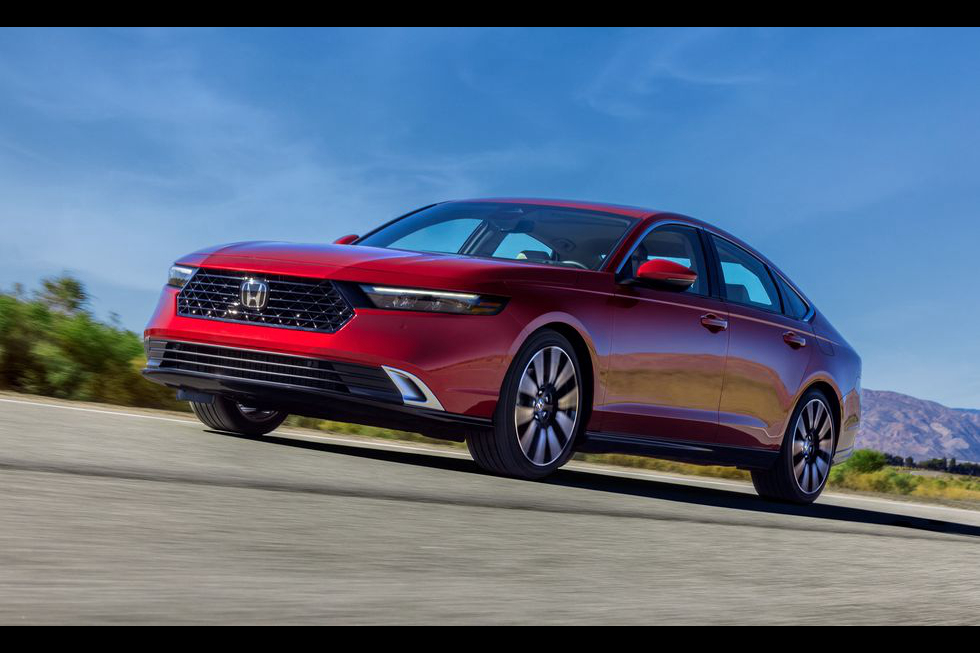
Cars With Similar Price And Features
5
Rank in Hatchback
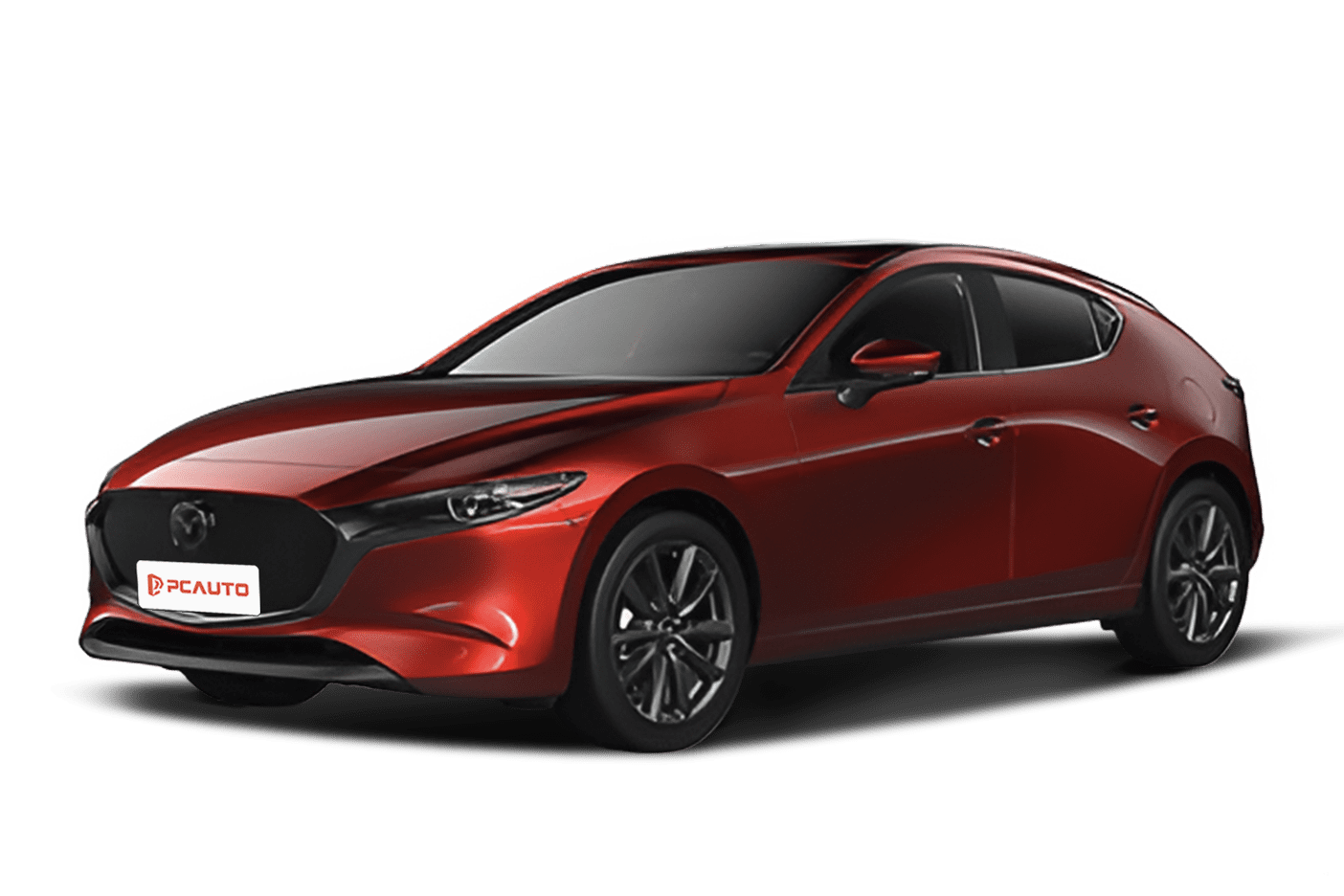
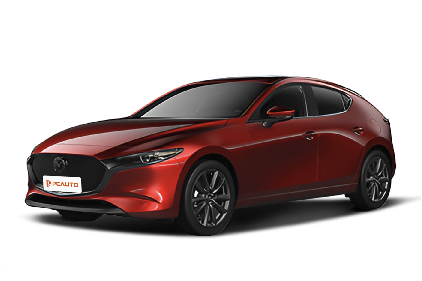
2025 Mazda 3 Hatchback 1.5 L highlights its KODO design, balancing fuel efficiency and practicality. Despite being an entry-level model, it retains core safety features, making it suitable for family users who value design and daily commuting.
6
Rank in Hatchback
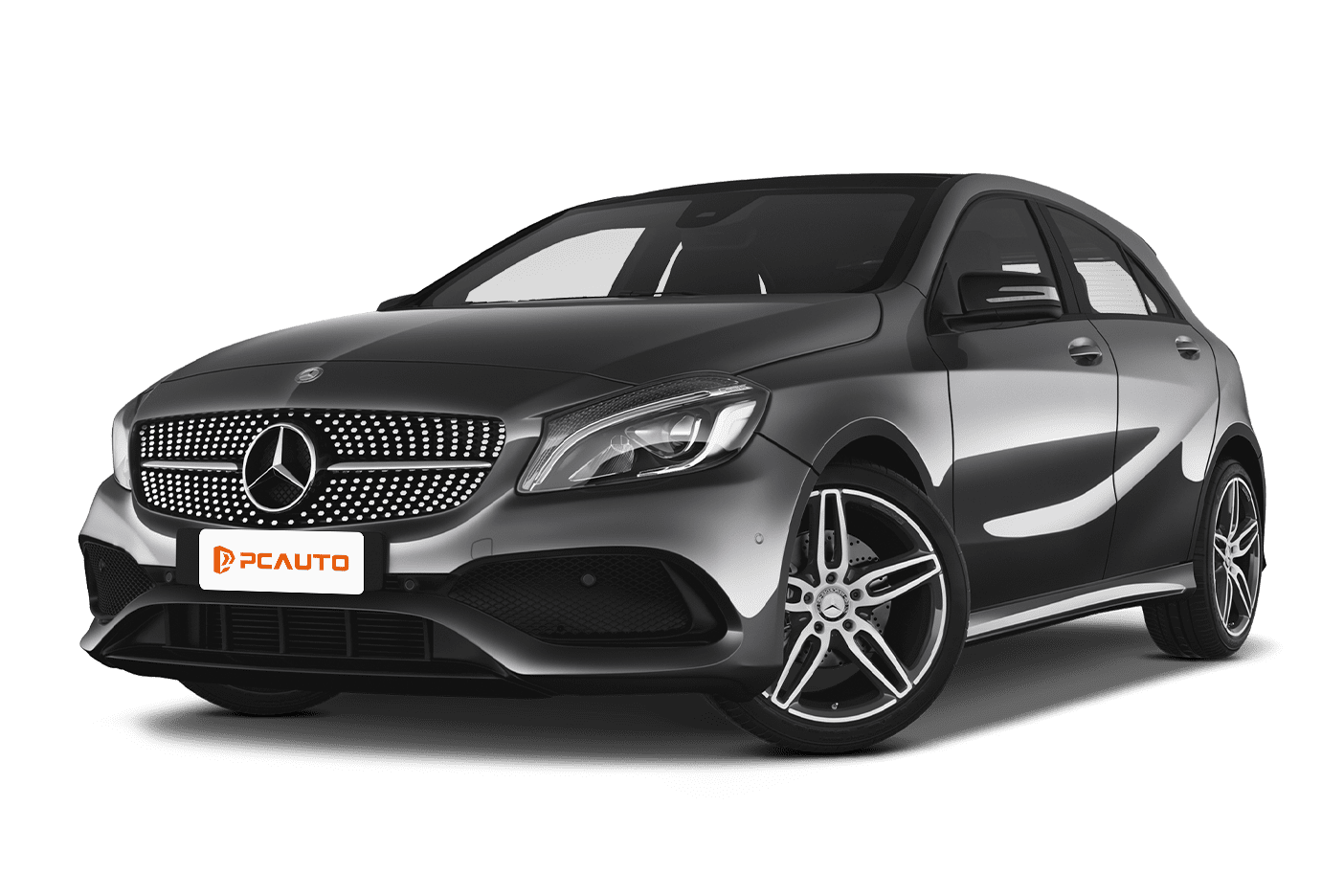
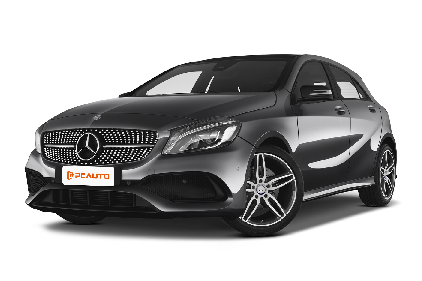
2018 Mercedes-Benz A-Class A200 Progressive Line offers luxurious features such as dual screens at an entry-level price, balanced space, and smooth power, making it a textured choice favored by young families and professionals.

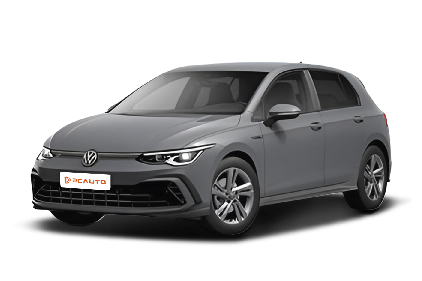
2024 Volkswagen Golf GTI Edition 50, as the anniversary model of the classic performance hatchback, features an upgraded Harman Kardon sound system, a fully digital instrument cluster, and a powerful 2.0T engine, combining driving pleasure with family practicality.