

Honda e:N1 2025 Review

 Share
Share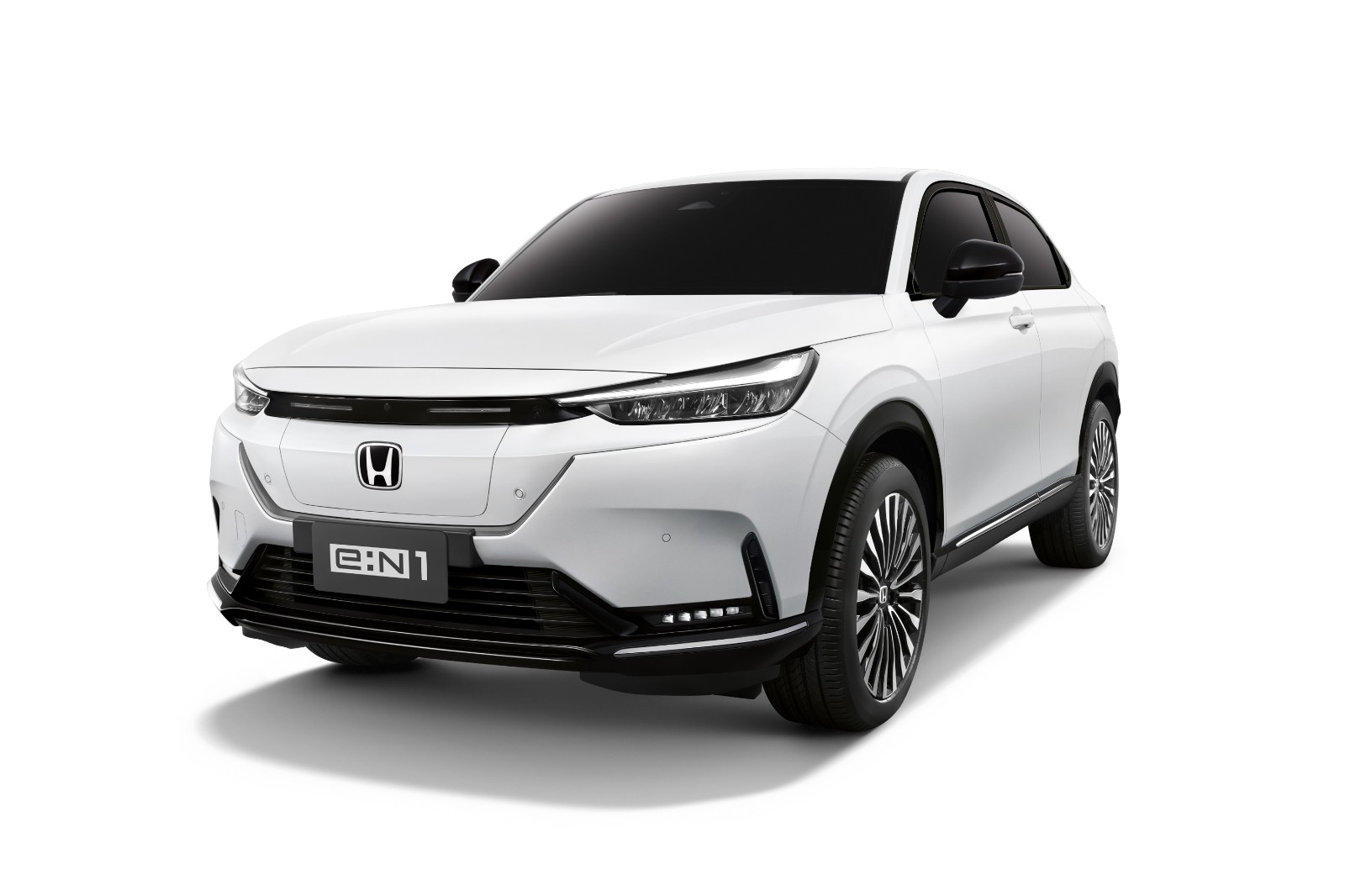
 Segment
 Body Type
 Motor Output(kW)
 Motor Torque(Nm)
 EV Range(km)
 Battery Capacity(kWh)
The B-segment pure electric SUV market has been increasingly gaining popularity locally in recent years. Consumers desire the urban flexibility brought by a compact body, while also expecting ample range and practical configurations — Honda's newly launched 2025 e:N1 is aimed precisely at meeting this demand. As a core model of the brand's pure electric series, it features a 204PS motor and a 68.8kWh battery, with an official range of up to 500km. It also comes standard with L2-level driver assistance, and is priced at RM149,900. In this test drive, we will focus on three key questions: Is its space sufficient for family use? Does the power response meet urban commuting needs? Can its range and charging performance alleviate daily anxiety?
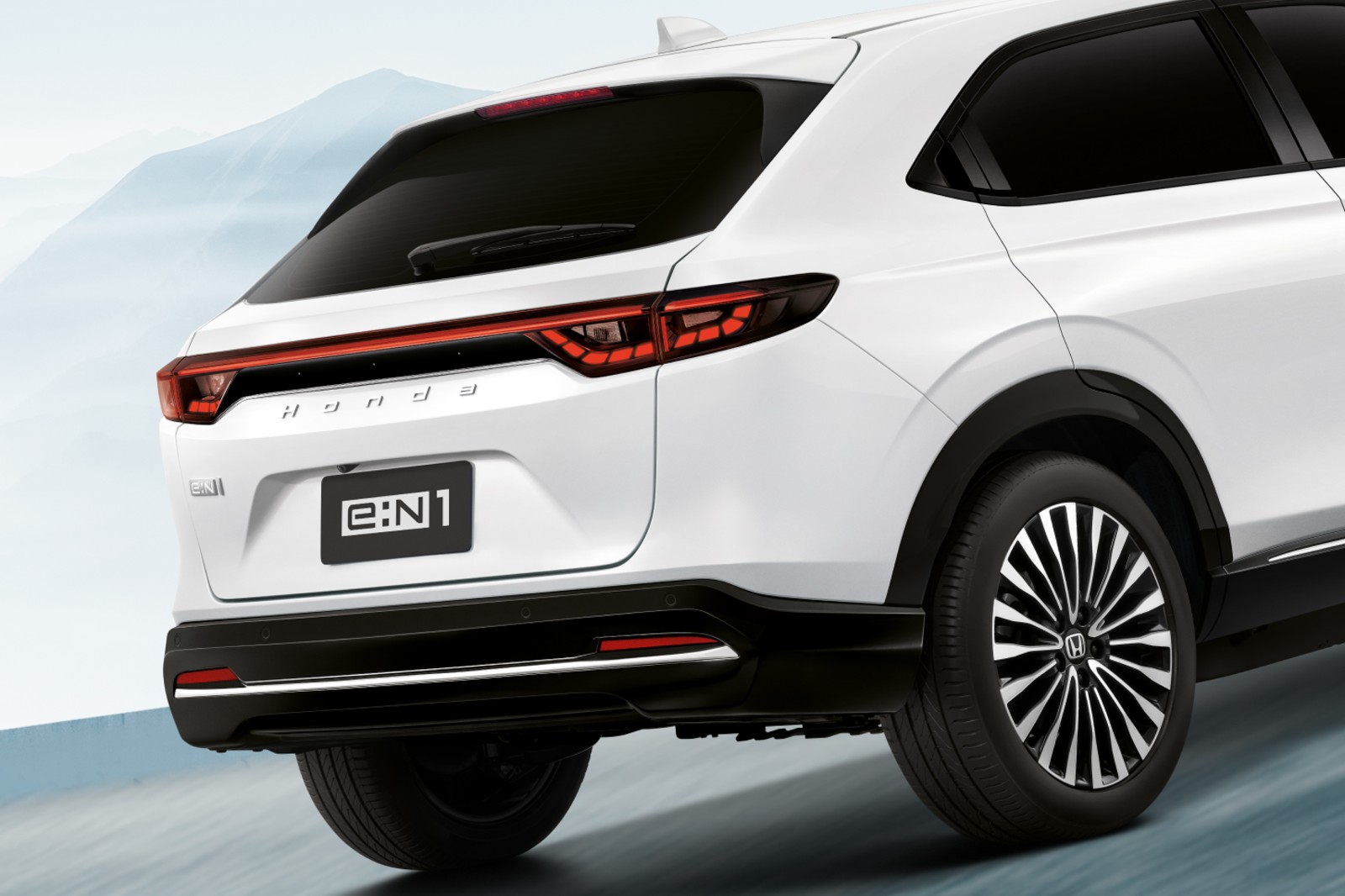
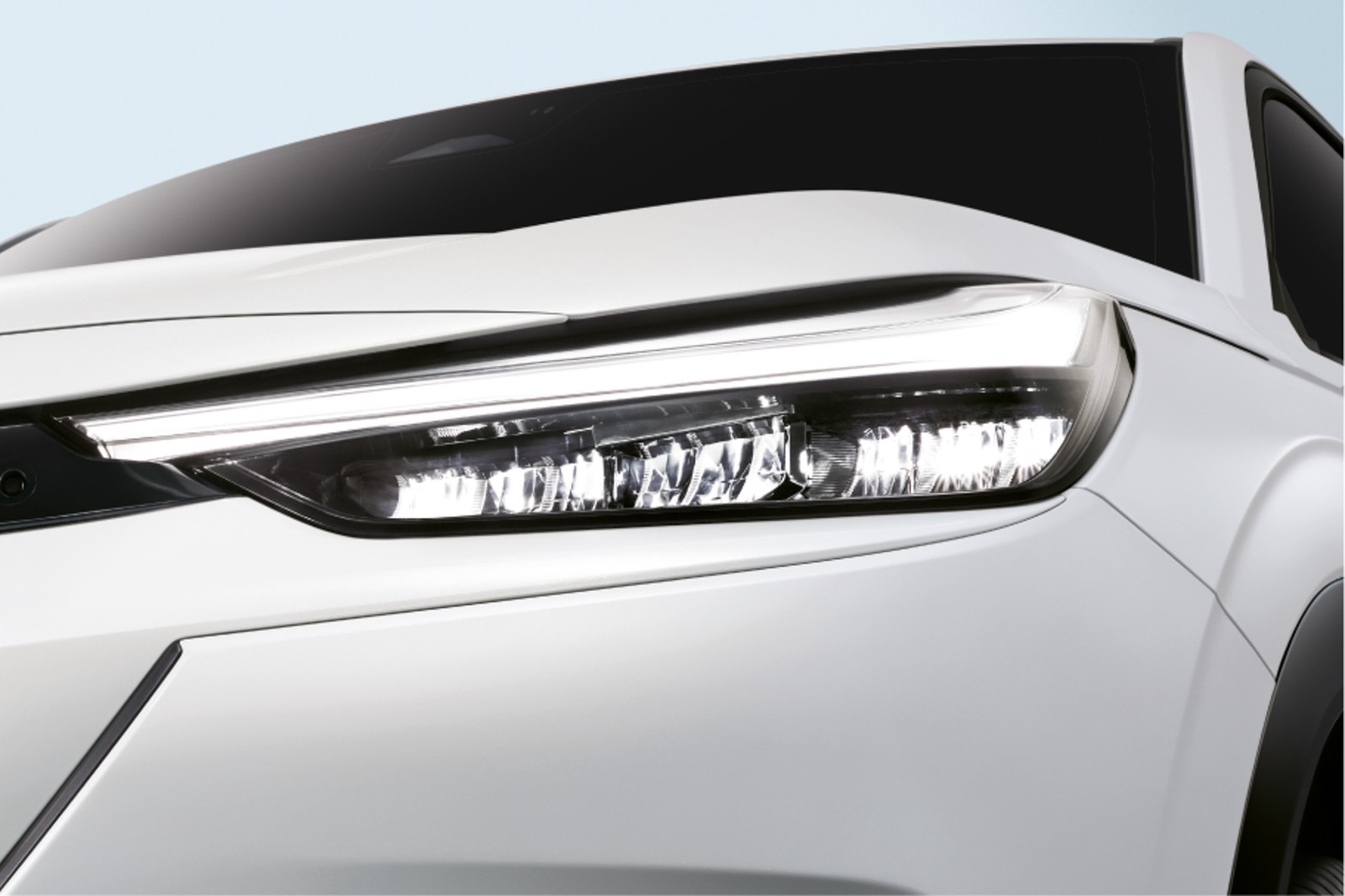
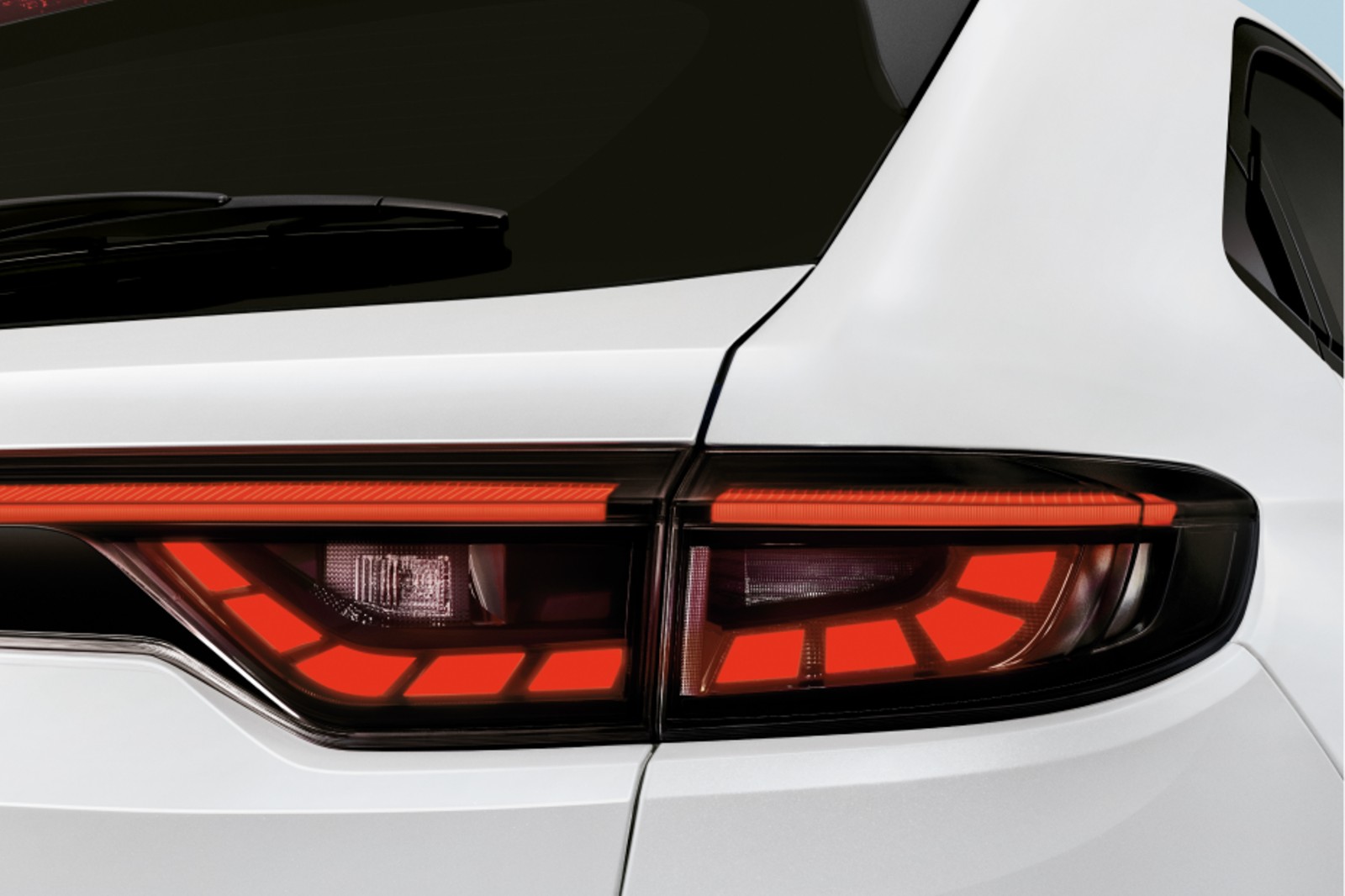
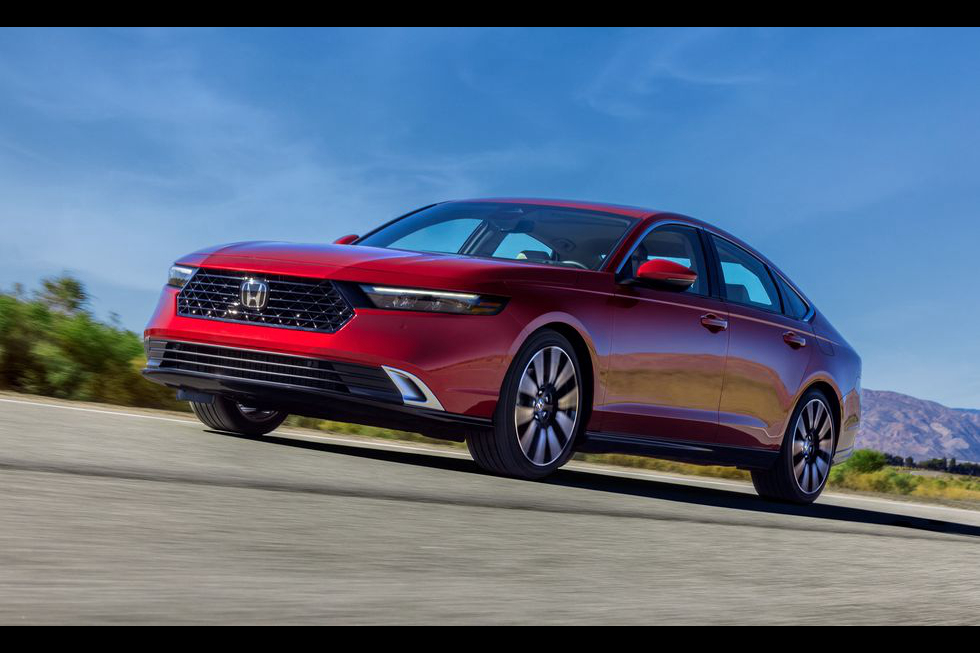
At first glance, the e:N1 adopts a clean and streamlined design, doing away with the grille of fuel vehicles. The front features a closed design complemented by an illuminated Honda logo trim, with slim LED headlights connected by a light strip for good recognition. The side profile showcases lines that extend from the front to the rear, with 18-inch rims paired with 225/50 R18 tires. The gap between the wheel arches and the body is moderate, maintaining SUV off-road capability without appearing bulky. At the rear, the LED taillights also utilize a through-type design, mirroring the front styling. A small spoiler on the edge of the trunk adds a touch of sportiness, while the black cladding at the bottom enhances its SUV character.
Sitting inside, the interior design leans towards functionality. The center console is covered with soft-touch material, which doesn't feel luxurious but is easy to maintain. A 15.1-inch central screen serves as the visual focal point, tilted about 10 degrees toward the driver for easier operation without needing to lean over. The system supports Bluetooth connection and CarPlay, with decent responsiveness. Adjusting the air conditioning is convenient thanks to physical buttons located below the screen, which are more user-friendly than an all-touch layout. The driver's seat is equipped with 8-way power adjustment, offering enough range to easily find a comfortable driving position, while the passenger seat features manual adjustment. The rear seats can be folded in a 60:40 split, expanding the trunk space from 344L to approximately 1100L, making it suitable for strollers or long-distance luggage. In terms of rear seat space, a passenger with a height of 175cm can still enjoy two fists of legroom and one fist of headroom. The slightly raised central floor doesn't significantly affect the comfort of a middle seat passenger for short trips. Notably, the rear row also includes independent air vents and USB charging ports, reflecting thoughtful attention to detail.
On the powertrain front, the e:N1 is equipped with a front-mounted permanent magnet synchronous motor, delivering a maximum output of 150kW (204PS) and a peak torque of 310N·m. These specs place it in the upper-mid range among pure electric SUVs in its class. For daily driving, the Eco mode provides smooth power delivery at startup, with slight throttle input sufficient for urban following needs. Switching to Sport mode, throttle response becomes noticeably quicker, delivering direct acceleration when stepping harder on the pedal. Overtaking is straightforward, with power readily available as needed. The suspension setup consists of a front MacPherson and rear torsion beam configuration, tuned for comfort. It absorbs most bumps and potholes effectively, keeping rear passengers from feeling significant jolts. While cornering, body roll is kept within a manageable range. The steering is precise, with no slack, instilling enough confidence during driving.
This time, we specifically tested the range and charging: under urban road conditions (approximately 70% congestion + 30% smooth traffic), with the air conditioning set to 24°C in auto mode, driving in Eco mode for 100km resulted in a displayed range reduction of 110km, achieving about 90% efficiency; under highway conditions (average speed of 100km/h), the range efficiency was about 85%, allowing a full charge to travel approximately 425km on highways. For charging, using a DC fast charging station to charge from 30% to 80% took about 45 minutes, which is consistent with the manufacturer’s stated 0.75 hours; slow charging takes 6 hours to fully charge, making it suitable for overnight home charging.
In terms of noise control, the cabin is very quiet at speeds below 60km/h, with minimal tire and wind noise; at speeds above 80km/h, wind noise from the A-pillar becomes noticeable but not piercing, so it doesn't affect normal conversations. The energy recovery system has three adjustable levels. In the highest level, releasing the accelerator creates a noticeable drag, which is suitable for long downhill roads; in the lowest level, it closely resembles the coasting feel of a fuel vehicle and does not feel abrupt during daily driving.
Overall, the core advantage of the 2025 Honda e:N1 lies in its balance: sufficient power, reliable range, practical space, and standard features like Level 2 driving assistance and 6 safety airbags, making the safety configuration well-rounded. Compared to the BYD Atto 3 in the same class (RM149,800), the e:N1 offers higher motor power and more stable range efficiency; compared to the Hyundai Kona Electric (RM159,888), the e:N1 is RM10,000 cheaper with similar configurations.
This car is suitable for two groups of people: first, family users with a daily commute of 20-30km, where the 500km range is enough to require charging just once a week, and the large space and flexible trunk can meet family outing needs; second, young people who have just started working, with its quick power response, stylish exterior design, and standard intelligent features that enhance daily driving experience.
Overall, the 2025 Honda e:N1 is a purely electric SUV with no significant drawbacks. It may not be the most outstanding, but it is certainly the most worry-free choice.
Honda e:N1 Car Compare

Honda e:N1 Loan Calculator
More Honda Reviews
Cars With Similar Price And Features


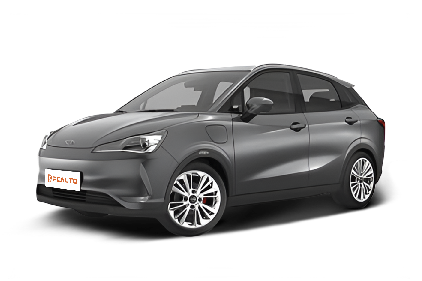
2023 Neta V is a high-value electric vehicle in Malaysia's B-Segment market, offering mid-to-high-end features such as 6 airbags and L2 assistance at an entry-level price, while balancing spacious practicality and a comfortable driving experience.
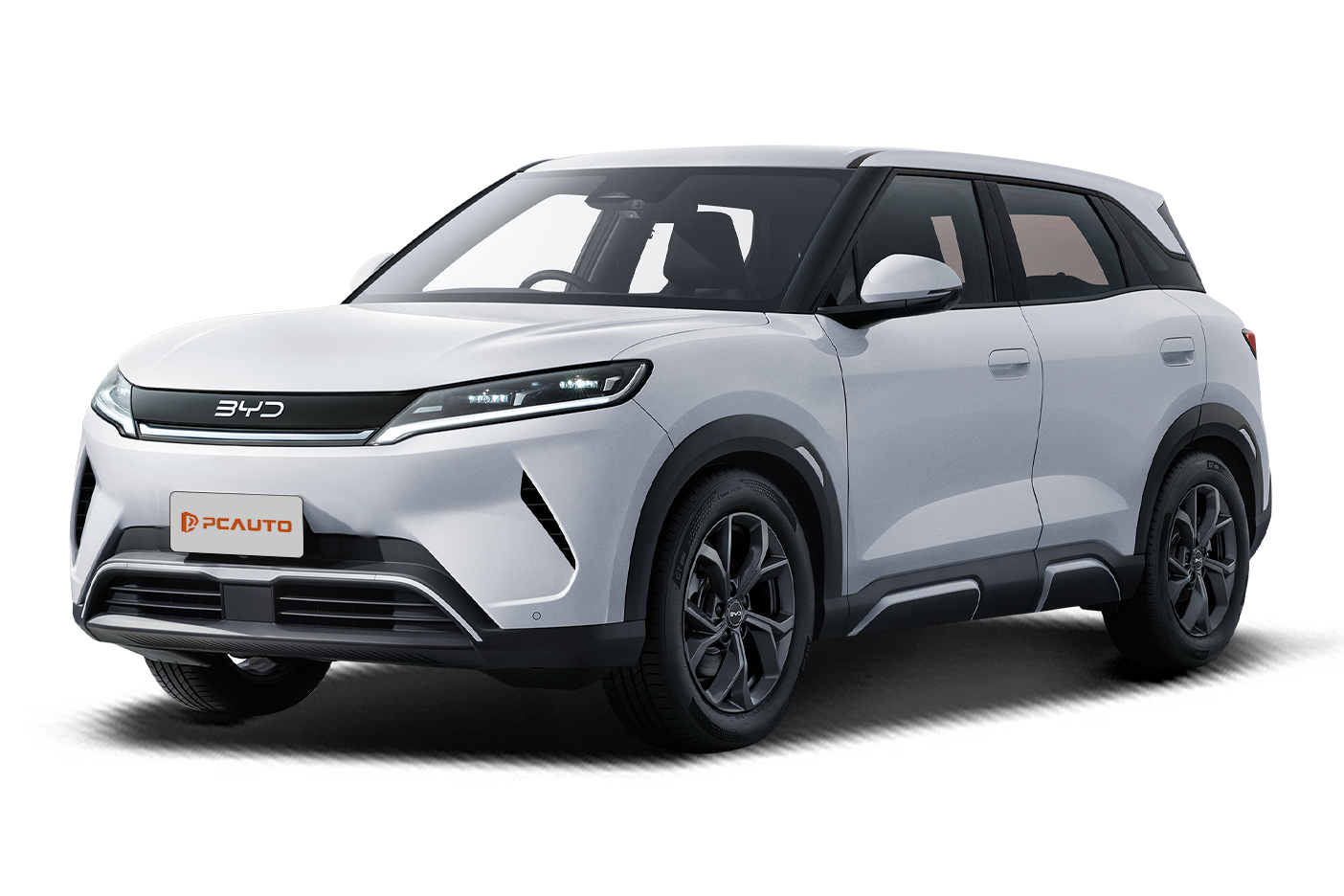
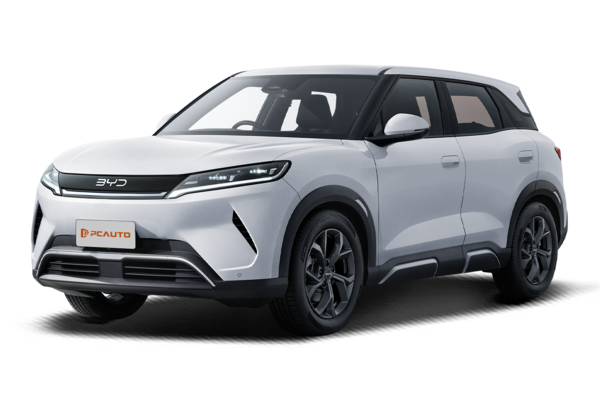
2025 BYD Atto 2 Premium is a B-segment electric vehicle priced at around 100,000 MYR, featuring 177PS power, 410km range, L2 assisted driving, and spacious interior, combining practicality and intelligence as an ideal family choice.
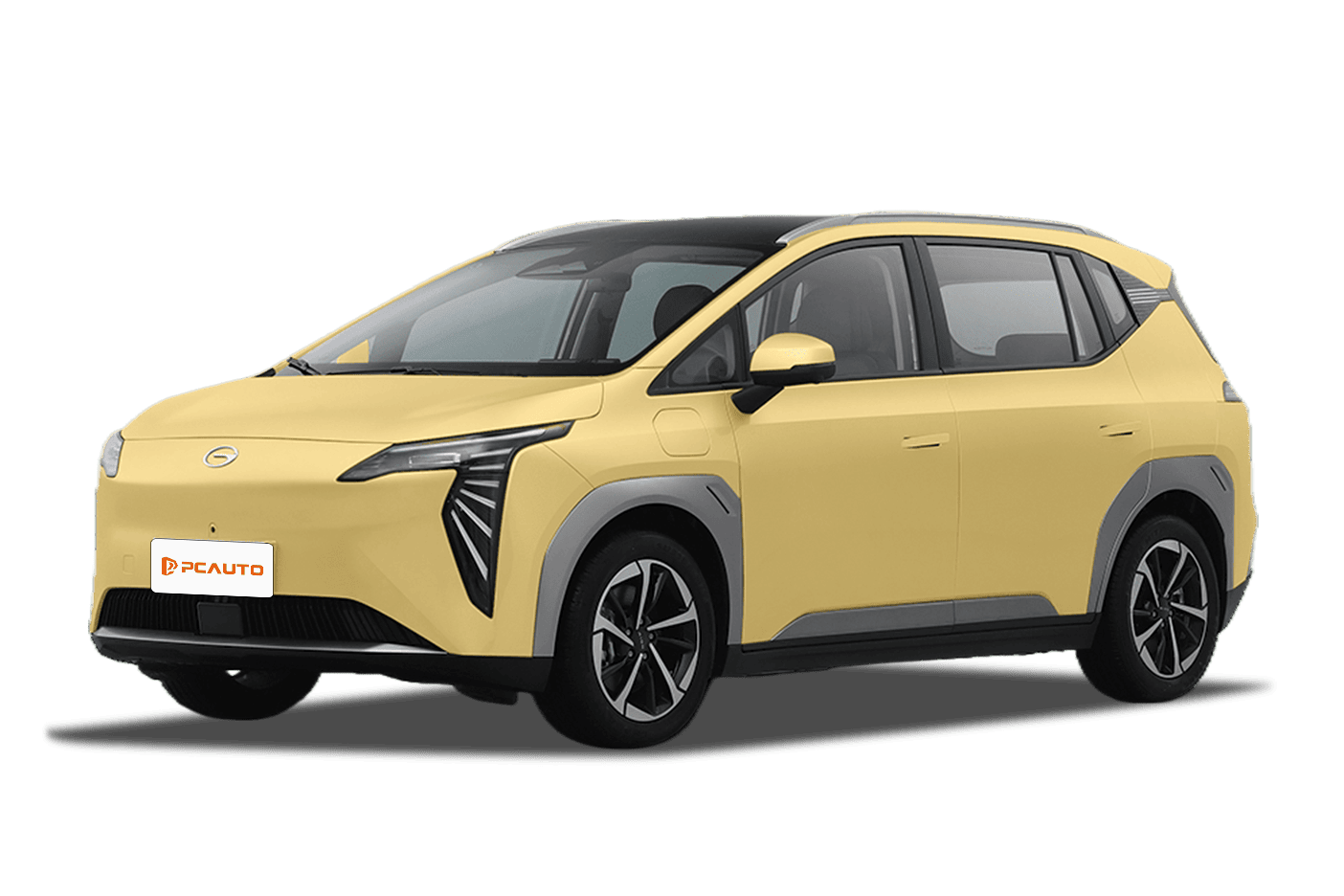
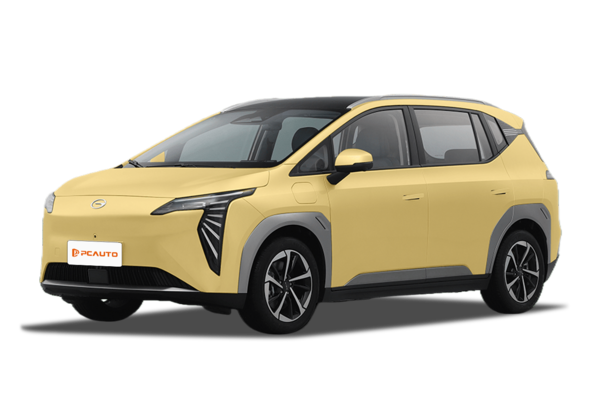
2024 GAC Aion Y Plus Elite is a pure electric mid-size SUV targeting the Southeast Asian home market, offering a spacious cabin with a 2750mm long wheelbase, standard 6 airbags, and a 14.6-inch central control screen, with solid range suitable for family travel.
14
Rank in SUV
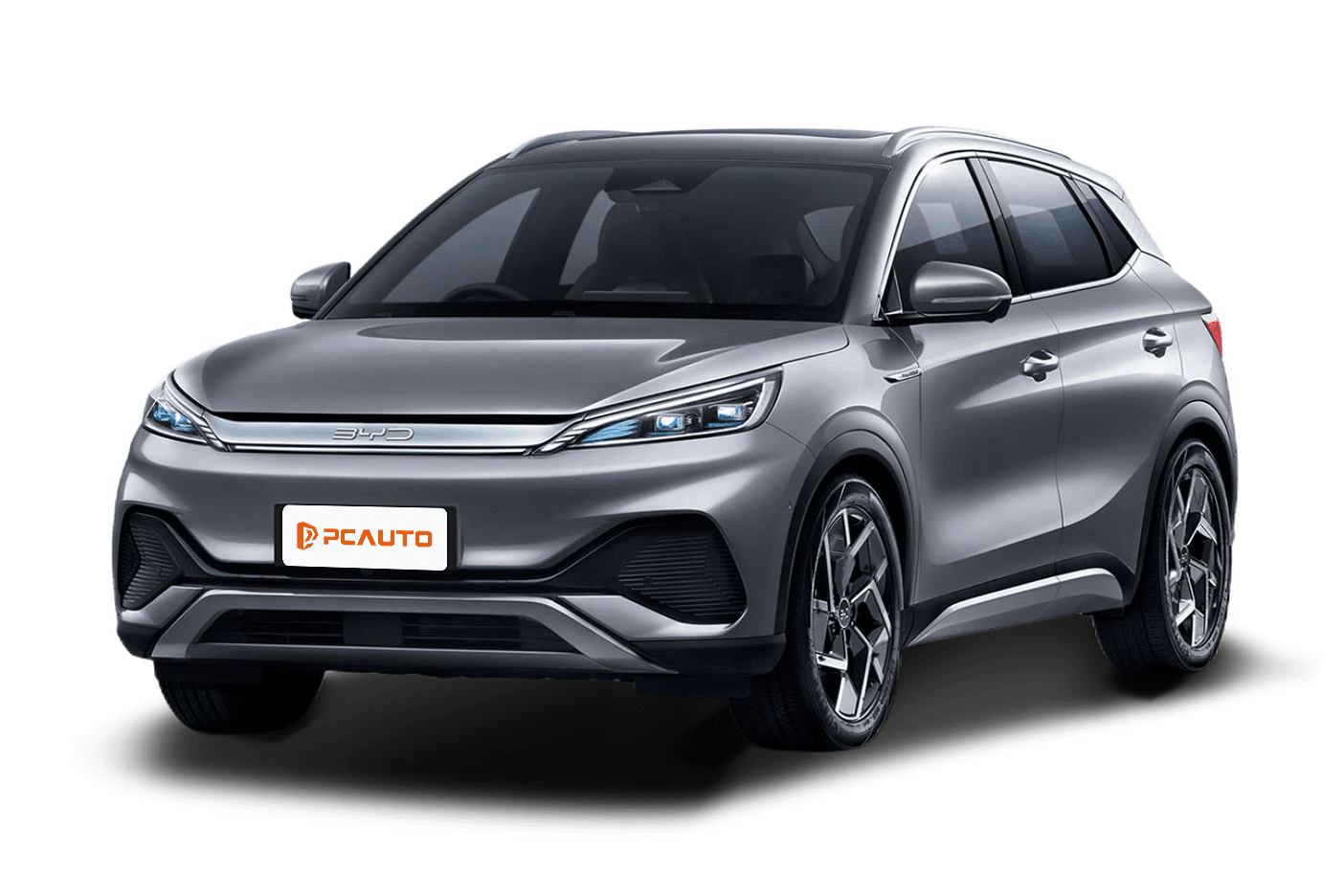
2025 BYD ATTO 3 Ultra is a cost-effective, solid-range, safety-feature-rich, and practical-space electric C-segment compact SUV that balances family needs with dynamic performance.