

Jaguar XE 2016 Review

 Share


 Body Type
 Segment
 Capacity(L)
 Engine Power(PS)
 Engine Torque(Nm)
 Transmission
In the midsize luxury sedan market, the German Big Three have long dominated, but many consumers still hope to find alternative models that combine brand sophistication and driving pleasure — the 2016 Jaguar XE aims to meet this demand. As the core product of Jaguar's revival of its sports sedan lineup, it features an all-aluminum body structure and a longitudinal rear-wheel-drive layout as its main selling points, attempting to strike a balance between "sportiness" and "luxury." This article will analyze this British sedan through a static experience and dynamic driving to see if it can truly appeal to buyers who prioritize driving quality.
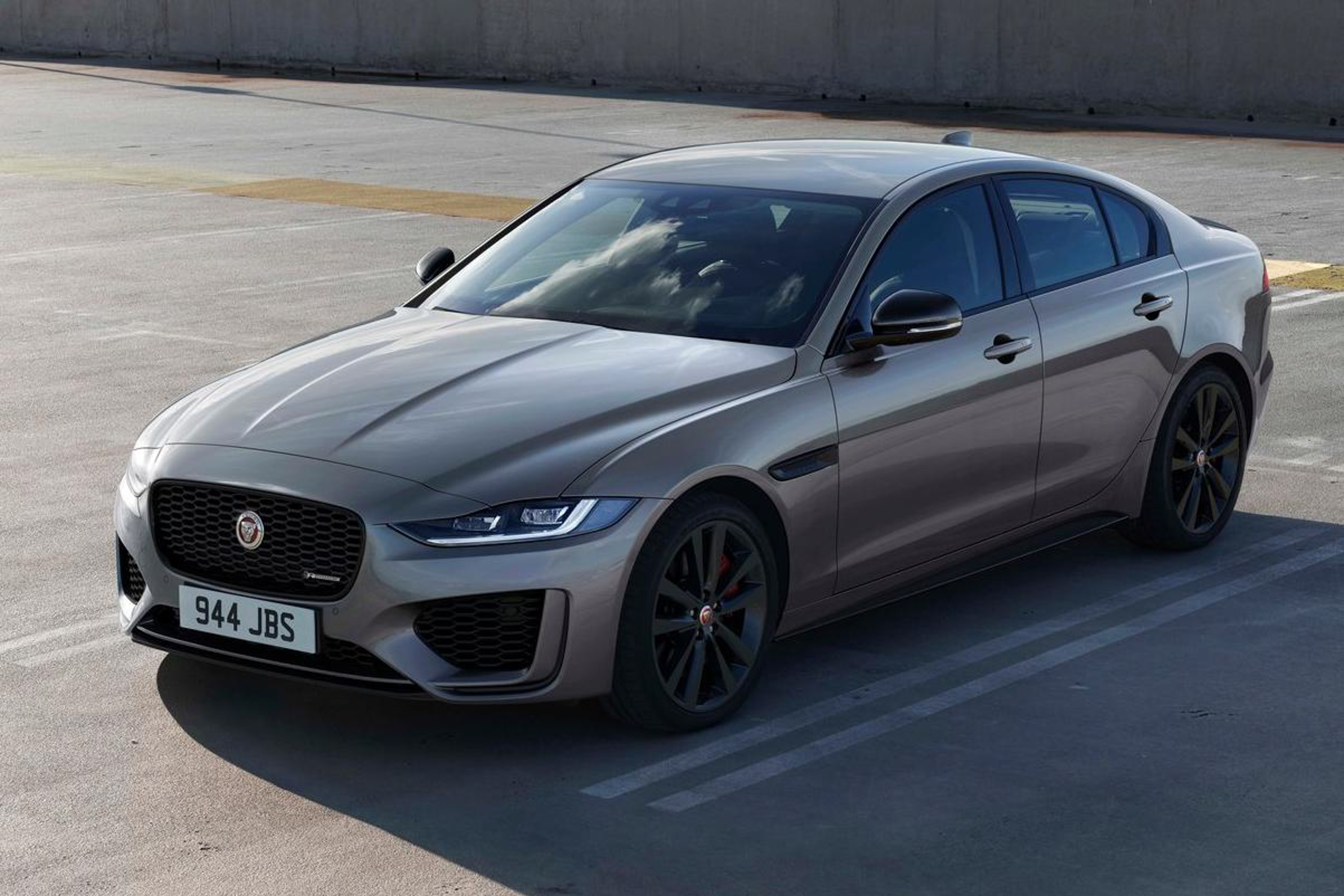
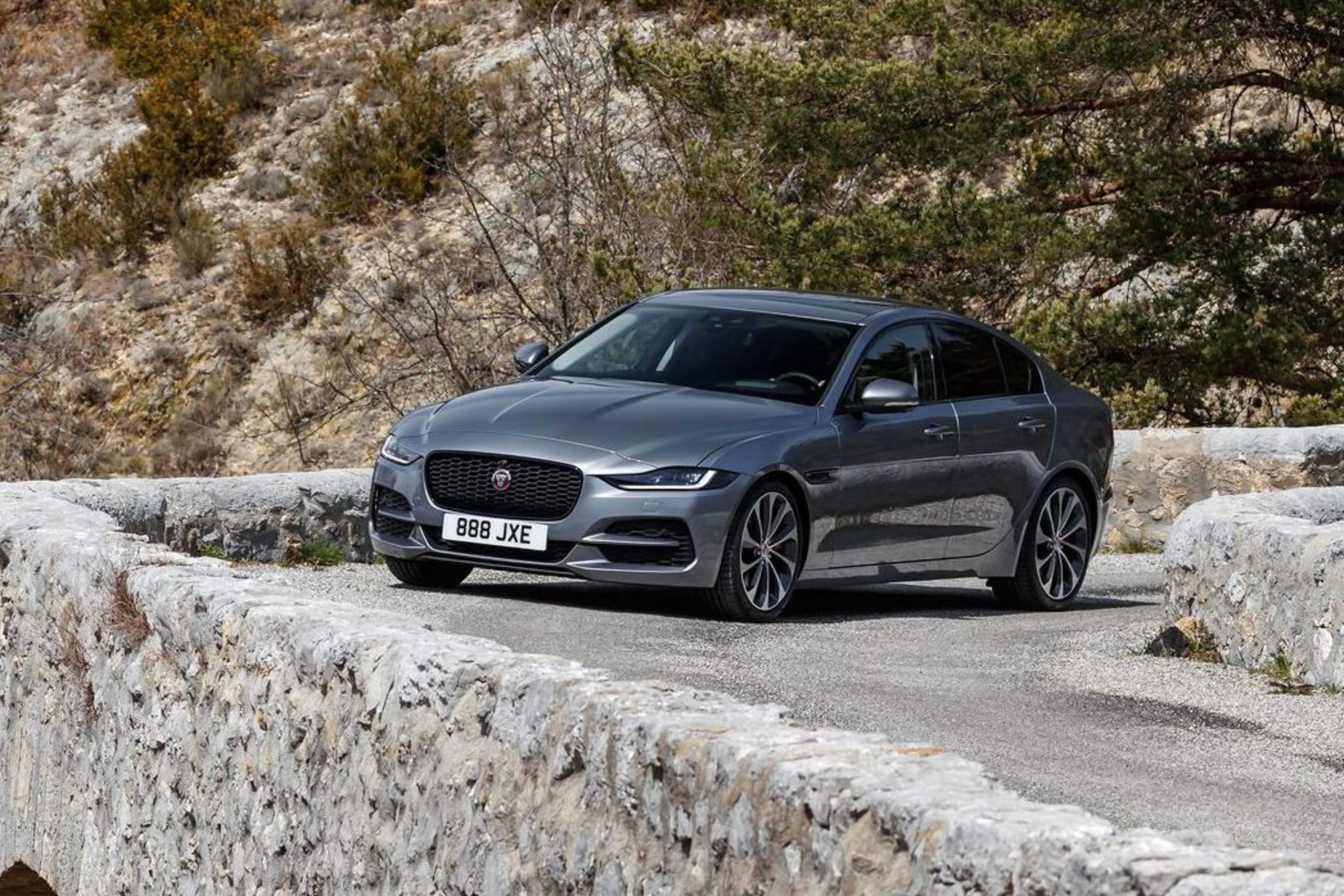
From a distance, the overall outline of the 2016 XE leans towards compact sportiness, with its short front overhang, long hood, and fastback-style rear, showcasing the proportions typical of rear-wheel-drive sedans, making it instantly distinguishable from front-wheel-drive models in the same class. The front features Jaguar's iconic large mesh grille with slightly wider chrome trim on the outer edge, paired with sharp, irregularly-shaped LED headlights on both sides that have high recognizability — the internal "J" shaped daytime running lights are strikingly visible when illuminated and support automatic on/off functionality. The body side profile is simple, with a single waistline running from the front fender to the taillights, and slightly concave side skirts below that add a sense of muscle. The standard 18-inch multi-spoke alloy wheels are dynamic in design but not overly ostentatious, making them suitable for everyday scenarios. The rear design is relatively restrained, with "J"-shaped light strips in the taillights echoing the front, a subtle ducktail-style spoiler on the trunk lid, and twin round exhaust outlets on either side below, emphasizing its sporty character. The paintwork deserves a mention, with the Fuji White color of this test drive car exhibiting a consistently glossy finish, and the metallic paint showing delicate grain under sunlight.
Opening the door, the first impression of the interior is "refined yet not ostentatious." The central control area is covered with soft-touch materials, providing a smooth feel; the door armrests and frequently touched areas like the seats are wrapped in leather with well-stitched seams. The black interior is complemented by silver metal trims, creating a tone that's more subdued, aligning with the positioning of a luxury sports sedan. The dashboard is driver-centric, with the 8-inch touchscreen angled approximately 10 degrees towards the driver's seat, minimizing the need to divert attention while operating. The infotainment system is Jaguar's InControl Touch at the time, supporting Bluetooth connectivity, navigation, and phone mirroring (via an external data cable). Its response time is average, with a clear interface and relatively large icons, making it easy to use. For features, the front seats offer 8-way electric adjustment with lumbar support and adequate lateral support. The steering wheel is a three-spoke leather design with a solid grip, featuring integrated buttons for volume control and cruise control on the left side. Dual-zone automatic climate control is standard, with rotary knobs offering moderate resistance. Below the front air vents is a concealed storage compartment that can hold a phone. It’s worth noting, however, that the rear middle floor has a significant hump, which may impact legroom for middle-seat passengers during long journeys. The trunk has a standard capacity of 455L with a wide opening, capable of fitting two 28-inch suitcases, and the rear seats support a 4/6 split-fold, ensuring decent expandability.
In terms of seating comfort, the leather seats are slightly firm but offer good support; after driving continuously for two hours, there’s no noticeable lower back discomfort. The rear seatbacks are slightly upright, so passengers might need to adjust their posture for long trips, though legroom is adequate — a 175cm-tall passenger, for example, can sit with two fists between their knees and the front seatback and around one fist of headroom, placing it at a mid-level standard among its class.
The 2016 XE offers multiple powertrain options, and the version tested this time is the 2.0T Ingenium gasoline engine version, with a maximum power of 200PS, maximum torque of 320N·m, paired with an 8-speed automatic transmission, and rear-wheel-drive layout. After starting the car, the engine idles very quietly, and vibrations are almost unnoticeable. Upon shifting into D gear to start, the throttle response is linear, with no obvious jerking in the initial stage, making it suitable for congested urban traffic; when the throttle is pressed deeply, the turbo engages at approximately 1750 rpm, delivering direct power with strong acceleration in mid to high ranges. Overtaking at speeds of 80km/h feels smooth as the transmission downshifts aggressively, and the pulling power continues until 120km/h without diminishing. The 8-speed automatic transmission performs smoothly, with almost imperceptible shifts during everyday driving, while the shifting logic becomes more aggressive in sport mode, downshifting faster and maintaining engine speeds above 2500 rpm for readiness at any moment.
Handling is the core strength of the XE. The steering system feels on the heavier side, with minimal play and precise directionality — when turning the steering wheel during cornering, the vehicle responds promptly without any sluggishness. The chassis adopts a front double-wishbone and rear multi-link independent suspension setup, with a tuning bias toward firmness. When passing over speed bumps or bumpy roads, the suspension quickly absorbs shocks, keeping the body from excessive bouncing; however, rear passengers may experience slight jolts. During high-speed cornering, body roll is well-controlled, and the Michelin Primacy 3 ST tires provide ample grip, giving the driver sufficient confidence. It is worth mentioning that the lightweight advantages brought by the all-aluminum body are evident, making the car approximately 150kg lighter than steel-bodied models in the same class. During emergency lane change maneuvers, the vehicle follows through more effectively without a sense of "floating."
In terms of fuel consumption, this test covered urban traffic, highway cruising, and mountain road driving, with an average fuel consumption of about 8.5L/100km, dropping to as low as 6.8L/100km under highway conditions. For a 2.0T rear-wheel-drive sedan, this performance ranks slightly above average in the segment. Noise control is adequate; wind noise is not noticeable at speeds below 100km/h, and tire noise increases with road roughness but does not affect in-car conversations. The engine emits a faint growl at over 3000 rpm, which is not noisy but instead enhances the driving atmosphere.
Overall, the core advantages of the 2016 Jaguar XE are clear: the handling quality provided by its all-aluminum rear-drive architecture is unparalleled by most front-drive models in the same class; the interior craftsmanship is exquisite, with practical features and without excessive flashy elements; the exterior design maintains the elegance of the British brand while also incorporating sportiness. Compared to the BMW 320i in the same segment, the XE has comparable handling limits but offers a slightly higher sense of interior luxury; compared to the Mercedes-Benz C200, the XE stands out more in driving fun, although it has slightly lower brand prestige.
This car is suitable for two types of buyers: firstly, young people who value driving quality, for daily commuting while occasionally enjoying the fun of mountain road driving; secondly, buyers who are not content with "commonplace cars" and are looking for a sophisticated luxury sedan with high distinction. If your preference is for "balanced yet unique," and you don’t mind that the rear seating space isn't the largest in the segment, the XE is a worthwhile consideration.
2016 Jaguar XE is not an "all-around" sedan — its rear space is not as ample as the extended versions of its German rivals, and its infotainment system lacks modern smart connectivity features. However, it differentiates itself with "rear-wheel drive handling" and a sense of "British sophistication." For those who understand it, the lightweight feel brought by the all-aluminum body and the precise feedback during steering are its core values. If it is defined as a "driver's car," then it is undoubtedly successful; but if you need an "all-purpose vehicle" that also caters to business reception, it might not be the optimal choice — yet this is precisely its charm: it doesn’t cater to everyone, but serves buyers who truly appreciate the essence of driving.
Jaguar XE Car Compare

More Jaguar Reviews
Cars With Similar Price And Features
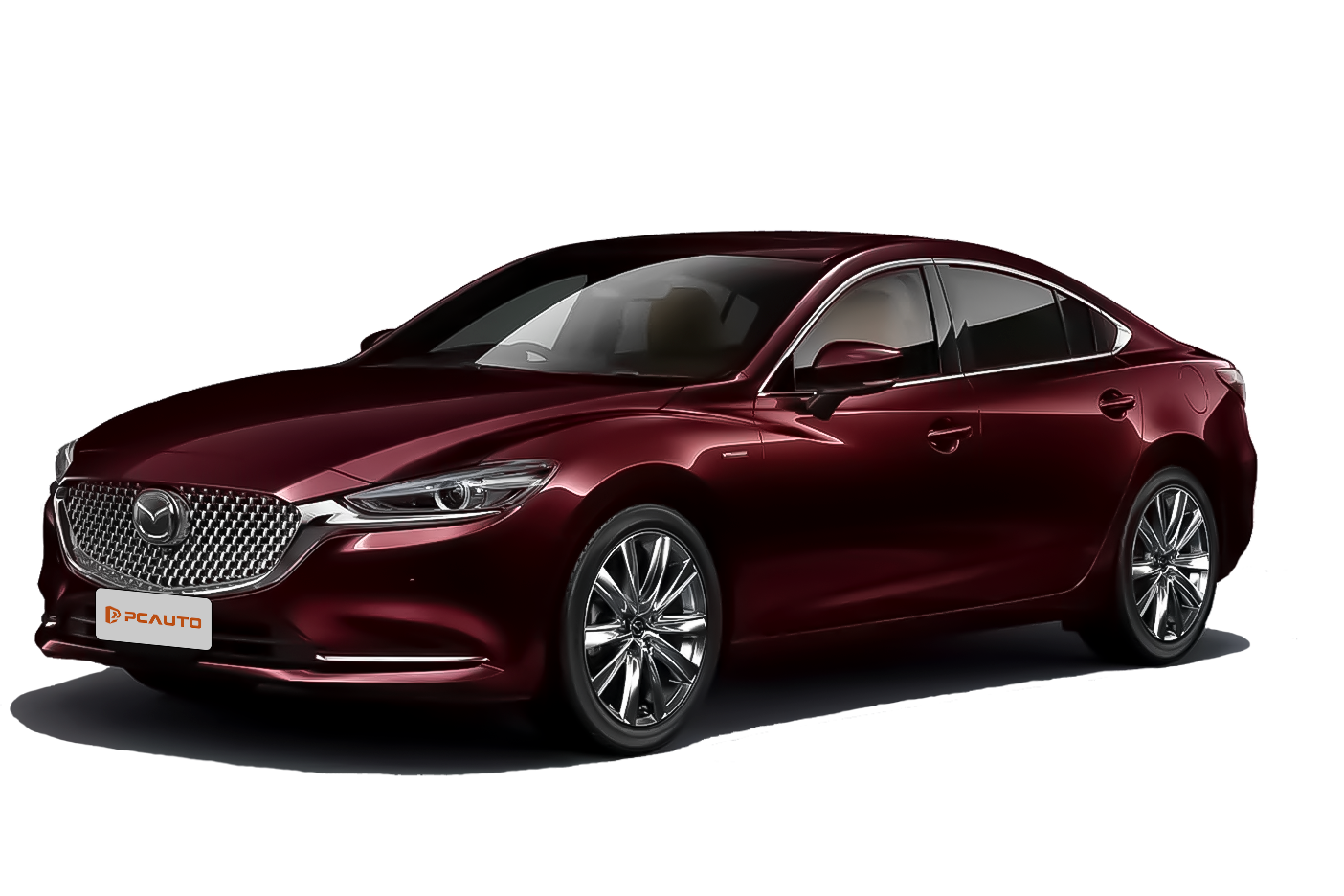
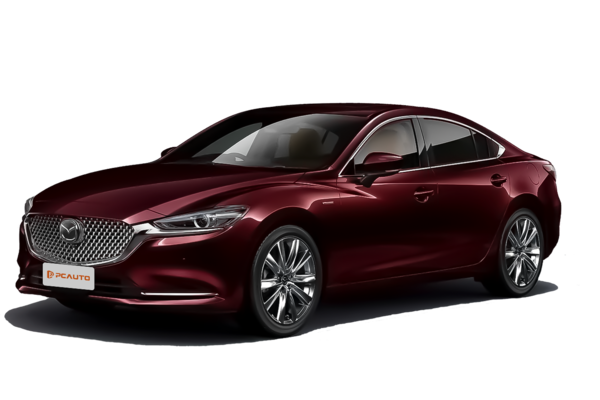
2023 Mazda 6 Sedan 2.0 SkyActiv-G meets the rational needs of family users for joint-venture quality, comfortable configurations, and fuel economy with its KODO design, practical space, and balanced driving control.

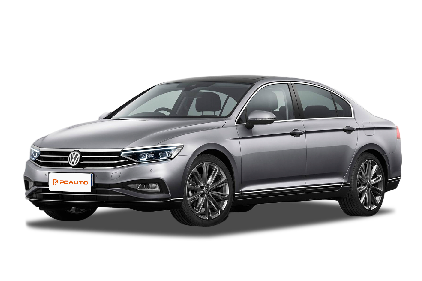
2022 Volkswagen Passat 2.0 TSI R-Line combines business elegance with sporty personality, featuring 220PS power, 14-way massage seats, and Harman Kardon audio system to meet the diverse needs of families and young professionals.
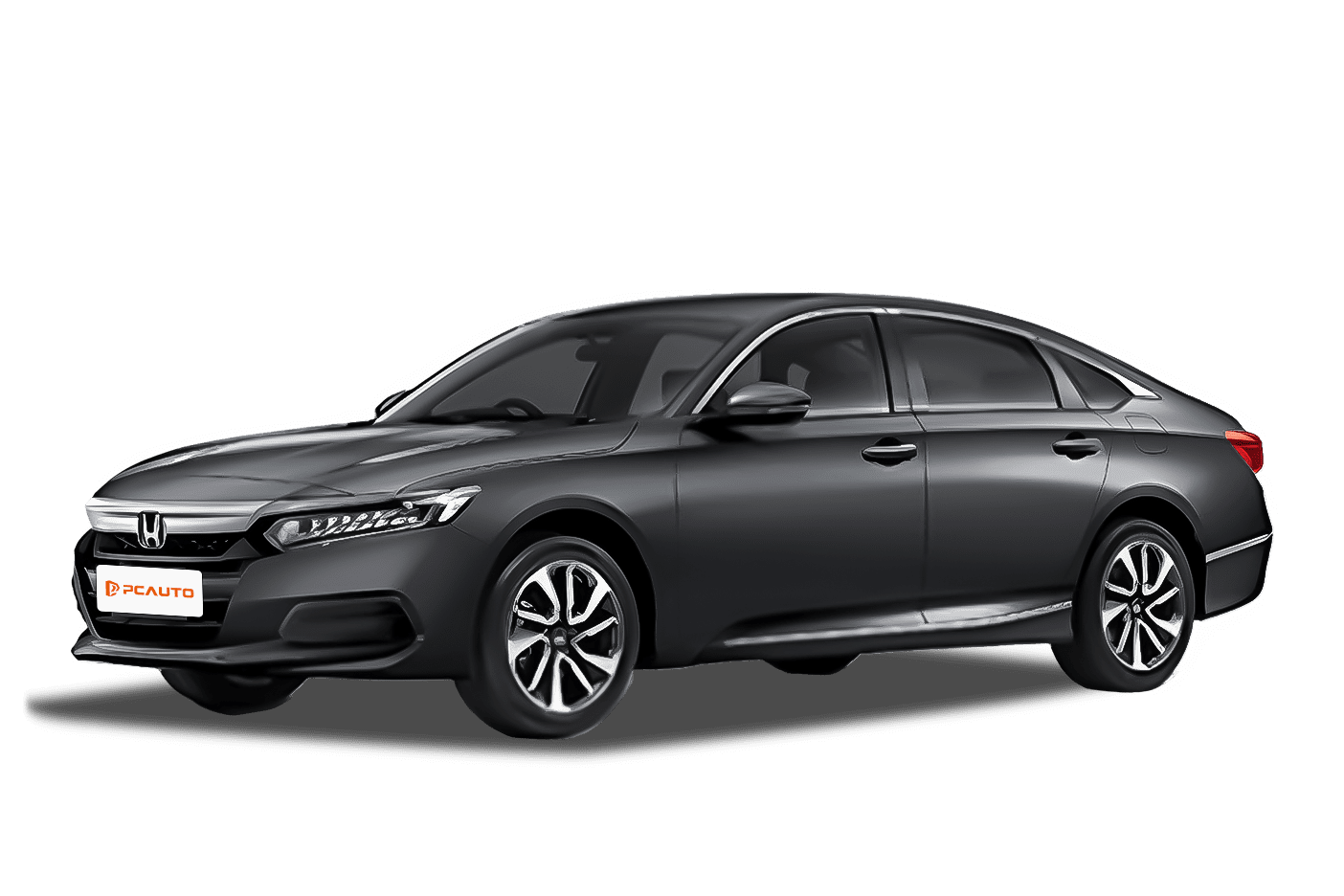
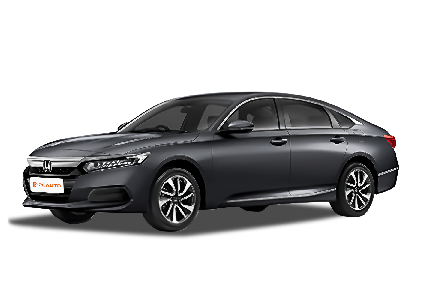
The 2023 Honda Accord 1.5 TC is a D-segment sedan that balances both business and family use, with core selling points of spacious interior, comfortable driving, and efficient performance, making it suitable for practical family users.
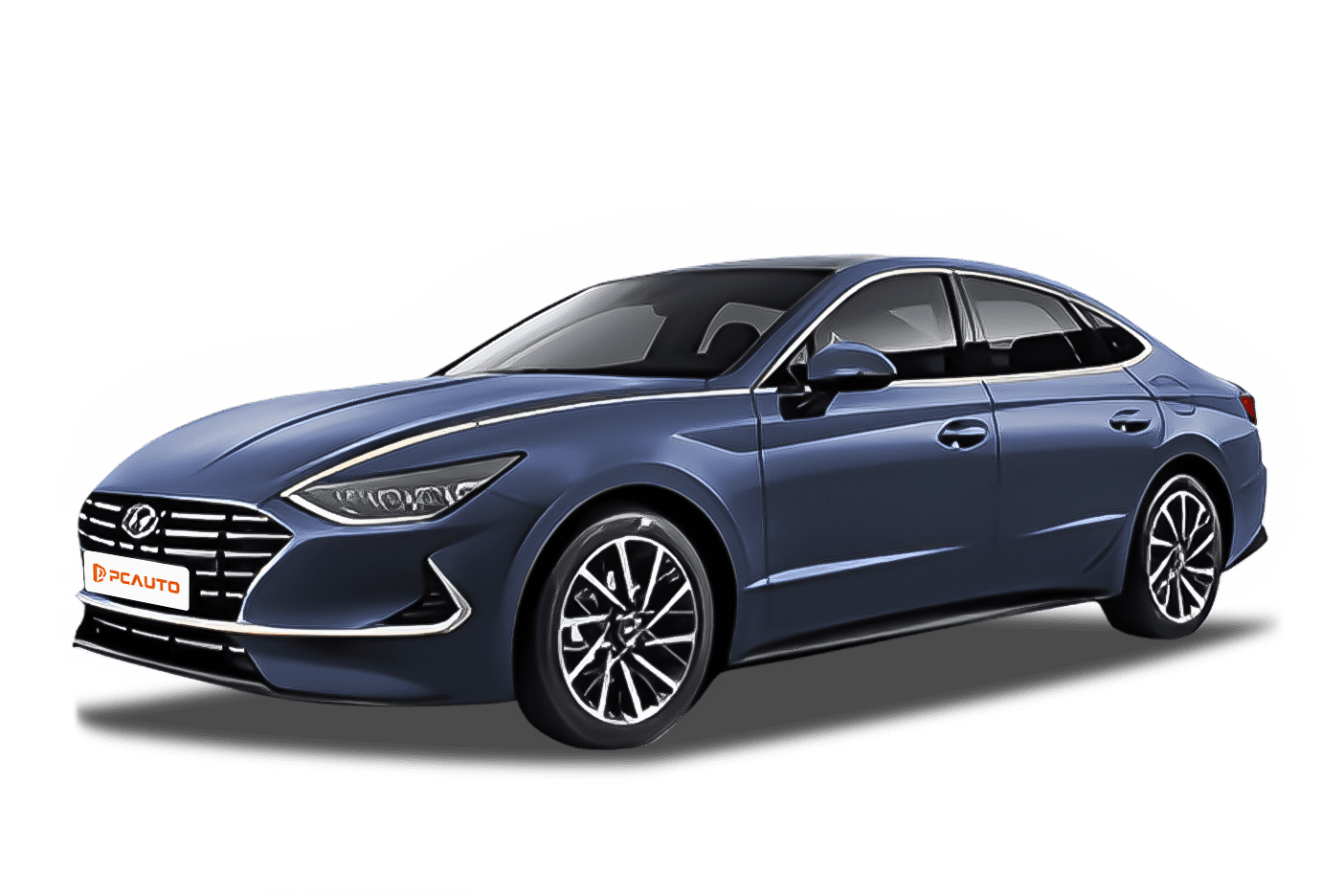
2024 Hyundai Sonata public is positioned as a D-Segment family and business sedan, combining dynamic design, practical configurations, and spacious space, balancing power and fuel consumption, safe and reliable.