

2014 Jaguar F-Type Coupé Review

 Share
Share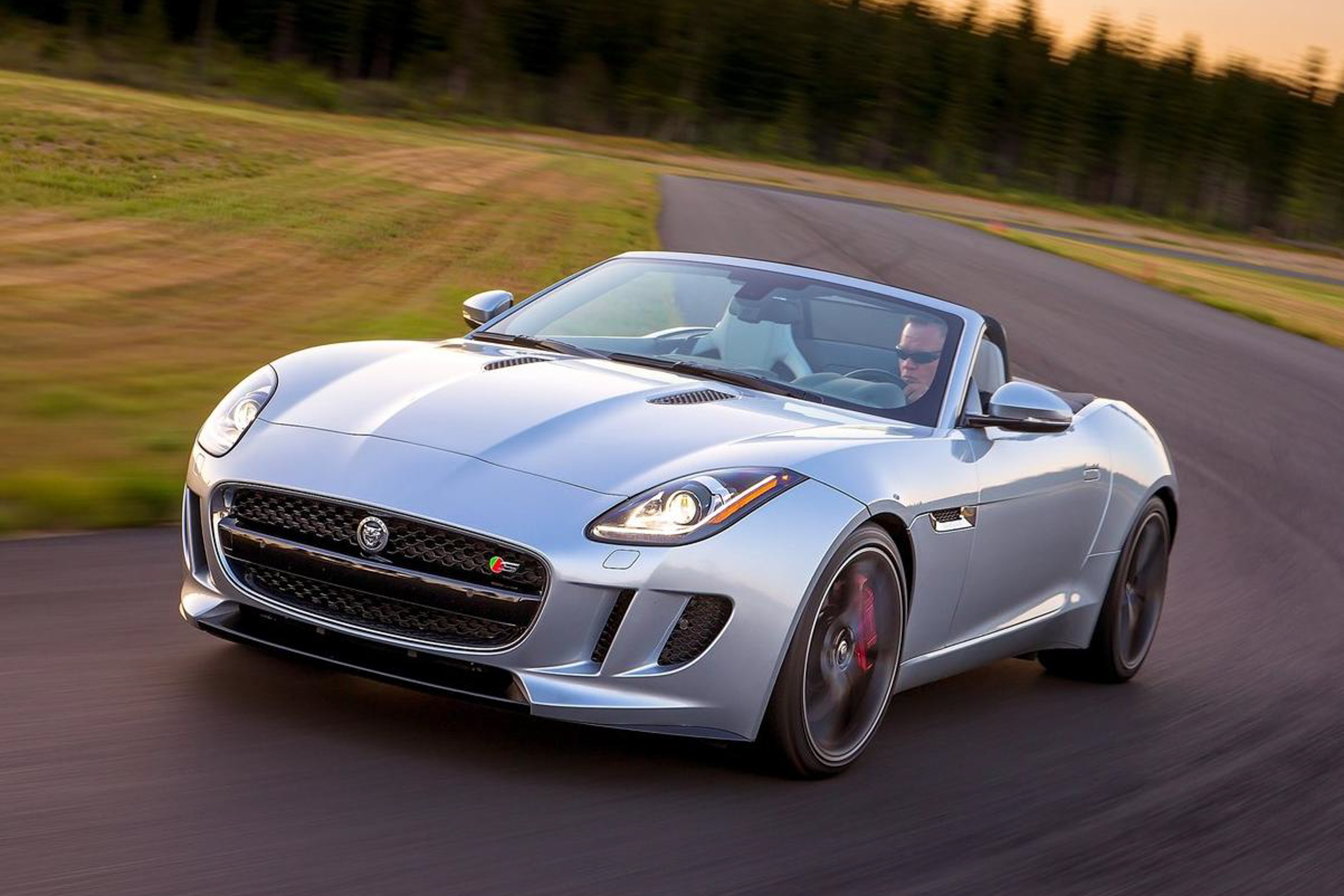
 Segment
 Body Type
 Capacity(L)
 Engine Power(PS)
 Engine Torque(Nm)
 Transmission
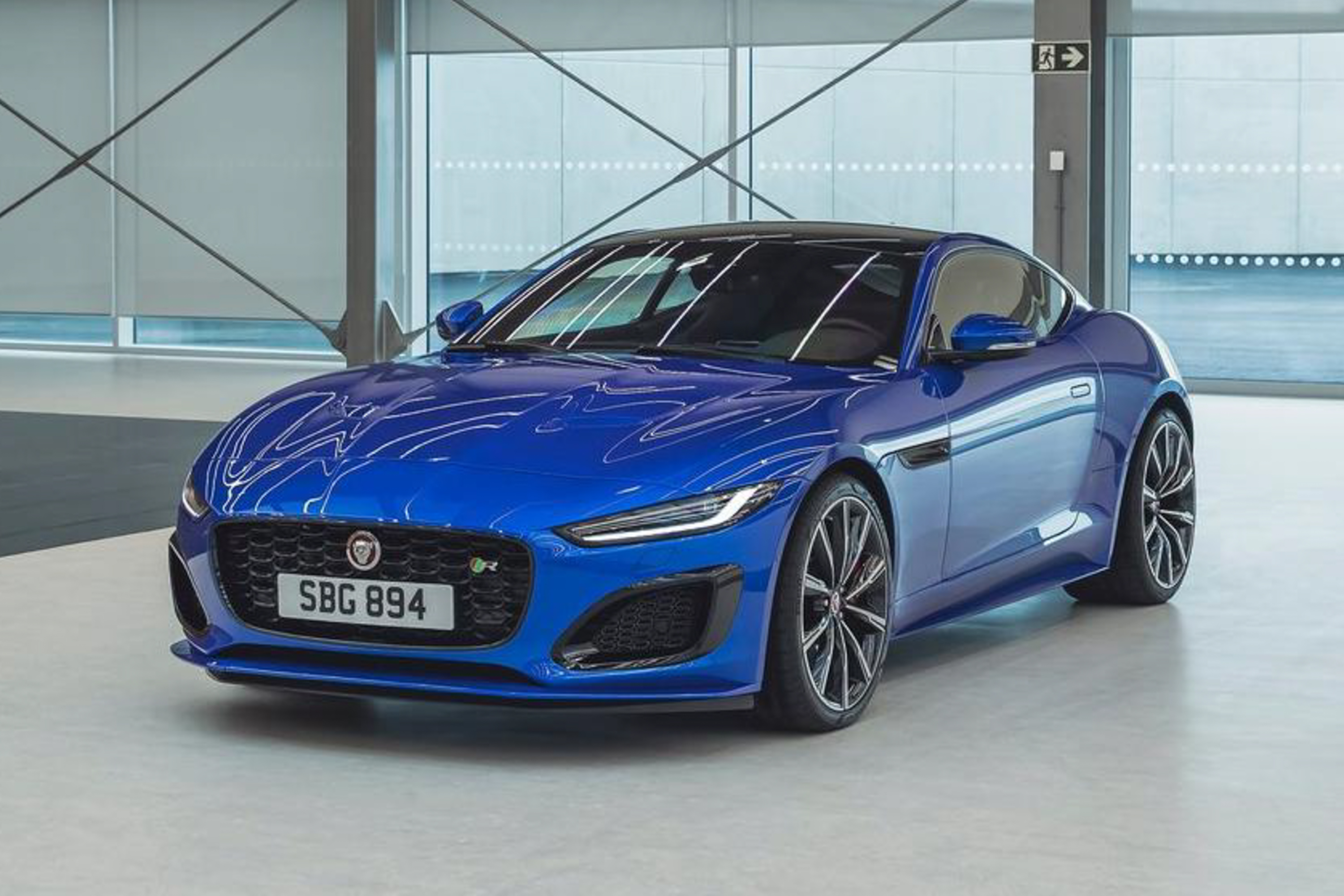
The luxury sports car market in Malaysia has always been a niche segment, where there is not only an extreme pursuit of performance but also an appreciation for the luxurious feel brought by the brand. The 2014 Jaguar F-Type Coupé enters the two-door hardtop sports car niche market, and its core selling points are clear — authentic British sports car design, the powerful 3.0-liter supercharged V6 engine, and Jaguar's signature driving quality. The purpose of this test drive is to verify whether it can strike a balance between "looks" and "performance," and whether it lives up to the name of "Jaguar's revival sports car."
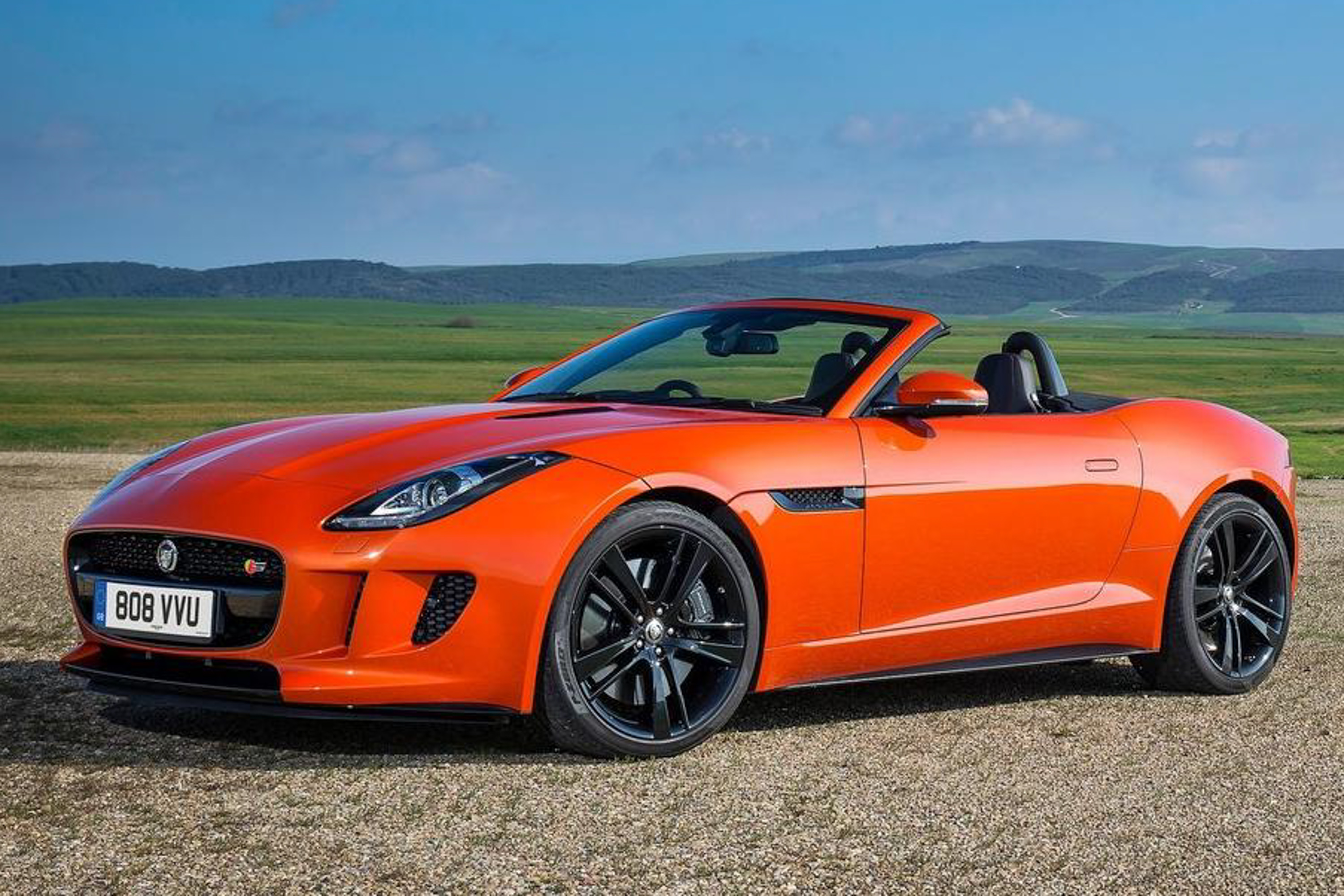
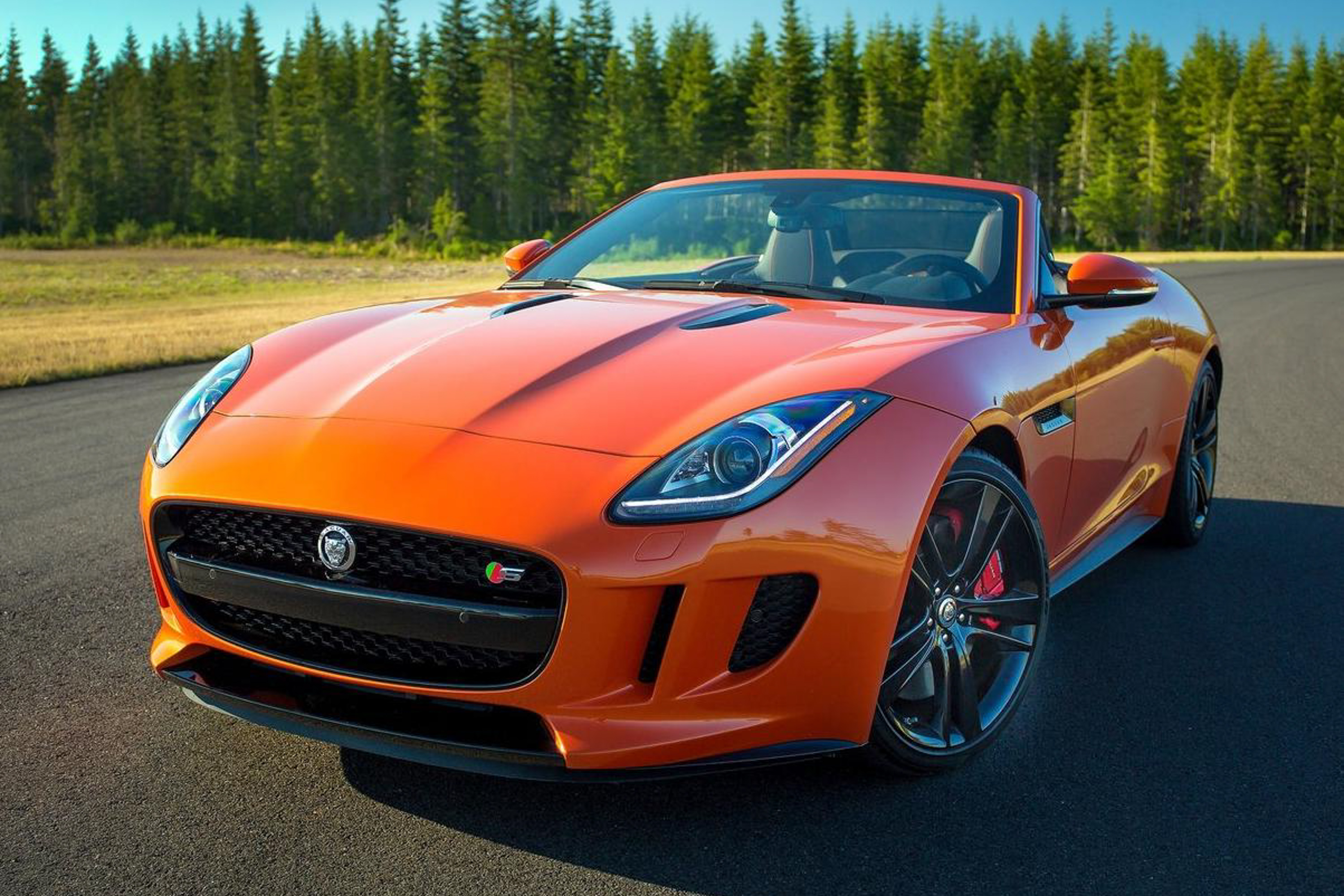
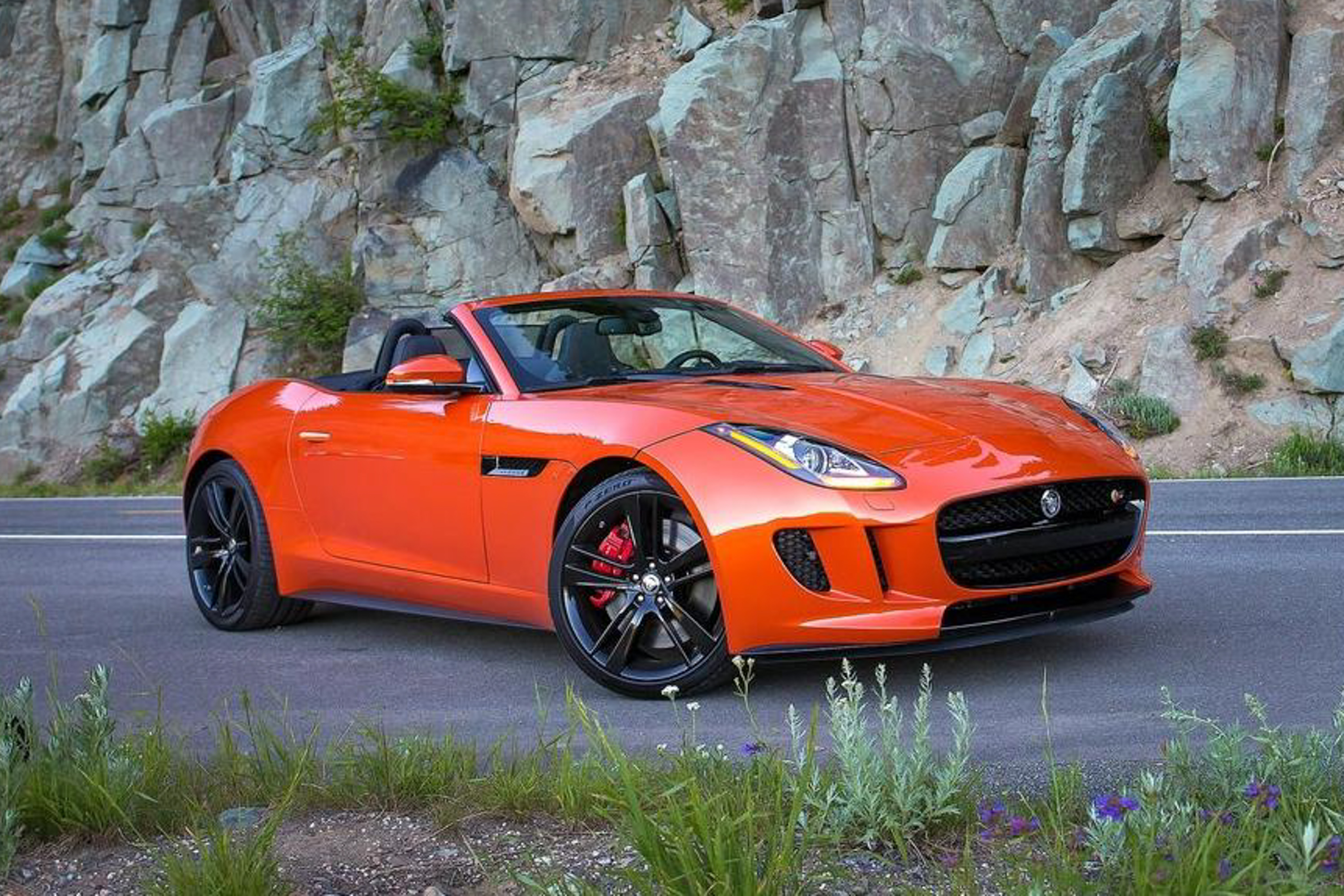
From its exterior, the design of the 2014 F-Type Coupé completely aligns with the position of a sports car. The overall lines are smooth and compact, the short front overhang and long hood proportions exude a typical sports car vibe, and the arc of the hardtop roof extends from the A-pillar to the rear, creating a simple fastback silhouette, which is slightly more sleek compared to the convertible version. The front end features Jaguar's family-style large mesh grille, paired with sharp LED headlights on both sides, providing high recognition; the air intakes under the front bumper and the ventilation slots on the side skirts are not just decorative, but also optimize aerodynamics. The rear design is a highlight, featuring a short tail shape with dual round exhaust pipes on either side, and the tail lights adopt a wrap-around design, making them highly recognizable when lit up, achieving a balance between a retro and modern appearance.
Inside the vehicle, the interior blends luxury and a sporty atmosphere well. The center console is wrapped in soft-touch materials, complemented with metallic trims and genuine leather stitching, providing the expected texture and feel. The seats are sporty bucket seats with strong wrapping capabilities, offering firm support for the back and cushion, ensuring comfort even during long drives. The center console layout is simple, and the 8-inch touchscreen is equipped with Jaguar's InControl system, offering decent responsiveness and supporting Bluetooth connectivity and a reversing camera; the instrument cluster features traditional mechanical pointers with a small LCD screen in the middle that displays basic information such as speed and fuel consumption. As for storage space, the door pockets can hold two bottles of water, while the central armrest compartment is small and can only accommodate minor items. As a two-door sports car, its storage capacity is within the normal range.
The test-drive model features the 3.0-liter supercharged V6 version, producing a maximum power of 340 horsepower and a peak torque of 450 Nm, paired with an 8-speed automatic transmission. The throttle response is very sensitive at start-up, and even a light press delivers noticeable power output. Mid-range and high-speed acceleration feel more robust, and when the throttle is pressed deeply, the sound of the supercharger is transmitted to the cabin via the exhaust, exuding a sporty feel. Switching to Sport mode makes the transmission shift logic more aggressive, with quicker downshifts and higher sustained RPM levels, ensuring ample power reserves for overtaking. During daily driving, the transmission shifts smoothly, with almost no perceptible jolts, making it suitable for urban commuting.
In terms of handling, the steering is precise with minimal play — it responds exactly as much as you turn it, and cornering provides clear directional feedback. The chassis tuning leans towards stiffness, offering strong suspension support, keeping the body roll minimal during cornering and giving the driver ample confidence. However, on bumpy roads, the damping doesn't filter out vibrations as effectively, with small road imperfections transmitted into the cabin, but this level of tuning is acceptable for a sports car. The braking system performs stably, with a linear pedal feel, and during emergency braking, the body posture remains steady. The braking distance from 100 km/h is approximately 36 meters, aligning with sports car standards.
In terms of sound insulation, wind noise and tire noise are well controlled at high speeds. At 120km/h, conversations inside the cabin do not require deliberately raising the volume. Engine noise is not obvious during normal driving and only becomes noticeable inside the car when you press the accelerator deeply, which is the "roar" a sports car should have. Fuel consumption performance is moderate, around 12-13L/100km in urban conditions and can drop to 8-9L/100km on highways. For a 3.0-liter supercharged engine, this level of fuel consumption is acceptable.
Overall, the key highlights of the 2014 Jaguar F-Type Coupé are very prominent: the exterior design is classic and distinctive, the 3.0T supercharged engine is powerful, the handling quality matches its sports car positioning, and the interior maintains Jaguar's luxury standard. Compared with the Porsche 911 Carrera in the same class, it offers a price advantage with comparable performance parameters but lower brand premium; compared with the Mercedes SLK, its handling and power performance are more aggressive. This car is suitable for two groups of people: one is driving enthusiasts who appreciate British sports car design and value power and handling; the other is consumers who pursue luxury brands but want to avoid choosing overly "mainstream" models.
In conclusion, the 2014 Jaguar F-Type Coupé is a two-door sports car that is "substance inside and out." It has not sacrificed all comfort for sportiness, nor abandoned the essence of a sports car for the sake of luxury. If you are looking for a luxury sports car that is suitable for daily driving but also capable of occasional "wild runs," it would be a great choice.
Jaguar F-Type Car Compare

More Jaguar Reviews
Cars With Similar Price And Features
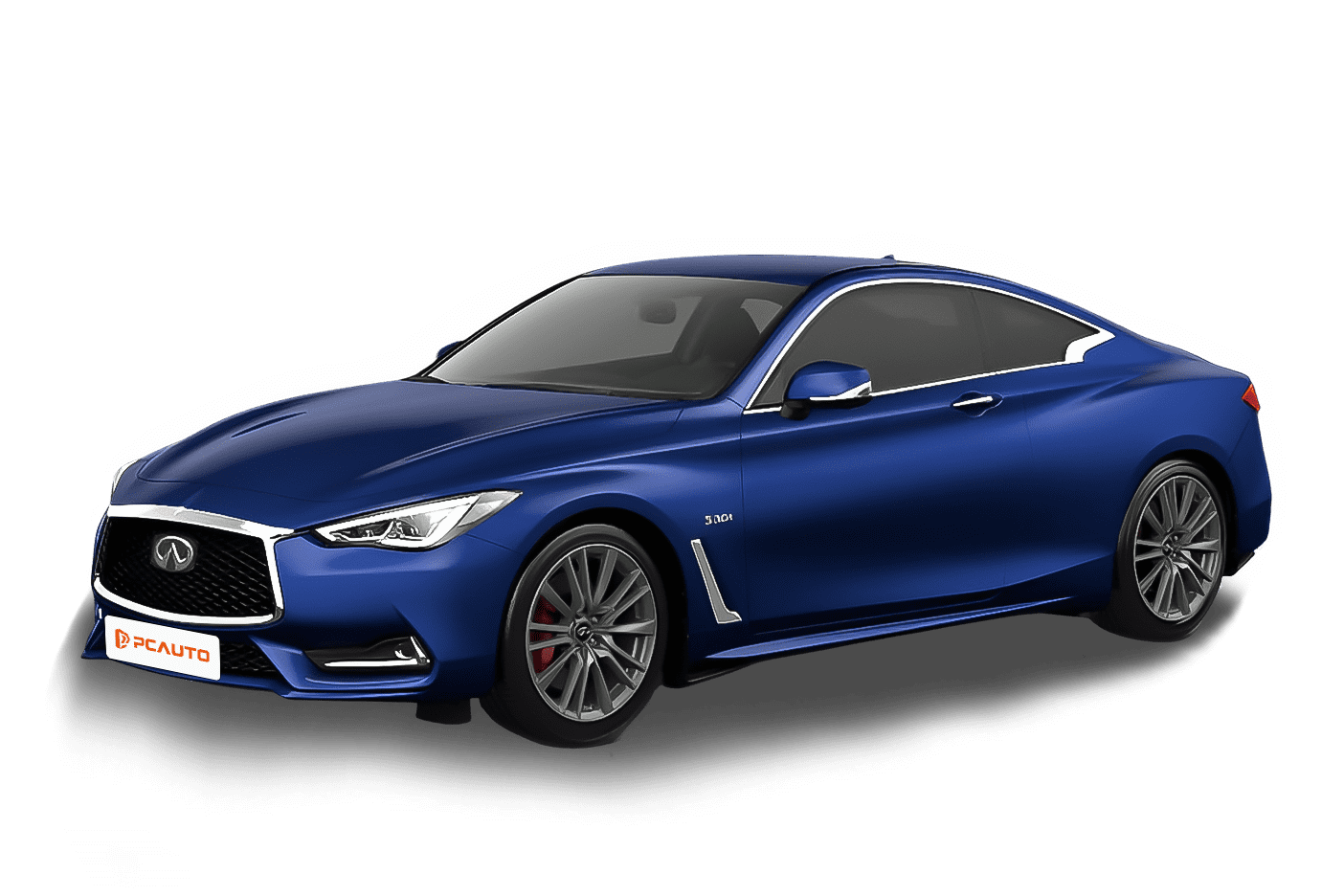
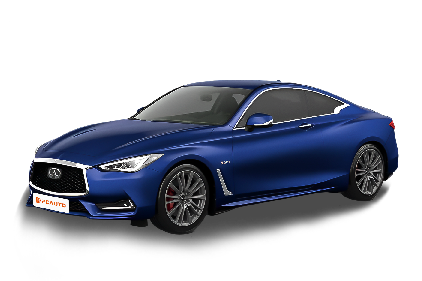
2017 Infiniti Q60 2.0t is a luxury coupe that balances sporty design and daily practicality, featuring a family-style exterior, BOSE audio system, and balanced power as its core selling points.
1
Rank in Coupe
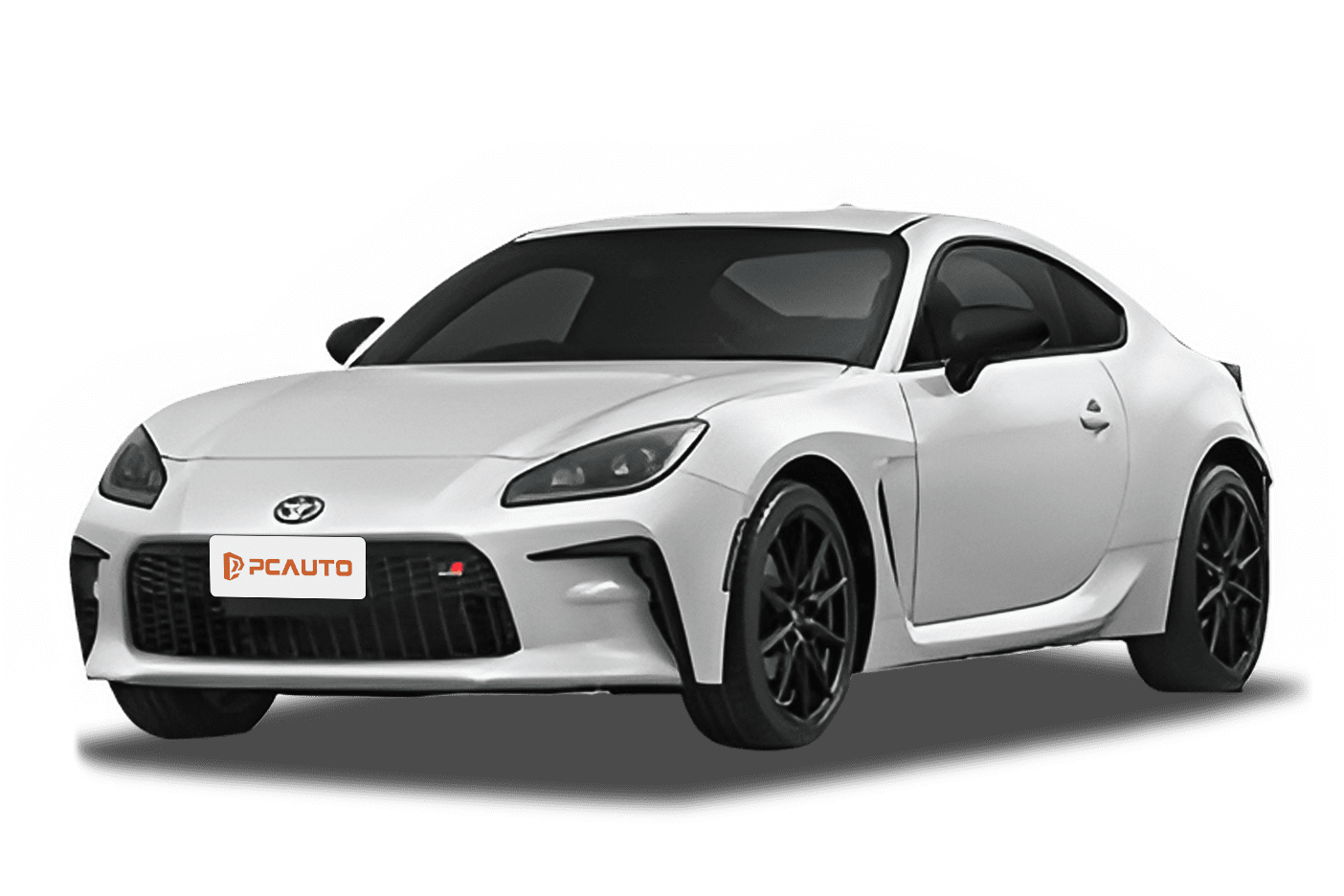
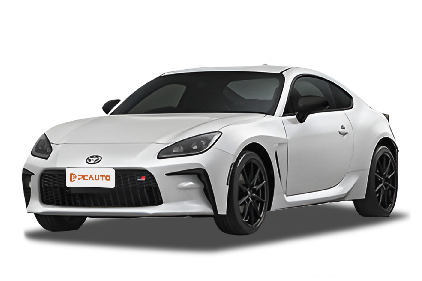
2023 Toyota GR 86 2.4 AT is a rear-wheel-drive sports coupe upgraded with a 2.4L naturally aspirated engine to address low torque issues, balancing daily commuting with pure driving pleasure.
10
Rank in Coupe
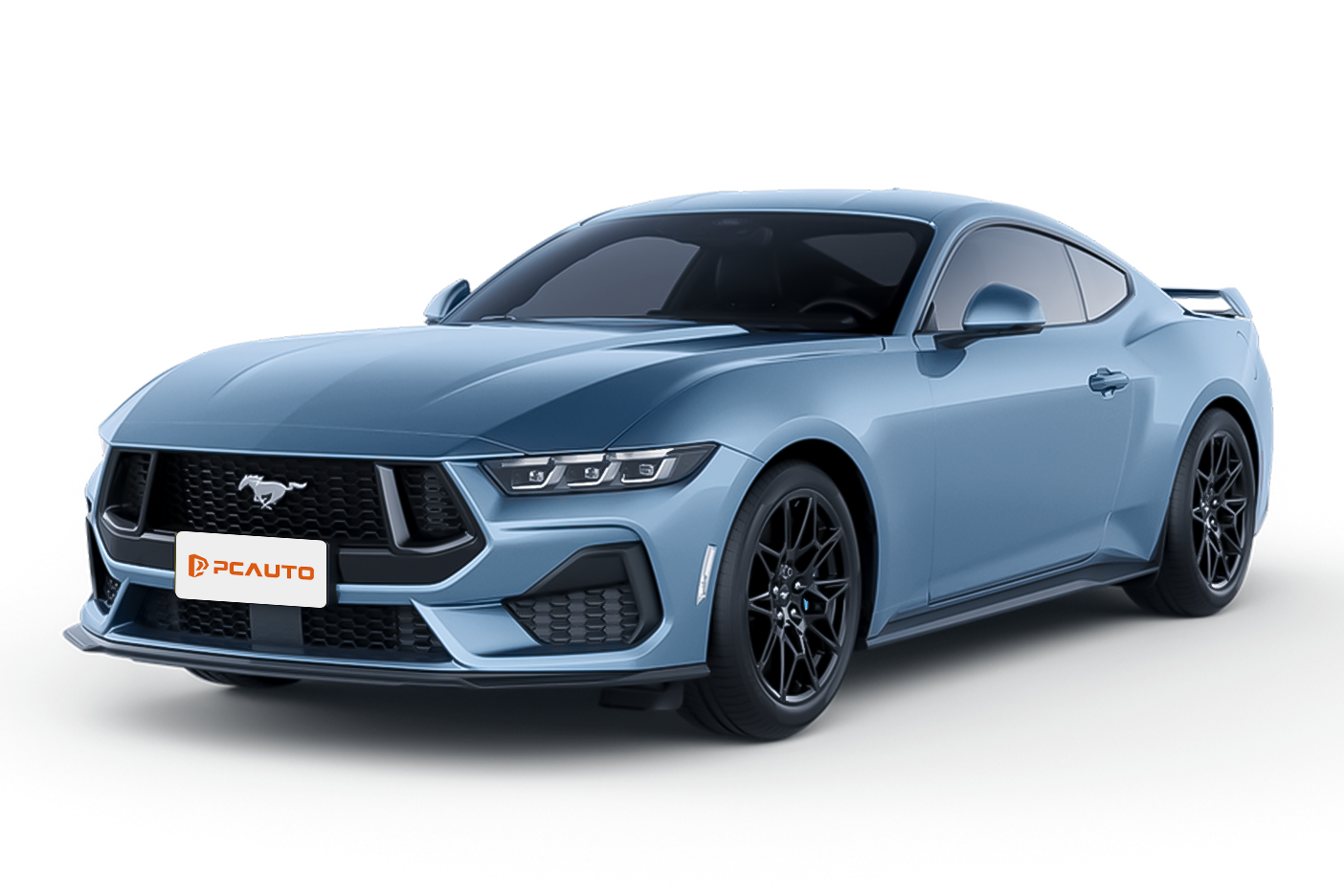
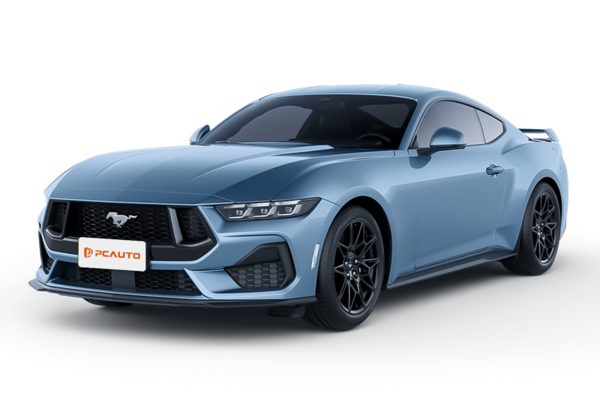
2018 Ford Mustang 2.3 EcoBoost retains the classic muscle car appearance with high cost performance, the 2.3T engine delivers 310PS horsepower, balancing performance and practicality for daily driving.
6
Rank in Coupe
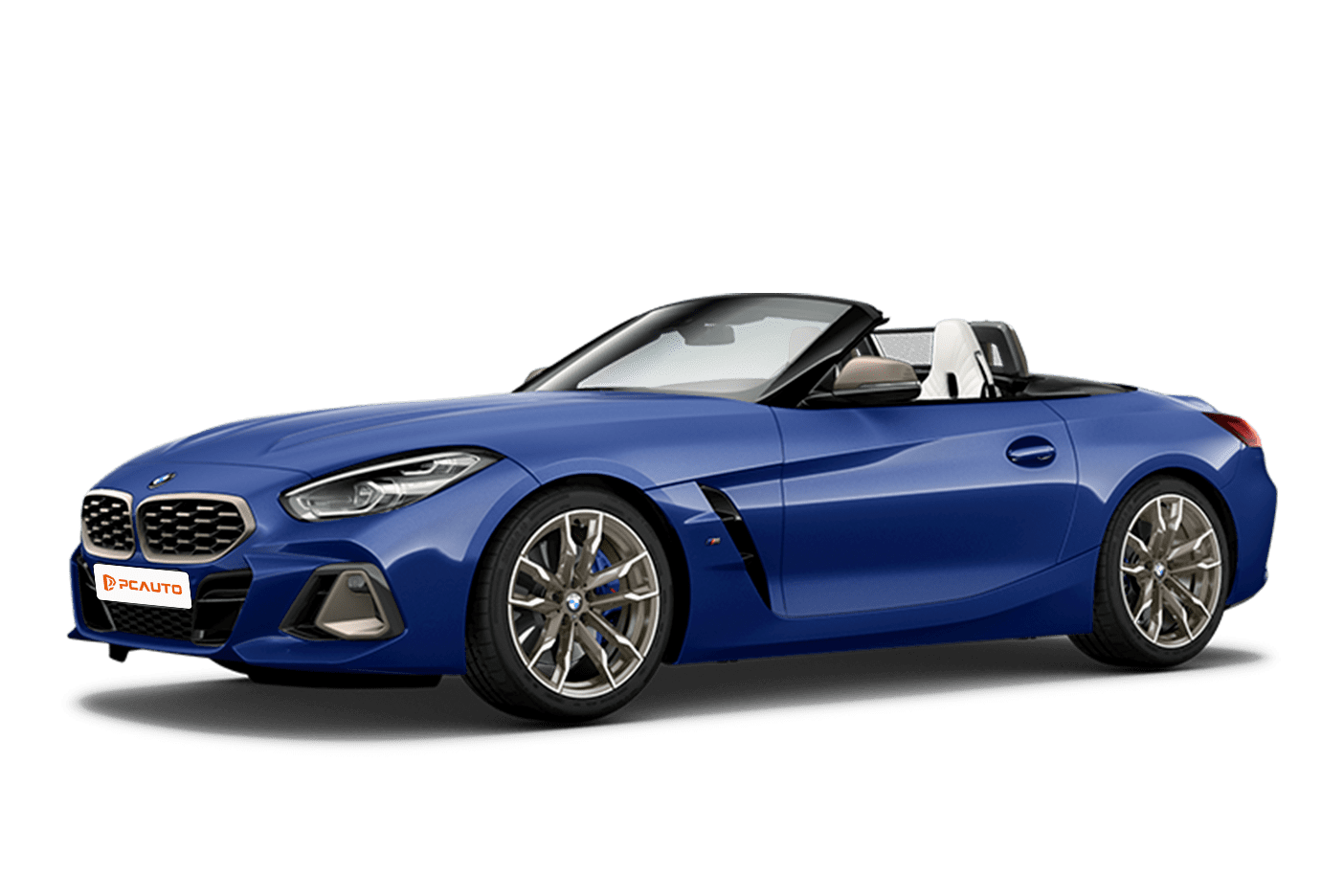
2023 BMW Z4 public, as a classic rear-wheel-drive convertible sports car, balances driving pleasure and daily practicality, with class-leading intelligent features and a compact body precisely meeting the needs of Malaysian users.