

Lamborghini Urus 2024 Review

 Share
Share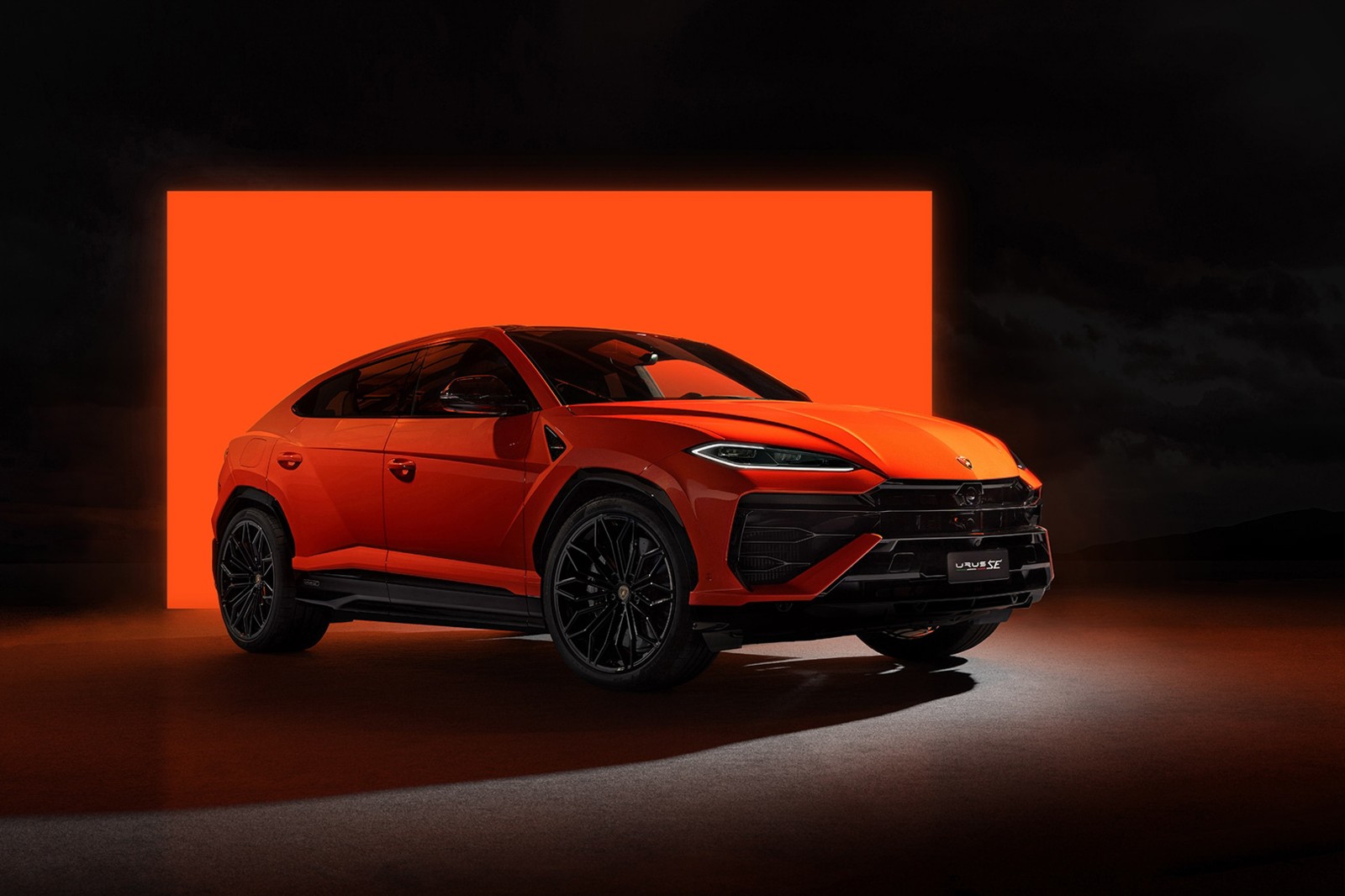
 Segment
 Body Type
 Combined System Output(PS)
 EV Range(km)
 Capacity(L)
 Combined System Torque(Nm)
In the supercar SUV market, customers' pursuit of performance has never stopped, but increasingly stringent emission regulations and the demand for daily practicality have made hybrid technology a new choice for high-end models. As Lamborghini's first plug-in hybrid SUV, the 2024 Urus SE not only retains the brand's iconic performance genes but also expands daily usage scenarios through its PHEV system. In this test drive, we focus on its balance between performance, hybrid efficiency, and practicality, to see if this "green raging bull" can cater to both track passion and urban commuting.
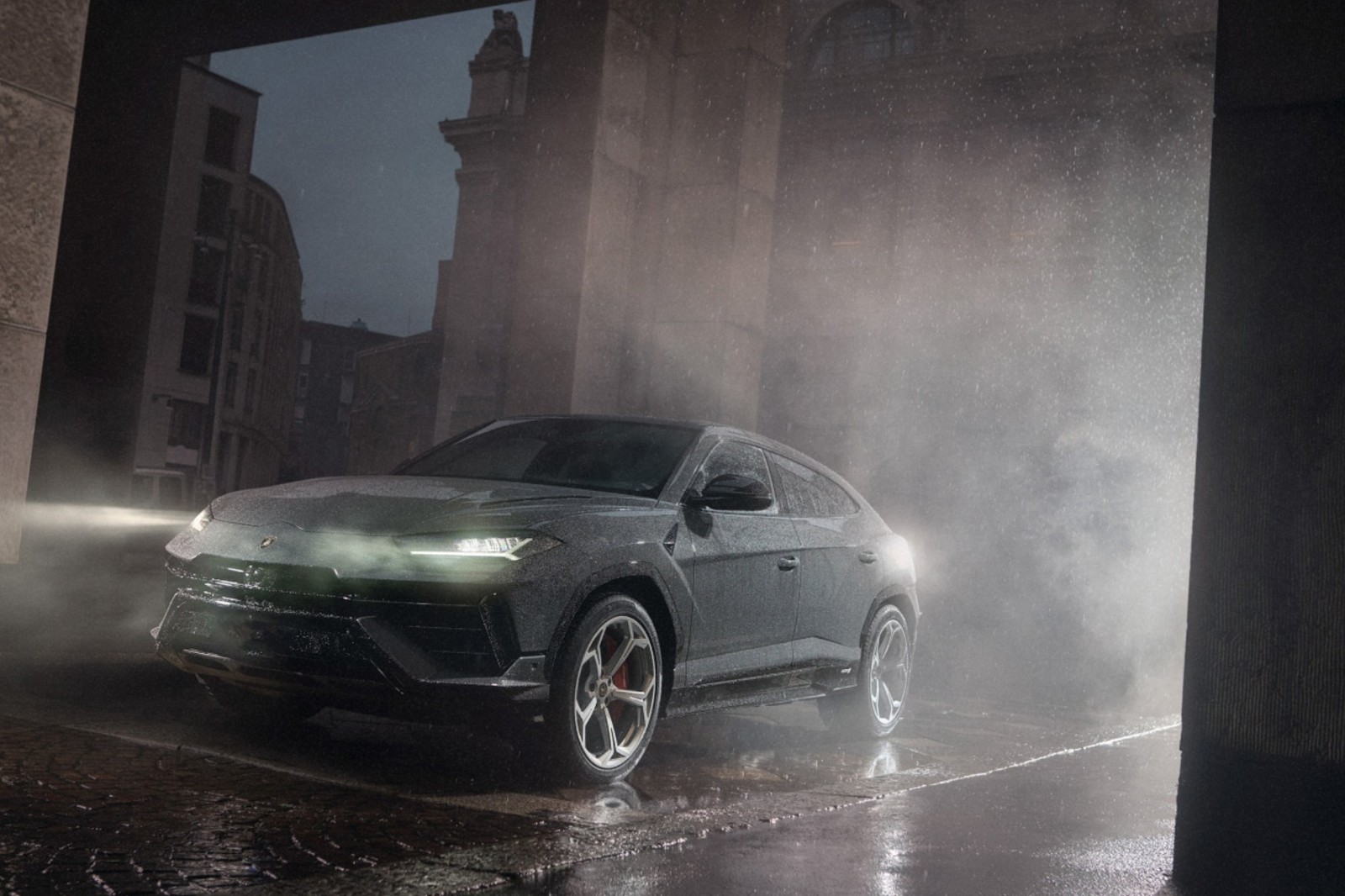
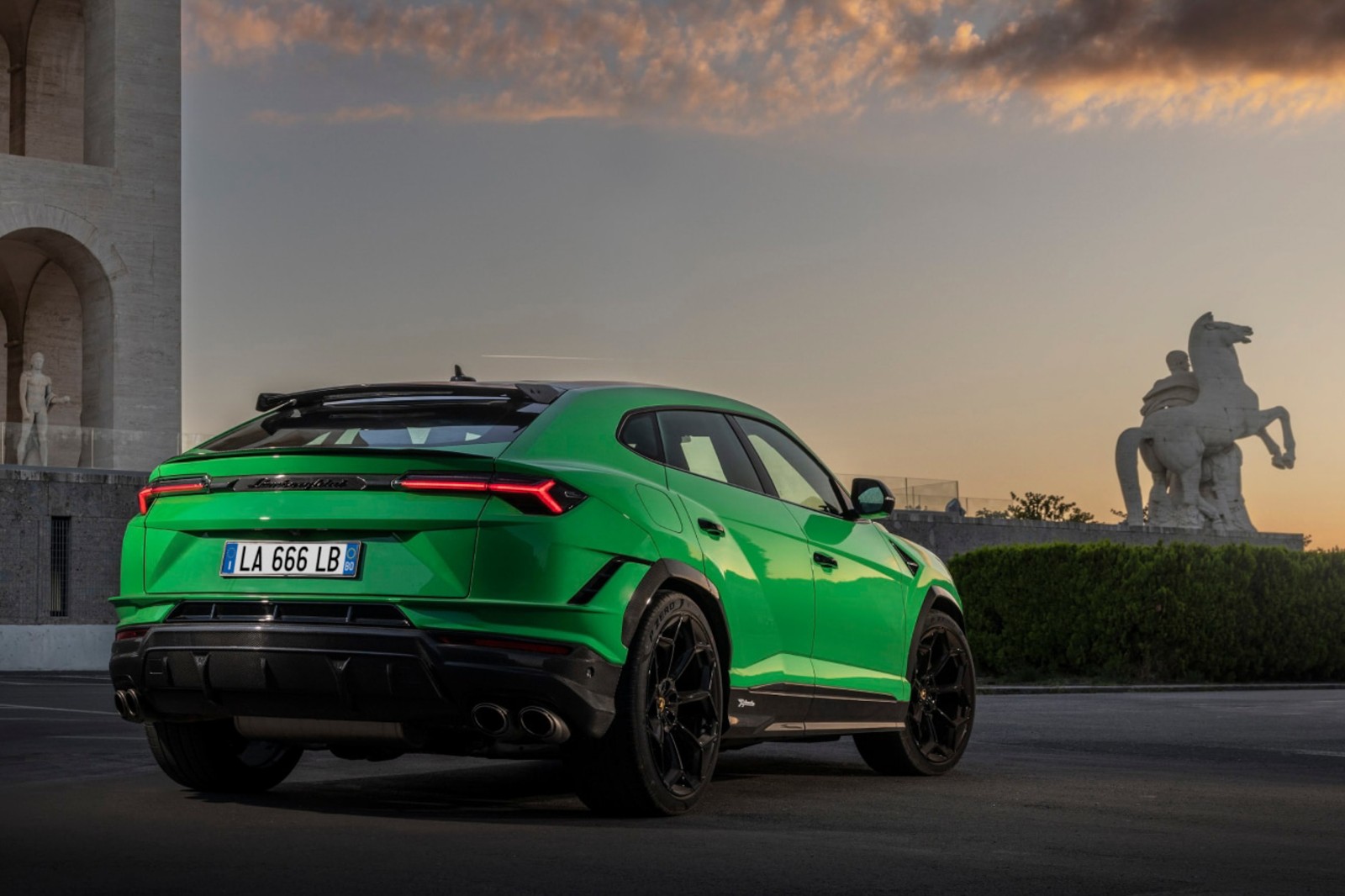
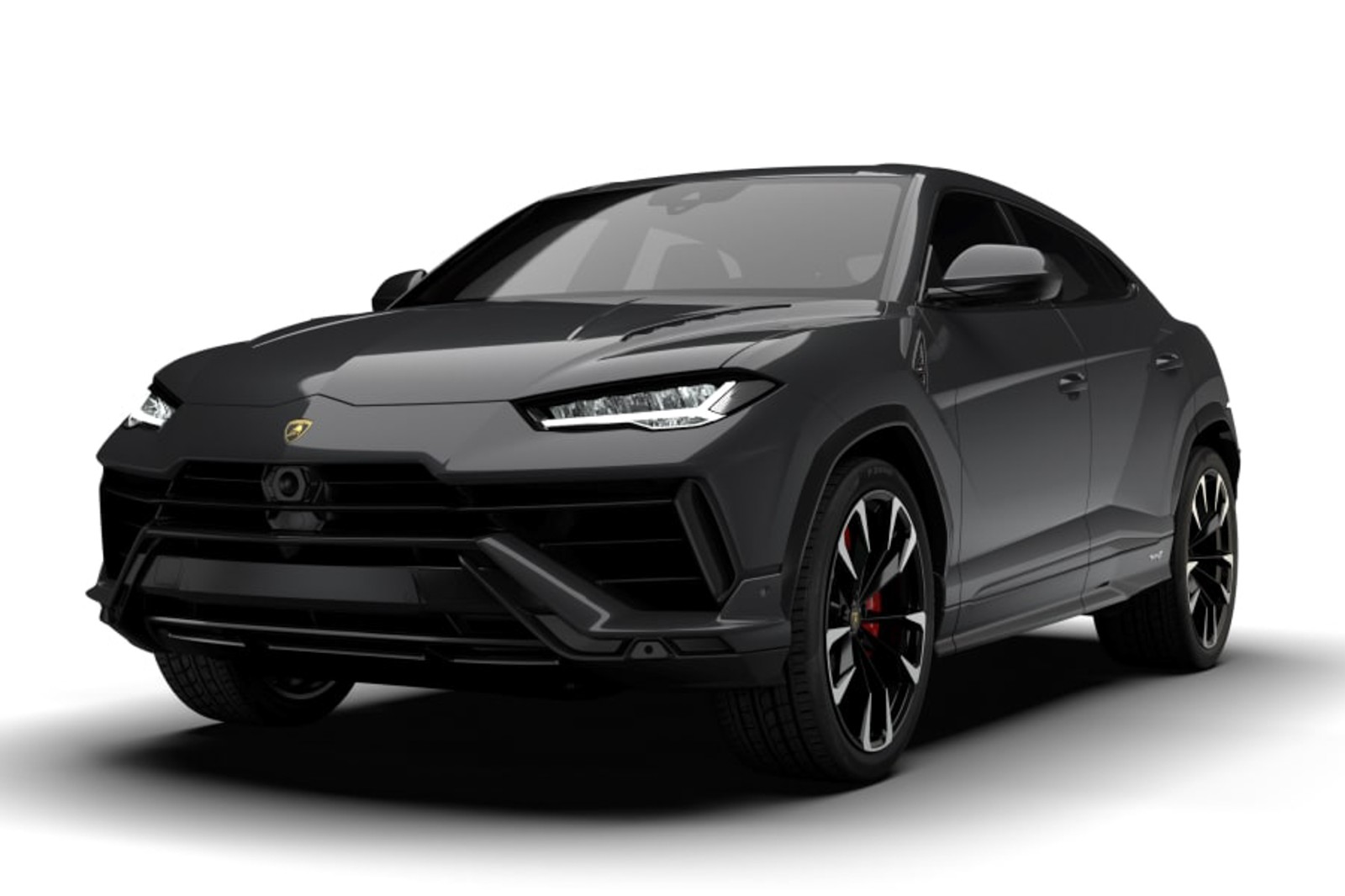
From a distance, the Urus SE remains a typical Lamborghini SUV stance—low and wide body proportions paired with sharp lines for high recognizability. The front face doesn't change much compared to the standard version, with classic Y-shaped LED daytime running lights embedded on either side of the large air intake grille. The air intakes in the lower bumper are further optimized, enhancing aerodynamic efficiency and reinforcing the sporty feel. The side profile features a waistline extending from the front fender to the rear, combined with optional 23-inch matte black wheels and red brake calipers, delivering a striking visual impact. The changes at the rear are more apparent: the taillights adopt a through-type design with the Lamborghini logo embedded in the center. Below, the diffuser's design is more intricate, with a quad-exhaust layout on both sides constantly reminding you of its performance identity. The overall design does not deliberately weaken the sporty feel for the sake of "hybrid"; rather, the detailed adjustments make it feel even more futuristic.
Sitting inside, the familiar Lamborghini battle atmosphere persists. The center console adopts a symmetrical layout, wrapped in a large amount of Alcantara material and carbon fiber trims, offering a delicate touch and full of sporty vibes. The 12.3-inch central control screen is the technological core of the interior, featuring a minimalist interface design. It supports Apple CarPlay and Android Auto connectivity, with operational smoothness significantly improved over the previous model. The dashboard is a 12.3-inch fully digital display and supports multiple modes—showing core data like RPM, gear, and G-forces in track mode, while focusing on battery power and electric range information in hybrid mode. The seats adopt a sporty bucket seat design with strong lateral support, providing a good sense of wrap during everyday driving. They also support 18-way electric adjustments and heating functions. In terms of space, the 2996mm wheelbase ensures ample legroom in the rear; a 180cm-tall passenger will have about two fists of space between their knees and the front seats, along with one fist of headroom, making it suitable for daily family use. While storage space is not particularly outstanding, the front cup holders and central armrest storage box are large enough for storing items like phones and wallets. The standard trunk volume of 574L can be expanded to 1626L by folding down the rear seats, which is sufficient for strollers or suitcases.
The power system is a core highlight of the Urus SE: a combination of a 4.0T V8 twin-turbo engine and a rear-mounted single electric motor. The system delivers a combined output of 800.2PS and a combined torque of 950N·m, paired with an 8-speed automatic transmission and an all-wheel-drive system. The official 0-100km/h acceleration is 3.4 seconds, and the top speed reaches 312km/h, figures that fully align with the positioning of a supercar SUV.
When driving daily, switching to pure electric mode provides sufficient power with the motor's 192PS horsepower to move the body, reaching a top speed of 135km/h. The official pure electric range is 60km — whereas in actual urban commutes, if the road conditions are smooth, the pure electric range can reach about 55km, which is completely fine for short-distance commutes. The battery capacity is 25.9kWh, and it takes about 3.5 hours to fully charge using a home charging station (7kW), while the fast charging mode (50kW) only requires 30 minutes to charge up to 80%. When switched to hybrid mode, the engine and motor intelligently cooperate: electricity is prioritized at low speeds, and the engine engages during acceleration or high-speed cruising. The entire process is smooth, with almost no noticeable abrupt power transitions. When you step on the accelerator hard, the immediate torque burst from the motor compensates for the turbo lag of the engine, resulting in a very quick acceleration response. During overtaking, you only need to step lightly on the accelerator, and the car will shoot forward swiftly, with a continuous and intense push-back sensation.
In terms of handling, the Urus SE exceeds expectations. The steering wheel is precise, with minimal slack, and in sports mode, the steering effort increases, providing a strong sense of control. The chassis adopts adaptive air suspension, supporting height and stiffness adjustments — in comfort mode, the suspension can filter out most road bumps, and when driving over speed bumps or uneven roads, body movement is minimal, maintaining a good level of comfort. When switching to sport or track mode, the suspension instantly stiffens, offering excellent body roll suppression. The vehicle remains stable through turns, and even at relatively high speeds, there is no significant inclination. The braking system also performs exceptionally well, with a combination of front 6-piston calipers and carbon-ceramic brake discs (optional), delivering short and linear stopping distances. During daily driving, the braking response is precise and consistent, instilling confidence.
In terms of fuel consumption, during our test on mixed road conditions (50% city + 50% highway), the average fuel consumption in hybrid mode was about 10.5L per 100km, which is significantly lower compared to the 12.7L of the standard Urus. If using pure electric mode mainly for commuting, fuel consumption can be further reduced. Noise control is well-handled; in pure electric mode, almost no noise is audible, and in hybrid mode, the sound of the engine engaging is also well suppressed. During high-speed cruising, wind noise and tire noise are within an acceptable range and do not affect in-car conversations.
In summary, the greatest advantage of the 2024 Lamborghini Urus SE lies in its "balance": it not only showcases Lamborghini's signature performance capabilities, catering to users' speed pursuits, but also reduces daily usage costs through the PHEV system, broadening the scenario for pure electric commuting. Compared to its peer, the Porsche Cayenne Turbo S E-Hybrid, the Urus SE holds an edge in terms of power (800PS vs 680PS) and acceleration performance (3.4 seconds vs 3.8 seconds). The interior also exudes a sportier vibe. Although slightly pricier than the Cayenne (Urus SE Malaysia suggested retail price RM 1,028,000, Cayenne Turbo S E-Hybrid about RM 980,000), the brand premium and performance justify the price difference.
The target audience of this car is very clear: first, supercar enthusiasts who seek performance but also have environmental concerns—they want to experience the speed and excitement of Lamborghini while hoping for more economic and eco-friendly daily commuting; second, high-net-worth family users who value practicality—the space and comfort of the Urus SE meet family travel needs, while the brand positioning and performance elevate their status.
Finally, the 2024 Urus SE is not a model that compromises for the sake of being "hybrid;" it represents Lamborghini's exploration of future performance cars—it proves that a super SUV can balance both performance and efficiency, truly a product that achieves "having your cake and eating it too." If you're looking for a luxury SUV that can go wild on the track and serve as your daily commuter, the Urus SE is worth considering.
Lamborghini Urus Car Compare

Lamborghini Urus Loan Calculator
More Lamborghini Reviews
Cars With Similar Price And Features
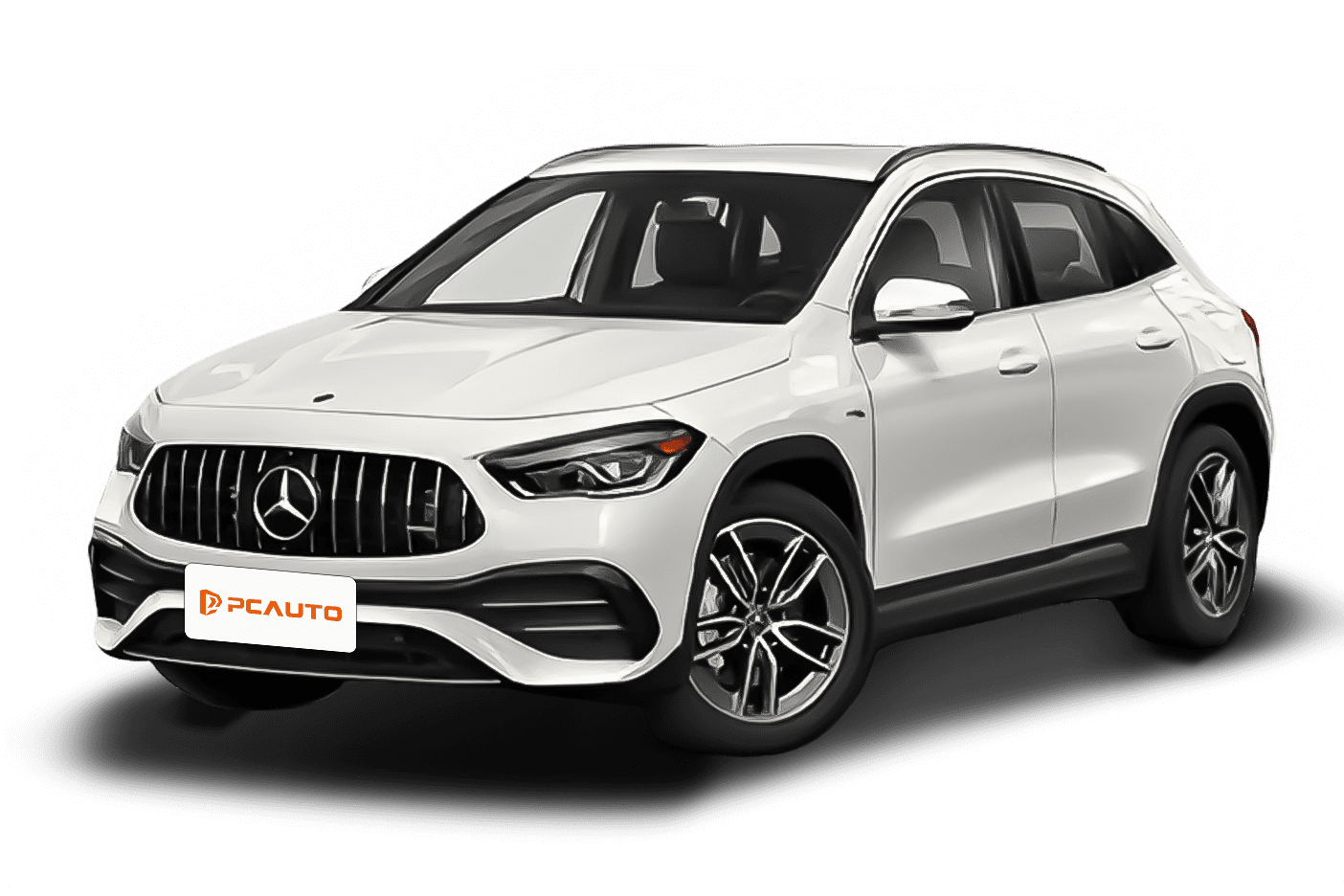
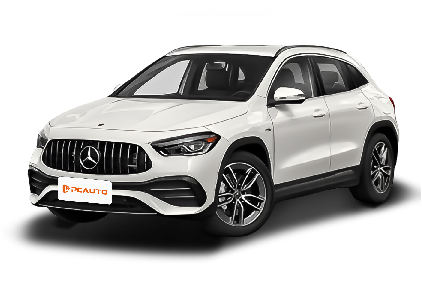
The 2024 Mercedes-Benz AMG GLA 45 S 4MATIC+ is a compact high-performance SUV that combines 420PS powerful output, 4.3-second 0-100 km/h acceleration, luxurious configuration, and practical space, meeting both ultimate driving pleasure and daily commuting needs.
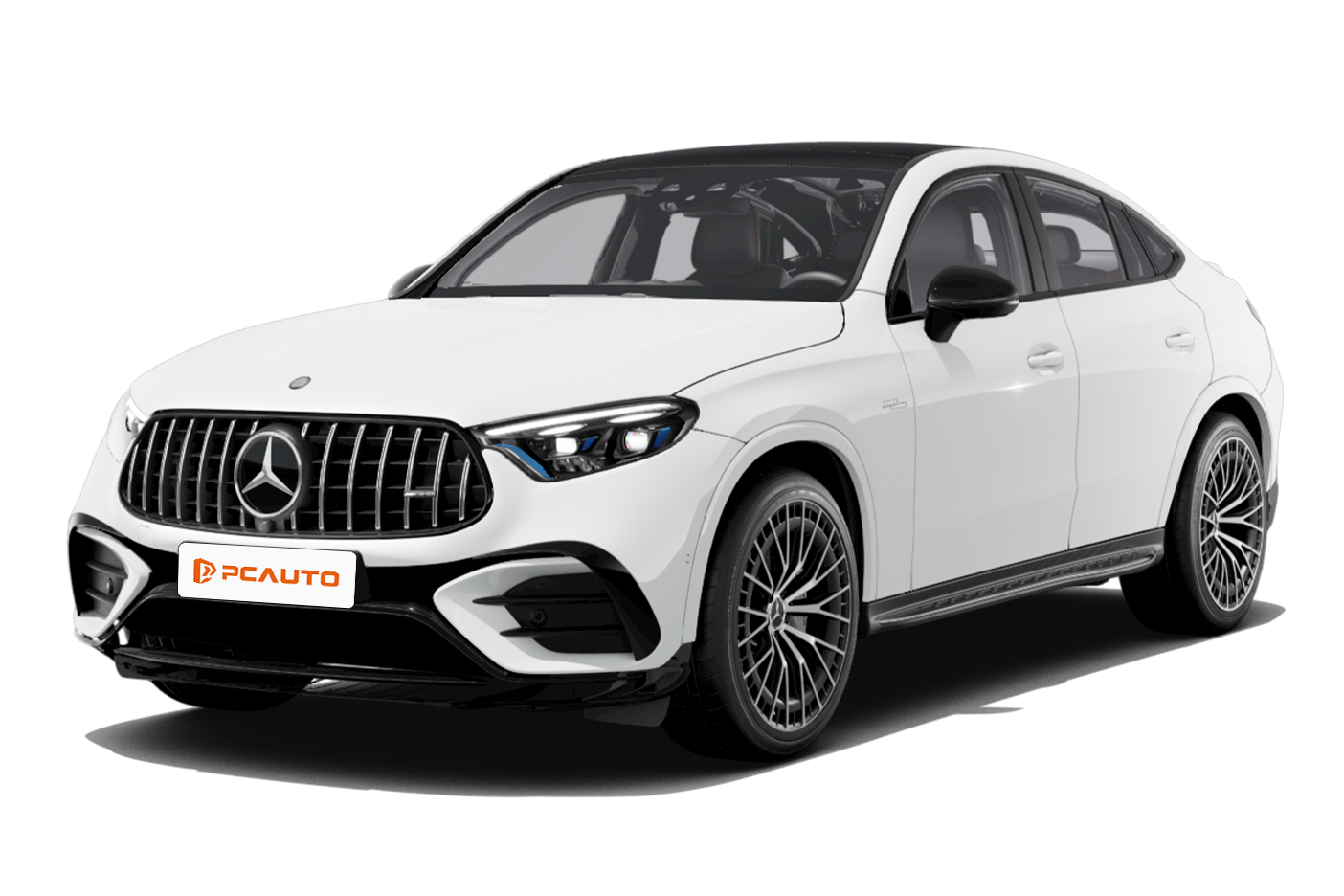
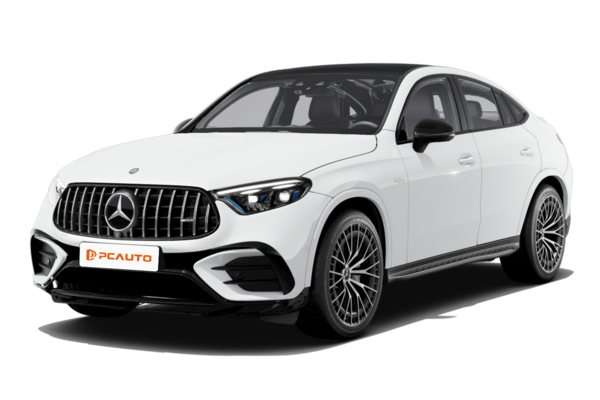
2024 Mercedes-Benz AMG GLC43 4Matic+ is equipped with a 2.0T hybrid system, surpassing the power of the old 3.0T, with fully upgraded features, balancing sportiness and family use as a luxury mid-size SUV.

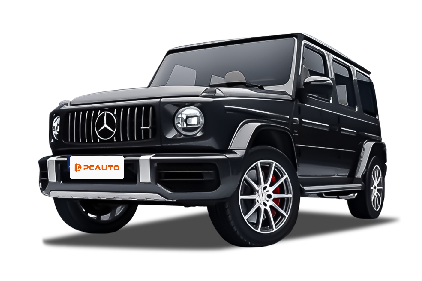
The Mercedes-Benz AMG G-Class G63 2024 is a luxurious hardcore SUV with a classic boxy design, featuring a new mild hybrid system to enhance power response, upgraded intelligent configurations, and interior quality, combining sentiment with performance.