

Lamborghini Urus Review

 Share
Share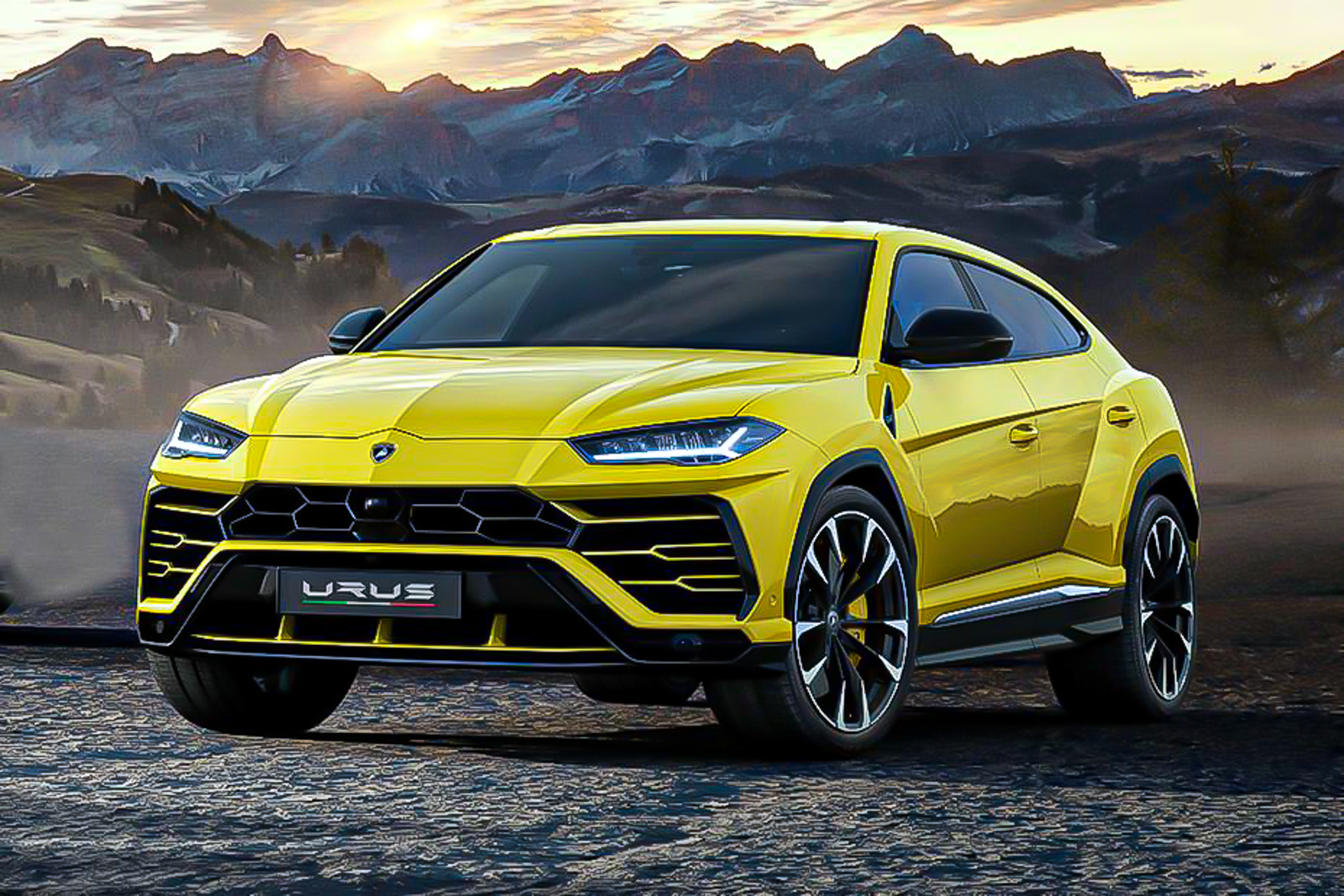
 Segment
 Body Type
 Capacity(L)
 Combined System Output(PS)
 EV Range(km)
 Driven Wheels
In the supercar SUV market, the Lamborghini Urus has always been synonymous with "performance and luxury"—the 2018 fuel-powered version solidified its position as a market leader with an acceleration of 0-100km/h in just 3.6 seconds and an aggressive design. The 2024 Urus SE brings a completely new transformation: it introduces a plug-in hybrid system for the first time, with a combined power output exceeding 800Ps, and official 0-100km/h acceleration further compressed to 3.4 seconds, while also achieving a 60km pure electric range. In this test drive, we aimed to verify whether the hybrid system significantly improves performance and assess whether the pure electric mode is practical for daily use and if the vehicle's ride and driving quality still maintain Lamborghini's high standards.
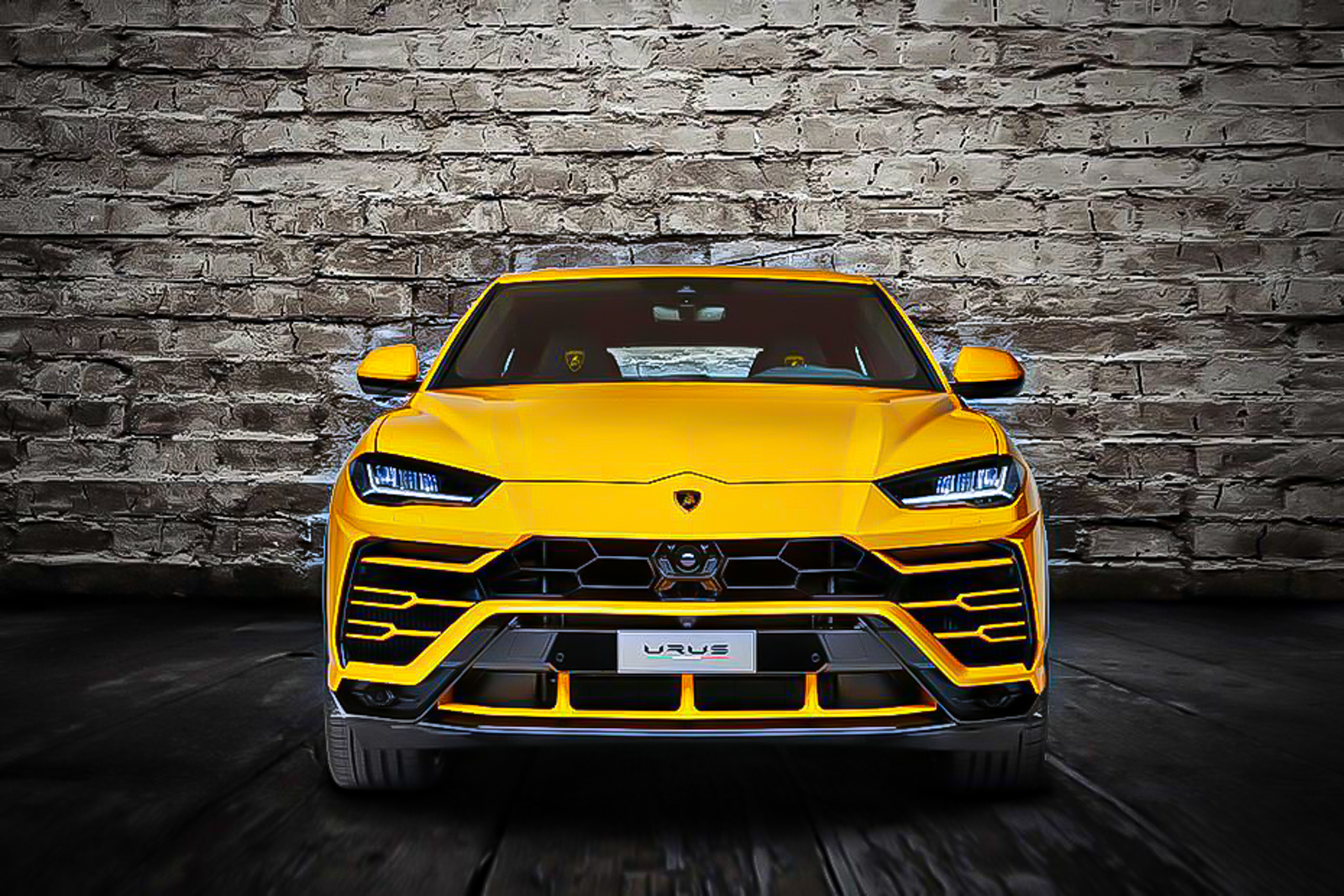
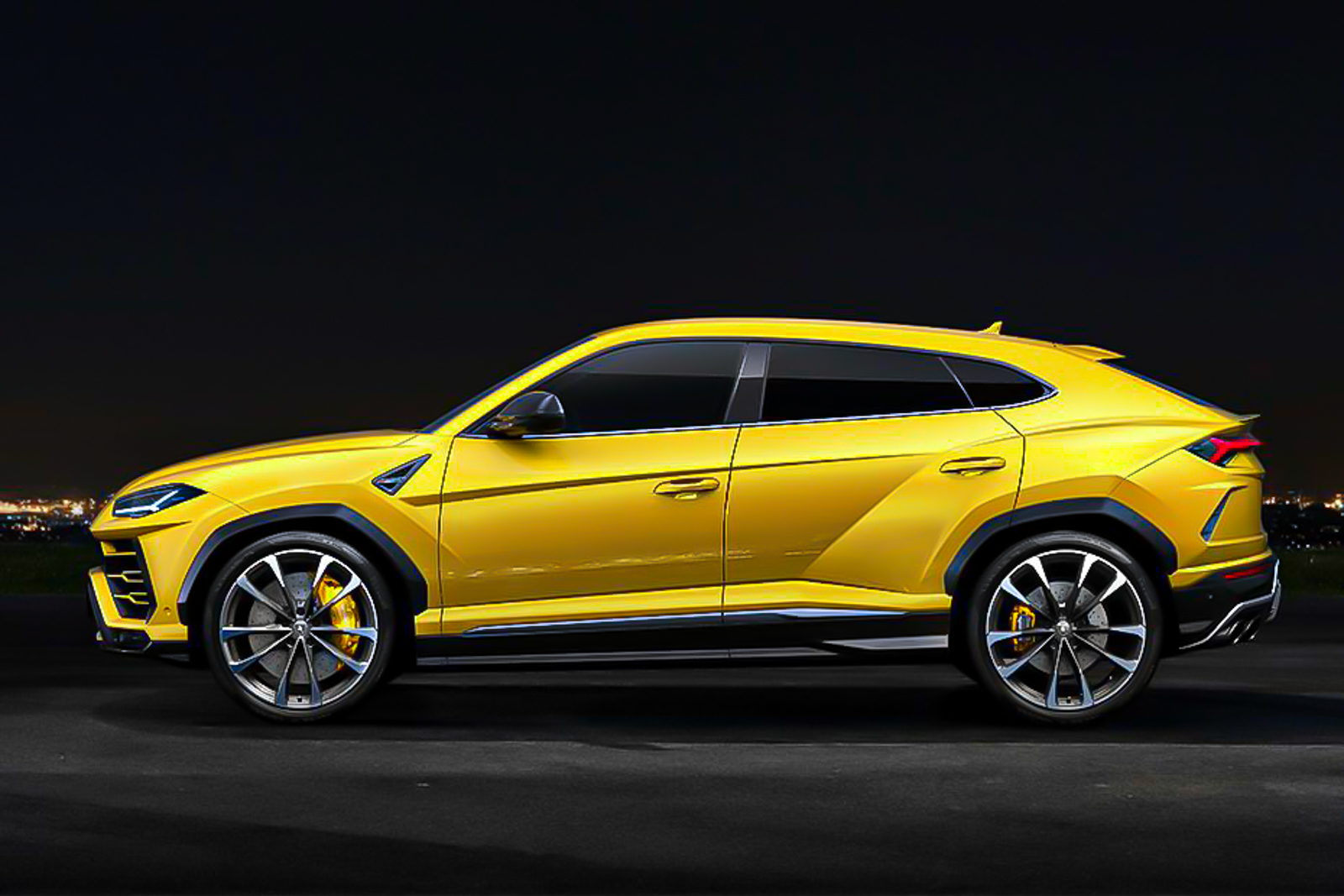
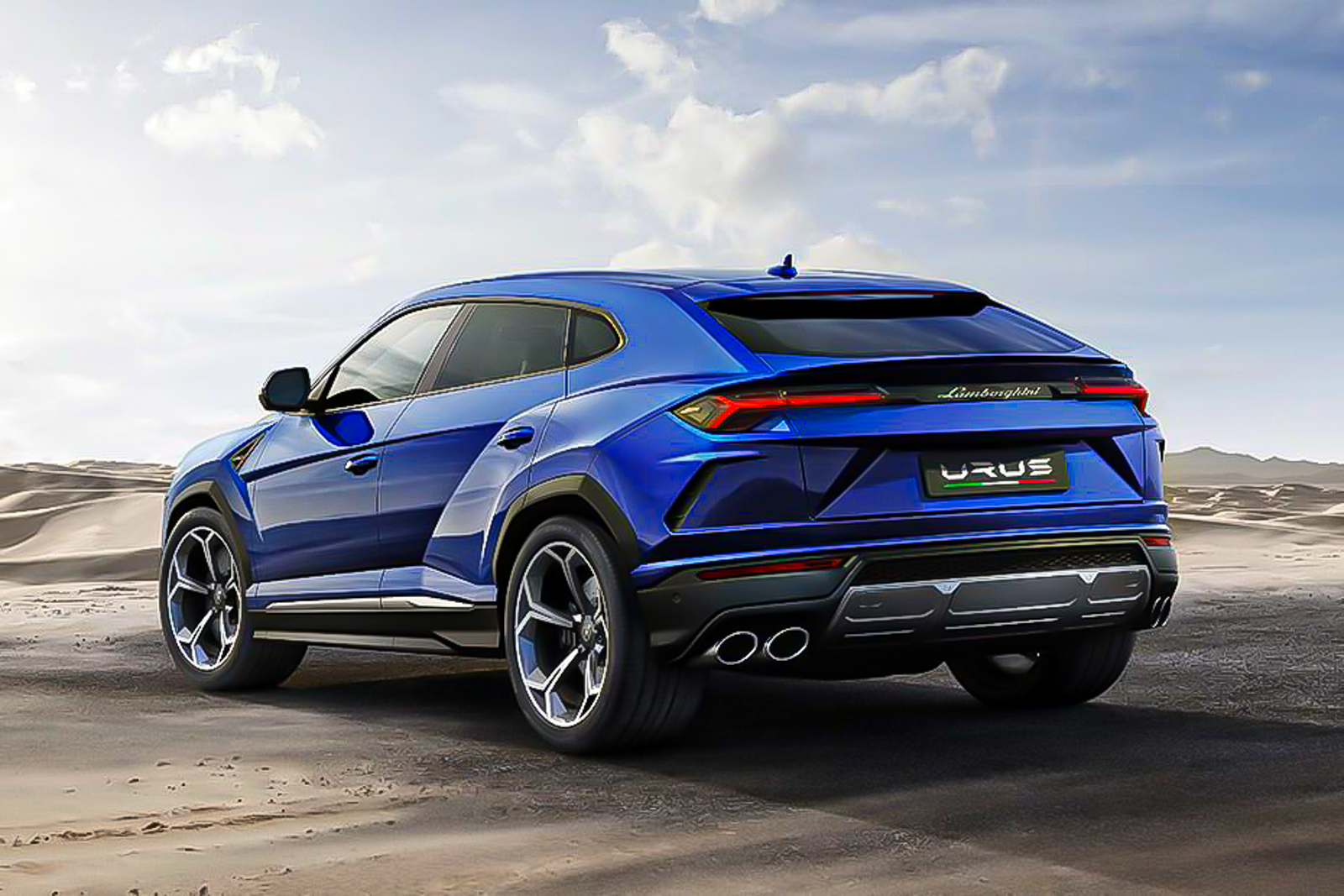
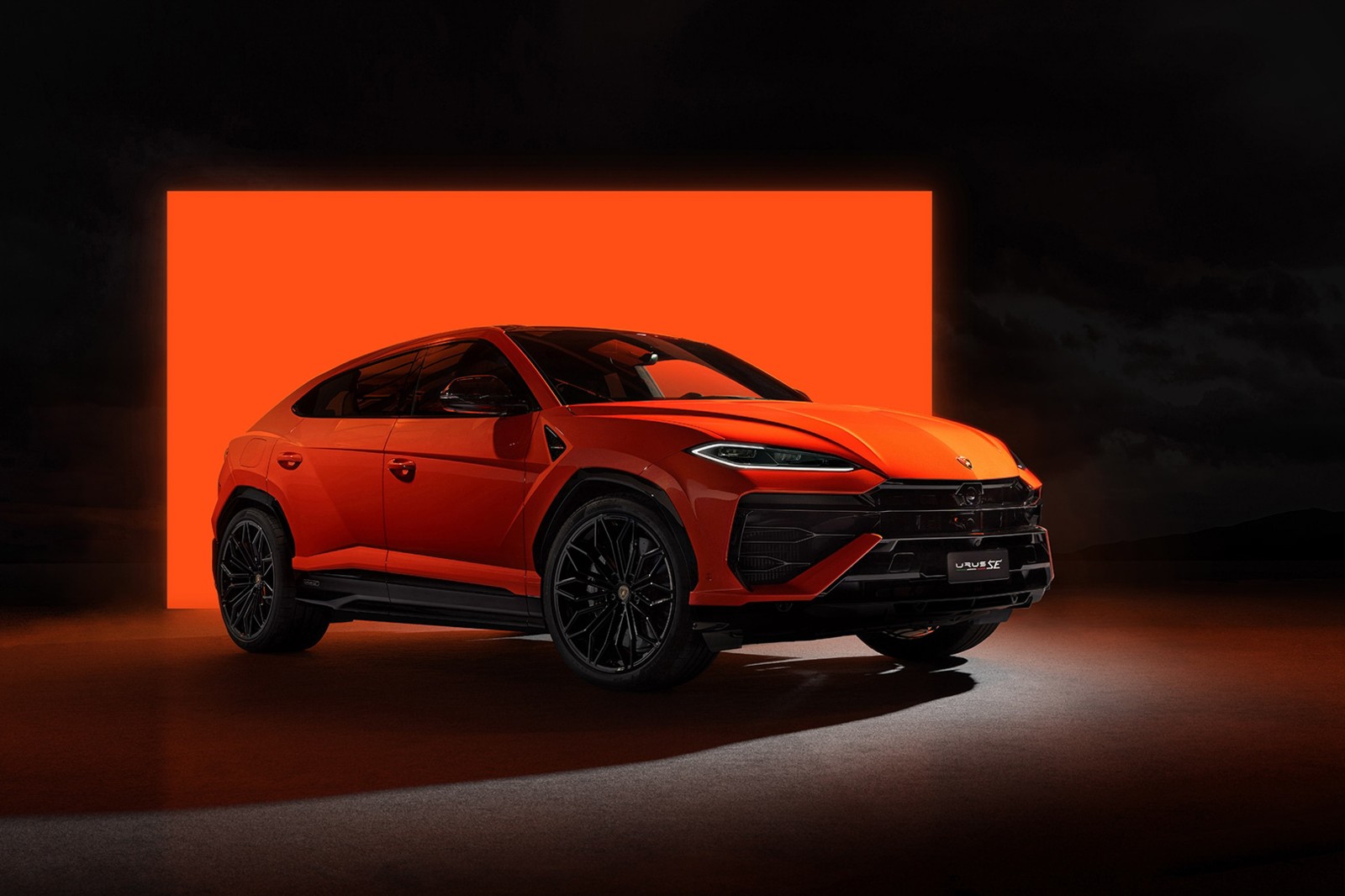
In terms of exterior design, the Urus SE continues the muscular styling of the fuel-burning version but has made some adjustments to emphasize its hybrid identity. The size of the front air intake grille is slightly reduced, with blue trim added inside for decoration; two parallel air vents have been added on the hood for better heat dissipation and to make the front end more layered. The side of the vehicle retains its signature coupe-like silhouette, while the carbon fiber cladding around the wheel arches has been upgraded to a matte finish, paired with 23-inch multi-spoke wheels (larger than the 21-inch wheels on the 2018 model) for a stronger visual impact. The rear undergoes the most noticeable change: below the taillights, an exclusive "SE" badge has been added, the dual four-exhaust layout remains unchanged, but the exhaust outlets now have a concealed design, making it almost silent in pure electric mode. The lighting system is still fully LED, with the turn signals adopting a flowing illumination style, offering high recognizability at night.
Inside the cabin, the interior design of the Urus SE is consistent with that of the fuel-powered version, with extensive use of Alcantara material and carbon fiber trims, providing a delicate feel and a sporty vibe. The central display has been upgraded from 10.1 inches in the fuel-powered version to 12.3 inches, with more responsive touch controls and a more streamlined interface that now includes a shortcut button for "hybrid mode switching." The multifunction steering wheel retains its physical buttons for easy operation during driving, while the gearshift paddles are made of metal, offering a solid feel. In terms of features, front seat ventilation/massage functions are now included, the rear independent climate control is upgraded to touch control, and a wireless charging pad has been added—details that were optional in the 2018 model but are now standard features.
In terms of space, the dimensions of the Urus SE are almost identical to the fuel-powered version (length 5112mm, width 2181mm, height 1638mm, and wheelbase 3003mm). The front seats support 12-way electric adjustment, offering more than a fist-sized clearance for both head and legroom for an occupant 185cm tall. The cushioning of the rear seats is softer than in the fuel-powered version, with two fist-sized legroom; the low central floor protrusion ensures that three passengers in the back won’t feel overly cramped. Regarding storage capacity, the front center armrest box volume has increased by 10%, which can accommodate two mobile phones and a small personal bag. The trunk has a standard capacity of 574 liters, expandable to 1626 liters by folding down the rear seats, meeting the luggage needs for short family trips.
In terms of power, the Urus SE is equipped with a 4.0T V8 twin-turbo engine combined with a rear-mounted permanent magnet synchronous motor: the engine delivers a maximum power output of 620Ps, and the motor provides a maximum power output of 192Ps, resulting in a total combined power of 800.2Ps and a total torque of 950N·m, paired with an 8-speed automatic transmission and an all-wheel-drive system. During actual driving, switching to the "Corsa" (Track) mode delivers an immediate burst of power from the hybrid system—both the motor and engine work in tandem at launch, creating a stronger thrust than the fuel-powered version. The tires briefly lose traction before regaining grip, and the 3.4-second 0-100km/h performance is palpable in real-world conditions. Switching to "Strada" (Street) mode makes the power delivery smoother, with more linear throttle response suited for daily commuting; in pure electric mode, only the motor drives the vehicle, with a top speed of 135km/h. The official 60km electric range is sufficient for short urban commutes, and our tests showed it could travel approximately 55km in congested urban conditions, achieving about 92% of the official range.
Handling and chassis performance remain the strong points of the Urus SE. The steering is precise with almost no slack; it is light at low speeds and significantly heavier at high speeds, giving enough confidence to the driver. The suspension system uses adaptive air suspension, which hardens in "Sport" mode, effectively controlling body roll during cornering and offering greater stability compared to the gasoline version; when encountering bumpy roads, switching to "Comfort" mode allows the suspension to filter out most minor vibrations, ensuring passengers do not feel obvious bumps. The braking system is equipped with carbon-ceramic brake pads, providing short and linear braking distances without noticeable fade during continuous braking.
In terms of everyday driving comfort, the Urus SE performs better than the gasoline version. In pure electric mode, there is almost no noise, and even when the engine kicks in, the cabin remains well-insulated. At a speed of 120 km/h, wind noise and tire noise are kept within an acceptable range. The energy recovery system is adjustable in three levels, with the highest level having minimal drag effect, which does not impact the driving experience. The seats maintain excellent support and comfort, ensuring that long-duration driving does not cause fatigue. Regarding fuel consumption, our tests showed an average of about 9.5L/100km under mixed driving conditions, which is approximately 25% lower than the gasoline version's 12.7L/100km, showcasing significant fuel-saving effects of the hybrid system.
Overall, the core advantages of the 2024 Urus SE are evident: not only does the hybrid system enhance performance (0.2 seconds faster than the gasoline version from 0-100 km/h), but it also reduces fuel consumption while adding pure electric range, balancing performance and daily practicality. In terms of features, it adds practical functions like ventilated seats and wireless charging, making it more generous than the gasoline version. Compared to its competitor, the Porsche Cayenne Turbo S E-Hybrid, the Urus SE offers higher combined power output (the latter stands at 739 Ps), faster acceleration, and a more distinctive design. Speaking of price, the Urus SE is priced at 1,028,000 ringgit, which is 28,000 ringgit more than the gasoline version, but the added features and the hybrid system more than justify the price difference.
This car is suitable for two types of buyers: one group is supercar enthusiasts who pursue extreme performance; the stronger power and more diverse driving modes brought by the hybrid system can meet their speed demands. The other group is high-net-worth families who value practicality; the pure electric mode is ideal for city commuting, and the spacious interior and comfortable driving experience work well for family outings. Overall, the Urus SE has not lost Lamborghini’s sporty DNA due to the addition of the hybrid system. Instead, its practicality has been significantly enhanced, making it a versatile super SUV that "can hit the racetrack and pick up kids."
Lamborghini Urus Car Compare

Lamborghini Urus Loan Calculator
More Lamborghini Reviews
Cars With Similar Price And Features
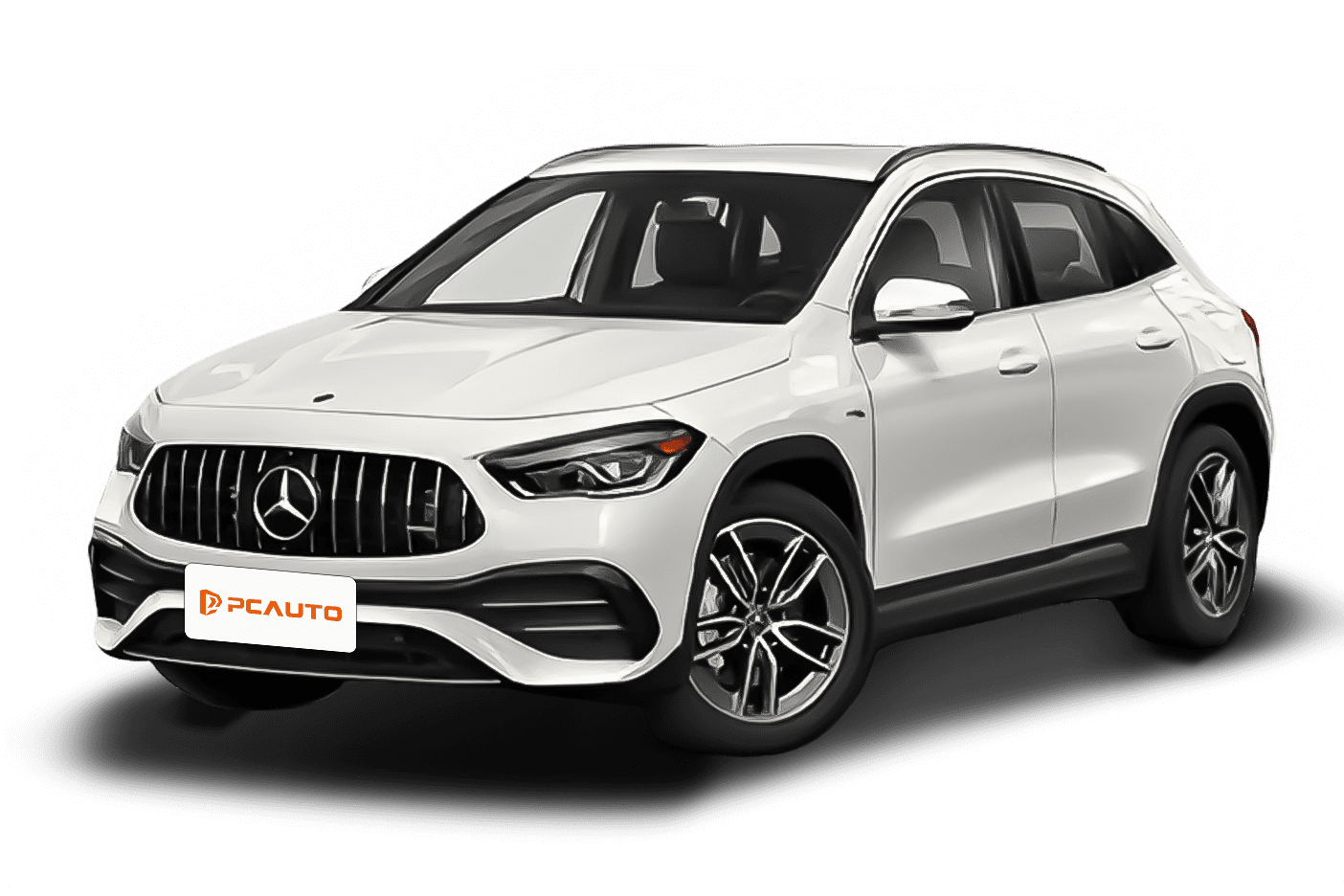
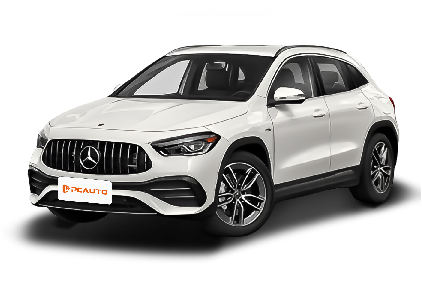
The 2024 Mercedes-Benz AMG GLA 45 S 4MATIC+ is a compact high-performance SUV that combines 420PS powerful output, 4.3-second 0-100 km/h acceleration, luxurious configuration, and practical space, meeting both ultimate driving pleasure and daily commuting needs.
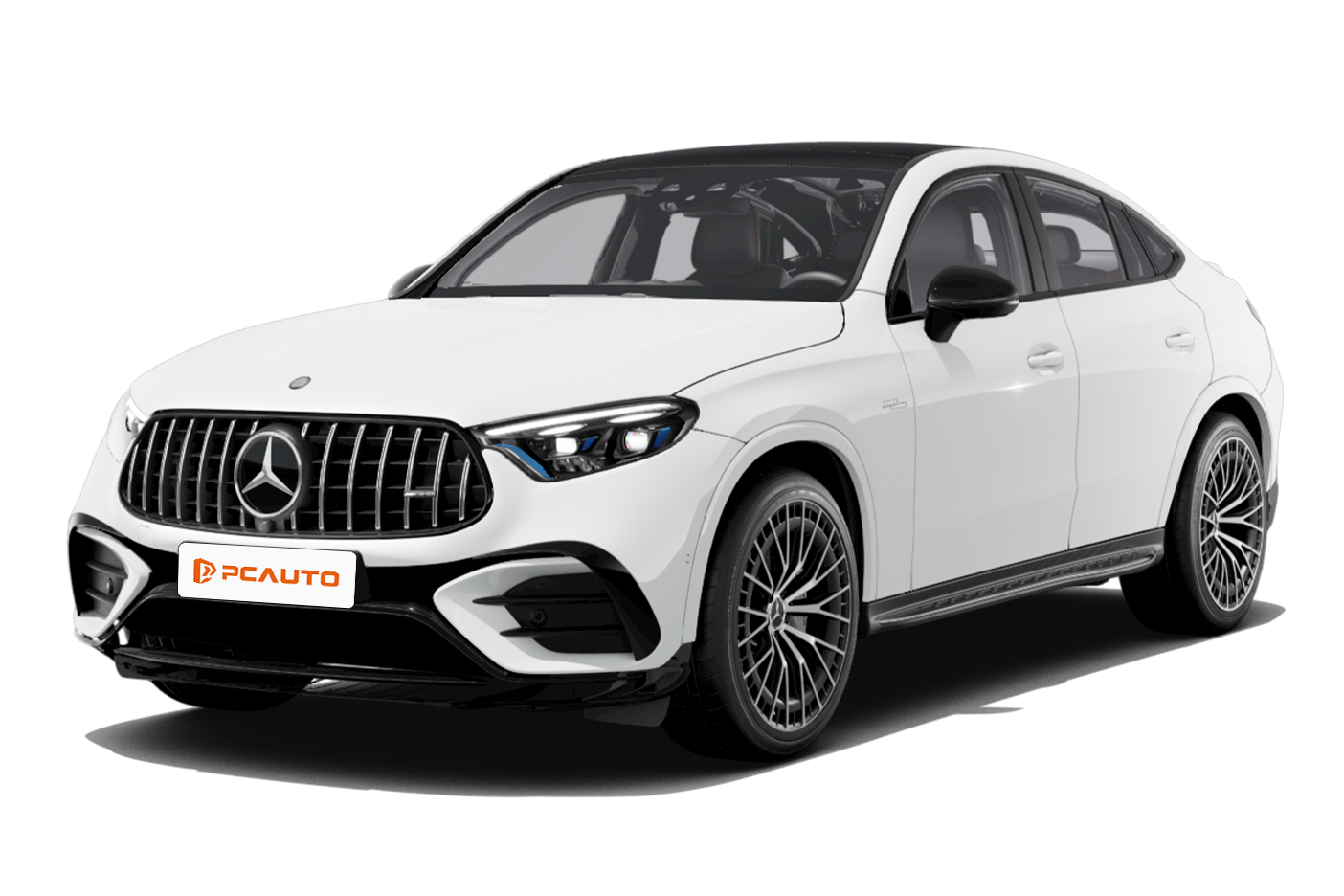
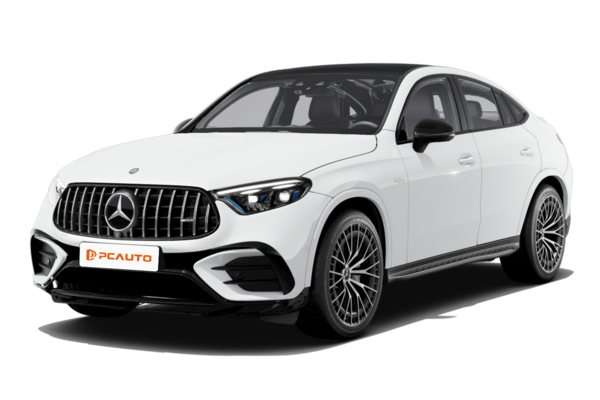
2024 Mercedes-Benz AMG GLC43 4Matic+ is equipped with a 2.0T hybrid system, surpassing the power of the old 3.0T, with fully upgraded features, balancing sportiness and family use as a luxury mid-size SUV.

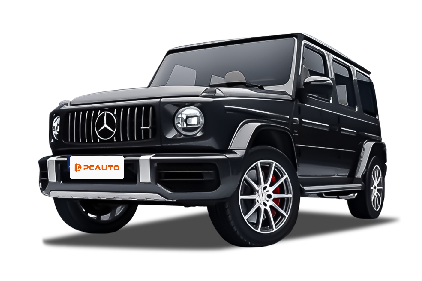
The Mercedes-Benz AMG G-Class G63 2024 is a luxurious hardcore SUV with a classic boxy design, featuring a new mild hybrid system to enhance power response, upgraded intelligent configurations, and interior quality, combining sentiment with performance.