
Land Rover Defender 2021 Review

 Share
Share
 Segment
 Body Type
 Capacity(L)
 Engine Power(PS)
 Transmission
 Driven Wheels
As the luxury mid-to-large hardcore SUV market gradually transitions towards "balancing off-road capability and everyday comfort," consumers are no longer satisfied with mere escape capabilities. Instead, they are looking for vehicles capable of handling diverse scenarios like city commuting and family outings. The 2021 Land Rover Defender 110 2.0L is a product born of this trend—it retains the signature rugged DNA of the Defender series while entering the market at a more affordable price (RM 798,800), which is RM 200,000 cheaper than the 3.0L MHEV version. The primary goal of this test drive is to verify whether this 2.0T model can strike a balance between power, features, and practicality, and whether it is worth considering for budget-conscious consumers seeking Land Rover quality.
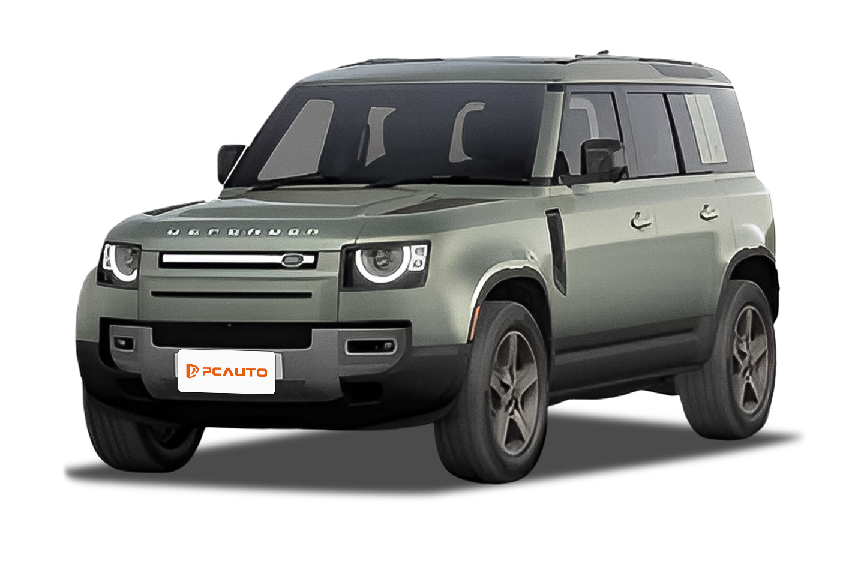
From a distance, the exterior of the Defender 110 2.0L continues the classic boxy design of the family, with sharp lines and prominent wheel arches enhancing its rugged character. Its front fascia adopts a black honeycomb grille, paired with round LED headlights and signature daytime running lights for high recognition; the "Alpine Light" side windows and exposed rivet designs on the body side retain the retro elements; the tail features an optional rear-mounted spare tire and vertically arranged LED taillights, further emphasizing its off-road orientation. The 10-spoke 20-inch alloy wheels paired with 255/60 R20 tires balance road grip and light off-road demands.
Inside, the interior prioritizes functionality, with the center console wrapped in large sections of soft leather, accented with metal trim and rubberized anti-slip panels, blending luxury with durability. The 12.3-inch full LCD instrument panel supports multi-mode switching and can display navigation, off-road data, and other information. The 10-inch touchscreen infotainment system, equipped with InControl OS 2.0, responds smoothly and supports Apple CarPlay and Android Auto. In terms of features, the front 14-way power-adjustable seats come with heating and ventilation functions, offering good lumbar support and preventing fatigue during long drives. The rear 40:20:40 split-folding seats can be reclined, and the central armrest includes cup holders, providing comfort that meets the standard of a luxury SUV. Storage capacity is excellent—the front door bins can hold two 500ml water bottles, the central console box is deep enough to fit a laptop, and the trunk offers a standard capacity of 972 liters, which expands to 2277 liters when the rear seats are folded, easily accommodating large items such as strollers and suitcases.
In terms of power, the 2.0T turbocharged engine delivers a maximum output of 300PS and a peak torque of 400N·m, paired with an 8-speed automatic transmission. During daily driving, the throttle response is linear, providing brisk starts and ample low-end torque, making it effortless to follow in urban traffic. When pressing the accelerator harder, the power kicks in around 1500rpm, offering robust mid-range acceleration that allows for lane changes with just a light press of the pedal. The gearbox shifts smoothly with clear logic, almost unnoticeably. The chassis is equipped with front double-wishbone independent suspension and rear multi-link independent suspension, tuned for comfort, which absorbs most road bumps effectively. When traversing speed bumps or uneven surfaces, the car exhibits minimal body roll. The steering system strikes the right balance, feeling light at low speeds and stable at high speeds, with steering precision meeting expectations.
In terms of fuel consumption, the official combined fuel consumption is 12L/100km. During the actual test drive, the urban conditions (congestion + ring road) averaged about 14L/100km, while highway conditions (cruising at 110km/h) averaged about 10L/100km, which is in line with the level of a 2.0T midsize SUV. Noise control performs well, with minimal wind and tire noise below 80km/h. When speed exceeds 100km/h, wind noise increases slightly but remains within an acceptable range. Safety configurations are comprehensive, featuring six airbags, 360-degree panoramic cameras, automatic parking, lane departure warning, autonomous emergency braking, and other functions that effectively improve driving safety.
Compared to competitors in the same class, Defender 110 2.0L's strengths lie in its brand appeal and its balance between off-road capability and comfort—a stronger off-road ability compared to the Mercedes-Benz GLC, and better luxury and on-road comfort than the Jeep Wrangler. Its downside is that the 2.0T engine's reserve power for highway overtaking is not as robust as the 3.0L version, and its maintenance costs are higher than those of regular joint venture SUVs. Overall, this vehicle suits two groups of people: first, consumers who pursue a rugged appearance and the Land Rover brand while needing a vehicle to handle city commuting and family trips; second, users who occasionally go for mild off-road activities (such as camping or driving on unpaved roads) but are not seeking extreme off-road capabilities.
The 2021 Land Rover Defender 110 2.0L is an "all-rounder" luxury SUV. It retains the classic design and off-road genes of the Defender while achieving daily usability through a comfort-oriented chassis setup and rich features. With a price difference of 200,000 MYR compared to the 3.0L version, it offers greater value for buyers on a budget who still wish to own a Land Rover, making it a worthy option to consider.
Land Rover Defender Car Compare
Land Rover Defender Loan Calculator
More Land Rover Reviews
Cars With Similar Price And Features

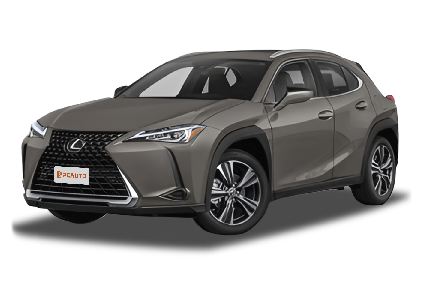
The 2020 Lexus UX 200 Luxury is an executive-class SUV that combines luxurious quality with urban practicality. With balanced features, smooth power, and reliable warranty, it appeals to families and young users who value quality.
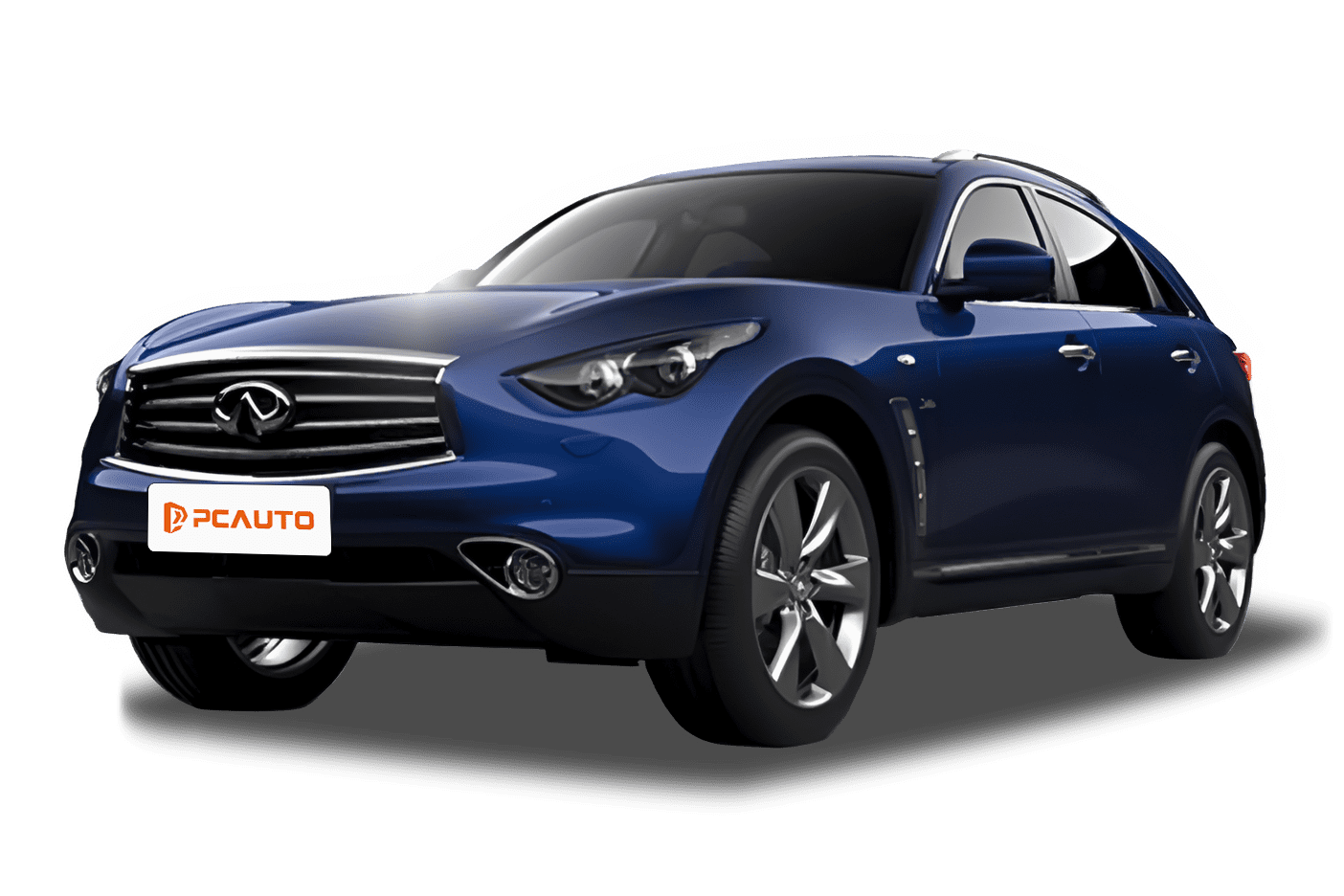
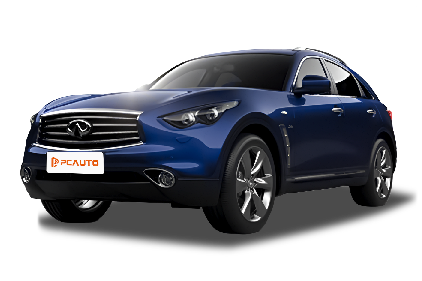
2017 Infiniti QX70 3.7 GT is a luxurious mid-size SUV that combines the dynamic design of a coupe-style SUV, 324PS V6 power, and practical configurations, meeting the balanced needs of family use and driving pleasure.

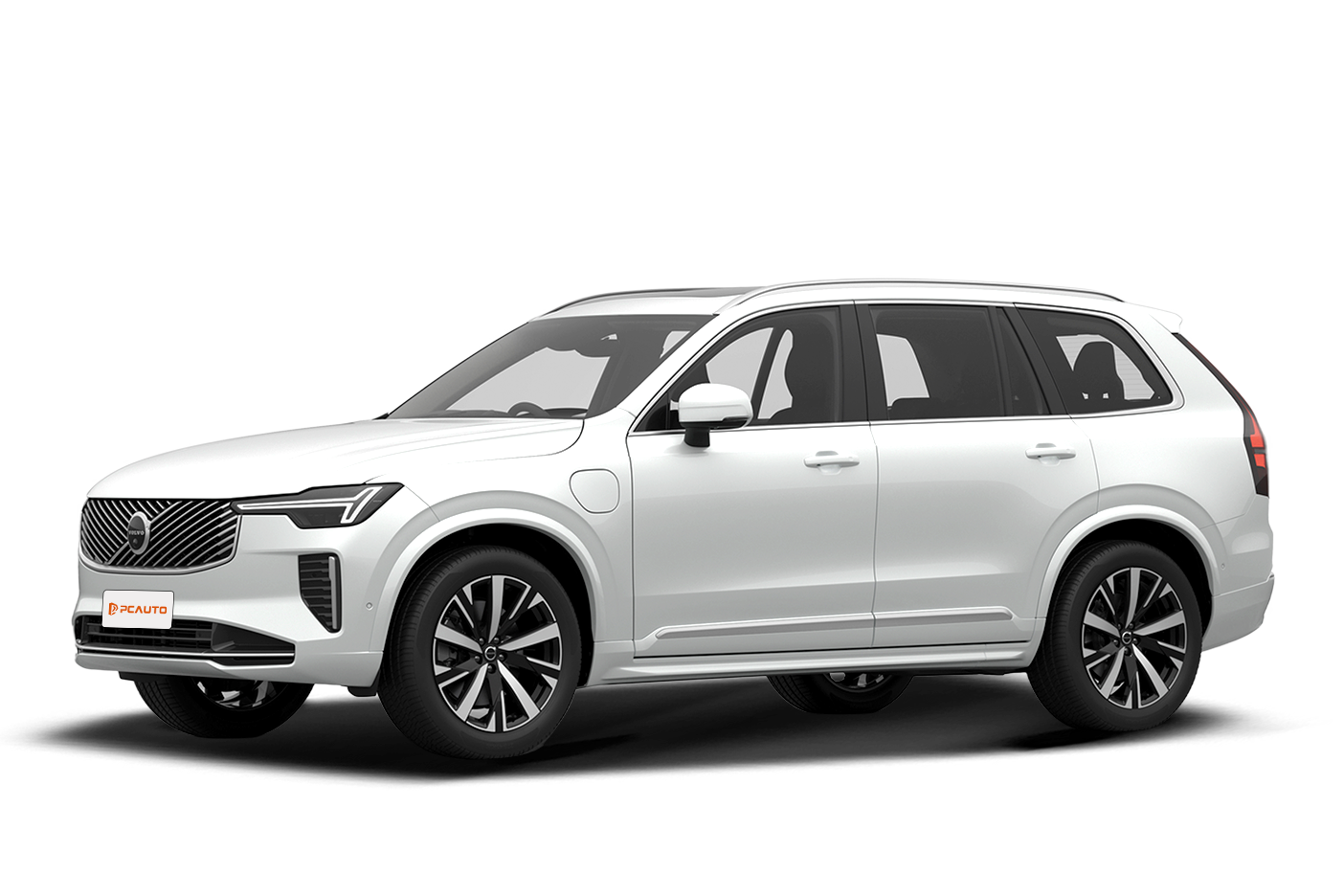
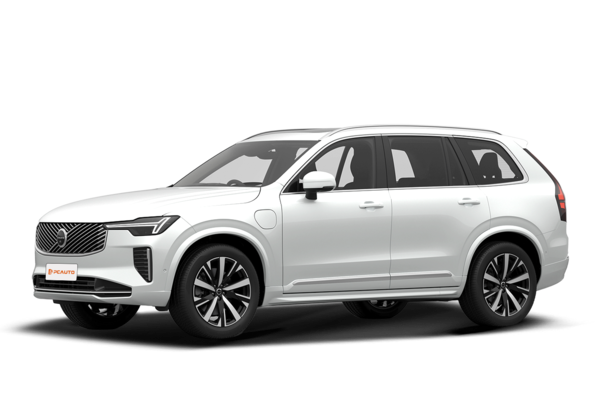
2025 Volvo XC90 Ultra B5, as an Executive-level luxury 7-seat SUV, optimizes fuel efficiency with a mild hybrid system, enhances comfort with air suspension across the range, coupled with an intelligent cockpit, balancing space and safety, showcasing outstanding capability.
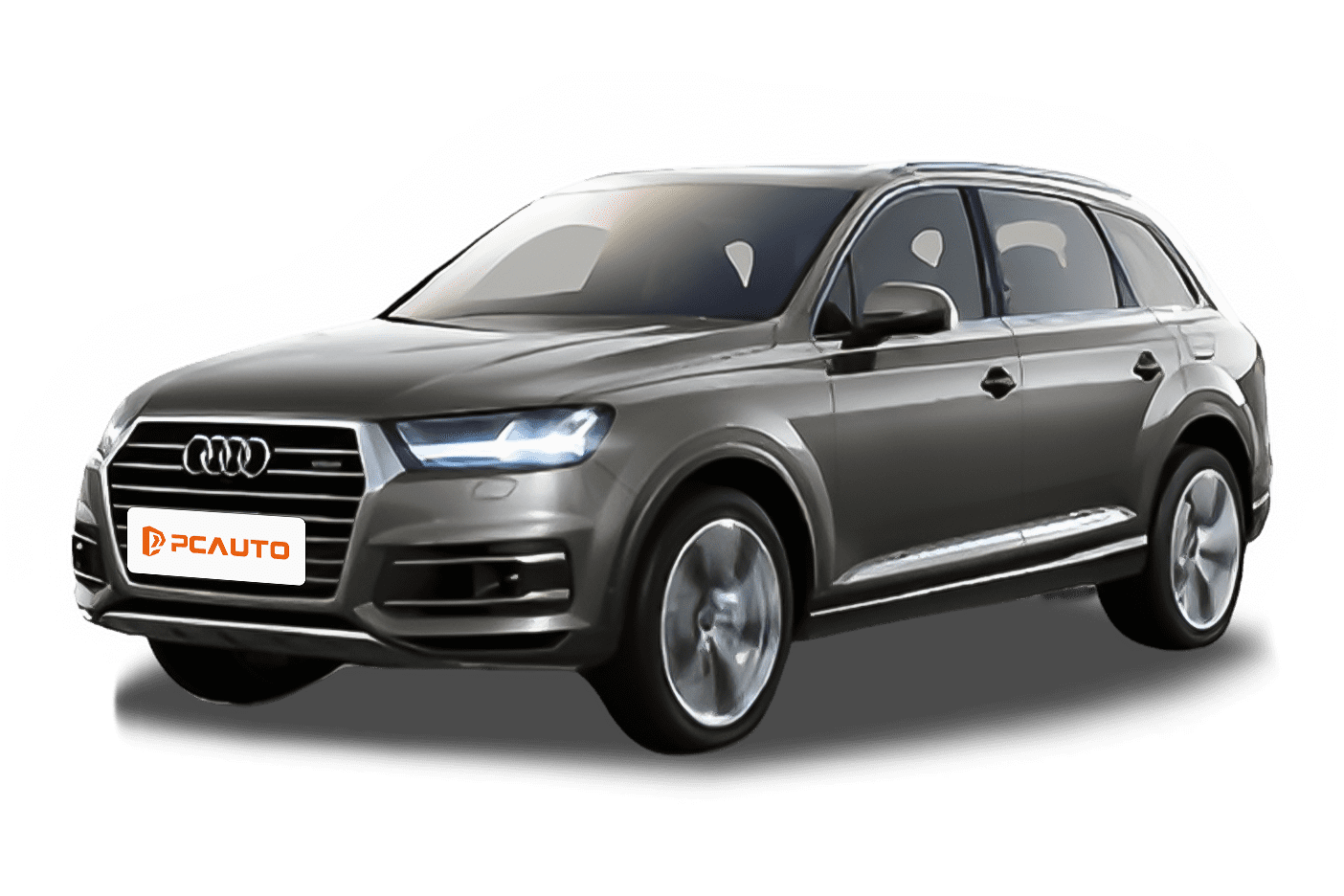
2025 Audi Q7 S line 3.0 TFSI, with its high cost-effectiveness, sporty appearance, luxurious interior, powerful performance, and flexible space, becomes a strong contender in the luxury mid-to-large SUV market.