

Lexus LBX 2025 Review

 Share
Share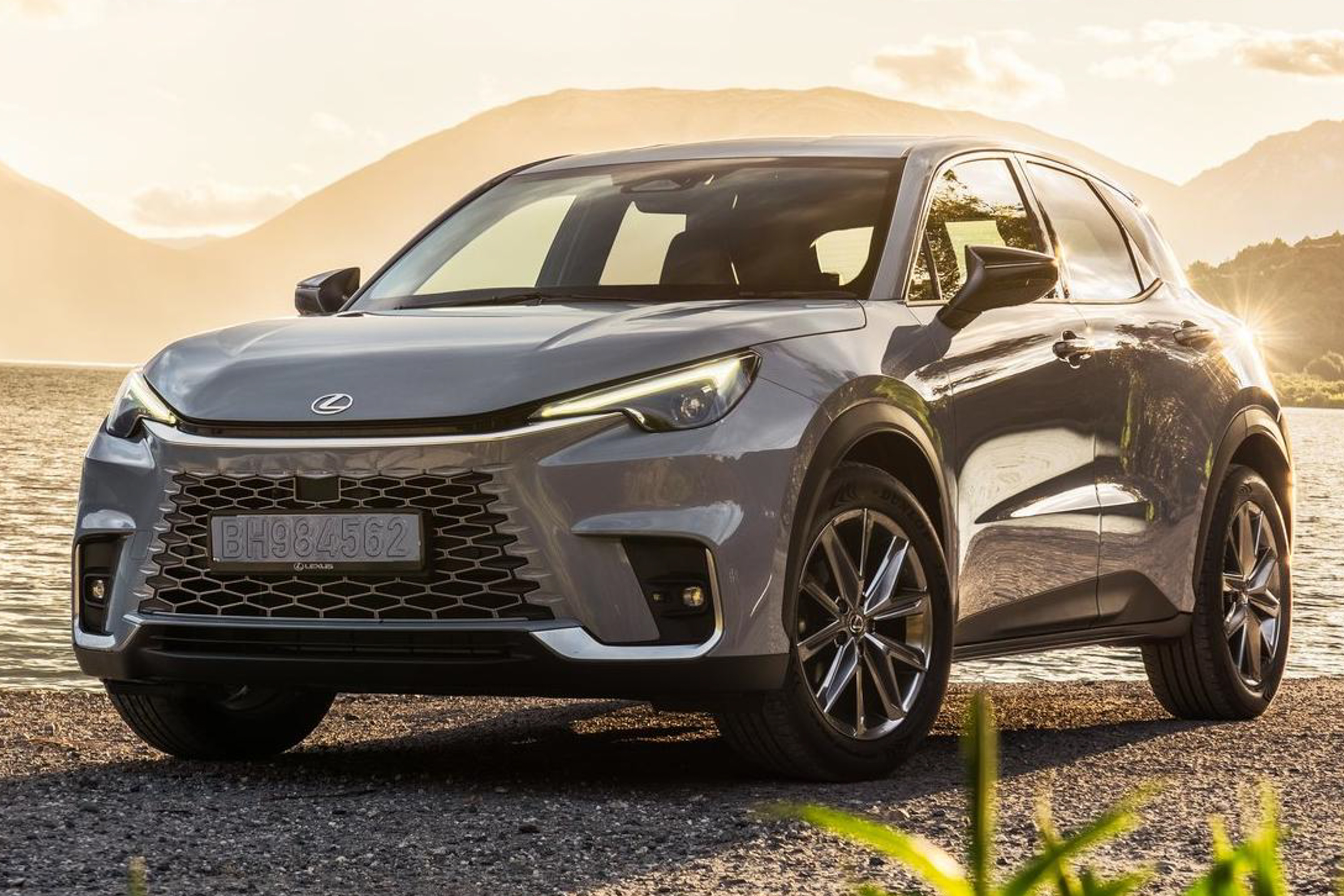
 Body Type
 Segment
 Capacity(L)
 Engine Power(PS)
 Engine Torque(Nm)
 Transmission
In recent years, the luxury compact SUV market has seen continuous growth locally. Consumers want the urban flexibility offered by a compact body while refusing to compromise on the quality and features of luxury brands — Lexus has clearly captured this demand by introducing the LBX, positioned as an entry-level luxury compact SUV. As the brand’s new venture into the compact SUV segment, the LBX focuses on delivering a "small yet refined" luxury experience while emphasizing fuel efficiency and driving agility. In this test, we aim to evaluate its practicality in Malaysian urban road conditions, dynamic performance, and whether its sense of luxury lives up to its reputation.
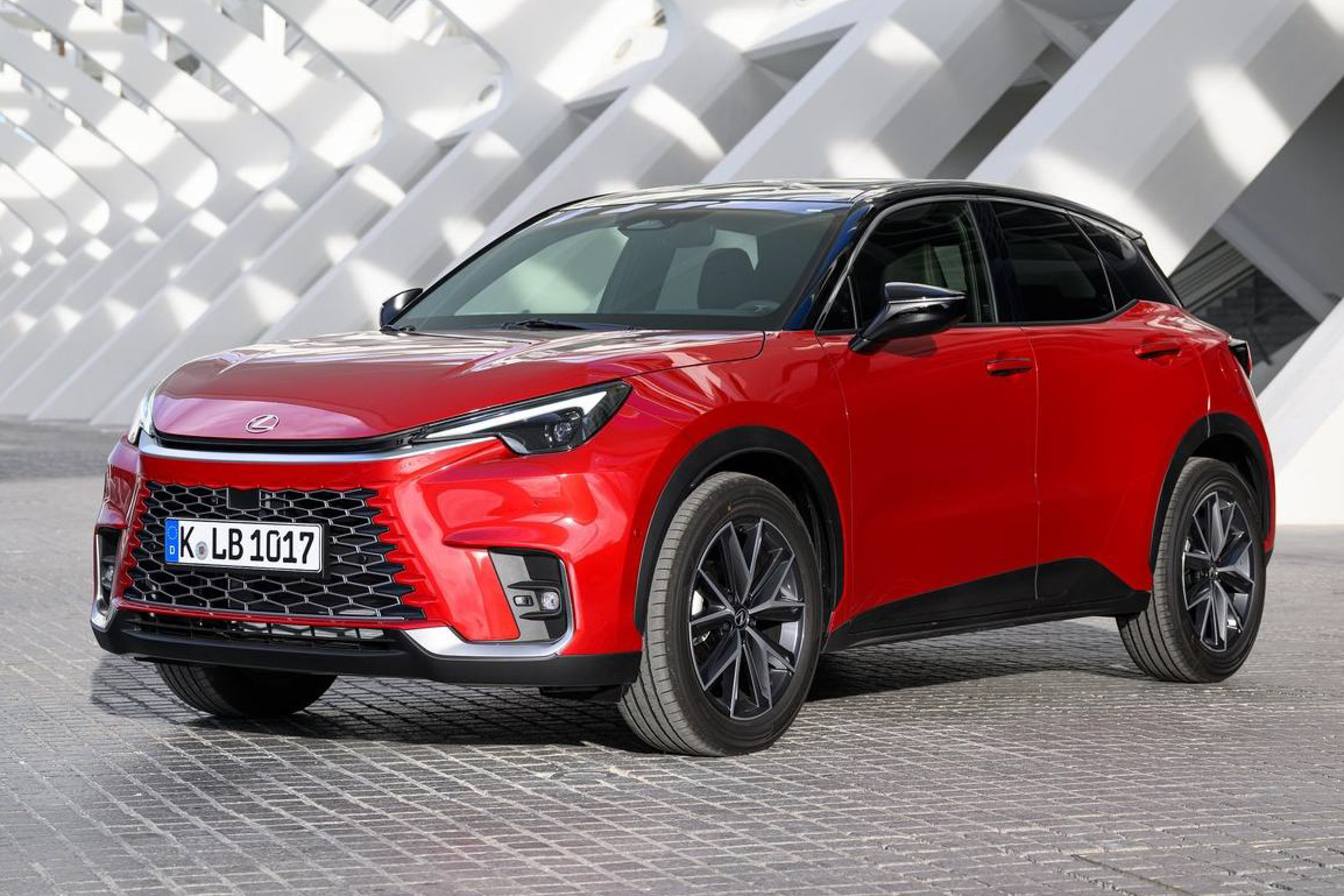
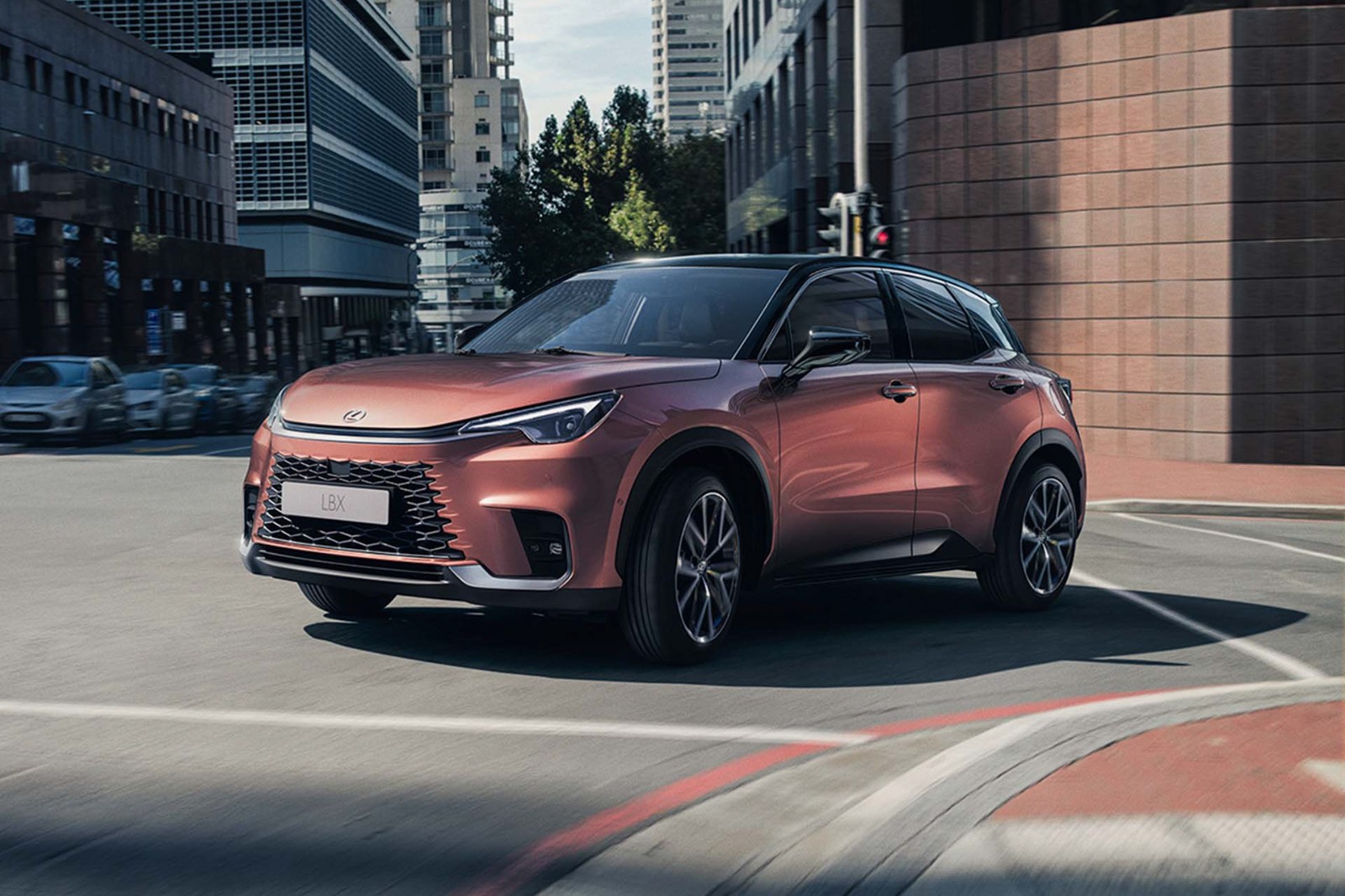
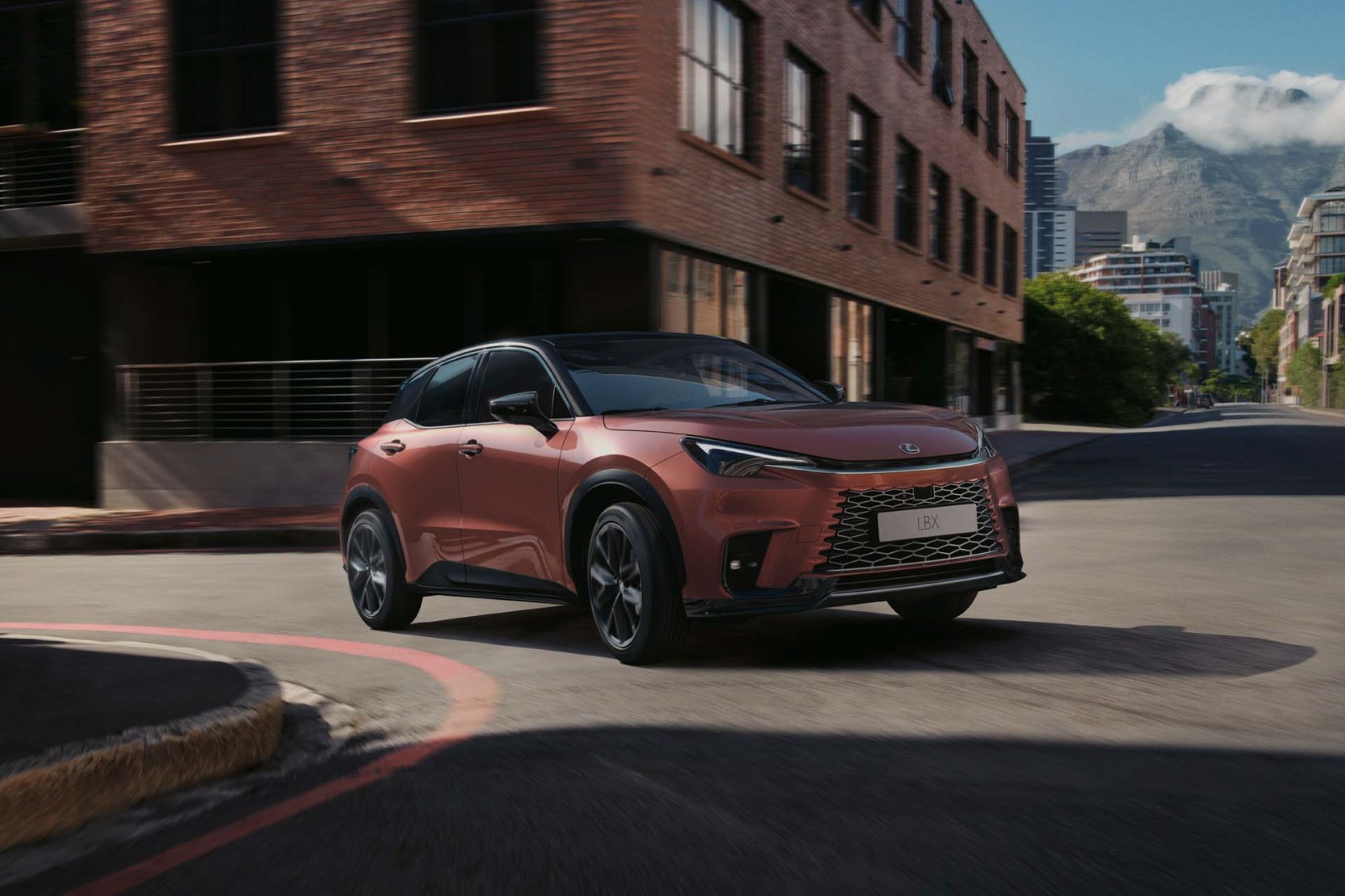
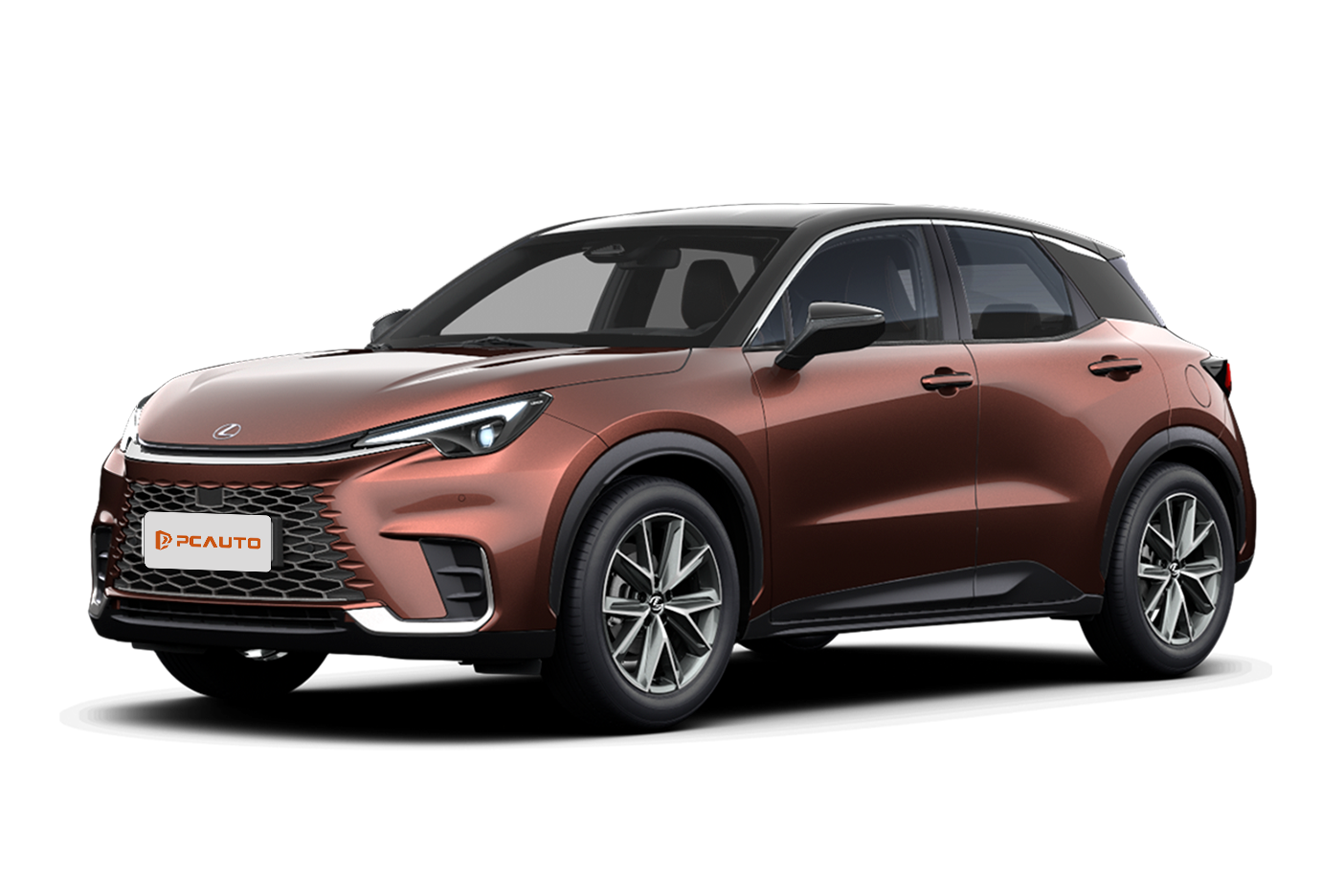
The exterior design of the LBX follows the family design language of Lexus but is adapted within the compact body frame. The spindle grille at the front is reduced in size, featuring a black dotted design inside, complemented by sharp LED headlight clusters on both sides (with automatic adjustment and daytime running lights). This maintains brand recognition without appearing too ostentatious. The side profile of the car exhibits a compact and streamlined silhouette with short front and rear overhangs. The 18-inch multi-spoke alloy wheels (in the top variant) fill the wheel arches proportionately, presenting a harmonious design. At the rear, the continuous LED taillight is a visual highlight, with the "L"-shaped light strips inside the cluster showcasing high recognizability when lit at night. The rear bumper incorporates silver garnish, subtly enhancing the crossover appeal of the SUV. The paintwork demonstrates Lexus's consistently high standards, as the ultra-sonic quartz white paint of the tested vehicle gleams evenly under sunlight with impeccable detailing.
Stepping inside the cabin, the LBX’s interior impresses with above-average quality for its class. The dashboard features an asymmetrical design tilted toward the driver for easier operation. The upper section of the dashboard is covered with soft-touch materials, while the central area is decorated with textured inlays (options include aluminum or wood grain finishes depending on the configuration), providing a soft touch with no noticeable odors. The steering wheel is wrapped in leather with a three-spoke design, is appropriately sized, and feels comfortable to hold. The left section of the steering wheel integrates multimedia and adaptive cruise control buttons with a clear tactile response. The 12.3-inch fully digital instrument panel offers an abundance of display information with multiple theme options, while the 9.8-inch central touchscreen supports wireless Apple CarPlay and Android Auto, featuring quick response and intuitive operation. In terms of seating, the top variant is equipped with leather seats, with front seats offering power adjustments (8-way adjustments with lumbar support). The side bolsters provide moderate support, making long drives comfortable without fatigue. The rear seats use the same materials as the front, with the headroom (about a fist's space for a 175cm passenger) and legroom (two fists' space) being above average within the compact SUV category, adequate for daily family usage. As for storage, the center armrest box in the front offers a moderate amount of space, and the door pockets can hold two 500ml water bottles. The trunk provides a standard capacity of 317 liters, which can be expanded to 918 liters by folding the rear seats, sufficient for short weekend trips.
The LBX is powered by a 1.5L three-cylinder hybrid system, delivering a combined maximum output of 136PS and a peak torque of 185Nm, paired with an E-CVT transmission. This powertrain shows excellent agility under urban driving conditions. During take-off, the electric motor takes charge, offering quick and quiet response. Acceleration from 0-60km/h is brisk, making it suitable for frequent stop-and-go traffic. When pressing the accelerator harder, the engine engagement is smooth, with virtually no noticeable vibrations or noise. Acceleration to 100km/h is linear, and overtaking can be achieved confidently with half throttle as there is an adequate power reserve. The driving modes include Normal, Eco, and Sport. In Eco mode, throttle response becomes more subdued, making it ideal for daily commutes to save fuel. In Sport mode, throttle sensitivity increases, and the engine becomes more eager to engage, suitable for suburban driving. The chassis features a front MacPherson strut independent suspension and rear torsion beam non-independent suspension, tuned towards comfort. It effectively absorbs most bumps when passing speed bumps or uneven roads in the city, maintaining stable body posture. On highways, the chassis feels solid with no significant floating sensation. The steering system is precise with minimal play, offering superior accuracy for a compact SUV. The body lean is well-controlled during cornering, which inspires driving confidence.
Fuel efficiency is one of the core advantages of the LBX. This test covered 30% city congested roads, 50% suburban fast roads, and 20% highways, with the air conditioner fully on throughout the whole journey. The final measured combined fuel consumption was 4.2L/100km, which is close to the official figure of 4.0L/100km, demonstrating excellent fuel economy. In terms of noise control, the performance of the LBX is commendable: at low city speeds (below 40km/h), the main noise in the cabin comes from the tires (approximately 55 decibels); at high speeds (110km/h), wind noise and tire noise increase but are still controlled within 65 decibels, which does not affect conversations between passengers inside the car. Regarding seat comfort, the lumbar support of the front seats is adequate, which results in less lumbar fatigue during long drives; the backrest angle of the rear seats is moderate, ensuring passengers do not feel stiff even on long journeys.
Overall, the LBX has three core strengths in the compact luxury SUV segment: first, the interior quality and level of configuration. Compared to competitors in the same class (such as the BMW X1 sDrive18i and Mercedes-Benz GLA 200), the LBX features more solid interior materials and richer standard configurations (such as wireless CarPlay and a fully digital instrument panel), offering higher value for money; second, the fuel economy of the hybrid system, with a tested fuel consumption of 4.2L/100km, which stands out among similar fuel and hybrid models in its class, effectively reducing daily usage costs; third, the balance between driving agility and comfort — its compact body is suitable for urban parking, while the chassis tuning offers both comfort for daily commutes and a bit of driving fun. However, the LBX also has some minor shortcomings, such as its rear suspension being a torsion beam structure, resulting in slightly inferior shock absorption on continuous bumpy roads compared to models with independent suspension. Additionally, the standard trunk capacity is relatively small.
As for its target audience, the LBX is suitable for two types of consumers: first, young family users who value luxury quality and fuel economy. Its compact body is convenient for urban commuting, the hybrid system helps save on fuel costs, and the interior configuration meets quality requirements; second, urban white-collar professionals who seek a blend of brand appeal and practicality. The LBX’s dimensions are well-suited for single individuals or small families, and the brand image aligns with workplace demands.
In conclusion, the Lexus LBX, with its position as "small but refined," has carved out a niche for itself in the compact luxury SUV market. It is not a performance-focused model but a "city companion" that allows users to experience luxury and convenience during daily use. If your budget is between 250,000 to 300,000 MYR and you're looking for a small SUV with reliable brand reputation, low operating costs, and excellent quality, the LBX is worth considering.
Lexus LBX Car Compare
More Lexus Reviews
Cars With Similar Price And Features
4
Rank in SUV
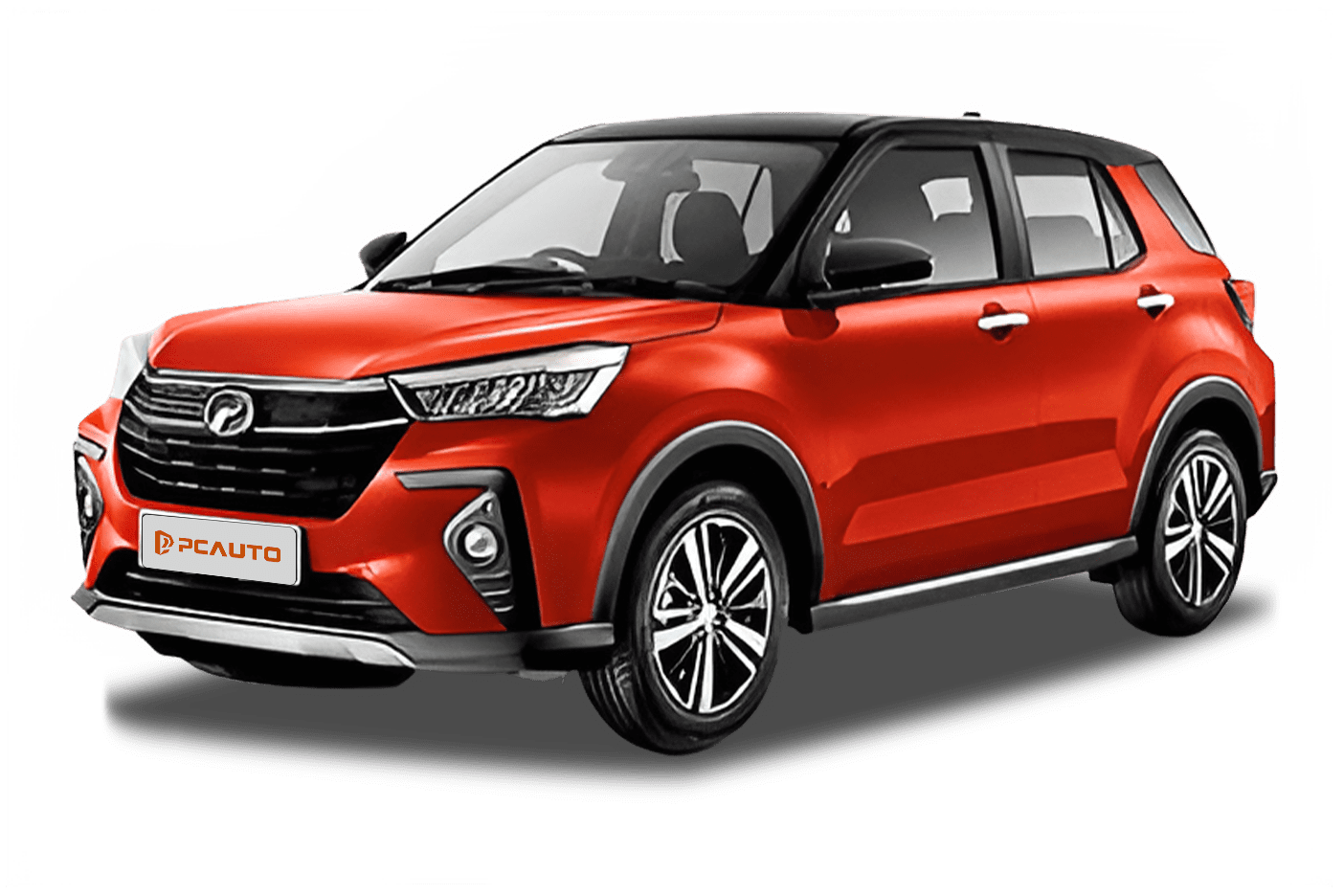
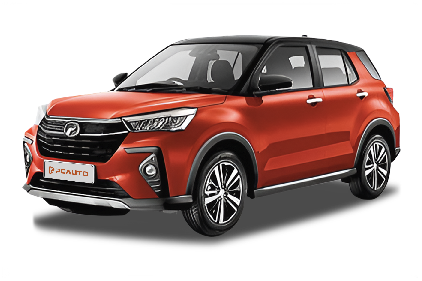
2023 Perodua Ativa 1.0L Turbo X, as a high-value-for-money entry-level B-SUV, meets the commuting and short-distance travel needs of family users with advanced safety features, practical space, and economical fuel consumption.
15
Rank in SUV
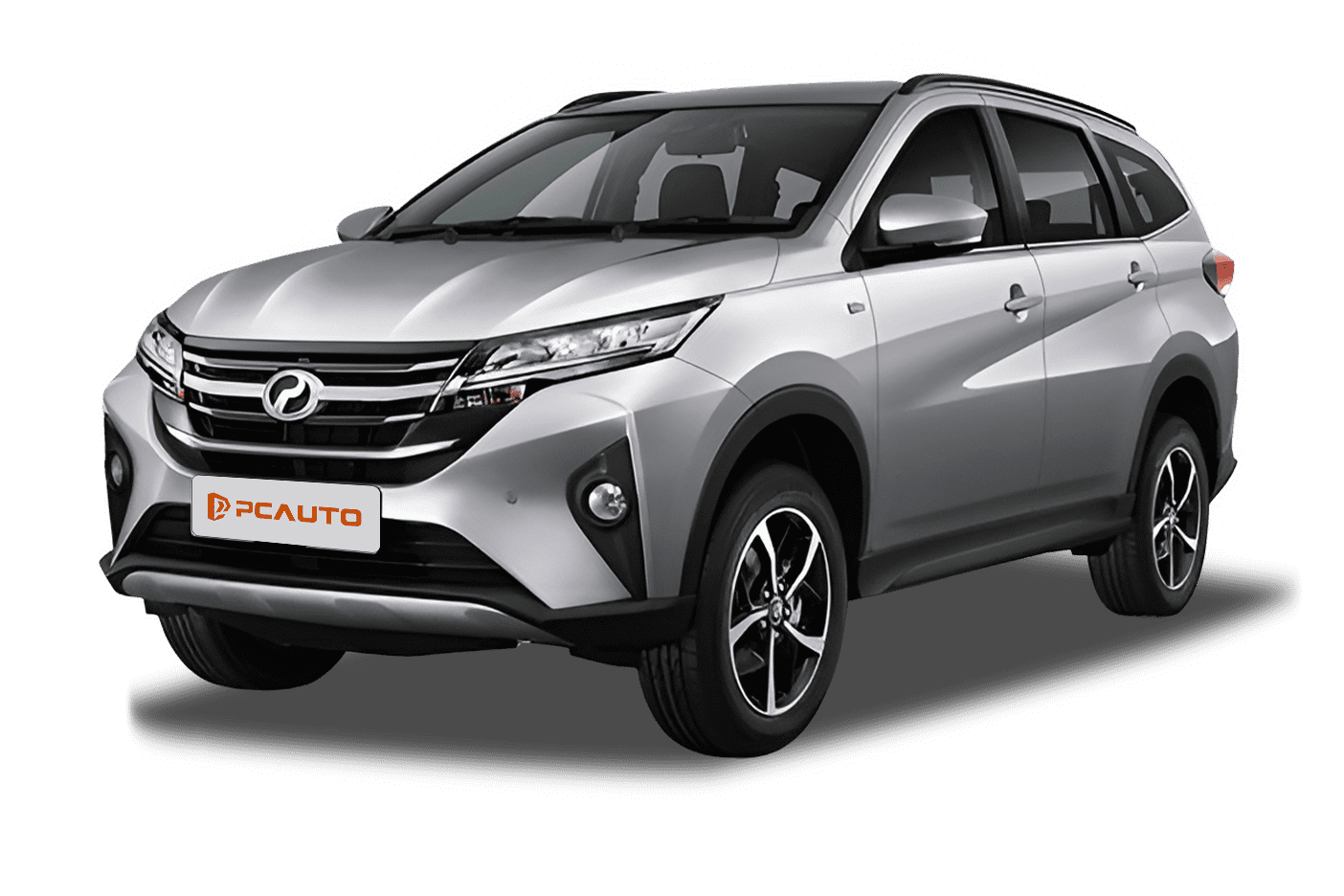
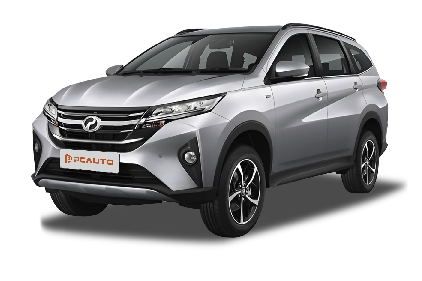
The 2023 Perodua Aruz 1.5L X is a high-value-for-money B-segment 7-seater SUV, offering 6 airbags and active safety systems as standard equipment for under RM63k. It balances practical space and daily commuting needs, making it a pragmatic choice for budget-conscious families.
3
Rank in SUV
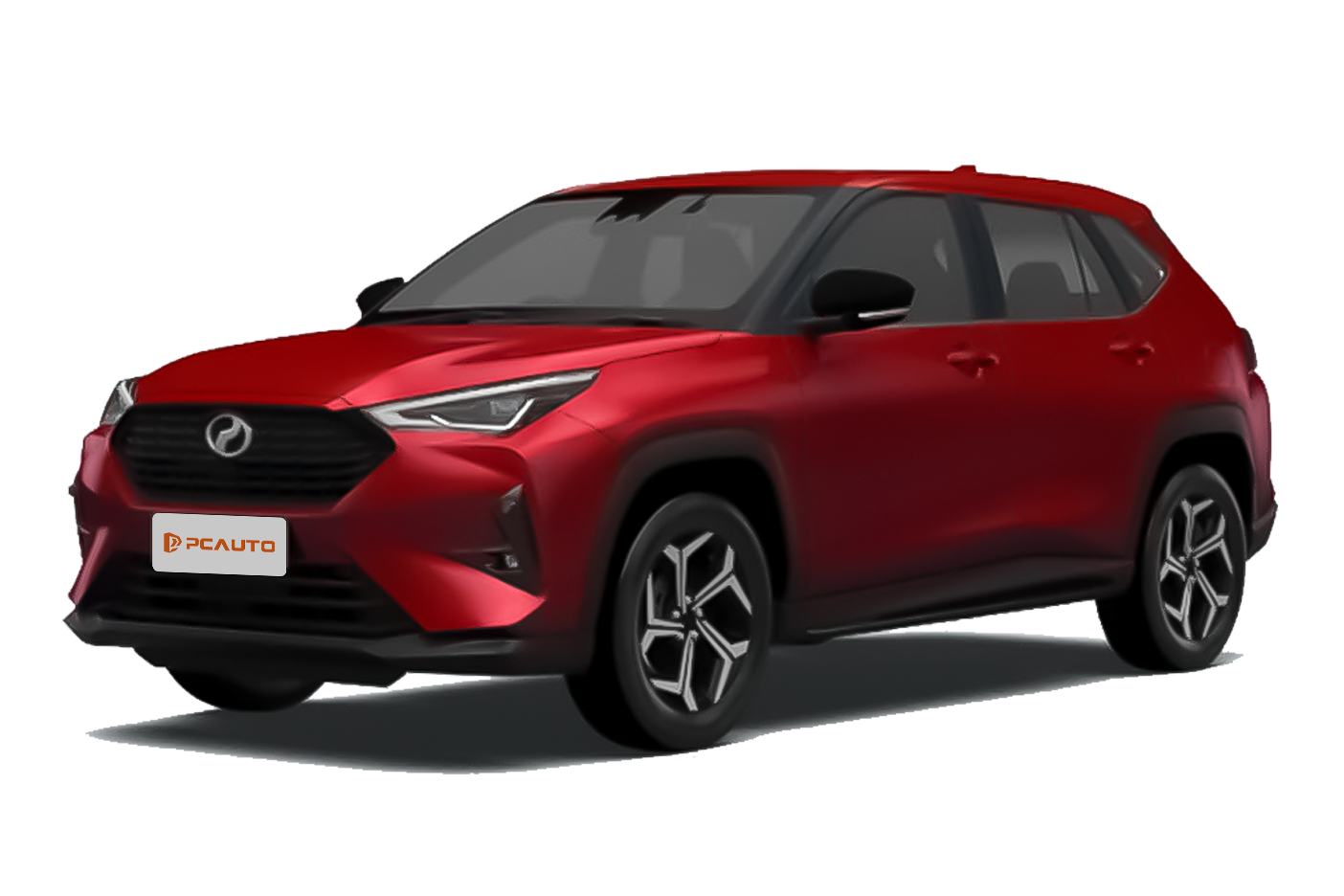
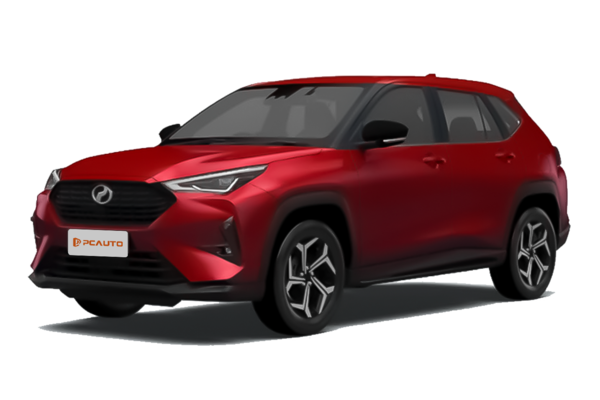
2025 Perodua Traz X, positioned as a B-segment SUV for family users, highlights advanced safety features, 210mm high ground clearance, and practical spaciousness as its main selling points, balancing flexibility and practicality.
2
Rank in SUV
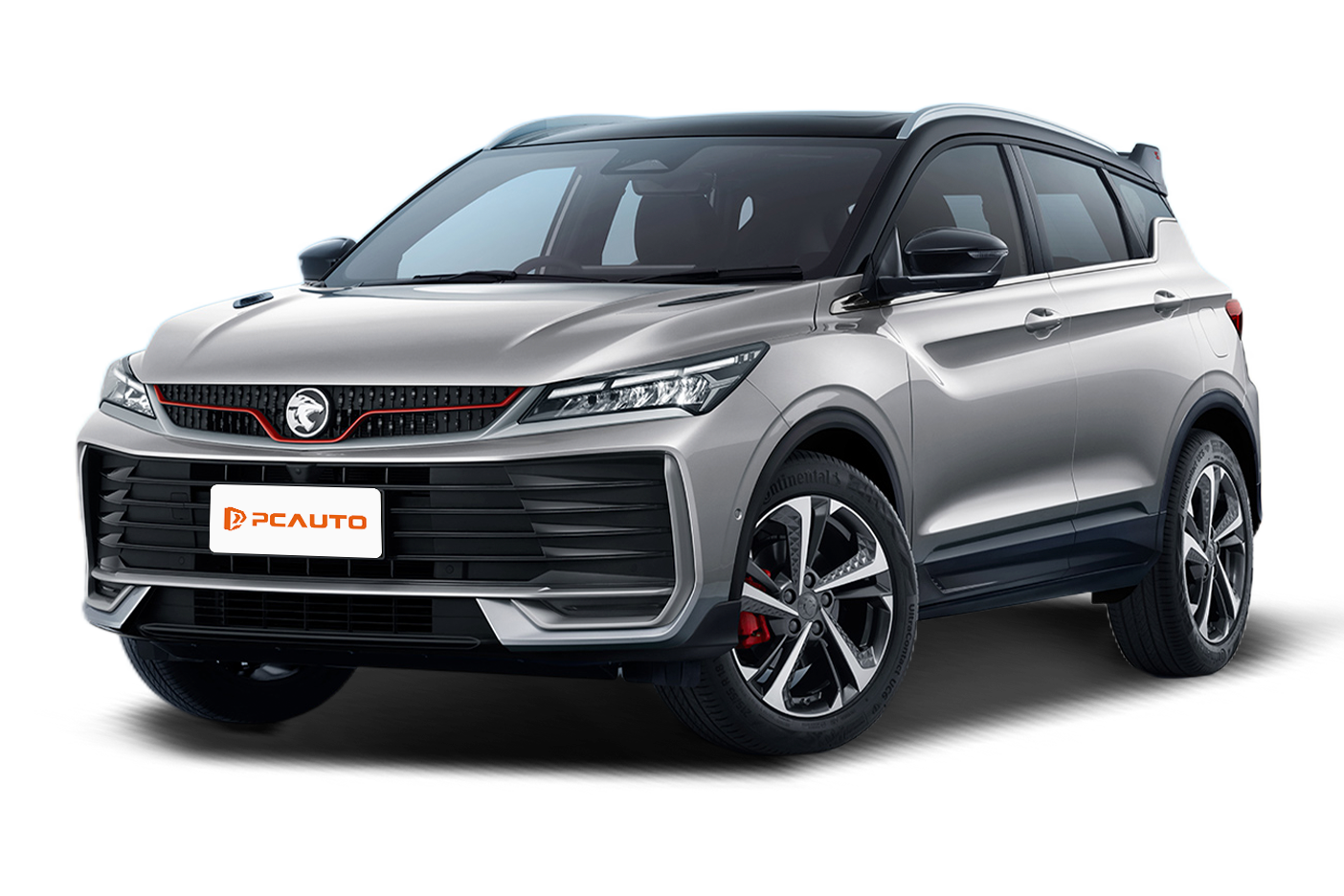
2025 Proton X50 Executive is an upgraded and price-reduced mid-size SUV that combines refined exterior, tech-savvy interior, powerful performance, and practical space, offering exceptional value for money.