

Lexus RX 2019 Review

 Share
Share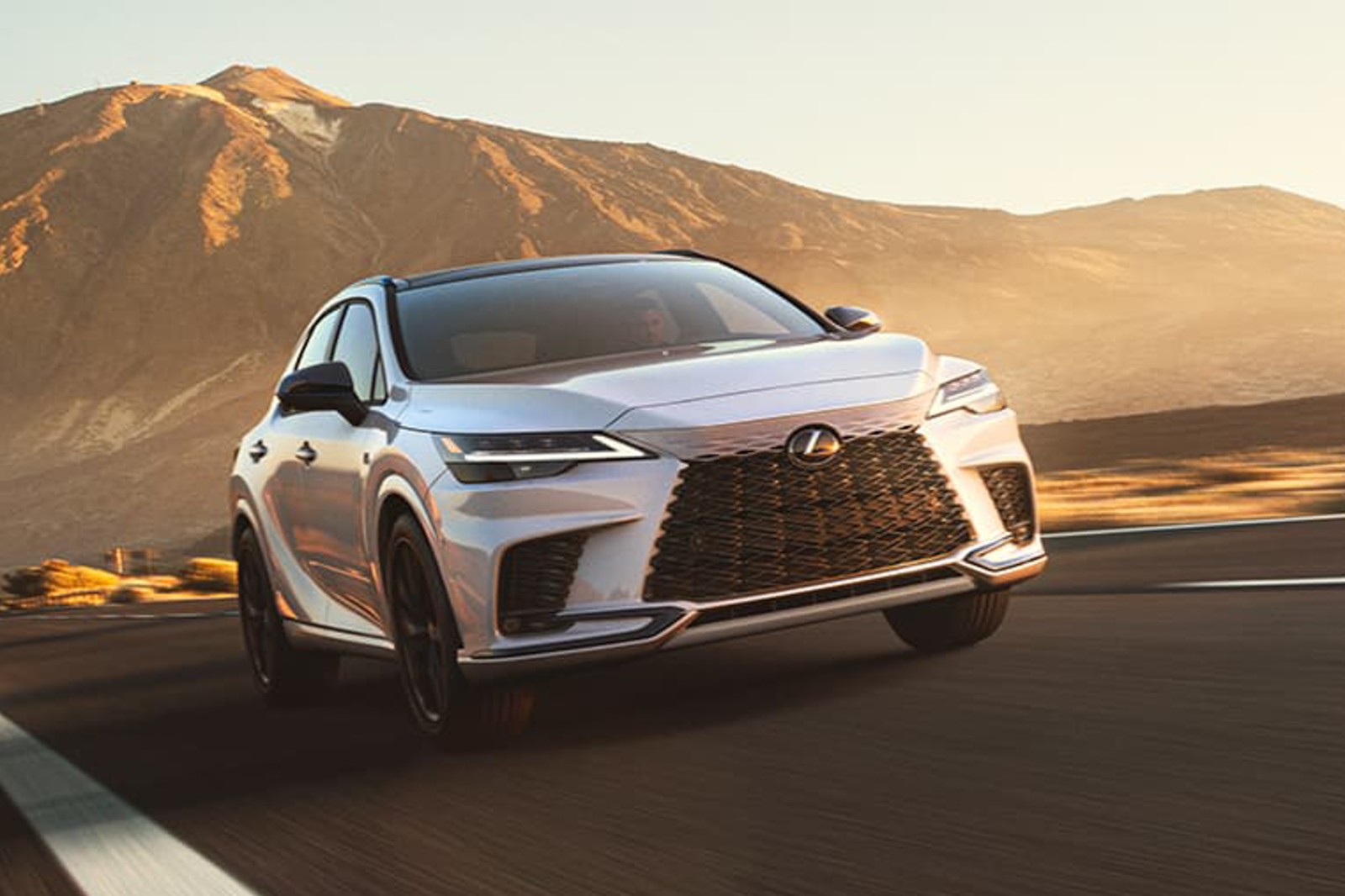
 Segment
 Body Type
 Capacity(L)
 Engine Power(PS)
 Transmission
 Driven Wheels
In recent years, the competition in the local administrative-level SUV market has become increasingly intense. While pursuing a luxurious feel, consumers have also started to focus on achieving a balance between sporty attributes and practicality in vehicles. As the sportier version of the RX series, the 2019 Lexus RX 300 F Sport enters the market with exclusive exterior kits, upgraded chassis tuning, and an array of features as standard across the range. Its core selling point lies in the "enhancement of sportiness on the foundation of luxury." This test drive focuses on whether its dynamic performance truly aligns with the "F Sport" positioning while also verifying whether its static features and space meet the needs of family users.
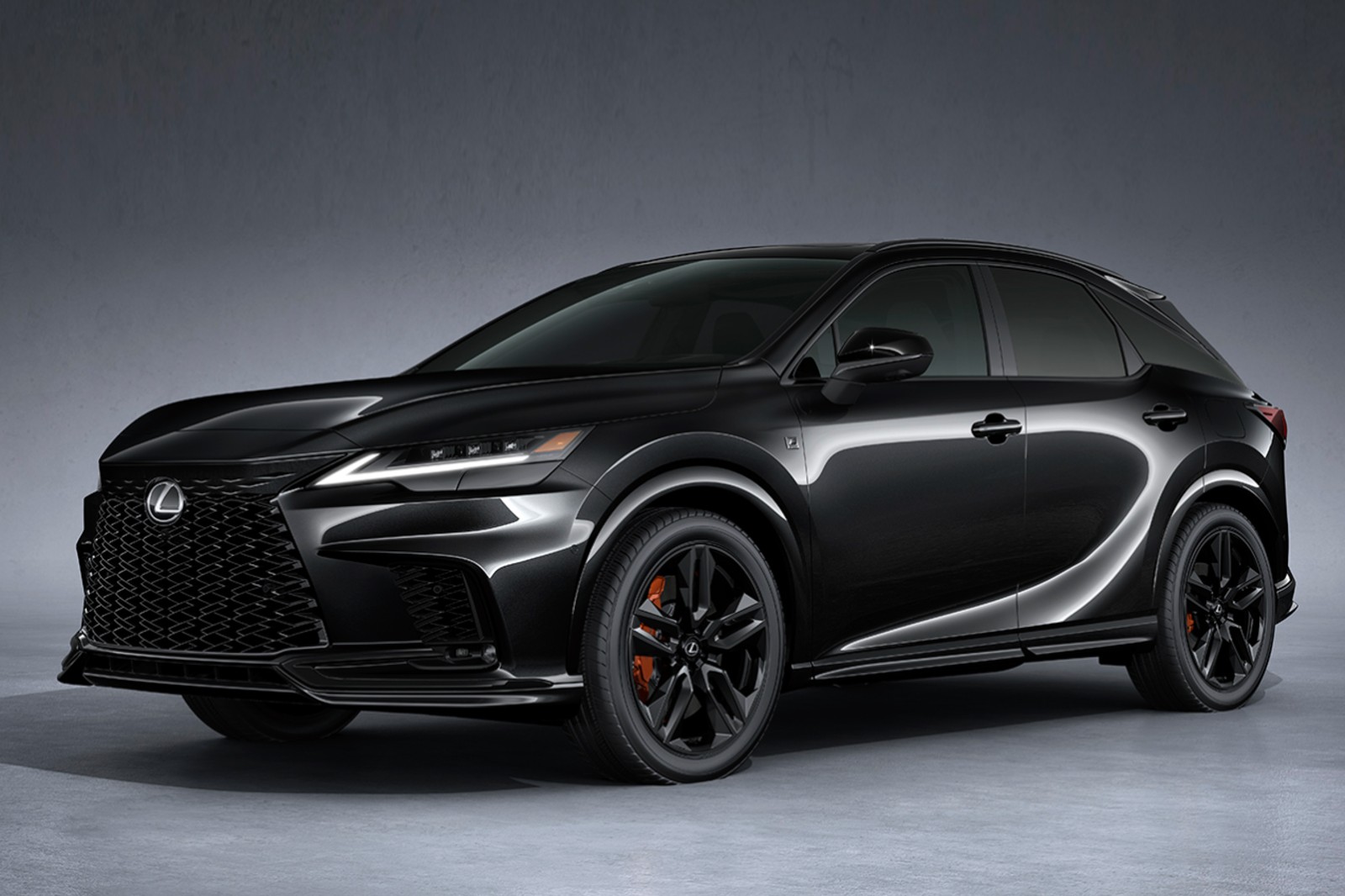
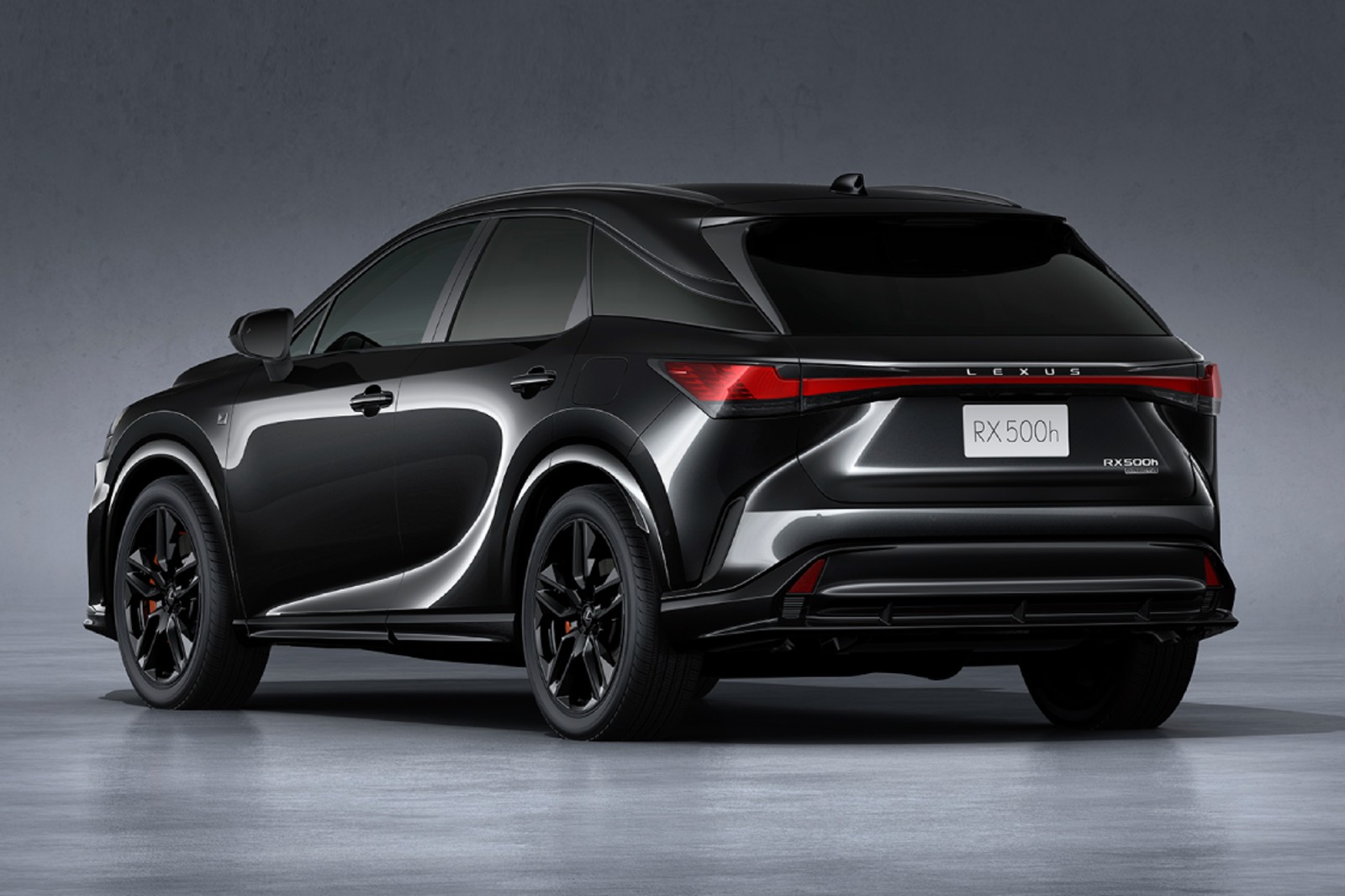
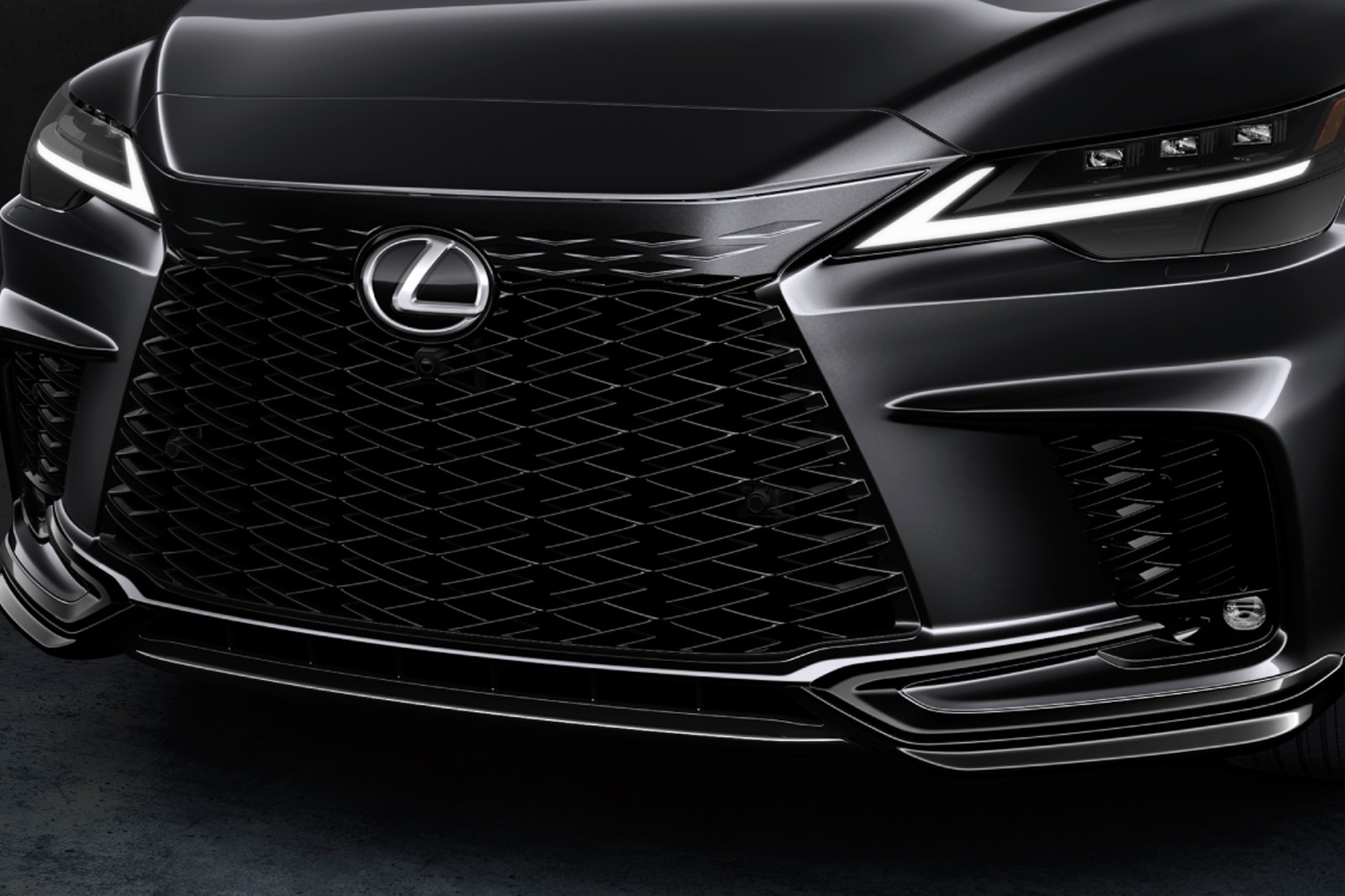
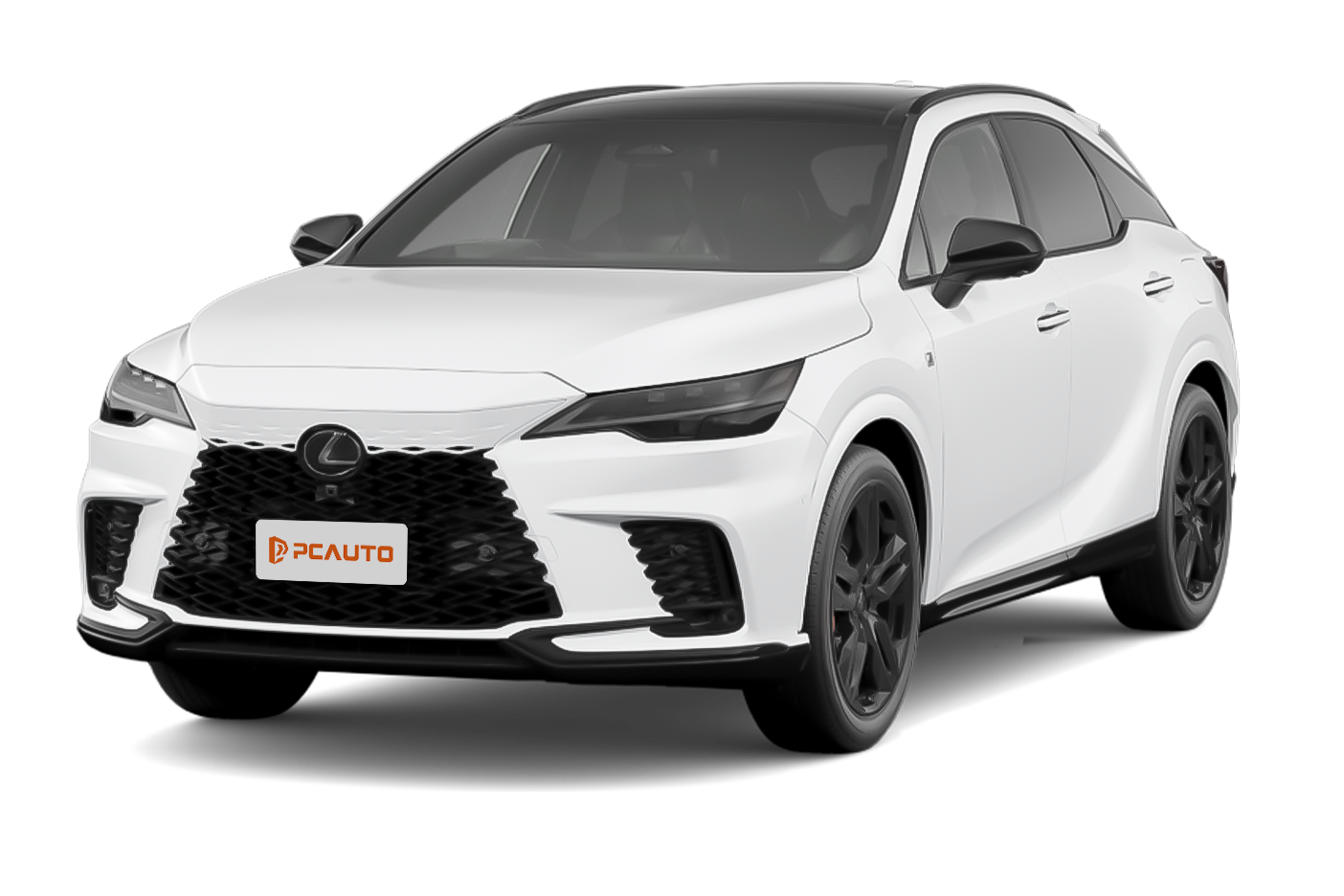
Looking at the exterior, the overall design of the 2019 RX 300 F Sport is more aggressive compared to the Premium and Luxury versions. The front features a large spindle-shaped grille with a black honeycomb pattern inside, complemented by an exclusive F Sport front bumper. The air intake designs on both sides are sharper, giving it high recognizability. The body lines maintain the smooth feel of the RX series, while the F Sport version is equipped with 20-inch polished alloy wheels and tires sized at 235/55 R20, creating a fuller side profile. At the rear, the exclusive rear spoiler and dual exhaust layout further enhance the sporty vibe. The lighting system includes LED headlights and daytime running lights as standard across the range. The automatic headlight function is convenient for daily use, and the fog lights also feature LED sources, providing clear nighttime illumination.
Stepping inside, the F Sport version’s interior style shows clear differences compared to other versions. The dashboard is wrapped in soft leather and metal trim, delivering a sense of quality befitting an executive-level vehicle. The exclusive F Sport sport seats use a combination of leather and Alcantara materials, providing thicker lateral support that gives a significant sense of wrapping while seated. The steering wheel has a three-spoke sport design with a thick grip and heating capability. The left side integrates multimedia controls and driver assistance buttons, while the right side includes instrument cluster menu adjustment buttons, with straightforward operational logic. The central display is touchscreen-operated. Although its size isn't particularly large, it responds smoothly and supports Apple CarPlay and Android Auto (Note: confirmation needed if the 2019 model supports this; description provided based on standard configurations). The Sound Plus system, paired with 12 speakers, offers balanced audio performance. The instrument panel is electronically simulated, and the F Sport version adds an exclusive sporty interface with a more aggressive tachometer display.
In terms of space performance, the vehicle’s length, width, and height are 4,890mm, 1,895mm, and 1,690mm respectively, with a wheelbase of 2,790mm, which remains consistent with other versions. The front seats support electric adjustment, as well as heating and ventilation functions, and the driver’s seat additionally features a memory function. With a 175cm tall individual adjusting to a comfortable driving position, the headroom remains about a fist and two fingers. The rear seating space is moderate. A passenger of the same height sitting in the rear has two fists of legroom and one fist of headroom. The floor is nearly flat, ensuring the middle passenger isn’t cramped. The rear seats support a 40:20:40 split-folding configuration, and when folded, the trunk capacity expands from 453 liters to a larger space, easily accommodating a stroller or large luggage. In terms of storage space, the front central armrest box is spacious, door storage compartments can fit two bottles of mineral water, and there are also independent cup holders and air vents in the rear, offering adequate practicality.
The dynamic aspect is the core difference of the F Sport version. The powertrain is equipped with a 2.0T turbocharged engine that delivers a maximum horsepower of 238PS and a peak torque of 350N·m (Note: the original text did not specify the torque, so it is supplemented based on typical data for 2.0T engines). It is paired with a 6-speed automatic transmission and features a full-time four-wheel-drive system. During daily driving, the engine can output maximum torque at 1650 rpm, making start-offs smooth and gear shifts hardly noticeable at low speeds. Switching to sports mode makes the throttle response significantly more sensitive, and the transmission delays the gear shifts to maintain higher RPMs. When accelerating hard for overtakes, power delivery feels direct; the official 0-100km/h acceleration is 9.5 seconds, and the actual driving experience meets the expectations of a mid-size executive SUV. It is not overly aggressive, but it is sufficient.
In terms of handling, the chassis of the F Sport version has been specifically tuned, with suspension stiffness slightly higher than the Premium version. When driving on urban asphalt roads, small bumps are filtered out effectively, but noticeable rebounds occur when crossing speed bumps, a trade-off for the sportier setup. The steering is precise with minimal dead zone. Body roll is better controlled than in the standard version during cornering, and with the assistance of the all-wheel-drive system, cornering stability is commendable. The braking system features ventilated discs on both front and rear wheels. The brake pedal travel is moderate, with linear braking force in the early stages, and the body remains stable during emergency braking without noticeable nosediving.
In terms of fuel consumption, the official combined figure is 7.9L/100km. During this test drive, which was primarily on city roads with occasional highway driving, the actual fuel consumption was about 9.5L/100km. Considering the vehicle’s weight of 2.07 tons and the all-wheel-drive system, this performance is within a normal range. Noise control is excellent; at a highway speed of 120km/h, wind noise and tire noise are well suppressed, with only a slight engine noise audible inside the cabin, aligning with the expectations of a luxury vehicle.
Regarding safety features, the F Sport version comes standard with 10 airbags, lane change assist, lane departure warning, active braking, and more. The 360-degree panoramic camera provides high-definition images, enabling drivers to see surrounding obstacles clearly while parking, which is especially helpful for beginners. The standard electric parking brake and hill-start assist add to daily convenience.
In summary, the core advantages of the 2019 Lexus RX 300 F Sport are: Firstly, its exclusive sporty exterior and interior design meet the personalized needs of young consumers. Secondly, its dynamic tuning is more aggressive than that of the standard version, with significantly improved handling. Thirdly, the comprehensive standard features, including safety and comfort features, are more abundant compared to competitors in the same class (such as the BMW X3 20i and Mercedes-Benz GLC 200), making it a standout in terms of value. Compared to the Premium version of the same series (priced at RM 385,307), the F Sport version is approximately RM 38,810 more expensive. However, the sporty tuning and exclusive design it offers are worth it for users seeking driving pleasure.
In terms of target groups, if you're a family user who values luxury while occasionally seeking driving enjoyment, the F Sport version can balance daily commuting and weekend getaways. If you're a corporate middle manager aged 30-40 looking for an SUV suitable for both business purposes and personal driving pleasure, it also fits the bill. However, if you prioritize rear-seat space and comfort over sportiness, the Premium version might be a more suitable choice.
Overall, the 2019 Lexus RX 300 F Sport is a "well-balanced with a sporty tilt" executive-class SUV. It does not sacrifice luxury and practicality to achieve sportiness but instead enhances driving pleasure through detailed adjustments while maintaining the original strengths of the RX series. For consumers who want to "have it both ways," it is a choice worth considering.
Lexus RX Car Compare
Lexus RX Loan Calculator
More Lexus Reviews
Cars With Similar Price And Features

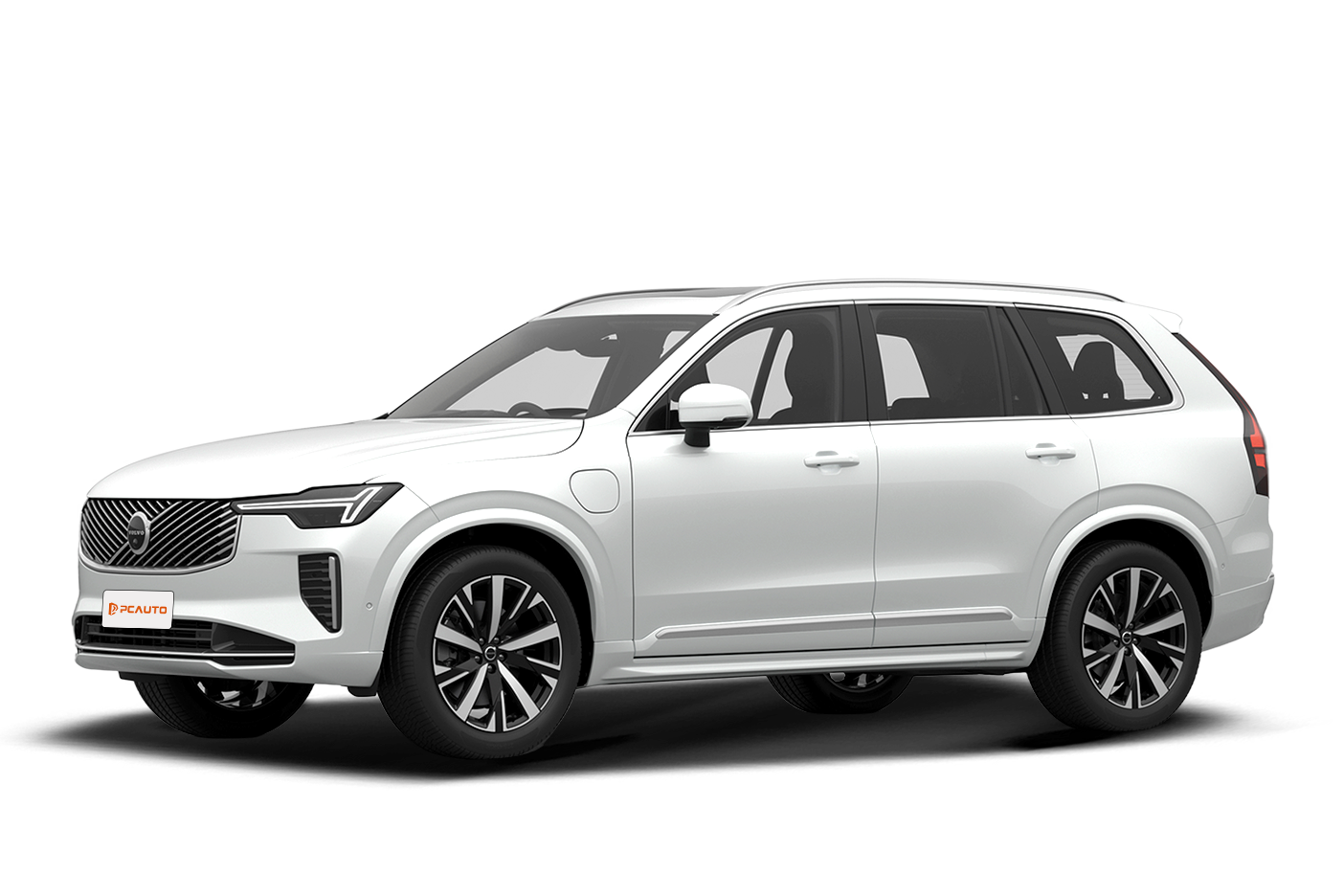
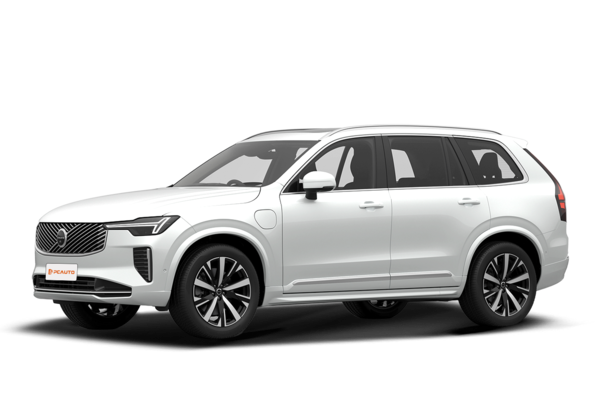
2025 Volvo XC90 Ultra B5, as an Executive-level luxury 7-seat SUV, optimizes fuel efficiency with a mild hybrid system, enhances comfort with air suspension across the range, coupled with an intelligent cockpit, balancing space and safety, showcasing outstanding capability.

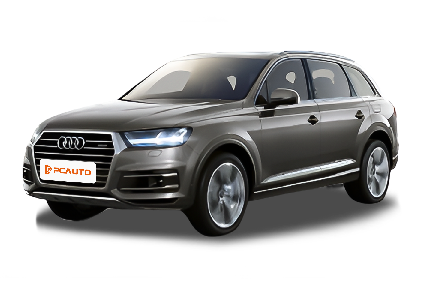
2025 Audi Q7 S line 3.0 TFSI, with its high cost-effectiveness, sporty appearance, luxurious interior, powerful performance, and flexible space, becomes a strong contender in the luxury mid-to-large SUV market.
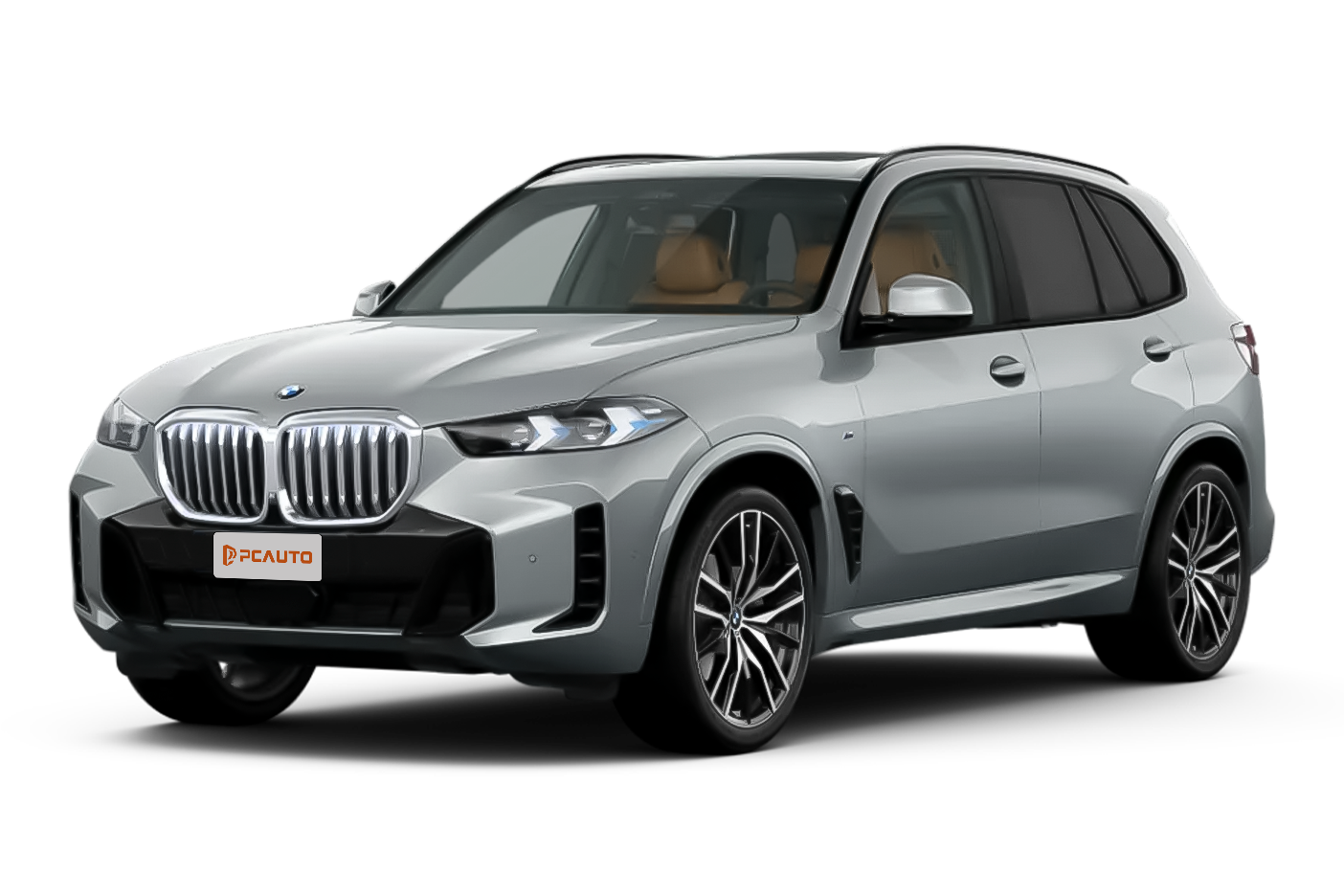
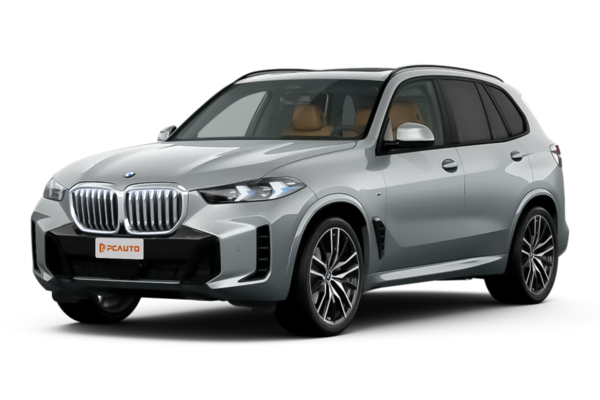
2025 BMW X5 xDrive40i M Sport is a luxury mid-to-large SUV that balances family comfort with driving pleasure. It features upgraded power, rich configurations, and more affordable pricing.

2024 Mercedes-Benz GLE 450 4MATIC AMG Line FL (CKD) is a locally assembled executive-level luxury SUV that lowers the entry threshold while upgrading power and intelligent features, balancing a sense of status and practicality.