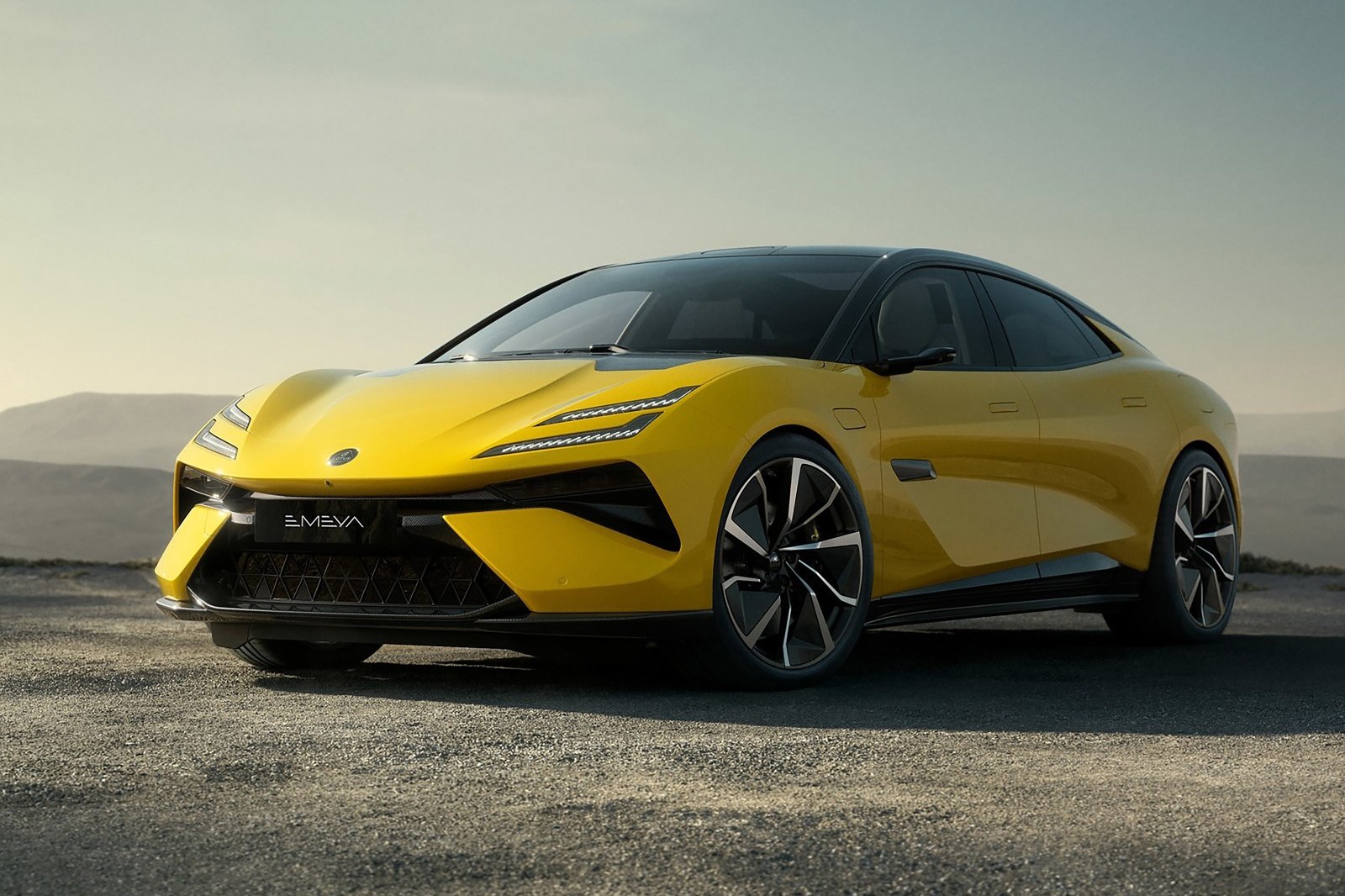
Lotus Emeya 2024 Review

 Share
Share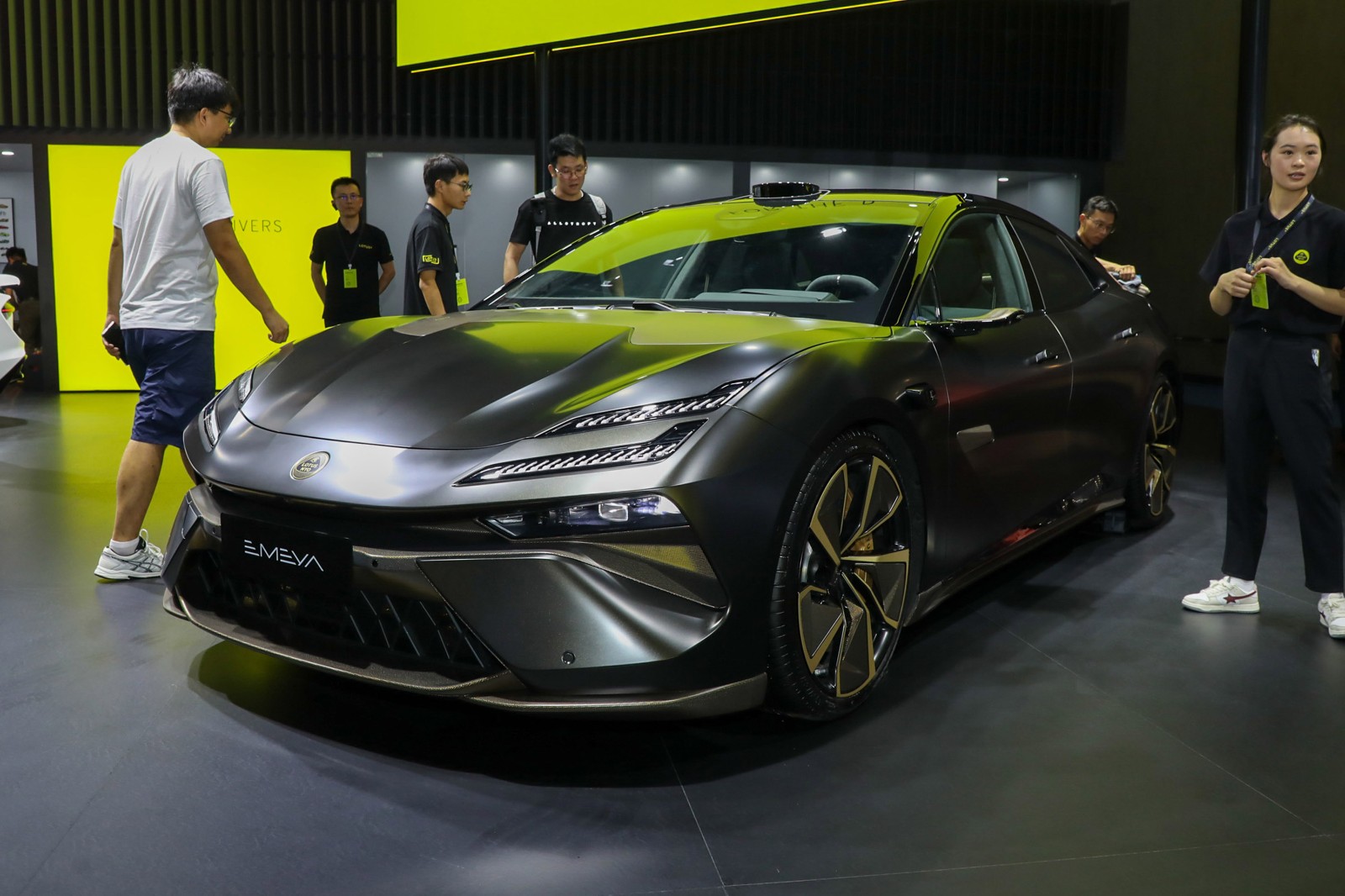
 Segment
 Body Type
 Motor Output(kW)
 Motor Torque(Nm)
 EV Range(km)
 Battery Capacity(kWh)
As the market for electric executive sedans becomes increasingly crowded, many models either lean towards business formality or focus too much on technology stacking. However, the arrival of the Lotus Emeya seems to aim to strike a new balance — as the brand’s first all-electric four-door coupe, it retains Lotus’s iconic handling characteristics while making compromises in luxury and practicality. During this test drive, we covered the standard version, the S version, and the high-performance R version, with the main goal of finding out whether this "electric Lotus" can find the optimal balance between performance and daily usability.
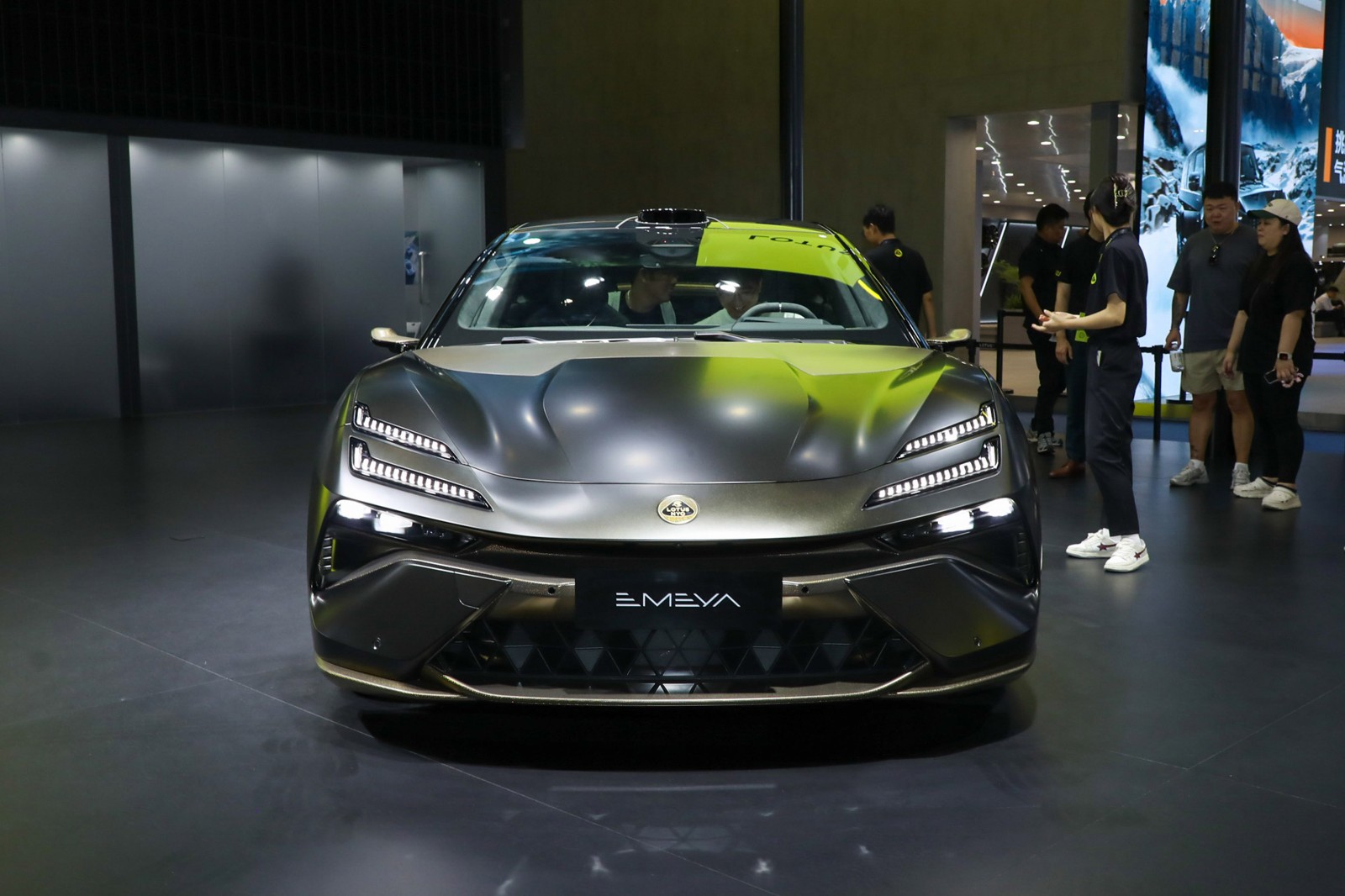
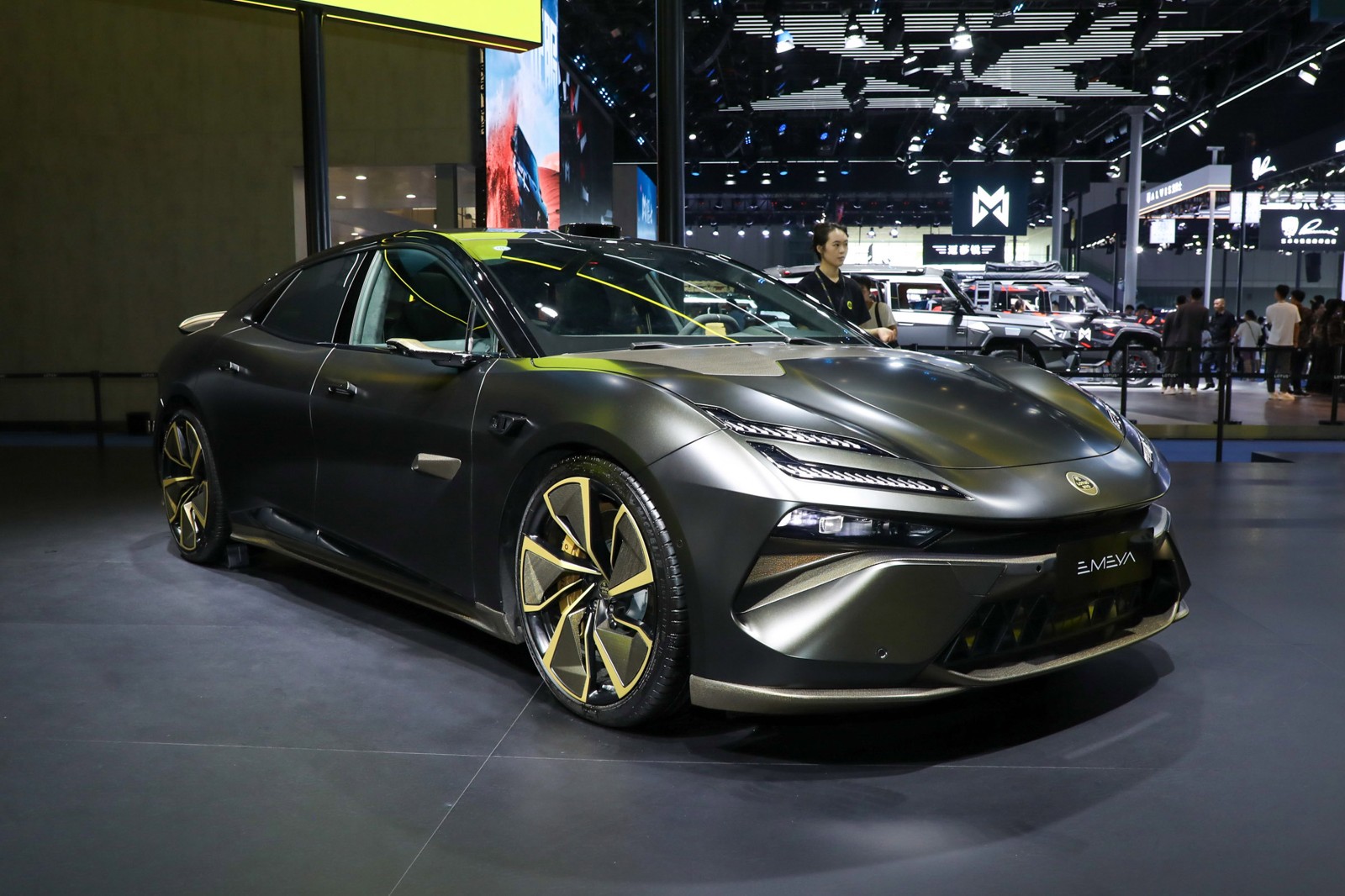
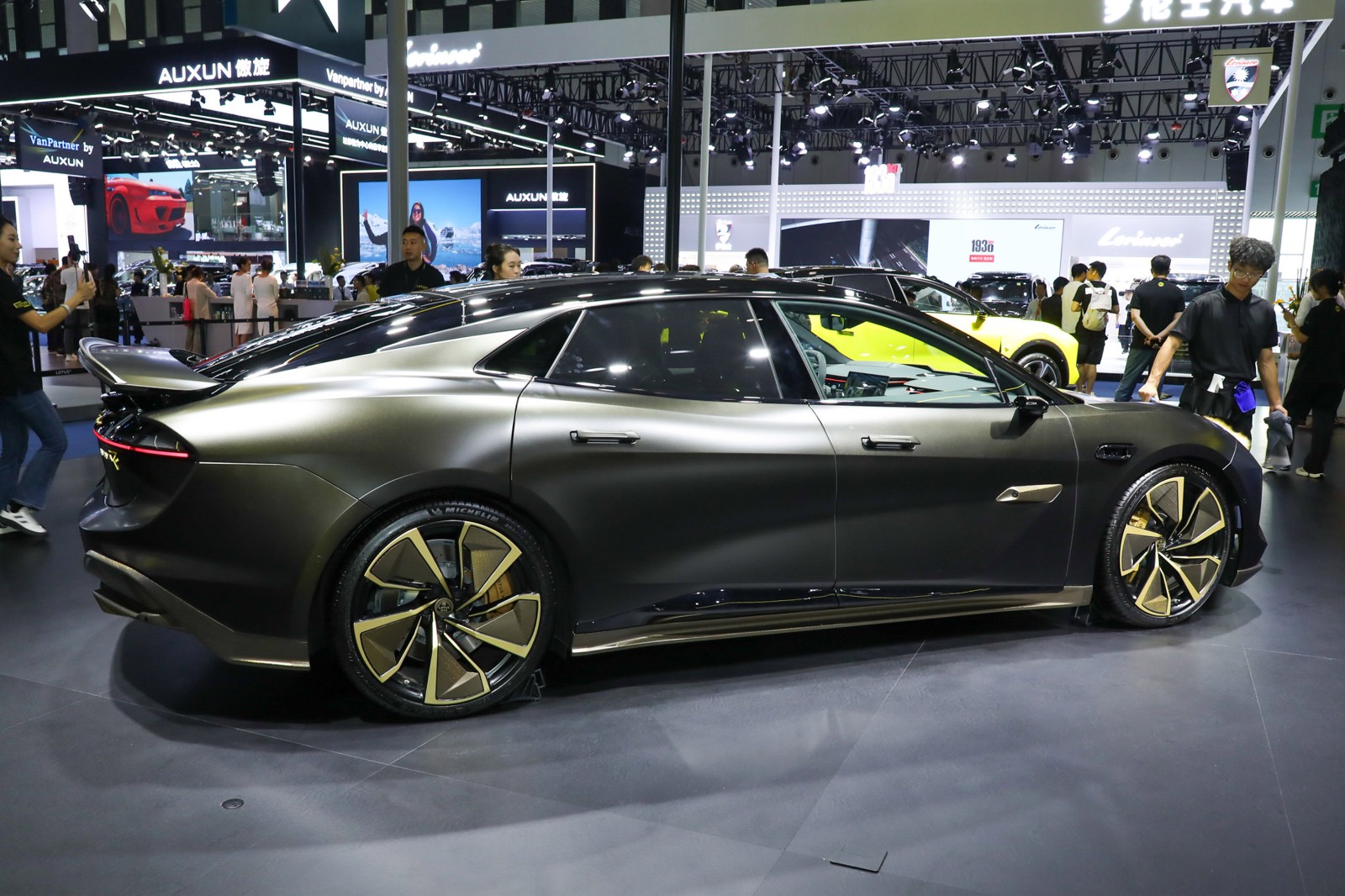
The exterior of the Emeya is instantly recognizable as a Lotus, with its overall low, sleek stance paired with a fastback design, boasting a classic coupe silhouette. The front features a large active grille with louvers inside that open and close based on cooling needs, enhancing both efficiency and sportiness; the sharp-shaped elongated LED headlights and the zigzag design of the daytime running lights offer high recognition. The side profile of the car is sleek, with a naturally flowing fastback curve extending from the A-pillar to the rear. The inwardly curved waistline on the doors adds muscularity. The standard version is equipped with 20-inch wheels, while the S and R versions upgrade to 21-inch wheels, with rear tire widths reaching 305mm, creating a more impactful visual effect. The rear of the car features a striking LED light strip running across the width of the vehicle, with an intricate matrix design inside the lighting group, offering a refined effect when lit. The sporty diffuser below adds to the athletic aesthetics, and the R version includes a retractable rear spoiler, providing additional downforce at high speeds.
Once inside the car, the interior of the Emeya leans towards a minimalist yet sophisticated design. The dashboard exudes a solid build quality, with most areas covered in soft leather. The S and R versions also offer optional Alcantara materials with a delicate tactile sensation. The 15.1-inch central touchscreen is the core of the interior, and the screen supports electric folding, allowing it to retract completely when parked to reduce air resistance. The system's interface is simple and operates smoothly, supporting CarPlay and Android Auto connectivity. The instrument cluster is fully digital, rich in displayed information, and switchable between different themes. The steering wheel is electrically adjustable and comes with paddle shifters, which not only adjust regenerative braking intensity but can also be used to switch driving modes in the R version. Regarding seating, all models come with electrically adjustable front seats, while the S and R versions feature seats that provide better support. Thanks to the 3069mm wheelbase, rear-seat passengers who are 180cm tall still have two fist-widths of legroom, although the fastback design slightly limits headroom without compromising everyday usability. The trunk capacity is 509L for the standard version, but it decreases to 426L in the S and R versions due to the optional rear-seat screens. However, folding down the rear seats can expand the available storage space significantly.
In terms of performance, there are significant differences among the three models. The standard and S versions are equipped with dual permanent-magnet synchronous motors at the front and rear, delivering a combined output of 450kW (612PS) and a peak torque of 710N·m, with an official 0-100km/h acceleration of 4.15 seconds. During daily driving, light throttle input provides ample power, with the mid-to-high range acceleration equally strong, giving plenty of confidence for overtakes. The R version’s performance is even more impressive, with the rear motor’s power increased to 450kW, bringing the total output to 675kW (918PS) and a peak torque of 985N·m, achieving a 0-100km/h sprint in just 2.78 seconds. Switching to sport mode, the power delivery becomes extremely responsive, and pressing down the throttle instantly delivers a tremendous push-back sensation. Even at high speeds, the acceleration remains fierce.
In terms of handling, Emeya continues Lotus's expertise in tuning. The steering is precise with minimal dead zones, and the steering effort changes with different driving modes; it feels heavier and more solid in sport mode. The chassis features front and rear multi-link independent suspension. The standard and S versions lean towards comfort, filtering out most road bumps, while the R version is tuned stiffer with better body roll control, resulting in stable cornering posture. The braking performance is excellent, with all models equipped with ventilated disc brakes. The braking feel of the R version is more linear, and the braking distance is shorter. Regarding range, the standard and S versions have an official range of 610km, with an actual city commute efficiency of about 85% and about 75% on highways. The R version, with its higher power output, has an official range of 485km, with an actual highway range of about 380km. Fast charging time is 0.23 hours (14 minutes) across all configurations, charging from 10% to 80%, while slow charging takes 5.5 hours.
In terms of driving and riding comfort, Emeya performs beyond expectations. The cabin's sound insulation is excellent, with wind and road noise well-controlled at highway speeds. The R version, due to its wider tires, has slightly more tire noise. The energy recovery system offers three adjustable levels; at the lowest level, there's almost no noticeable drag, providing a driving experience close to a fuel car. The seats offer excellent support, ensuring comfort even during long drives. The rear seats are equipped with independent air conditioning vents and USB ports, enhancing passenger comfort.
Overall, Lotus Emeya's core strengths are evident: it combines the smoothness and technological feel of an electric vehicle with Lotus's handling DNA, while also achieving the luxury and practicality of an executive sedan. Compared to similar electric sports sedans like the Tesla Model S Plaid, Emeya offers more refined handling and superior interior materials. In comparison to the Porsche Taycan, it offers better value for money; the R version is priced at roughly half that of the Taycan Turbo S. This car is suitable for two types of users: young individuals who pursue performance but still need a daily commuter—where the R version's acceleration can satisfy their driving desires; and families who value brand prestige and practicality, as the standard and S versions provide ample range for daily use and adequate space for family needs.
In summary, Lotus Emeya is a "versatile" electric sports sedan. It achieves a balance between performance and practicality without compromising Lotus's essence for comfort. If you're looking for an electric car that can provide weekend driving fun and serve as a daily commuter during the workweek, Emeya is worth considering.