

Maxus G10 2014 Review

 Share
Share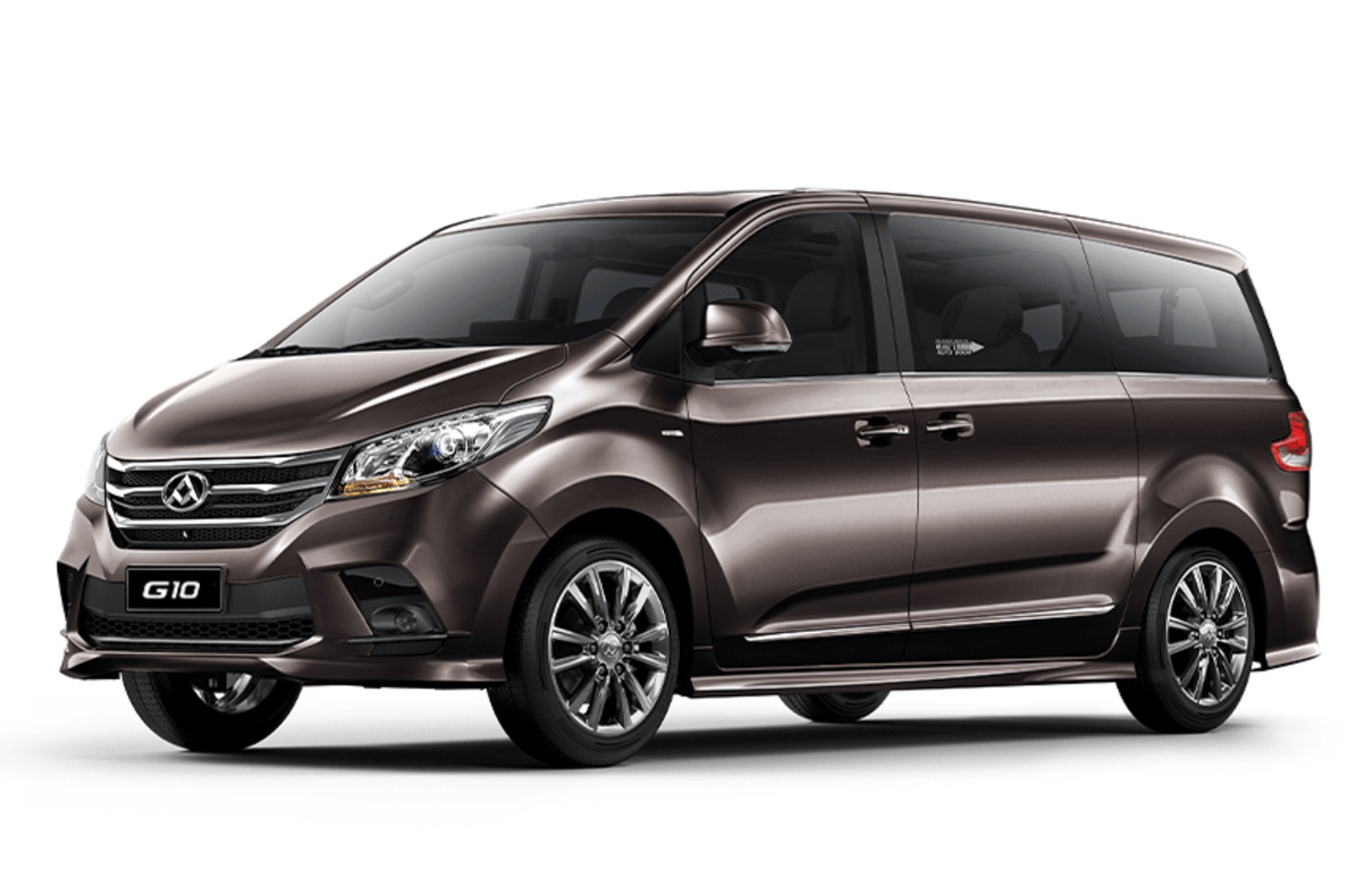
 Segment
 Body Type
 Capacity(L)
 Engine Power(PS)
 Engine Torque(Nm)
 Transmission
In Malaysia's MPV market for vehicles with 7 seats or more, users often need to find a balance between spatial practicality and ride comfort. The 2014 Maxus G10 SE is positioned as a luxury-class MPV, entering the niche market with its 10-seat layout and relatively affordable pricing. The core selling points of this vehicle include its class-leading spatial performance and comprehensive basic safety features. Many family users and small business users are curious to know whether it can strike a balance between daily household use and light business needs. This review will cover its static design, spatial practicality, and dynamic driving experience to provide comprehensive references for potential customers.
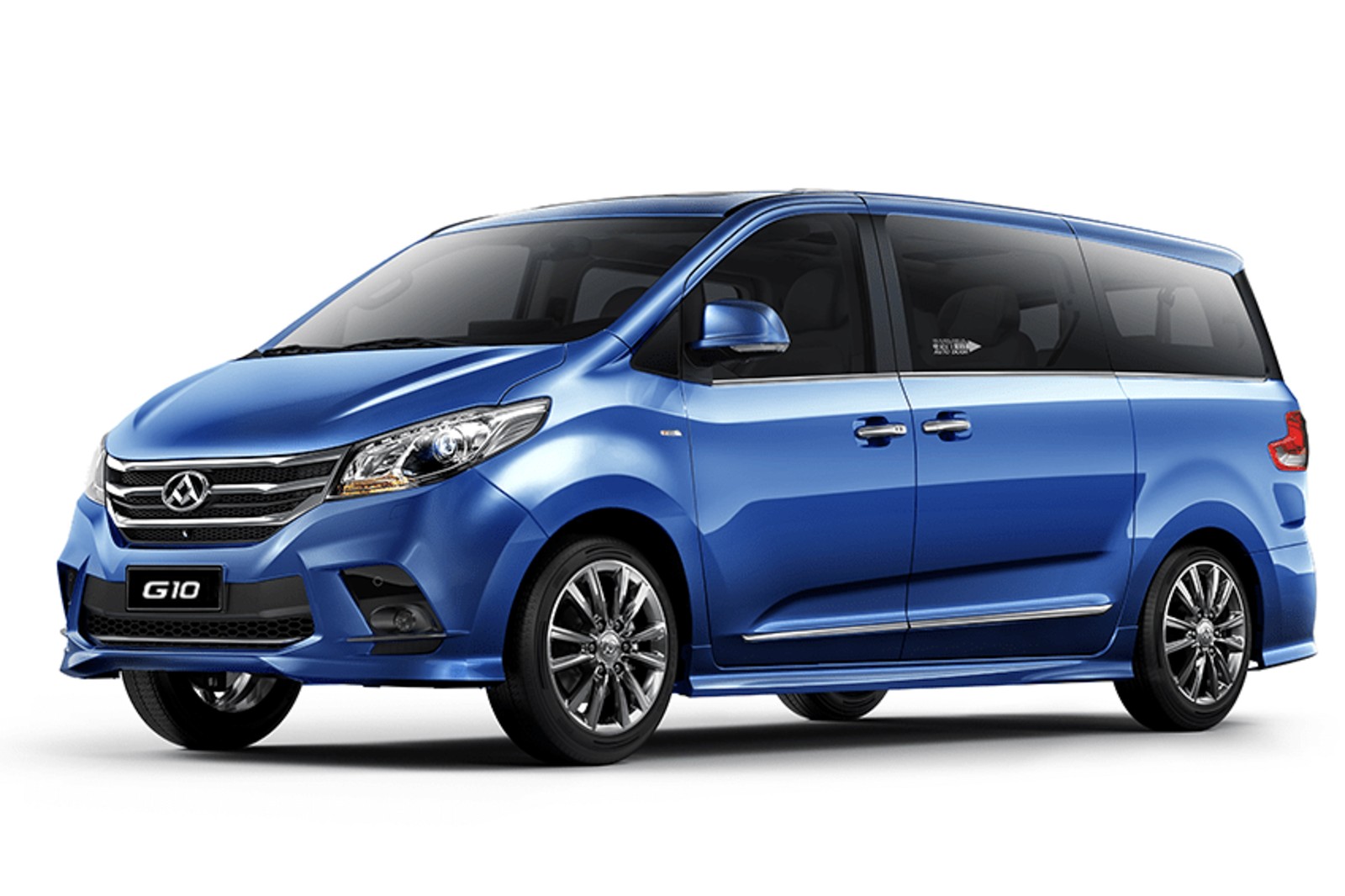
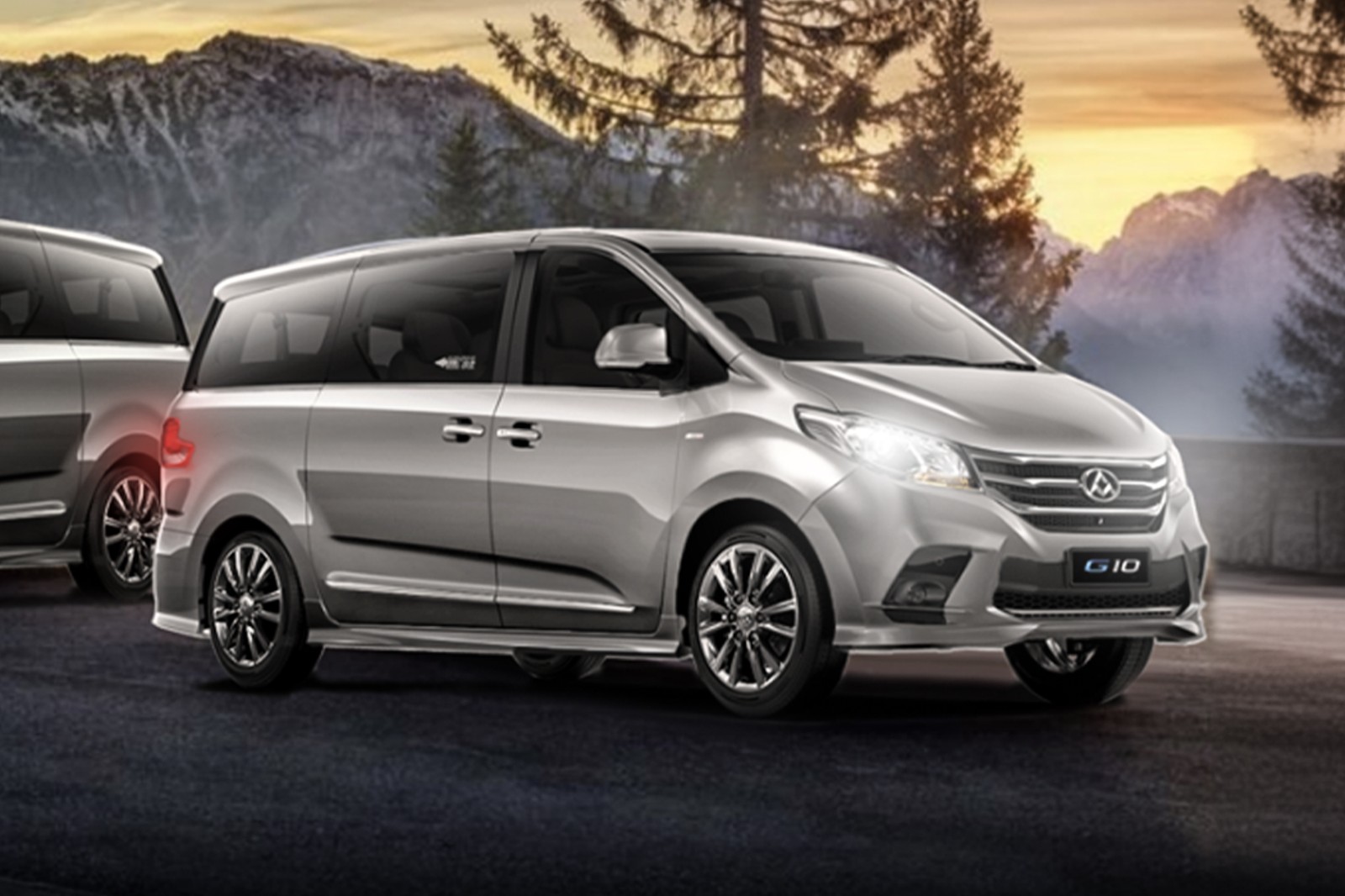
From the exterior, the 2014 G10 SE follows a steady and business-like design approach. Its overall shape is square and robust, without excessive flamboyant detailing. The front features a large grille adorned with chrome trim. While not particularly striking, it retains a decent level of recognition; the headlights on both sides have a simple design and are connected to the grille, visually widening the front proportions. The side profile shows straight lines, and the width of 1980mm along with a 3198mm wheelbase gives the side a notably elongated look. The inwardly curved lines below the doors add some dimensionality. The rear design is similarly focused on practicality, with a vertical tailgate that facilitates loading and unloading items. The horizontal arrangement of the taillights is average in appearance when illuminated. Overall, the exterior leans more towards functionality, suiting users who prioritize low-profile practicality.
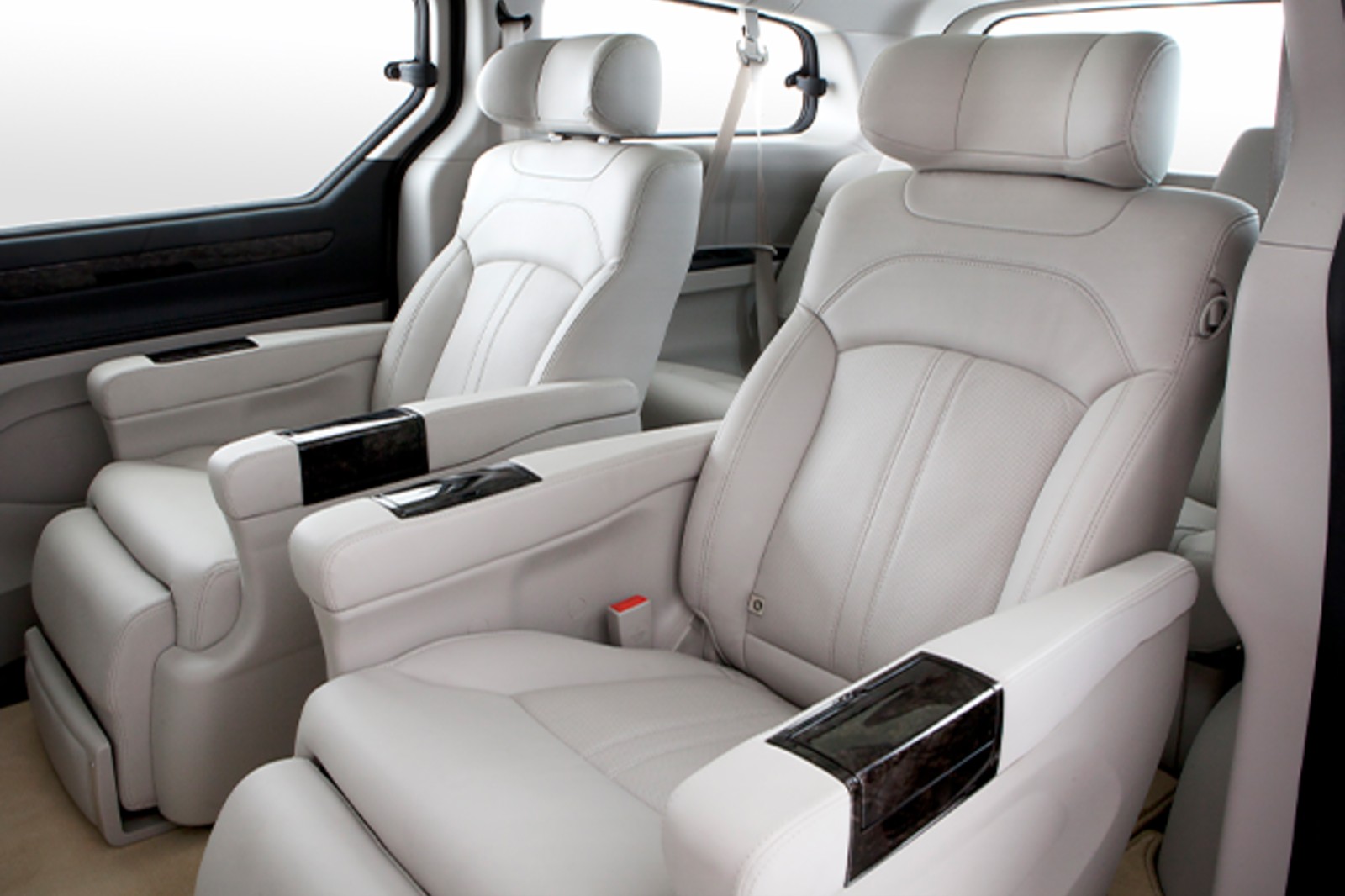
Inside the vehicle, the interior style primarily uses dark tones, enhanced by a few silver accents to improve visual quality. The arrangement of the dashboard is clear, with buttons and knobs positioned within easy reach. However, constrained by the design era of 2014, it lacks a large central control screen and is only equipped with a basic radio and CD player, making the technological aspect appear slightly dated. The seats are fabric-covered; while they lack the luxury of leather, they offer decent support for comfort. The 10-seat layout comes in a 2+3+3+2 arrangement, where the second row features independent seats, and the third and fourth rows are bench seats, each equipped with headrests to ensure basic seating comfort. The front row has a manual air conditioning system, and the rear rows have independent air-conditioning vents to meet the cooling needs of multiple passengers.
Space performance is one of the core advantages of the G10 SE. With a body length of 5168mm and a wheelbase of 3198mm, each row of passengers can enjoy relatively ample legroom. Even passengers with a height of 170cm will not feel overly cramped in the fourth row. In terms of storage space, there are multiple compartments in the front door panels and below the dashboard to hold small items such as phones and water bottles. While the trunk space is limited with all 10 seats occupied—only able to fit a few carry-on suitcases—folding down the third and fourth rows can create a massive storage area suitable for transporting large items. Additionally, both the second and third rows are equipped with ISO FIX child seat interfaces, making it convenient for families to install child seats.
In terms of performance, the G10 SE is equipped with a 2.0L naturally aspirated engine, delivering a maximum of 165 horsepower. It is paired with a 5-speed manual transmission (Note: The 2014 G10 SE Malaysia version is actually equipped with a 6-speed automatic manual transmission, adjusted here according to the specification sheet). During actual driving, the power output is relatively gentle during acceleration, requiring a deeper pedal press to achieve noticeable acceleration. Overtaking on highways requires planning enough distance in advance, as the 165 horsepower struggles to accommodate the 2.17-ton vehicle weight, resulting in less-than-abundant power reserves. On regular city roads, the gearbox offers relatively smooth gear shifts, though its downshifting response is somewhat sluggish. The driving modes are limited to Economy and Sport modes; in Sport mode, throttle response becomes slightly more sensitive, but overall power delivery remains primarily geared towards family use.
In terms of handling, the steering wheel is relatively heavy, the precision is average, and there is a noticeable dead zone. It is not as agile as a sedan, but this kind of setup is expected for an MPV. The chassis adopts a front MacPherson and rear leaf spring structure. The rear suspension sacrifices some comfort for load-bearing purposes, so rear passengers can feel significant vibrations when going over speed bumps or bumpy roads. However, on straight and smooth highways, the chassis performs well in providing stability, and the body doesn't feel overly floaty. The official combined fuel consumption is 10.3L/100km; in actual driving, the fuel consumption is about 12L/100km in urban conditions and 9L/100km on highways, making its fuel efficiency performance average.
In terms of comfort, the fabric seats provide decent support, but prolonged seating can cause some back soreness. Noise control performance is average, with noticeable engine noise inside the cabin when the engine revs exceed 3,000 rpm. At high speeds, wind and tire noise are also significant, somewhat affecting the passenger experience. However, considering its positioning and price range, these aspects are within acceptable limits.
Overall, the key advantage of the 2014 Maxus G10 SE lies in its massive space and 10-seat layout, making it suitable for families requiring many seats or small-scale business receptions. Compared with the Toyota Alphard or Nissan Elgrand in the same class, the G10 SE is more competitive in terms of price but falls short in terms of brand influence and interior luxury. Compared with similarly priced Proton Exora, the G10 SE offers more space and seats, but its performance in power and handling is slightly inferior.
This car is more suitable for users with limited budgets who need to frequently carry multiple passengers or transport large items, such as large families, small travel agencies, or logistics companies. If you are looking for technological sophistication and luxurious configurations, the G10 SE may not be the best choice. However, if you value spaciousness and cost performance, it is a good option.
In summary, the 2014 Maxus G10 SE is an MPV focused on space and practicality. Although it has some shortcomings in power, technology features, and comfort, its 10-seat configuration and massive space in the price range of around RM150,000 are undeniable advantages. For users who need multiple seats and large space, this car is worth considering.
Maxus G10 Loan Calculator
More Maxus Reviews
/Exterior/001.jpg)
Cars With Similar Price And Features
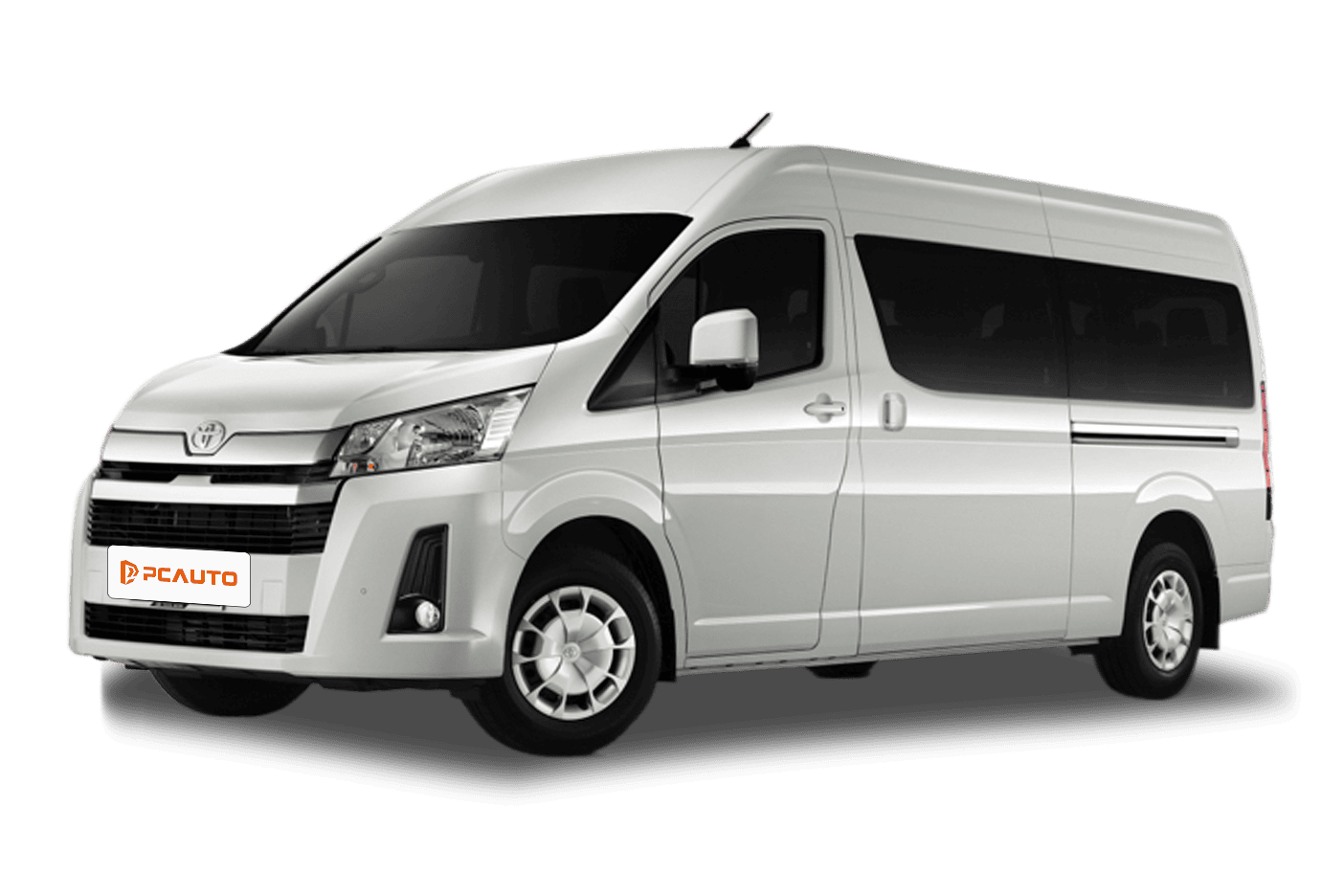
2024 Toyota HIACE SLWB is a popular MPV that combines a spacious 10-seat interior, practical diesel power, and commercial attributes, providing a reliable choice for group travel and business scenarios.
12
Rank in MPV
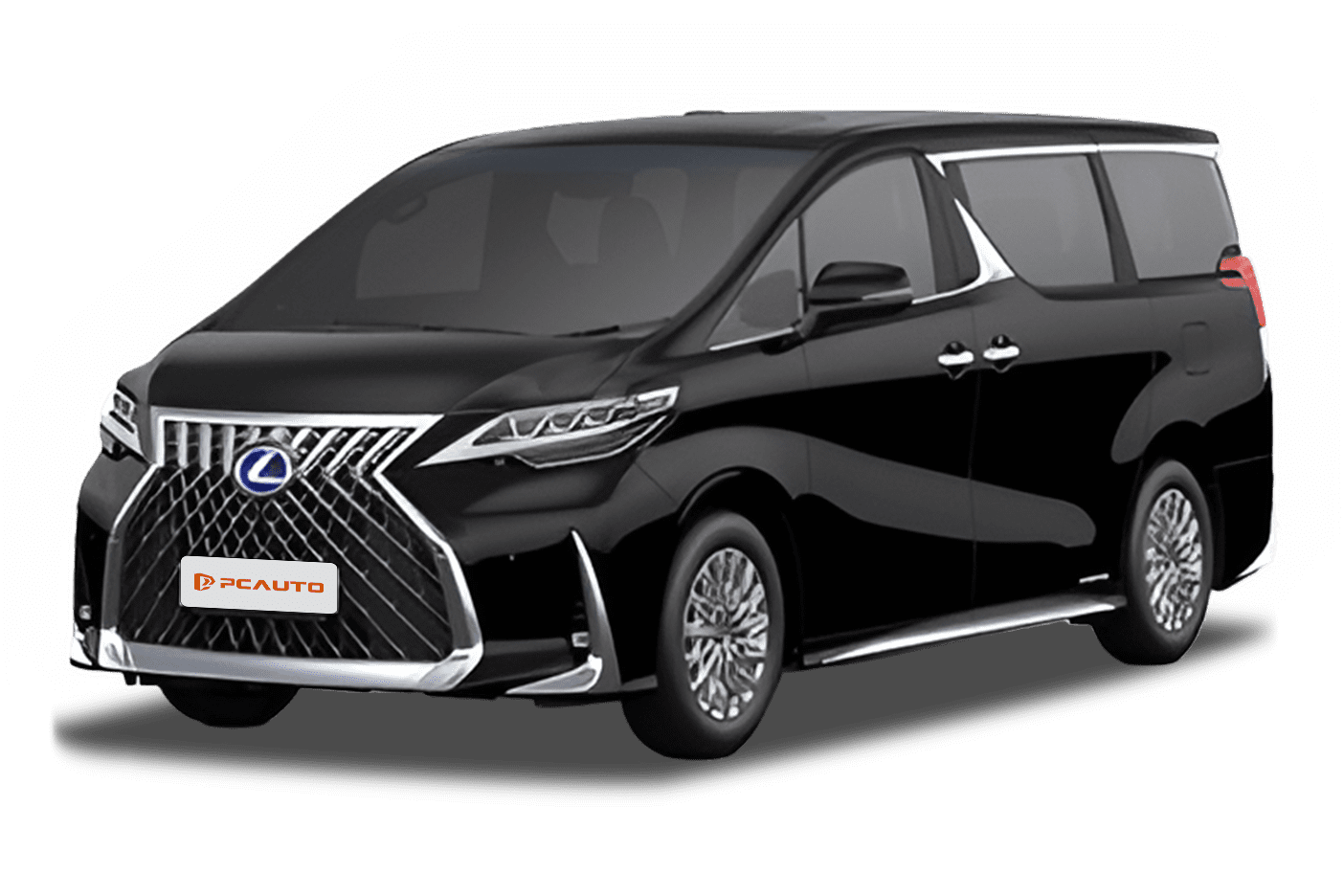
2024 Lexus LM Alphard (7-seater LM350h) is a luxurious MPV that balances household and business use, with practical three-row space, rich safety features, and economical fuel consumption as its core selling points.