

Mazda 6 Sedan 2023 Review

 Share
Share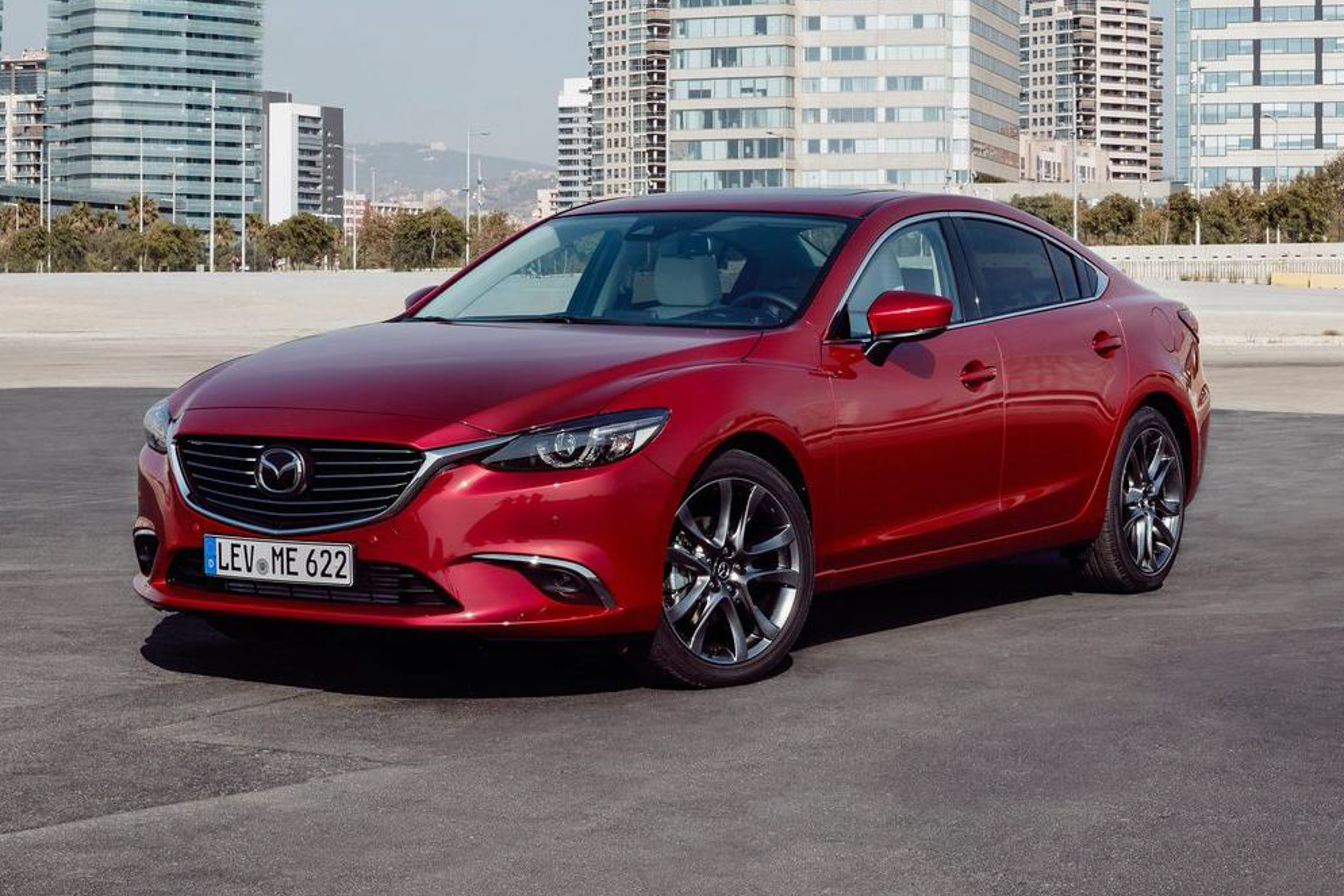
 Segment
 Body Type
 Capacity(L)
 Engine Power(PS)
 Engine Torque(Nm)
 Transmission
In recent years, Malaysia's D-segment sedan market has been striving to balance between "practicality" and "refinement." Consumers want enough space to meet family travel needs, while also expecting the vehicle to provide a driving experience and features beyond its peers. The 2023 Mazda 6 Sedan 2.0 SkyActiv-G is designed precisely to meet this demand — with a more affordable price (RM 180,000), it retains Mazda's iconic design language and driving DNA, while offering advanced features even in its entry-level model. In this test drive, we focus on verifying: as the entry-level model of the lineup, can it become a "value-for-money choice" in the D-segment car market without compromising on core experiences?
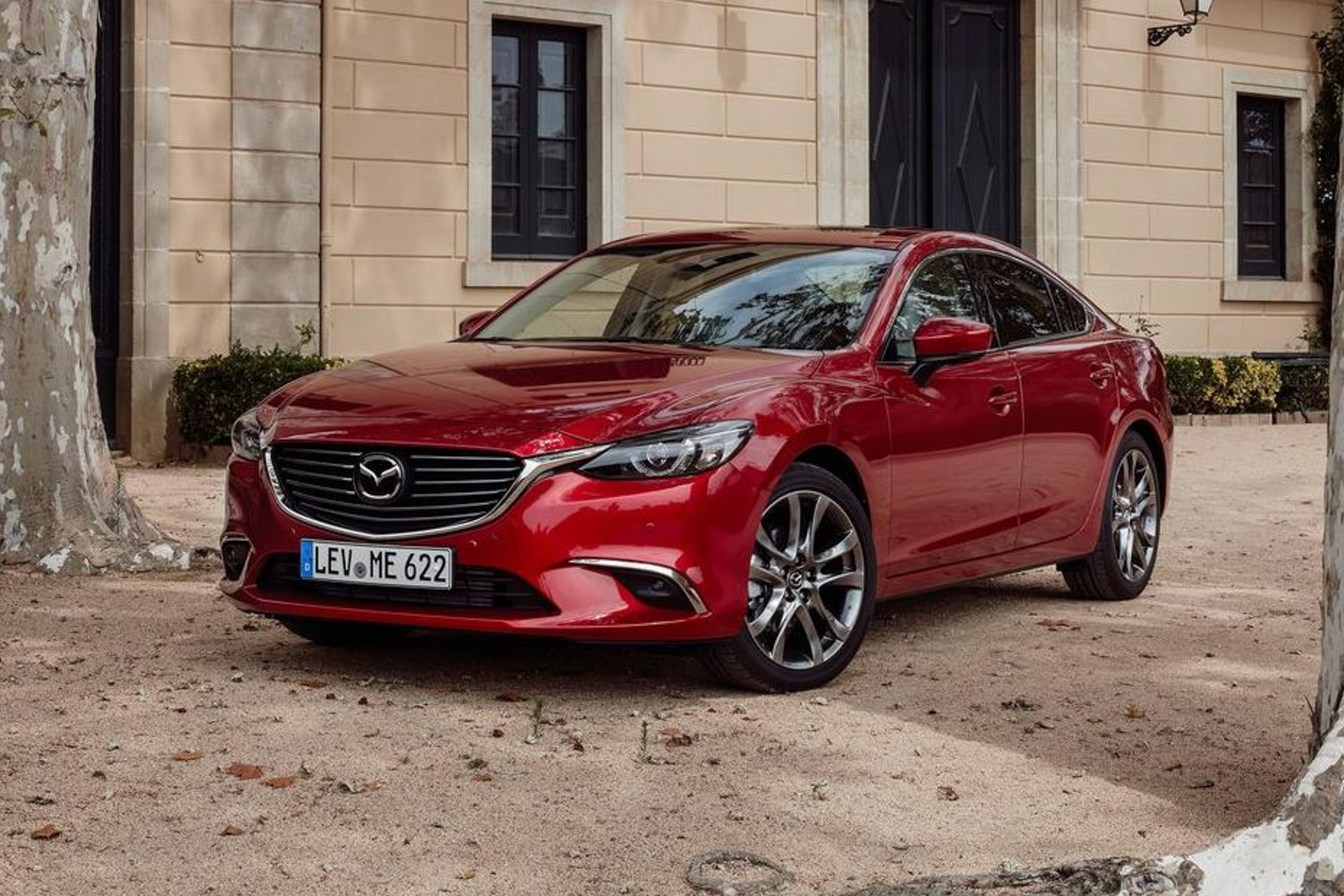
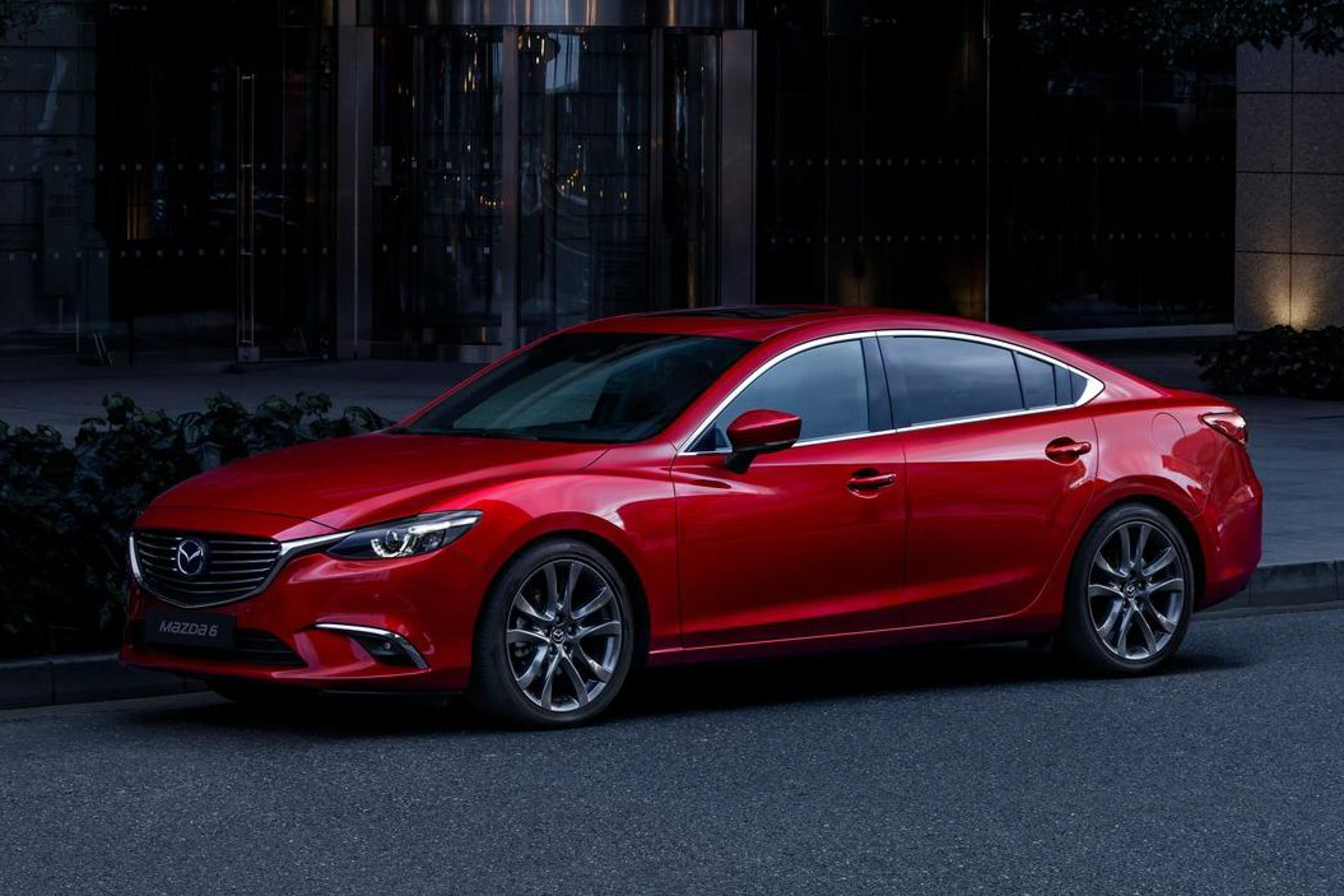
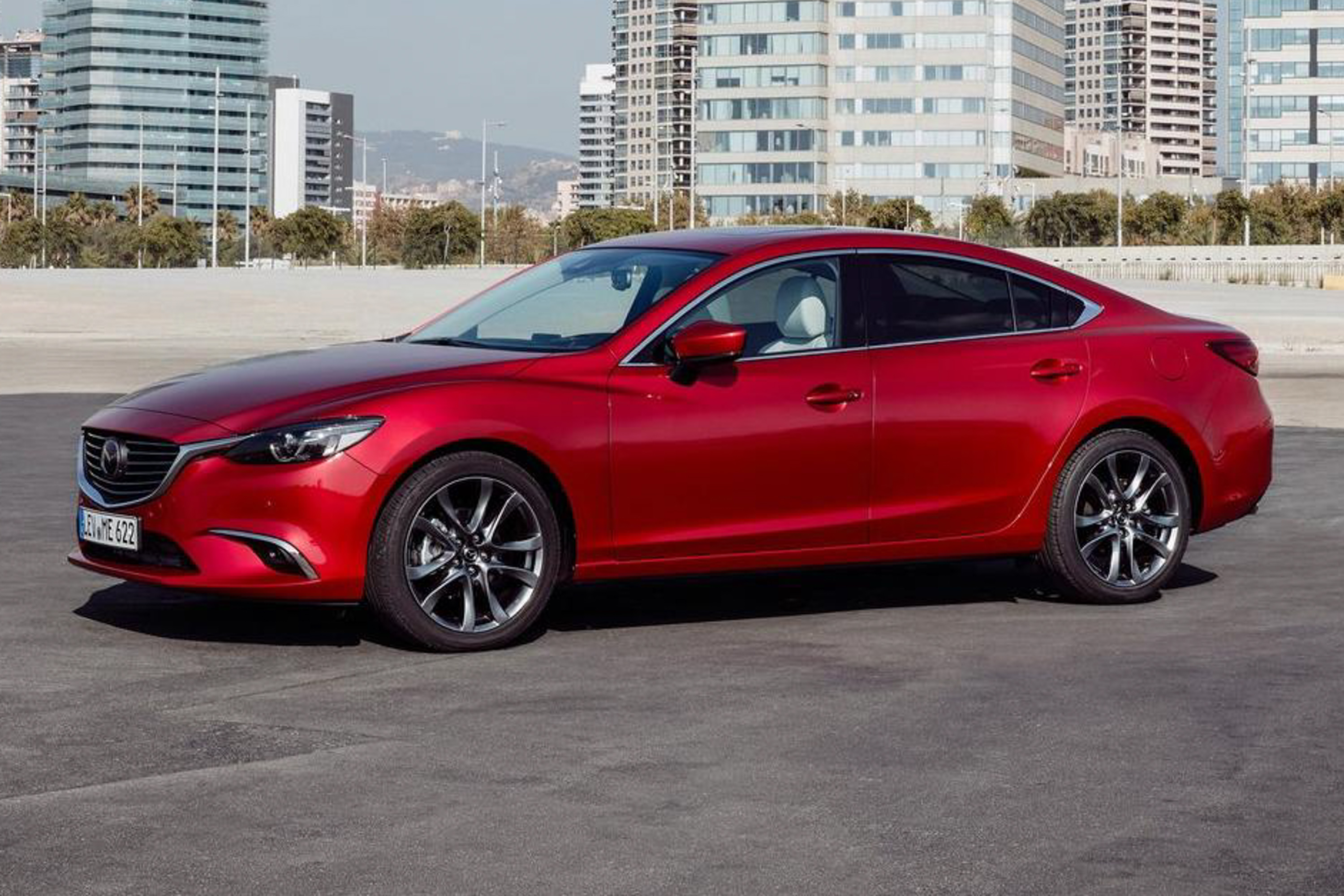
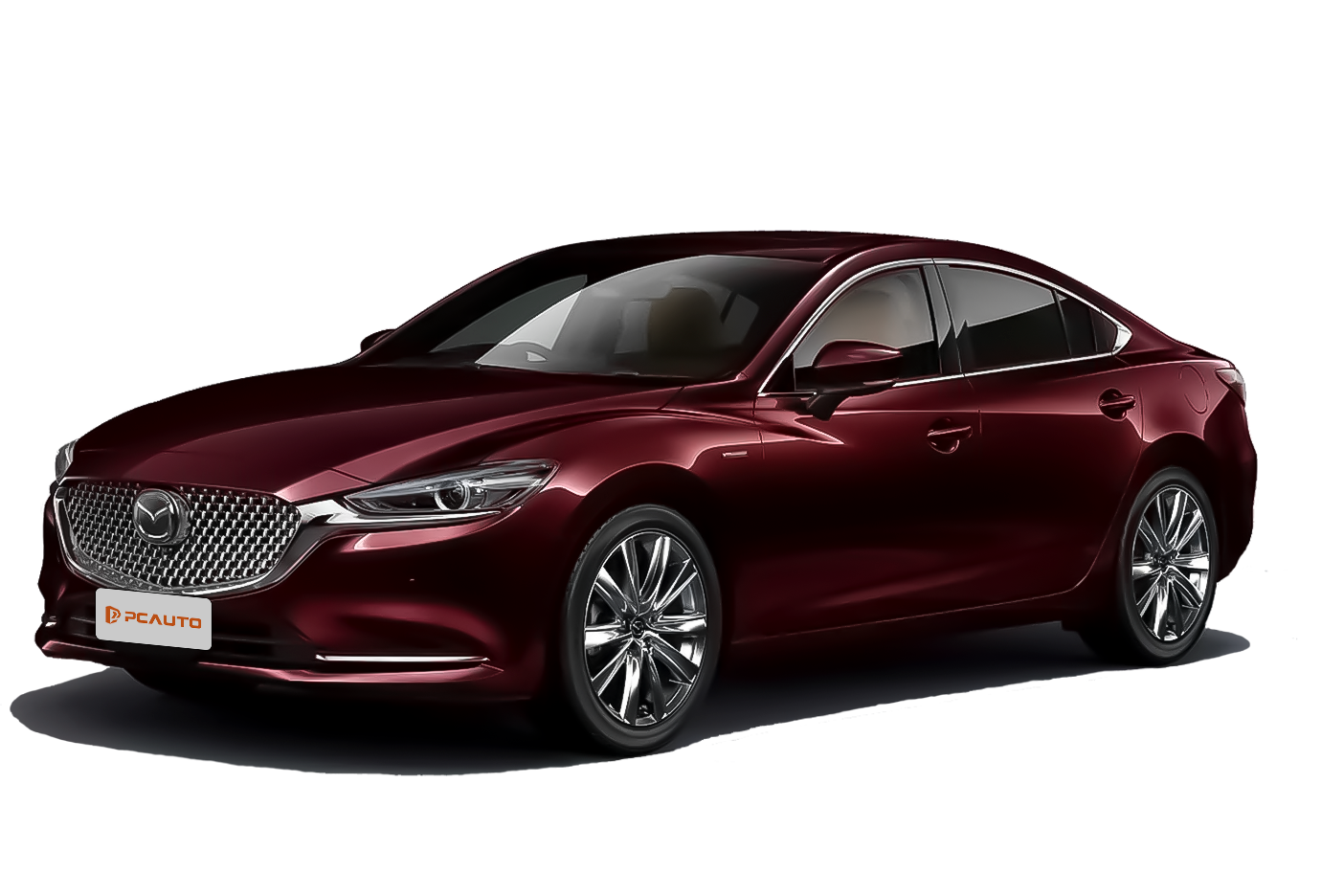
Seeing the 2023 Mazda 6 2.0L for the first time, it’s easy to be captivated by its "KODO" design. The overall lines are smooth with a slightly lowered stance, and the waistline extending from the front fender to the rear end is free of excess curves, making the 4865mm length appear compact and dynamic. At the front, the large shield-shaped grille with blacked-out horizontal slats, paired with slender LED headlights (with daytime running lights), is highly recognizable; while the trapezoidal air intake below the front bumper and the chrome accents around the fog light areas add a touch of sophistication. On the side of the car, the 17-inch multi-spoke alloy wheels paired with 225/55 R17 tires create a harmonious look and do not appear cheap even for an entry-level version. The rear design is relatively simple, featuring horizontally arranged LED taillights that echo the headlights when lit; the ducktail-style trunk lid and dual exhaust layout add a hint of sportiness. Overall, the exterior of this car does not deliberately strive to be exaggerated, yet its details reflect Mazda's mastery of design.
Opening the car door, the interior's quality will make you forget that this is an RM 180,000 D-segment car. The dashboard is covered with soft-touch molded materials, complemented by metallic trims and piano lacquer panels, offering a refined feel wherever you touch. The 8-inch touchscreen sits atop the dashboard; while not particularly large, its resolution and response speed are commendable. Below the screen, physical buttons are retained, making it convenient to operate the air conditioning and audio system while driving. The instrument cluster adopts a traditional self-illuminated analog design. While not as flashy as a full digital display, it clearly shows vital information such as RPM, speed, and fuel consumption at a glance. In terms of features, the 2.0L variant offers quite an impressive package: 8-way power-adjustable front seats (with memory function for the driver's seat) and power-adjustable passenger seat make it easy to find a comfortable seating position; dual-zone automatic climate control, rear air vents, and an 11-speaker audio system cater to the needs of both front and rear passengers; practical features like keyless entry/start, rain-sensing wipers, and power-folding mirrors are also included.
Space performance is one of the core competitiveness of D-segment cars, and the 2830mm wheelbase of the Mazda 6 2.0L doesn’t disappoint. With the front seat adjusted to a suitable position, a passenger standing 175cm tall still has a headroom clearance of one fist and two fingers; rear legroom is up to two fists, and headroom also has one fist of space, ensuring no claustrophobia even on long rides. The trunk offers sufficient space to hold three 20-inch suitcases, and the rear seats support a 60:40 split-fold configuration, accommodating occasional long or bulky items. The interior storage design is also very thoughtful: the front and rear door pockets are large enough to hold big water bottles, the central armrest box is sufficiently deep, and there are two USB ports and a 12V power outlet in the front row for charging electronic devices conveniently.
Sitting in the driver's seat, the performance of the 2.0L naturally aspirated engine is more composed than expected. Its maximum power is 118kW (162PS) with a peak torque of 213N·m, paired with a 6AT transmission. The power output is smooth during acceleration, without the abruptness of a turbo engine. When you press the accelerator deeply, the engine reaches maximum torque at 4,000 rpm. Although mid-to-high-range acceleration isn't overly aggressive, it is more than adequate for everyday overtaking. The transmission tuning is very smart, with proactive gear shifts and clear shifting logic. Even in congested traffic, it rarely shows any jerks. There are three driving modes: Normal, Sport, and Economy. When switched to Sport mode, the throttle response becomes more sensitive, and the steering wheel feels slightly heavier, adding a bit of driving fun. The steering feel is precise with minimal slack; when cornering, you can clearly sense the direction of the wheels. The combination of front MacPherson struts and rear multi-link independent suspension shows good resilience when absorbing road bumps — when passing speed bumps at low speed, the suspension quickly absorbs the shocks without noticeable residual vibrations. At high speeds, the vehicle maintains great stability, staying smooth even on uneven roads.
For daily driving, the comfort level of this car is commendable. The chassis effectively filters out small vibrations, and the tire noise is well-controlled. At speeds under 80 km/h, in-car conversations are barely affected. When speeds exceed 100 km/h, wind noise slightly increases but remains within an acceptable range. The seats offer excellent support and enveloping, with cushions and backrests that are soft enough for extended driving without fatigue. In terms of fuel consumption, this test drive covered both urban traffic and highways, resulting in an average fuel consumption of about 7.2L/100km, slightly higher than the official figure of 6.5L/100km. However, considering real-world driving conditions, this performance is quite good. For safety features, the 2.0L version comes standard with six airbags, an ESP system, lane departure warning, active braking, forward collision warning, and ACC adaptive cruise control. The 360-degree camera system and front/rear parking sensors also make parking easier.
Overall, the 2023 Mazda 6 Sedan 2.0 SkyActiv-G is a D-segment car with "no obvious shortcomings." Its exterior design is appealing, its interior offers premium quality, its space meets family needs, and its performance and handling are among the best for naturally aspirated vehicles in its class. The car’s configuration is also commendable. Compared to competitors in the same class, such as the Toyota Camry 2.0E (approximately RM 190,000), the Mazda 6 2.0L not only comes at a price lower by RM 10,000, but it also provides advantages in terms of features and driving experience. Even when compared to its own 2.5L variant (starting from RM 230,000), the 2.0L version retains the core design and features, with the only difference being slightly less power.
This car is ideal for people who value quality and driving experience for family use — those who don't prioritize extreme performance but want a car that offers comfort and peace of mind in daily use. They value cost-effectiveness but are unwilling to compromise on design and features. If you're planning to purchase a D-segment car under RM 200,000 and want to balance family needs with driving enjoyment, the Mazda 6 2.0 SkyActiv-G is worth considering. It may not be the most aggressive choice, but it is the one that "understands you" the best.
Mazda 6 Sedan Car Compare
Mazda 6 Sedan Loan Calculator
More Mazda Reviews
Cars With Similar Price And Features

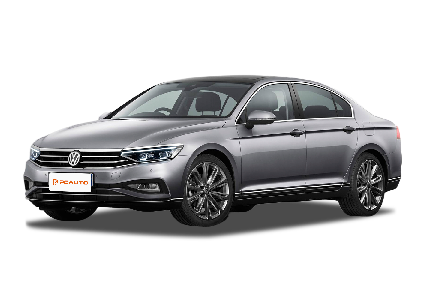
2022 Volkswagen Passat 2.0 TSI R-Line combines business elegance with sporty personality, featuring 220PS power, 14-way massage seats, and Harman Kardon audio system to meet the diverse needs of families and young professionals.
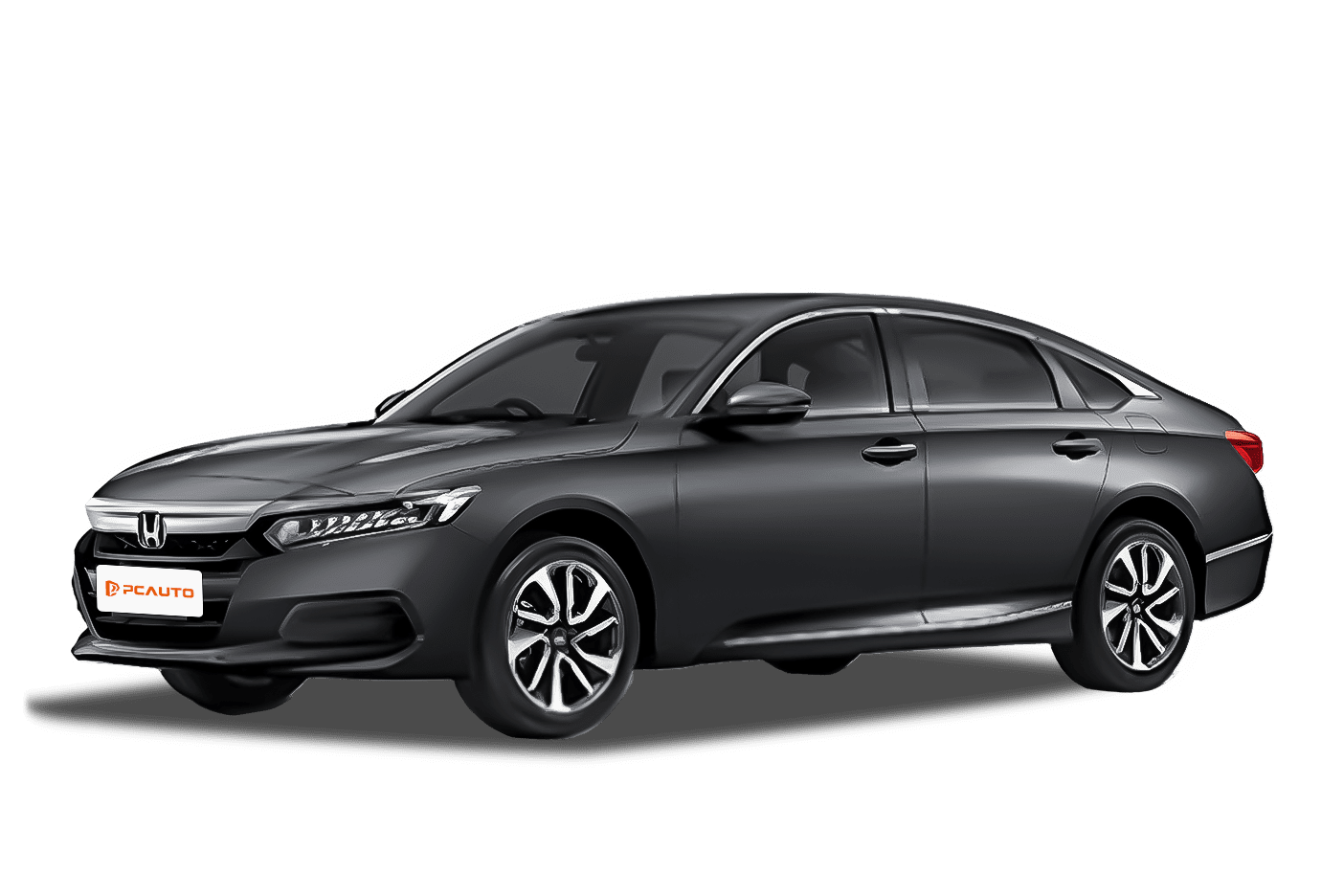
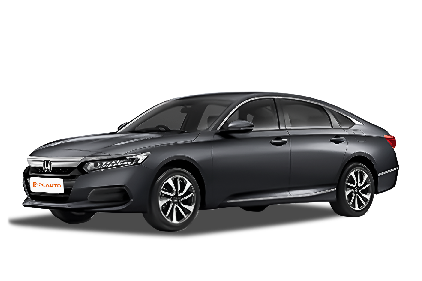
The 2023 Honda Accord 1.5 TC is a D-segment sedan that balances both business and family use, with core selling points of spacious interior, comfortable driving, and efficient performance, making it suitable for practical family users.

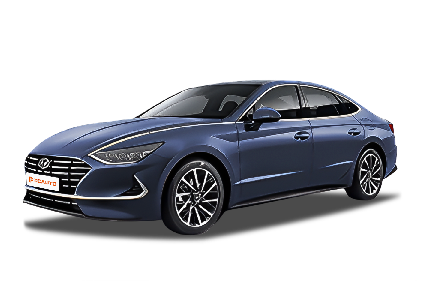
2024 Hyundai Sonata public is positioned as a D-Segment family and business sedan, combining dynamic design, practical configurations, and spacious space, balancing power and fuel consumption, safe and reliable.
23
Rank in Sedan
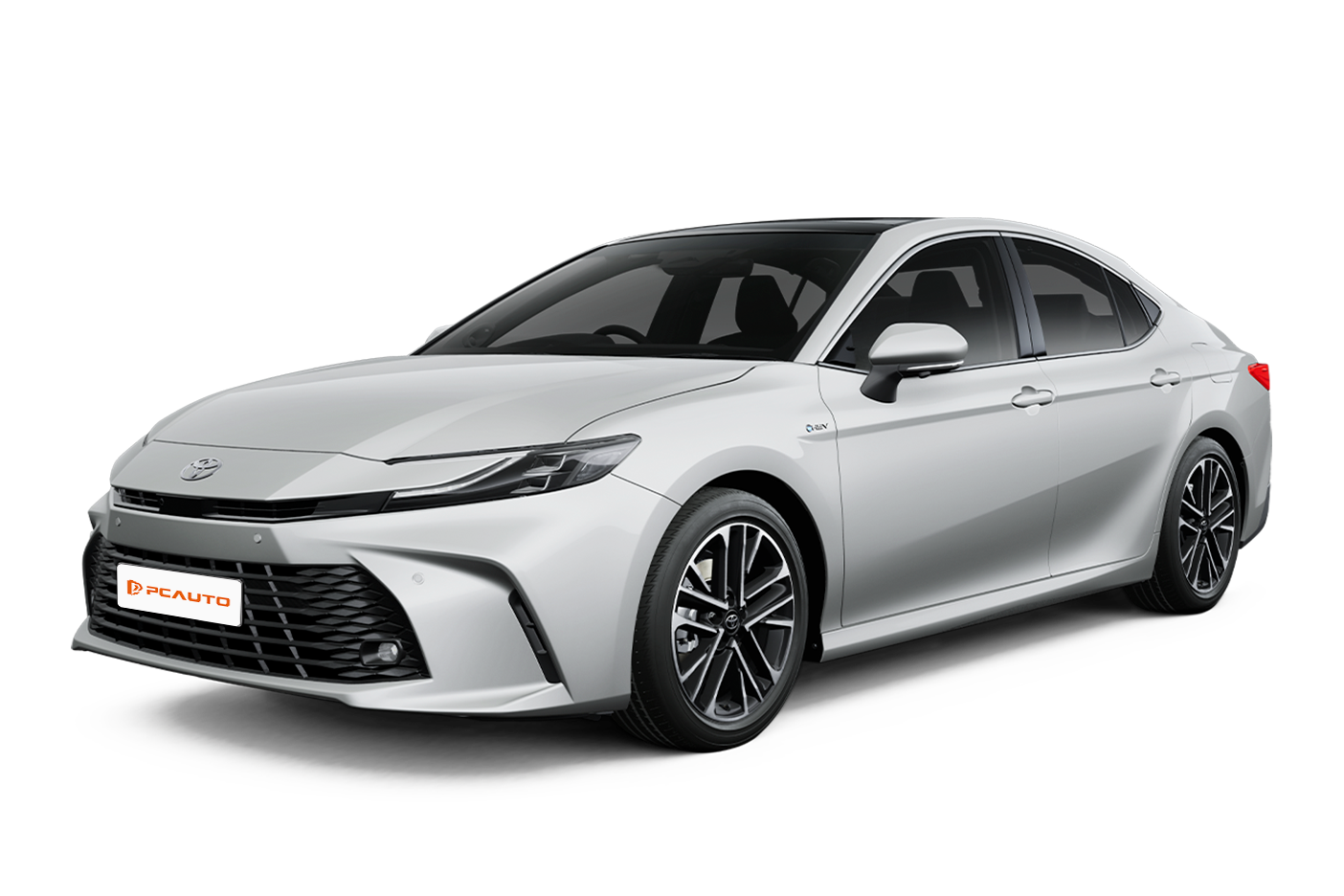
2025 Toyota Camry 2.5 V features an extended body, upgraded large-screen interior to enhance household comfort, 2.5L+8AT smooth power with more comprehensive intelligent driving, precisely meeting the reliable household needs of the D-segment.