

Mazda CX-30 2020 Review

 Share
Share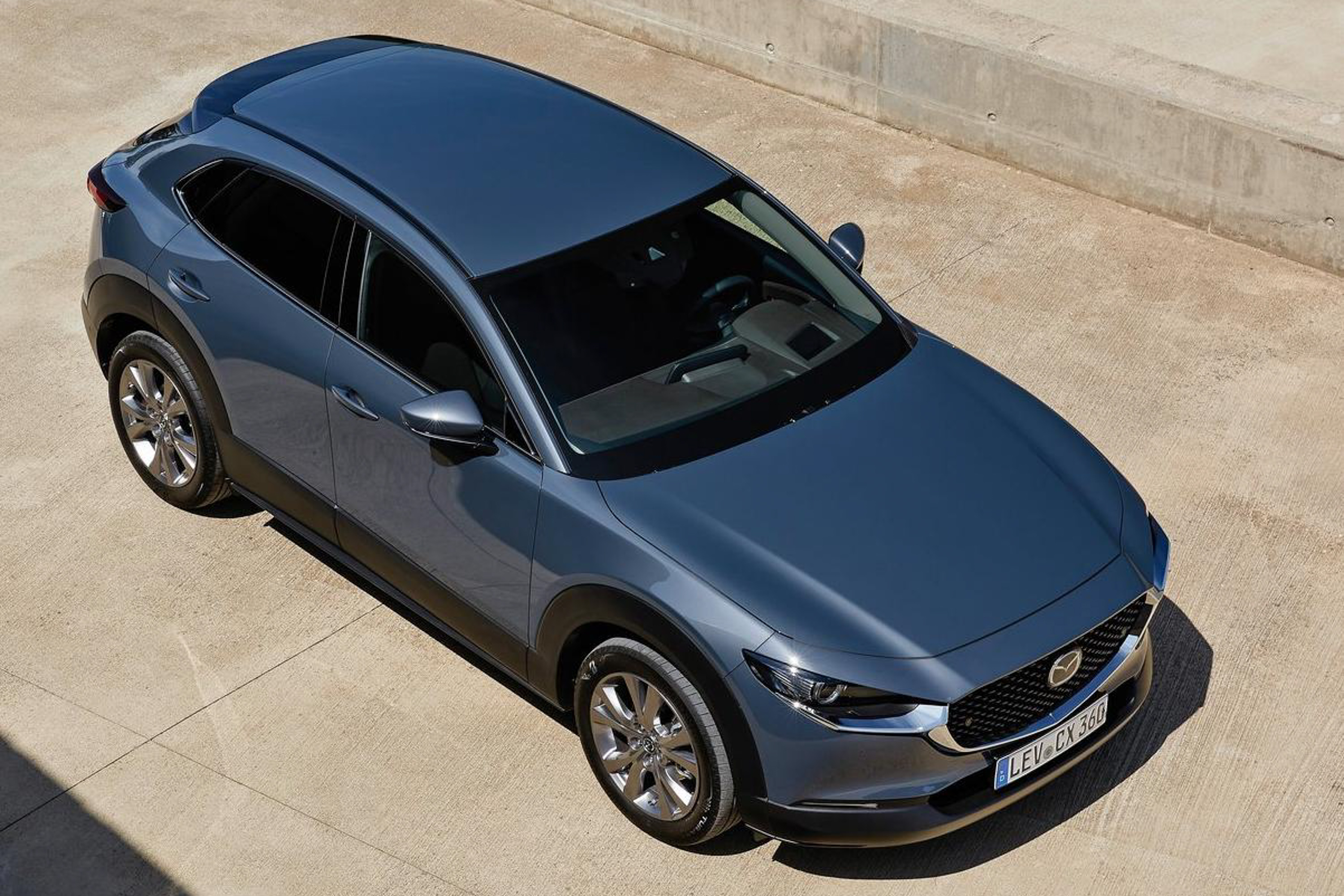
 Segment
 Body Type
 Capacity(L)
 Engine Power(PS)
 Transmission
 Driven Wheels
The C-segment SUV market has always been a focal point for Malaysian family users and young consumers, as it needs to meet the practicality of daily commuting while also ensuring quality design and configurations. The 2020 Mazda CX-30 2.0 series, with its KODO design language and balanced features, has attracted a lot of attention since its launch. This time, we focused on test-driving the 2.0 High and 2.0 High AWD models to see if they can hold their ground in the segment.
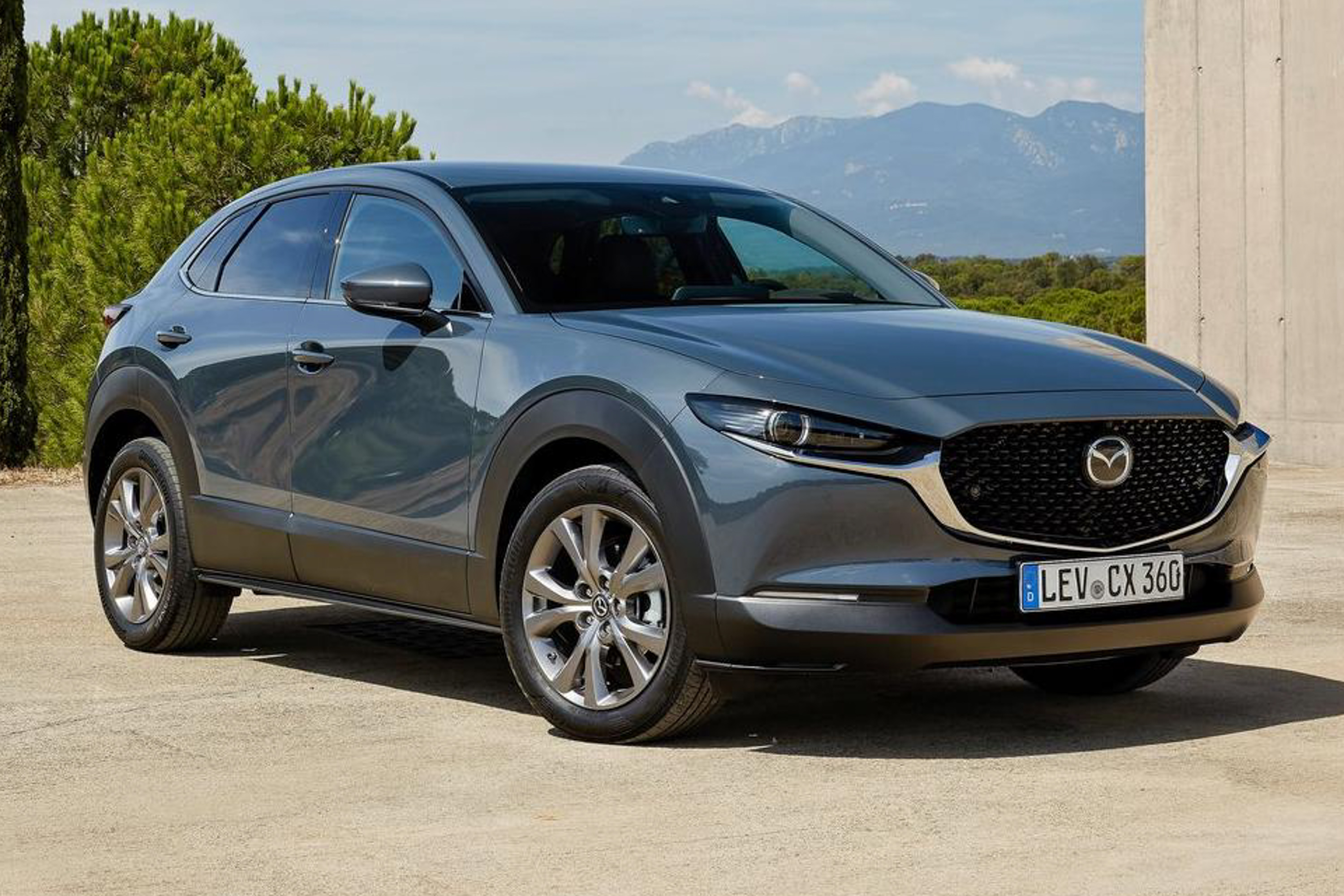
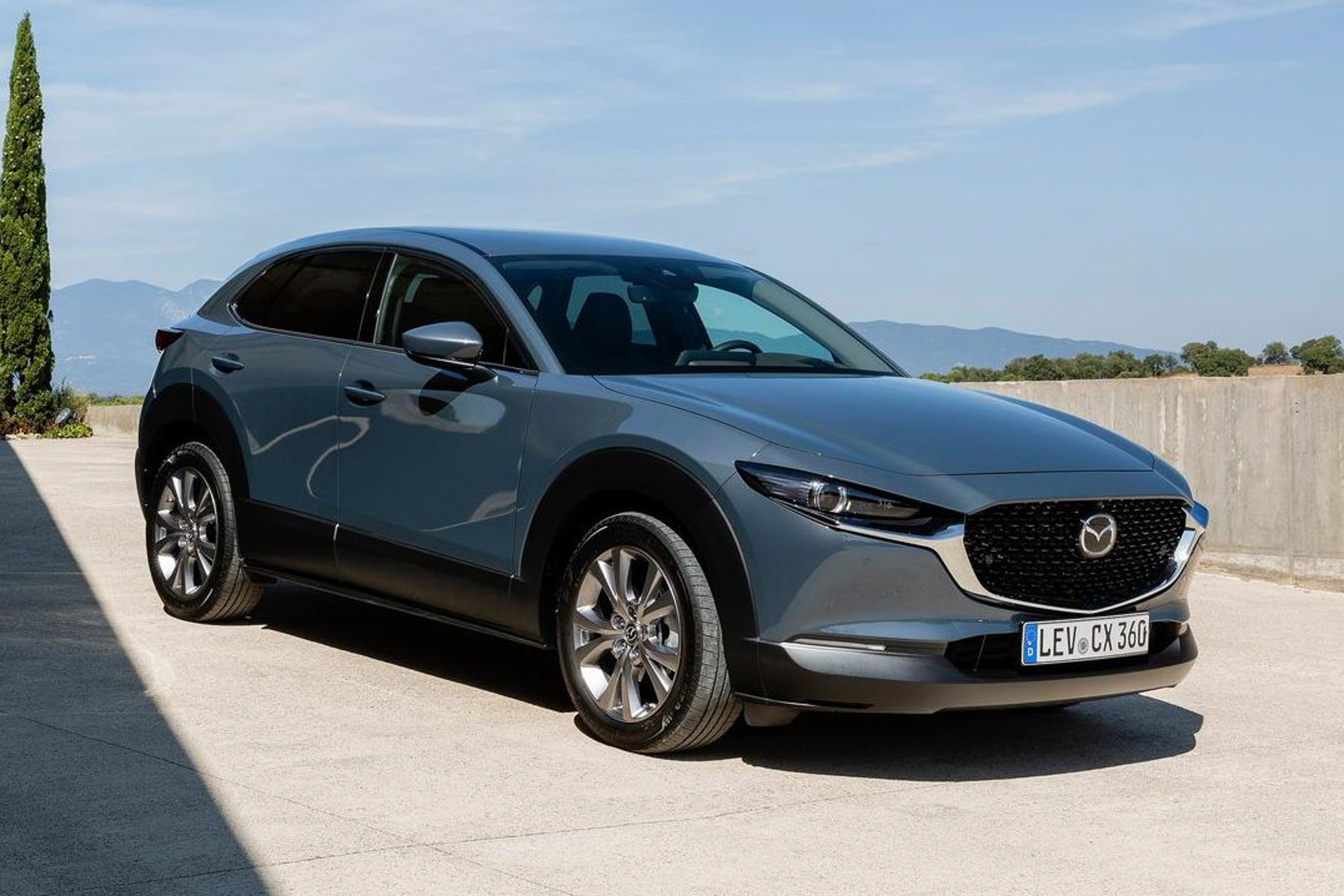
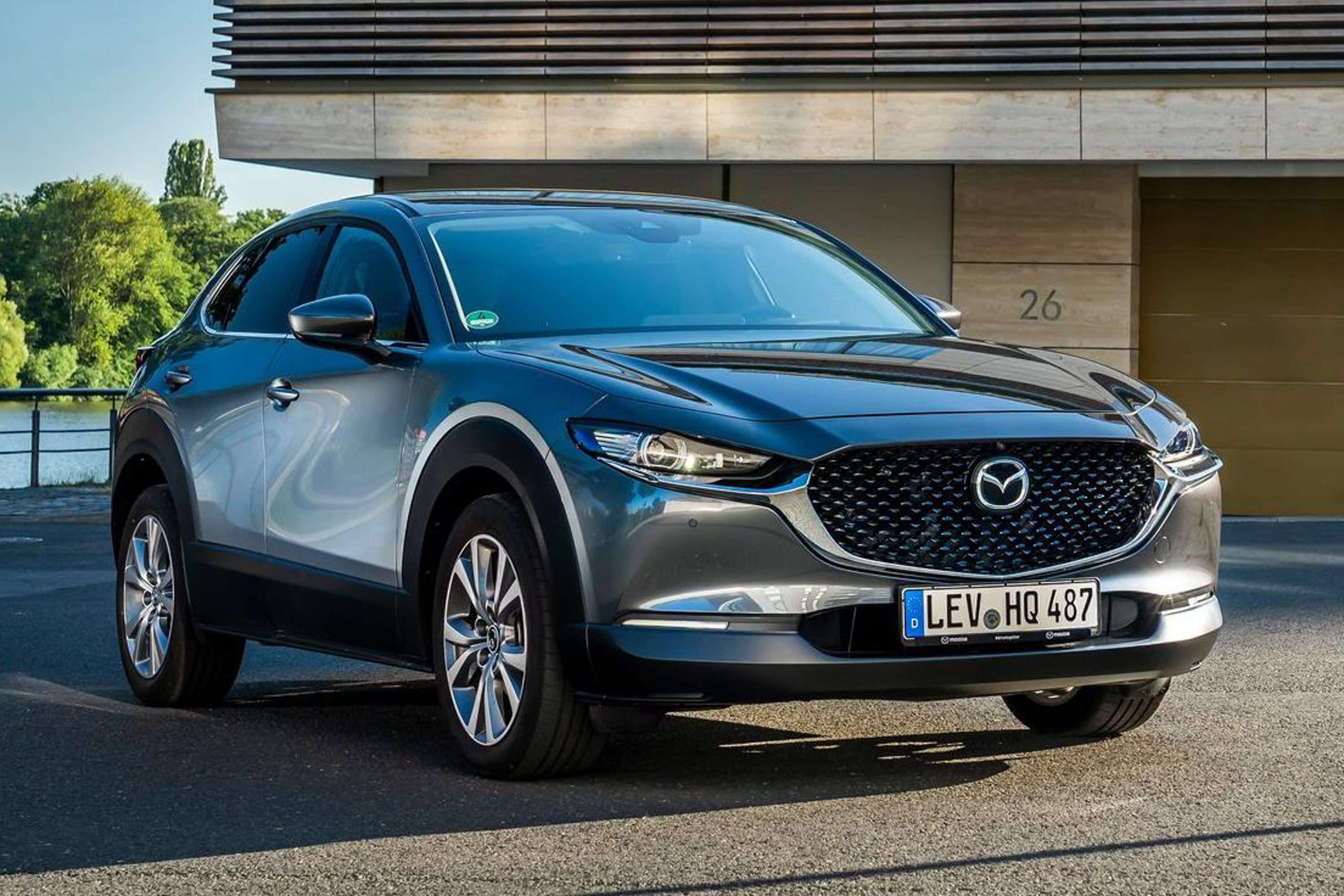
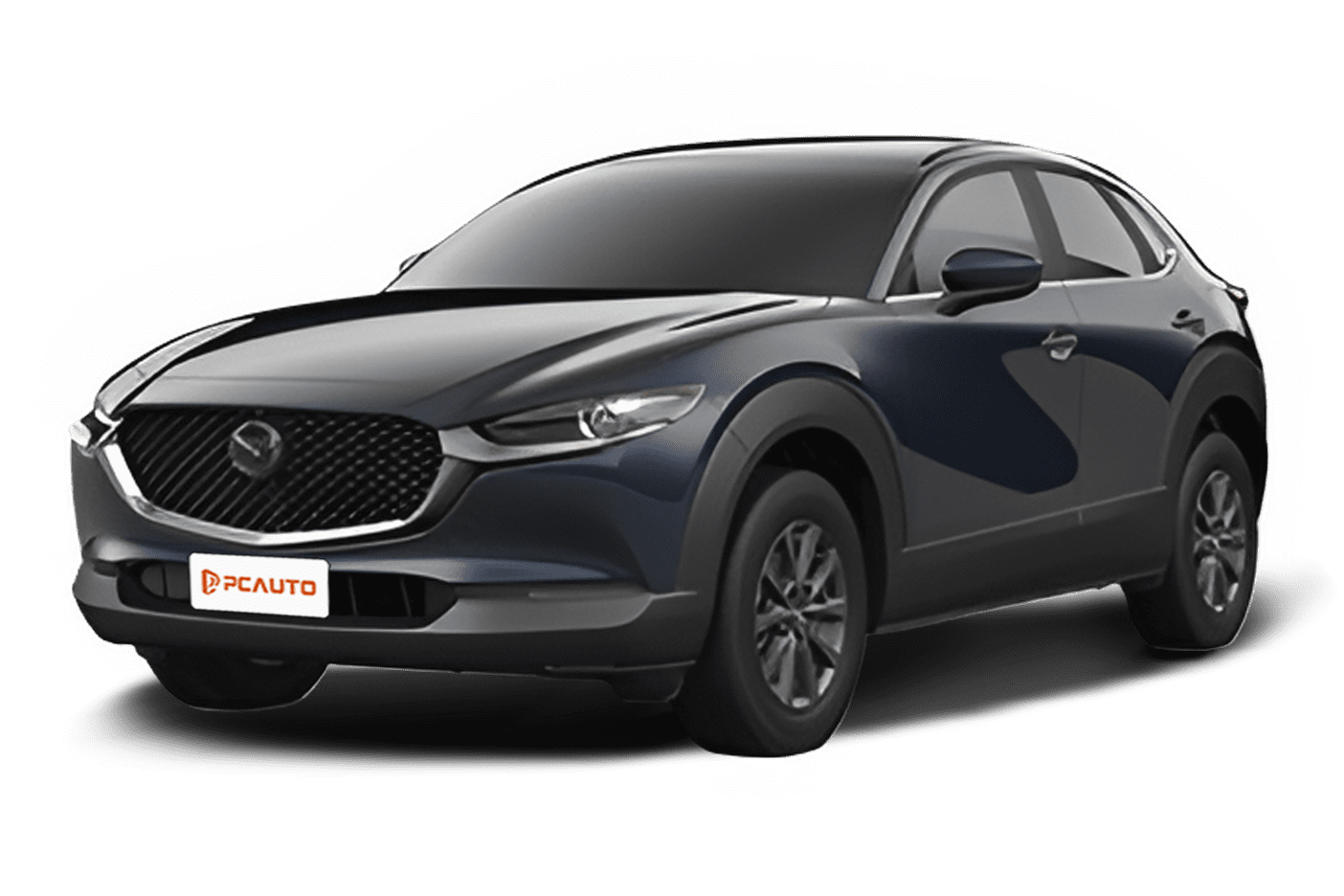
First, looking at the exterior, the overall styling of the CX-30 continues Mazda's family KODO design, with streamlined and muscular body lines. The front shield-shaped grille, paired with chrome trim, integrates seamlessly with the LED headlights on both sides, offering high recognition. The side profile features a waistline extending from the headlights to the taillights. Together with the 18-inch multi-spoke wheels (standard on High and High AWD versions), the side appears more elongated. The LED taillights at the rear adopt a smoked finish, and the silver skid plate under the rear bumper adds to the SUV's rugged feel. The overall design is youthful and stylish, without being overly ostentatious, meeting the aesthetic preferences of most family users.
Once inside, the interior texture is more refined compared to many vehicles in the same class. The dashboard is wrapped in soft materials, accented by silver trim, and lacks obvious cheapness. The 8.8-inch central touchscreen is standard across the range, positioned slightly towards the driver, making it convenient to operate without significantly lowering your head. The multifunction steering wheel supports manual adjustments, has a moderate grip, and features clearly laid out buttons for quick access to volume and cruise control. The HUD (Head-Up Display) is a practical feature, showing information like speed and navigation, reducing the need to look away while driving. The front seats are manually adjustable but provide decent support for long journeys without discomfort. The rear seats feature a 60:40 split-folding design, and with a 430L trunk capacity, it can easily accommodate a baby stroller or weekend camping gear. The rear row is also equipped with air vents and power outlets, ensuring basic comfort for passengers.
In terms of space, the CX-30’s 2655mm wheelbase is mainstream for C-segment SUVs. A front-row passenger of 175cm height could adjust their seating position and still have a headroom of about one fist and two fingers remaining; similarly, a rear-row passenger of the same height has about one fist of legroom and one fist of headroom, which is sufficient for everyday family use. However, if three adults frequently sit in the rear, the raised floor in the middle seat could compromise comfort. The storage space is thoughtfully designed, with front door panels accommodating two bottles of water, and the central armrest box and glove compartment offering ample room. Phones can be placed in the storage compartment below the dashboard, and there is support for wireless charging (though the test-drive model did not include it, possibly an optional feature).
For the powertrain, the 2.0 series is equipped with a 1998mL naturally aspirated engine, delivering a maximum horsepower of 165PS and peak torque output at 4000rpm. It pairs with a 6-speed automatic transmission, which shifts smoothly. During daily commuting, the start and low-speed driving are responsive, and the throttle responds directly. Switching to Sport mode delays shifting, keeping the engine speed above 3000rpm, making the acceleration feel more forceful and providing more confidence when overtaking. However, when cruising at speeds over 120km/h, the power reserve for further acceleration is average, requiring a deep push on the throttle. Regarding fuel consumption, the 2.0 High version we tested consumed around 8.5L/100km in congested urban conditions and dropped to about 6.2L/100km on highways. This closely aligns with the official combined fuel consumption figure of 6.4L/100km, indicating decent fuel efficiency.
The handling and chassis performance are among the highlights of the CX-30. The steering is precise with minimal dead zone, and during cornering, you can clearly feel the direction of the wheels. The front MacPherson independent suspension is tuned to be solid, quickly filtering out most bumps when passing over speed bumps or rough roads, without noticeable aftershocks. At high speeds, the body remains stable without feeling floaty; when cornering, body roll is well-controlled, ensuring passengers do not feel significant swaying. However, if you choose the 2.0 High AWD version, the four-wheel-drive system offers better grip on rainy or slippery roads, with enhanced stability during acceleration and cornering, although the two-wheel-drive version is sufficient for daily urban commuting.
In terms of comfort, the CX-30 has excellent noise control. When driving in the city, tire and engine noise are not very noticeable; at highway speeds over 100km/h, wind noise gradually increases but remains within an acceptable range. The seat padding has a moderate balance between softness and firmness, providing adequate support for the lumbar region and legs, making long drives comfortable. The air conditioning system performs well with effective cooling; the front manual air conditioning is easy to operate, and the rear air vents allow rear passengers to cool down quickly.
Safety features are a major strength of the CX-30, with 7 airbags standard across the range, including knee airbags and front and rear side curtain airbags. As for active safety features, automatic emergency braking, lane departure warning, and blind-spot monitoring are standard in High versions and above, providing extra assurance during daily driving. For example, in city traffic, the forward collision warning system provides timely alerts, and during testing, the automatic braking system effectively prevented low-speed collisions.
Compared to competitors in the same segment, such as the Honda HR-V or Toyota Corolla Cross, the CX-30’s advantages lie in its design quality and driving dynamics, and it also offers comprehensive safety features. However, its rear space and resale value might not be as strong as the Corolla Cross, and its fuel efficiency is slightly inferior to the hybrid version of the HR-V. Considering the price of RM159,000 for the 2.0 High version, it offers impressive features and driving experience, making it a cost-effective choice.
Overall, the 2020 Mazda CX-30 2.0 series is suitable for family users who prioritize design, driving dynamics, and safety features, or for young consumers who value driving quality. If your primary use involves urban commuting with occasional weekend road trips, the 2.0 High two-wheel-drive version should suffice; for those frequently driving on slippery roads or with higher stability requirements, the 2.0 High AWD version is worth considering. It may not be the most spacious or fuel-efficient in its class, but its balanced performance can meet the daily needs of most people, making it a C-segment SUV worth considering.
Mazda CX-30 Car Compare
Mazda CX-30 Loan Calculator
More Mazda Reviews
Cars With Similar Price And Features
15
Rank in SUV
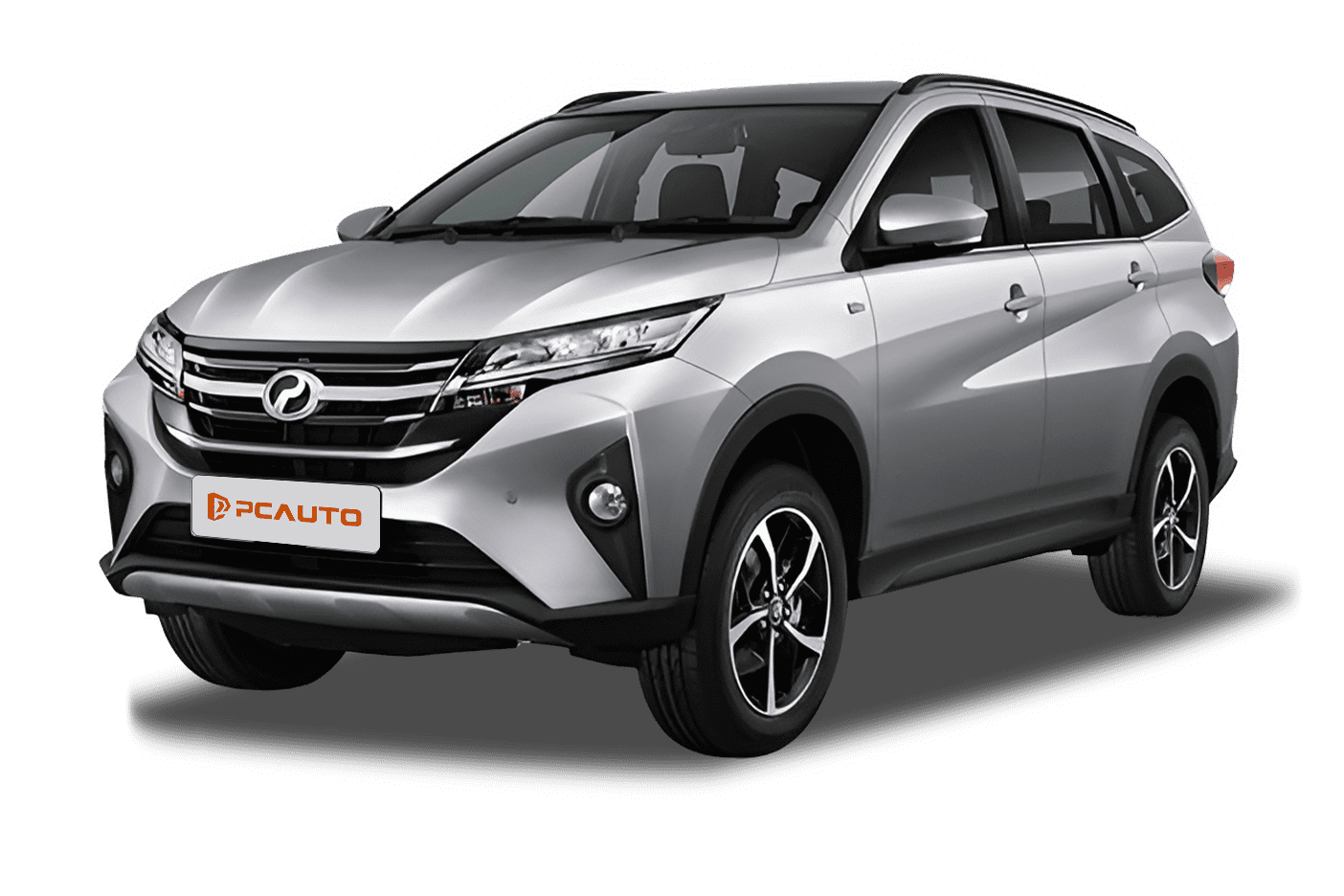
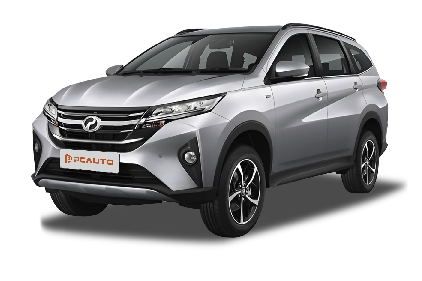
The 2023 Perodua Aruz 1.5L X is a high-value-for-money B-segment 7-seater SUV, offering 6 airbags and active safety systems as standard equipment for under RM63k. It balances practical space and daily commuting needs, making it a pragmatic choice for budget-conscious families.
4
Rank in SUV
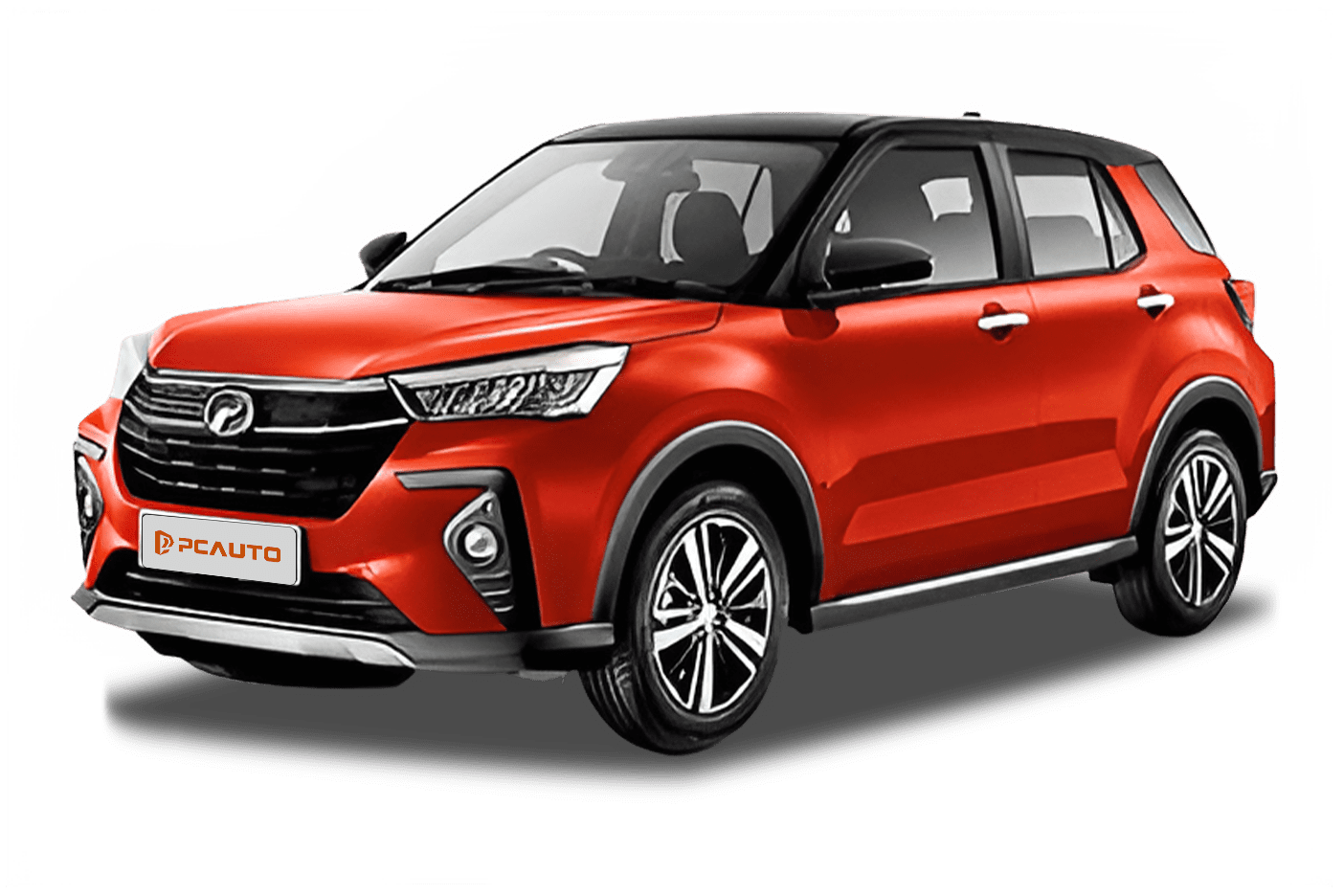
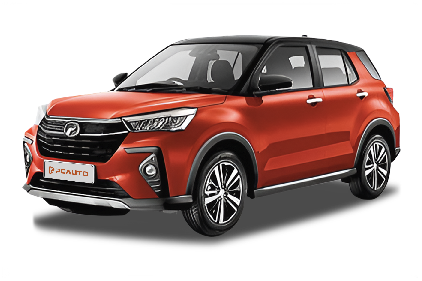
2023 Perodua Ativa 1.0L Turbo X, as a high-value-for-money entry-level B-SUV, meets the commuting and short-distance travel needs of family users with advanced safety features, practical space, and economical fuel consumption.
3
Rank in SUV
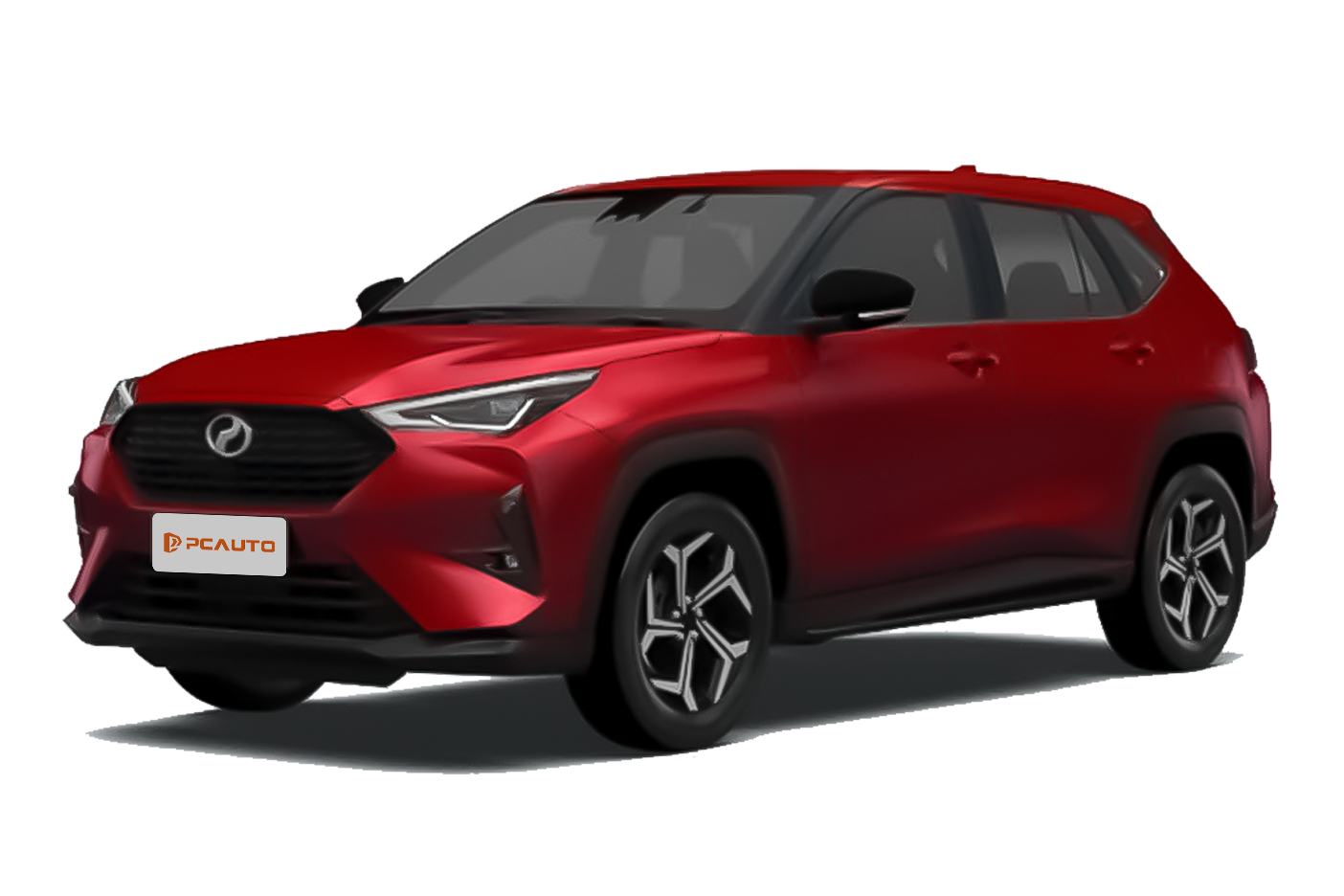
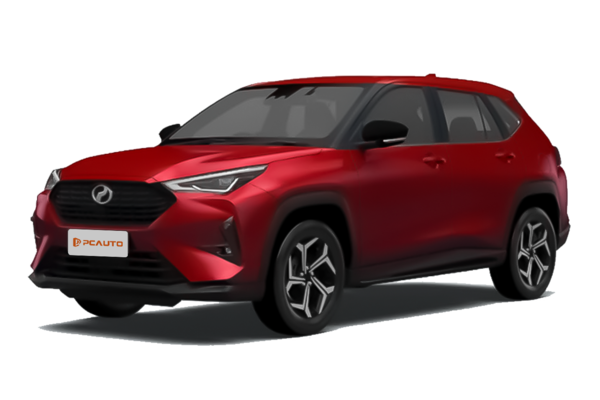
2025 Perodua Traz X, positioned as a B-segment SUV for family users, highlights advanced safety features, 210mm high ground clearance, and practical spaciousness as its main selling points, balancing flexibility and practicality.
2
Rank in SUV
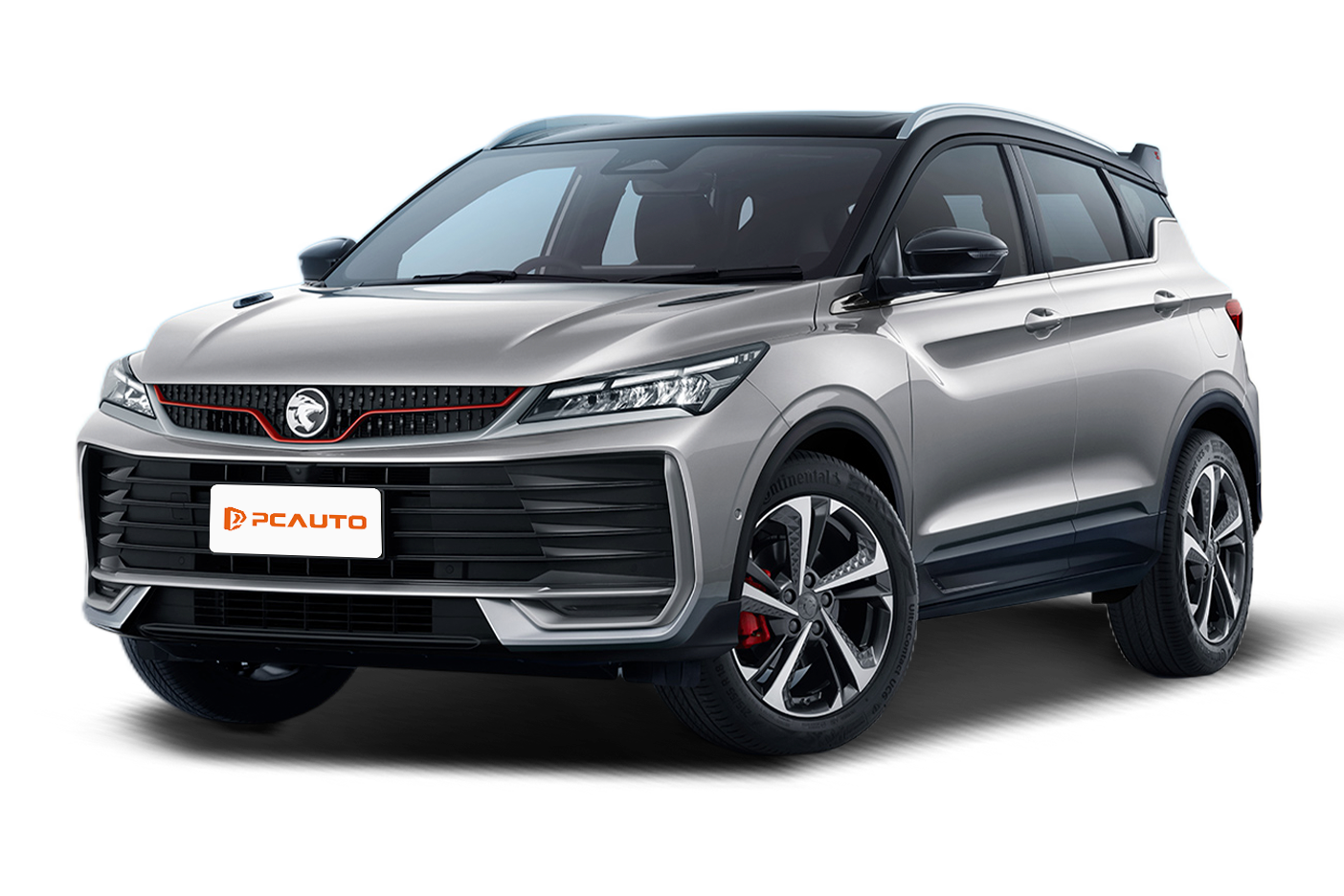
2025 Proton X50 Executive is an upgraded and price-reduced mid-size SUV that combines refined exterior, tech-savvy interior, powerful performance, and practical space, offering exceptional value for money.