
McLaren P1 2023 Review

 Share
Share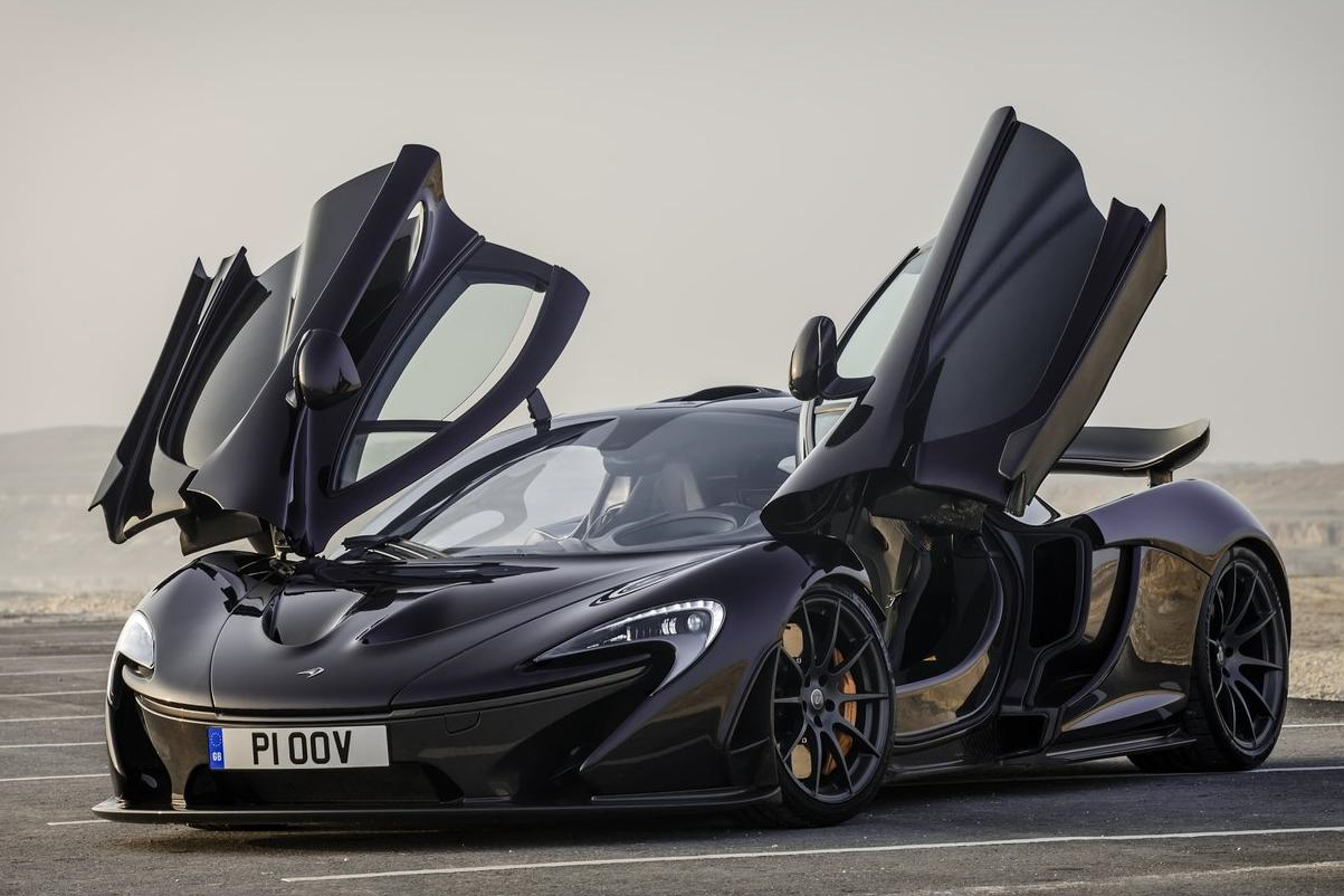
 Segment
 Body Type
 Capacity(L)
 Engine Power(PS)
 Transmission
 Driven Wheels
In the supercar market, hybrid systems have long ceased to be niche configurations — but cars that can combine a 3.8L V8 twin-turbo engine with an electric motor to deliver a combined 916PS of power while balancing track performance and daily practicality still remain few and far between. The 2023 McLaren P1 3.8L V8 is one such car: it is not only a continuation of the famed "Holy Trinity" supercars of its time but also features upgraded intelligence systems and power responsiveness in the 2023 version. In this test drive, we focus on its performance in daily roads and light track scenarios to see if this million-dollar supercar can still meet today's usage needs.
The P1's exterior design remains as sharp as it was ten years ago — with its overall low-slung stance, short front overhang, and long rear overhang proportions, it's instantly recognizable as a track-oriented supercar. The front features a prominent carbon fiber front lip, with large air intakes on both sides that provide ample cooling for the engine and braking system; the slim LED headlight units, paired with standard daytime running lights, are highly distinctive. The side profile features fluid lines, with the waistline tightening toward the rear diffuser as it extends from the A-pillar to the tail. The 20-inch rear wheels, paired with 315/30 wide tires, further accentuate its sporty appeal. A standout design element at the rear is the active spoiler, which adjusts its angle automatically based on speed and can provide up to 600kg of downforce. The full LED tail light cluster adopts a wrap-around design, which corresponds to the quad-exhaust layout, delivering a visually aggressive overall effect.
Opening the keyless entry doors, the interior immediately surrounds you with a racing spirit — abundant carbon fiber trim covers the dashboard and door panels, while the Alcantara steering wheel and seats further enhance the sporty ambiance. The dashboard layout is simple, with a single touchscreen responsible for audio, navigation, and other functions, featuring a clear operational logic. The 12.3-inch fully digital instrument cluster displays rich content and allows switching between modes such as Sport and Track, with the UI design in each mode adjusting to prioritize revs and speed. The seats are electric-adjustable racing bucket seats that offer excellent wrapping and provide substantial support for the waist and legs, ensuring comfort even during long drives. In terms of configuration, standard features include a HUD head-up display, rain-sensing wipers, and automatic air conditioning. It even offers a 220V power outlet, which adds a level of practicality uncommon in supercars.
As a two-seat supercar, the P1’s seating space is entirely service-oriented for the driver — the front headroom is about 950mm, and with the seat adjusted properly, a passenger up to 180cm tall would not feel cramped. Storage space is quite limited; the door pockets can only accommodate a phone and a wallet, while the center armrest compartment has minimal capacity. However, for supercar owners, this compromise is typically acceptable.
The P1's powertrain combines a 3.8L V8 twin-turbo engine with a rear electric motor, producing a combined output of 916PS and releasing maximum torque at 4,000rpm. During daily driving in Normal mode, power delivery is relatively linear, with the electric motor providing ample low-end torque during starts, thereby eliminating the lag characteristic of traditional large-displacement turbocharged engines. When pressing the accelerator pedal harder, the sound of the V8 engine gradually deepens, and the roar at 8,000rpm during gear shifts is incredibly impactful. Switching to Sport mode makes throttle response more aggressive, and the gearbox shifts gears more quickly. The official 0-100km/h acceleration time is 2.8 seconds, and during actual testing in launch mode, it can even achieve sub-2.7-second performance. The suspension features a double-wishbone independent system at both the front and rear, tuned on the firmer side, but its shock absorption is better than expected — minor road bumps are effectively filtered out, ensuring passenger comfort. During high-speed cornering, the suspension provides excellent support, and body roll is kept to a minimum. Combined with the rear-wheel-drive layout, the cornering stance remains extremely stable.
In terms of braking, the performance of the carbon ceramic ventilated discs is outstanding, with a 100-0km/h braking distance of around 30 meters, and no thermal decay even during continuous braking. The fuel consumption is surprisingly good for a supercar—official combined fuel consumption is 8.1L/100km. For daily city driving, if the electric motor is used frequently, it can be kept under 10L, while highway cruising can bring it down to around 7L. Noise control is also commendable; during low-speed driving with the motor as the primary source of power, almost no noise can be heard inside the cabin. At higher speeds, there is some tire and wind noise, but the sound of the V8 engine remains pleasing and does not interfere with conversation.
The core advantages of the 2023 McLaren P1 3.8L V8 are very obvious: First, the high maturity of the powertrain combines explosive performance with decent fuel efficiency through its hybrid system. Second, the chassis tuning is well-balanced, offering excellent track performance without being overly harsh for daily driving. Third, it comes relatively well-equipped, making it one of the more "user-friendly" supercars to drive. Compared to competitors in the same class, such as the Ferrari LaFerrari, the P1’s price (RM 7,078,000) is more competitive, while its smart features better align with current needs.
This car is suited for two types of people: one is track enthusiasts who crave ultimate performance, as its power and chassis cater to track day demands. The other is supercar lovers who also need a daily driver, as its practical features and relatively comfortable tuning make it suitable for city commutes.
In summary, the 2023 McLaren P1 3.8L V8 remains an all-rounder supercar—it carries the legendary aura of a dream car while offering performance and features that meet contemporary needs, making it a rare gem among million-dollar supercars.
McLaren P1 Car Compare

McLaren P1 Loan Calculator
More McLaren Reviews
Cars With Similar Price And Features

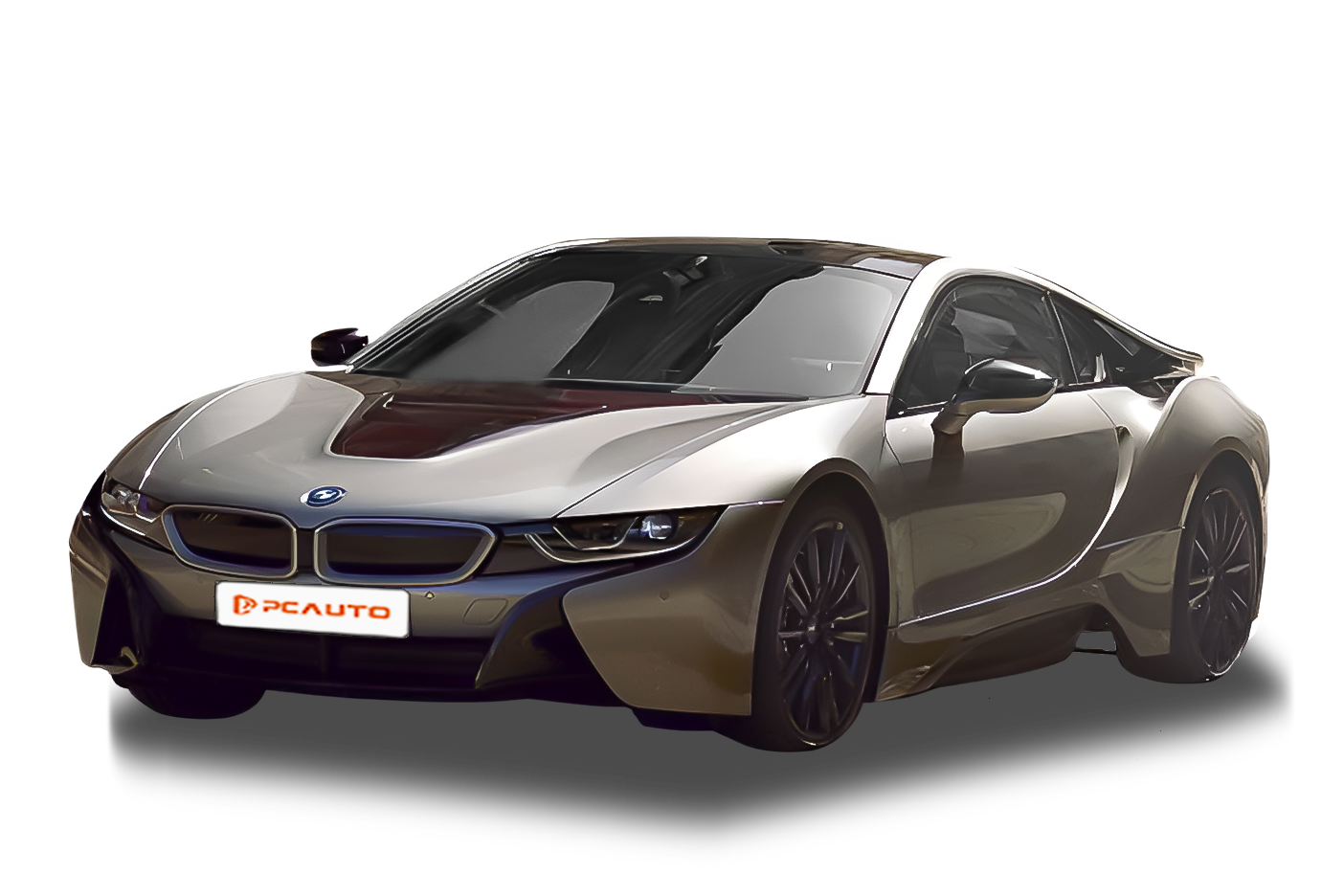
2019 BMW i8 Coupe eDrive is a luxury sports car with futuristic design and plug-in hybrid performance, meeting personalized and eco-friendly travel needs with technological features and agile handling.
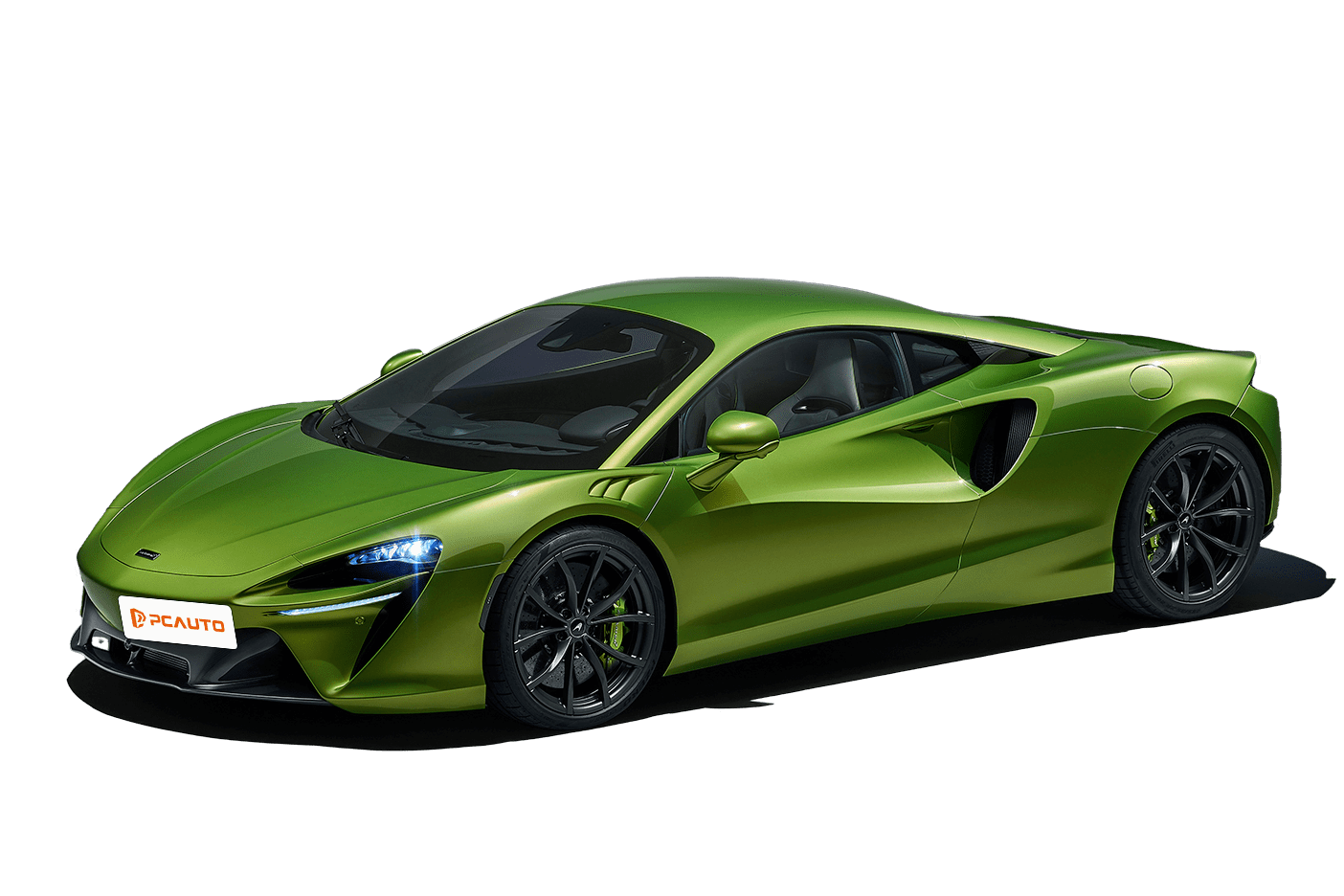
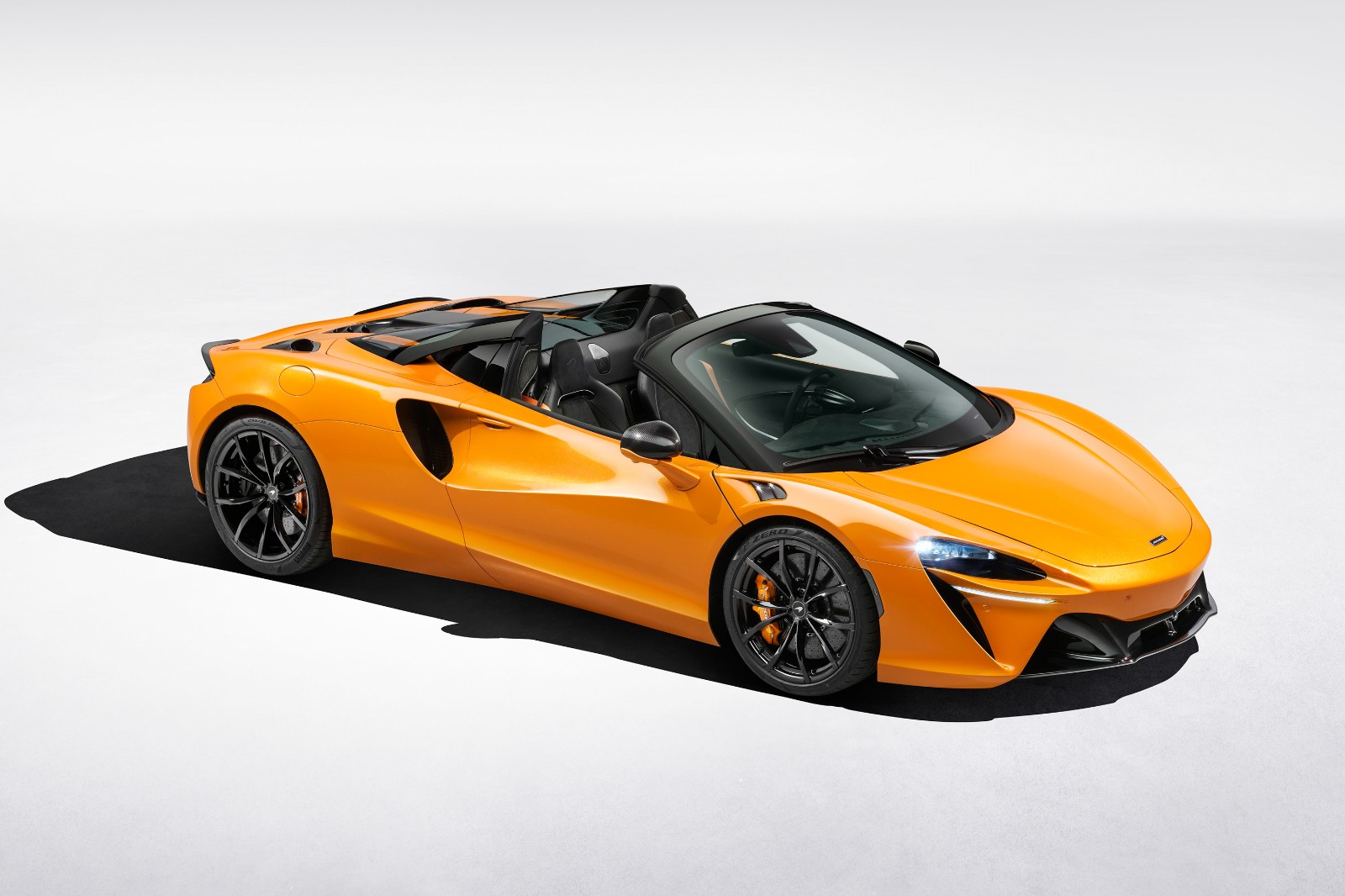
2024 McLaren Artura Spider is a convertible supercar that combines 700PS hybrid performance with daily practicality, featuring a hardtop convertible that is easy to operate, excellent handling, and fuel-efficient.
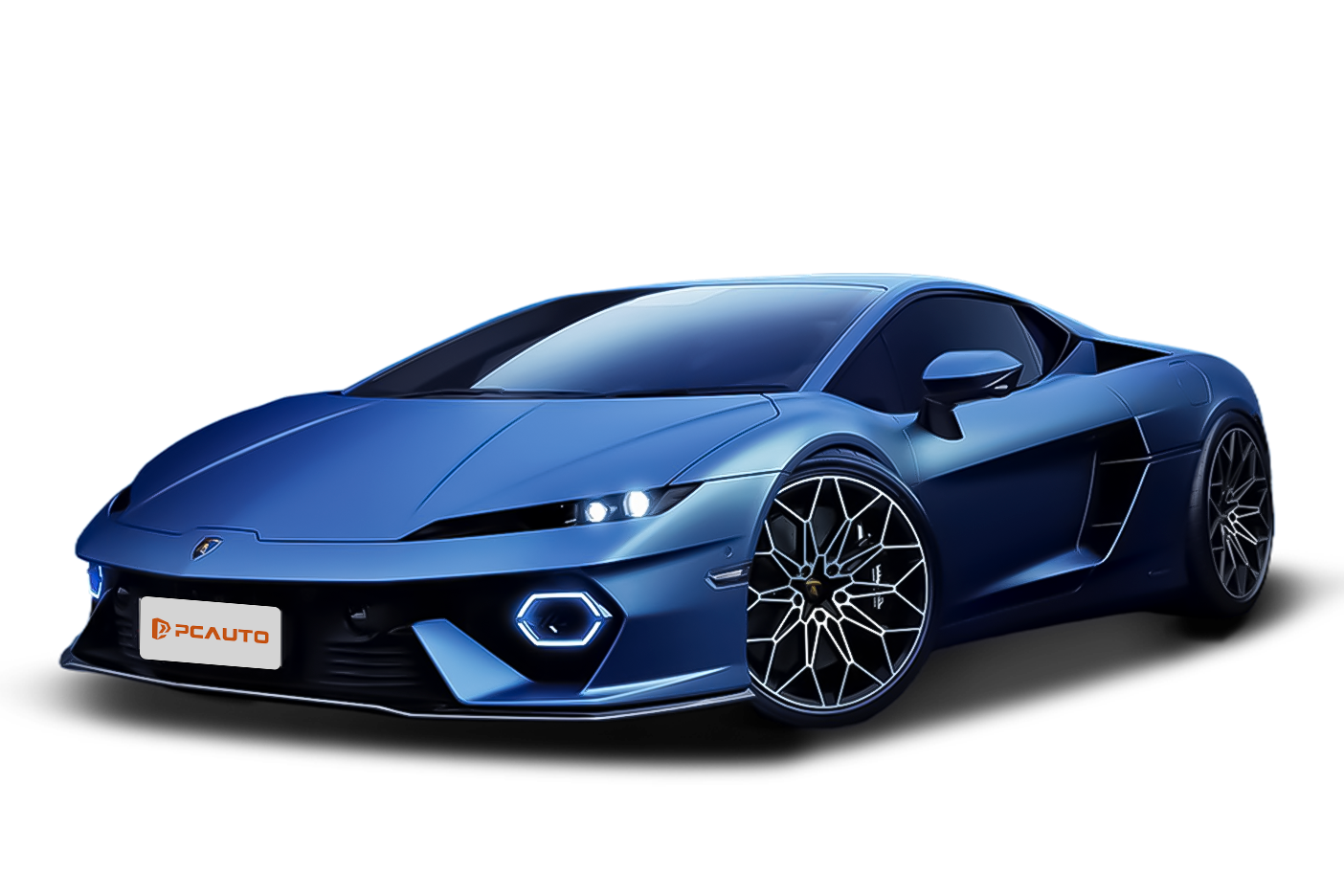
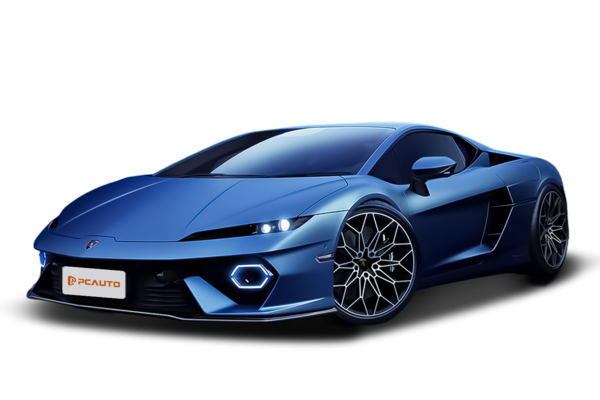
2025 Lamborghini Temerario is a mid-engine rear-wheel-drive hybrid supercar that combines extreme performance with everyday versatility, 920Ps combined power + 2.7 seconds to accelerate from 0 to 100 km/h, and also offers 3.5 kilometers of pure electric range.