
Mercedes-Benz EQS SUV 2022 Review

 Share
 Segment
 Body Type
 Motor Output(kW)
 Motor Torque(Nm)
 EV Range(km)
 Battery Capacity(kWh)
In recent years, Malaysia's luxury electric vehicle market has gradually heated up, with high-end consumers increasingly demanding cars that combine brand strength, luxury, and electric driving experience. The EQS SUV is Mercedes-Benz's flagship product designed to target the high-end electric mid-to-large SUV segment. As the first all-electric SUV of the EQ family, it not only continues the technological genes of the EQS sedan but also expands its usage scenarios through the space advantages of an SUV. In this test drive, we mainly aim to verify whether its performance in luxury, practicality, and electric driving matches its flagship positioning.
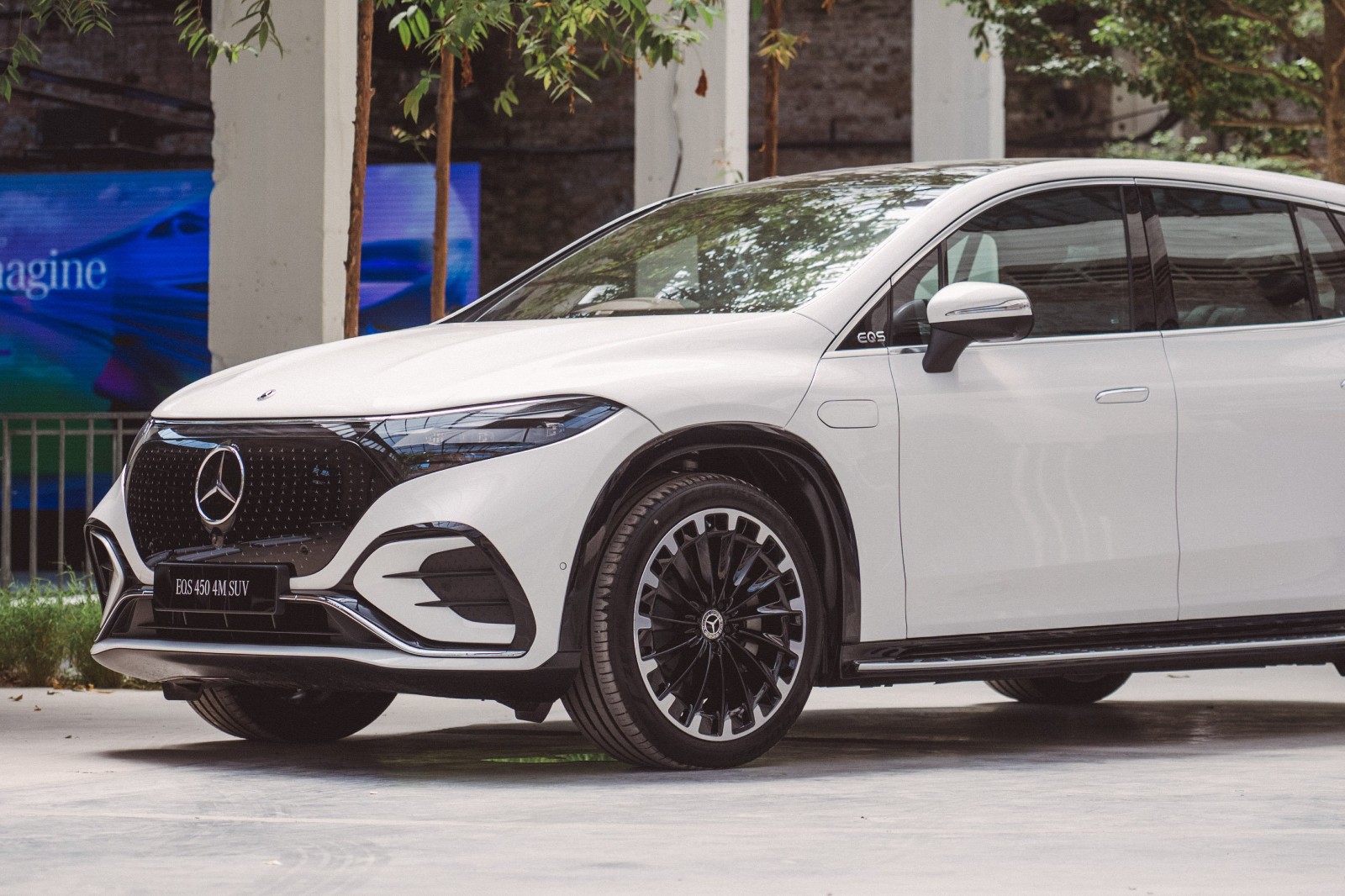
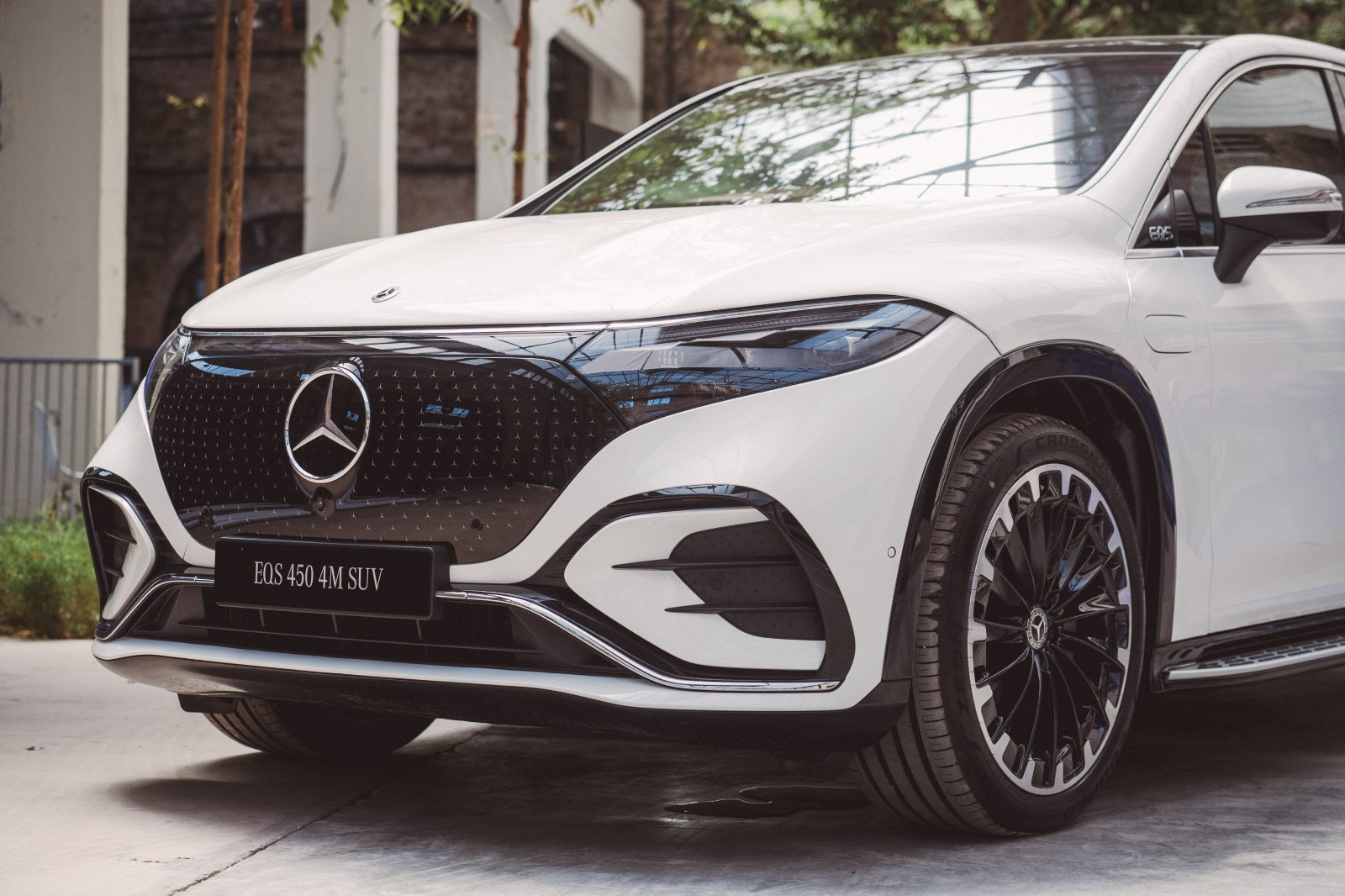
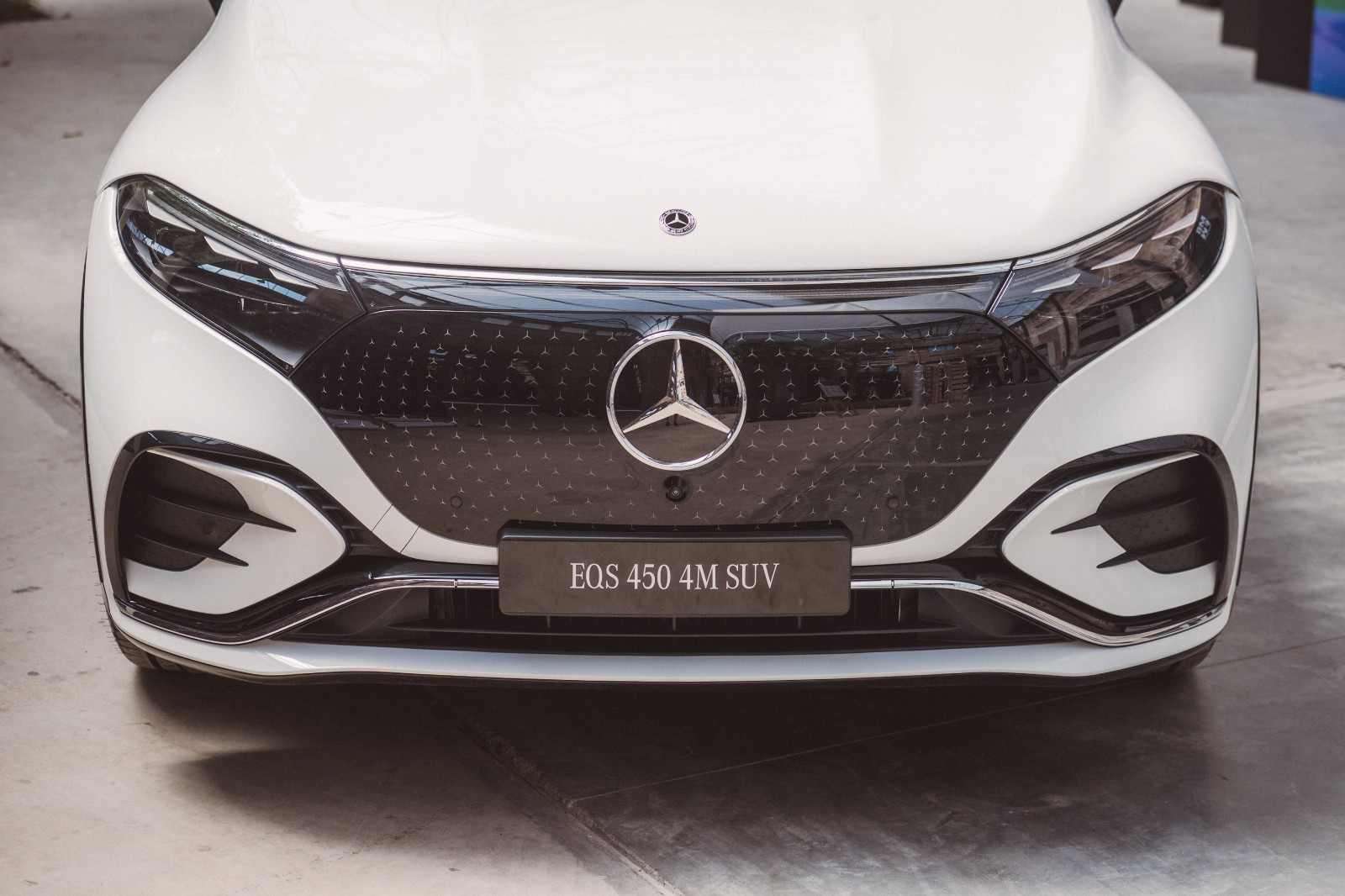
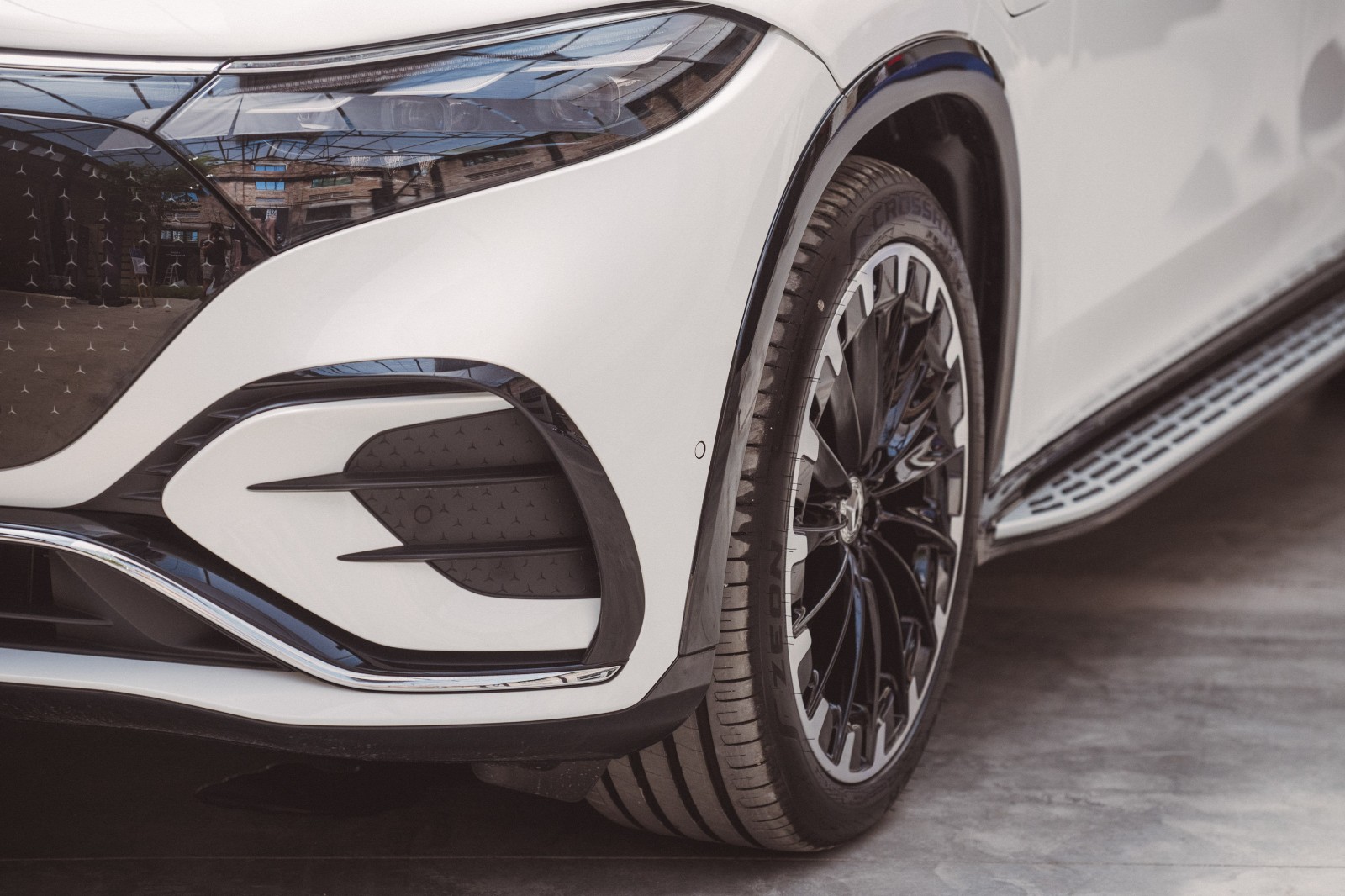
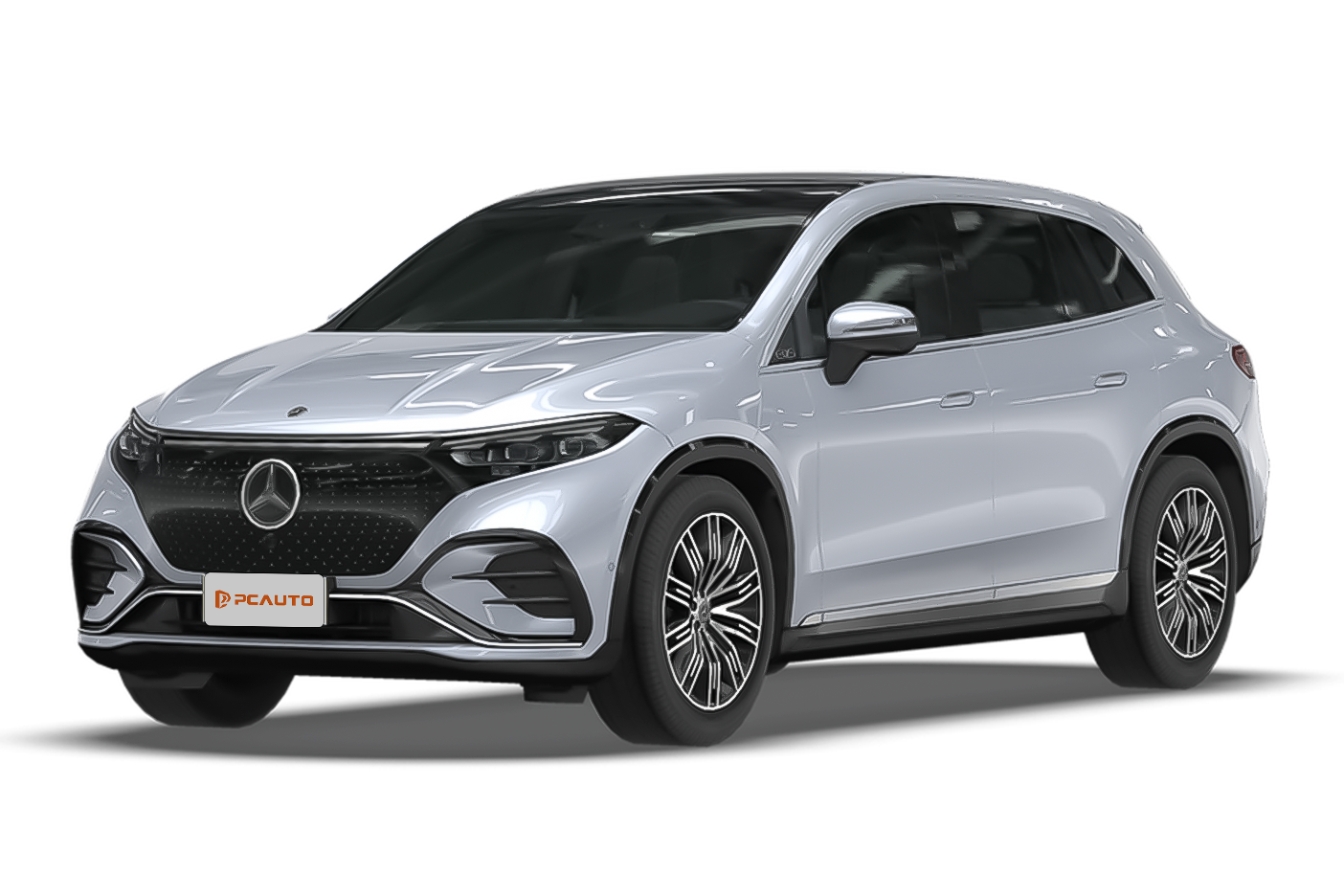
In terms of appearance, the EQS SUV retains the closed design style characteristic of the EQ family. The “Night Star Wing” grille on the front, paired with the illuminated three-pointed star emblem, offers high recognition. The body lines are relatively smooth, lacking the rugged contours of traditional SUVs, with a drag coefficient as low as 0.26. The rear features through-style LED taillights, with an internal spiral lighting pattern that is quite distinctive when illuminated. The diffuser design under the rear bumper also enhances the sporty feel. Notably, the new vehicle provides multiple wheel options, ranging from 19 inches to 22 inches. The large wheels, combined with wide fender flares, further emphasize the SUV's commanding presence.
Stepping inside, the first thing that stands out is the luxurious interior atmosphere. The “Hyperscreen” that takes up almost the entire front row field of vision consists of three seamlessly connected screens (a full LCD instrument panel, central control screen, and a passenger entertainment screen). The interface is smooth and has a high resolution. The interior materials primarily include genuine leather, wood veneers, and metal trims, with most touchable areas covered in soft-touch materials. The ambient lighting on the door panels can even change in sync with the music rhythm, reflecting Mercedes-Benz's high standard of craftsmanship in details. In terms of features, the front seats support heating, ventilation, and massage functions, the steering wheel is also heated, and the rear row is equipped with independent air conditioning outlets and Type-C charging ports. While these features are standard for luxury models, our experience shows that the seat ergonomics and support are excellent, ensuring comfort even for long-distance drives.
In terms of space performance, the EQS SUV boasts a wheelbase of 3210mm. When the front seats are adjusted to a comfortable sitting position, the rear seats provide more than two fists of legroom, with ample headroom. Even passengers who are 185cm tall will not feel confined in the rear seats. The trunk offers a standard capacity of 645L, which can be expanded to 2100L by folding down the second-row seats, easily accommodating strollers or large suitcases. In addition, the front trunk provides 19L of storage space, which is convenient for storing charging cables and other small items.
In terms of performance, the test-driven model is equipped with a dual-motor all-wheel-drive system, generating a combined maximum power of 385kW and a peak torque of 858N·m. The official 0-100 km/h acceleration time is 4.5 seconds. During actual driving, the power response at the start is very direct. Even in Eco mode, pressing the accelerator firmly delivers a significant sense of acceleration. When switched to Sport mode, the power output becomes more aggressive, and overtaking almost requires no delay, with power instantly available. Regarding range, the vehicle is equipped with a 107.8kWh battery pack, with a WLTP range of 660km. During our test drive on urban roads and highways, covering about 100km each, the average energy consumption was around 22kWh/100km. Based on this data, the actual range is about 500km, which is quite good for a mid-to-large SUV.
In terms of handling experience, the steering of the EQS SUV is precise with minimal play. Despite its large body size, it doesn’t feel cumbersome to drive. The suspension system uses air suspension, supporting height and stiffness adjustments. In standard mode, the suspension effectively filters out minor road bumps, and the chassis remains stable at high speeds. When crossing speed bumps, the suspension rebounds briskly without excess shaking. However, when driving on mountain roads, the significant vehicle weight (over 2.5 tons) makes body roll fairly noticeable; after all, its positioning leans more towards luxury and comfort rather than sportiness.
Regarding noise control, the EQS SUV performs commendably. At low speeds, the motor noise is almost inaudible, and at high speeds, wind and tire noise are kept at low levels, thanks to double-layer soundproof glass and the sealed body design. The energy regeneration system has three adjustable levels. The highest level provides a braking force close to a single-pedal mode, with noticeable deceleration when releasing the accelerator, making it suitable for congested urban routes. The lowest level offers a coasting feel similar to fuel-powered vehicles, providing more comfort during long highway journeys.
Overall, the EQS SUV's core advantages lie in its luxurious interior ambiance, spaciousness, and mature electrification experience. Compared to its counterparts like the BMW iX and Tesla Model X, it holds an edge in terms of interior luxury and craftsmanship details, with space performance being comparable. However, its price may be slightly higher. This vehicle is better suited for families emphasizing brand image and a comfortable experience, particularly those who travel long distances often or require seating for multiple passengers. If your budget is sufficient and you want a luxurious electric flagship SUV, the EQS SUV is a solid choice.
Mercedes-Benz EQS SUV Car Compare
More Mercedes-Benz Reviews
Cars With Similar Price And Features

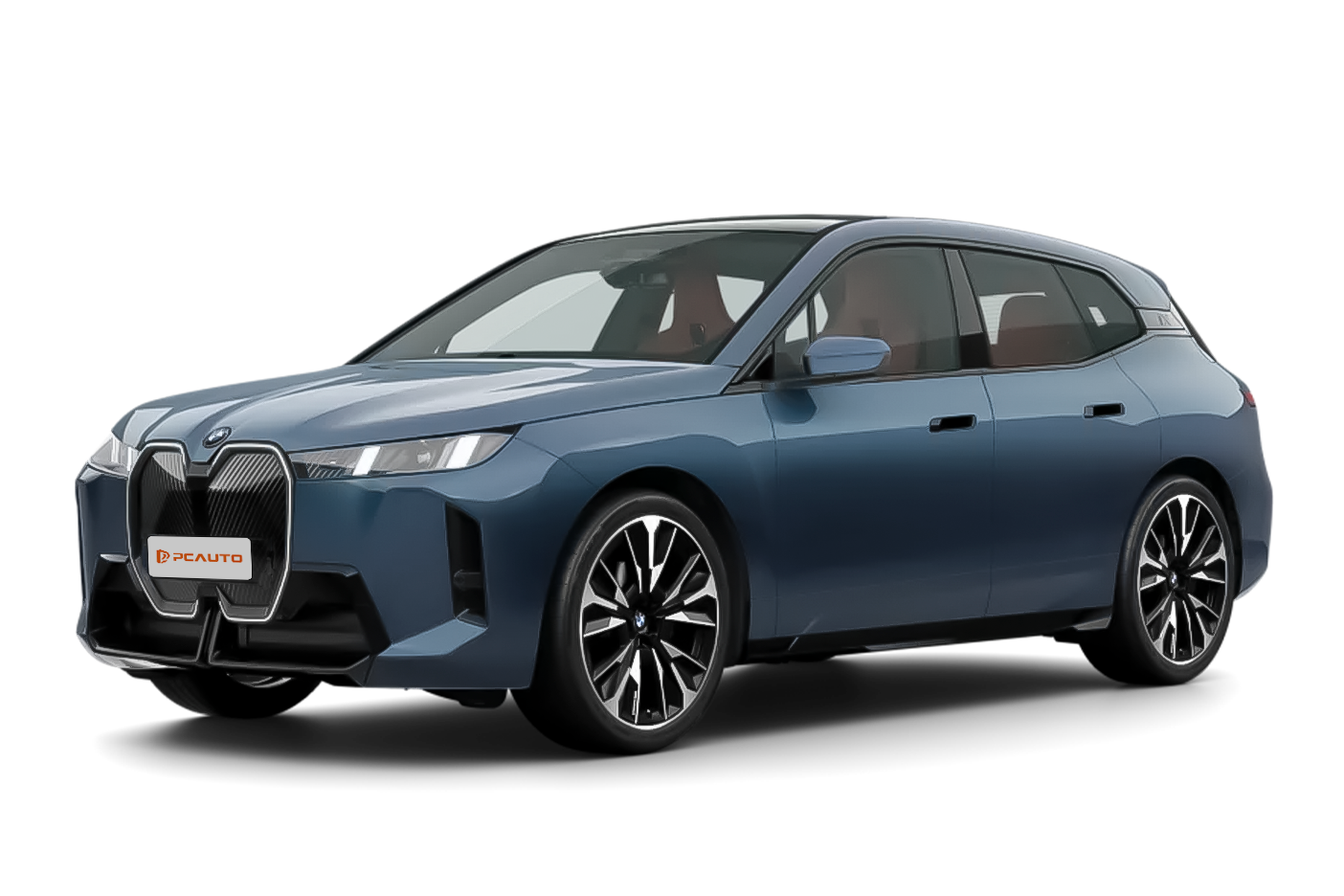
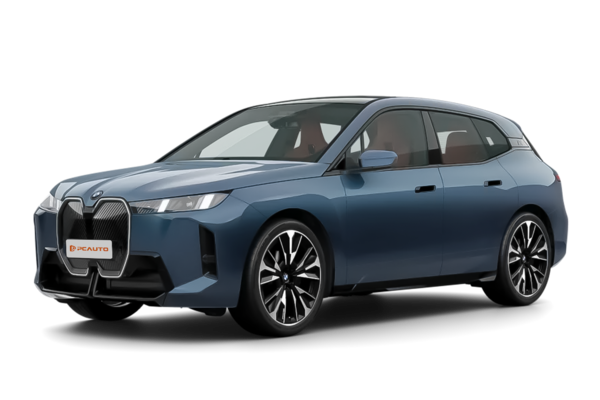
The 2025 BMW iX xDrive45 Sport is an Executive-class pure electric SUV that balances a 602km long range, signature driving dynamics, and luxurious intelligent features.
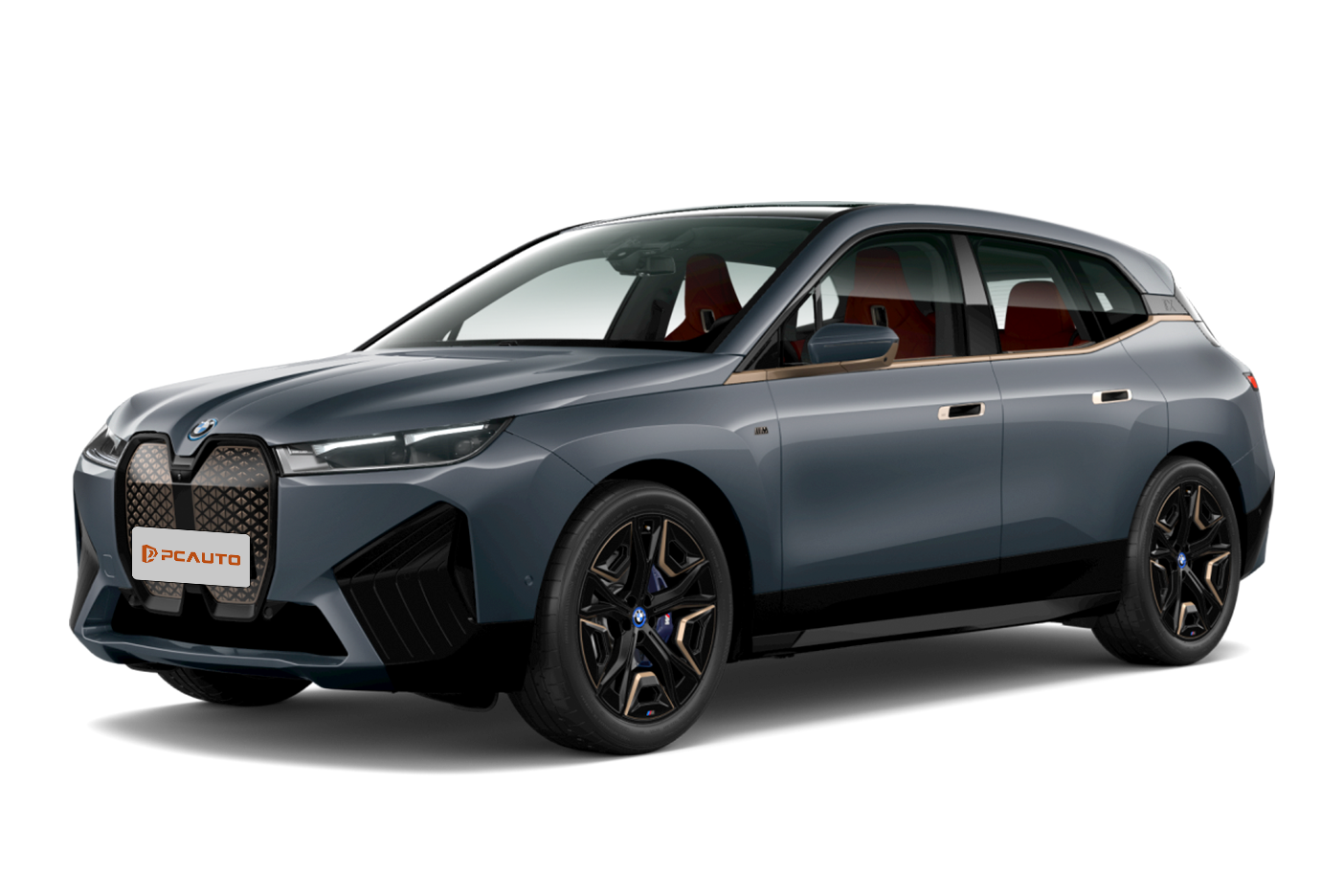
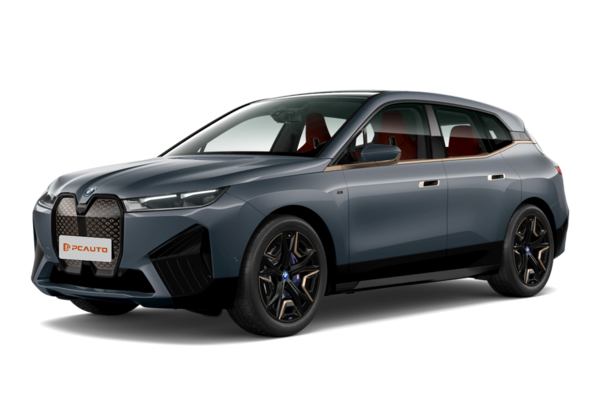
BMW iX M60 2024, as a high-end executive-level pure electric SUV, combines ultimate performance and luxurious experience with dual motors delivering 619 horsepower, 1110N·m torque, and a 561km range.
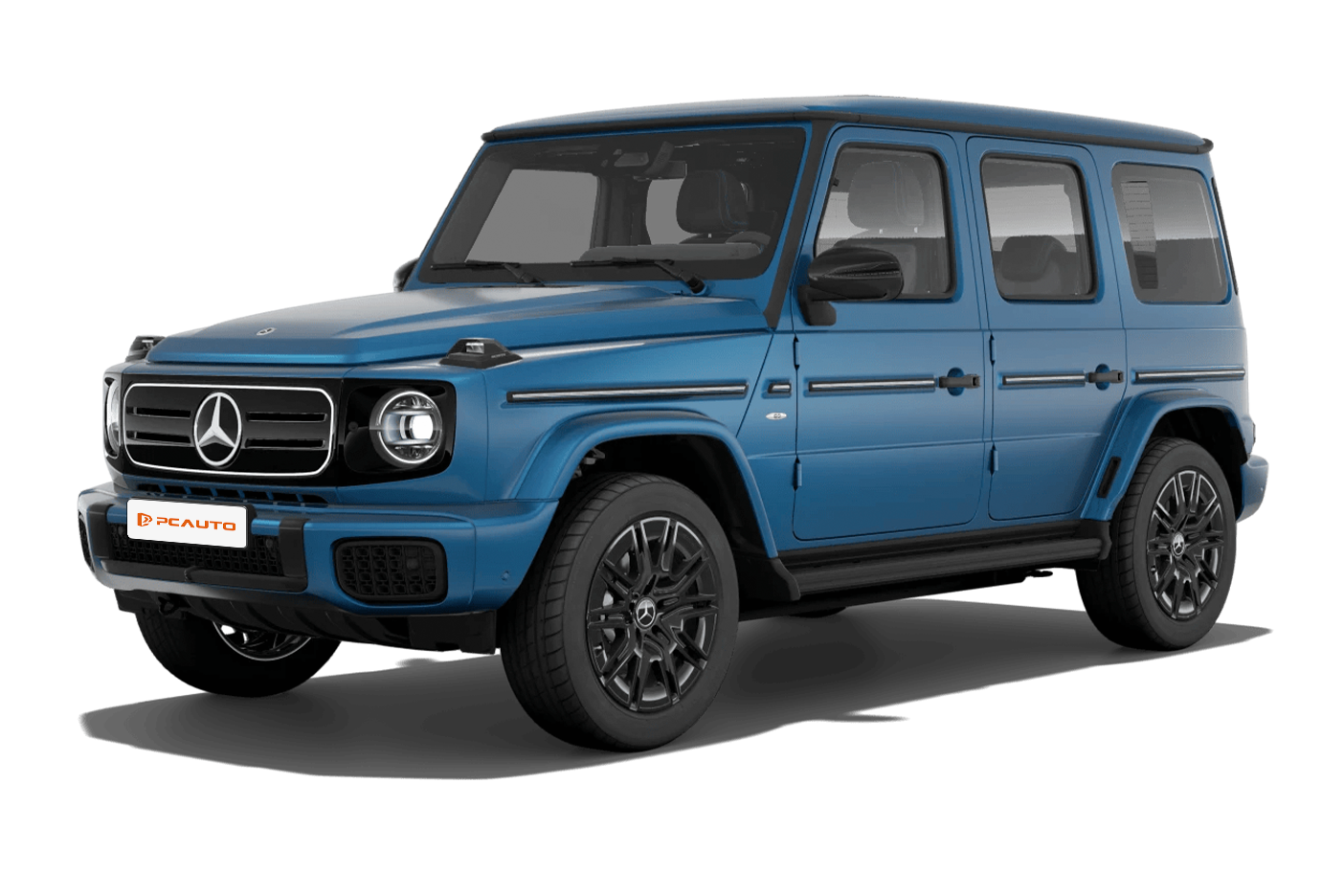
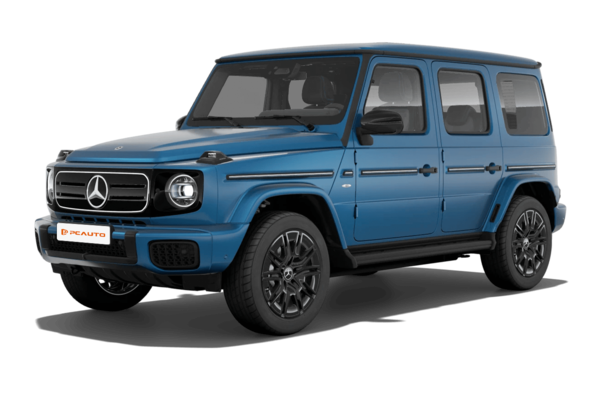
2025 Mercedes-Benz G-Class G580 is a luxury electric hardcore SUV that inherits the classic boxy design, equipped with a dual motor delivering 590 horsepower, combining 590 hp performance and a 473 km range.